A prefilled pod can look similar to a refillable pod, but the difference affects product handling, customer education, replenishment, and after-sales risk. When I speak with importers, wholesalers, and Vape Retailers, I find that the real problem is rarely the pod alone. The greater risk comes from choosing a format that does not match the sales channel or customer’s operating habits.
Quick Answer
A prefilled pod is a pod supplied with e-liquid by the manufacturer and designed for use with a compatible device.[1] A refillable pod is designed for the user or retailer to add e-liquid separately.[2] A prefilled pod may reduce filling and maintenance steps[3], while a refillable pod may offer more control over e-liquid selection and replenishment. Neither option is universally better. Buyers should compare compatibility, local rules, customer skill level, stock turnover, e-liquid supply, and after-sales requirements before purchasing.
The important point is that a prefilled pod is not automatically the same as a disposable vape. The two formats can have different device structures, replacement methods, packaging, and supply requirements.[4] I recommend that buyers confirm the product specification and intended use before comparing prices or placing a bulk order.
What Does a Prefilled Pod Differ from a Refillable Pod?
Many buyers first ask whether the pod already contains e-liquid. That question is useful, but it does not explain the complete procurement decision. A prefilled pod and a refillable pod can create different requirements for devices, inventory, training, and customer support.
A prefilled pod arrives with e-liquid already inside it. The user normally connects it to a compatible reusable or rechargeable device and replaces the pod when the liquid is finished. A refillable pod arrives empty or ready to be filled, so the user adds compatible e-liquid and may continue using the pod for a period defined by the product design.
Basic format comparison
| Factor | Prefilled pod | Refillable pod |
|---|---|---|
| E-liquid at purchase | Usually supplied inside the pod | Supplied separately |
| User operation | Attach the compatible pod and use it according to instructions | Fill the pod, close it correctly, and use it with compatible e-liquid |
| Replenishment | Requires replacement pods | Requires e-liquid and, eventually, replacement pods or coils |
| Product choice | Depends on available flavors, strengths, and pod models | Depends on available e-liquids and device specifications |
| Customer education | Focuses on compatibility, installation, storage, and replacement | Also includes filling, leakage prevention, priming, and e-liquid handling |
| Procurement priority | Pod availability and device ecosystem | E-liquid supply, filling design, and ongoing accessory availability |
| Common risk | Incorrect pod-to-device matching | Incorrect filling, unsuitable e-liquid, or poor maintenance |
In my purchasing discussions, I often find that a buyer is not choosing only between two pieces of hardware. The buyer is choosing between two operating models. One model places more responsibility on the pod supplier and the replacement-pod supply chain. The other places more responsibility on the user, retailer, or distributor to provide and explain e-liquid.
How Does a Prefilled Pod Work?
A prefilled pod normally combines a liquid reservoir, an atomizing component, and a mouthpiece or connection structure.[5] Depending on the model, the pod may use a magnetic connection, a pressure-fit connection, or another proprietary design. The compatible battery or device supplies power when the product is activated.[6]
A prefilled pod is usually intended to reduce the number of steps required before use. However, the exact experience depends on the product specification. Buyers should not assume that every prefilled pod has the same capacity, resistance, activation method, or compatibility.
The typical operating process
- Check that the pod matches the correct device.
- Inspect the packaging and pod for damage.
- Remove protective seals or plugs according to the instructions.
- Install the pod without forcing the connection.
- Follow the device instructions for activation and use.
- Store the product according to the manufacturer’s guidance.
- Replace the pod when it is empty or no longer suitable for use.
The retailer still has an important role. A prefilled pod does not eliminate the need for customer education. A customer who installs the wrong pod, uses an incompatible device, stores the product improperly, or misunderstands the replacement process may still return the product with a complaint.
Prefilled pod does not mean disposable vape
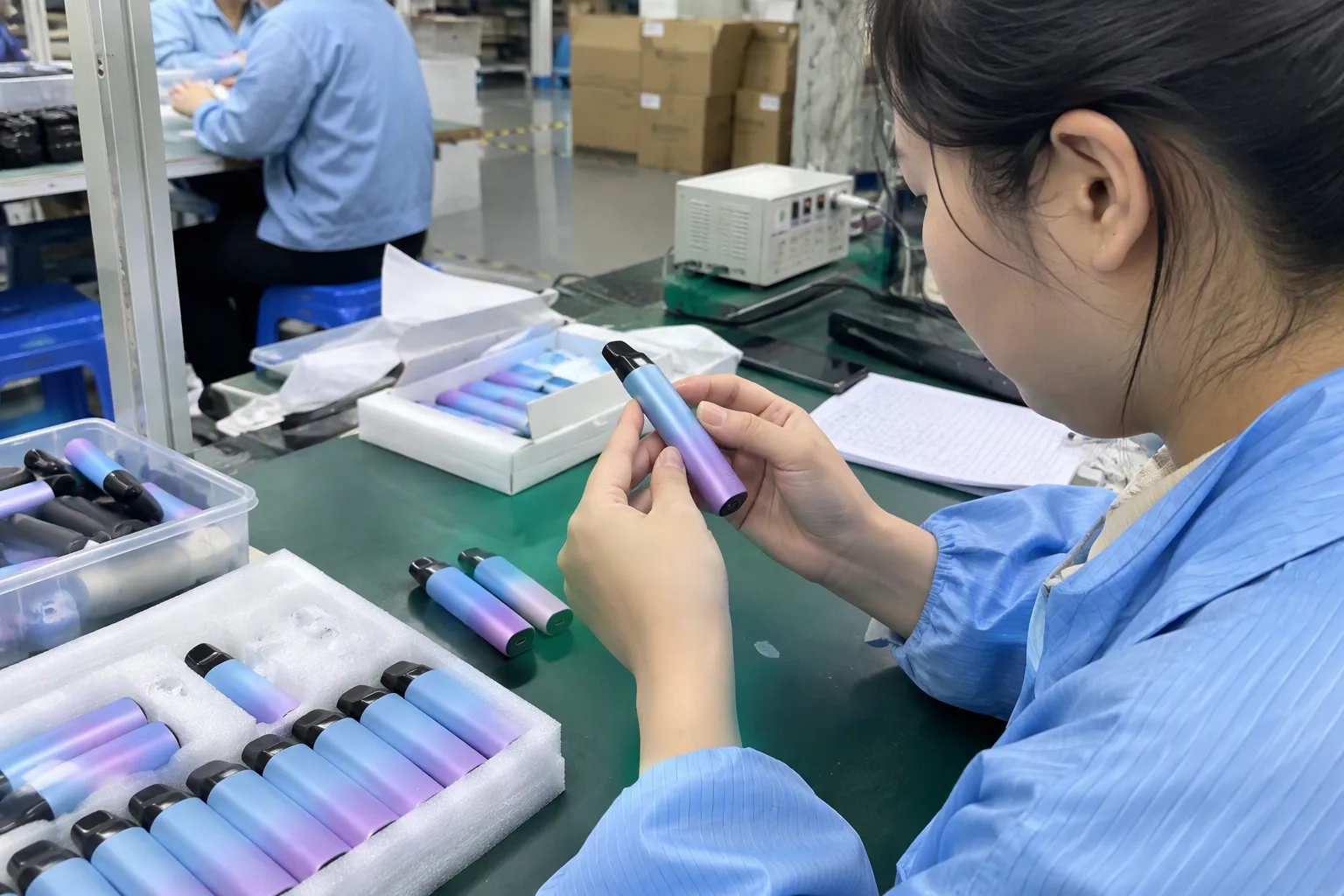
A disposable vape generally combines the battery, liquid, atomizing component, and outer body in one product intended for disposal after the relevant operating life.[7] A prefilled pod normally functions as a replaceable liquid-containing component for a compatible device. Some product designs may look similar, but visual similarity is not enough to classify them.
- Whether the battery is reusable or integrated.
- Whether the pod can be removed from the device.
- Whether the pod is sold separately as a replacement component.
- Whether the manufacturer describes the product as a closed pod system, open pod system, disposable, or another category.
- Whether the packaging, instructions, and market documentation use consistent terminology.
This classification can affect product listings, customer explanations, packaging, shipping arrangements, and market compliance.[8] Buyers should confirm the applicable requirements with qualified regulatory advisers and the relevant authorities in each destination market. For example, businesses selling products in the European Union should review the applicable Tobacco Products Directive framework and national implementation, rather than relying on a general industry description. The European Commission provides information through its Tobacco Products policy pages.
When May a Prefilled Pod Suit a Sales Channel?
A product format should match the way customers buy and use products. I do not recommend selecting a prefilled pod simply because it appears easier or because the initial unit price looks attractive. The better question is whether the format fits the retailer’s operating model and customer expectations.
A prefilled pod may be more suitable for channels where customers prioritize a straightforward replacement process and where retailers prefer to avoid handling separate e-liquid inventory. A refillable pod may be more suitable where customers already understand e-liquid selection and want more control over flavors, strengths, or ongoing replenishment.
Channel fit matters
| Sales channel or buyer type | Questions to ask before choosing a format |
|---|---|
| Vape shop | Can staff explain compatibility, installation, and replacement? |
| Smoke shop | Does the product match the customer’s expected price and operating simplicity? |
| Convenience store or gas station | Can staff provide a short, clear explanation with limited technical support? |
| Regional wholesaler | Can the buyer maintain consistent replacement stock across several retailers? |
| Importer or distributor | Can the supply chain support the required pod, battery, packaging, and documentation? |
| Small retailer | Is the minimum order manageable, and can stock turn over before packaging or market requirements change? |
| Large wholesale operation | Is there enough volume for direct import, private label, or OEM/ODM development? |
A small retailer may value low minimum order quantities and quick delivery more than a large container-level price. In this situation, stock from a regional or European warehouse may reduce the need to make a large advance purchase. A larger importer may instead compare factory pricing, production capacity, packaging development, shipping plans, and documentation for a direct shipment from China.
At Shenzhen Kingfuji Tech. Co., Ltd., I handle inquiries from different types of buyers, including importers, wholesalers, vape shops, smoke shops, convenience retailers, and distributors. Their needs are not identical. Some customers want fast-moving branded products from available stock. Others want a private-label project, a new product search, or OEM/ODM support. The format decision becomes more useful when I connect it to the customer’s route to market.
Convenience is a business requirement, not just a user claim
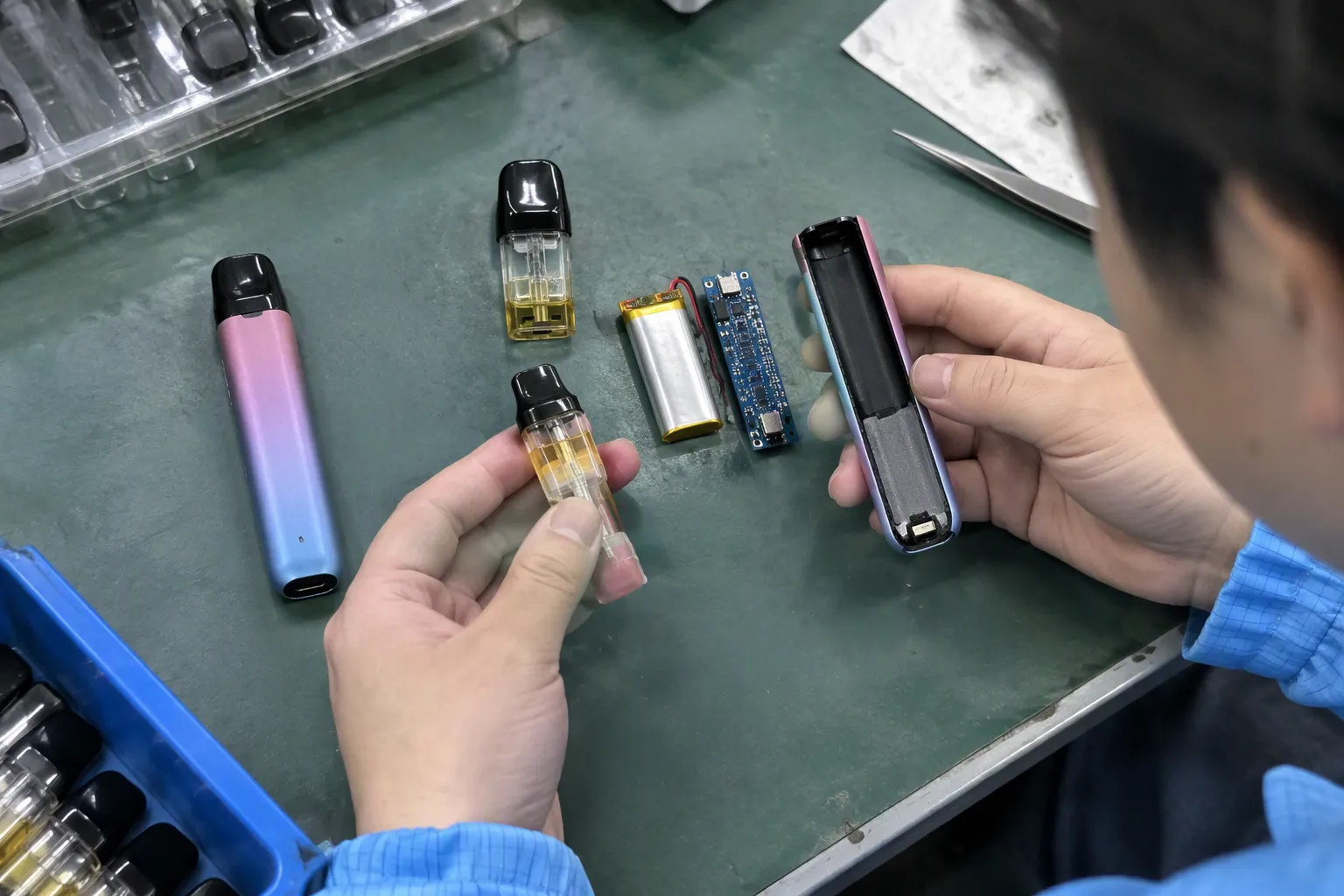
A prefilled pod may reduce the number of filling-related questions. That can matter for retailers with limited staff time. It may also make replenishment easier if the buyer has a clear supply plan for the exact replacement pod.
- Expected sales of the compatible device.
- Expected repeat sales of replacement pods.
- Number of flavors or variants required.
- Stock needed for each compatible model.
- Lead time for replenishment.
- Cost of slow-moving variants.
- Procedure for defective or damaged products.
- Customer support responsibility after delivery.
A product that is simple for the user but difficult for the retailer to replenish may not be a good commercial choice. Conversely, a refillable system may offer more choice but create more explanation and after-sales work.
What Should Buyers Check Before Ordering a Prefilled Pod?
The most expensive mistake is often not a small difference in unit price. It is ordering a product that does not match the device, sales channel, or local market requirements. I recommend using a structured evaluation before approving a sample or bulk order.
A buyer should confirm the product’s physical specifications, intended device, packaging, e-liquid information, replacement method, and supplier support. A sample should be assessed as part of the complete system rather than as an isolated pod.
Compatibility checklist
- Compatible battery or device models.
- Connection type and installation method.
- Pod dimensions and key specifications.
- Available capacity and resistance information.
- Activation method.
- Recommended storage conditions.
- Instructions for installation and use.
- Replacement procedure.
- Packaging configuration and carton details.
E-liquid and labeling checks
- Ingredient and liquid information supplied by the manufacturer.
- Nicotine information, where applicable.
- Batch or lot identification.
- Product warnings and required language.
- Packaging and labeling requirements.
- Child-resistant or tamper-related requirements where applicable.
- Required notifications, registrations, or market documentation.
I do not treat a supplier’s general statement about compliance as a substitute for product-specific documents. Buyers should review the current rules in the destination market and obtain qualified professional advice where necessary. In the United States, requirements may involve federal, state, and local rules, and the U.S. Food and Drug Administration’s tobacco products resources are a useful starting point. In the European Union, requirements can also differ through national implementation and enforcement.
Quality-control questions
- How will the supplier confirm the correct pod and device pairing?
- How will the supplier identify the production batch?
- What inspection process applies to appearance, packaging, and quantity?
- How are leaking, damaged, or nonconforming units handled?
- What evidence is available for the specific batch?
- What is the written after-sales process?
- Which party pays for an agreed remedy when a verified defect occurs?
I can arrange product information, samples, video verification, and order coordination for customers who need a clearer pre-shipment process. I also recommend that buyers record their agreed specifications in writing. A message such as “same as the sample” is weaker than a purchase specification that identifies the model, packaging, labeling, quantity, and accepted quality criteria.
Is a Refillable Pod Automatically Cheaper or Better?
A refillable pod is not automatically cheaper, greener, or better for every customer. Its commercial result depends on the price and availability of e-liquid, the life of the pod or coil, user behavior, leakage and maintenance rates, and the amount of customer support required.
A prefilled pod may have a higher apparent cost per replacement component because the e-liquid is already included. A refillable pod may require a lower-cost pod unit but also requires separate e-liquid, filling time, storage, and user instruction. The buyer should compare the complete operating cost rather than one unit price.
A practical total-cost model
| Cost area | Prefilled pod | Refillable pod |
|---|---|---|
| Initial device | Confirm device price and included accessories | Confirm device price and included accessories |
| Replacement component | Replacement prefilled pods | Empty pods, coils, or compatible components |
| E-liquid | Usually included in the pod | Purchased and stocked separately |
| Staff explanation | Compatibility and replacement guidance | Filling, e-liquid selection, priming, and maintenance |
| Inventory | Multiple pod variants and compatible devices | E-liquid variants plus pod or coil variants |
| Waste and returns | Depends on product design and local disposal rules | Depends on pod life, packaging, and user handling |
| After-sales exposure | Wrong model, damaged pod, storage, or connection issues | Filling errors, leakage, unsuitable liquid, and maintenance issues |
I would ask a wholesaler to calculate the likely cost for a defined sales period. For example, the buyer can compare the expected cost of supplying a particular number of end users over three or six months. The calculation should include devices, replacement pods, e-liquid, freight, warehousing, damaged stock, and reasonable customer-support time.
The buyer should not present an environmental advantage without product-specific evidence. Environmental impact depends on materials, battery design, packaging, transport, collection, and disposal arrangements. The European Commission’s waste electrical and electronic equipment information provides useful background for businesses dealing with relevant electronic products in the EU. A qualified local adviser should confirm which obligations apply to a specific product and market.
Why turnover changes the decision
A fast-moving product can justify a regular replacement-pod order, but only if supply remains stable. A slow-moving product can create a problem when the buyer holds several flavors or specifications that do not sell evenly.
For smaller customers, I can help review available stock and lower-volume purchasing options. Our company operates European warehouse inventory in several locations, including Germany, Austria, Poland, and Belgium, with delivery options through logistics providers such as DHL, DPD, UPS, and FedEx. Actual availability, delivery time, product eligibility, and destination requirements must be confirmed for each order. This model may help a small European buyer avoid committing to a large direct import before demand is clear.
How Can Suppliers Reduce Prefilled Pod After-Sales Risk?
A supplier cannot remove every market or user risk, but a clear procurement and support process can reduce avoidable problems. The supplier should help the buyer understand the product before the order is placed, not only respond after a complaint appears.
The main risk usually comes from a mismatch: the wrong pod is supplied, the customer cannot identify the correct device, the packaging does not explain use clearly, or the buyer has no consistent process for defective units.
Before the order
- The precise model and compatible device.
- The target country and intended sales channel.
- Required packaging and language.
- Sample approval method.
- Production and delivery schedule.
- Inspection expectations.
- Documentation required by the buyer.
- Remedy for verified defects or shipment problems.
- Freight destination and customs responsibilities.
At Kingfuji, I work with customers who want one supplier to coordinate several brands and product categories. Our business provides electronic cigarettes, ecigs, vapes, disposable products, atomizers, 510 batteries, CBD batteries, grinders, glass pipes, and vaporizers, subject to destination-market requirements. A one-stop supply arrangement can reduce the buyer’s need to contact several factories, but the buyer should still keep a clear itemized specification for every product.
During production and shipment
Our company was established in Shenzhen in 2011, and we operate as a factory and trading business with our own brand, a 5,000-square-meter factory, OEM/ODM experience, and a stated maximum capacity of up to 5 million units per month. These are business capabilities buyers should evaluate against their actual project requirements; they should not replace product-specific samples, inspection, and documentation.
For suitable orders, I can coordinate video verification, delivery arrangements, and after-sales communication. Our business also offers delivery-to-door options and can deliver to a customer’s nominated freight forwarder. Any customs compensation, defect replacement, or refund arrangement should be recorded in the commercial terms for the specific order. Buyers should not rely only on a general promise.
Customer education after delivery
- Use only the specified compatible device.
- Do not force the pod into the device.
- Follow the supplied instructions.
- Store the product as directed.
- Keep the product away from children and unauthorized users.
- Stop using a damaged or leaking product and follow the supplier’s support process.
- Confirm local disposal requirements for electronic products.
This explanation does not turn a retailer into a technical or regulatory authority. It simply helps prevent avoidable operating mistakes. For nicotine-containing products and other regulated products, the retailer must follow the applicable local rules and product instructions.
Which Prefilled Pod Supply Model Fits Small and Large Buyers?

The right purchasing model depends on order size, cash flow, demand certainty, and the customer’s ability to manage inventory. I see two broad buyer groups: smaller and medium-sized retailers that need manageable stock and fast replenishment, and larger importers, distributors, and wholesalers that need factory pricing, volume, and customization.
A small buyer may benefit from lower minimum order quantities and regional stock. A larger buyer may benefit from direct China procurement, OEM/ODM development, and a planned production schedule. The best model is the one that reduces total commercial risk while supporting the buyer’s turnover target.
Lower-volume and regional supply
- Low minimum order quantity.
- Fast dispatch.
- Limited upfront investment.
- A manageable number of product variants.
- Simple replacement stock.
- One supplier for several related products.
- Clear after-sales handling.
Our European warehouse model may suit some customers who need stock within Europe. The stated minimum quantity can be as low as 50 units per model for selected available products, but buyers must confirm the actual stock, model, destination, and order terms before relying on that figure. Regional fulfillment can reduce the waiting period associated with a direct China shipment, but it does not remove the need to verify product legality, labeling, and market suitability.
Direct import and OEM/ODM
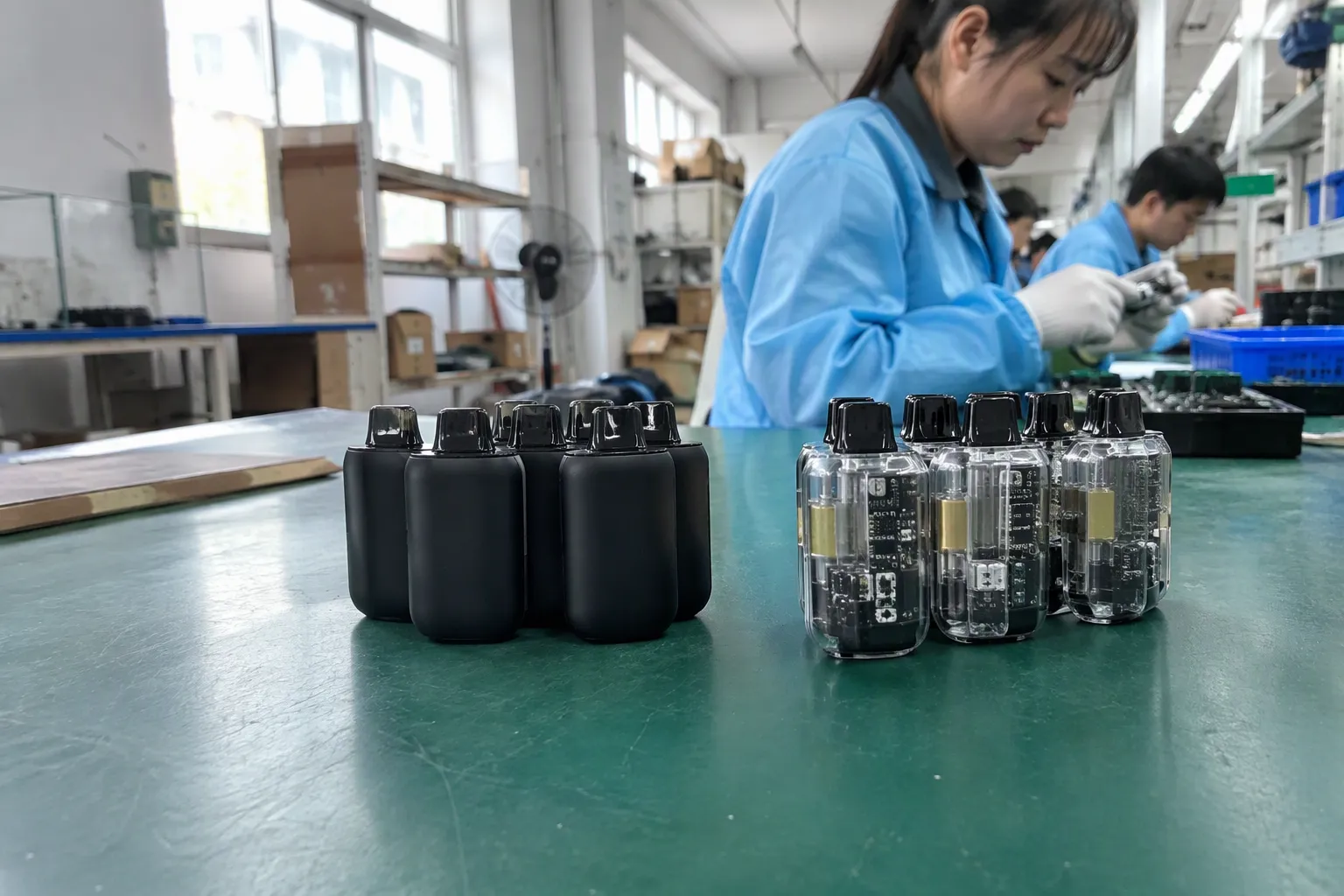
If the required product is not in an existing catalog, I can help search for a suitable product or discuss new-product development. If the market does not already offer the requested design, our team can assess mold development when the buyer’s conditions support it. Product development requires a proper review of tooling, testing, compliance, minimum order quantity, timeline, and ownership terms.
Supply-model comparison
| Buyer situation | Potentially suitable approach | Main checks |
|---|---|---|
| Small retailer testing demand | Small stock purchase or regional warehouse | Actual availability, minimum order, product legality |
| Medium wholesaler serving local shops | Consolidated supply from several categories | Replacement continuity and warehouse planning |
| Established importer | Direct China shipment | Volume, documentation, inspection, customs planning |
| Distributor with its own brand | OEM/ODM | Specifications, packaging, testing, compliance, forecast |
| Buyer with uncertain demand | Trial order before larger commitment | Sell-through, returns, customer questions, replenishment speed |
I use this type of discussion when customers ask for the newest products or the fastest-moving option. A product may be commercially interesting, but it still needs a realistic sales plan. Buyers should avoid purchasing a large quantity solely because a product is new or because another market appears to be selling it quickly.
Frequently Asked Questions
Is a prefilled pod the same as a disposable vape?
No. A prefilled pod is generally a liquid-filled replacement component used with a compatible device, while a disposable vape generally combines the main operating components into one product intended for disposal. Product designs vary, so buyers should verify the manufacturer’s specification and the applicable market classification.
Can I use any prefilled pod with any vape battery?
No. Compatibility is product-specific. The pod may require a particular device, connection structure, activation method, or operating range. Buyers should check the manufacturer’s compatibility list and test the complete system before selling it. Retailers should avoid recommending a pod based only on appearance.
Is a refillable pod always cheaper?
No. A refillable pod may have a lower component price, but the buyer must also account for e-liquid, filling, maintenance, leakage, replacement coils or pods, staff time, and customer support. A prefilled pod may be commercially more manageable in some channels, depending on replenishment and demand.
Which format is better for a convenience store?
It depends on the store’s customers, staff knowledge, product rules, and support process. A prefilled pod may reduce filling-related instructions, but the store still needs to explain device compatibility and replacement. The retailer should test the product and confirm that the packaging provides adequate information.
What should an importer request from a prefilled pod supplier?
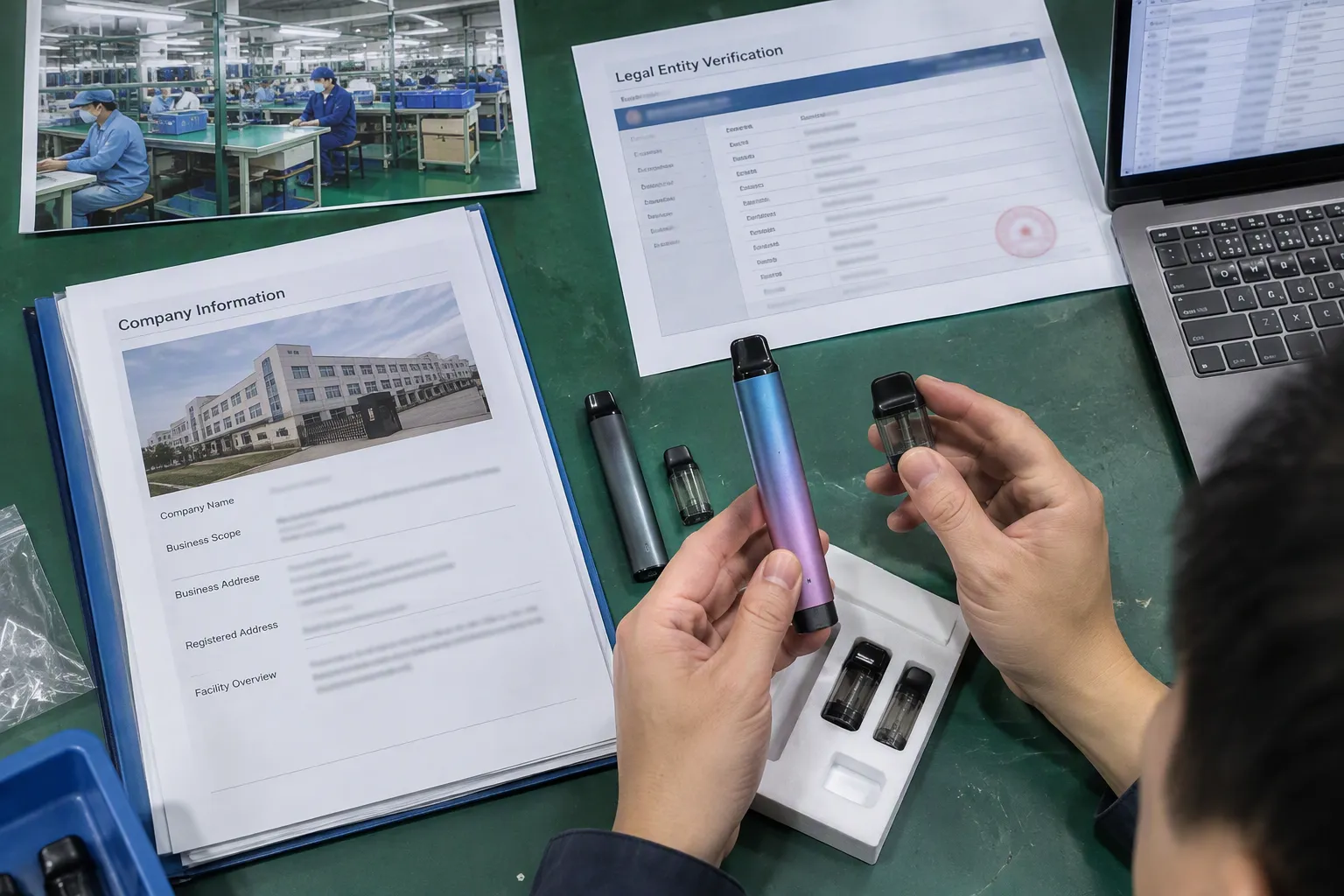
The importer should request product specifications, compatibility information, packaging and labeling details, batch identification, sample approval terms, inspection arrangements, shipping information, and written after-sales conditions. The importer should also verify current destination-market requirements with qualified professionals.
Conclusion
A prefilled pod is not simply a refillable pod with e-liquid already inside. It represents a different supply and user-operation model. I recommend that importers, wholesalers, and retailers compare compatibility, customer skill level, stock turnover, replacement supply, e-liquid handling, documentation, and after-sales responsibility. Small buyers may prefer manageable regional stock, while larger buyers may benefit from direct import or OEM/ODM planning. Contact Kingfuji at info@kingvapecig.com or +86 13928420527 to discuss product matching, samples, warehouse supply, or a larger procurement project.
Sources
- Use of electronic nicotine delivery system (ENDS) devices ...", A pod-based electronic cigarette is generally described as a device system using a detachable cartridge or pod that contains e-liquid and connects to a compatible power unit
- Electronic Cigarette Terminology: Where Does One ... - PMC", Open-system electronic cigarettes are commonly characterized by user-filled reservoirs or cartridges, allowing e-liquid to be supplied separately from the device hardware
- E-Cigarette Design Preference and Smoking Cessation - PMC", Comparative studies of electronic-cigarette systems indicate that prefilled closed systems can involve fewer user handling steps than refillable systems, particularly because separate liquid filling is not required
- Youth and Young Adult Use of Pod-Based Electronic ... - PMC", Regulatory descriptions commonly distinguish replaceable pod systems from disposable electronic cigarettes according to whether the liquid-containing component and power unit are separable and reusable
- Design features and elemental/metal analysis of the atomizers ...", Pod-based electronic cigarettes typically integrate a liquid reservoir with an aerosol-generating coil or atomizer and a mouthpiece or connection interface
- Effects of Manufacturing Variation in Electronic Cigarette Coil ...", In electronic cigarettes, activation causes the battery to deliver electrical energy to a heating element, generating an aerosol from the e-liquid supplied to the atomizer
- About E-Cigarettes (Vapes) | Smoking and Tobacco Use", Disposable electronic cigarettes are generally characterized as integrated products containing the power source and e-liquid system in a unit intended to be discarded when its usable contents or operating life are exhausted
- Labelling of electronic cigarettes: regulations and current ...", Government regulatory frameworks commonly attach different notification, labeling, packaging, and market requirements to electronic-cigarette products according to their composition, presentation, and intended use
Related reading: