Quick Answer
Exclusive vs Non-Exclusive Vape Distribution can affect your inventory risk, cash flow, market position, and growth plan. If you choose the wrong model, you may tie up money in slow-moving stock or face unnecessary competition. I help importers, wholesalers, and retailers compare both options before they commit to a territory, purchase volume, or private-label project.
Exclusive distribution may offer stronger differentiation and territory focus, but it usually requires higher investment, reliable sales coverage, and clear purchase commitments. Non-exclusive distribution often gives buyers more flexibility, lower initial risk, and faster product testing. The better model depends on market validation, operating capacity, cash flow, channel coverage, and the supplier’s contract terms—not on the word “exclusive” alone.
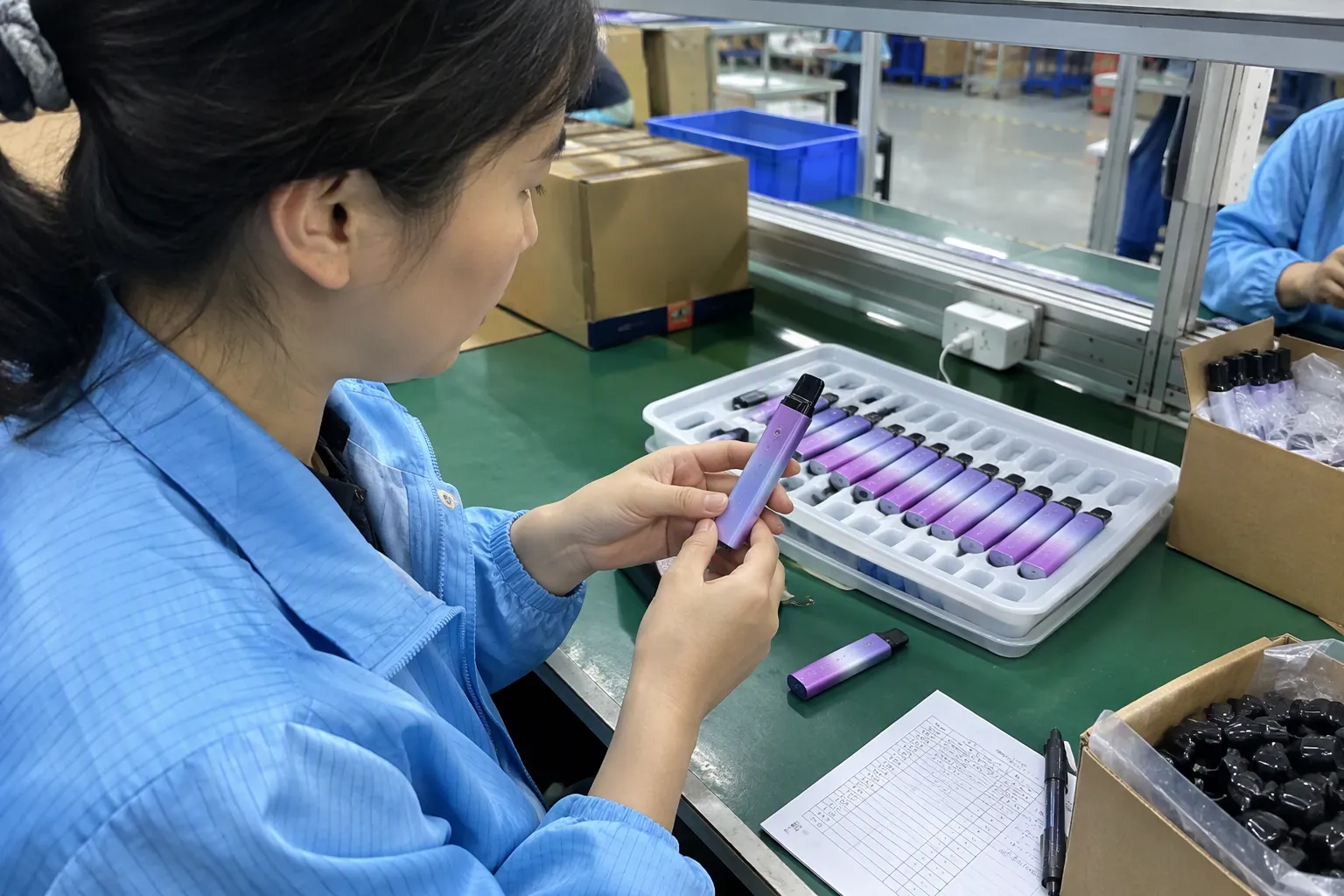
I have worked with European and U.S. importers, wholesalers, vape shops, smoke shops, convenience-store suppliers, and other B2B buyers who face this decision. Some need flexible stock for fast market testing. Others already have warehouses, sales teams, and established channels. The practical question is not which model sounds more powerful. The practical question is which Model Fits your current market evidence and business capacity.
Exclusive vs Non-Exclusive Vape Distribution: Which Model Fits Your Market
Many buyers like the idea of exclusivity because it sounds like protection. However, a territory right does not automatically create demand, guarantee profit, or prevent every competitor from selling similar products[1]. At the same time, non-exclusive supply is not simply a race to offer the lowest price. Each model creates different responsibilities and opportunities.
Exclusive distribution is generally more suitable when a buyer has validated demand, strong local coverage, sufficient working capital, and the ability to meet agreed purchase and marketing obligations. Non-exclusive distribution is often more suitable for buyers testing a product, serving a smaller region, replenishing from overseas stock, or protecting cash flow. Buyers should compare sales evidence, MOQ, delivery options, territory terms, after-sales support, and compliance responsibilities before selecting a model.
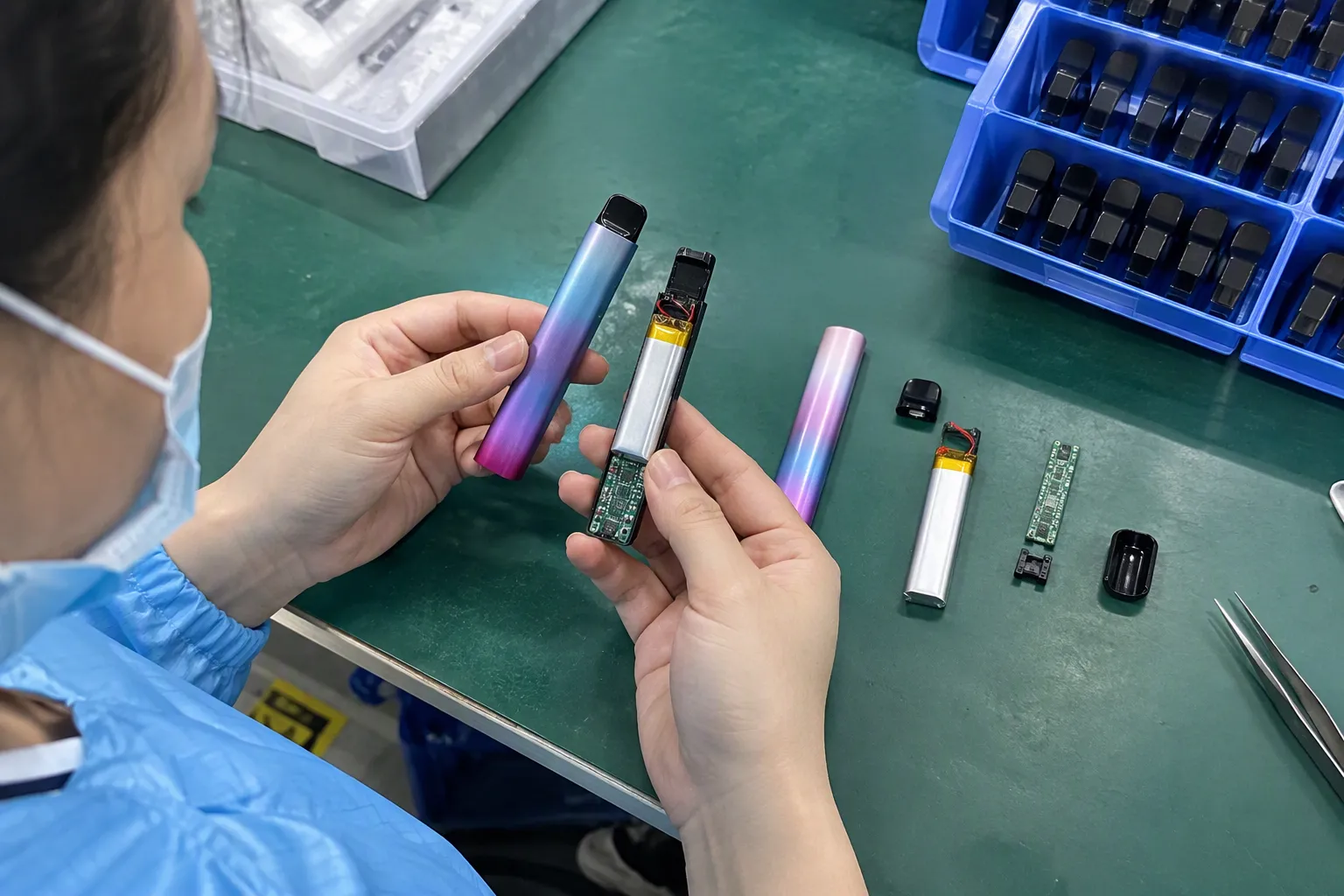
I usually start the discussion with the buyer’s operation rather than with the supplier’s preferred contract. A small wholesaler with a few local accounts may need a low-commitment test. A mature importer with several warehouses may need a more structured arrangement. The same product can require two different cooperation models because the buyers have different resources and risks.
Exclusive distribution normally gives one buyer, or one appointed partner, defined rights within an agreed territory or channel[2]. The exact meaning depends on the contract. “Exclusive in a country” is different from “exclusive for online sales,” “exclusive for a retail channel,” or “exclusive for a specific product line.”
- Which country, region, or sales channel does the territory cover?
- Does exclusivity apply to one brand, selected products, or the complete catalogue?
- Is the supplier restricted from selling directly to other buyers in that territory?
- Are online marketplaces included?
- What minimum purchase quantity applies?
- What happens if the buyer does not reach the target?
- How long does the agreement last?
- Who is responsible for marketing, product education, complaints, and local compliance?
- Can the supplier continue selling to existing accounts?
These questions protect both sides. A vague promise of exclusivity can create disagreement later. A written agreement should define territory, channels, product scope, duration, purchasing obligations, pricing principles, termination conditions, and after-sales responsibilities[3]. I also advise buyers to have local legal professionals review the contract before signing.
Exclusivity can provide a stronger position, but it usually requires more than placing a first order. A buyer may need to invest in sales development, product education, local inventory, promotional activity, customer support, and channel relationships.
A recognized brand can help attract attention, but recognition in one market does not prove that the brand will perform in another. Product preferences, pricing, packaging, customer expectations, local competition, and applicable rules can differ substantially between countries and even between regions[4].
| Question | Why it matters |
|---|---|
| What sales have already been validated? | It separates real demand from assumptions. |
| How many active accounts can the buyer serve? | It shows whether the territory can receive proper coverage. |
| What inventory can the buyer finance? | It measures exposure if sell-through is slower than expected. |
| What purchase target is realistic? | It prevents an attractive agreement from becoming an operational burden. |
| What marketing work can the buyer complete? | It clarifies who will create local demand. |
| What is the exit process? | It reduces uncertainty if the cooperation underperforms. |
I have seen buyers focus heavily on obtaining exclusive rights while spending less time calculating the stock, staff, and sales coverage needed to support those rights. I believe the order should be reversed. First, the buyer should understand the business requirement. Then both sides can decide whether exclusivity is practical.
When Can Non-Exclusive Distribution Be the Safer Starting Point?
Non-exclusive distribution allows several qualified buyers to purchase and sell the same brand or product range[5], subject to the supplier’s normal terms. This model can reduce the buyer’s initial commitment and make it easier to compare products in real selling conditions.
For smaller importers, local wholesalers, and retail operators, the main advantage may be flexibility. A buyer can start with a manageable quantity, observe customer response, and reorder according to actual movement[6]. If products are available through our European overseas stock, eligible buyers may be able to use lower MOQs and shorter delivery routes than a large shipment from China. Our stated minimum for some overseas-stock products can be as low as 50 units per model, but buyers should confirm current availability, product terms, destination requirements, and stock before ordering.
- Test several product types instead of making one large commitment.
- Preserve working capital for other fast-moving goods.
- Replenish based on observed sales rather than forecasts alone.
- Reduce exposure to slow-moving inventory.
- Compare customer response before selecting a long-term brand strategy.
- Learn which channels and product categories deserve deeper investment.
Overseas stock does not guarantee sell-through. It also does not remove the need to check local requirements, product documentation, packaging, taxes, import responsibilities, and channel suitability. I present it as a supply and cash-flow option, not as a promise of commercial success.
The main disadvantage is that another distributor may offer the same brand or a similar product. The buyer may have less control over local pricing and may find it harder to claim a unique market position.
However, competition does not always mean that the buyer has no value to offer. A wholesaler may compete through dependable availability, product selection, local delivery, customer service, account relationships, and accurate product information. A shop supplier may differentiate through a suitable assortment instead of selling every available item.
A buyer can also use non-exclusive distribution as a learning stage[7]. After identifying strong demand, the buyer may later discuss:
- Larger-volume purchasing.
- A defined territory or channel arrangement.
- A longer-term brand cooperation plan.
- Custom packaging.
- A private-label product.
- OEM or ODM development.
- A product range designed for a particular customer base.
This staged approach can be more realistic than requesting exclusivity before understanding local demand. It gives the buyer time to collect sales feedback and gives the supplier evidence about the buyer’s ability to support the market.
I recommend comparing the models across several business factors instead of focusing only on unit price.
| Factor | Exclusive distribution | Non-exclusive distribution |
|---|---|---|
| Market position | Potentially more differentiated | More flexible but may face direct competition |
| Initial commitment | Often higher | Usually easier to start |
| Purchase obligations | May include minimum targets | Often more flexible, depending on supplier terms |
| Inventory exposure | Higher if demand is uncertain | Easier to control through smaller orders |
| Sales responsibility | Greater territory-development responsibility | Focused on the buyer’s own accounts |
| Brand control | May provide stronger positioning | Usually less control over other sellers |
| Suitable business stage | Validated and growing markets | Testing, smaller-scale, or fast-turnover markets |
| Customization path | May support deeper cooperation | Can lead to OEM/ODM after demand is proven |
No table can replace a proper commercial review. I use this comparison to start a conversation. The buyer still needs to check actual stock, lead times, order quantities, pricing, product documents, contract language, and after-sales arrangements.
Buyer scale is important, but size alone is not enough. A smaller company with strong local relationships and fast inventory turnover may be highly effective in a limited area. A larger company may have more warehouses but still lack the sales focus needed for a new product.
- Local vape shops.
- Smoke shops.
- Convenience-store suppliers.
- Gas-station product distributors.
- Small regional wholesalers.
- Importers serving a limited number of retail accounts.
- Traders who need to test new products quickly.
For these businesses, flexible distribution and overseas-stock replenishment may reduce the need for a large upfront order. A lower MOQ can help the buyer test multiple products. A delivery route from European stock may also support faster replenishment within the available service area.
- Units sold by week.
- Reorder frequency.
- Return and complaint rates.
- Gross margin after delivery and taxes.
- Stock age.
- Customer questions and usage problems.
- The time required to replace defective goods.
These buyers may have several warehouses, broad regional coverage, established retail accounts, and experience importing from China. They may be better positioned to purchase larger quantities directly from our Shenzhen operation.
Our company was established in Shenzhen in 2011. We operate as a factory and trading business, with a stated 5,000-square-meter factory, OEM/ODM experience, and a production capacity stated by the company as up to 5 million units per month. Buyers should verify current capacity, product-specific capability, quality-control arrangements, and commercial terms for each project.
Larger buyers may use direct importation to pursue better volume economics, broader product selection, brand distribution, or customized products. They may also have the internal team needed to manage forecasting, compliance review, warehouse planning, customer support, and channel development.
Non-exclusive branded distribution can be useful for testing, but it may not create long-term differentiation. If the buyer identifies a stable market opportunity, OEM or ODM may offer another route.
With OEM cooperation, the buyer normally selects an existing product and applies an agreed brand, packaging, or configuration. With ODM cooperation, the buyer may participate more deeply in product design, appearance, features, packaging, or development requirements. The exact scope depends on the project and technical agreement.
I can support buyers who want to move from general distribution toward a more tailored product range. However, private-label development requires careful preparation. The buyer should define:
- Target customer and sales channel.
- Product category and intended use.
- Required appearance and packaging.
- Expected order quantity.
- Target cost and commercial price.
- Product testing and inspection requirements.
- Documentation and market-entry responsibilities.
- Replacement and after-sales procedures.
- Ownership of artwork, tooling, and approved samples.
OEM/ODM is not a shortcut around market validation. A customized product can create more commitment because packaging, tooling, and inventory may be less reusable if demand changes. I suggest that buyers first confirm the commercial opportunity and then choose the level of customization that their operation can support.
Many distribution decisions are really cash-flow decisions. A product can appear profitable on paper while creating pressure through slow turnover, delayed replenishment, returns, or unexpected logistics costs.
I encourage buyers to calculate the full landed and operating cost:
- Product purchase price.
- Freight from China or overseas stock.
- Duties, taxes, and customs-related charges.
- Warehousing and local delivery.
- Payment-processing costs.
- Packaging or labeling work.
- Sales commissions.
- Expected returns and defective-product reserves.
- Marketing and customer education.
- Capital tied up during the sales cycle.
A smaller order can have a higher unit price but lower total risk[8]. A larger order can improve the purchase price but increase exposure if the product does not move. The right comparison is not simply “Which price is lower?” It is “Which option produces an acceptable return without creating unsafe pressure on working capital?”
For some European customers, our overseas warehouses in Germany, Austria, Poland, and Belgium may provide a practical replenishment option. We use delivery services such as DHL, DPD, UPS, and FedEx according to the available route and order arrangement. Delivery timing, stock status, destination rules, and service scope must be confirmed for each shipment. The same principle applies to direct China shipments, where the buyer should review the estimated schedule and customs responsibilities before payment.
What Should Buyers Check About Quality and After-Sales Service?
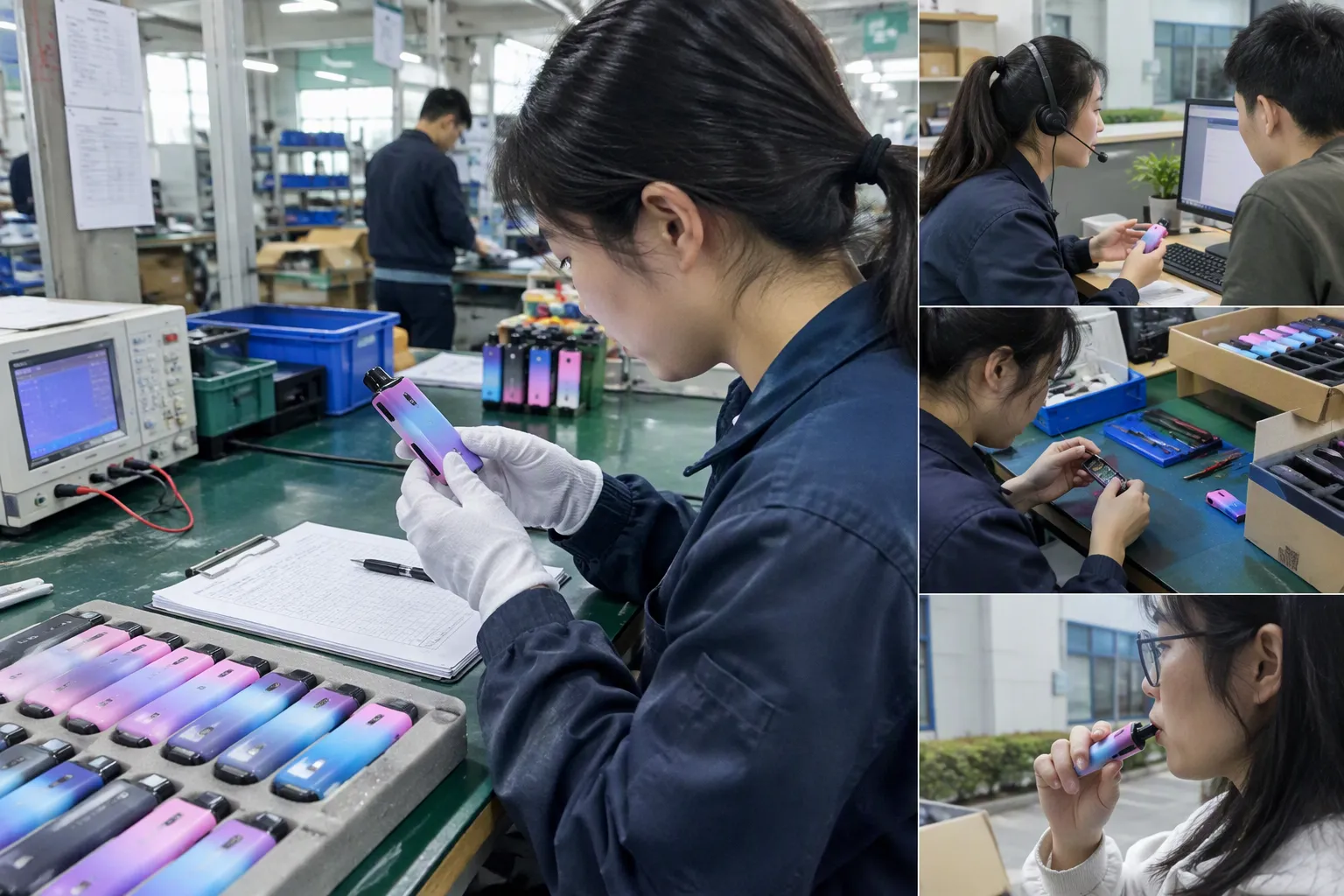
Distribution model decisions should include product quality control. A low purchase price does not create value if the buyer faces frequent complaints, inconsistent batches, or unclear responsibility for defects.
I recommend that buyers ask for a documented process covering:
- Approved samples and specifications.
- Incoming-material or component checks where relevant.
- In-process production checks.
- Finished-product inspection.
- Packaging and quantity verification.
- Pre-shipment inspection arrangements.
- Defect classification and evidence requirements.
- Replacement, refund, or compensation terms.
- Communication channels for after-sales cases.
Our business provides unified after-sales support for products purchased through us, which can reduce the buyer’s need to contact several brands or factories separately. We can also discuss video verification and shipment arrangements. Any compensation or replacement promise should be confirmed in writing for the specific order, product, and destination.
Buyers should also avoid treating certificates, test reports, or compliance documents as automatic proof that a product may be sold everywhere. The buyer must verify the authenticity, scope, date, issuing organization, and market relevance of every document. Country-specific requirements should be reviewed with qualified local professionals before importation or sale.
How Can Buyers Reduce Customer Problems After Delivery?
A buyer’s reputation depends on more than receiving the goods. Retail customers also need correct product information, suitable instructions, and realistic expectations.
This matters especially when a wholesaler purchases a trending product quickly without knowing how to explain it to retail customers. Incorrect use, unsuitable customer selection, or unclear instructions can create complaints even when the product itself meets the approved specification.
I suggest that B2B buyers prepare a simple product information process:
- Keep the approved product description.
- Confirm the intended use and limitations.
- Use the correct packaging and instructions.
- Train sales staff on basic product information.
- Record batch or order details for complaints.
- Separate product defects from usage or handling issues.
- Escalate technical questions to qualified professionals.
- Maintain a clear process for returns and replacements.
I can provide commercial and product-supply information, but I do not replace local legal, regulatory, medical, laboratory, or engineering advice. Buyers should obtain professional evaluation for application-specific decisions and confirm that the final product, packaging, advertising, and sales channel meet local requirements.
I often recommend a staged process because it connects the distribution model to evidence.
Stage one: Define the market.
The buyer identifies the country, customer type, channel, expected price range, and product category. The buyer also checks applicable requirements before placing an order.
Stage two: Test with controlled inventory.
The buyer selects a manageable range and quantity. A smaller customer may use available European overseas stock where appropriate. A larger importer may test through a planned China shipment.
Stage three: Measure actual movement.
The buyer tracks reorders, customer feedback, complaints, stock age, margin, and delivery performance. The buyer should not rely only on verbal interest from potential customers.
Stage four: Improve the assortment.
The buyer removes slow-moving items and increases focus on products that fit the channel. The buyer may also identify a gap that could suit custom packaging or a new product project.
Stage five: Discuss deeper cooperation.
If the market evidence is positive, the buyer and supplier can discuss larger volume, Brand Agency, defined territory rights, OEM/ODM, or another structure. The contract should reflect realistic purchase capability and responsibilities.
This path does not guarantee success. It simply helps the buyer make a larger commitment after learning more about the market.
I run our business around several supply options because our customers do not all have the same needs. We represent a wide range of vape and smoking-accessory brands and product categories, while also operating our own factory and supporting OEM/ODM cooperation.
Our product scope includes electronic cigarettes, disposable vapes, atomizers, 510 batteries, CBD batteries, vaporizers, grinders, glass pipes, and other related products. Product availability, brand authorization, MOQ, documentation, and delivery terms vary by item and market.
- A broad one-stop catalogue.
- Lower-quantity testing where available.
- Overseas-stock access for selected products.
- Replenishment based on real sales.
- One after-sales contact.
- Delivery to the buyer or the buyer’s nominated freight forwarder.
For a larger importer or wholesaler, the value may come from:
- Consolidated purchasing across product categories.
- Direct China supply.
- Volume-based commercial discussion.
- Brand distribution opportunities.
- OEM/ODM development.
- Factory coordination and production planning.
- A long-term supply relationship.
I also understand that some buyers already have trusted freight forwarders. In that case, I can arrange delivery to the nominated forwarder when the order terms permit it. Other buyers prefer door-to-door coordination. The correct logistics model depends on the buyer’s experience, destination, customs arrangement, and risk controls.
A distribution agreement should convert general expectations into measurable responsibilities. I recommend that buyers review at least these points:
- Legal names of all parties.
- Product and brand scope.
- Territory definition.
- Online and offline channel rules.
- Exclusivity conditions, if any.
- Minimum order or annual purchase target.
- Price review and quotation validity.
- Payment terms.
- Delivery terms and transfer of risk.
- Forecasting and replenishment expectations.
- Marketing responsibilities.
- Product documentation responsibilities.
- Quality inspection process.
- Defect and after-sales procedure.
- Recall or regulatory response process.
- Use of trademarks and marketing materials.
- Contract duration and renewal.
- Termination and remaining inventory.
- Confidentiality and dispute resolution.
I do not treat a distribution agreement as a simple price sheet. It affects the buyer’s capital, reputation, customer relationships, and future options. A qualified lawyer should review the final document, especially when the agreement includes territory protection, minimum purchases, intellectual property, or cross-border dispute provisions.
No. Exclusivity may improve differentiation, but it can also create higher purchase commitments, marketing responsibilities, and inventory exposure. Profit depends on demand, pricing, turnover, operating costs, compliance, and execution. I recommend validating sales potential before accepting exclusive obligations.
Can a small wholesaler start with non-exclusive distribution?
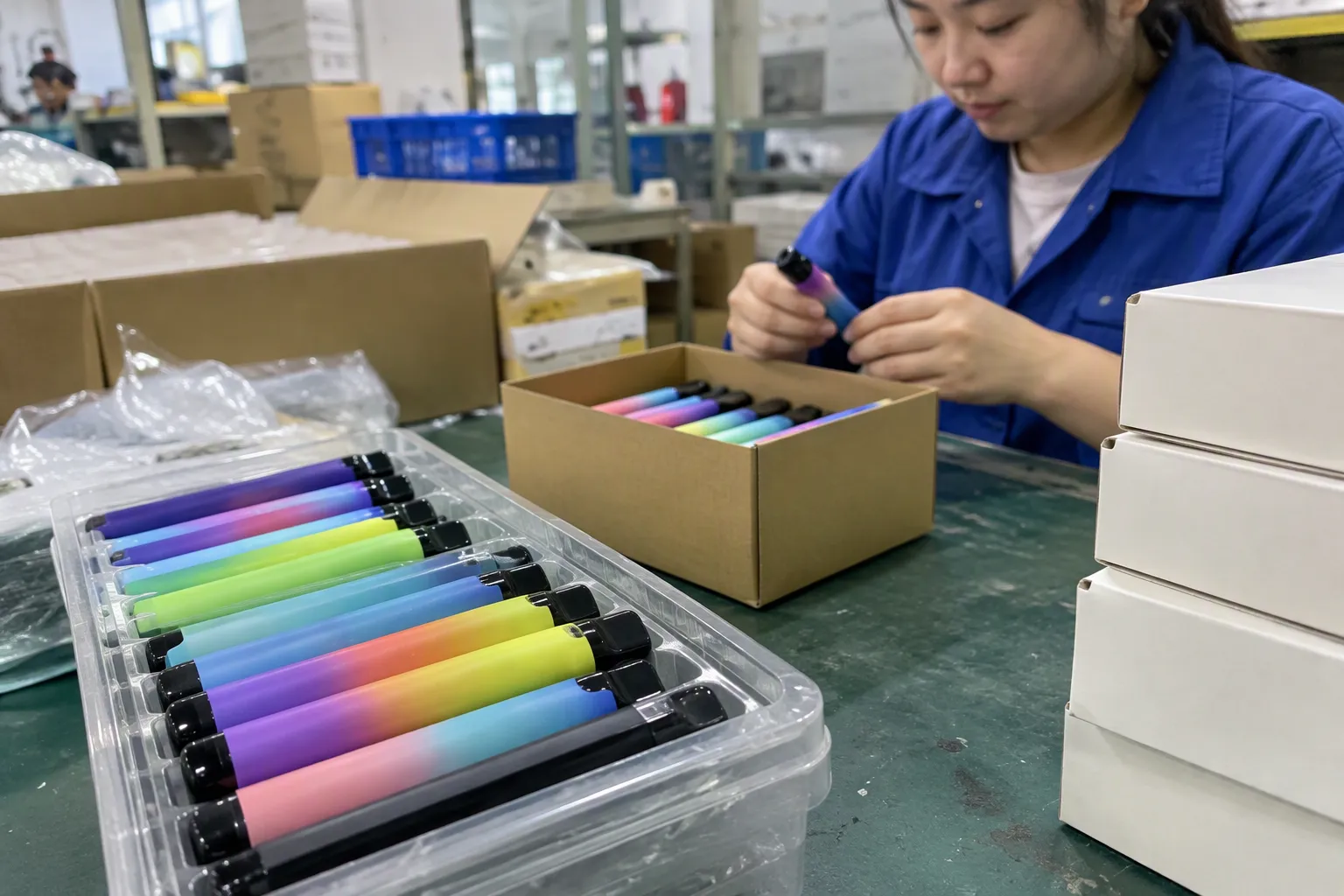
Yes, depending on the supplier’s product terms and stock availability. A small wholesaler may begin with a manageable quantity, test several products, and replenish according to actual demand. Selected products from European overseas stock may offer lower MOQ options, but the buyer should confirm current stock and delivery conditions first.
Does non-exclusive distribution mean that I must compete only on price?
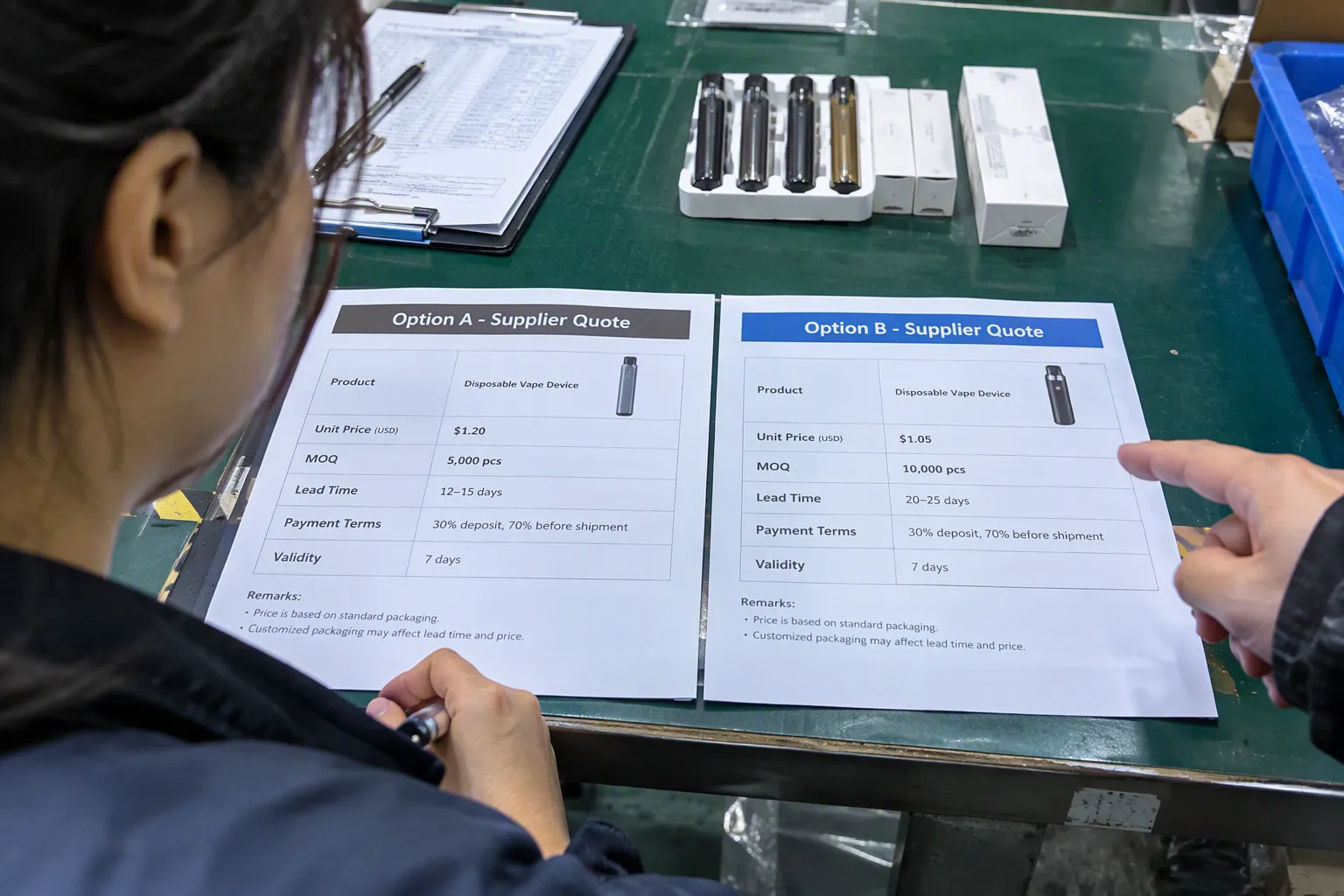
No. A buyer can differentiate through product selection, availability, delivery speed, customer support, local relationships, accurate product information, and reliable after-sales handling. A later move into private-label or OEM products may provide additional differentiation after demand is better understood.
An importer should consider OEM or ODM after identifying a clear customer requirement, a workable target cost, expected volume, and a realistic sales channel. Custom development can support differentiation, but it may also create tooling, packaging, testing, and inventory commitments. Buyers should define these responsibilities before development begins.
You should verify local product, packaging, advertising, tax, customs, and sales requirements with qualified local professionals. You should also check supplier identity, product specifications, inspection arrangements, documentation, delivery terms, after-sales responsibilities, and the written contract. Documents should be authentic, current, and relevant to your destination market.
Exclusive vs Non-Exclusive Vape Distribution is a commercial decision about risk, flexibility, differentiation, and operating capability. Non-exclusive supply may help smaller or less-tested businesses protect cash flow and learn from real sales. Exclusive cooperation may suit established buyers that can support territory coverage, inventory, marketing, and purchase commitments. I help B2B buyers compare brand distribution, overseas-stock supply, direct China purchasing, and OEM/ODM options through one coordinated sourcing relationship. Contact me at info@kingvapecig.com, visit www.kingvapecig.com, or message +86 13928420527 to discuss your market, product needs, MOQ, and preferred cooperation model.
Sources
- Restrictive Distribution Arrangements: Economic Analysis ...", A distribution agreement may alter channel incentives and competitive conditions, but contractual exclusivity alone does not establish market demand or guarantee profitable performance
- exclusive distribution agreement", Exclusive distribution is commonly described as a supplier arrangement that grants a designated distributor rights within specified territorial, product, or channel boundaries
- Part 12 - Acquisition of Commercial Products and ...", Commercial distribution agreements commonly address the parties’ territory, products, performance obligations, duration, termination, and allocation of operational responsibilities
- Consumer Perceptions Towards Package Designs", Comparative marketing research indicates that consumer preferences, pricing conditions, competitive structures, and market expectations may vary across national markets, which can limit the transferability of performance from one market to another
- Non-Exclusive Distributor Agreement", In a non-exclusive distribution arrangement, the supplier generally retains the ability to appoint more than one distributor or to sell through additional channels, subject to the contract’s terms
- Innovations in Inventory Management to Improve the ... - PMC", Under uncertain demand, staged ordering can reduce the inventory exposed to forecast error while generating sales information that can inform subsequent replenishment decisions
- Charting new courses to enter foreign markets - PMC", Research on staged investment under uncertainty indicates that incremental market commitments can generate information before a firm undertakes larger, less reversible commitments
- On the Nature of Working Capital: Understanding its Mysteries ...", Inventory models recognize a trade-off between lower unit purchasing costs from larger orders and greater holding, obsolescence, and demand-risk exposure; consequently, a smaller order can reduce total exposure despite a higher unit cost