
A rechargeable-vape claim can create a serious procurement problem when a buyer relies only on a USB-C port, a product photograph, or a supplier’s verbal promise. If the physical product, battery design, technical file, and test documents do not match, the buyer may face shipment questions, delisting, complaints, and difficult after-sales disputes.
A UK rechargeable-vape claim should be supported by a traceable evidence chain. The buyer should match the exact product model and version with its charging function, battery specifications, technical documents, responsible company, and relevant test or compliance records. A USB-C port or generic supplier assurance is not enough.[1] UK-facing buyers should also obtain current regulatory advice before importing, listing, or selling the product.
Quick Answer
- Ask for the exact model number, version, battery configuration, and charging specification.
- Confirm that the charging function works consistently on production samples, not only in photographs.
- Check whether every report or document identifies the same product and responsible company.
- Compare the physical product, packaging, user instructions, specification sheet, and technical file.
- Treat supplier assurances as a starting point, not as independent proof.
- Verify current UK requirements with official sources and a qualified compliance professional.
The central question is not simply whether a vape has a charging port. The better question is whether the supplier can demonstrate, document, and control the claimed rechargeable function across the exact version that the UK buyer will purchase. I use this approach when reviewing product specifications and technical documents with European customers.
What Evidence Should Support a Rechargeable-Vape Claim?
Many purchasing discussions begin with a simple message: “Is this vape rechargeable?” That question is useful, but it is not specific enough for commercial procurement. A buyer needs evidence that connects the product in hand to the product described in the documents.
- A unique model or product reference.
- A clear description of the battery and charging system.
- Consistent information across the sample, packaging, manual, and specification sheet.
- Relevant product-specific test or compliance records.
- A documented process for controlling later design or component changes.
Start with the exact product identity
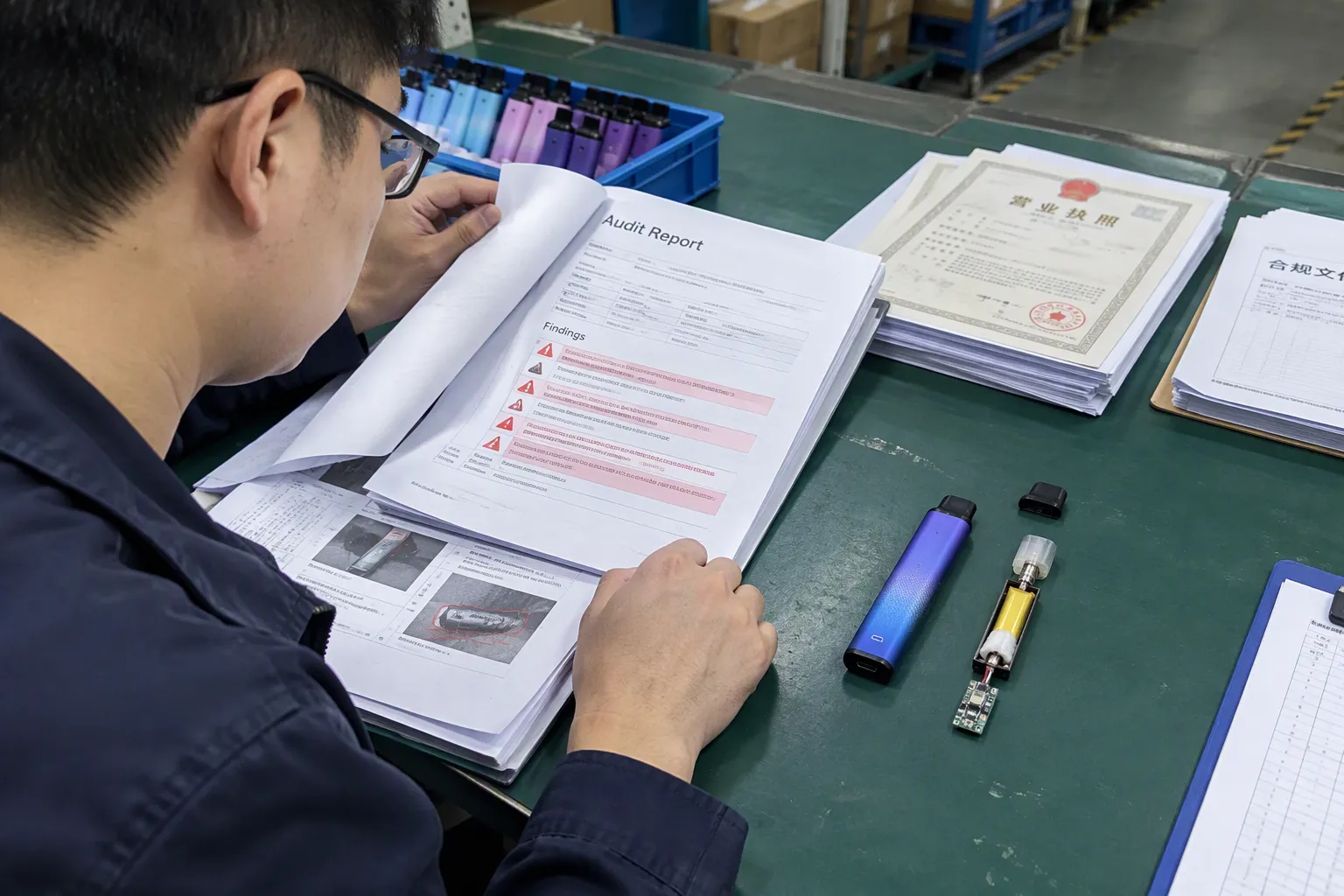
- What is the exact model number?
- Is the product a disposable, a rechargeable reusable device, or another category?
- Which battery configuration does the document cover?
- Does the document cover one version or a product family?
- Who is the manufacturer or responsible economic operator named in the document?
- Does the purchased item have the same hardware and firmware, where relevant?
- Has the model changed since the report was issued?
A report for a similar product does not automatically support the claim for the product being ordered.[2] This distinction matters particularly when a factory uses one report folder for many visually similar devices.
Separate product evidence from legal conclusions
My role as a manufacturer and OEM/ODM supplier is to help compare the product with its technical information. I am not a UK regulator, lawyer, or independent testing laboratory. I therefore separate three different questions:
| Question | Who can help answer it? | What the buyer should obtain |
|---|---|---|
| Does the physical device recharge as described? | Supplier, buyer, technical evaluator | Sample test record and charging specification |
| Do the documents match the exact product? | Supplier and buyer | Model-controlled reports, drawings, BOM or equivalent records |
| Can the product legally be sold in the UK? | Qualified compliance professional and current official sources | Current market-access assessment and required submissions |
The third question cannot be answered merely because a supplier provides a PDF.[4] Buyers should consult current UK government and regulator information, including the MHRA guidance on notifying regulated products, and obtain product-specific advice.
Why Is a USB-C Port Not Enough Evidence?
A USB-C port may show that a device was designed with a charging interface. It does not, by itself, prove the battery type, charging behaviour, electrical safety, production consistency, or legal suitability of the complete product.
A buyer should treat the port as one physical clue rather than a complete evidence item. The buyer still needs to establish how the charging circuit, cell, protection system, instructions, and final assembly work together.
What the port can and cannot show
| A USB-C port may indicate | A USB-C port does not prove |
|---|---|
| The enclosure has a charging interface | The battery is rechargeable and correctly specified |
| The supplier intended to include charging functionality | The charging circuit has suitable protection |
| A cable may fit the device | The supplied charger or cable is appropriate |
| The product may be reusable | The product has passed all relevant assessments |
| A sample can receive electrical power | Every production unit has the same configuration |
I have seen product conversations become too narrow because a buyer sends a photograph of the bottom of a device and asks for confirmation. A photograph helps identify the physical interface, but it cannot confirm the internal cell, charge-control board, protection components, or production version.
Evidence I would request about the charging system
- Battery chemistry and nominal voltage.
- Battery capacity and tolerance, where stated by the manufacturer.
- Whether the cell is replaceable or permanently installed.
- Charging input characteristics stated by the supplier.
- Protection functions included in the design.
- Charging indicator behaviour.
- Applicable operating and storage instructions.
- Cable or accessory information, if supplied.
- Relevant electrical, battery, EMC, chemical, or product-safety documentation.
- Sample test results showing charging and basic functional checks.
The final list depends on the product and the applicable UK assessment. I would not turn a general checklist into a claim that a particular certificate is always legally required. The buyer should confirm the current position independently.
Check the physical sample
- Photograph the model marking, charging port, packaging, and instruction leaflet.
- Record the battery information shown on the product or technical label.
- Observe whether the device accepts charging in a controlled test.
- Check whether the charging indicator behaves as described.
- Compare the sample appearance with the approved artwork.
- Confirm that the sample is the same version quoted in the report.
- Ask whether the production unit will use the same battery and charging board.
How Can Buyers Match Reports to the Exact Vape?
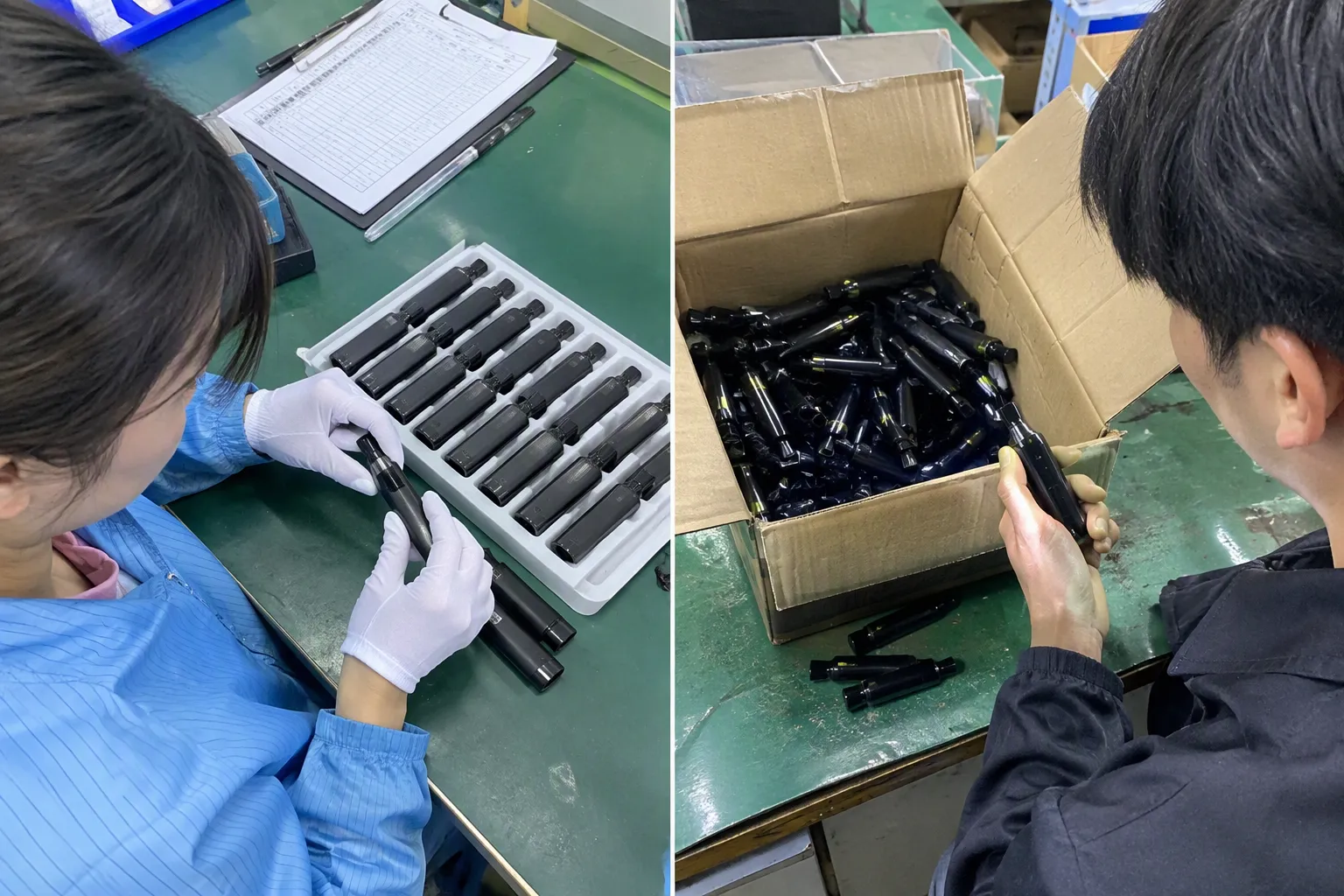
Review the identity fields
- Product name and model number.
- Product photographs or drawings.
- Hardware revision or product version.
- Battery description.
- Charging interface and electrical characteristics.
- Manufacturer and applicant names.
- Test dates and report number.
- Laboratory name and accreditation information, where applicable.
- Test standards or methods cited.
- Limitations and exclusions.
- Sample quantity and sample description.
Look for version control
OEM and private-label projects often involve changes. A buyer may approve one sample, while the factory later changes the cell supplier, charging board, mouthpiece, coil, outer shell, or packaging.[3] Some changes may be minor, while others can affect the evidence.
- Who approves component substitutions?
- Does the supplier notify the buyer before changing the battery?
- Does a new version receive a new model number?
- When does a change require document review or retesting?
- How does the factory separate old and new inventory?
- Can the supplier identify the production batch?
At Shenzhen Kingfuji Tech. Co., Ltd., I discuss these points with buyers because the same product appearance can hide different internal configurations. Our work includes electronic cigarettes, disposable vapes, atomizers, 510 batteries, CBD batteries, vaporizers, and related products. That range makes model control especially important when a buyer is comparing catalogue products with OEM/ODM versions.
Use a document-to-product matrix
| Item to compare | Physical product | Supplier document | Buyer’s result |
|---|---|---|---|
| Model number | Marking and carton | Report and specification | Match or investigate |
| Battery | Label or approved BOM | Battery specification | Match or investigate |
| Charging port | Device inspection | Drawing and manual | Match or investigate |
| Brand | Artwork and packaging | Applicant or manufacturer field | Confirm responsibility |
| Version | Sample and batch | Report revision | Confirm current version |
| Instructions | Leaflet in carton | Approved user information | Check consistency |
What Documents Should a UK Importer Request?
A buyer should request a document package that reflects the complete product, not only the rechargeable function.[5] The exact package will vary by product type, intended market, battery design, brand structure, and current UK rules.
A practical document request
Product and technical information
- Product specification sheet.
- Product drawings or controlled photographs.
- Battery and charging-system description.
- Approved model and version reference.
- User instructions and warnings.
- Packaging artwork or label information.
- Material or component information where relevant.
- Basic quality-control inspection criteria.
Test and assessment records
- Product-specific test reports.
- Battery-related test evidence where applicable.
- Electrical safety or EMC evidence where applicable.
- Chemical or material documentation where applicable.
- Transport-related battery documentation where applicable.
- Any declaration or technical statement relevant to the intended market.
The buyer should ask what each report covers and what it does not cover. A battery transport document, for example, should not automatically be treated as a complete assessment of the finished vape.[6] Different documents answer different questions.
Supply and responsibility information
- Legal name and address of the manufacturer.
- Name of the brand owner or importer, where relevant.
- Responsible contact for technical questions.
- Production-site information.
- Batch or lot identification method.
- Complaint and corrective-action process.
- Document revision and retention process.
Avoid a “certificate shopping” approach
| Buyer’s question | Evidence that may help |
|---|---|
| What exactly is the product? | Controlled specification, drawing, model reference |
| Does the battery match the quotation? | Battery specification and production records |
| Does the charging system match the sample? | Electrical description, test evidence, sample record |
| Who stands behind the product? | Manufacturer, brand, importer, and responsibility details |
| Were relevant product risks assessed? | Product-specific reports and technical assessment |
| Can the item be shipped? | Current logistics and battery transport documents |
| Can it be sold in the UK? | Current regulatory assessment by a qualified party |
This approach helps a UK brand or wholesaler avoid confusing commercial paperwork with legal evidence. A supplier’s document pack can support a decision, but it does not automatically guarantee the right to sell.
Use authoritative sources carefully
- GOV.UK: E-cigarette and vape product notification guidance
- GOV.UK: Ban on the supply and sale of single-use vapes
- MHRA: Regulatory information for vaping products
- Office for Product Safety and Standards
How Do Documentation Gaps Create Commercial Risk?
Common evidence gaps
- The photograph shows a charging port, but the specification does not mention recharging.
- The specification says one battery capacity, while the sample label shows another.
- The report identifies a similar model with a different brand or applicant.
- The supplier sends a generic report covering a product family without defining the family.
- The package includes no clear instructions for charging or storage.
- The approved sample has one charging board, while the production quotation allows substitutions.
- The supplier cannot explain which factory produced the tested sample.
- The report is old, incomplete, or unavailable for independent verification.
- The buyer’s brand and importer details are missing from the proposed documentation.
- The supplier provides a verbal guarantee instead of a controlled written statement.
A realistic review scenario
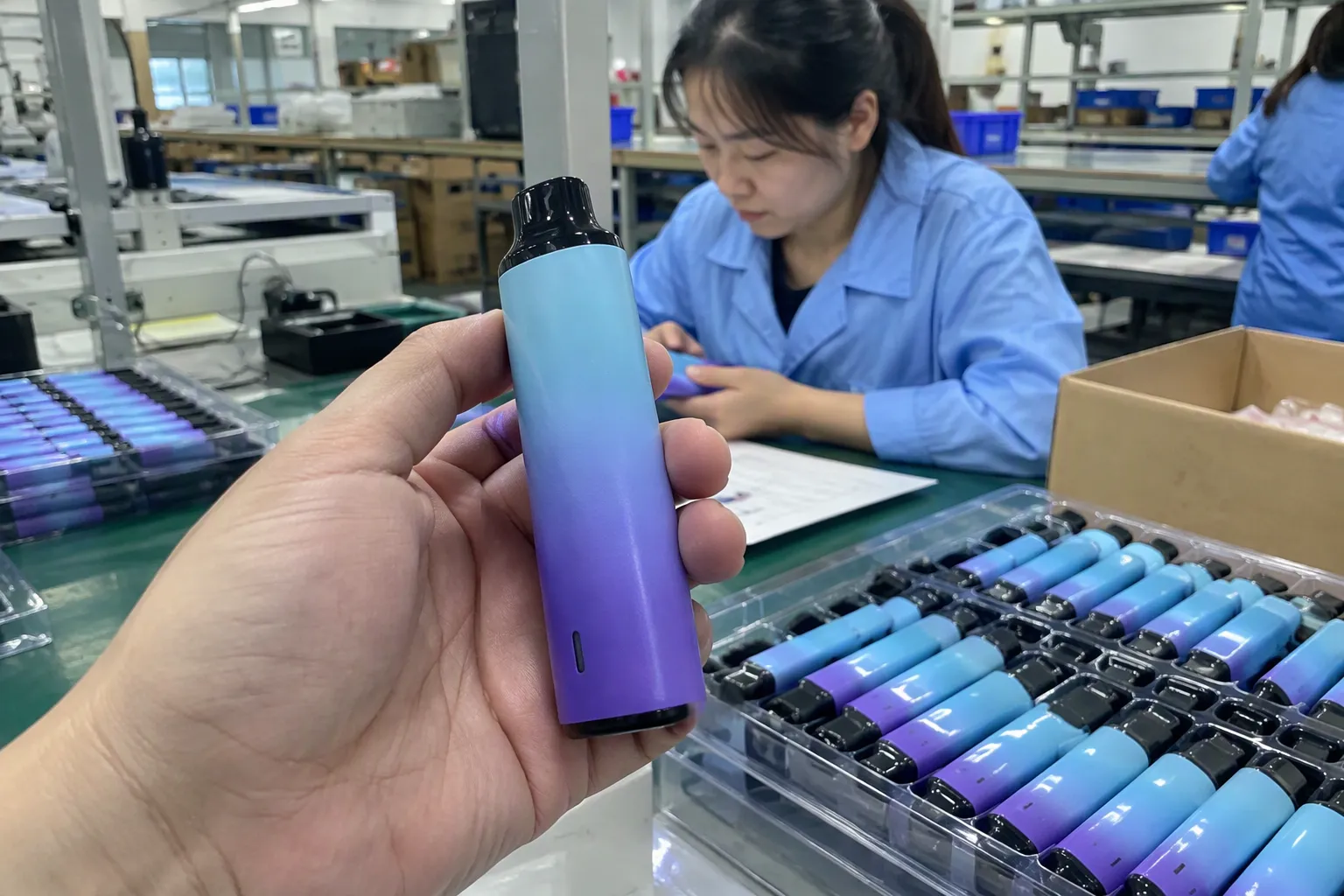
I will describe a review pattern rather than identify a customer or claim a specific completed case. A UK-facing wholesaler may receive a catalogue image of a vape with a USB-C port. The sales description calls it rechargeable. The buyer then receives a specification sheet that lists a battery capacity but gives no model revision. The supplier sends a report for a visually similar device.
If those references cannot be proven to be the same, the buyer has an evidence gap. The problem may appear only after shipment, when a retailer asks for documents, a customer reports charging behaviour, or a product listing is reviewed.[7]
- A controlled sample matching the quotation.
- A model and version statement.
- A battery and charging-system description.
- A report-scope explanation.
- An updated document-to-product comparison.
- Written confirmation of production controls.
Consider the buyer’s commercial model
| Buyer type | Main concern | Practical sourcing approach |
|---|---|---|
| Small UK retailer or local wholesaler | Low inventory risk and fast replenishment | Use a low-MOQ stock programme only after document review |
| Regional vape wholesaler | Consistent batches and retailer confidence | Approve a controlled model and monitor changes |
| National distributor | Traceability, technical file, and repeatability | Establish formal supplier and document controls |
| Private-label brand | Brand responsibility and version control | Use an OEM/ODM approval process before launch |
| Large importer | Cost, scale, and long-term supply | Combine factory audit, testing, records, and batch controls |
At Kingfuji, I work with both smaller buyers and larger importers. Our European warehouse model can help some customers purchase smaller quantities and receive stock faster, while larger buyers may prefer direct China production, stronger volume pricing, and OEM/ODM development. Neither route removes the need to verify the exact product and documents.
How Should Buyers Evaluate a Supplier’s Verification Process?
Questions I would ask a supplier
- Which exact model number does this evidence cover?
- Does the evidence cover the current battery and charging board?
- What changed between the tested sample and the production sample?
- Who is named as the manufacturer, applicant, or responsible party?
- How does the factory control component substitutions?
- What records identify the production batch?
- Which documents will be supplied before shipment?
- Who handles complaints and defective units?
- What happens if the buyer finds a mismatch after delivery?
- Can the buyer approve a sealed production sample before mass production?
Review manufacturing capability without overclaiming
I can discuss manufacturing experience, but I should not present it as legal certification. Shenzhen Kingfuji Tech. Co., Ltd. was established in 2011 in Shenzhen, China, and operates with an owned factory and OEM/ODM team. The company context includes a 5,000-square-metre facility, stated maximum capacity of up to 5 million units per month, and regular new-product development.
- Does the factory keep approved samples?
- Does it record incoming battery checks?
- Does it inspect charging functions during production?
- Does it separate different versions?
- Does it retain test and batch records?
- Does it provide after-sales support through one accountable supplier?
- Can it explain the route from factory to warehouse or freight forwarder?
Assess the service model
Supplier service can reduce operational friction when it is written clearly. Our business model includes one-stop sourcing, brand and product selection, OEM/ODM development, delivery to the buyer or the buyer’s own freight forwarder, and unified after-sales communication.
For smaller European customers, stock held in European warehouses may offer lower minimum order quantities and faster delivery. The company context states that some European warehouse orders can begin at 50 units per model and can be delivered within approximately 1–5 working days through services such as DHL, DPD, UPS, or FedEx. Buyers should confirm actual stock, destination, product eligibility, delivery time, taxes, and current shipping conditions for each order.
What Should a UK Buyer Record Before Ordering?
A pre-order evidence file
- Supplier quotation and purchase specification.
- Exact model number and approved version.
- Photos of the approved sample.
- Battery and charging-system information.
- Relevant reports and declarations.
- Packaging and instruction artwork.
- Supplier contact and responsible company details.
- Written answers to open technical questions.
- Sample inspection notes.
- Purchase-order change-control terms.
- Batch, carton, and shipment information.
- Warranty and after-sales commitments.
Use an approval gate
| Gate | Approval question | Result |
|---|---|---|
| Identity | Does the model and version match everywhere? | Pass, clarify, or reject |
| Function | Does the sample perform the claimed charging function? | Pass, clarify, or reject |
| Documents | Do the reports cover the exact product? | Pass, clarify, or reject |
| Responsibility | Are manufacturer and importer roles clear? | Pass, clarify, or reject |
| Market review | Has current UK advice been checked? | Pass, obtain advice, or stop |
| Production | Is the approved version controlled in mass production? | Pass, add controls, or stop |
Plan for after-sales questions
A rechargeable product can generate user questions about charging time, cable compatibility, storage, indicators, and device life.[8] The buyer should ensure that the instructions are clear and that the supplier can investigate complaints by batch.
- How defective units are reported.
- What evidence the supplier needs.
- How replacement or compensation is handled.
- Who pays for agreed after-sales solutions.
- How repeated defects trigger corrective action.
- Whether the supplier will help explain correct use to the buyer’s customer-service team.
At Kingfuji, I aim to give customers one after-sales contact for products purchased through us, including products sourced from different brands. This arrangement can reduce the burden of contacting multiple factories, but the buyer should still record the exact contractual commitment rather than relying on a general promise.
What Is the Safest Procurement Path for Different Buyers?
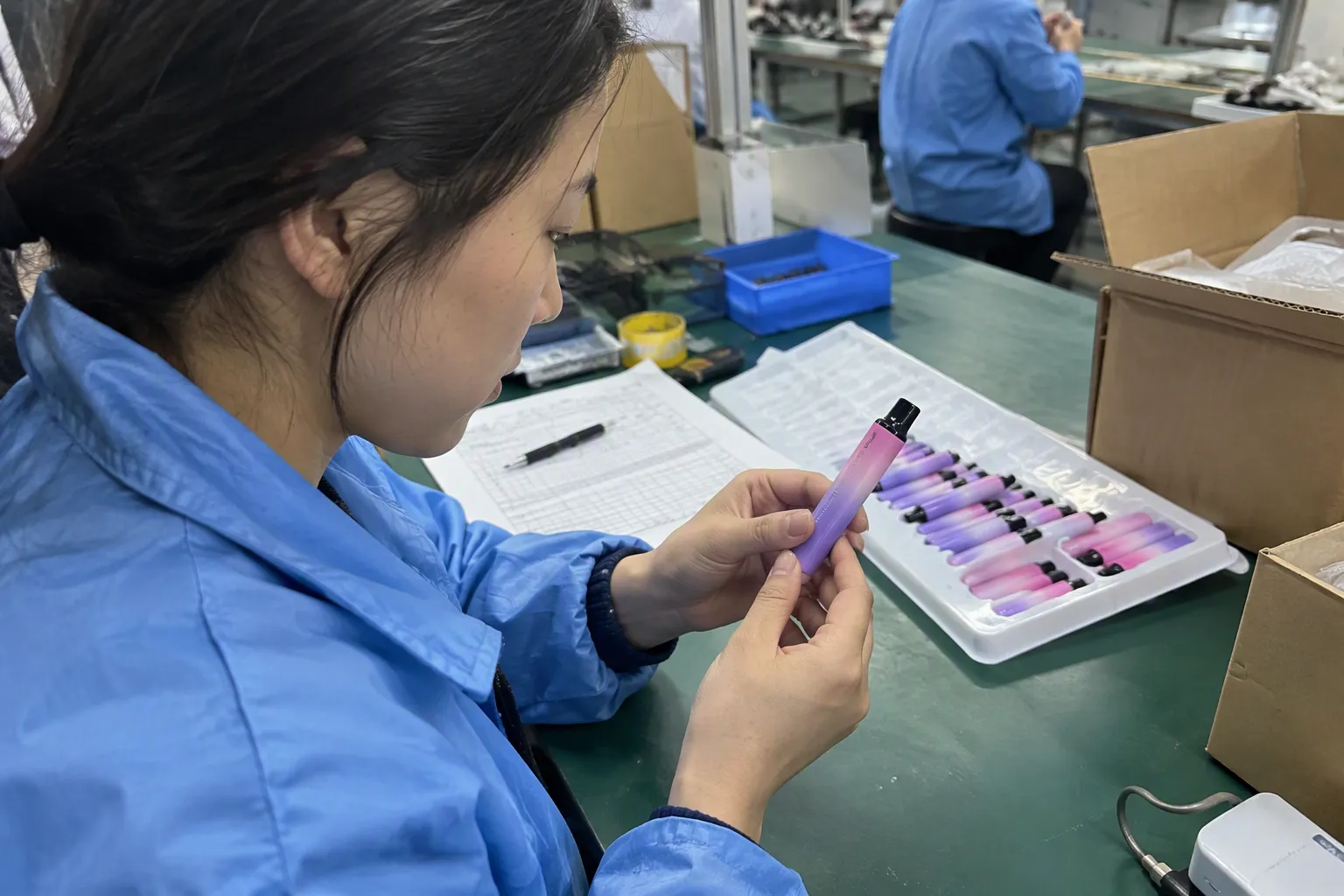
There is no single purchasing route for every UK-facing business. A small retailer has a different cash-flow problem from a national importer, while a private-label brand has different documentation responsibilities from a reseller.
Smaller buyers
Smaller wholesalers and retailers may want fast replenishment, low minimum order quantities, and limited inventory exposure. A European warehouse can sometimes help them avoid a large first import and reduce waiting time. However, the buyer should not assume that local stock automatically resolves product documentation or legal questions.
- Select a clearly identified model.
- Request the evidence package before listing.
- Buy a controlled sample.
- Confirm current UK requirements.
- Keep a small approved stock range rather than many undocumented variations.
- Use written after-sales terms.
Medium and large importers
- Factory and production-line review.
- Sample approval and golden sample retention.
- Product-specific testing.
- Technical-file review.
- Batch inspection.
- Change-control clauses.
- Shipment release only after document confirmation.
- Periodic supplier performance review.
Private-label buyers
A private-label customer should take particular care with brand, responsible-party, and technical-document information. The buyer’s brand may appear on the package, while the factory remains the manufacturer. The commercial and regulatory roles should be reviewed by a qualified professional for the intended market.
I can support private-label buyers with product development, sample comparison, technical-document preparation, and communication with the production team. I do not describe this support as legal certification. The buyer remains responsible for obtaining appropriate market-access advice.
Frequently Asked Questions
Does a USB-C port prove that a vape is rechargeable?
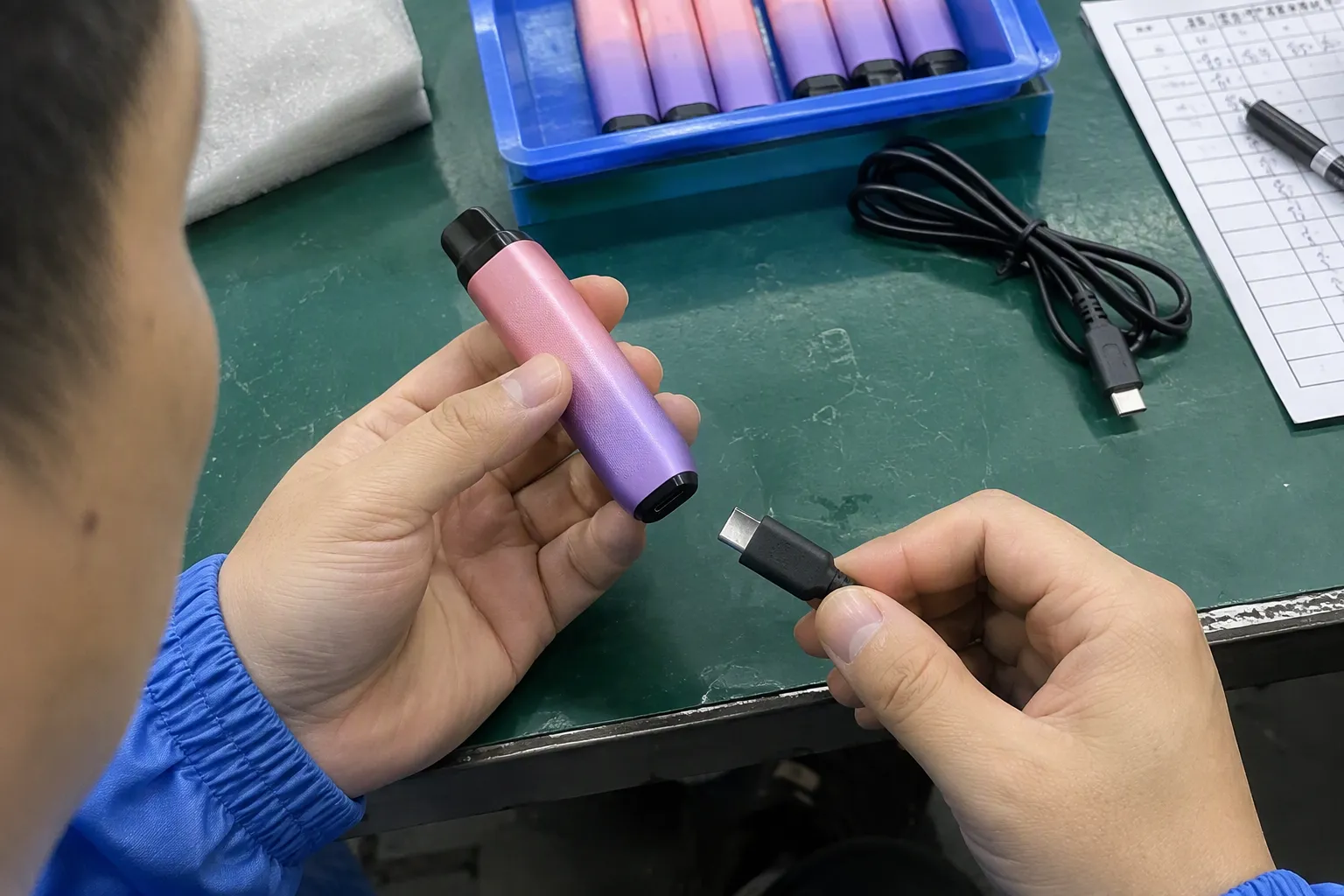
No. A USB-C port shows that the device includes a charging interface, but it does not prove the battery configuration, charging protection, production consistency, or suitability for sale in the UK. Buyers should match the physical product with technical specifications, sample checks, and product-specific evidence.
Can a generic test report Support Every vape from the same supplier?
No. A generic report may not cover different models, battery configurations, hardware revisions, brands, or charging systems. The buyer should check the model number, version, responsible company, product description, and scope. A supplier should explain any family grouping or variation clearly.
What should I do if the sample and documents do not match?
I would pause approval and ask the supplier to identify the discrepancy in writing. The buyer should request a corrected sample, updated documents, or a clear technical explanation. The buyer should not assume that the difference is minor without qualified evaluation.
Does holding stock in a European warehouse prove UK compliance?
Can a manufacturer confirm that my rechargeable vape can be sold in the UK?
A manufacturer can provide product information, technical records, and supplier-side document support. A manufacturer should not replace a UK regulator, lawyer, or independent compliance professional. Buyers should verify current requirements and obtain an application-specific assessment before selling.
Conclusion
A credible rechargeable-vape claim needs more than a charging port or a supplier’s assurance. I recommend building a traceable chain from the exact model and battery configuration to the charging system, sample performance, technical documents, responsible company, and relevant product-specific evidence. I also recommend recording version control, shipment details, and after-sales responsibilities. At Kingfuji, I help UK-facing brands, wholesalers, and importers compare products and supplier documents before purchase. Contact King at info@kingvapecig.com or +86 13928420527 to discuss sourcing, OEM/ODM development, and document review support.
Sources
- Lithium Battery Fire Safety", Government product-safety guidance describes charging interfaces as only one element of a rechargeable product and identifies battery, charger, protection, and operating conditions as relevant to safety assessment
- Frequently Asked Questions (FAQs)", Conformity-assessment guidance requires test and technical records to be linked to an identifiable product or defined product range so that their applicability can be evaluated
- Configuration management: Why it's so important for IT ...", Product-safety and quality-management literature identifies controlled design changes and component substitutions as factors that may require updated risk review, records, or testing
- Product safety", UK government guidance assigns manufacturers and importers product-specific regulatory duties that cannot be discharged solely by receiving an unverified supplier PDF
- Product safety", Official product-safety guidance treats technical documentation, labeling, instructions, and responsible-party information as aspects of the complete product assessment rather than as evidence limited to a single charging function
- 38.3 Lithium metal and lithium ion batteries 38.3.1 Purpose ...", International transport rules describe UN 38.3 testing as evidence concerning the safe transport of applicable lithium cells and batteries, not as a comprehensive conformity assessment of a finished vape
- Product Safety Alerts, Reports and Recalls", Product-safety recall and enforcement records document cases in which defects or inadequate product information resulted in withdrawal, corrective action, or restrictions affecting products supplied to consumers
- Lithium Battery Fire Safety", Consumer-safety guidance for rechargeable lithium-battery products emphasizes appropriate charging equipment, charging practices, storage conditions, and user warnings
Related reading: