
Quick Answer
A vape defect claim can become difficult when a buyer has only one faulty product and a single photograph. The supplier may not know which order, model, or batch is involved, while the buyer may struggle to prove the affected quantity or commercial loss. I have found that a clear evidence chain makes the investigation faster and more balanced.
For a vape defect claim, a buyer should collect purchase records, product and batch details, photographs or videos of the failure, inspection results, affected-quantity records, shipping and storage information, customer complaints, and documents supporting any claimed loss. The evidence should connect the specific product to the defect, show how widely the problem occurred, and help separate manufacturing issues from transport damage, storage conditions, or misuse.[1]
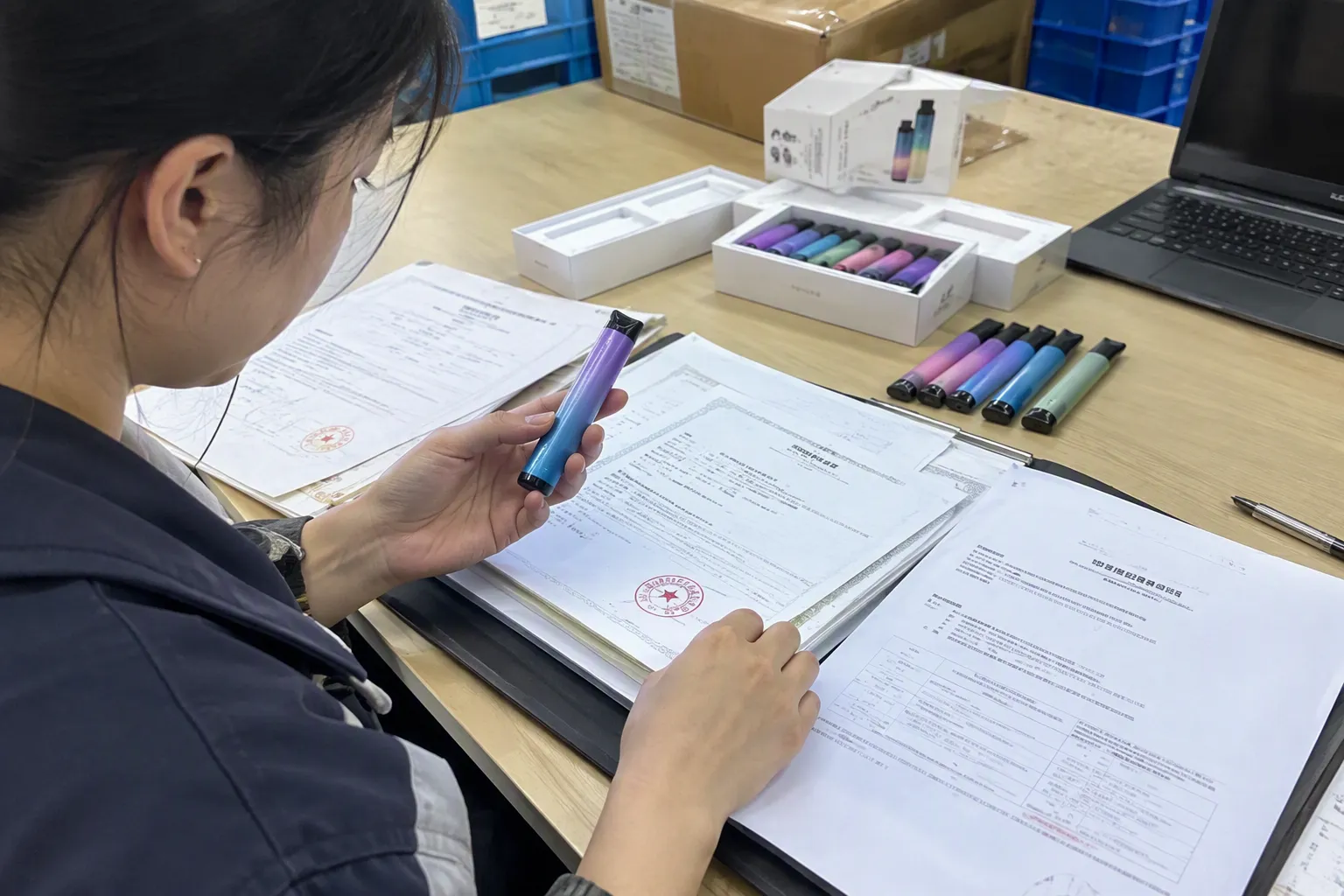
A supplier cannot properly investigate a product problem that is described only as “many units are bad.”[2] I regularly see after-sales discussions become longer because important details are missing at the beginning. The following approach helps importers, wholesalers, and distributors prepare a claim that another party can understand and verify.
What Evidence Should a Buyer Collect for a Vape Defect Claim?
When I review a vape defect claim from a B2B buyer, I first look for traceability. I need to understand what the buyer purchased, which products failed, what conditions existed, and how the buyer calculated the affected quantity. A structured file usually creates a better starting point than an emotional message or an isolated photograph.
A buyer should preserve five evidence groups: purchase and shipment records, product identification, defect documentation, inspection results, and loss records. The buyer should also record storage and usage conditions because these details may help distinguish a manufacturing defect from shipping damage, unsuitable storage, incorrect operation, or customer misuse.
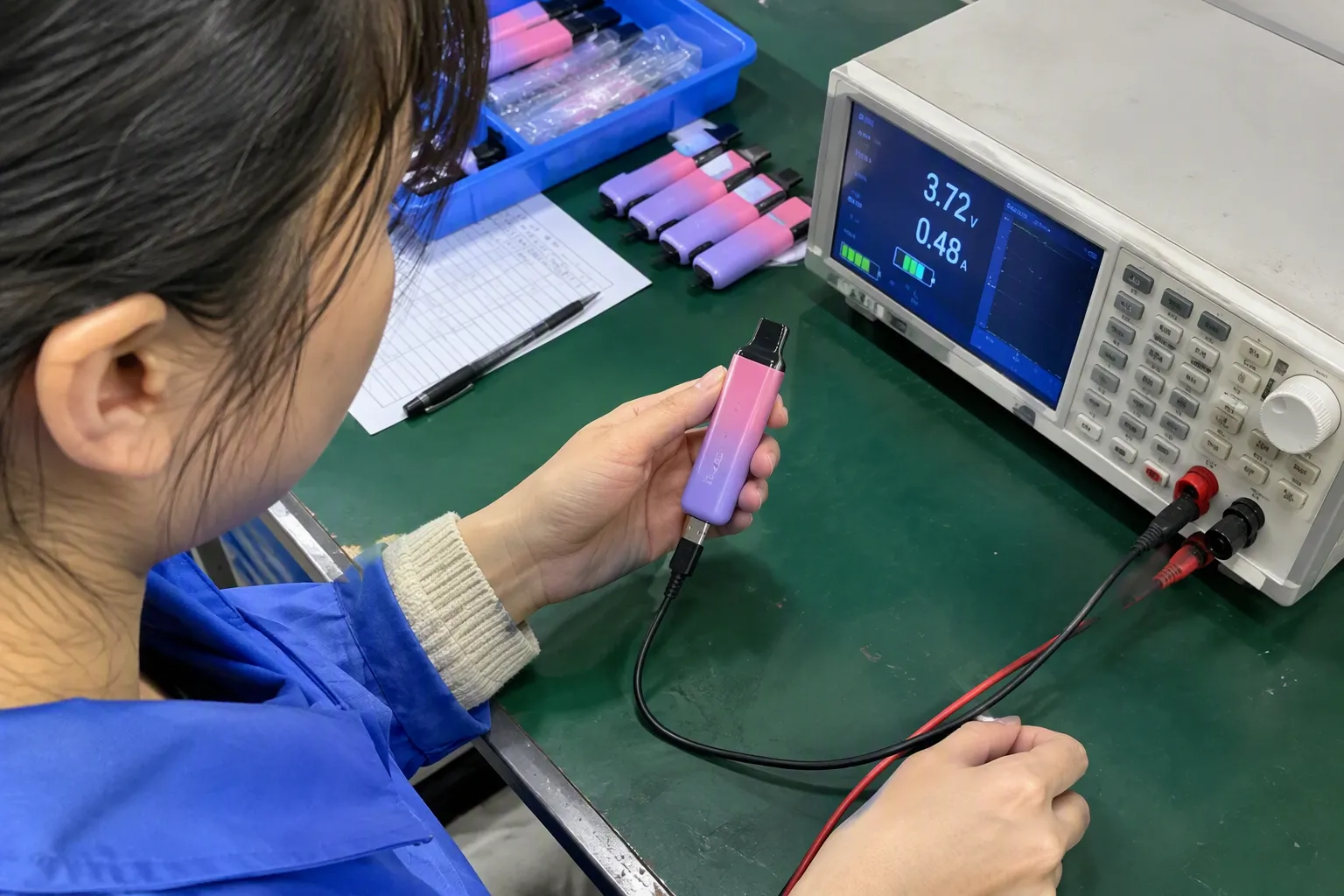
Start with the purchase record
I recommend that buyers begin with documents proving exactly what they purchased. These records establish the commercial relationship and allow the supplier to identify the relevant order.
A useful file may include:
- Purchase order and commercial invoice
- Product name, model, flavor, color, or specification
- Agreed quantity and delivery terms
- Product photographs from the listing or approved sample
- Order confirmation and written specification
- Batch, lot, production, or carton numbers
- Packing list and carton marks
- Shipping documents and delivery date
- Payment records
- Written messages about quality requirements
A buyer should not assume that the supplier can identify an order from a product photograph alone. Similar disposable vapes, atomizers, batteries, and accessories may use similar external designs. A model name may also be used differently by different businesses.
If I receive an after-sales message, I usually need to match the reported unit with an invoice, shipment, and production record. A buyer who provides those references at the beginning reduces the number of clarification messages required.
Document the product before opening or altering it
I advise buyers to photograph the outer carton, inner packaging, labels, seals, and product itself before they discard packaging or modify the unit. The images should show the product clearly enough for someone who was not present to understand what happened.
A helpful photo set normally includes:
- The full carton or package.
- The label, barcode, lot number, or date mark.
- The front, rear, side, and bottom of the product.
- The visible defect in close-up.
- Any leakage, cracks, deformation, burnt marks, or damaged connector.
- The product beside a ruler or another simple size reference where relevant.
- The surrounding packaging if impact or compression is suspected.
I do not treat one close-up image as complete evidence. A close-up may show a symptom, but it may not show the model, batch, condition, or possible external cause. A short video can add useful context for issues such as auto-firing, charging behavior, airflow, button failure, display failure, or leakage.[3] The buyer should preserve the original file rather than relying only on a compressed screenshot.
The buyer should describe the defect in plain language. “Not working” is usually too broad. A more useful description might state that the device did not activate after a specified test, that liquid was visible around a particular connection, or that the unit arrived with a cracked housing.
The buyer should avoid claiming a technical cause unless qualified testing supports that conclusion. I would describe the observed behavior first and leave the cause open for investigation.
Separate an individual failure from a batch-level issue
A supplier needs more than a report that “the whole shipment is defective.” I ask buyers to record how many units they checked, how they selected them, how many failed, and what test they used.
A basic inspection record can contain:
| Field | Example information |
|---|---|
| Product and model | Exact product reference |
| Batch or lot | Label or carton reference |
| Quantity received | Quantity shown on shipment documents |
| Quantity inspected | Number actually checked |
| Inspection date | Date and time zone |
| Inspection method | Visual check, activation test, charging test, or other agreed method |
| Failures found | Number and type of failure |
| Evidence reference | Photo, video, spreadsheet, or sample number |
| Inspector | Person or team performing the check |
| Storage location | Warehouse, carton, shelf, or pallet reference |
I do not recommend presenting an inspection percentage as a proven factory defect rate without explaining the method.[5] A sample may indicate a concern, but it may not represent every unit in the shipment.[4] The buyer should state whether the inspection was a full count, random sample, incoming check, customer-return review, or another method.
This distinction matters in discussions about replacement, credit, refund, rework, or another commercial remedy. The parties may reach different conclusions about an isolated unit, a group of related failures, and a production-wide problem. A clear record allows each side to discuss the same quantity.
Record the test or usage conditions
I have seen otherwise useful complaints become unclear because nobody recorded how the product was tested or used. The buyer should note the relevant conditions without pretending that a warehouse check is a laboratory test.
For example, the record might state:
- Whether the product was tested immediately after delivery or later
- Whether the package was opened by the buyer or an end customer
- Whether a battery was charged and with which compatible equipment
- Whether an atomizer was used with the expected battery or device
- Whether the product was exposed to heat, cold, moisture, pressure, or impact
- Whether the product was stored in original cartons
- Whether the buyer observed the issue before resale or after customer use
- Whether the unit had been dropped, opened, refilled, repaired, or modified
I am careful with charging-related complaints. A buyer should preserve the charger or power source information and record the procedure used. I would not automatically treat every charging failure as a manufacturing defect, because the equipment, cable, operating conditions, or prior damage may be relevant.
The same principle applies to leakage, battery swelling, broken glass, and burnt taste. These symptoms can have multiple possible causes.[6] The buyer should document what happened, not overstate what has already been proven.
Preserve packaging, transport, and storage evidence
The condition of a shipment when it arrives may help clarify responsibility. I recommend that buyers record crushed cartons, wet packaging, punctures, broken seals, missing cartons, or other visible transport concerns at delivery where possible.
Useful supporting information can include:
- Delivery photographs
- Warehouse receiving notes
- Carrier damage records
- Pallet or carton counts
- Temperature or humidity records, if maintained
- Date of warehouse receipt
- Storage location and duration
- Internal movement or repacking records
- Evidence of water, pressure, heat, or impact
This information does not automatically prove that transport caused the defect.[7] It simply preserves facts that may be relevant. A product that arrives visibly damaged should be treated differently from a product that passes incoming inspection and fails months later after storage or customer handling.
I also recommend separating products by status. Buyers can mark units as “unopened,” “failed during incoming inspection,” “customer return,” “suspected transport damage,” or “pending review.” This prevents different types of evidence from being mixed together.
Connect customer complaints to identifiable products
Wholesalers and distributors often discover problems through downstream customers. I understand why a buyer may initially report only a general customer complaint, but a supplier needs more detail to investigate.
A useful customer-return record may include:
- Return date
- Product model and batch reference
- Original sales channel
- Complaint description
- Photographs or video
- Whether the customer used, charged, refilled, or modified the product
- Whether the item was returned physically
- Whether the issue was reproduced by the distributor
- Related replacement or disposal action
I do not suggest collecting unnecessary personal information from end users. Buyers should protect customer privacy and share only information needed for the product investigation.
A distributor should also avoid counting every complaint as a confirmed defect.[8] A customer may report a symptom that the buyer has not yet verified. I recommend using separate categories such as “reported,” “received,” “verified,” and “pending.” This makes the claim more credible because it distinguishes information sources.
Support the claimed commercial loss
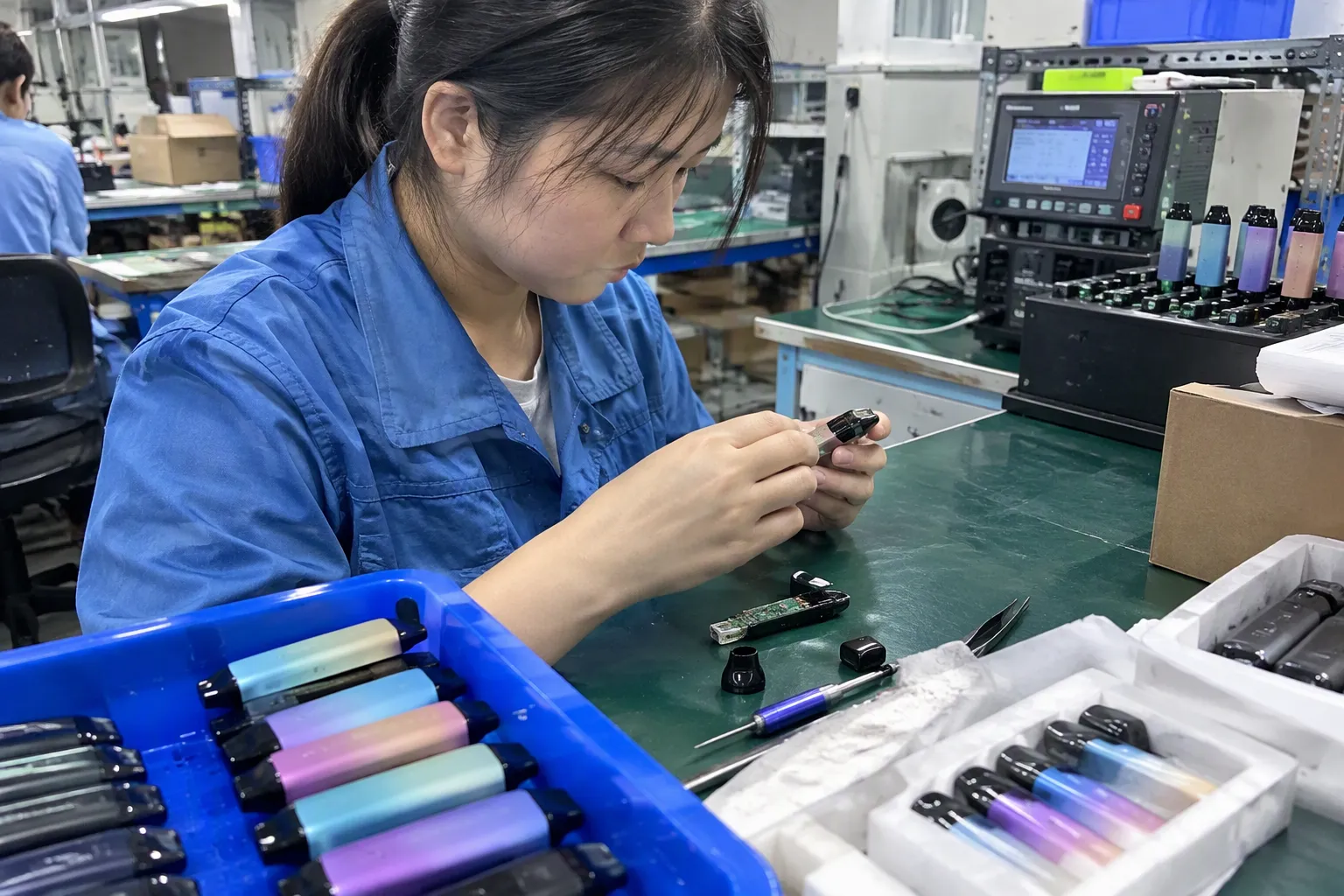
A defect report and a loss claim are related, but they are not the same thing. I encourage buyers to create a separate loss schedule rather than combining every cost into one total.
The schedule might list:
| Loss category | Records that may support it |
|---|---|
| Affected goods | Inventory report and batch references |
| Returns | Return records and customer communications |
| Inspection | Inspection invoices or internal work records |
| Disposal | Disposal receipts and quantity records |
| Repacking or handling | Warehouse records and invoices |
| Replacement shipments | Credit notes, dispatch records, or replacement invoices |
| Lost sales | Order cancellations and identifiable sales records |
I cannot say that a particular document guarantees recognition of a loss. Contract terms, negotiation history, applicable law, and independent evaluation may affect the result. Buyers should verify jurisdiction-specific requirements with an appropriate professional before relying on a claim for legal or accounting purposes.
I also advise buyers to avoid unsupported estimates. A statement such as “we lost a large amount of money” may communicate urgency, but it does not show how the figure was calculated. An identifiable schedule gives the supplier something concrete to review.
Preserve samples and maintain an evidence log
I recommend that buyers keep representative defective units, related packaging, and, where practical, unaffected comparison units. The buyer should label each sample with a reference number and record where it came from.
An evidence log can include:
- Sample ID
- Product and batch
- Date collected
- Person who collected it
- Condition when collected
- Storage location
- Photographs taken
- Tests performed
- Any change in condition
A buyer should avoid opening, repairing, refilling, disassembling, or discarding a sample before the supplier has had a reasonable opportunity to review it, unless safety requires immediate action. For products involving batteries, liquid leakage, heat, smoke, or fire risk, the buyer should use appropriate safety procedures and seek qualified technical guidance.
I am not a laboratory engineer, and I do not treat ordinary warehouse inspection as a substitute for laboratory testing. If the parties disagree about the technical cause, an independent qualified evaluator may be appropriate. The buyer should check the contract before selecting a testing method because some agreements may specify procedures, sample handling, or notice requirements.
Send the claim in a structured format
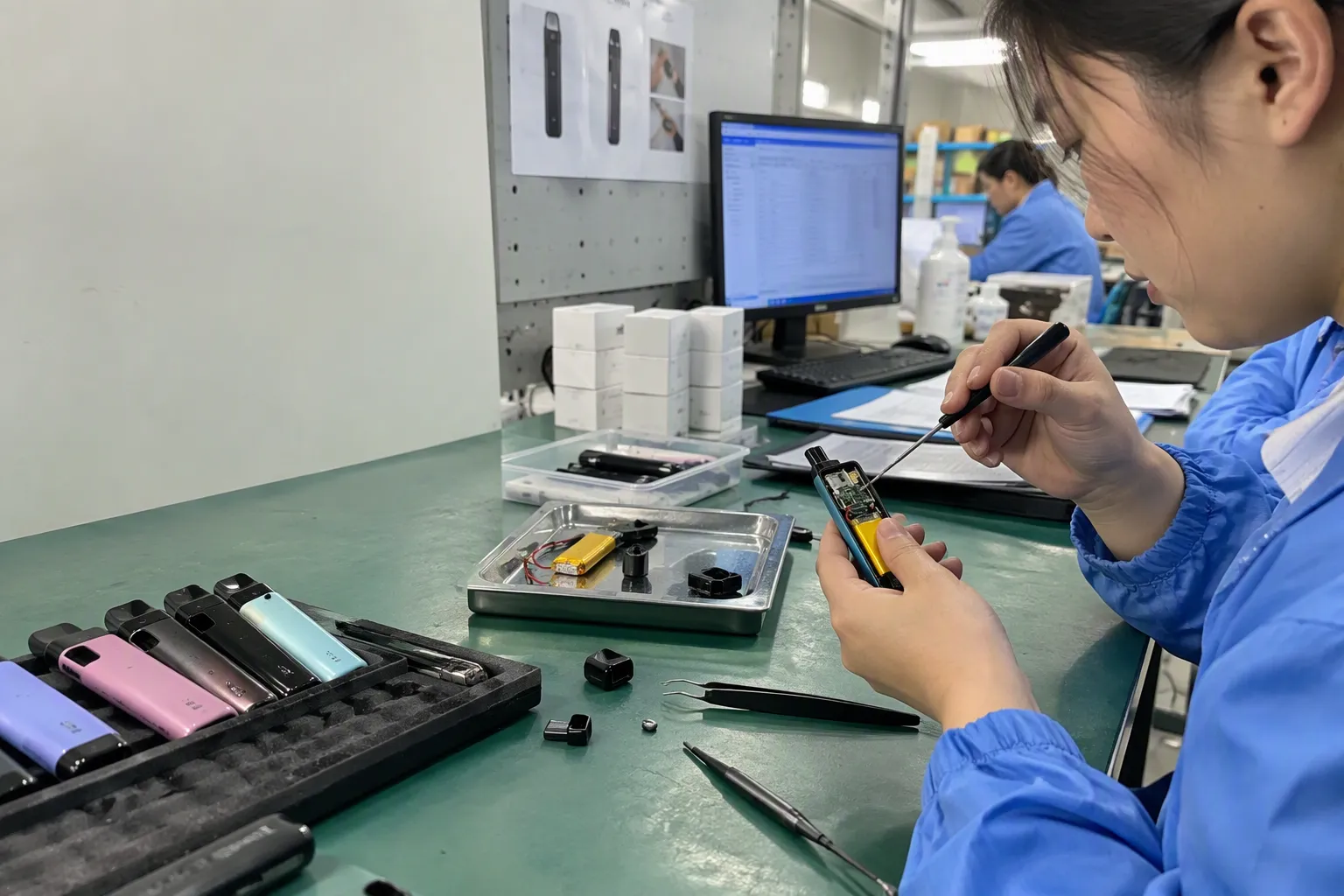
I find that a short cover message and organized attachments work better than a long conversation spread across email, messaging apps, and photographs.
I would normally structure the submission like this:
- Order summary: invoice, shipment date, product, and quantity.
- Issue summary: what happened and when it was first observed.
- Affected quantity: tested quantity, reported quantity, and verified quantity.
- Batch information: lot, carton, or production references.
- Inspection method: how the buyer checked the products.
- Evidence index: file names linked to sample or claim references.
- Transport and storage facts: visible damage or relevant conditions.
- Customer-return information: if the issue was found after resale.
- Loss schedule: documented costs and affected inventory.
- Requested next step: investigation, sample review, replacement discussion, credit discussion, or another agreed process.
I also recommend that buyers keep the original files and a copy of the submitted package. A supplier may ask for additional samples, clearer images, or a different inspection breakdown. Good file organization makes that follow-up easier.
Frequently Asked Questions
Is one photo enough for a vape defect claim?
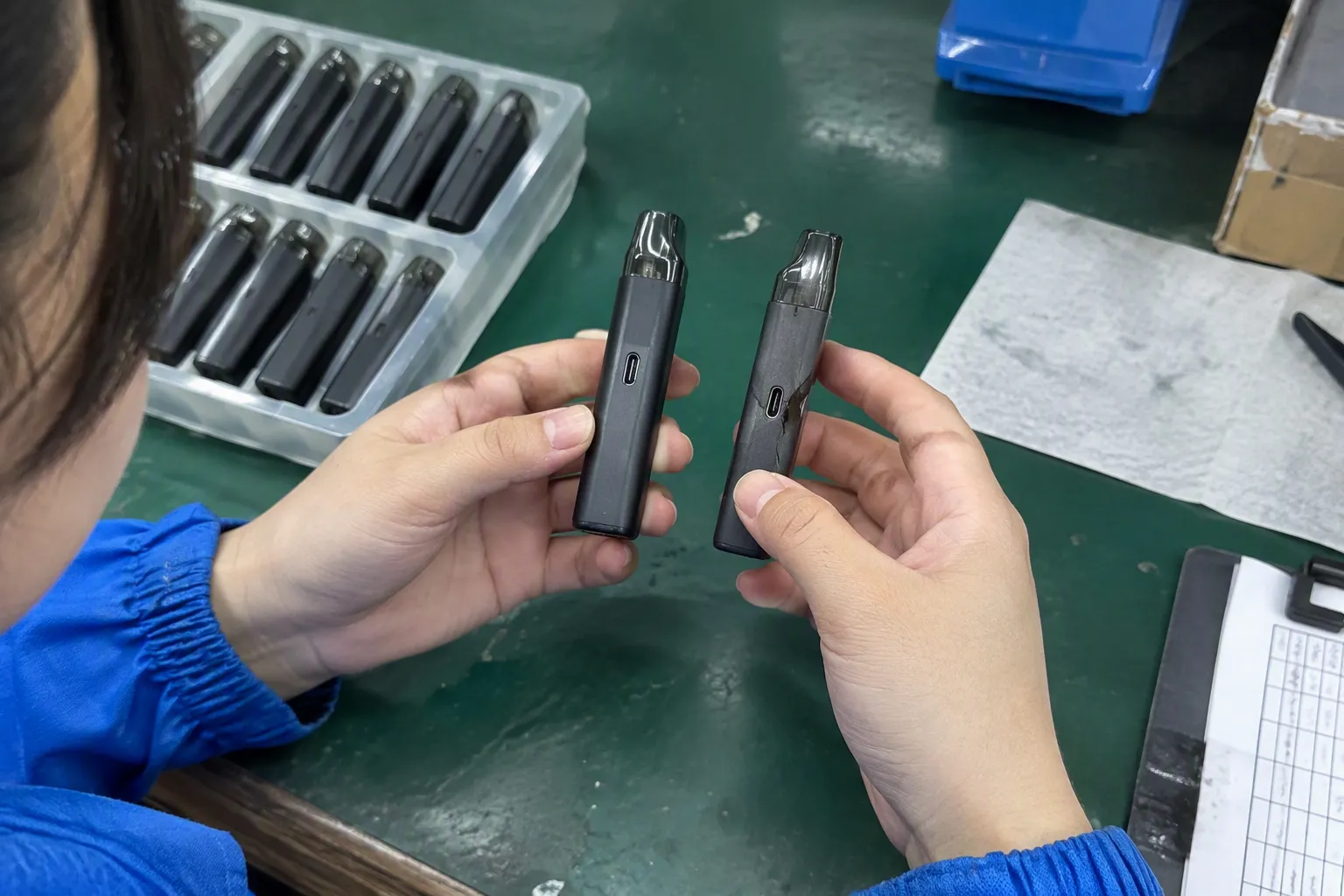
One photo may help show a symptom, but it rarely proves the full claim. I recommend adding product identification, batch details, wider-condition images, a written description, and information about testing or usage. The buyer should also explain how many units were affected and preserve the original image file.
Should a buyer send every defective unit back immediately?
I would not send every unit back before the evidence and sample requirements are agreed. The buyer should first photograph and label representative samples. If a product presents a safety risk, the buyer should isolate it and seek qualified guidance. Contract terms may also specify return or inspection procedures.
How can a buyer prove that a whole batch is defective?
A buyer should document the inspection population, selection method, dates, test procedure, failure types, and results. A full inspection and a sample inspection do not provide the same level of information. The buyer should present the results accurately without calling a sample a confirmed batch-wide failure.
Can customer complaints support a defect claim?
Customer complaints can support an investigation when they are linked to identifiable products, batches, dates, and observed symptoms. I recommend separating unverified reports from products personally examined by the buyer. Return records, photographs, and reproduced failures can make the information easier to assess.
Does evidence guarantee a refund or compensation?
Evidence does not guarantee a particular commercial or legal outcome. It helps the parties understand the product, failure, quantity, and loss. Contract terms, negotiation, applicable law, and qualified third-party evaluation may affect the result, so buyers should verify those requirements for their situation.
Conclusion
A strong vape defect claim is a traceable record, not a single photograph or a general statement that products are bad. I recommend preserving the purchase documents, batch information, product images, inspection results, transport and storage records, customer-return details, samples, and documented losses. Buyers should describe observed facts carefully and avoid assuming the technical cause before it is established. When I receive a structured claim with an evidence index, I can understand the issue more quickly and discuss the next investigation step with fewer misunderstandings. If you are preparing a claim, organize the records before contacting your supplier and seek qualified professional evaluation where the technical, contractual, or legal issues require it.
Sources
- A Case Study on Engineering Failure Analysis of Link Chain", Failure-analysis literature describes the use of traceability, operating history, environmental conditions, and physical examination to evaluate competing explanations for a product failure
- A review of supply chain quality management practices ... - PMC", Quality-management guidance treats specific descriptions of the nonconformity, affected quantity, product identity, and relevant records as useful inputs to complaint and corrective-action investigations
- Automatic Visual Inspection for Industrial Application - PMC", Research on visual inspection and failure documentation indicates that time-sequenced recordings can preserve operational behavior that may not be captured in a single still image
- 6.2.1. What is Acceptance Sampling?", Statistical quality-control guidance explains that conclusions about a shipment or production lot depend on the sampling design, sample size, and uncertainty associated with extrapolating from inspected units
- 6.2.1. What is Acceptance Sampling?", Statistical inference distinguishes the proportion of failures observed in an inspected sample from an estimate of the defect rate in the wider population, which requires information about sampling and uncertainty
- Study: Lead and Other Toxic Metals Found in E-Cigarette ...", Battery-safety guidance identifies several possible contributors to abnormal heating, swelling, leakage, or charging failure, including cell damage, unsuitable charging conditions, manufacturing faults, and environmental stress
- Using root cause analysis to improve the quality of loaner ...", Packaging and transport-failure research treats visible shipping damage as evidence requiring correlation with handling conditions, packaging design, and the product’s failure pattern rather than as conclusive proof of causation
- Reporting Serious Problems to FDA", Product-safety and quality-reporting systems commonly distinguish an initial complaint or suspected event from a verified failure established through examination, testing, or corroborating records