Worried about getting fake, old, or wrong vape stock from a new supplier? This is a huge risk that can cost you thousands and ruin your reputation[^1]. The solution is simple: ask for specific visual proof before you pay.
To avoid getting scammed when buying vapes in bulk, always demand real-time photos and unedited videos from your supplier. This visual proof should clearly show the products, their packaging, authentication codes, and the overall stock quantity. This is the most effective way to verify a supplier’s claims before you commit your money.
I've been in the export business for over 15 years, and I've seen too many buyers get burned by trusting a pretty product picture. A bad batch of vapes isn't just a loss of money; it's a loss of trust with your customers. The good news is that you can avoid most of these problems with a few simple requests. It's about building a chain of evidence that proves you're getting exactly what you paid for. Let’s break down exactly what you need to ask for, step by step, to protect your business.
Why Does Visual Proof Matter Before Buying Vape Products in Bulk?
Ordering thousands of vapes from a supplier you've only spoken to online is a huge gamble. You risk getting fake goods, old stock, or products that don't match the description[^2].
Visual proof like photos and videos helps you verify a supplier's legitimacy, check the real product condition, confirm stock levels, and ensure batch consistency. This simple step dramatically reduces your risk of receiving counterfeit or mismatched goods[^3], protecting your entire investment.
In this business, a picture on a website means almost nothing. A legitimate supplier who wants to build a long-term relationship with you will understand why you need proof. A scammer, on the other hand, will make excuses.[^4] I often tell my clients, "If they can't show you the product, they probably don't have it." It's that simple. Visual verification is your first line of defense against fraud. It helps you confirm the supplier is real, the products exist, the condition is as described, and the quantity is available. It’s the difference between making a smart business decision and blindly hoping for the best. Don't leave your money and reputation to chance.
Here’s a quick breakdown of what you're checking:
| Aspect to Verify | Without Visual Proof (High Risk) | With Visual Proof (Low Risk) |
|---|---|---|
| Supplier Authenticity | You only have their word. They could be a scammer. | You see them with the products in their warehouse. |
| Product Condition | You rely on marketing photos, which might be old or fake. | You see the actual product, including its packaging and any flaws. |
| Stock Availability | They say they have 10,000 units, but can't prove it. | You see the pallets of stock with your own eyes. |
| Batch Consistency | You might receive a mix of old and new batches, or even fakes. | You can check batch numbers on different boxes to ensure consistency. |
Should You Ask for Real-Time Photos of the Vape Products and Packaging?
Of course. Suppliers can easily send you old photos or professional marketing images they found online. You need to know if the product they're showing you is what they actually have in their warehouse right now.
Ask your supplier for real-time photos with a unique marker. This could be a piece of paper with today's date, your company name written on it, or even a specific hand gesture. The photos should clearly show the product's front, back, model, flavor, color, and the complete, sealed packaging.
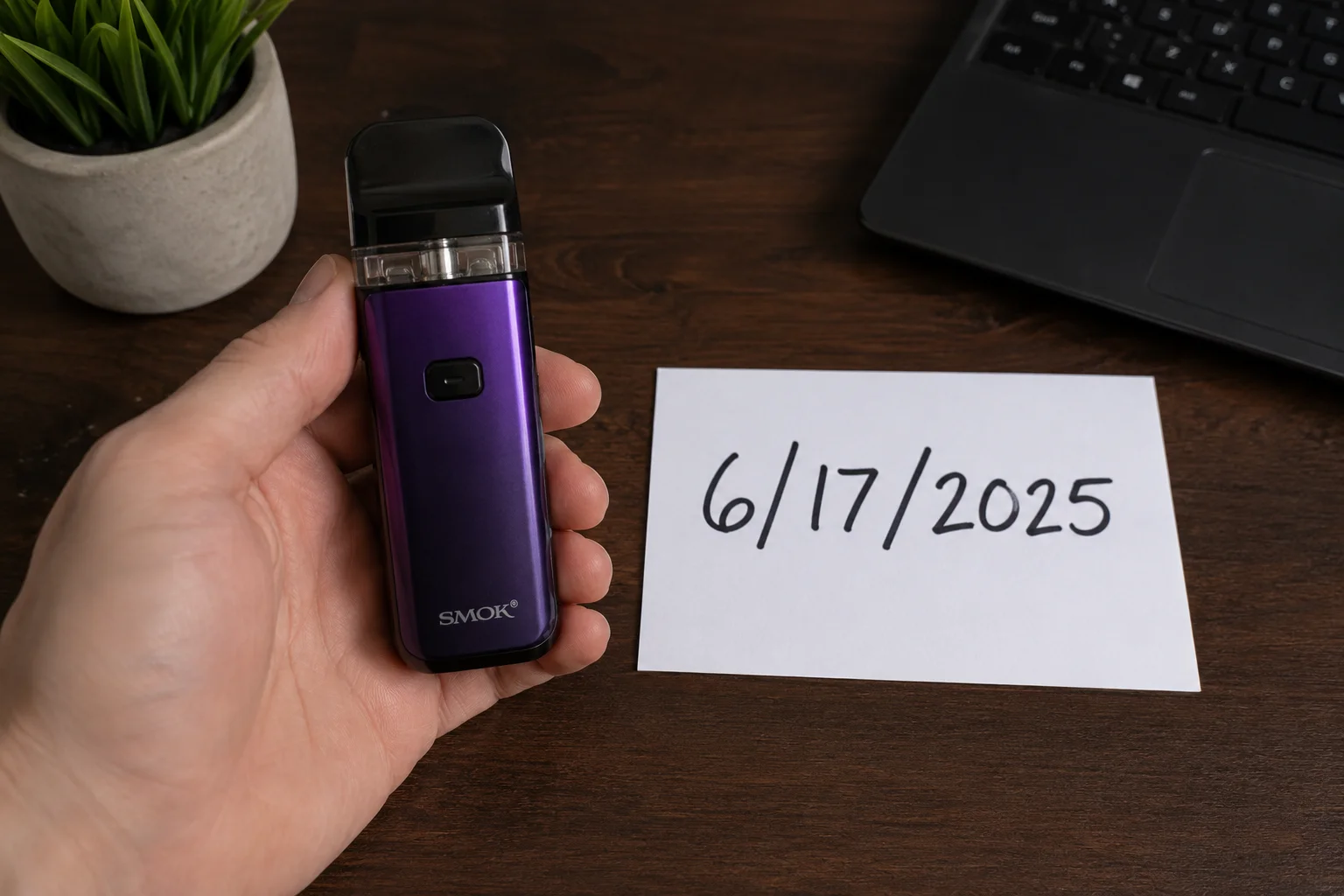
This is a very simple but powerful trick. It forces the supplier to prove they physically possess the stock they are trying to sell you. I remember a new client who was about to order 5,000 units of a popular vape model based on some beautiful pictures. Something felt off, so I told him to ask for a new photo of the boxes with his name on a sticky note. The supplier suddenly went quiet and then came back with an excuse: "Sorry, that stock is in a different warehouse." We saved my client from losing thousands of dollars. A supplier who has the goods will have no problem taking a quick photo for a serious buyer. If they make excuses or get defensive, it’s a massive red flag.[^5] This simple request filters out a huge number of middlemen and scammers who are just fishing for deposits.
Should You Request Close-Up Photos of Labels, QR Codes, and Authentication Codes?
Absolutely. A good fake can look real from a distance, but the details often give them away. These small details on the packaging can save you from buying a truckload of worthless counterfeits.
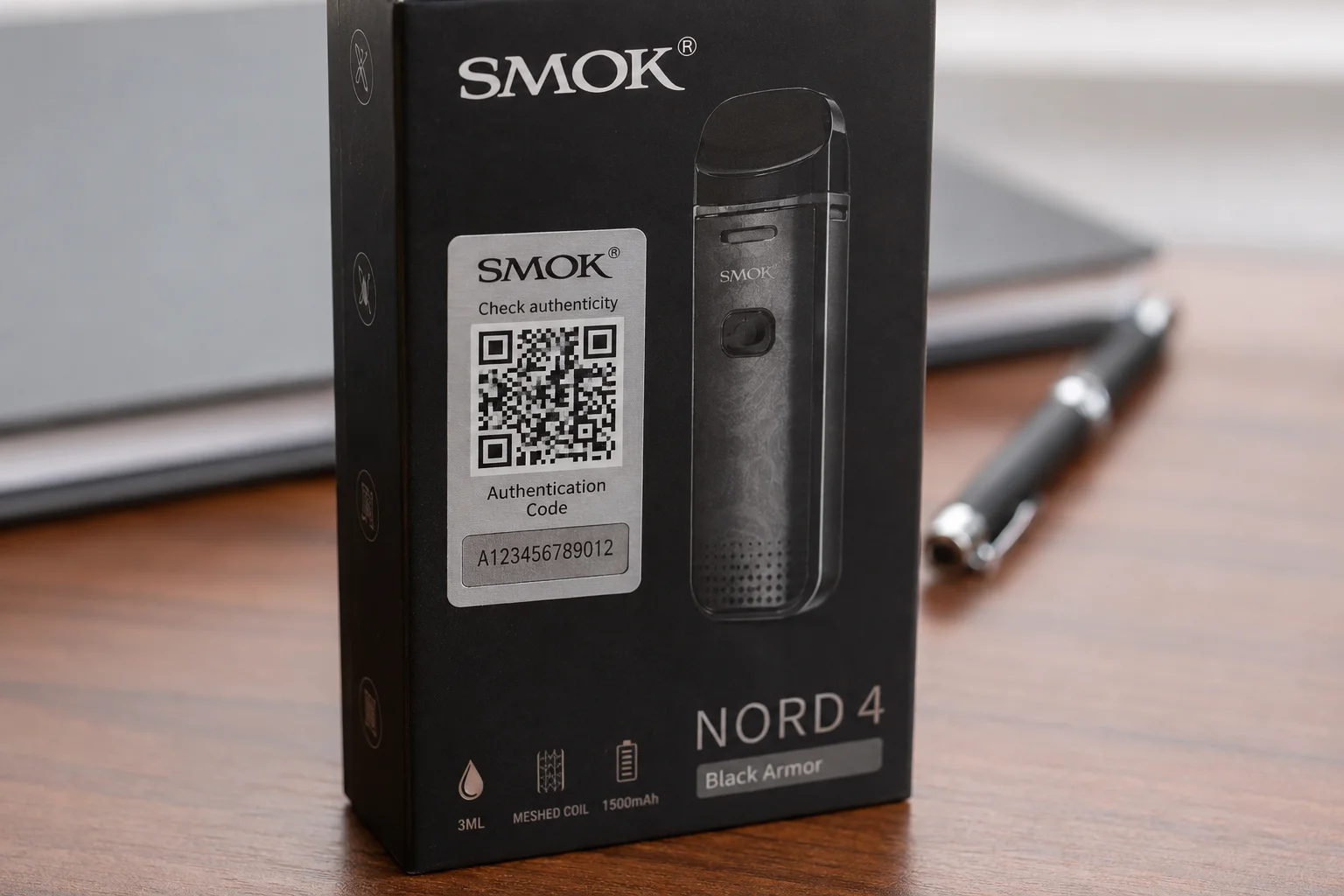
Always get clear, close-up photos of all codes and labels. You need to be able to read the authentication code, QR code, serial number, batch number, warning labels, nicotine content, capacity, and any compliance marks. This is how you spot fakes.
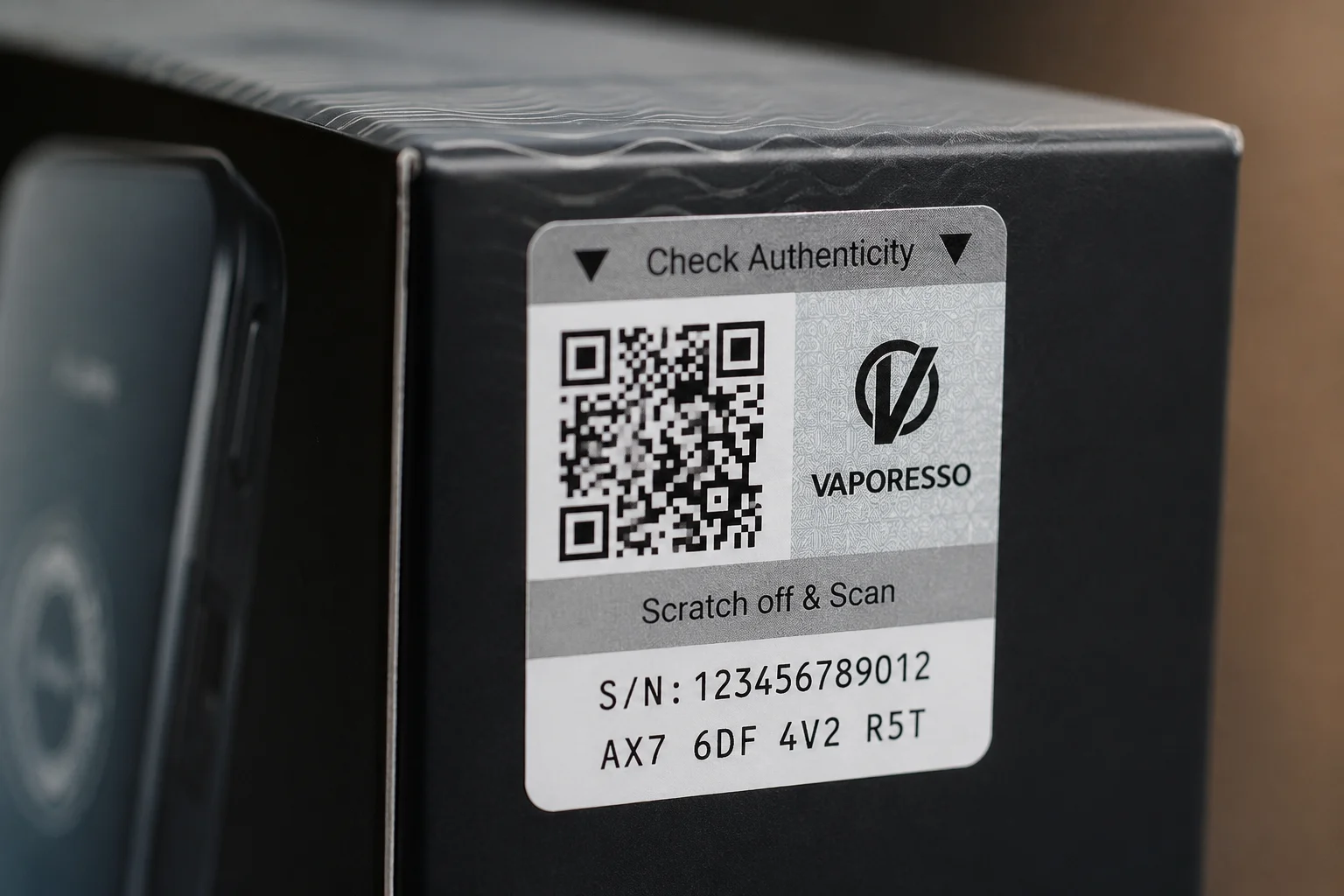
Here's a big trap many buyers fall into: scammers have started creating fake QR codes that lead to fake verification websites[^6]. When you scan it, a website that looks official pops up and says "Genuine Product." It's a complete trick. The only safe way to verify a code is to find the brand's official website yourself through a Google search. Then, go to their verification page and manually type in the code from the package. If the supplier's photos of the codes are blurry or they refuse to send clear ones, walk away. Especially with popular brands like JNR, which are heavily faked in markets like France[^7], verifying the code on the official site is not optional—it's essential for protecting your business and your customers from dangerous fakes.
Should You Ask for a Continuous Video Showing the Full Product Inspection?
Yes, this is one of the best ways to verify stock. Choppy, edited videos can hide many problems. A dishonest supplier could be cherry-picking the best-looking units or splicing together footage from different batches or different times.
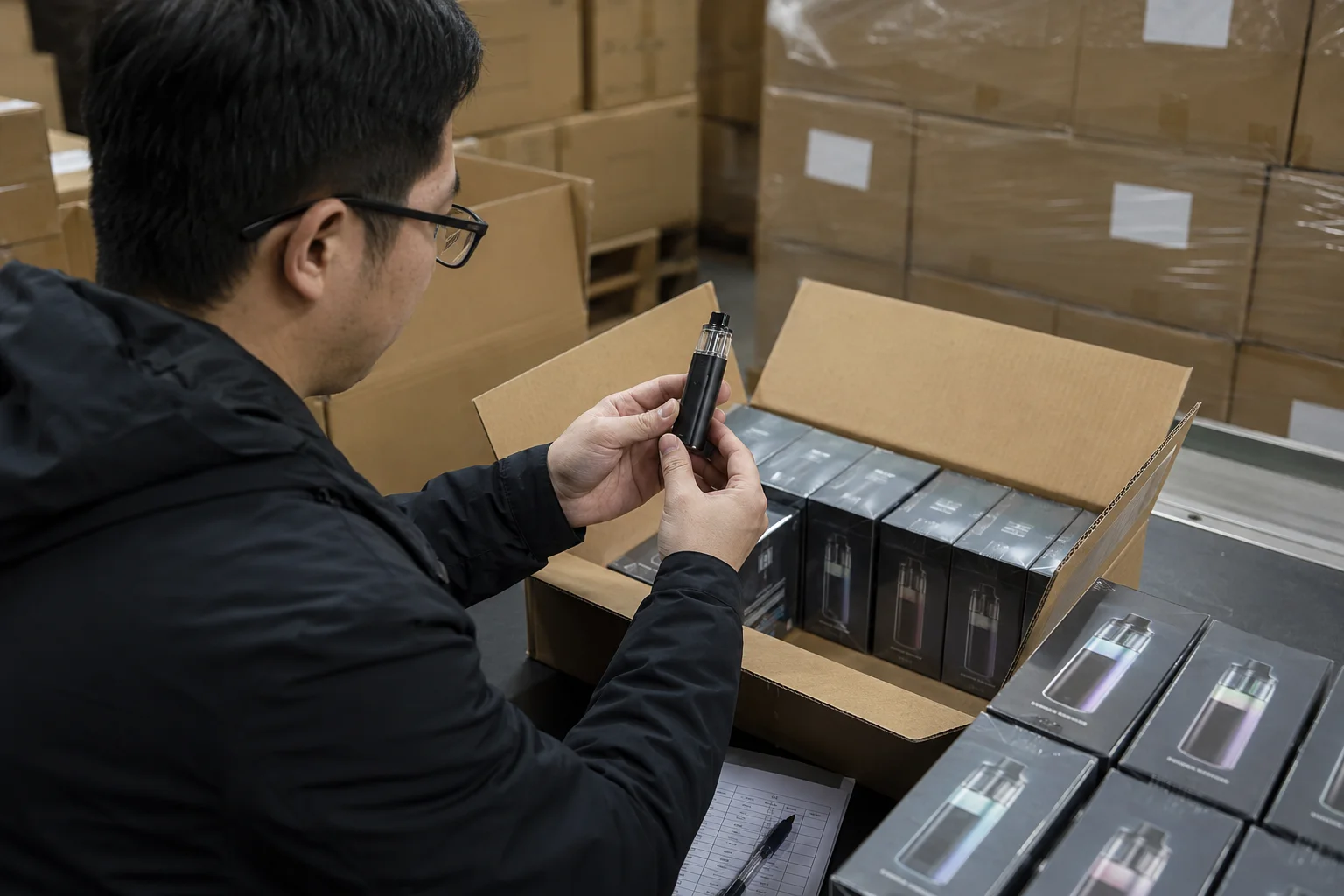
Insist on a single, continuous, unedited video. The supplier should start by showing the sealed master carton, cut it open on camera, show the inner boxes, and then pull out and inspect an individual product from its sealed packaging. This method makes it much harder to hide anything.
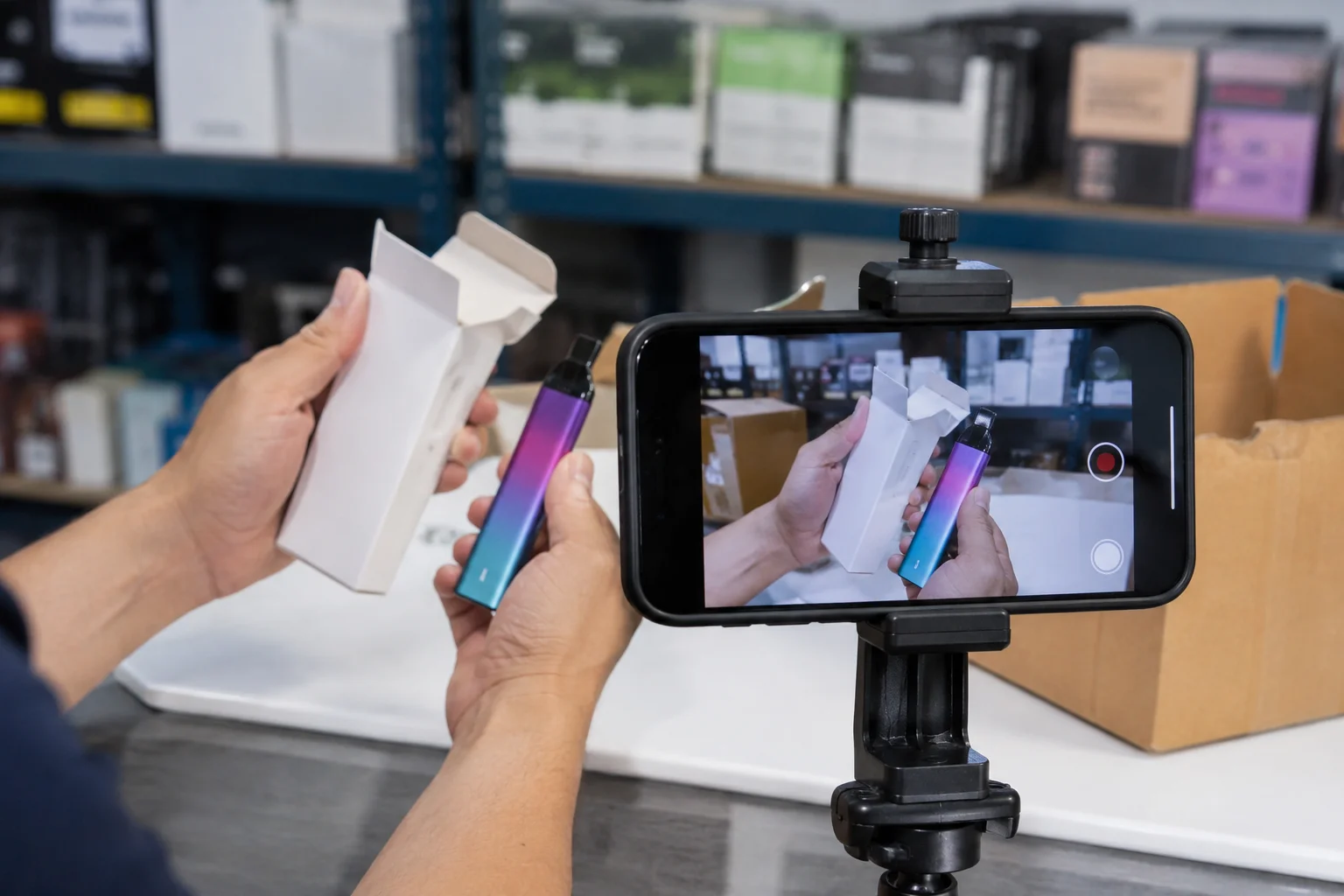
The logic here is to create an unbroken chain of evidence. An uncut video proves they have the product right there, and that the master carton, inner boxes, and individual units all belong to the same batch. It prevents a common trick where a supplier shows you a perfect sample but plans to ship you old, dusty stock from the back of the warehouse. Here is the process I recommend you ask for in the video:
- Show the sealed outer carton: Make sure it hasn't been tampered with.
- Cut the carton open on camera: This shows nothing is being swapped out.
- Show the inner display boxes: Check that they match the product you ordered.
- Open an inner box: Show the individual units inside.
- Unpack one individual unit: Show the sealed vape inside its wrapper. This entire process should be done in one take. A reliable partner will understand this request. Someone with something to hide will say it's too much trouble.
Should You Request Videos Testing Vape Flavor, Airflow, and Device Performance?
A vape can look perfect but be a complete dud. You can't tell from a photo if it will leak, taste burnt, or if the battery even works. This is where a functional test on video becomes critical.
Ask your supplier to randomly select a few products from the batch and test them on video. This test should include showing the device powering on, testing the draw and airflow, checking the vapor production, and verifying the screen, battery, and charging functions work correctly.
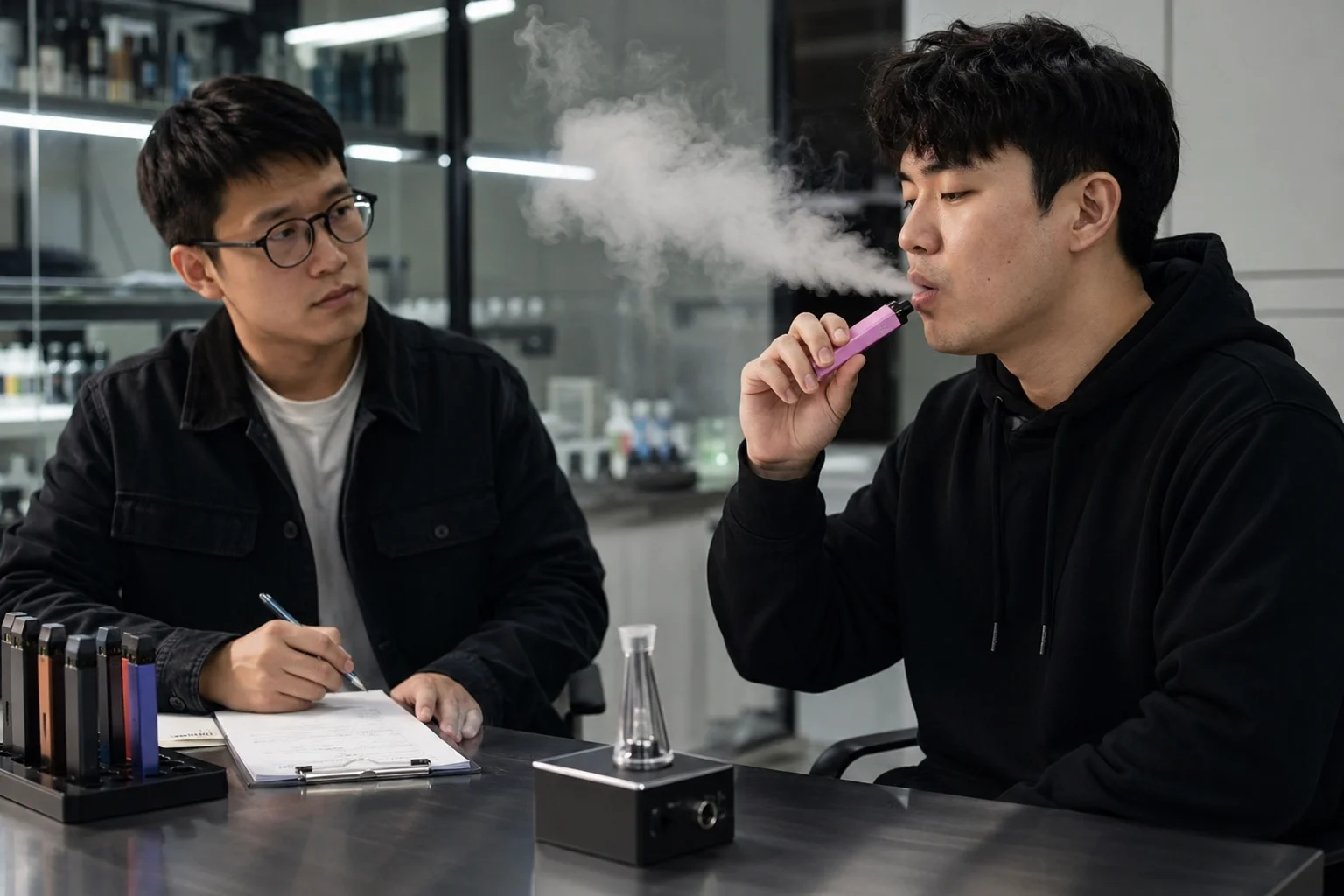
This step is about checking what's inside. As I've told many clients, the biggest cost difference between a real vape and a cheap fake is the battery and the e-liquid[^8]. Fakes often use terrible manganese batteries[^9] that might charge for hours but die after five minutes of use. In cold weather, they might not work at all. Real products use quality lithium batteries that are reliable. A performance test video helps you check for these issues remotely. Ask them to show you:
- Power-on Test: Does the light turn on? If it has a screen, does it work?
- Draw Test: Is the airflow smooth or is it blocked?
- Vapor Test: Does it produce a decent amount of vapor?
- Leak/Taste Check: After a few puffs, ask them to check for any leaks or a burnt taste. This simple test can tell you a lot about the internal quality and save you from a massive headache of customer complaints about dead or leaking devices.
How Do You Check Carton Quantity, Batch Consistency, and Warehouse Stock?
A supplier might claim to have 10,000 units ready to ship, but can they prove it? You don't want to pay for a large order only to find out they are a small trader who needs to source the products after you pay[^10].
Use a video call or ask for a detailed video to verify their actual inventory. Ask them to walk you through their warehouse and show you the pallets of master cartons for your order. They should show the total quantity, the cartons, the flavor assortment, and the batch numbers on different boxes to prove consistency.
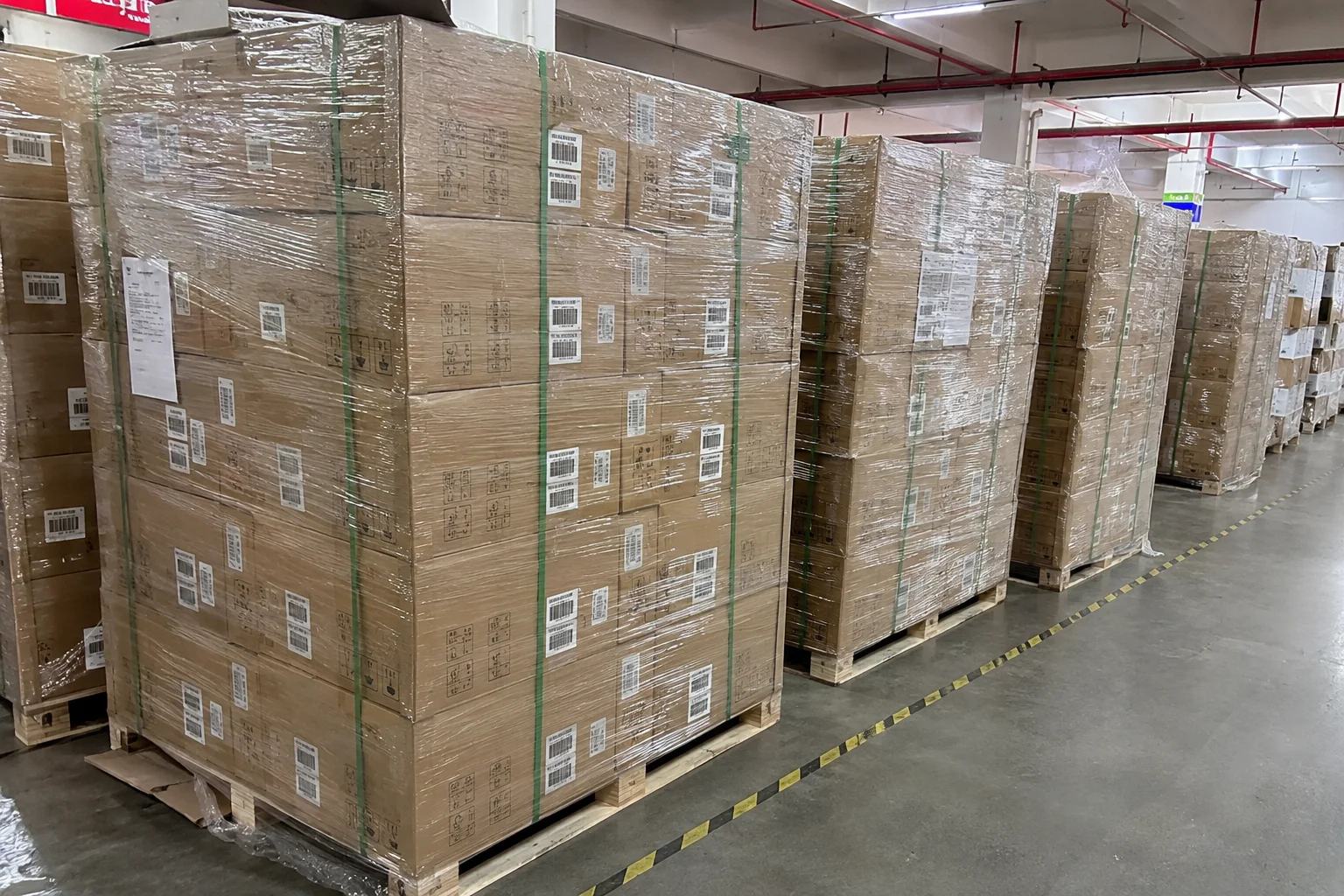
This is all about confirming the supplier's capacity to deliver. It helps you distinguish a real stockist from a middleman who has no control over the inventory. When I'm vetting a new supplier for a large order, I always schedule a live video call. I ask them to walk me to the specific pallets for my order and use a box cutter to open a random carton from the middle of the stack. This confirms they have the stock and aren't just showing me a few boxes they borrowed. You can also get a feel for their operation. Is the warehouse clean and organized? Or is it a dusty, damp mess? A professional environment usually means a more professional approach to quality control. Don't be shy to ask for this; a serious supplier with real stock will be proud to show you their operation.
Should You Ask for Packing and Pre-Shipment Inspection Videos?
Yes, this is your final checkpoint before the goods leave the supplier's hands. Your order is confirmed and paid for, but the job isn't done. Improper packing can lead to damaged goods[^11], and shipping errors can cause major delays.
Before the final balance payment or shipment, request a video showing the complete packing process. This video should include how the items are packed into the master cartons, what protective materials are being used, the final sealed cartons with your shipping labels clearly visible, and a final shot of the package on a scale showing its weight and dimensions.
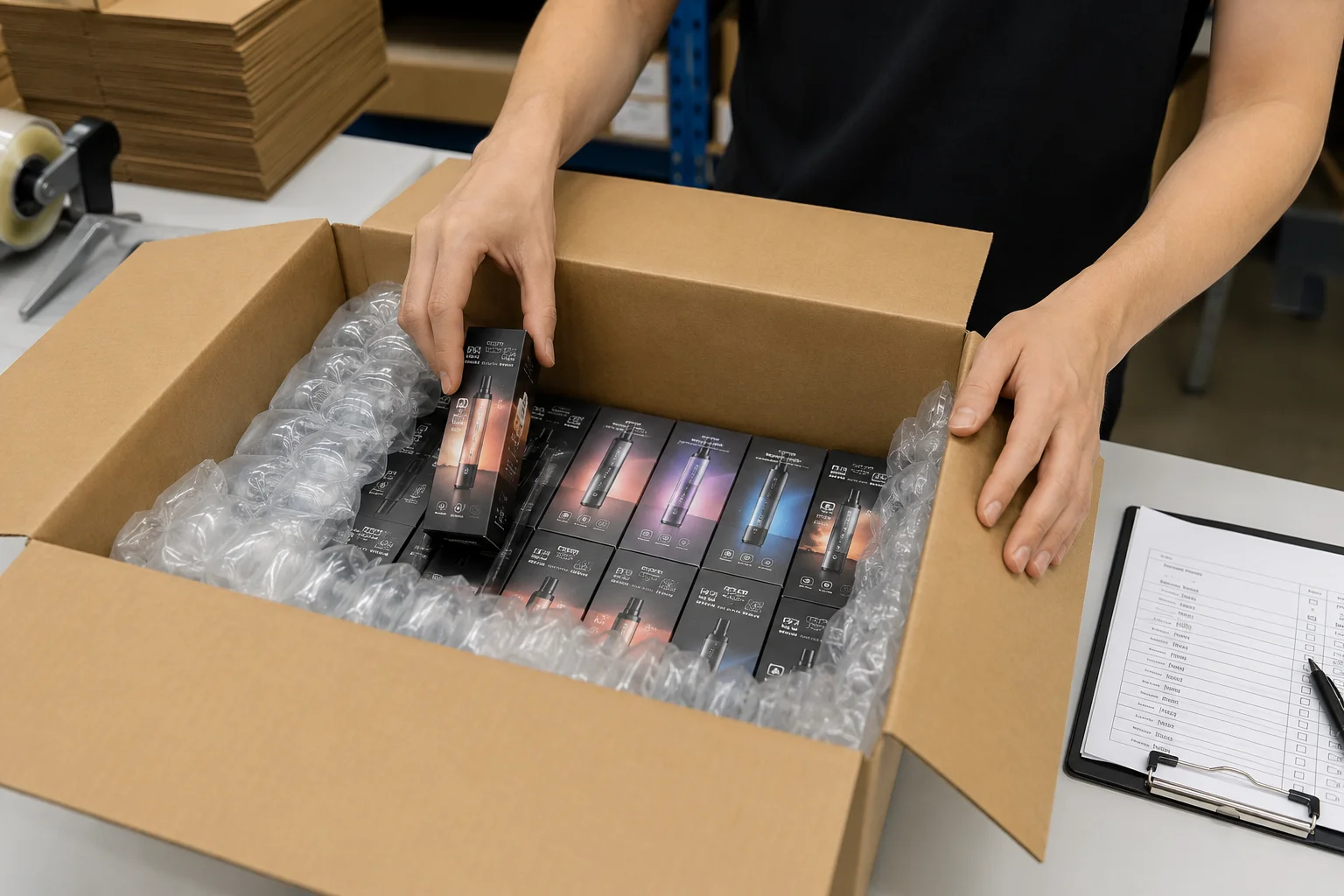
This final video is your insurance policy. It ensures you don't receive the wrong items, a short shipment, or a box of products damaged in transit. It creates a clear record of the condition of your goods right before they were handed over to the shipping company. This video should clearly show:
- Protective materials: Are they using enough bubble wrap or foam to protect the products?
- Correct shipping labels: Is your address, the product information, and the quantity correct on the outside of the box?
- Final weight and dimensions: This helps you verify the shipping cost and provides evidence if the package is tampered with later.
- Sealed boxes: The video should end with a clear shot of all boxes fully sealed with tape. This documentation is incredibly valuable if you need to file a claim[^12] with the supplier or the shipping company for damaged or missing goods. It takes them only a few minutes to shoot this video, but it can save you thousands.
What Red Flags Should Buyers Watch For in Supplier Photos and Videos?
While asking for visual proof is a great strategy, some dishonest suppliers are experts at faking it. Knowing the common red flags can help you spot a deceptive seller before you lose any money.
Be very cautious if a supplier refuses real-time requests, only provides slick marketing photos, or sends heavily edited videos with lots of cuts. Other major red flags include blurry authentication codes, inconsistent packaging versions in the same batch, or a complete inability to show you their warehouse and stock.
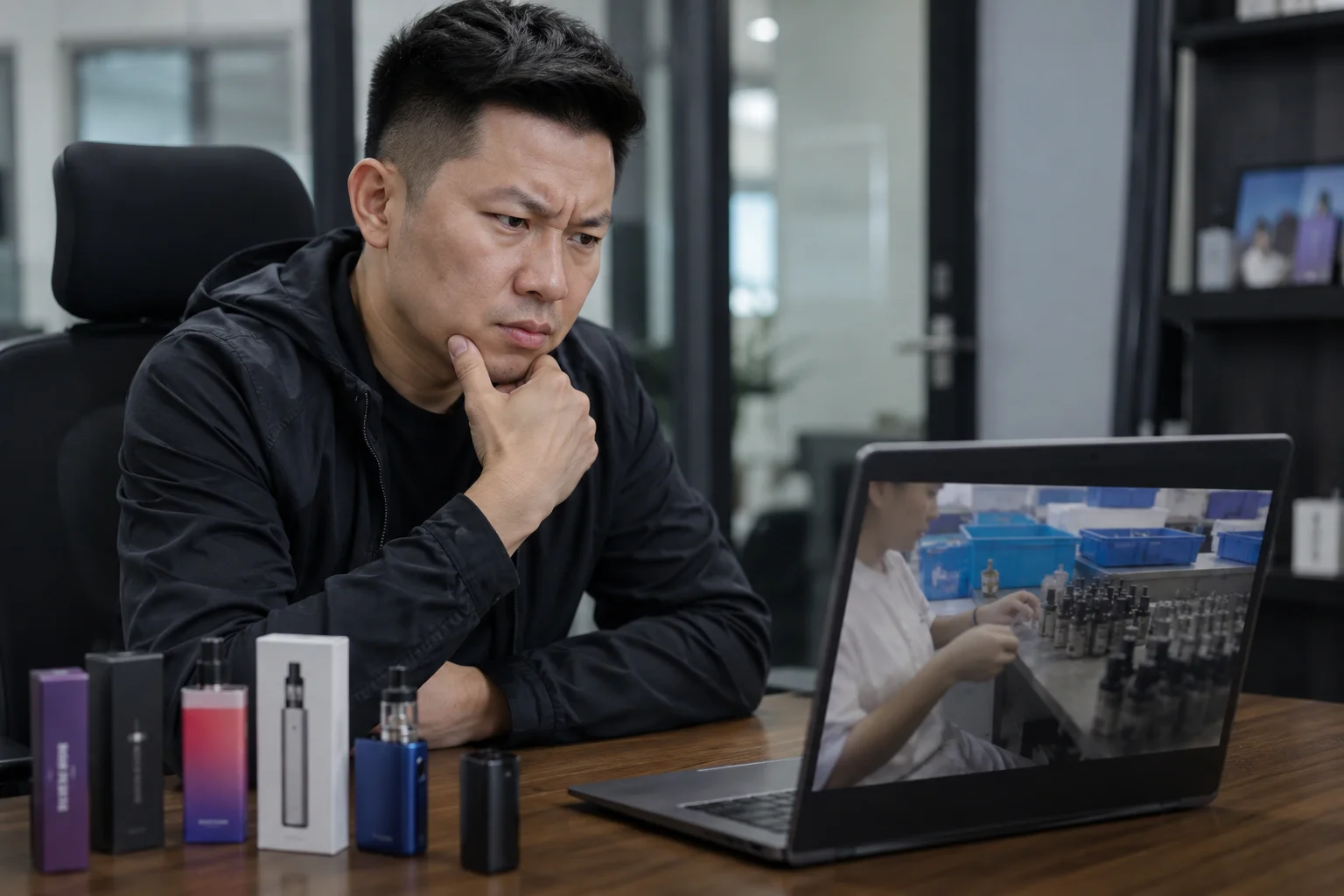
After years of dealing with suppliers, I've learned that how they respond to your requests is just as important as the content they send. Here are the biggest red flags to watch out for:
- Making Excuses: If they refuse a real-time video call with excuses like "the warehouse is closed," "our company policy doesn't allow it," or "it's too much trouble," they are almost certainly hiding something.
- Only Sending Promo Materials: If all they can provide are perfect, studio-quality images and marketing videos, they probably don't have the physical stock.
- Heavily Edited Videos: If the video has frequent cuts, jumps, or looks like it was stitched together, they are likely cutting out problematic parts. An honest supplier will send a simple, one-take video.
- Blurry or Hidden Codes: If the authentication codes, batch numbers, or warning labels are conveniently out of focus or covered by a thumb, they don't want you to verify them.
- Inconsistent Packaging: If a video of their "stock" shows boxes with different designs, colors, or warning labels, it means they are mixing batches, or worse, mixing real products with fakes.
- Being Pushy for Payment: Scammers are always in a hurry. They will pressure you to pay quickly and avoid answering detailed questions. A real partner wants to build trust for a long-term business.
Conclusion
Verifying your vape stock with photos and videos isn't being difficult; it's being smart. These simple checks protect your money, ensure product quality, and help you build a reliable, long-term business.
[^1]: "Counterfeit and pirated goods - OECD", https://www.oecd.org/en/topics/sub-issues/counterfeit-and-pirated-goods.html. Reports from organizations like the OECD and the EUIPO estimate the global trade in counterfeit and pirated goods amounts to hundreds of billions of dollars annually, posing significant financial and reputational risks to businesses. Evidence role: statistic; source type: government. Supports: The claim that counterfeit goods represent a significant financial risk to businesses.. [^2]: "Adolescents' Perceptions, Experiences, and Reactions to “Fake ...", https://pmc.ncbi.nlm.nih.gov/articles/PMC11812520/. Public health agencies and law enforcement bodies frequently issue warnings about the widespread availability of illicit and counterfeit vaping products, which may contain unknown and harmful substances. Evidence role: general_support; source type: government. Supports: The claim that fake and unregulated vape products are a common problem in the market.. [^3]: "[PDF] Due Diligence in Global Supply Chains", https://www.cbp.gov/sites/default/files/2025-08/Due%20Diligence%20in%20Global%20Supply%20Chains_08.26.2025.pdf. According to supply chain management principles, direct inspection and verification of goods before shipment are critical due to diligence steps to mitigate risks such as fraud, quality issues, and non-conformance with the order. Evidence role: general_support; source type: education. Supports: The idea that direct verification of products is a key step in reducing supplier risk.. Scope note: The source would likely discuss general goods rather than vapes specifically, but the principle of visual verification is broadly applicable. [^4]: "Red Flags Rule - Federal Trade Commission", https://www.ftc.gov/business-guidance/privacy-security/red-flags-rule. Consumer and business protection agencies, such as the Federal Trade Commission (FTC), identify a seller's refusal to provide detailed information or proof of product as a significant red flag for potential fraud. Evidence role: expert_consensus; source type: government. Supports: The claim that evasiveness or making excuses is a common tactic used by fraudulent sellers.. [^5]: "In Business Negotiations, 12 Strategies for Curbing Deception - PON", https://www.pon.harvard.edu/daily/business-negotiations/in-business-negotiations-12-strategies-for-curbing-deception/. Fraud prevention resources from business and security organizations often list behavioral indicators, such as defensiveness, evasiveness, or creating undue pressure, as red flags when vetting new partners or suppliers. Evidence role: expert_consensus; source type: institution. Supports: The claim that defensiveness and excuse-making are behavioral red flags indicating potential fraud.. [^6]: "How To Recognize and Avoid Phishing Scams | Consumer Advice", https://consumer.ftc.gov/articles/how-recognize-avoid-phishing-scams. Cybersecurity researchers and news outlets have documented the rise of scams where counterfeit products feature QR codes that lead to convincing but fraudulent verification websites, designed to falsely confirm the product's authenticity. Evidence role: case_reference; source type: other. Supports: The claim that counterfeiters use fake QR codes and spoofed websites to deceive consumers.. [^7]: "HHS, CBP Seize $86.5 Million Worth of Illegal E-Cigarettes in ... - FDA", https://www.fda.gov/news-events/press-announcements/hhs-cbp-seize-865-million-worth-illegal-e-cigarettes-largest-ever-operation. Reports from French customs (Douane) and other European authorities regularly detail large seizures of counterfeit disposable vapes, indicating a significant and ongoing issue with illicit products in the region. Evidence role: statistic; source type: government. Supports: The claim that France is a significant market for counterfeit vapes.. Scope note: The source may not mention the specific brand 'JNR' but would support the broader claim about the French market being targeted by counterfeiters. [^8]: "Cost Comparison and Spending on Tobacco Products - PubMed - NIH", https://pubmed.ncbi.nlm.nih.gov/39450424/. Laboratory analyses of counterfeit e-cigarettes have found that they often contain lower-grade batteries and e-liquids with inaccurate nicotine levels or unlisted, potentially harmful ingredients, which are cheaper to produce than the components used in authentic products. Evidence role: mechanism; source type: research. Supports: The claim that counterfeit vapes use cheaper, lower-quality batteries and e-liquids.. [^9]: "Commentary on Craft et al.: Drug contaminants and substitutions in ...", https://pmc.ncbi.nlm.nih.gov/articles/PMC11813728/. Technical analyses show that while most legitimate vapes use lithium-ion batteries for their energy density and reliability, some low-cost or counterfeit electronics may use cheaper battery chemistries, such as zinc-manganese dioxide, which offer lower performance and shorter cycle life. Evidence role: mechanism; source type: paper. Supports: The claim that counterfeit vapes may use inferior battery types like manganese cells, leading to poor performance.. Scope note: The source would likely discuss battery technology in general or in the context of low-cost electronics, not necessarily proving all fake vapes use manganese batteries, but supporting the technical premise. [^10]: "International Trade Administration", https://www.trade.gov/. Guides on international trade and sourcing frequently warn buyers about the risks of dealing with intermediaries who do not hold their own inventory, as this can lead to delays, lack of quality control, and increased costs. Evidence role: general_support; source type: other. Supports: The claim that dealing with intermediaries who don't hold stock is a significant risk in sourcing.. [^11]: "Hazardous Materials Fatalities, Injuries, Accidents, and Property ...", https://www.bts.gov/content/hazardous-materials-fatalities-injuries-accidents-and-property-damage-data. Research and data from the shipping industry and organizations like the International Safe Transit Association (ISTA) consistently show that inadequate or improper packaging is a leading cause of product damage during transit. Evidence role: statistic; source type: institution. Supports: The claim that improper packing is a primary cause of goods being damaged during shipping.. [^12]: "Preshipment Inspection | United States Trade Representative", https://ustr.gov/trade-agreements/wto-multilateral-affairs/wto-issues/customs-issues/preshipment-inspection. Logistics and insurance experts advise that clear documentation, including photos or videos of goods before shipment, is essential evidence for substantiating claims for loss or damage filed against carriers or suppliers. Evidence role: general_support; source type: other. Supports: The claim that photographic or video evidence of pre-shipment condition is crucial for resolving claims..