
Quick Answer
Open-pod vs closed-pod systems can create a support burden that many wholesalers only notice after products reach vape shops and smoke shops. A low purchase price or attractive margin can quickly lose value when staff spend too much time answering compatibility questions, handling replacements, or chasing unavailable consumables. The better choice is the model your downstream customers can sell and support confidently.
For most small wholesalers supplying vape shops, smoke shops, convenience stores, and similar retailers, closed-pod systems are often easier to support at launch because the buying and usage path is more standardized[1]. However, open-pod vs closed-pod systems should not be judged by device price alone. The right wholesale model depends on replenishment reliability, clear compatibility information, retailer training capacity, customer expectations, and who owns each after-sales responsibility.
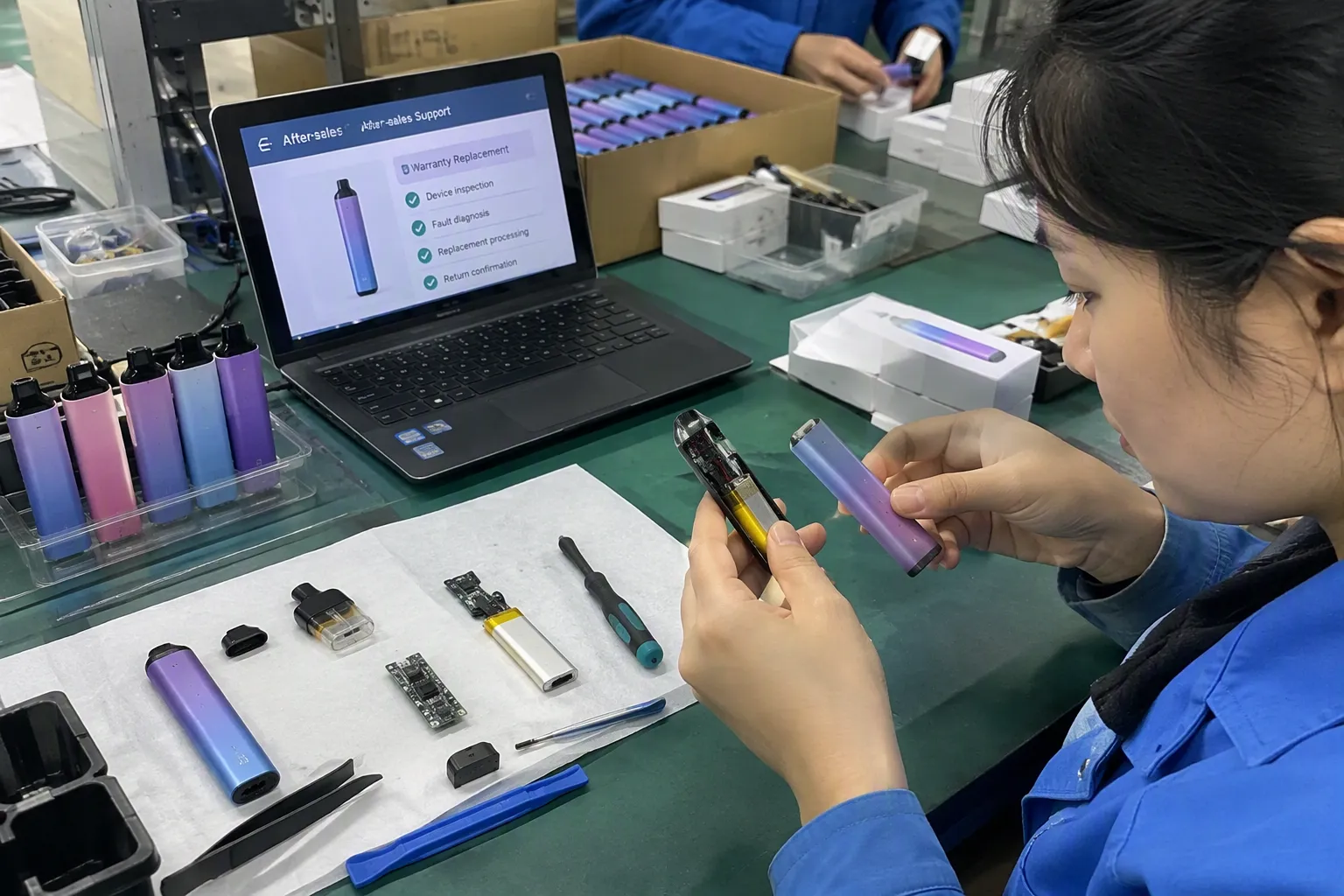
The real question is not whether one system is universally better. The question is whether your team, your retailers, and your supplier network can handle the daily support work behind the product. In my support conversations with importers and wholesalers, the strongest purchasing decisions usually start with a simple operational map: what can go wrong, who handles it, and how quickly can the customer get back to selling?
For Most Small Wholesalers Supplying Vape and Smoke Shops, Are Closed-Pod Systems Usually Easier to Support
Closed-pod systems can look simple, but a simple-looking product can still create costly support issues when pods are unavailable, compatibility is unclear, or warranty ownership is not agreed in advance. Small wholesalers often feel this pressure first because their staff may handle sales, stock, customer service, and replenishment at the same time.
For many small wholesalers, closed-pod systems are easier to support because the device and consumable path is usually more controlled. Retailers can often explain the product faster, while end users have fewer refill-related choices[2]. Still, wholesalers should confirm pod availability, genuine-product sourcing, charging guidance, replacement terms, and market requirements before treating any closed-pod range as a low-support product.

A closed-pod range may reduce certain questions at the counter, but it does not remove the need for supplier selection and after-sales planning. A wholesaler who chooses a closed system without confirmed consumable supply can create a different kind of problem: stores may sell devices successfully at first, then lose repeat business when replacement pods become difficult to buy.
In my experience coordinating multi-brand supply and after-sales communication, the product itself is only one part of the commercial decision. The bigger issue is the total support burden. That burden includes staff time, stock planning, returns, customer explanations, delivery timing, and the reputation risk that follows when a retailer cannot solve a simple customer question.
Why the Support Burden Matters More Than the Device Price
Many buyers begin an open-pod vs closed-pod systems comparison by looking at unit price, initial margin, or a supplier’s promotion. These numbers matter, but they do not show the full cost of ownership for a wholesaler[3].
A device with a higher apparent margin can still become expensive when it creates repeated work for your team. For example, your sales staff may need to answer questions about refillable pod options, coil compatibility, suitable consumables, leaking complaints, charging concerns, or replacement procedures. Your warehouse team may also need to manage more accessory SKUs and separate similar-looking products.
A more useful buying question is:
“How much time will our team spend helping retailers sell, explain, replenish, and resolve issues for this product range?”
That question changes the evaluation process. It moves the conversation away from a single invoice price and toward operational profitability.
When I speak with wholesalers and importers, I often recommend looking at the full support cycle:
-
Pre-sale explanation
Can a retailer understand the product quickly? Can the retailer explain the basic product path to its customers without long staff training? -
Consumable replenishment
Can pods, replacement parts, or related accessories be supplied consistently? Are ordering names and compatibility details clear? -
Counter questions
What will customers ask most often? Will the shop staff know the answer, or will every question come back to the wholesaler? -
After-sales handling
If a device or consumable has an issue, who checks it first? Who authorizes replacement? Who pays for the replacement item or freight? -
Inventory risk
How many supporting SKUs must be stocked to keep the main product sellable? What happens if one important consumable is unavailable? -
Lost selling time
If a retailer has to contact the wholesaler several times to solve one issue, how much selling time is lost? How much goodwill disappears?
A small wholesaler may have only a few staff members. The owner may be purchasing products, receiving deliveries, serving trade customers, managing invoices, and responding to messages all in the same day. For that business, a product that needs less explanation can be worth more than a product with a slightly better headline margin.
How Closed-Pod Systems Can Simplify the Retail Path
Closed-pod systems usually follow a more standardized product journey[4]. The user buys a compatible device, purchases the matching pod type, and follows the brand’s intended usage instructions. This can make the range easier for retailers that have limited staff training time.
This is why closed-pod products may suit wholesalers supplying:
- Convenience-oriented vape shops
- Smoke shops with broad product ranges
- Gas stations and convenience stores where staff handle many categories
- General merchandise wholesalers with limited vape-specialist knowledge
- Smaller retailers that want fast-moving, easy-to-explain product lines
- Customers who prefer a more straightforward repeat-purchase pattern
For these channels, fewer choices can sometimes be commercially useful. A retailer may not want to explain multiple refill options, separate coils, different resistance choices, or accessory combinations. The retailer may simply want a clear device-plus-pod range that staff can understand after basic product training.
However, “simpler” does not mean “automatic.” A closed-pod system still requires a reliable commercial framework.
| Support area | Why it matters for closed-pod systems | What wholesalers should confirm |
|---|---|---|
| Pod availability | The device has less value if customers cannot find compatible pods | Expected replenishment schedule, stock status, lead time, minimum order requirements |
| Compatibility clarity | Similar products or unclear naming can lead to wrong purchases | Exact pod codes, product photos, packaging details, written compatibility list |
| Authenticity and source control[5] | Unclear sourcing can create customer distrust and support disputes | Supply route, brand authorization where applicable, traceable purchase documentation |
| Charging questions | Retailers may still receive basic battery and charging complaints | Product instructions, packaging information, defined first-check procedure |
| Warranty responsibility | Retailers need to know who handles a reported issue | A written retailer-wholesaler-supplier process |
| Market suitability | Requirements can differ by country, state, or local market | Relevant brand documents and local professional guidance where needed |
This type of planning protects the retailer’s confidence. If a shop owner knows that pods can be reordered quickly and that compatibility is clearly documented, the shop is more likely to reorder the device. If that owner has to guess which pod fits or wait weeks for an answer, the product may be removed from the shelf even if the first order sold well.
Closed-Pod Systems Still Have Real After-Sales Risks
A common operational issue we see is that wholesalers assume a closed system will create almost no support requests. That assumption can create problems later.
Closed-pod systems may reduce some refill-related discussions, but they can still involve:
- Customers purchasing the wrong pod version
- Retailers mixing products from similar model names
- Confusion between authentic products and products described as “compatible”
- Pod stock interruptions
- Questions about charging or device activation
- Packaging damage during transport
- Warranty disputes between retailer, wholesaler, brand, and supplier
- End users expecting a result that does not match the product’s intended use
The key issue is not whether a question can happen. Questions happen in every product category. The key issue is whether your business has a fast, repeatable response.
I recommend wholesalers create a basic support sheet before placing a meaningful order. This document does not need to be complicated. It should clearly state:
- Device model name and SKU
- Compatible pod SKU or SKU family
- Clear product images
- Basic product setup information from the relevant brand
- Typical retailer questions
- What evidence is needed for a reported defect
- Who approves replacements
- Whether the retailer receives credit, replacement stock, or another agreed solution
- How quickly the wholesaler can replenish core consumables
This approach makes after-sales more manageable because your staff do not need to create a new answer every time. It also helps retailers avoid giving uncertain information to end users.
Why Open-Pod Systems Can Require More Wholesale Support
Open-pod systems can offer attractive flexibility for users who prefer refillable options and broader product choice. They may also fit retailers that serve experienced customers who actively ask about pod formats, refill preferences, and product customization.
However, open-pod systems often create a wider support surface[6]. The device may be only the beginning of the customer conversation. Retailers may need to understand compatible pods, replacement components, refill procedures, suitable product categories, maintenance expectations, and product-specific instructions.
This does not mean open systems are a poor wholesale choice. It means wholesalers should be realistic about the commercial work involved.
An open-pod range may be a better fit when a wholesaler serves:
- Established vape shops with trained staff
- Retailers whose customers ask for refillable options
- Specialty stores with time for product explanations
- Distributors that already stock related accessories and consumables
- Buyers who want to build a more detailed product category
- Importers with structured customer-service teams and stronger inventory planning
For example, a retailer may ask which replacement pod should be stocked with a particular device. Then the retailer may ask whether a different pod version will fit. Later, the retailer may ask which associated items should be placed next to the device for better sales. These are reasonable commercial questions, but they require the wholesaler to have reliable product information.
With open-pod vs closed-pod systems, the open model often needs a stronger product matrix. A product matrix should show the relationship between devices, pods, consumables, accessories, and replacement parts. Without it, warehouse errors and retailer confusion can increase.[8]
Compare Total Support Burden, Not Only SKU Count
Some buyers simplify the decision by saying that closed systems have fewer SKUs while open systems have more. SKU count is useful, but it is not enough.
A closed-pod system can still become difficult if the pod supply is inconsistent. An open-pod system can be manageable if the wholesaler has clear compatibility information, trained sales staff, and dependable stock of the core replacement products.
The better comparison is the amount of work required to keep the range commercially healthy.
| Evaluation factor | Closed-pod systems | Open-pod systems |
|---|---|---|
| Initial retailer explanation | Often more straightforward | Often requires more product knowledge |
| Consumable dependency | High dependency on specific compatible pods | May involve more refill and replacement options |
| Flexibility for experienced users | Usually more limited | Often broader, depending on product design |
| Retail staff training need | Often lower at launch, but still required | Often higher due to options and compatibility |
| Inventory planning | Focused on device and matching pod continuity | May involve devices, pods, accessories, and related products |
| Support questions | May focus on pod availability, compatibility, charging, and warranty | May include compatibility, refill-related guidance, accessories, and replacement parts |
| Best fit | Convenience-led retailers with limited training capacity | Specialist retailers and experienced customer bases |
The table is not a rulebook. Product designs vary, brand support varies, and local market conditions vary. Buyers should confirm actual product compatibility, documentation, and market requirements with the relevant brand and qualified local professionals.
Still, the table helps wholesalers avoid a common mistake: buying a product because it looks simple on a catalog page without mapping the work required after delivery.
Build a Support Ownership Map Before You Buy
One of the most useful steps in an open-pod vs closed-pod systems decision is to define support ownership before the first purchase order.
Many disputes happen because each party assumes someone else will handle the issue. The retailer may expect the wholesaler to replace all reported items. The wholesaler may expect the supplier or brand to make the decision. The supplier may need photos, batch information, or returned samples before confirming a claim.
These steps are normal in B2B trade, but they should be discussed early.
A practical ownership map can look like this:
| Issue | Retailer responsibility | Wholesaler responsibility | Supplier or brand responsibility |
|---|---|---|---|
| Wrong item ordered | Check order and product compatibility before sale | Provide clear SKU and compatibility information | Provide accurate catalog information |
| Damaged outer carton | Record evidence at receipt | Review freight claim process | Support according to agreed shipping terms |
| Reported device issue | Collect basic evidence from customer | Apply agreed first-check and replacement process | Review qualifying cases under agreed terms |
| Pod availability question | Check current store stock | Confirm local stock and reorder timing | Confirm production or supply availability |
| Product information | Use supplied information accurately | Train sales staff and share updated materials | Provide official product documents where available |
| Market eligibility | Follow local sales requirements | Verify applicable wholesale obligations | Provide relevant documents when available |
This framework does not replace a contract, local legal advice, or brand policy. It simply makes responsibilities visible.
For small wholesalers, a written map can prevent a large amount of stress. A clear process also improves retailer trust. Retailers do not expect every issue to disappear instantly, but they do expect a consistent answer and a responsible trade partner.
Replenishment Continuity Is the Make-or-Break Factor
For closed-pod systems, replenishment continuity can be more important than the first device order. If consumers like the device but shops cannot restock pods, the retailer may lose repeat sales and become reluctant to reorder.
For open-pod systems, replenishment may involve a broader basket of products. The wholesaler may need to keep key replacement items available so that customers do not feel abandoned after buying the main device.
Before choosing either model, I suggest asking suppliers these commercial questions:
- Which consumables are essential for repeat sales?
- Are those consumables held in regular stock or produced only after an order?
- What is the normal replenishment lead time?
- Can the supplier provide a clear compatibility list?
- Is there an overseas warehouse option for smaller, faster replenishment orders?
- Can the supplier support mixed-SKU orders for wholesalers testing a range?
- What is the documented process for reported defects or shortages?
- Can the supplier provide product images and basic sales materials for retailer communication?
- Are there any packaging, labeling, or market documents that buyers should review for their destination market?
- Which products should be treated as “core stock,” and which should be tested in smaller quantities?
At Shenzhen Kingfuji Tech. CO., Ltd., I work with wholesalers and importers who need different supply approaches. Some smaller B2B customers need lower-MOQ stock from European warehouse locations for faster replenishment. Larger importers and distributors may prefer direct China sourcing for broader selection, pricing advantages, larger quantities, or OEM/ODM projects.
The important point is that the supply model should match the buyer’s operations. A small wholesaler may need quick restock and lower inventory exposure. A larger importer may need a structured product plan, stronger purchasing leverage, and private-label development support. Neither model is automatically better. The right model depends on how the customer sells, stocks, and supports the product.
Match the Product Model to the Retailer You Serve
The best wholesale choice starts with the downstream retailer, not with the product catalog.
If your customers are smoke shops, convenience stores, gas stations, or general retailers with limited time for product training, a carefully selected closed-pod range may be easier to introduce. The retailer can focus on a clear product path, while you focus on keeping matching consumables available and providing simple support materials.
If your customers are specialist vape shops with experienced staff and customers who want more product choice, open-pod systems may create worthwhile opportunities. However, you should prepare for deeper product questions and more detailed inventory planning.
I recommend separating your customer base into practical groups:
Group 1: Convenience-Led Retailers
These retailers often want products that are easy to understand, easy to display, and easy to reorder. Their staff may not have time for detailed technical conversations.
A closed-pod range may be suitable when:
- Pod availability is reliable
- Compatibility is clearly marked
- Your wholesale team can replenish quickly
- Basic after-sales rules are documented
- The store wants a simple repeat-purchase path
Group 2: Specialist Vape and Smoke Shops

These retailers may have more product knowledge and customers who ask more detailed questions. They may be willing to stock open-pod systems if the wholesaler can support the range properly.
An open-pod range may be suitable when:
- Store staff understand the category
- The wholesaler carries the needed replacement items
- Product relationships are clearly documented
- The retailer has time to guide customers
- The customer base values choice and flexibility
Group 3: Larger Importers and Regional Distributors
Larger buyers often need a portfolio rather than a single answer. They may carry closed-pod systems for convenience-driven channels and open-pod systems for specialist retailers.
For these buyers, the focus should be on:
- Demand planning
- Brand and supplier reliability
- Warehouse capacity
- Sales materials
- Replacement and claim procedures
- Product lifecycle planning
- OEM/ODM opportunities where appropriate
- Verification of relevant destination-market requirements
This layered approach is often more practical than choosing one product type for every customer.
Frequently Asked Questions
Are closed-pod systems always easier for wholesalers to support?
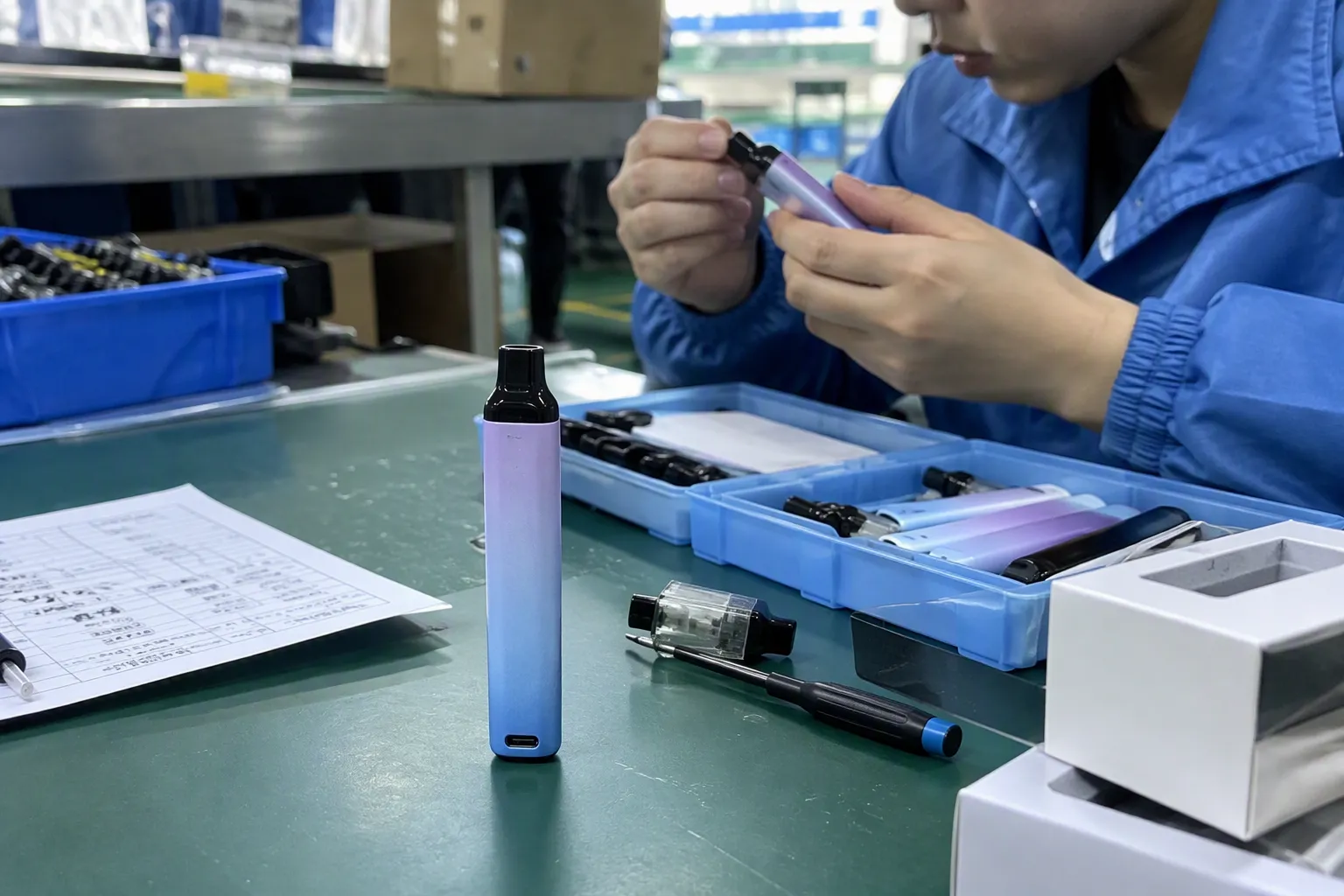
No. Closed-pod systems are often easier to launch for retailers with limited training capacity, but they still depend on reliable pod supply, clear compatibility details, and agreed after-sales procedures. A closed system can become difficult if matching consumables are unavailable or if warranty ownership is unclear.
Do open-pod systems provide better wholesale margins?
Margin depends on many factors, including product cost, replenishment, support time, inventory movement, retailer demand, and replacement handling. I do not recommend choosing open-pod vs closed-pod systems based on headline margin alone. Buyers should calculate the total operational cost of supporting each range.
What should wholesalers confirm before ordering a pod system?
Wholesalers should confirm device-to-pod compatibility, core consumable availability, expected reorder lead times, supplier stock position, product documentation, claim procedures, packaging details, and destination-market requirements. Buyers should also define who handles retailer questions, reported defects, and replacement decisions.
Can small wholesalers test pod systems with lower inventory risk?
Yes, a smaller test order may help wholesalers assess retailer response, repeat demand, support questions, and replenishment needs before making a larger commitment. Where suitable stock is available, European warehouse supply can also help some EU buyers test selected products with lower minimum quantities and faster delivery.
How can a wholesaler reduce after-sales workload for pod products?
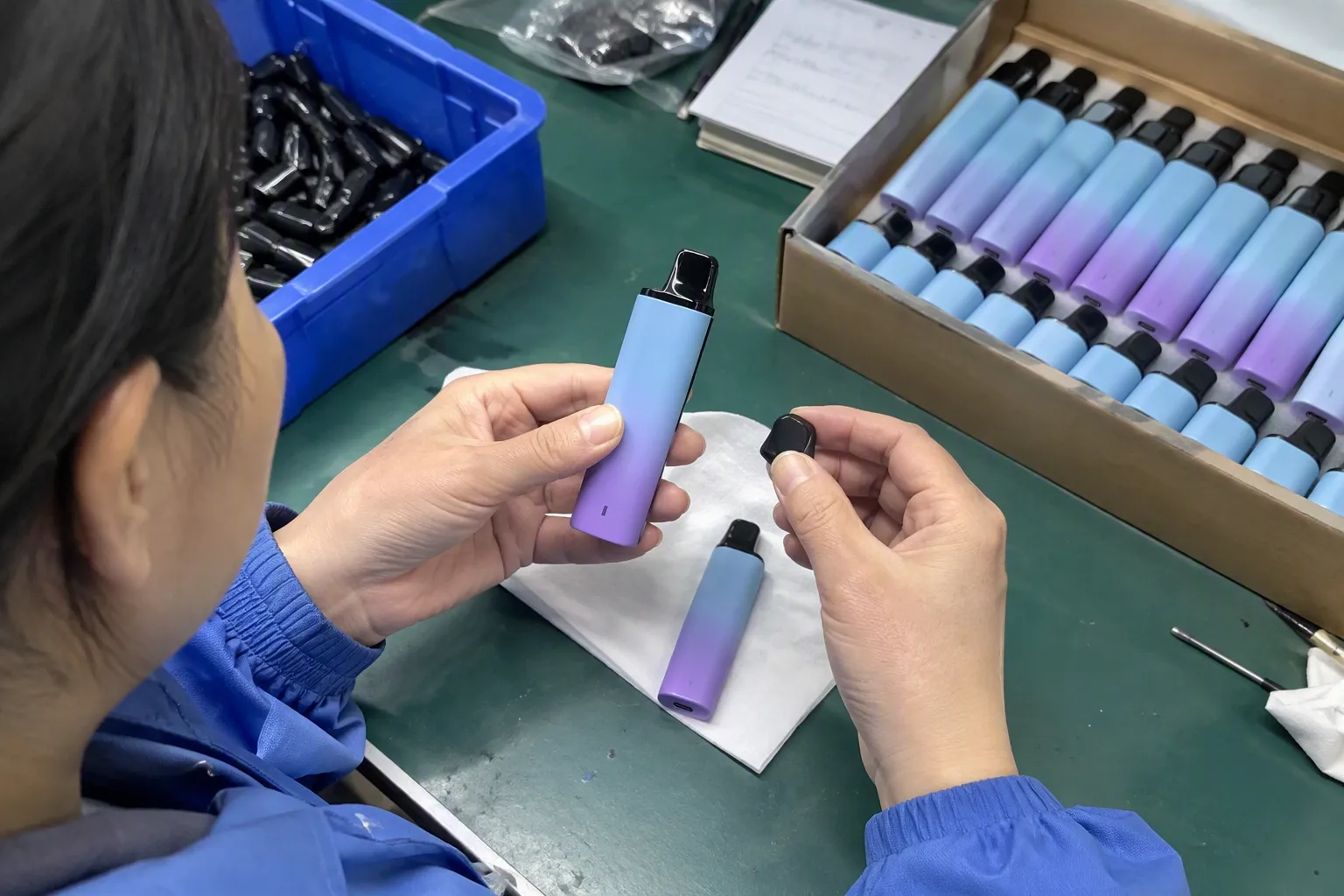
A wholesaler can reduce workload by using clear product photos, accurate SKU names, compatibility charts, basic retailer training, written replacement procedures, and reliable replenishment planning. The goal is not to eliminate all questions. The goal is to make the answers consistent, fast, and commercially manageable.
Conclusion
Open-pod vs closed-pod systems should be evaluated as wholesale support models, not just product categories. Closed-pod systems may be easier for many small wholesalers and convenience-led retailers because the sales path is often more standardized. However, pod continuity, compatibility clarity, and after-sales ownership remain essential. Open-pod systems can suit more experienced retail channels, but they usually require stronger training, stock planning, and support processes. If you are building or expanding a vape and smoke-shop product range, I can help you review product options, replenishment plans, and one-stop sourcing choices for your market.
Sources
- E-Cigarettes, Vapes, and other Electronic Nicotine Delivery Systems ...", Studies of e-cigarette product taxonomy distinguish closed systems, which use manufacturer-specific prefilled cartridges or pods, from open systems, which are refilled by users and may involve replaceable components; this design difference can make the consumer purchase path more standardized for closed systems
- [PDF] E-Cigarette, or Vaping, Products Visual Dictionary - CDC", Public-health descriptions generally classify closed e-cigarette systems as devices using prefilled cartridges or pods, whereas open systems permit refilling with e-liquid; closed-system users therefore have fewer refill-liquid selection decisions
- Part 31 - Contract Cost Principles and Procedures | Acquisition.GOV", Public procurement guidance commonly treats total cost of ownership as including costs incurred across acquisition, operation, maintenance, and end-of-life, rather than the initial purchase price alone
- Effects of Aftermarket Electronic Cigarette Pods on Device Power ...", Technical descriptions of closed e-cigarette systems identify them as devices that operate with prefilled cartridges or pods designed for the relevant device platform, in contrast to refillable open systems
- [PDF] 2025 Global Progress Report on Implementation of the Protocol to ...", International analyses of counterfeit and illicit trade note that unverifiable supply chains can undermine traceability and quality assurance, creating risks for consumers and difficulties for businesses handling complaints or recalls
- Metal Concentrations in e-Cigarette Liquid and Aerosol Samples", Research on e-cigarette device types describes open or refillable systems as requiring users to refill e-liquid and, for some designs, manage replaceable components such as coils or tanks; these additional steps create more potential points for product-use questions
- Information Processing for a Good Purchase Decision - PMC - NIH", Research on consumer choice finds that larger or more complex assortments can increase cognitive demands and information-search requirements, which provides a mechanism by which flexible product configurations may generate additional questions
- Small Parts Order Picking: Design and Operation", Warehouse and order-picking research identifies accurate item identification, location data, and product information as important controls for reducing fulfillment errors; compatibility matrices can serve as one form of such information control