
Quick Answer
Pod compatibility can become a costly problem when I treat similar-looking products as interchangeable. A pod may fit into a device and still fail to work as expected[1], creating returns, complaints, and slow-moving inventory. I reduce this risk by checking the exact model, version, structure, electrical conditions, and supplier evidence before I approve a wholesale order.
Pod compatibility should be verified through exact model information, manufacturer specifications, physical structure, electrical requirements, intended use, and sample or documented confirmation. A matching brand name, similar appearance, or connecting interface does not prove compatibility[2]. Buyers should treat compatibility as unconfirmed until the supplier provides model-specific evidence.
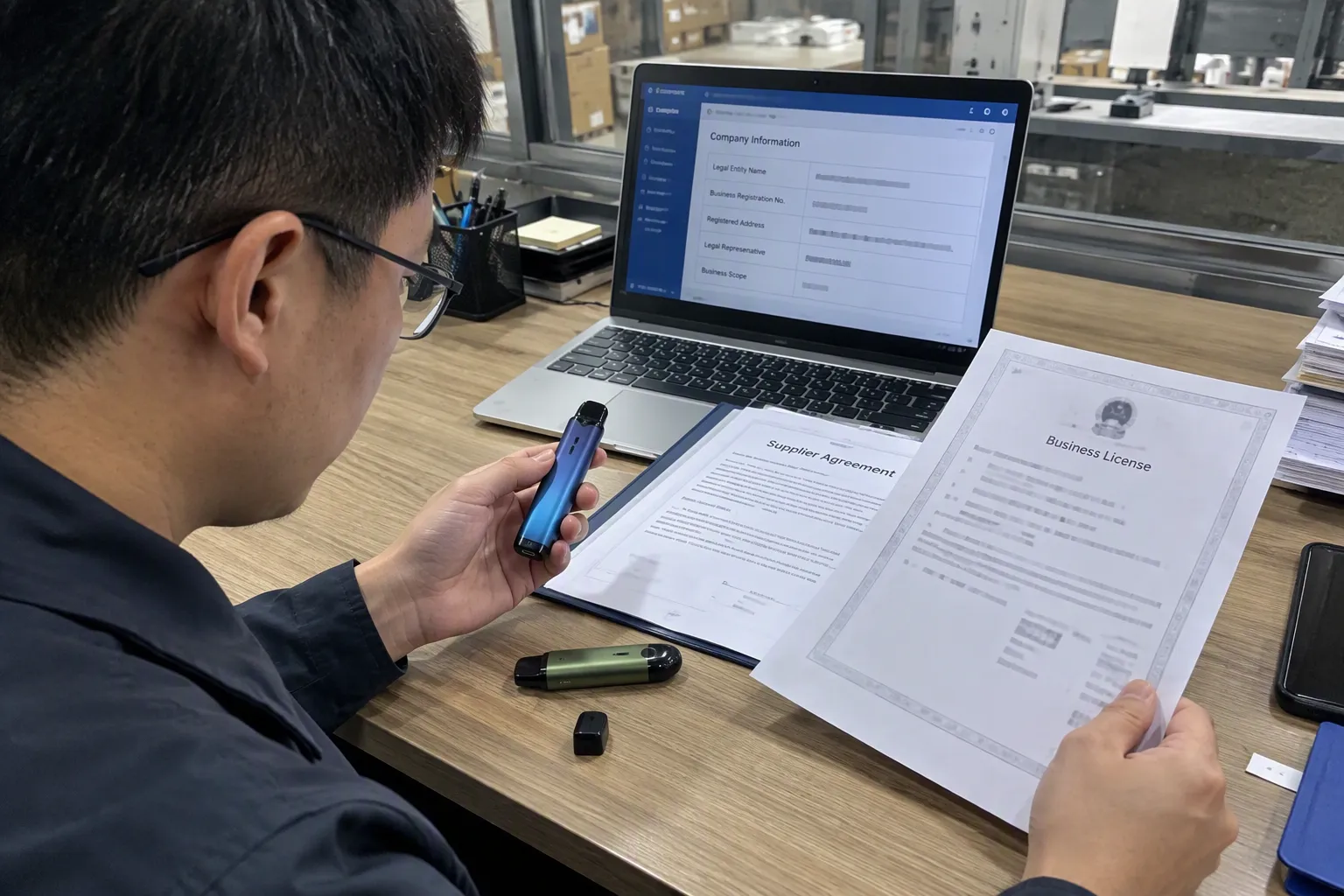
When I discuss pods and devices with importers, wholesalers, and vape shop buyers, I find that the main risk is often not product quality alone. The bigger issue is buying stock that cannot be used with the customer’s existing devices[4]. The following process helps me turn a vague compatibility question into a documented purchasing decision.
How Can I Verify Pod Compatibility Before Placing a Wholesale Order?
A wholesale buyer can verify pod compatibility by identifying the exact device and pod models, checking physical and electrical specifications, reviewing the intended use, requesting written supplier confirmation, and testing samples when necessary. I never treat a pod as compatible only because it shares a brand, shape, magnet, connector, or product family with another model.
Why does pod compatibility matter to wholesale buyers?
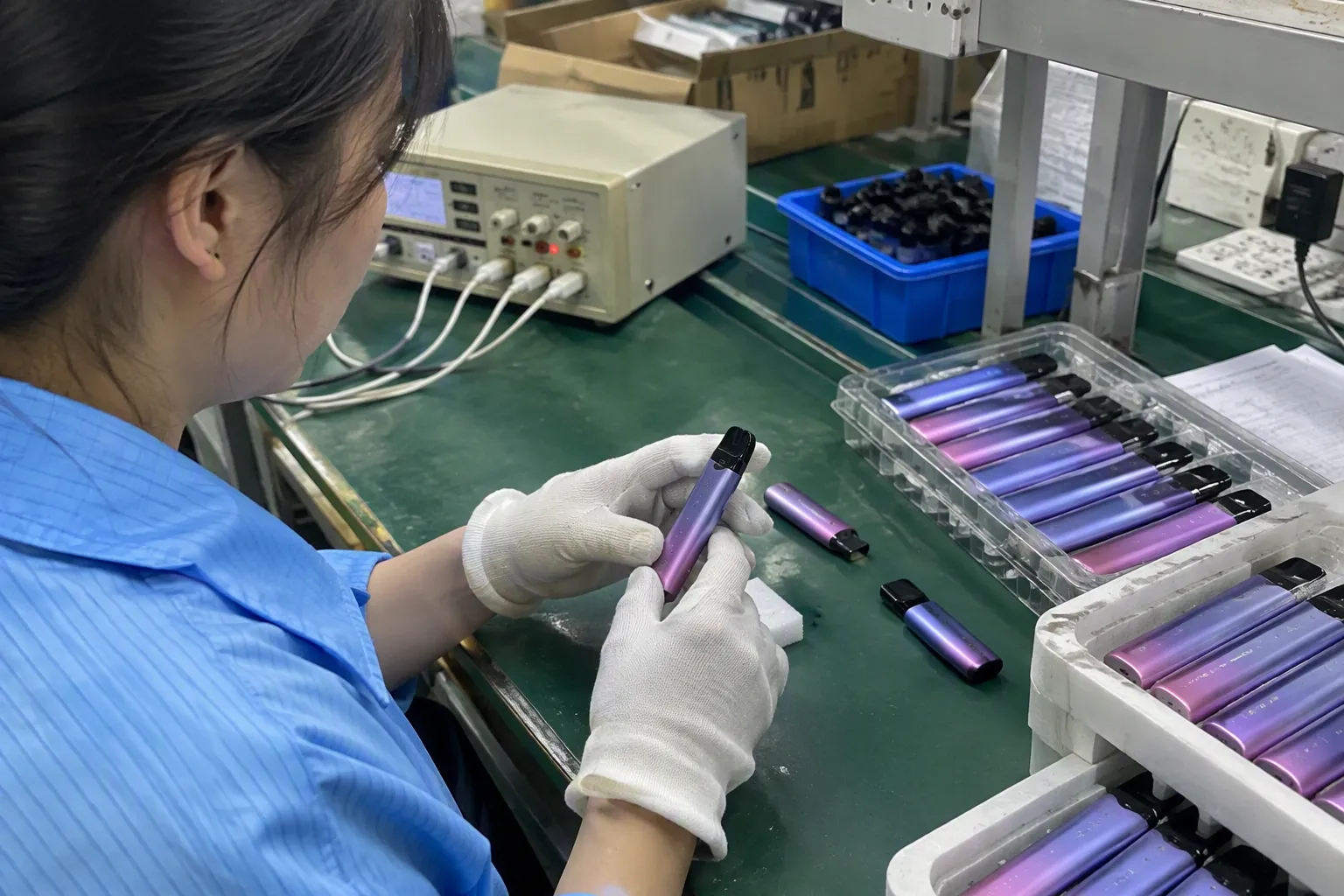
A retail customer may return one unsuitable pod, but a wholesaler can be left with an entire quantity of difficult-to-sell stock. I therefore view pod compatibility as an inventory-risk decision, not simply a technical detail. A correct evaluation protects sell-through, customer satisfaction, cash flow, and the buyer’s reputation.
Many buyers want fast-moving products with low after-sales pressure. That is understandable. However, fast purchasing without model-specific verification can create the opposite result:
- Shops may receive pods that do not activate correctly.
- Customers may complain that the pod is loose, difficult to insert, or not recognized.
- A buyer may need to separate inventory by device version.
- Unsuitable stock may remain in the warehouse while capital is tied up.
- Returns and replacements may require additional shipping and communication.
- A wholesaler may lose trust with the local shops that depend on consistent supply.
I have seen buyers begin a discussion by asking, “Is this pod compatible with Brand X?” That question is usually too broad. A brand can have several device families, generations, revisions, or regional versions[3]. I need the complete product identity before I can give a responsible answer.
What information should I collect first?
I start with the exact product identity instead of the general category. I ask the buyer to provide the device model, pod model, generation or version, and current specifications. I also ask for clear photographs when the product label or packaging may differ between versions.
The basic information should include:
| Information to verify | Why it matters |
|---|---|
| Brand name | It narrows the product family but does not prove compatibility |
| Full device model | Different devices under one brand may use different pods |
| Full pod or cartridge model | Similar names can refer to different structures |
| Generation or version | A revision may change contacts, dimensions, or control design |
| Battery or device model | The device determines the operating conditions |
| Pod capacity and structure | These details help distinguish product versions |
| Resistance or coil information | This may affect the intended operating range |
| Power-delivery method | The device may use a specific control method |
| Official specification date or version | Current information is more reliable than an old listing |
| Clear photos of the pod and device | Photos can reveal labels, contacts, magnets, and shape differences |
I do not use a product category such as “Brand X pod” as sufficient purchasing evidence. I also avoid assuming that a pod will work with all devices in a brand family. If the buyer cannot identify the exact model, I mark the compatibility status as unconfirmed and ask for more information.
How do I separate physical fit from functional compatibility?
I use two separate questions:
- Can the pod physically connect to the device?
- Will the device and pod operate together as intended?
These questions are related, but they are not the same. A pod may slide into a device because the outer dimensions are close enough[5]. That does not prove that the magnetic positioning, contact points, airflow path, recognition system, or electrical conditions are correct.
I check the following physical elements:
- Overall length, width, and height
- Shape and alignment of the insertion area
- Magnetic position and strength as specified by the manufacturer
- Contact-point location and arrangement
- Pod seating depth
- Airflow openings
- Mouthpiece and housing alignment
- Locking or retention features
- Interference from the pod housing or device shell
I then check functional conditions separately. I review whether the device was designed for that pod model, whether the resistance and power requirements are suitable, and whether the device uses a compatible control or recognition system.
The phrase “it fits” should never replace the phrase “the manufacturer confirms that this model is designed to work with that model.”
How should I check electrical and usage conditions?
I compare the pod information with the device information instead of using one number as a universal rule. Voltage, power, resistance, and control method can all matter[6], but none of these values alone proves compatibility for every product revision.
I ask the supplier to clarify:
- The supported device model
- The stated resistance range or resistance value
- The intended power or operating conditions
- Whether the device automatically identifies the pod
- Whether the device uses a fixed or adjustable operating method
- Whether the pod is designed for a particular liquid or application
- Whether the specifications apply to the exact current version
- Whether the information comes from the manufacturer or from a general product listing
I also remember that intended use matters. A pod may be structurally similar to another pod but designed for a different device, formulation, airflow arrangement, or user experience[7]. I do not present a single specification as a guarantee when the manufacturer has not confirmed the complete combination.
For application-specific decisions, I recommend that qualified technical professionals review the relevant specifications. My role as a product supplier is to help buyers collect and compare the information accurately, not to replace engineering evaluation or manufacturer instructions.
How can supplier communication reduce wholesale risk?
I turn supplier communication into written purchasing evidence. A conversation through a marketplace chat or a short message may be useful at the beginning, but I want the final compatibility position recorded clearly before the order is placed.
I ask for:
- The exact compatible device list.
- The exact compatible pod or cartridge model.
- The generation or version covered by the statement.
- Official specifications or current product documentation.
- Clear photos of labels, packaging, and connection areas.
- Sample confirmation where the combination is commercially important.
- A statement explaining what has been verified and what has not been verified.
- Confirmation of how compatibility-related defects will be handled under the agreed order terms.
I avoid asking only, “Will it work?” That question encourages a short answer without enough detail. I ask a more precise question:
“Please confirm whether pod model A, version B, is designed for device model C, version D. Please also identify the source of this confirmation and state whether the combination has been documented, sample-checked, or remains unverified.”
This format gives both sides a clearer record. It also helps me identify uncertainty before the buyer commits to a large quantity.
If the supplier answers with “same brand,” “same size,” or “it should work,” I do not treat that response as final evidence. I ask for the missing model and version details. If the evidence remains incomplete, I recommend a sample or a smaller controlled order rather than presenting the product as confirmed compatible.
What is the safest wholesale verification workflow?
I use a staged workflow because each stage answers a different question. The process does not need to be complicated, but it needs to be complete.
Step 1: Identify the buyer’s existing device
I ask the buyer to provide the full device name, model number, version, and photographs. If the buyer is supplying several shops, I ask whether all shops use the same device or whether the inventory contains several versions.
Step 2: Identify the proposed pod
I record the full pod name, model, packaging information, version, and available specifications. I do not rely on a shortened sales name if the supplier has several similar products.
Step 3: Compare physical structure
I compare the dimensions, insertion area, magnets, contacts, airflow openings, seating structure, and other visible features. This comparison can identify obvious differences, but it cannot independently prove functional compatibility.
Step 4: Compare operating conditions
I review the relevant voltage, power, resistance, recognition, and intended-use information. I connect the comparison to the exact model and version rather than applying it to a complete product family.
Step 5: Request model-specific documentation
I ask the supplier or manufacturer to confirm the exact combination in writing. I keep the response with the quotation, purchase order, and product records.
Step 6: Request samples when the risk justifies it
A sample can help the buyer inspect the physical fit and user operation before placing a larger order[8]. A sample is not a substitute for all technical documentation, but it is valuable when the buyer is considering meaningful inventory.
Step 7: Define the commercial decision
I classify the result as one of three conditions:
| Status | Meaning | Recommended action |
|---|---|---|
| Confirmed by model-specific evidence | The exact combination is supported by documentation or appropriate sample confirmation | Consider the wholesale order after normal product checks |
| Provisionally suitable | Some information matches, but evidence is incomplete | Request more information or use a controlled sample order |
| Unconfirmed | The model, version, or operating conditions are unclear | Do not describe it as compatible or commit to bulk stock |
This workflow helps buyers make decisions based on evidence rather than urgency. I understand that buyers often want to be first with a new product. Even then, I prefer to identify the remaining uncertainty clearly so the buyer can judge whether the opportunity is worth the risk.
Which common assumptions create problems?
I regularly see three assumptions that appear reasonable but are not strong enough for a wholesale decision.
“The brand is the same”
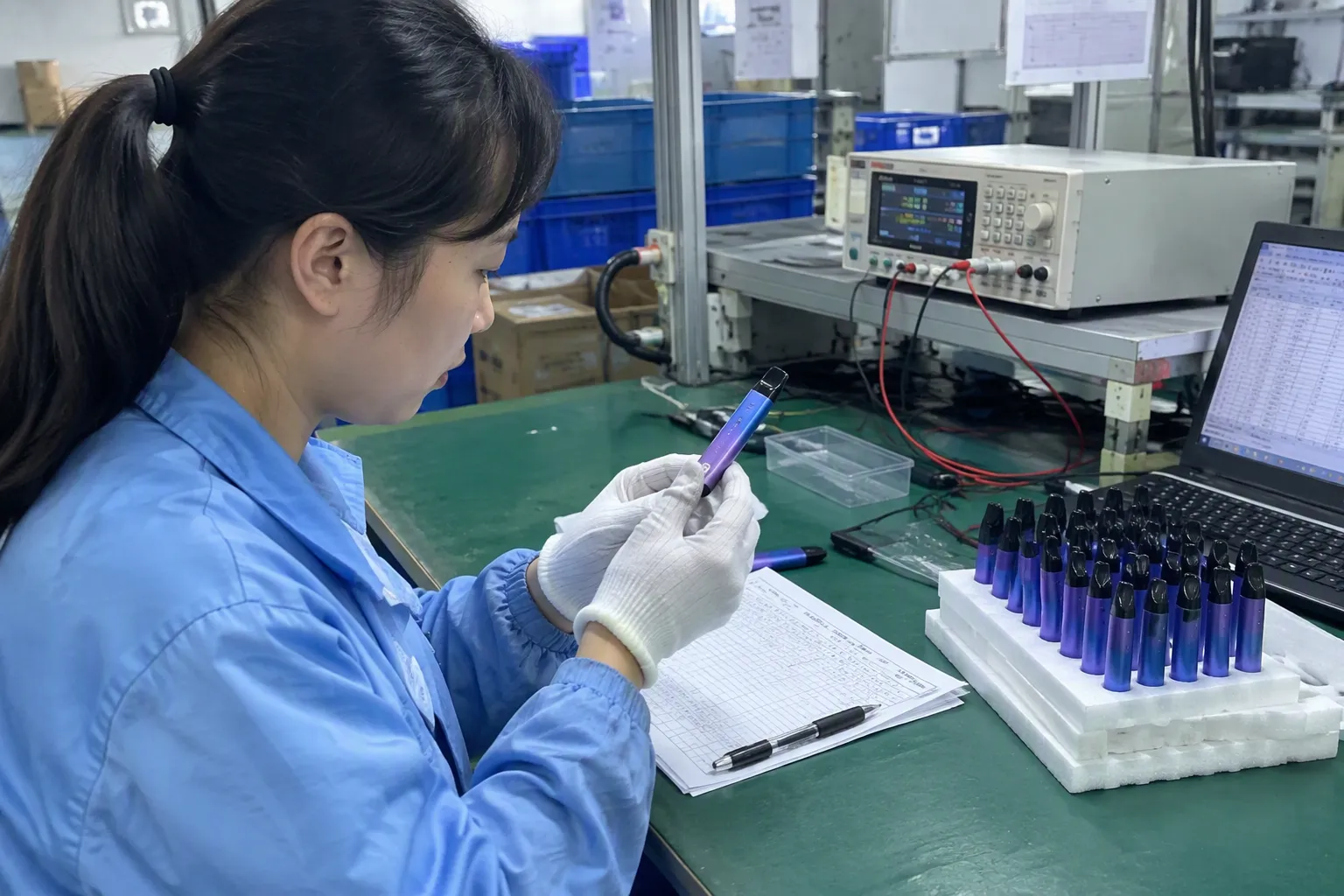
A brand can release multiple pod systems. A device and pod may carry the same brand name while belonging to different product families. I always require the full model and version.
“The pod has the same shape”
External appearance can be misleading. Internal contacts, magnetic placement, seating depth, airflow, and control requirements may differ. Similar appearance is useful for comparison, but it is not confirmation.
“The connector or interface is identical”
A shared interface can suggest physical similarity. It does not automatically establish correct electrical or functional operation. I treat the interface as one checkpoint in a larger evaluation.
Other risky assumptions include:
- A previous version will work with a current version.
- A pod listed for one device will work with every device in the range.
- A supplier’s general catalogue description applies to a specific revision.
- A sample result automatically applies to all later production versions.
- A buyer can solve compatibility problems through customer instructions after the order arrives.
These assumptions can create a mismatch between what the buyer expects to sell and what the end customer can actually use. I prefer to resolve that mismatch before shipment.
How should I evaluate compatibility when buying from overseas?
International buyers often have an additional concern: the order may travel through a longer supply chain before the issue is discovered. A buyer may purchase from China, move stock to a European or American warehouse, and distribute it to multiple local shops. By that stage, separating or returning unsuitable inventory can be more difficult.
I therefore recommend that importers and wholesalers keep a clear product file containing:
- The buyer’s requested device model
- The proposed pod model
- Version photographs
- Technical documents received
- Written compatibility confirmation
- Sample observations, if a sample was reviewed
- The agreed product description
- Purchase order details
- Any limitations or unverified points
This record supports better communication between the importer, warehouse team, sales staff, and retail customers. It also reduces the risk that a salesperson will later describe a pod as compatible with a wider product family than the evidence supports.
For smaller European buyers, a low-quantity order from an available overseas warehouse may reduce the amount of capital committed before demand and compatibility are understood. For larger importers, direct bulk purchasing may provide stronger pricing and OEM/ODM options, but the buyer should complete the same model-specific verification before scaling the order.
In my sourcing work, I see these as different purchasing routes, not different standards. A smaller order still needs accurate product identification. A larger order needs even stronger documentation because more inventory and more customer relationships are involved.
What should I include in a supplier request?
I use a simple request that makes the supplier answer the important points. The buyer can adapt the following wording:
Please confirm the complete model and version of the proposed pod and the device.
Please provide the current official specifications and clear product photos.
Please list the exact device models and versions confirmed as compatible.
Please explain whether the information is based on manufacturer documentation, sample checking, or another source.
Please identify any models or versions that have not been verified.
Please confirm how compatibility-related issues will be reviewed under the order terms.
I also ask the supplier to use the same model names on the quotation, invoice, packing information, and product labels where possible. Consistent naming reduces confusion when a buyer manages several products that look similar.
I do not promise compatibility simply to close a sale. If the buyer sends incomplete information, I explain what is missing. If I cannot obtain reliable evidence, I say that the combination requires further verification. This approach may slow the first conversation, but it gives the buyer a more useful basis for deciding whether to proceed.
How can buyers protect cash flow after compatibility is confirmed?
Compatibility verification reduces one important risk, but I still recommend a broader procurement review. The buyer should confirm the commercial conditions before committing to stock.
I suggest checking:
- Minimum order quantity
- Available sample quantity
- Production or dispatch timing
- Current inventory status
- Packaging and labeling
- After-sales process
- Defect review procedure
- Shipping route and delivery terms
- Local import and sales requirements
- Product documentation required in the destination market
- Whether the order contains mixed models or versions
A buyer who serves many small shops may prefer a lower minimum quantity and faster regional dispatch. A larger distributor may prefer direct import pricing, container planning, and OEM/ODM development. In both cases, the compatibility record should remain attached to the product decision.
I work with buyers who want to focus on local sales instead of managing many separate suppliers. A one-stop purchasing arrangement can simplify communication, product selection, shipping coordination, and after-sales contact. However, one-stop service does not remove the need for model-specific verification. It should make the evidence easier to collect and the responsibility easier to coordinate.
Frequently Asked Questions
Is a pod compatible if it fits into the device?
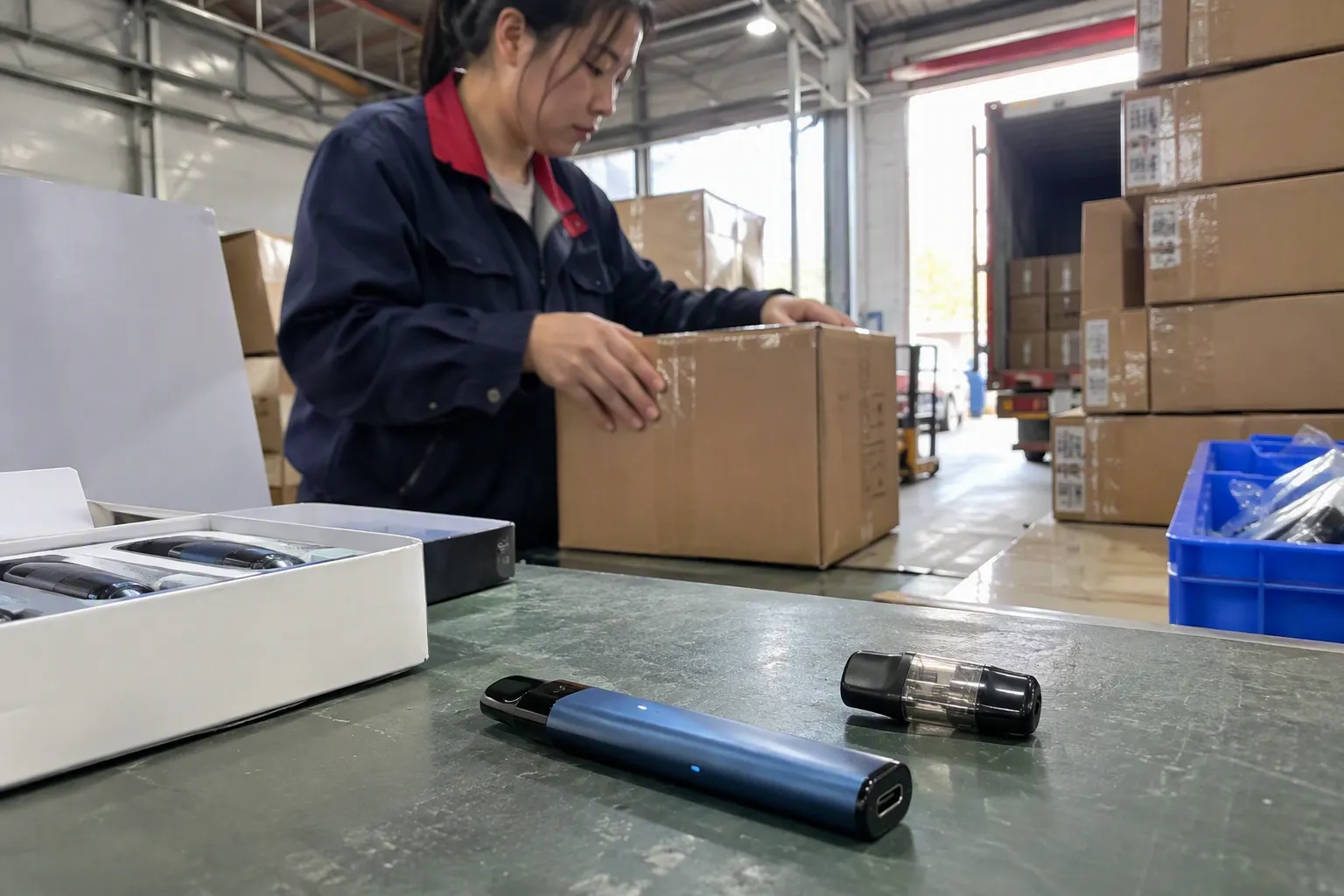
Not necessarily. Physical insertion only confirms that the outer structure may be close enough to connect. The contacts, magnets, airflow, recognition system, resistance, power conditions, and intended use may still differ. I recommend checking the exact model and version and requesting supplier or manufacturer confirmation.
Does the same brand guarantee pod compatibility?
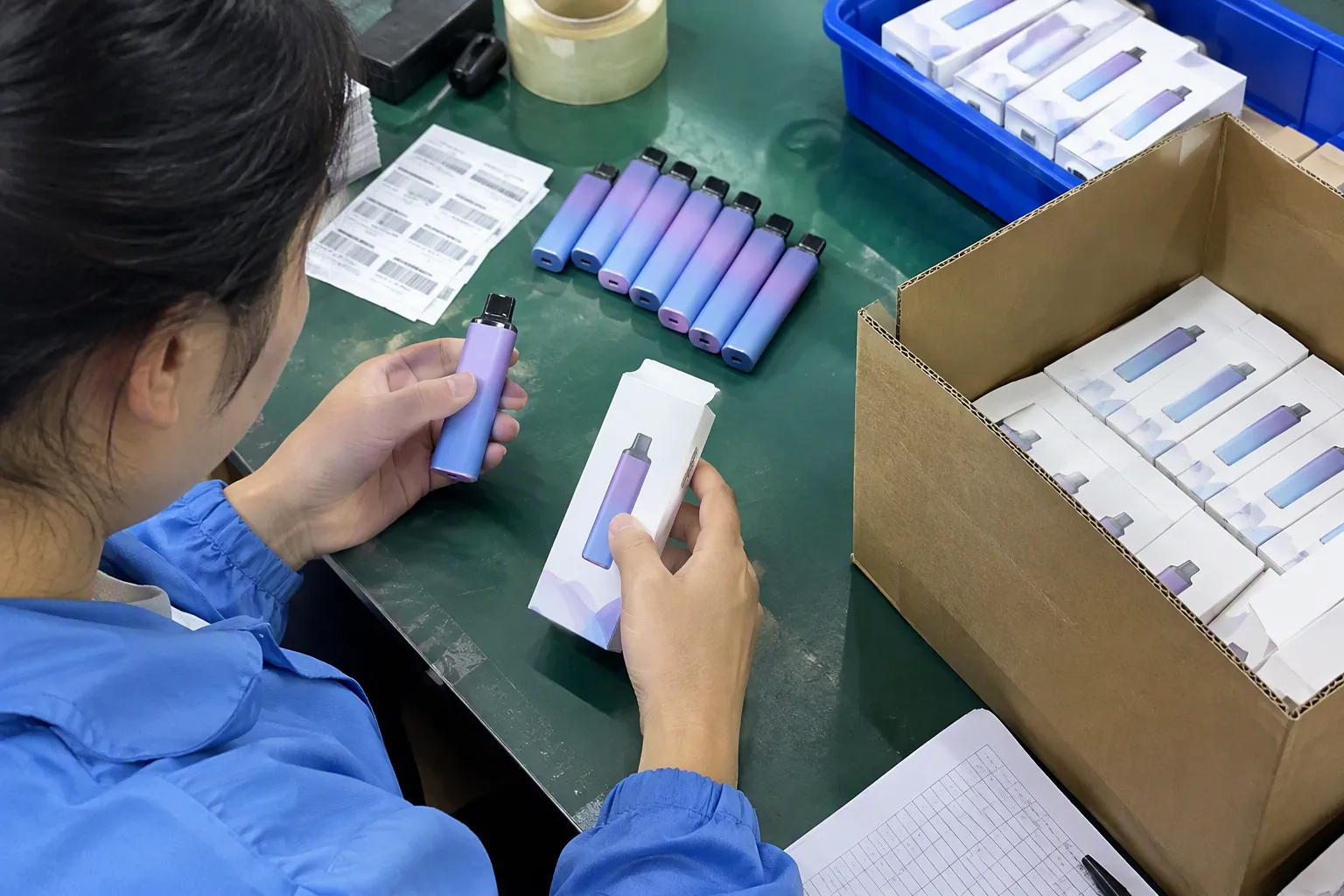
No. A brand may offer several pod systems, devices, generations, and regional versions. I ask for the full device model, full pod model, and version information. I treat compatibility as unconfirmed when the supplier provides only the brand name or a broad product-family description.
Should I order samples before a wholesale purchase?
A sample is advisable when the model combination is new, the documentation is incomplete, or the proposed quantity represents meaningful inventory risk. A sample can help review physical fit and practical use, but I still keep the manufacturer specifications and written compatibility evidence in the purchasing file.
What should I do if the supplier says “it should work”?
I ask the supplier to replace the general statement with a model-specific confirmation. I request the exact device and pod versions, supporting specifications, and an explanation of what has been verified. If the information remains incomplete, I classify the combination as unconfirmed and avoid presenting it as a guaranteed wholesale product.
Can compatibility information for one version apply to later versions?
I do not assume that it can. A manufacturer may change the contacts, magnets, dimensions, control method, or other design details during a product revision. I ask the supplier to confirm the current version separately, especially when the buyer is replacing an older product or purchasing stock from different production periods.
Conclusion
Pod compatibility is a pre-order inventory decision that affects sell-through, returns, customer trust, and cash flow. I recommend starting with the exact device and pod models, then checking the physical structure, electrical conditions, intended use, documentation, and sample evidence. Similar appearance, shared branding, or a matching interface is not enough. At Kingfuji, I help importers, wholesalers, vape shops, and smoke shop buyers compare product information, confirm what has been verified, and choose a suitable purchasing route. Contact me at info@kingvapecig.com or +86 13928420527 to discuss your model requirements before placing a wholesale order.
Sources
- [PDF] Recommended practice extensions for GD&T in STEP-AP210 in the ...", The cited engineering literature distinguishes mechanical connection from electrical and system-level compatibility, supporting the view that physical insertion alone does not establish correct operation
- [PDF] Electromagnetic Compatibility and Smart Grid Interoperability Issues", Systems-engineering guidance treats interface similarity as only one element of compatibility assessment and requires verification of the relevant mechanical, electrical, and functional specifications
- eCTD v3.2 - eSubmission", Product-documentation and conformity guidance recognizes that model variants and revisions may require separate identification and specification review rather than reliance on a brand-level designation
- Strategic Inventory Management of Deteriorating Products ...", Research on product returns and inventory management identifies incompatibility and product–user mismatch as potential sources of avoidable returns and stranded stock
- [PDF] A review of current geometric tolerancing theories and inspection ...", Engineering references on tolerances and fits explain that dimensional closeness can permit assembly without guaranteeing the alignment or performance required by the complete interface
- [PDF] NASA CR-510 ELECTRICAL ANALOGIES AND THE VIRRA rIm OF ...", Basic electrical engineering references establish that voltage, resistance, power delivery, and control circuitry jointly affect the operating conditions of connected electrical components
- Development of a Novel Bronchodilator Vaping Drug Delivery ... - PMC", Studies of electronic nicotine delivery systems report that device geometry, airflow, liquid composition, and operating parameters can affect aerosol generation and user operation, supporting the need to assess these factors together
- 6.2.7. What is Skip Lot Sampling? - Information Technology Laboratory", Quality-assurance literature describes sampling and pre-purchase inspection as methods for detecting nonconformities before full-scale procurement, supporting the use of controlled sample evaluation