
Quick Answer
vape compliance and inventory review** helps wholesalers avoid a common problem: buying more of a fast-selling SKU before checking whether the inventory, documentation, sales channel, and local requirements still support that decision. When cash is tied up in uncertain stock, a structured quarterly review creates clearer replenishment choices. vape compliance and inventory review is a SKU-level process that combines stock data, purchase-order planning, product information, supplier documents, and market-specific questions.
A **Quarterly U.S.
A Quarterly U.S. Its purpose is not to provide legal approval. Its purpose is to help U.S. importers, wholesalers, and multi-warehouse operators decide whether to replenish, pause, hold for verification, or prioritize sell-through before more cash is committed.

I have seen that inventory decisions become difficult when a product sells quickly but the buyer has incomplete information about documentation, channel restrictions, or future replenishment risk. A quarterly process does not remove the need for qualified legal and compliance advice. However, it gives your team a practical system for identifying questions early.
Why Is a Quarterly U.S. Vape Compliance and Inventory Review Not a Paperwork Exercise?
A Quarterly U.S. vape compliance and inventory review can feel like another administrative task when warehouse teams already manage incoming stock, customer orders, returns, and supplier follow-up. The risk is that paperwork gets separated from purchasing decisions. Then a buyer may reorder first and ask important product-status questions later.
A Quarterly U.S. vape compliance and inventory review should connect every SKU to a commercial decision. I recommend reviewing sell-through, stock age, warehouse location, sales channels, product records, supplier support, and unresolved compliance questions together. At the end, each SKU should have one clear action: replenish, pause, hold for verification, or sell through and exit.

Treat Each SKU as Cash and Exposure
A vape SKU is not only a product on a shelf. It is also working capital, warehouse space, customer-service responsibility, and potential compliance exposure[1].
This matters most for wholesalers with a broad catalog. A business may carry disposable vapes, pod systems, atomizers, batteries, chargers, glass products, grinders, and other smoke-shop items. Each category may have different product information needs, different sales channels, different customer questions, and different local considerations.[2]
I have spoken with U.S. wholesale buyers who face the same pressure every quarter:
- A product moves quickly in several stores.
- Retail customers ask whether more stock is available.
- The warehouse team wants to avoid a stockout.
- The purchasing team sees an attractive supplier price.
- Cash is already tied up in slower-moving inventory.
- Product-information or compliance questions remain unresolved.
A strong Quarterly U.S. vape compliance and inventory review asks a more complete question:
“If we place a new order today, are we adding inventory that our business can reasonably sell, support, document, and manage in the channels and locations we serve?”
That question protects cash flow. It also prevents a purchasing team from treating compliance as an issue that starts only after goods arrive.
Build the Review Around a SKU Master List
The most useful starting point is a SKU master list. I suggest using one internal spreadsheet, ERP export, or inventory dashboard that gives management a single view of each item.
The list does not need to be perfect on day one. It needs to be consistent enough for the team to spot gaps and assign follow-up work.
| Review field | Why it matters | Example decision use |
|---|---|---|
| SKU name and internal code | Prevents confusion between similar products | Confirms that sales and documents refer to the same item |
| Product category | Helps organize product-specific questions | Separates disposable vapes, batteries, atomizers, and accessories |
| Brand and supplier | Supports supplier follow-up | Identifies who can provide order or product records |
| Warehouse location | Shows where stock is physically held | Helps review location-specific questions |
| Current stock quantity | Measures cash tied up in inventory | Identifies overstock and near-stockout items |
| Average monthly sales | Supports replenishment planning | Compares demand with available stock |
| Stock age | Identifies slow-moving or aging stock | Supports sell-through or exit decisions |
| Open purchase orders | Shows incoming inventory exposure | Avoids duplicate replenishment |
| Sales channel | Records where the SKU is sold | Helps identify channel-specific review needs |
| Available supporting documents | Shows what is organized and what is missing | Creates a verification task list |
| Open compliance question | Flags issues that need escalation | Prevents automatic replenishment |
| Final quarterly action | Converts review into a decision | Replenish, pause, hold, or exit |
I recommend assigning one accountable person to maintain the SKU master list. This does not mean one person carries all legal or operational responsibility. It means one person ensures the information is complete enough for purchasing, warehouse, sales, and management teams to make decisions from the same record.
Use Four Clear SKU Decisions
A Quarterly U.S. vape compliance and inventory review becomes useful only when it ends in action. I prefer four simple decision categories because they reduce vague discussions.
1. Replenish
Use this decision when the SKU has stable demand, reasonable stock coverage, organized product and order records, and no unresolved internal questions that require a pause.
A replenishment decision should still include normal commercial checks:
- Current supplier quotation
- Minimum order quantity
- Production lead time or available stock
- Freight and delivery planning
- Expected gross margin
- Existing inventory and incoming purchase orders
- Customer demand by warehouse or sales region
- Product-information needs from key accounts
For example, a wholesaler may sell the same accessory through several states. One warehouse may need replenishment while another warehouse still holds excess stock. A SKU-level review prevents the company from making a national purchase decision based only on total sales.
2. Pause Replenishment
A pause does not always mean the product is unsellable or unprofitable. It means the business should stop adding exposure until the team understands the situation better.
I suggest a pause when:
- Sales have slowed but stock remains high.
- The company already has substantial inventory in transit.
- The supplier cannot yet organize requested product records.
- Product labeling, packaging, or product-information questions need review.
- A key sales channel has raised new requirements.
- Internal teams have conflicting information about the SKU.
- The company cannot identify where all inventory is stored or sold.
A pause is often a cash-flow decision before it is anything else. Buying more stock at a low price can still be expensive if that inventory cannot move through the intended channels.
3. Hold for Verification
A hold-for-verification status is appropriate when the company needs qualified review before deciding whether to reorder, transfer inventory, continue a sales program, or change a product listing.
This category is important because supplier support and legal responsibility are not the same thing[4].
As a Shenzhen-based manufacturer and supply-chain partner, I can help buyers organize product details, order records, packaging information, shipping records, and available supporting documents from the supply side. However, I do not present supplier documents as a guarantee of U.S. compliance or lawful sale. The importer, distributor, and seller should verify applicable federal, state, local, channel, and customer requirements with qualified legal and compliance advisors.
A hold-for-verification file may include:
- Product photographs and packaging versions[5]
- SKU and model references
- Supplier invoices and purchase orders
- Shipping and receiving records
- Product specifications supplied by the manufacturer
- Available test reports or declarations, if applicable
- Sales-channel requirements communicated by customers
- Questions raised by internal compliance staff or outside advisors
- A written record of what still needs confirmation
The purpose is to make professional review faster and more focused. Instead of asking an advisor a general question about “vape compliance,” the buyer can ask about a defined product, a defined warehouse location, and a defined commercial decision.
4. Prioritize Sell-Through or Exit
Some inventory should not receive more purchasing attention. It should receive an exit plan.
This decision may apply when a SKU has weak demand, old packaging, increasing customer-service issues, inconsistent information, low margin after storage costs, or unresolved questions that make replenishment unsuitable.
A sell-through or exit plan should be controlled. The company should not use aggressive discounting as a substitute for verifying applicable requirements. Instead, management should decide, with appropriate professional input where needed, how inventory should be handled within the company’s approved sales and compliance framework.
A practical internal plan may include:
- Stop new purchase orders.
- Count all units by warehouse.
- Stop transfers into locations where the team has unresolved questions.
- Review customer commitments and outstanding orders.
- Track returns, complaints, and support requests.
- Ask advisors to review any unanswered requirements.
- Decide whether inventory can remain available, should be redirected, or should be removed from the active catalog.
Review Sales Data Without Letting Sales Data Control the Decision
Many buyers rely heavily on sell-through. That is understandable. Sales data is visible, measurable, and connected to revenue. However, sales data alone is incomplete.
A strong-selling product may still create problems when:
- Stock is concentrated in the wrong warehouse.
- The product is tied to a narrow customer base.
- The supplier has changed packaging or product details.
- Product information is incomplete.
- A retailer, distributor, marketplace, or local jurisdiction has raised questions.
- The next purchase order would create too much stock coverage.
- Returns or service requests are increasing.
I recommend reviewing at least these commercial indicators every quarter:
| Inventory indicator | What to check | Why it matters |
|---|---|---|
| Monthly unit sales | Compare the last three months | Shows whether demand is stable, rising, or falling |
| Days of inventory[7] | Compare current stock with sales rate | Helps prevent overbuying |
| Inventory age | Identify slow-moving lots | Shows where cash is trapped |
| Return rate[8] | Review reason codes, not only totals | Can reveal product or customer-use issues |
| Gross margin | Include freight, storage, discounts, and support costs | Shows the real commercial value of the SKU |
| Backorders | Check whether demand is genuine and recurring | Supports measured replenishment |
| Open purchase orders | Include all incoming stock | Prevents duplicate purchasing |
| Customer concentration | Measure dependence on a few accounts | Reduces risk when one buyer stops ordering |
A Quarterly U.S. vape compliance and inventory review should also compare sales by channel. A SKU that sells well to independent smoke shops may not have the same suitability for every account type. Wholesalers should record where products are sold, which customers request documentation, and whether those customers have their own purchasing requirements.
Ask Suppliers for Organized Support, Not Legal Conclusions

A common mistake is asking a supplier, “Is this product compliant in the United States?” That question is too broad, and a supplier cannot responsibly replace the role of the importer’s qualified advisors.
A better approach is to ask suppliers for organized, SKU-specific support. This helps the buyer prepare a file for internal review, customer review, or professional review.
For each priority SKU, I recommend asking suppliers to provide available information such as:
- Product name, model, and SKU reference
- Product photographs from multiple sides
- Packaging photographs and packaging versions
- Basic product specifications
- Ingredient or material information when available and relevant
- Production batch or lot references, if used
- Invoice and purchase-order references
- Shipping carton information
- Available product documents supplied by the manufacturer
- Current lead time and minimum order quantity
- Confirmation of whether the supplier has changed the product, packaging, or components
At Kingfuji Tech, I can support buyers by organizing available product, order, and shipping information across products sourced through our supply chain. This is especially useful for wholesalers that purchase multiple brands or categories and do not want to coordinate separate document requests with many different factories.
Still, buyers should keep an important boundary in mind:
Supplier support can help a buyer prepare and document a review. It does not transfer the importer’s, distributor’s, or seller’s responsibility to verify applicable requirements.
This boundary protects both sides. It reduces misunderstandings and creates a more professional supplier relationship.
Include Warehouse Teams in the Review
A compliance and inventory review should not stay only with the purchasing department. Warehouse teams often see issues first.
For example, warehouse staff may notice:
- Packaging versions do not match the receiving record.
- Similar SKUs are mixed together.
- A product has been moved between warehouses without clear tracking.
- A damaged carton creates a labeling or traceability concern.[6]
- A large quantity has not moved for several months.
- Sales teams are requesting transfers faster than the system is updated.
- Customer returns are increasing for one product batch or model.
I recommend a quarterly meeting that includes, at minimum:
- Purchasing or procurement
- Inventory planning
- Warehouse operations
- Sales leadership
- Customer-service or after-sales staff
- Internal compliance contact, if available
- Outside legal or compliance advisors when the company needs qualified review
The meeting does not need to be long. A focused 60- to 90-minute session can be enough if the SKU master list is prepared in advance.
The most important output is an action log. Every open question should have an owner and a deadline.
| Action item | Owner | Deadline | Status |
|---|---|---|---|
| Confirm current packaging images for SKU A | Supplier coordinator | 10 business days | Open |
| Compare inventory by warehouse | Inventory manager | 5 business days | In progress |
| Review sales-channel requirements | Compliance lead | 15 business days | Open |
| Pause next purchase order for SKU B | Purchasing manager | Immediate | Complete |
| Prepare product file for advisor review | Operations coordinator | 10 business days | Open |
Make Replenishment Planning More Conservative When Questions Are Open
When a SKU is under review, buyers may still feel pressure to maintain supply. This is where a staged purchasing strategy can reduce exposure.
Instead of placing one large order, a buyer can consider whether the business should:
- Replenish only verified, stable SKUs.
- Reduce order quantities for uncertain items.
- Use existing warehouse stock before adding more inventory.
- Separate confirmed demand from speculative demand.
- Avoid building deep stock solely because a supplier offers a lower unit price.
- Request updated product and packaging information before confirming production.
- Keep a record of why the company approved, paused, or held a purchase order.
For smaller customers, a lower-MOQ overseas warehouse option may support faster testing and lower upfront inventory exposure where available. Kingfuji Tech has European warehouse inventory for selected products, with small starting quantities for some items and delivery options within Europe. That model may help suitable European buyers manage cash flow and test demand. However, U.S. wholesalers should make their own supply, import, and compliance decisions based on their specific operating model and professional advice.
For larger importers and distributors, direct China purchasing may offer stronger unit-cost advantages and OEM/ODM options when volume, planning, and product-development conditions support it. Our factory and supply-chain team can support product sourcing, OEM/ODM discussions, and organized order follow-up. Buyers should still evaluate specifications, quality-control requirements, product documentation, shipping arrangements, and legal applicability before placing volume orders.
Use the Quarter to Improve Product Information and After-Sales Readiness
A useful Quarterly U.S. vape compliance and inventory review also improves customer support. Many after-sales problems start because retailers or end users do not have clear product information.
I have seen buyers focus on hot products and fast delivery, then discover that store staff need basic answers about product use, charging, storage, or differences between models. That does not always indicate a manufacturing defect. It can indicate that the wholesale team needs better product information before products reach retail counters.
During the review, I suggest checking:
- Are product names consistent across invoices, cartons, and sales listings?
- Do sales representatives know the basic product differences?
- Are product images current?
- Are common customer questions documented?
- Are return reasons categorized?
- Can the team identify recurring quality concerns by model or batch?
- Does the supplier have a clear contact for after-sales follow-up?
- Are replacement and claim procedures understood before problems occur?
For our customers, I aim to simplify this process by providing one contact point for product sourcing, order coordination, shipping communication, and after-sales follow-up for products purchased through us. This can reduce the time a wholesaler spends chasing different brands and factories. It does not eliminate the buyer’s need to manage its own customer obligations, but it can make supplier coordination more efficient.
Frequently Asked Questions
How often should a U.S. vape wholesaler review inventory and compliance questions?
I recommend a formal quarterly review, supported by ongoing monitoring when a major purchase order, product change, customer request, or warehouse issue occurs. A quarterly schedule creates discipline, while event-based reviews help the business respond before a question becomes a larger inventory problem.
What is the most important output of a Quarterly U.S. vape compliance and inventory review?
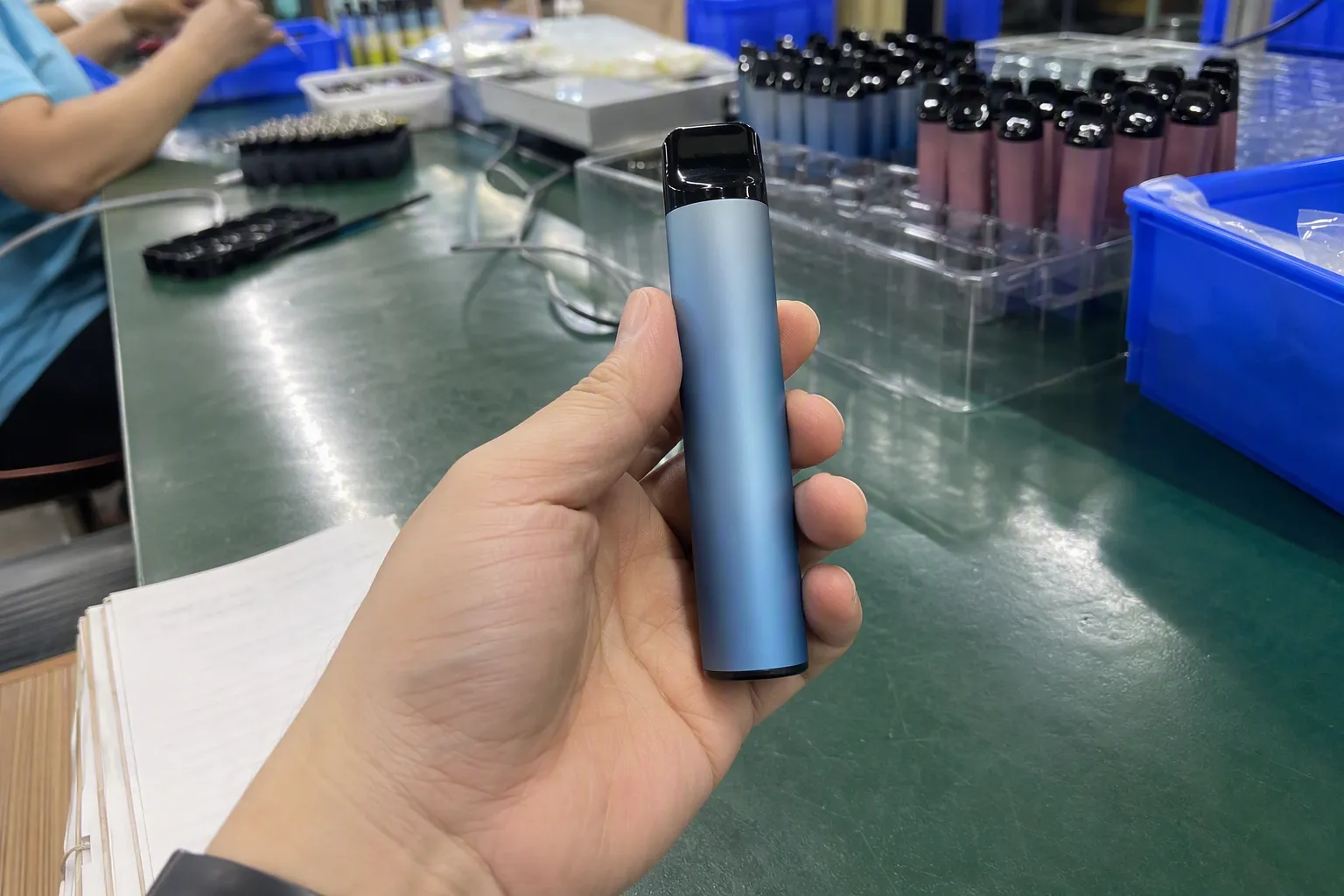
The most important output is a documented decision for every priority SKU: replenish, pause replenishment, hold for verification, or prioritize sell-through/exit. Each decision should have an owner, supporting information, unresolved questions, and a target date for the next action.
Can supplier documents prove that a vape product is legal to sell in the United States?
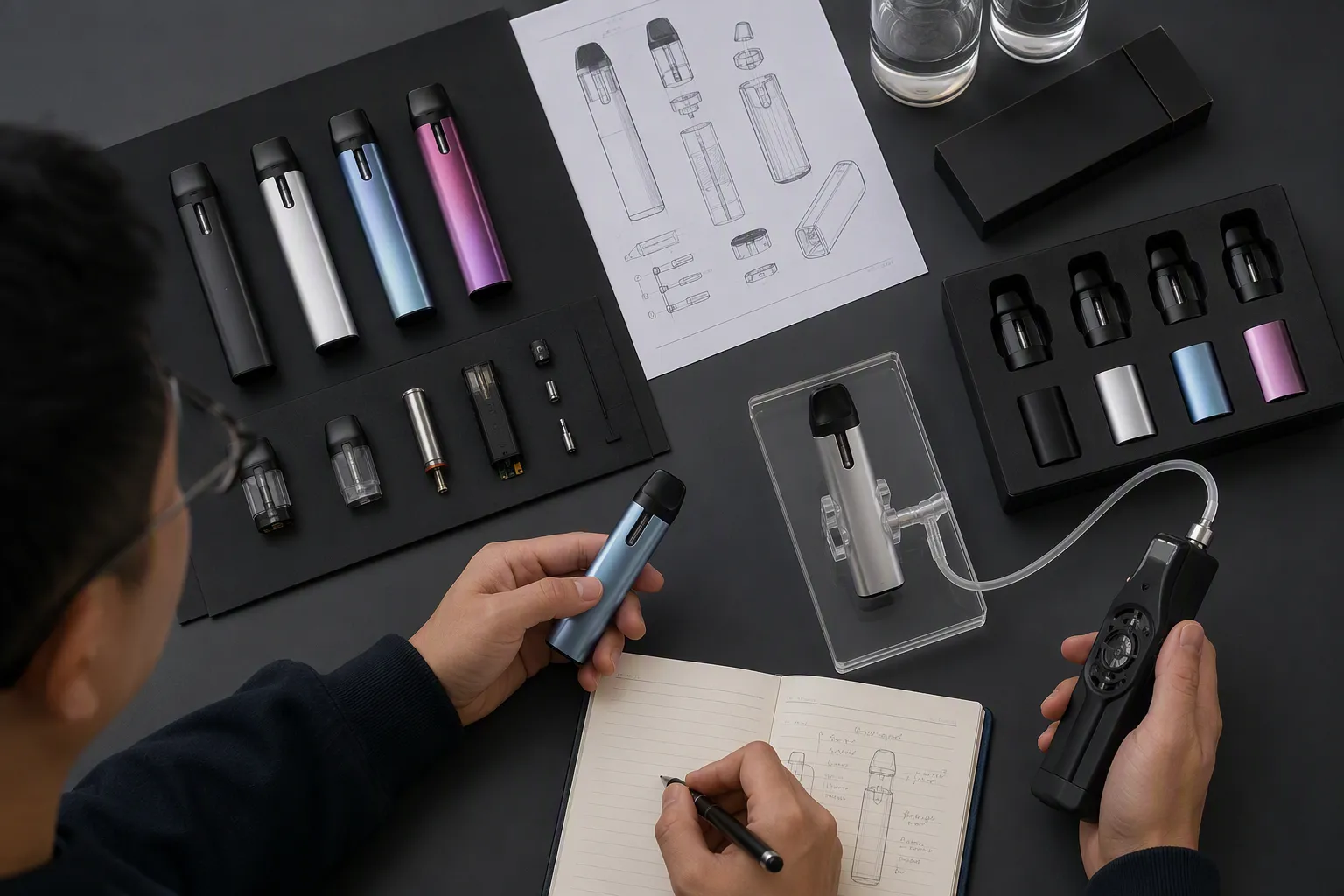
No. Supplier documents can help buyers organize product information, purchase records, packaging details, and available supporting materials. They do not guarantee U.S. compliance or lawful sale. Importers and distributors should verify applicable requirements with qualified legal and compliance professionals.
Should I reorder a vape SKU if it is selling quickly?
Not automatically. Fast sales are only one part of the decision. You should also review stock coverage, incoming orders, warehouse locations, sales channels, product information, supplier support, customer-service trends, and any unresolved compliance questions before committing more capital.
What should I ask a vape supplier for during the quarterly review?
Ask for SKU-specific product information, current packaging images, basic specifications, order references, shipping records, available manufacturer documents, production or batch information when available, and confirmation of product changes. Ask suppliers to organize facts and records, not to make broad legal conclusions.
Conclusion
A Quarterly U.S. vape compliance and inventory review gives wholesalers and importers a practical way to connect purchasing, warehouse control, product information, and compliance questions. The goal is not paperwork for its own sake. The goal is to protect cash flow and make disciplined SKU decisions before another purchase order creates unnecessary exposure. If you need help organizing product information, sourcing suitable vape and smoke-shop products, managing OEM/ODM discussions, or coordinating supply-chain support from China, contact me at info@kingvapecig.com.
Sources
- Tobacco Compliance, Enforcement & Training - FDA", FDA materials describe electronic nicotine delivery systems as tobacco products subject to federal regulatory requirements, so businesses that manufacture, import, distribute, or sell them may face compliance obligations beyond ordinary inventory management
- E-Cigarettes, Vapes, and other Electronic Nicotine Delivery Systems ...", FDA guidance distinguishes tobacco products and their components or parts from certain accessories, while public-health authorities document that state and local tobacco-control measures can vary; consequently, product category and sales location can affect the questions a seller must assess
- [PDF] Understanding safety stock and mastering its equations - MIT", Inventory-management instruction commonly models replenishment using demand, lead time, inventory on hand or on order, and uncertainty; a recent sales rate alone therefore does not establish that an additional purchase order is warranted
- Importing Tobacco Products - FDA", FDA compliance information assigns duties to regulated entities in the tobacco-product supply chain; supplier-provided records may assist a review but do not, on their own, discharge obligations that law places on an importer, distributor, or seller
- FSMA Final Rule on Requirements for Additional Traceability Records", FDA tobacco-product materials address labeling and packaging requirements for regulated products, supporting the retention of current packaging images and version-specific records when assessing a SKU
- FSMA Final Rule on Requirements for Additional Traceability Records", FDA recordkeeping frameworks for tobacco products rely on identifiable product and distribution information; damage that obscures labels, lot references, or shipment identifiers can therefore complicate traceability and follow-up
- Inventory Management – Business Operations Analytics", Inventory-management methods use stock coverage—inventory on hand relative to expected demand—to assess how long inventory is likely to last and to reduce the risk of excess purchasing
- [PDF] Management Strategies and Processes for Improving Product Returns", Research on product returns treats return reasons as information that can help firms identify quality, fit, and use-related problems; examining reason codes can therefore be more informative than relying on the total return rate alone