
Quick Answer
Reset vape shelves after the UK single-use ban[1] is not a simple product swap. I understand that UK retailers and wholesalers must protect cash flow, customer trust, and legal responsibilities while replacing familiar fast-selling items. The safest approach is to verify current requirements first, then rebuild the range around compliant product choices, customer needs, replenishment speed, and after-sales support.
To reset vape shelves after the UK single-use ban, buyers should first verify current UK rules, product definitions, importer responsibilities, and sales requirements[2]. They can then evaluate reusable devices and related products by customer use case, turnover, accessories, stock risk, replenishment speed, and after-sales support. Overseas stock and OEM/ODM options may help, but they do not prove UK compliance.
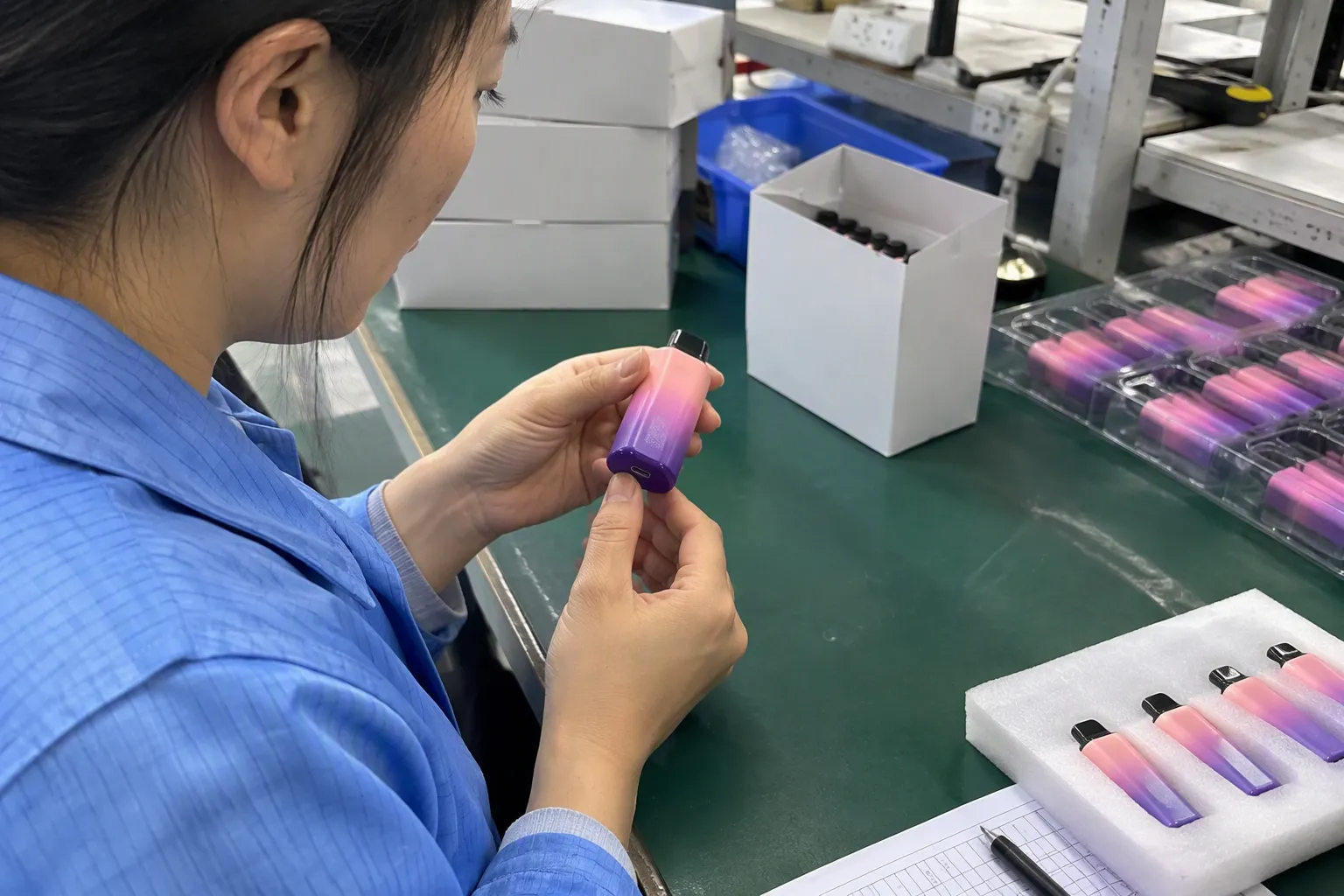
A shelf reset affects more than product design. It changes purchasing, staff training, customer communication, stock planning, and sometimes the relationship between a retailer and its supplier. In my conversations with European buyers, the strongest decisions usually come from looking at the whole operating model instead of choosing the product that looks most similar to the old one.
How Can I Reset Vape Shelves After Single-Use Products Are Removed?
Many buyers face the same pressure: customers still expect convenience, but the old shelf structure may no longer fit current UK requirements. If I replace products too quickly, I can create slow-moving stock, unclear product responsibilities, or avoidable after-sales problems. I therefore treat the shelf reset as a procurement project with several checkpoints.
The short answer is to divide the range by customer use case, verify each product before sale, test a controlled selection, and choose a supply route that matches the size of the business. Smaller retailers may need low-MOQ replenishment, while larger importers may benefit from bulk purchasing or OEM/ODM development after demand is demonstrated.
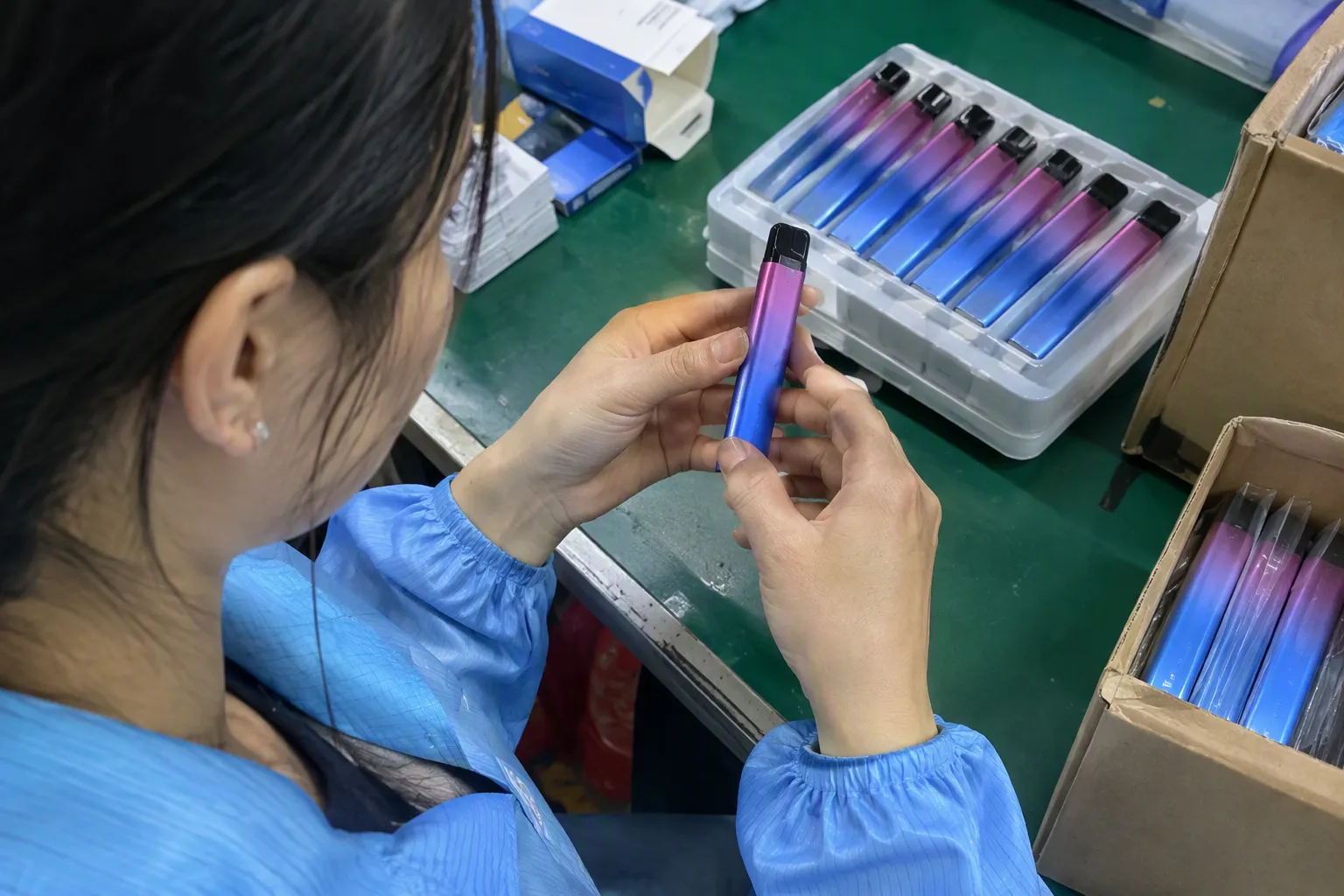
Start with the legal and commercial baseline
I do not present myself as a UK regulatory lawyer or laboratory tester. I advise buyers to confirm current requirements with qualified UK professionals and the relevant official sources before placing an order. The buyer should check the current rules, product definitions, notification or registration requirements where applicable[4], packaging and labelling duties, and the responsibilities of the importer or seller.
A reusable device is not automatically a suitable replacement[3] simply because it can be charged or refilled. The full product configuration matters. The buyer should review the device, pod or tank, battery, charging method, e-liquid compatibility, packaging, instructions, warnings, and intended market.
I recommend keeping a written compliance file for every product under consideration. The file can include:
- Product name and model number
- Supplier and manufacturer details
- Product photographs and packaging artwork
- Technical specifications
- Battery and charging information[5]
- Applicable test reports or declarations supplied by the manufacturer
- Labelling and instruction documents
- Evidence of the product’s intended market configuration
- Importer and distributor responsibility records
- A date for checking whether the information remains current
I treat supplier documents as evidence to review, not as an automatic guarantee. Buyers should verify whether a document applies to the exact model, market, batch, and configuration being purchased. They should also ask a qualified professional to evaluate any application-specific or regulatory question.
Build the shelf around use cases
After the compliance review, I look at how customers actually buy and use products. A customer who wants a simple, low-maintenance option may need a different product from an experienced user who already understands batteries, pods, coils, charging, and maintenance.
A practical range may include different categories, subject to current UK verification:
| Buyer need | Possible product direction | Purchasing question |
|---|---|---|
| Simple repeat purchase | A straightforward reusable system | Can staff explain charging, pod replacement, and basic care? |
| Lower ongoing device cost | A rechargeable device with replaceable consumables | Are replacement pods or parts available consistently? |
| More control over the experience | A configurable vaporizer or pod system | Does the retailer have enough product knowledge to support users? |
| Gift or impulse purchase | A clearly packaged entry-level product | Is the information easy for the customer to understand? |
| Existing advanced user | A more technical device or atomizer | Can the retailer manage technical questions and warranty cases? |
I do not recommend filling every shelf position with the newest design. I would rather begin with a controlled selection that the retailer can explain and replenish. The retailer should know which products are intended for first-time users, regular users, and more experienced customers.
Review the total product system
A replacement device can create new operational requirements. The retailer may need to stock pods, coils, chargers, batteries, replacement glass, or other accessories[8]. If the main device sells quickly but the essential consumables are unavailable, the customer experience can deteriorate.
I therefore compare the main product with its support system:
- Availability: Can the buyer reorder the related consumables?
- Compatibility: Are the accessories clearly matched to the correct model?
- Instruction quality: Can the customer understand setup and maintenance?
- Defect handling: Can the retailer report and resolve problems efficiently?
- Stock life: Is there a reasonable plan if the model changes?
- Range continuity: Will the supplier continue supporting the product?
This approach helps me avoid a common mistake: choosing a low unit price while ignoring the cost of stock gaps, returns, staff time, and customer complaints.
Use a controlled launch
I usually recommend a measured launch rather than a complete shelf replacement in one purchase. The buyer can select a small number of products, assign limited shelf space, and monitor actual performance before expanding.
The buyer can track:
- Units sold by product and week
- Repeat purchases of pods or other consumables
- Customer questions and complaints
- Return and defect rates
- Staff time spent explaining use
- Days of stock remaining
- Gross margin after returns and support costs
- Replenishment time from order to delivery
These figures do not guarantee future demand, but they give the buyer a better basis for the next order. They also reveal whether the issue is product selection, staff explanation, price positioning, or supply reliability.
Make staff education part of the reset
I have seen buyers focus heavily on packaging while giving little attention to product explanation. That creates risk when customers do not understand charging, storage, pod installation, or normal maintenance[6].
A short staff guide can cover:
- How to identify the exact model
- How to explain first use
- How to describe charging and storage safely
- Which consumables fit the device
- What the retailer should do when a customer reports a fault
- Which questions require technical or professional advice
The retailer should not make unsupported health or performance claims[7]. Staff should use the product information supplied for the correct market and refer technical concerns to qualified professionals where necessary.
Match supply to business size
I see two broad purchasing patterns among European B2B buyers.
Small and medium retailers often need to protect working capital. A lower minimum order quantity and fast regional fulfilment can reduce the risk of committing to too much stock. This model can suit vape shops, smoke shops, convenience retailers, and smaller local wholesalers that want to test demand before making a larger import.
Importers, regional wholesalers, and distributors may need a different route. They may require larger quantities, stronger unit economics, private-label packaging, and a longer product plan. For these buyers, direct China sourcing and OEM/ODM development may offer more control, but the buyer also takes on more responsibility for planning, documentation, inventory, and market suitability.
I operate both sourcing approaches through Shenzhen Kingfuji Tech. CO., Ltd. We were established in Shenzhen in 2011, and we work with electronic cigarettes, vapes, disposable products where legally appropriate, atomizers, 510 batteries, CBD batteries, vaporizers, grinders, glass pipes, and related smoking products. I also work with brand products through our agency and supply relationships, while our own factory supports OEM/ODM projects.
I present overseas warehousing as a logistics option, not as proof of UK compliance. Our European warehouses can support selected products for European buyers, with stated warehouse locations including Germany, Austria, Poland, and Belgium. For eligible orders, customers may use services such as DHL, DPD, UPS, or FedEx. The exact stock, delivery time, product availability, and destination terms must be confirmed for each order.
For some European customers, the stated delivery range from available European stock can be around one to five working days, and some products may have minimum quantities from 50 units per model. I do not apply those figures to every product or every UK order. I confirm them case by case because stock, destination, product category, and delivery conditions can change.
Compare replenishment risk, not only price
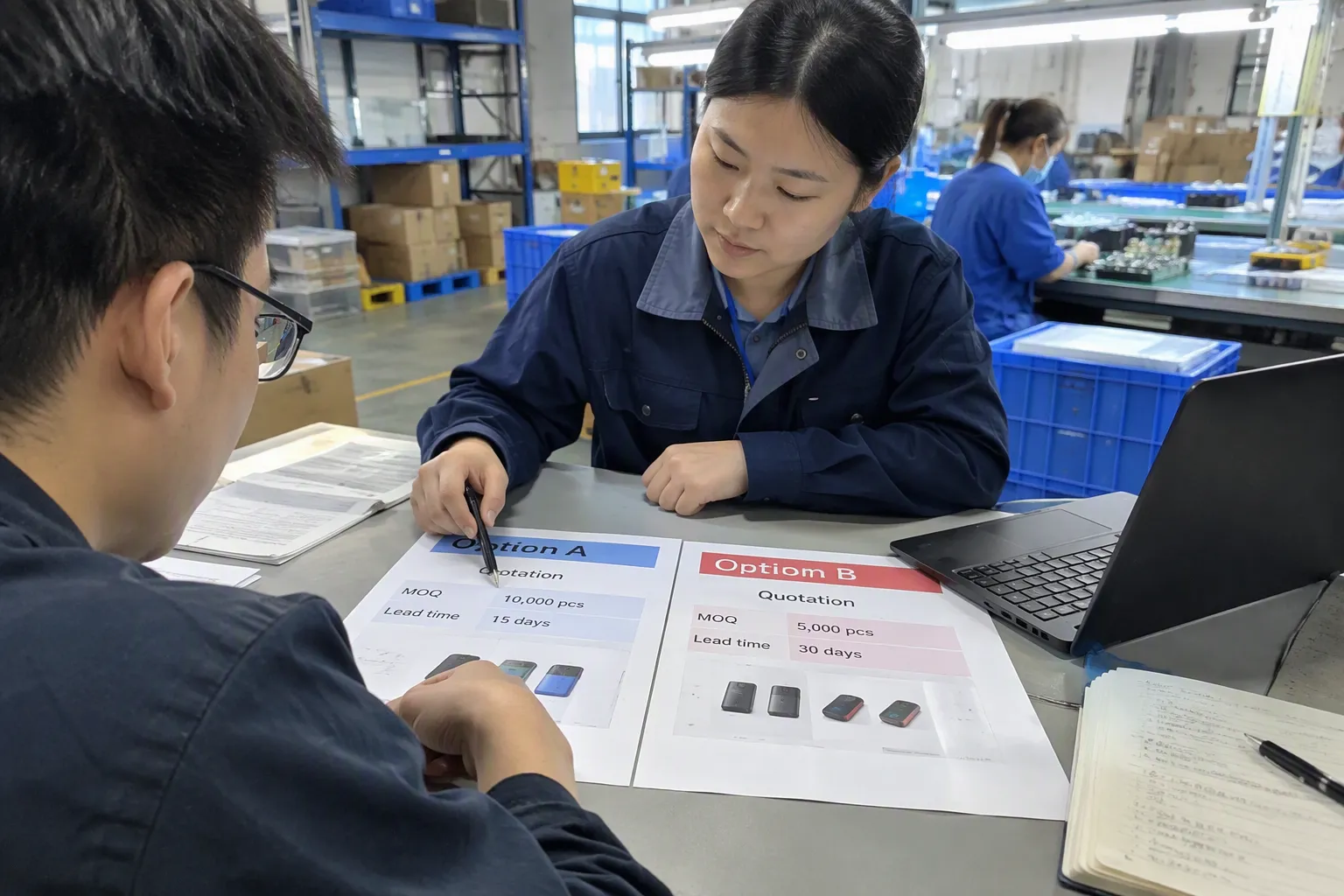
A buyer may see a low factory price and assume that the product is commercially better. I encourage the buyer to calculate the total purchasing risk instead.
| Cost or risk area | Question for the buyer |
|---|---|
| Unit price | What is the price at the planned quantity and configuration? |
| Freight | What will delivery cost under the selected shipping method? |
| Import responsibility | Who handles the relevant import and market obligations? |
| Stock exposure | How much cash will remain in inventory if demand is slower? |
| Replenishment | How quickly can the next order arrive? |
| Accessories | Can the related pods, tanks, coils, or parts be sourced? |
| Returns | Who handles confirmed manufacturing defects? |
| Staff time | How much explanation will customers need? |
| Product change | What happens if the model or requirements change? |
I have found that an apparently cheap product can become expensive when it has inconsistent supply or weak after-sales support. A product with a slightly higher purchase cost may create better value if it is easier to explain, reorder, support, and rotate.
Clarify after-sales arrangements before ordering
I ask buyers to agree on the process before they pay. The agreement should identify how the buyer reports defects, what evidence may be required, how the supplier confirms a manufacturing issue, and whether replacement, credit, repair, or another remedy applies.
At Kingfuji, I provide one after-sales channel for products purchased through us instead of asking the customer to contact several unrelated factories. Our business model also includes order coordination, product sourcing, and delivery support. In some arrangements, we can provide video verification before shipment. We may also agree on compensation or replacement terms for specific order situations, but I confirm those terms in writing for each transaction.
I do not describe a general compensation promise as a substitute for insurance, customs advice, or legal protection. Customs treatment, import rules, carrier terms, and product responsibility can differ by destination. Buyers should review those matters independently and use qualified advisers when needed.
Consider private label only after the range is proven
OEM and ODM can help a wholesaler or importer build a more distinctive offer. However, private label is not the first step for every buyer. It can increase packaging costs, artwork work, minimum quantities, documentation requirements, and inventory exposure.
I normally suggest that buyers first answer these questions:
- Which customer segment will buy the product?
- What evidence shows that the product fits that segment?
- How many units can the buyer realistically sell?
- Which parts of the product need customisation?
- Who approves packaging and market information?
- Who manages future changes to the product?
- What is the plan for warranty and replacement stock?
Our own factory has a stated area of 5,000 square metres and a maximum monthly production capacity of up to 5 million units. We also maintain a product development capability and generally introduce around five to ten new products each month. I share these capabilities as sourcing options, not as a reason to order without demand planning or compliance review.
Protect cash flow during the transition
The UK shelf reset can create pressure because the buyer may need to remove or reduce existing stock while building a new range. I recommend separating “must-have” stock from “test” stock.
A simple purchasing plan could use three levels:
- Core stock: Products with clear customer demand and reliable replenishment.
- Test stock: Limited quantities used to measure interest.
- Development stock: Samples or prototypes for future OEM/ODM projects.
This structure helps the buyer avoid tying too much cash to uncertain products. Smaller businesses can use low-MOQ regional stock when available. Larger businesses can negotiate planned production and staged delivery. Both groups should keep enough cash available for accessories, freight, returns, and unexpected timing issues.
I also recommend agreeing on reorder points. For example, a buyer might reorder when stock reaches a defined number of selling days rather than waiting until the shelf is empty. The actual number depends on sales velocity, delivery time, safety stock, and the cost of a stockout.
Use a supplier checklist
Before I select a supplier, I would ask for clear answers to the following:
- Can the supplier identify the exact manufacturer and model?
- Does the supplier provide documents for the exact product configuration?
- Can the supplier explain its quality-control process?
- What is the normal defect-reporting procedure?
- What stock is available now?
- What is the realistic lead time for repeat orders?
- What are the minimum order quantities?
- Can the supplier provide samples before a larger purchase?
- Can the supplier support packaging or product development?
- Does the supplier provide one point of contact for after-sales?
- Which delivery terms and responsibilities apply?
- Which claims must the buyer verify independently?
I encourage buyers to request samples and inspect packaging, operation, accessories, and instructions before committing to a large order. A supplier should welcome reasonable questions. A fast answer is useful, but a complete and verifiable answer is more valuable.
Avoid these shelf-reset mistakes
The most common mistakes are understandable because buyers are working under time pressure. I still recommend avoiding them:
- Replacing a single-use product with the closest-looking reusable item without checking the full requirements.
- Ordering a large quantity before testing customer acceptance.
- Ignoring pods, coils, chargers, batteries, or other supporting products.
- Comparing suppliers only by unit price.
- Assuming overseas stock removes all importer or seller responsibilities.
- Choosing too many models for staff to explain properly.
- Treating a supplier certificate as proof that every market requirement is satisfied.
- Failing to agree on defect handling before payment.
- Making unsupported claims about safety, health, performance, or legality.
- Buying trend-led products without a replenishment and exit plan.
The shelf reset should make the retailer more controlled, not more complicated. I prefer a smaller, well-understood range with dependable support over a crowded shelf that creates confusion for staff and customers.
Frequently Asked Questions
Is a reusable vape automatically a legal replacement for a single-use vape?
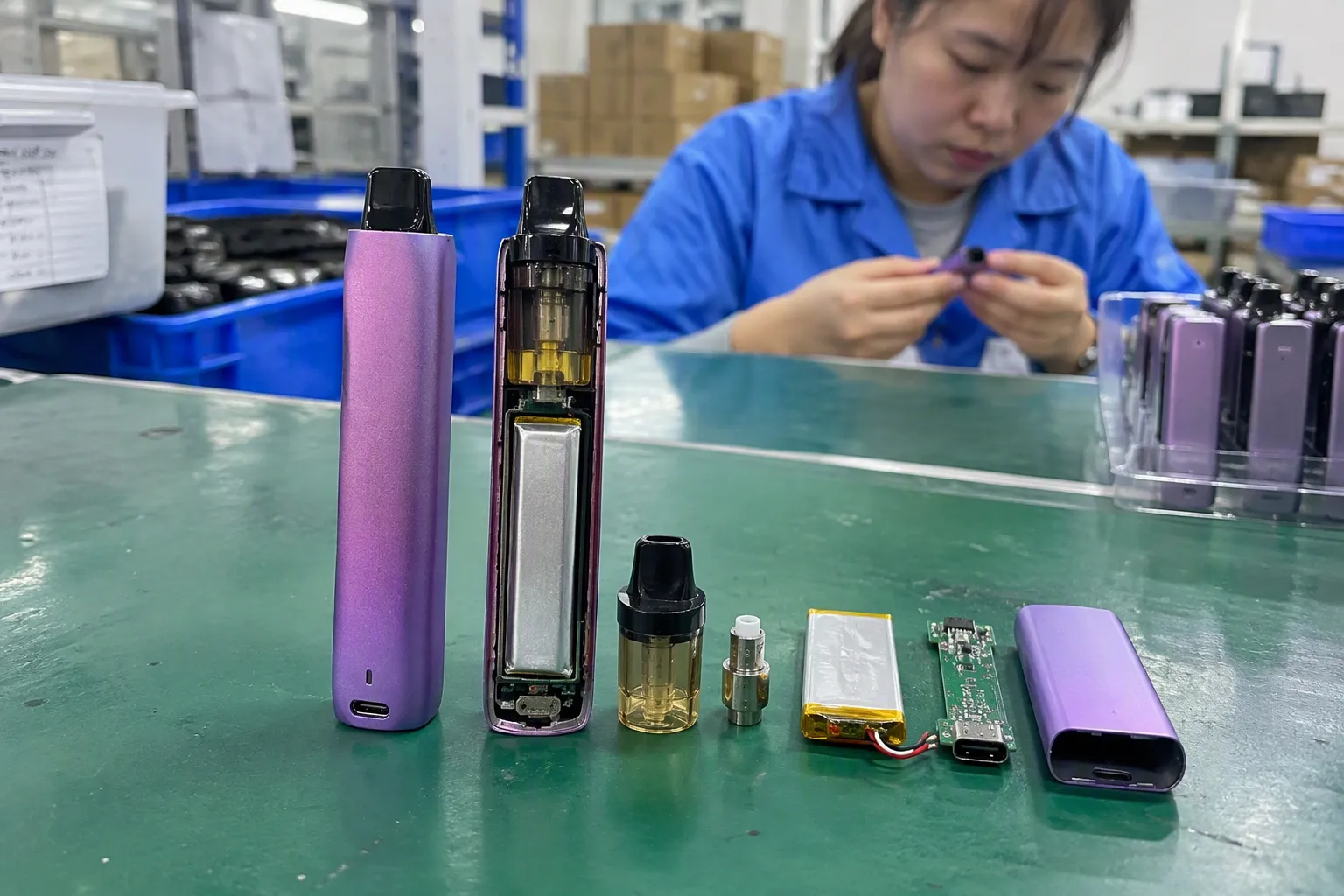
No. A reusable design does not automatically make a product suitable for sale in the UK. The buyer must verify current rules, product definitions, documentation, packaging, labelling, importer responsibilities, and other applicable requirements for the exact product and market.
Should a small UK vape shop import directly from China?
Not always. A small shop may prefer available regional stock and lower minimum quantities to reduce cash-flow pressure and delivery risk. Direct importing can offer broader choice or lower unit pricing, but it also requires careful responsibility checks, planning, documentation review, and inventory management.
What should I test before expanding a replacement range?
I would test customer demand, repeat purchases, accessory availability, staff explanation time, defect reports, returns, margin after support costs, and replenishment speed. I would also confirm that the exact product configuration remains suitable for the intended market before expanding the order.
Can OEM or ODM help wholesalers after the single-use ban?
OEM or ODM may help an importer or wholesaler create a differentiated range, but it also increases planning and responsibility. The buyer should confirm demand, packaging requirements, documentation, minimum quantities, production timing, after-sales arrangements, and the intended market before approving a custom project.
Can European warehouse delivery solve UK compliance or customs issues?
No. A European warehouse can support logistics for eligible stock, but delivery location does not prove UK compliance or remove the buyer’s responsibilities. The buyer should verify the product, route, destination requirements, importer arrangements, and current rules independently.
Conclusion
To reset vape shelves after the UK single-use ban, I recommend treating the decision as a complete procurement and risk-management project. I would verify current UK requirements first, then select products by customer use case, supporting accessories, staff capability, replenishment, after-sales, and cash-flow impact. Smaller retailers may consider low-MOQ regional fulfilment, while larger importers and wholesalers may evaluate bulk China sourcing or OEM/ODM. I invite UK and European buyers to contact Kingfuji for product samples, sourcing options, stock checks, and a practical supply discussion at info@kingvapecig.com or +86 13928420527.
Sources
- Single-use vapes: why it's time to ditch them for good – Environment", UK government guidance and regulations establish that the supply and sale of specified single-use vaping products were prohibited from 1 June 2025 as part of the environmental protection framework
- E-cigarette and vape advice for retailers / producers - GOV.UK", UK regulatory guidance describes product-notification, packaging, labelling, and supply-chain obligations for regulated vaping products and assigns responsibilities according to the party placing or supplying the product on the market
- Single-use vapes ban: information for businesses - GOV.UK", UK regulatory definitions distinguish prohibited single-use vaping products by their prescribed characteristics, while reusable or rechargeable status alone does not establish compliance with the wider rules governing vaping products
- MHRA E-cigarette and Vape Products Guidance Hub - GOV.UK", The UK Medicines and Healthcare products Regulatory Agency requires manufacturers and importers to notify qualifying nicotine-containing vaping products before they are supplied on the UK market, subject to the applicable regulatory conditions
- Lithium-ion Batteries - Cheshire Fire & Rescue Service", Consumer-safety guidance identifies rechargeable lithium-ion batteries and charging systems as potential sources of overheating, fire, or injury when damaged, improperly matched, or misused, supporting review of battery and charging information
- Assessing Awareness, Ever Use of E-cigarettes and Effect of ... - PMC", Safety literature on electronic-cigarette devices identifies charging, storage, and handling practices as relevant contributors to battery-related risk, supporting the inclusion of clear user instructions and staff explanations
- Electronic cigarettes: Health and medicinal claims - ASA | CAP", UK consumer-protection and advertising rules require commercial claims to be accurate and not misleading, and health-related or performance claims must have appropriate substantiation before being communicated to consumers
- Method for Quantifying Variation in the Resistance of Electronic ...", Technical descriptions of electronic nicotine-delivery systems distinguish reusable devices from disposable products by their dependence on rechargeable power sources and, in many configurations, replaceable pods, coils, tanks, or other components