Quick Answer
A pre-shipment vape inspection checklist helps importers avoid a costly problem: releasing goods that do not match the confirmed order, arrive short, or show visible packaging issues. These mistakes can slow down warehouse operations, create customer complaints, and tie up working capital.[1] I use a structured release process to help buyers review the shipment before it leaves. **A complete pre-shipment vape inspection checklist should confirm order accuracy, visible product and packaging condition, quantity, carton markings, and documented exceptions before shipment releas
It should begin with the buyer-approved purchase order and end with a clear release decision: accept, correct and recheck, or hold the goods. Photos and videos support remote review, but they do not prove every unit in a batch is flawless or fully functional.[3]**
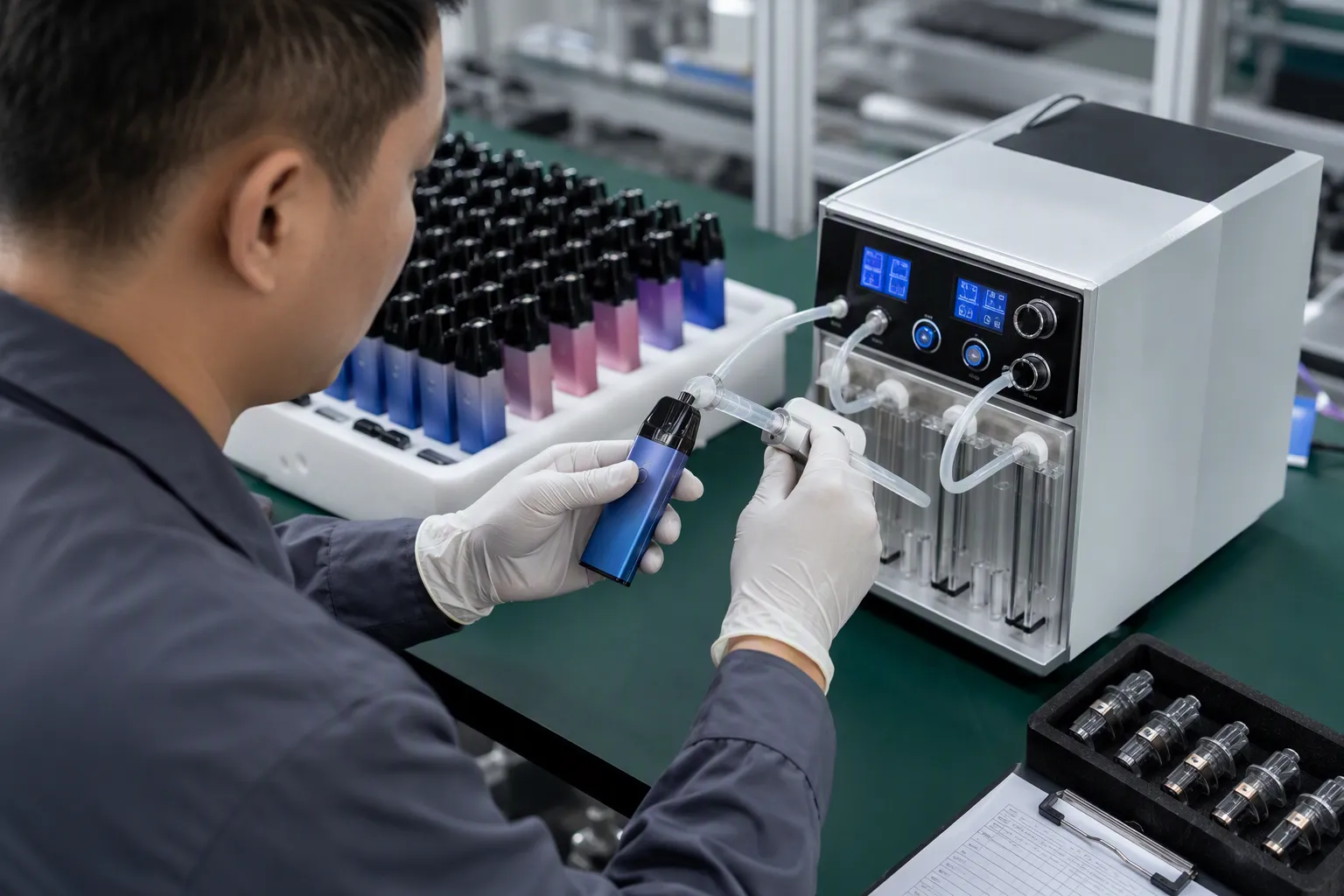
For vape importers, wholesalers, and distributors, the key question is not simply whether someone “checked the goods.” The real question is whether the buyer has enough evidence to make a sensible shipment-release decision. A useful checklist creates that evidence before the goods are collected, exported, or sent to an overseas warehouse.
Why Is a Complete Pre-Shipment Vape Inspection Checklist Not a Cosmetic Spot-Check?
A shipment can look fine from a distance while still creating expensive problems later. Cartons may contain the wrong flavor, incorrect device version, damaged retail boxes, missing accessories, or quantities that do not match the order. If these issues are found only after delivery, correction becomes slower and more expensive.[2]
A complete pre-shipment vape inspection checklist is not a cosmetic spot-check because it connects every visible check to a release decision. I use it to compare goods with the confirmed order, record visible abnormalities, document evidence for remote buyers, and identify what must be corrected before shipment. The checklist supports practical risk control, not a promise that every device will perform perfectly.
Start With the Confirmed Purchase Order, Not the Outer Cartons
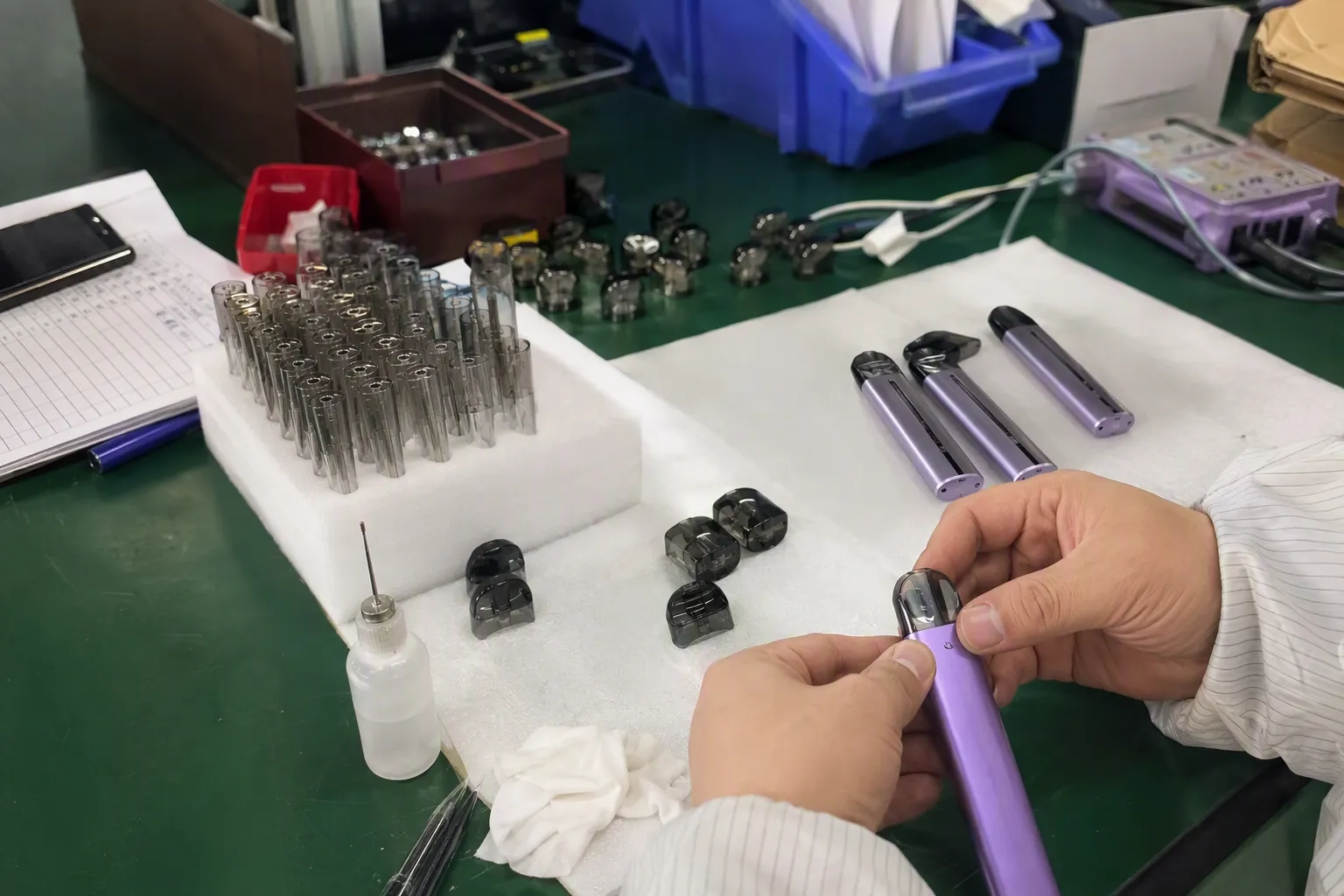
In my experience coordinating shipment-stage checks, the first control point is always the buyer-approved order. A warehouse team can count cartons correctly and still ship the wrong product. That is why a pre-shipment vape inspection checklist should begin with the commercial details that the buyer actually approved.
For each line item, I recommend checking:
- Product name and brand
- SKU or item code
- Device model or version
- Flavor name, where applicable
- Color or finish
- Nicotine-related labeling or version requested by the buyer, where applicable
- Quantity ordered
- Included accessories
- Retail pack configuration
- Master-carton quantity
- Special customer labels, inserts, or marks
- Destination-specific packaging instructions agreed in the order
This sounds basic, but it prevents some of the most avoidable shipment problems. A distributor may order several flavors in similar packaging. A retailer may need a specific color assortment. An importer may have ordered a device with a particular battery type, atomizer connection, or package format. If the goods do not match the approved order, the lowest-cost time to correct the issue is before collection or export.
I treat SKU matching as a release-control step, not as an administrative task. If the order is wrong, the shipment should not move forward simply because the cartons are already packed.
Separate Order Accuracy From Visible Product Condition
A correct order is not automatically an acceptable shipment. This distinction matters for vape wholesalers because many after-sales disputes begin when buyers receive the right SKU but find retail packaging damage, broken seals, missing parts, or products that appear inconsistent.
A practical pre-shipment vape inspection checklist should therefore have two separate sections:
| Check area | Main question | Risk it helps identify |
|---|---|---|
| Order accuracy | Did the supplier prepare what the buyer ordered? | Wrong SKU, wrong flavor, wrong version, short shipment |
| Visible product condition | Do sampled items and packs show observable damage or abnormalities? | Damaged packaging, missing accessories, broken seals, obvious defects |
| Carton verification | Do carton counts and labels match the packing details? | Shipping mistakes, warehouse receiving confusion |
| Documentation | Does the buyer have clear evidence before release? | Disputes caused by unclear pre-shipment communication |
| Release decision | Is the shipment approved, held, or pending correction? | Goods moving before open issues are addressed |
Visible condition checks are useful, but they have limits. They can help identify obvious concerns such as:
- Crushed, torn, wet, or heavily scratched retail boxes
- Opened or broken seals
- Missing charging cables, mouthpieces, manuals, or other agreed accessories
- Incorrect labels or visibly inconsistent artwork
- Damaged display boxes
- Cartons with unclear or incorrect marks
- Obvious physical damage to sampled devices
However, I would not describe this process as laboratory testing. A visual review does not verify chemical composition, regulatory compliance, battery safety, long-term device performance, or every unit’s function.[4] Buyers should agree separately with their supplier if they require specific functional tests, third-party inspection, documentation review, or application-specific technical evaluation.
Define What Will Be Checked Before Production Is Finished
The strongest pre-shipment vape inspection checklist is agreed before the final shipment stage. If the buyer and supplier wait until the goods are packed, they may disagree about what “acceptable” means. This can create delays, arguments, and pressure to release stock without a clear decision.
I recommend confirming the following points in writing before shipment:
-
Order reference
Use the purchase order number, pro forma invoice, or agreed order list as the master reference. -
Inspection scope
Clarify whether the check covers SKU verification, quantity, packaging, carton labels, accessories, visible device condition, or other agreed points. -
Sampling approach
The buyer and supplier should agree the sampling method in advance. There is no single sampling rule that fits every vape product, order size, customer requirement, or destination market.[5] -
Evidence required
Agree whether the buyer needs carton photos, SKU photos, quantity photos, close-up packaging images, videos, or a written inspection record. -
Exception handling
Define how visible issues will be recorded and what happens next. The options may include correction, replacement, rework, recheck, price discussion, or holding the shipment. -
Release authority
Confirm who can approve shipment release. This may be the buyer, a purchasing manager, a third-party inspector, or an authorized representative.
This preparation is especially important for importers who supply vape shops, smoke shops, gas stations, convenience stores, or regional wholesale networks. These buyers often need products to move quickly after arrival. A wrong flavor mix or incomplete retail pack can affect multiple downstream customers, not just one warehouse shelf.
Build the Checklist Around the Shipment-Release Workflow
I find that the most useful way to manage a pre-shipment vape inspection checklist is to treat it as a simple workflow rather than a one-page form. Each stage should produce information that helps the buyer decide whether to release the goods.
1. Confirm the order reference
The checker should have the latest approved order document. This step avoids comparing goods against an old quotation, an outdated product list, or a verbal request that changed later.
The order reference should show:
- Buyer name and delivery destination
- Product list and SKU codes
- Ordered quantities
- Packaging requirements
- Carton requirements
- Any agreed inserts, labels, or accessories
- Approved changes made after the original order
2. Verify SKU and variant identity
The checker should compare physical goods and carton labels with the approved product list. For disposable vapes, this may include model, flavor, color, capacity version, or package language as agreed by the buyer. For 510 batteries, atomizers, vaporizers, grinders, glass pipes, or other smoking accessories, the relevant checks may include model, size, color, connection type, pack format, and included parts.
This step helps prevent a common warehouse problem: similar-looking inventory being mixed during packing.
3. Count goods and confirm pack configuration
Quantity checks should cover more than the total carton count. A buyer may need to know:
- Number of master cartons
- Units per carton
- Inner-box configuration
- Display box quantity
- Retail units per SKU
- Mixed-carton breakdown, if applicable
- Extra accessories or promotional inserts
A shipment can be “complete” in total units but still be wrong by SKU.[6] For example, one flavor may be overpacked while another is short. That is why I recommend comparing each SKU quantity with the buyer-approved order rather than relying only on a total.
4. Check visible packaging and product condition
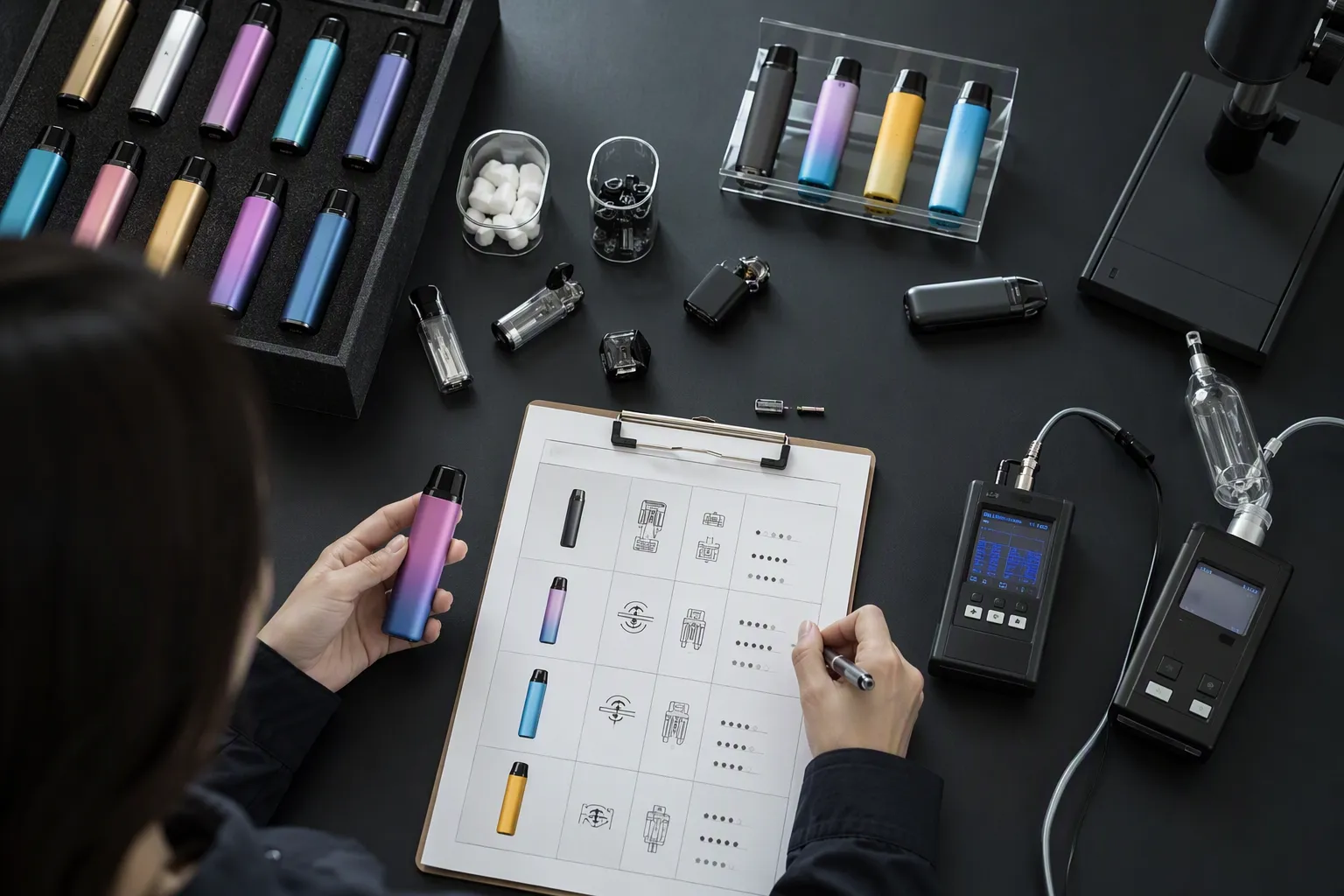
This stage should focus on observable issues. The checker can review selected cartons and selected retail packs according to the agreed approach. Clear photos are important because overseas buyers may need to review packaging before authorizing release.
Useful evidence may include:
- A photo of each SKU group
- Close-up photos of retail packaging
- Photos of carton labels and shipping marks
- Images of sealed packs where relevant
- Photos of accessories included in the box
- Photos of any visible damage or mismatch
- A short video showing the available stock, packing condition, or SKU grouping
The purpose is transparency. Photos and videos can support remote verification, but they should not be presented as proof that every unit in the full batch has no defects.
5. Record exceptions clearly
A vague note such as “some boxes are not good” does not help a buyer make a decision. A useful exception record should explain:
- Which SKU is affected
- What was observed
- How many units or packs were involved in the checked sample
- Whether the issue is cosmetic, packaging-related, quantity-related, or order-related
- What corrective action is proposed
- Whether a recheck is needed
- Whether the buyer must approve the next step
This creates a record that both sides can review. It also reduces confusion when several people are involved, such as the supplier, warehouse team, freight forwarder, buyer, and receiving staff.
6. Make a formal release decision
The final section of a pre-shipment vape inspection checklist should not be left blank. The buyer and supplier should identify one of three practical outcomes:
| Release outcome | Meaning | Typical next step |
|---|---|---|
| Approved for shipment | The agreed checks are complete and findings are acceptable to the buyer | Arrange collection, export, or warehouse dispatch |
| Correction and recheck required | A correctable issue was found | Repack, replace, recount, relabel, then document the recheck |
| Shipment on hold | A material mismatch or unresolved concern remains | Do not release until the buyer gives written direction |
This step protects both parties. The buyer has a documented chance to review the shipment. The supplier has a clear instruction instead of assuming that silence means approval.
Use Photos and Videos as Evidence, Not as a Guarantee
Many buyers ask for photos and videos before shipment, especially when they are purchasing from China and cannot visit the warehouse personally. I understand why. Remote evidence can help a distributor confirm that the goods appear to match the order and that the packing process is moving forward.
Still, I always believe the limits should be clear. A video can show cartons, labels, selected products, and packaging condition. It cannot prove every unit in a bulk order will work correctly after delivery.[7] It also cannot replace laboratory testing, compliance verification, or a qualified independent assessment where those are required.[8]
For this reason, I recommend that buyers request evidence that answers specific questions:
- Does the stock shown match my ordered SKUs?
- Are the carton labels correct?
- Are the flavor and color assortments visible?
- Are the retail packs sealed and presentable in the checked samples?
- Are agreed accessories included?
- Has any visible issue been recorded?
- Has the supplier confirmed whether the shipment is ready for release?
When evidence is tied to a checklist, it becomes more useful than a general warehouse video. The buyer can compare the photos and video with a numbered list of checks, quantities, and recorded exceptions.
Match the Inspection Process to Your Buying Model
Different B2B buyers need different release controls. A small customer buying from available European warehouse stock may focus on SKU accuracy, packaging condition, and fast dispatch. A larger importer bringing in a container or major consolidated shipment may need more detailed documentation, agreed sampling, carton marks, OEM packaging confirmation, and a formal third-party inspection arrangement.
I work with buyers who need both models. Some wholesalers want low minimum order quantities and quick delivery from available European stock. Others want to import larger quantities from China to support stronger unit-cost planning, private-label projects, or broader product ranges.
The inspection focus should reflect the commercial risk:
| Buyer type | Typical priority | Helpful inspection focus |
|---|---|---|
| Small wholesaler or retailer | Fast turnover and low inventory risk | SKU, quantity, visible packaging, dispatch evidence |
| Regional distributor | Reliable receiving and store replenishment | Assortment accuracy, carton labels, pack condition, exception records |
| Large importer | Margin control and supply continuity | Purchase-order matching, OEM details, carton configuration, formal release records |
| Private-label buyer | Brand consistency | Approved artwork, packaging version, accessories, order accuracy, documented approvals |
No matter the order size, the principle remains the same: do not release goods based only on a quick visual impression. Use a pre-agreed process that tells everyone what has been checked, what was found, and who approved shipment.
Frequently Asked Questions
What is the purpose of a pre-shipment vape inspection checklist?
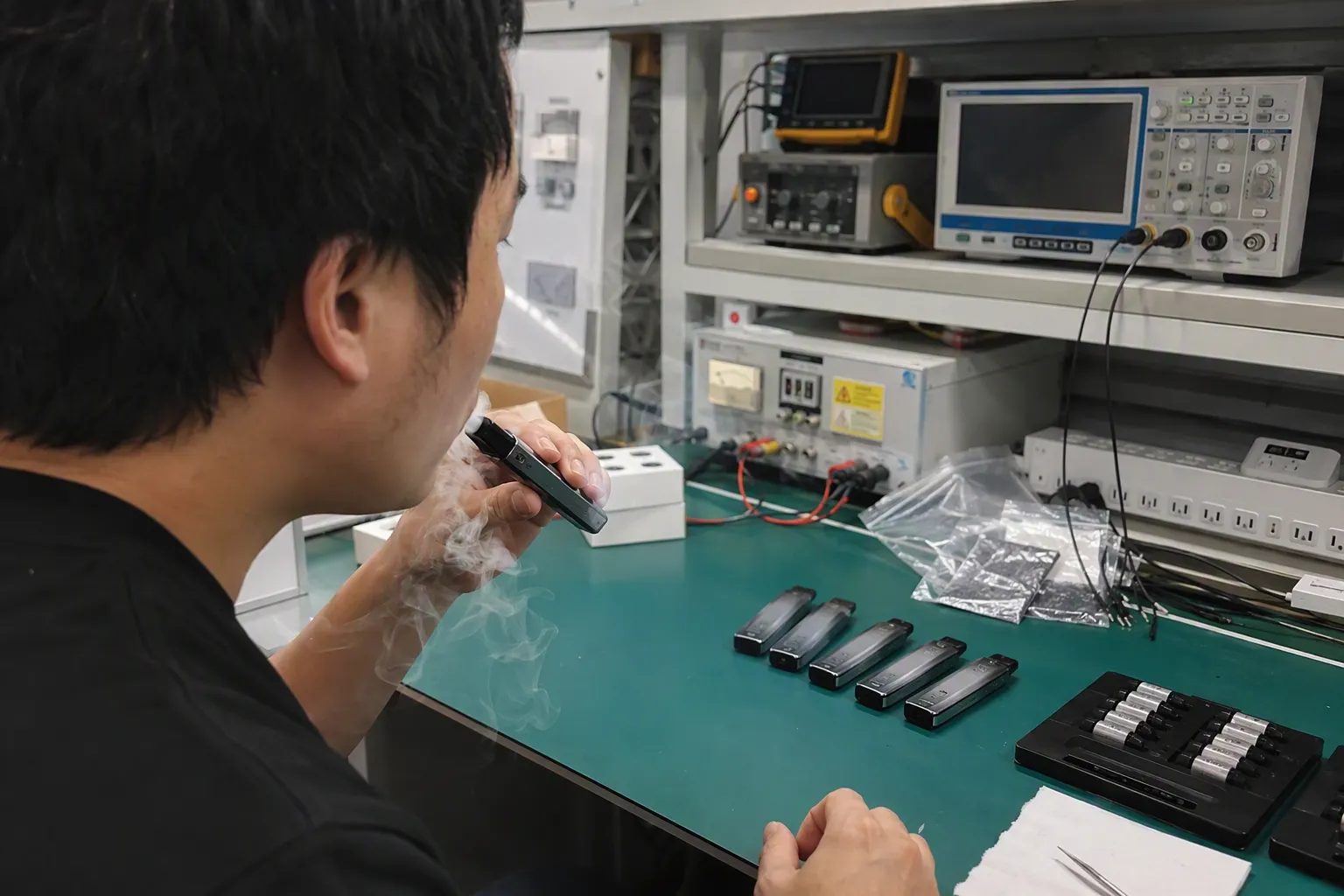
A pre-shipment vape inspection checklist helps buyers review whether goods match the confirmed order and whether checked items show visible packaging or product issues before release. It supports better shipment decisions and helps identify avoidable problems such as wrong SKUs, short quantities, damaged packs, and missing accessories.
Can photos and videos prove that every vape device works?

No. Photos and videos can support remote review of order accuracy, packaging, carton labels, and visible condition. They cannot prove that every unit in a bulk shipment is flawless, safe, compliant, or fully functional. Buyers should agree separately on any required testing or independent inspection.
What should happen if the inspection finds damaged packaging?
The buyer and supplier should follow the exception process agreed before shipment. Depending on the issue, the supplier may need to replace, repack, relabel, or recheck the affected goods. The shipment should remain on hold if the issue is material and the buyer has not approved release.
Should every bulk vape order use the same sampling standard?
No. Sampling and acceptance criteria should be agreed for the specific order. Product type, order volume, packaging requirements, destination market, buyer expectations, and commercial risk can all affect the appropriate inspection scope. A universal rule may not fit every shipment.
Who should approve shipment release?
The buyer should identify an authorized person before shipment. This may be the importer, purchasing manager, quality representative, or a qualified third-party inspector. The supplier should not assume that goods are approved until the agreed release instruction is received.
Conclusion: Why a Pre-Shipment Vape Inspection Checklist Matters
A pre-shipment vape inspection checklist gives importers a practical way to control shipment-stage risk before goods leave the warehouse. I recommend starting with the confirmed order, separating quantity checks from visible condition checks, documenting exceptions clearly, and agreeing on release criteria before packing is complete. This process helps buyers make better decisions, but it should not be confused with laboratory testing or a guarantee of every unit’s performance. If you need support coordinating vape orders, SKU verification, shipment evidence, or one-stop sourcing from China or available European stock, contact me at info@kingvapecig.com.
Sources
- [PDF] How Impactful Were Shipping Errors On Customer Questions Amazon", Supply-chain research identifies order-fulfillment errors and product-quality failures as sources of rework, customer dissatisfaction, and additional inventory or corrective-action costs
- A study on the influential factors of the last mile delivery ... - PMC", Quality-cost models describe a general escalation in corrective costs when nonconformities are detected after shipment rather than before dispatch
- 6.2.2.2. Choosing a Sampling Plan with a given OC Curve", Acceptance-sampling guidance explains that evidence from inspected samples supports a decision about a lot but cannot demonstrate the conformity or functionality of every individual unit
- Tobacco Products Laboratory (TPL) - FDA", Product-safety and regulatory guidance distinguishes visual examination from the analytical, functional, and documentation-based assessments needed to evaluate composition, compliance, and safety characteristics
- What kinds of Lot Acceptance Sampling Plans (LASPs) are there?", Acceptance-sampling standards provide multiple inspection plans whose selection depends on lot size, inspection level, and agreed acceptance criteria rather than a single universal rule
- [PDF] Designing Inventory Management Strategy for a Fill Rate of 98%", Order-fulfillment research treats item-level accuracy as distinct from aggregate quantity accuracy, because an order may contain the correct total number of units while individual product lines are over- or under-supplied
- [PDF] Toward Standardization and Consistency of Visible Particle Testing", Reliability and quality-assurance literature distinguishes visual inspection of observable conditions from functional testing and reliability assessment of product performance
- Conformity Assessment Basics", Conformity-assessment frameworks distinguish laboratory testing and formal inspection or certification activities from documentary visual evidence, which alone does not establish conformity