
Struggling to order vape inventory without tying up all your cash? You buy what you think will sell, but end up with dead stock. This guide helps you calculate risk first.
The best way to calculate inventory risk is to focus on proven demand, not supplier hype. Start with a small test order, calculate your real sell-through rate, and separate fast-moving original products from slow-moving fakes. This minimizes your financial exposure and ensures your capital keeps turning over.

Buying inventory can feel like a gamble, especially in the fast-moving vape market. I've been in the export business for 15 years, and I've seen too many new wholesalers get burned. They get excited by a low price or a high puff count, place a huge order, and then watch that stock gather dust. The goal isn't just to buy cheap; it's to buy smart. You need a system to figure out what will actually sell before you commit your hard-earned money. This isn't about complex financial models. It's about a simple, practical framework I share with my clients every day to help them avoid costly mistakes and build a profitable business from the ground up. Let's break down how you can do it.
Why Does Inventory Risk Matter for Small Vape Wholesalers?
Worried that one bad inventory order could sink your business? It's a real fear. Dead stock is more than just unsold product; it's frozen cash you can't use.
For a small wholesaler, cash flow is everything[^1]. Inventory risk directly threatens that flow. Every dollar stuck in a product that won't sell is a dollar you can't use to buy popular items, pay for shipping, or market your business. It's a major roadblock to growth.
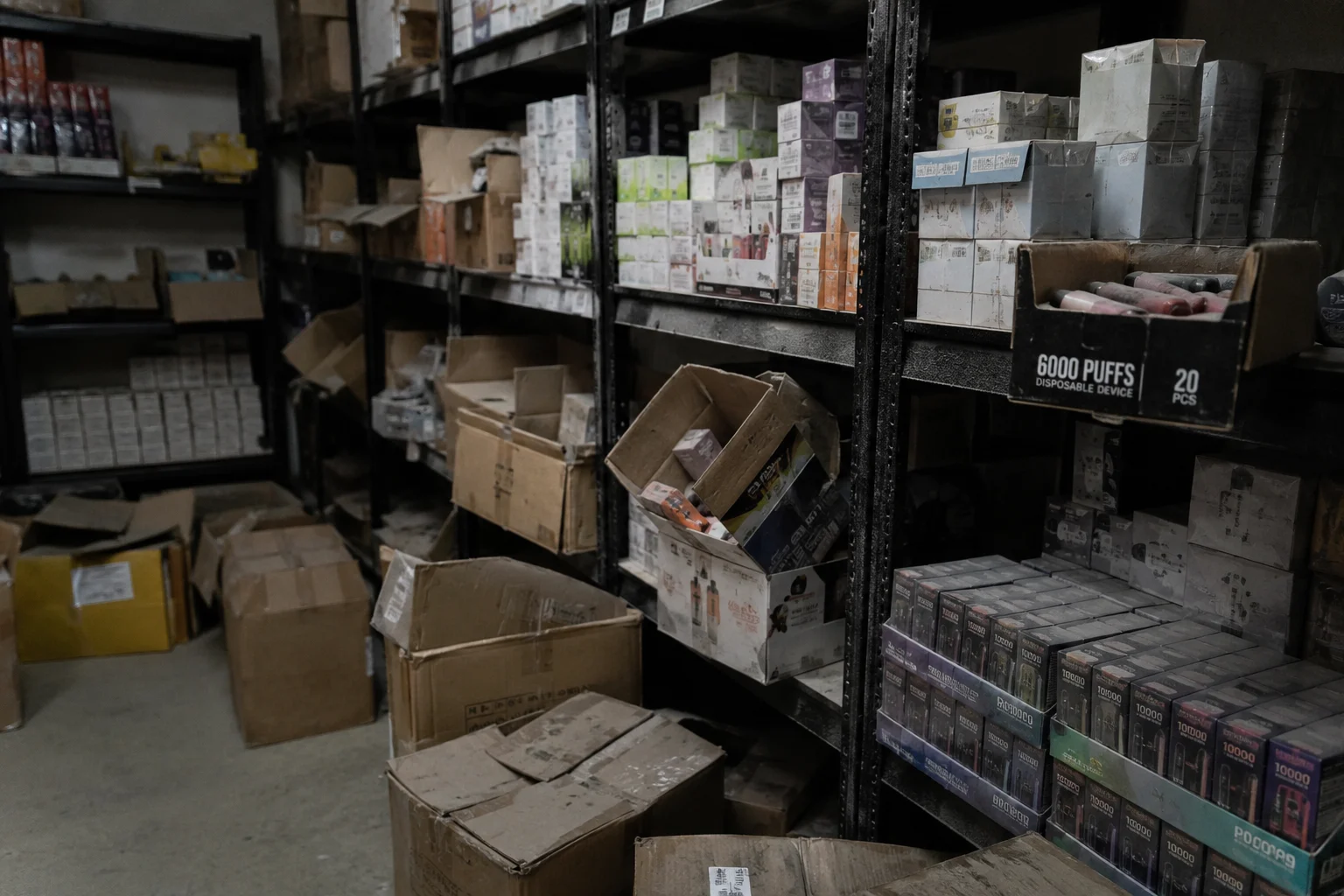
The core of any business is the speed of money moving. I always tell my clients this. Your business survives on how many times you can turn over your capital in a year[^2]. Let's say you have $5,000. If you buy products that sell out every month, you get to make a profit 12 times a year on that same $5,000. But if you buy a slow-moving product because it was "cheap," that $5,000 might be stuck for six months. You only get to make a profit twice. Which business is more successful? It's the one with faster turnover.
Inventory risk is not just about losing the money you spent. It's about losing the opportunity to make money over and over again. For a small business, this is the difference between growing and shutting down. That's why managing this risk is the most important job you have.
The Hidden Costs of Bad Inventory
Bad inventory doesn't just sit there; it actively costs you money[^3].
- Storage Costs: You pay for the space it occupies.
- Opportunity Cost: The cash is tied up and can't be used for winners.
- Reputation Cost: Selling low-quality or fake products leads to returns and bad reviews, killing future sales.
Think of it this way: a product that doesn't sell is like a hole in your pocket. It's not just the initial cost you lose, but everything else that leaks out with it.
How Can You Calculate Your Real Monthly Sell-Through Rate?
Do you order new stock based on a gut feeling? That's a quick way to get into trouble. You need data, not guesswork, to know what your customers actually want.
To calculate your sell-through rate[^4], divide the number of units sold in a month by the number of units you had in stock at the start of the month, then multiply by 100. This percentage tells you exactly how fast a product is moving.
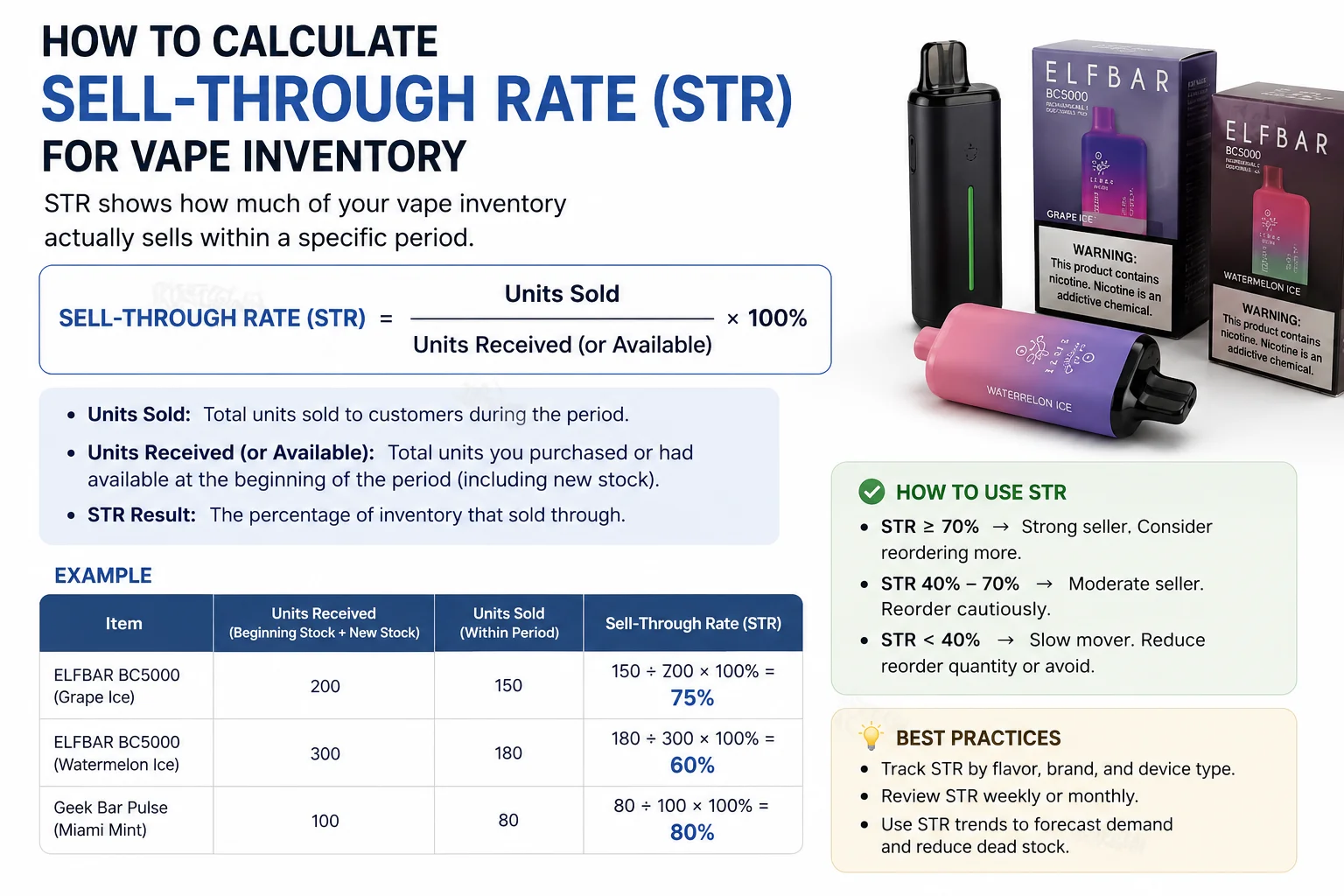
Your sell-through rate is your most honest business advisor. It tells you the truth about what's working and what's not. If you start the month with 100 units of "Blue Razz Ice" and sell 80, your sell-through rate is 80%. That's a winner. If you have 100 units of another flavor and only sell 10, the rate is 10%. That's a loser. It's that simple. Don't fall in love with products; fall in love with high sell-through rates.
I see many beginners make this mistake. They buy a wide range of products thinking more choice is better. But they don't track what sells. Soon, they have a lot of cash tied up in the 10% sellers and are out of stock on the 80% sellers. You must be ruthless. Track this number for every single product SKU (brand, flavor, puff count).
A Simple Tracking System
You don't need fancy software. A simple spreadsheet is enough.
| Product SKU | Starting Stock | Units Sold | Sell-Through % |
|---|---|---|---|
| ELF BAR 5000 - Blue Razz | 100 | 85 | 85% |
| VOZOL 10000 - Watermelon | 100 | 70 | 70% |
| Fake Brand X - Mango | 100 | 5 | 5% |
After a month, the data tells you where to put your money next. Reorder the ELF BAR and VOZOL. Discontinue Brand X, even if it was cheap to buy. This is how you build an inventory of proven sellers.
How Do You Separate Fast-Moving Brands from Slow-Moving Imitation Products?
Tempted by a super-low price on a popular-looking vape? That low price is often a warning sign. It's probably a slow-moving imitation that will cost you more in the long run.
Focus on the product's quality and the supplier's reputation, not just the price. Fast-moving products are typically original, high-quality brands with consistent performance. Slow-moving imitations are cheap fakes with bad batteries and poor flavor, leading to customer complaints and dead stock.
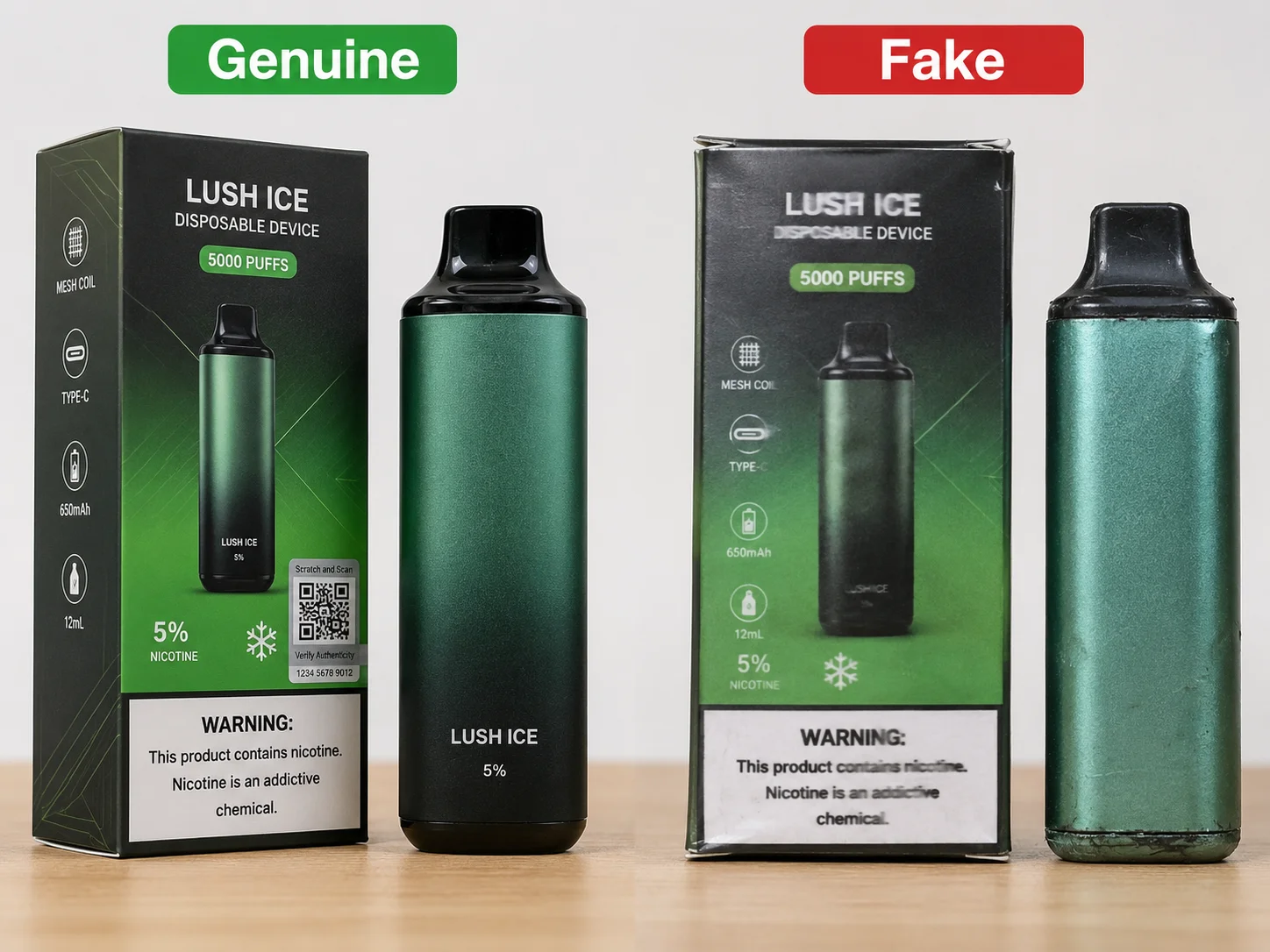
I get calls all the time from buyers in France asking for JNR vapes for 2 euros. I have to be honest with them. An original JNR from the factory costs more than that. If someone is offering it for 2 euros, it's 100% a fake. You might think, "Great, I can buy cheap and sell for a huge profit!" This is the biggest mistake. You buy 1,000 pieces for 2,000 euros. The customer gets it, the battery dies in five minutes, the e-liquid tastes burnt. They come back angry. You have to give a refund. Now your money is gone, and your reputation is damaged.
The cheap fake is the most expensive product you can buy. The money gets stuck. An original product, like from ELF BAR or VOZOL, might cost you 4 euros. But it sells quickly, the customer is happy, and they come back for more. Your money is back in your pocket in a week, ready to be invested again.
Telltale Signs of a Slow-Moving Imitation
- Price is Too Good to Be True: If it's half the market price, it's a red flag.
- Poor Materials: The battery is the biggest cost. Fakes use cheap manganese batteries that don't last. Originals use quality lithium batteries.[^5] You can feel the difference in weight and performance, especially in the cold[^6].
- Inconsistent Flavor: The e-liquid in fakes is made in dirty workshops. It's unhealthy and tastes bad.[^7] One might be okay, the next is terrible.
How Can You Estimate How Many Days of Stock You Can Safely Hold?
Are you buying three months of stock at a time to "save on shipping"? This is a huge risk. Tastes change, regulations shift, and new products come out.
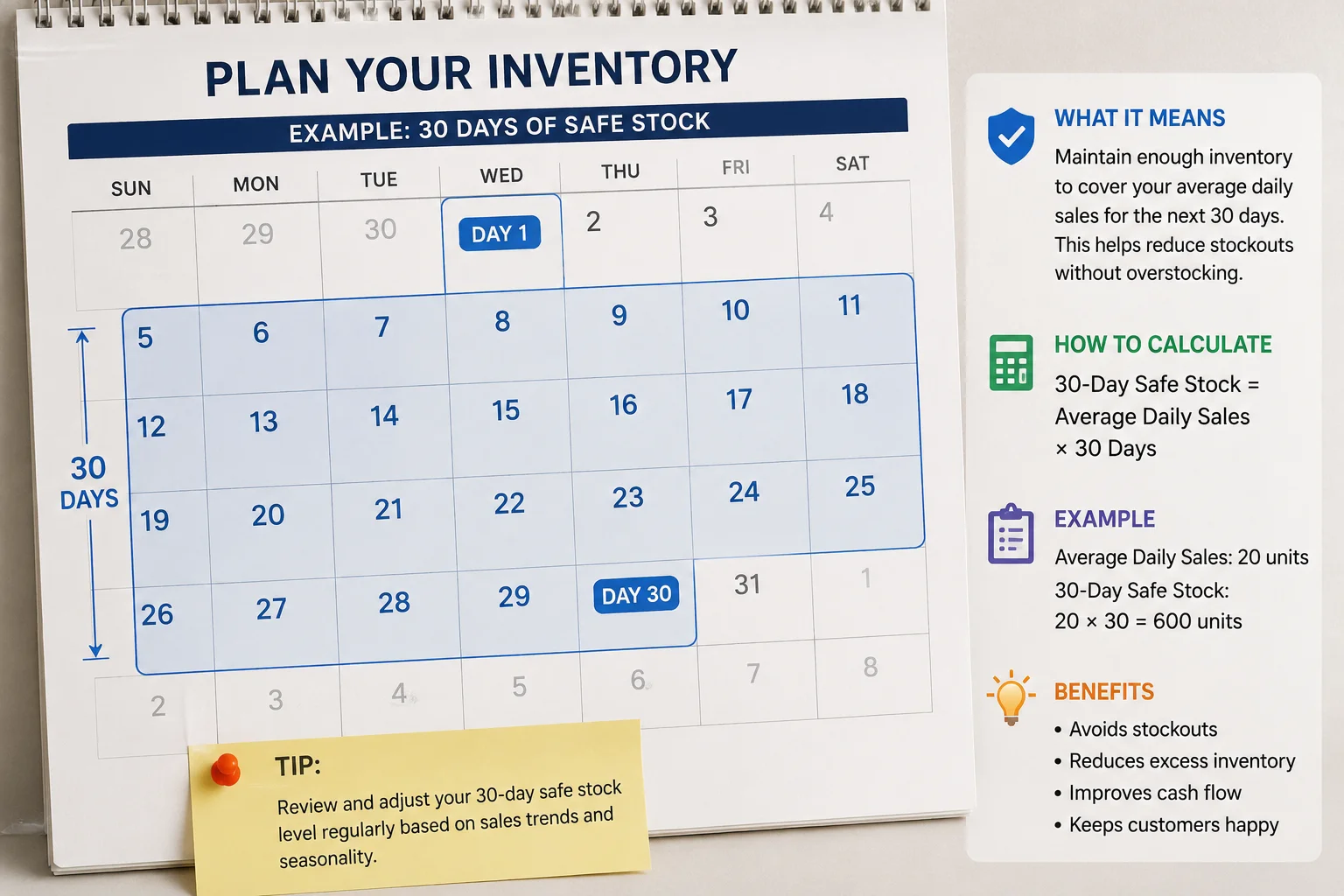
For a small wholesaler, a safe level of stock is between 15 and 30 days[^8] for your proven, fast-moving products. For new or untested products, the answer is zero. You test them with a tiny order first, you don't stock them.
The goal is to keep your inventory lean. The less stock you hold, the less risk you have. Why do we run an overseas warehouse in Germany? To help our clients with this exact problem. Instead of forcing a new buyer to order 2,000 units from China and wait two months, we let them order just 50 units from our German warehouse. They get it in 1-5 days within the EU. They can test the market with less than 400 euros. They find out what sells, then they can order more.
We take on the big risk by ordering 200,000+ units to get the best price and fill the warehouse. We handle the customs, the shipping, and the storage costs. This leaves our customers free to do the most important thing: sell. Holding less stock means your money works faster. If you can sell out and reorder every 3-5 days from a local warehouse, your capital can turn over maybe 50 times a year. That's how you build a real business.
Calculating Your Days of Stock
- Find your Average Daily Sales: Look at last month's sales for a product and divide by 30.
- Check Current Inventory: How many units do you have right now?
- Divide:
Current Inventory/Average Daily Sales=Days of Stock.
If this number is over 30, you've ordered too much. If it's under 15, it's time to think about reordering.
How Can You Check Risk Before Ordering?
Do you just check the price and brand name before placing an order? You could be missing huge risks like expiring products, changing regulations, or customers getting tired of the same old flavors.
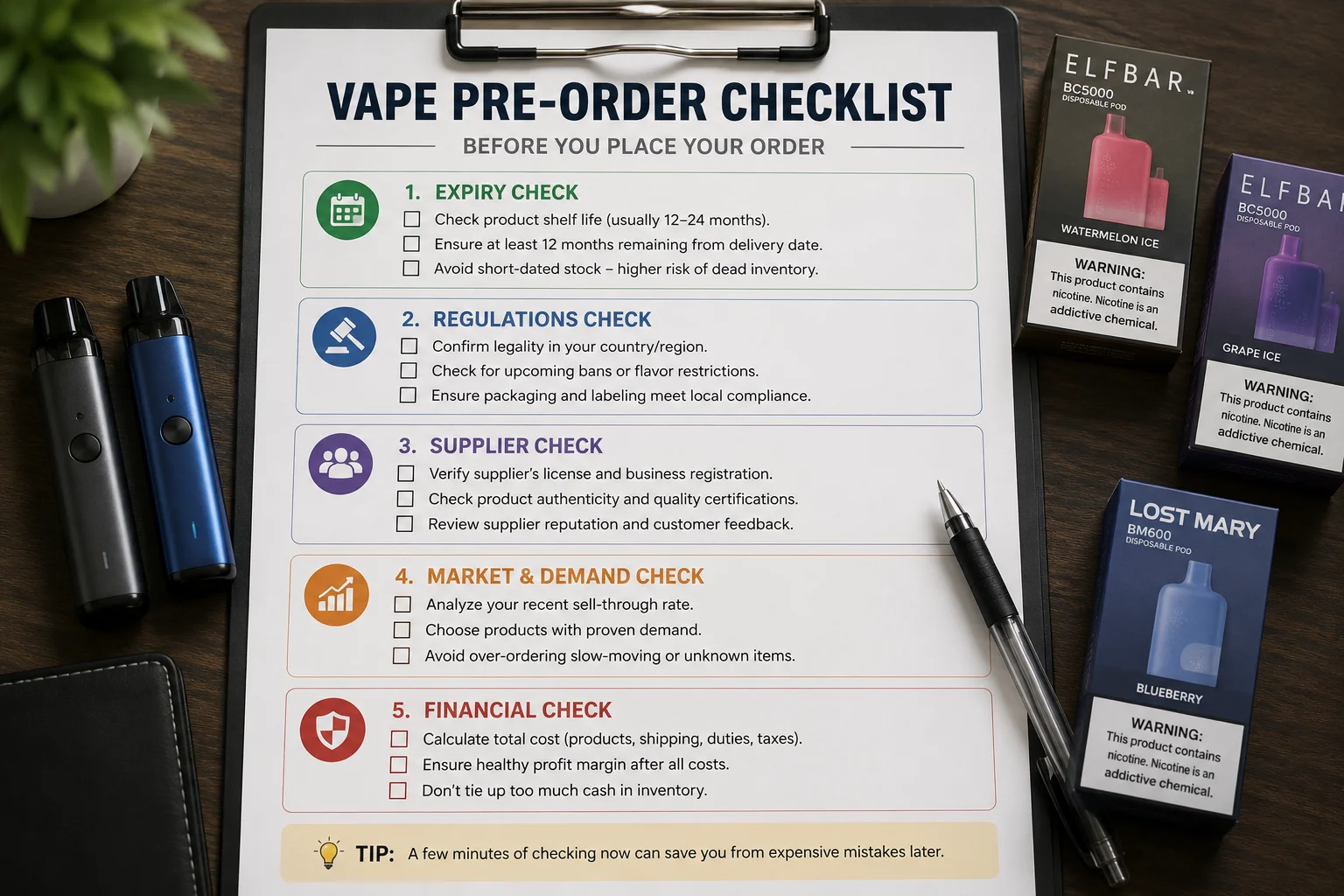
Before any bulk order, you must check three hidden risks: product expiry and flavor fatigue, local regulations and customs, and supplier reliability. A cheap price means nothing if the product is illegal, unwanted, or never arrives. These checks protect your investment.
From my 15 years in this business, I've learned that what happens after you pay is what matters most. A good supplier helps you manage these risks. For example, we have clients in countries like Denmark or Sweden with "secondary customs clearance[^9]." This is a big trap. The goods clear customs once they enter the EU (e.g., in Germany), but then the local customs in Denmark might inspect and seize the package again. An insurance policy won't even cover this second seizure.
A bad supplier will say, "No problem," take your money, ship it, and then disappear when your goods are seized. A good supplier, one who wants a long-term partnership, will tell you the truth. I tell my Danish clients, "There is a risk. It is better to ship to a friend in Germany and drive it across the border yourself." It's about being honest so the customer can actually receive their goods and make money. Your supplier's willingness to discuss these risks is a huge indicator of whether they are trustworthy.
Your Pre-Order Risk Checklist
- Flavor Fatigue: Are you only ordering flavors that were popular six months ago? Ask your supplier what's new and trending. Rotate your flavors.
- Regulations: Does your country require TPD compliance (like in the UK for 2ml/600 puff products)[^10]? Do you need to apply for tax stamps and have them put on the packaging in China? You must know your local laws.
- Supplier Honesty: Does the supplier warn you about risks, or do they just rush you to pay? Ask them about shipping to a high-risk country. Their answer tells you everything.
How Should You Use a Small Test Order Before Buying Bulk?
Do you believe a supplier's claim that a product is a "bestseller"? Don't trust their words, trust your own sales data. A small test order is the only way to get that data safely.
A test order is your best tool for risk management. Before committing to thousands of units, order a small quantity (we offer as low as 50 units from our overseas warehouse). This allows you to test real market demand with minimal financial risk.
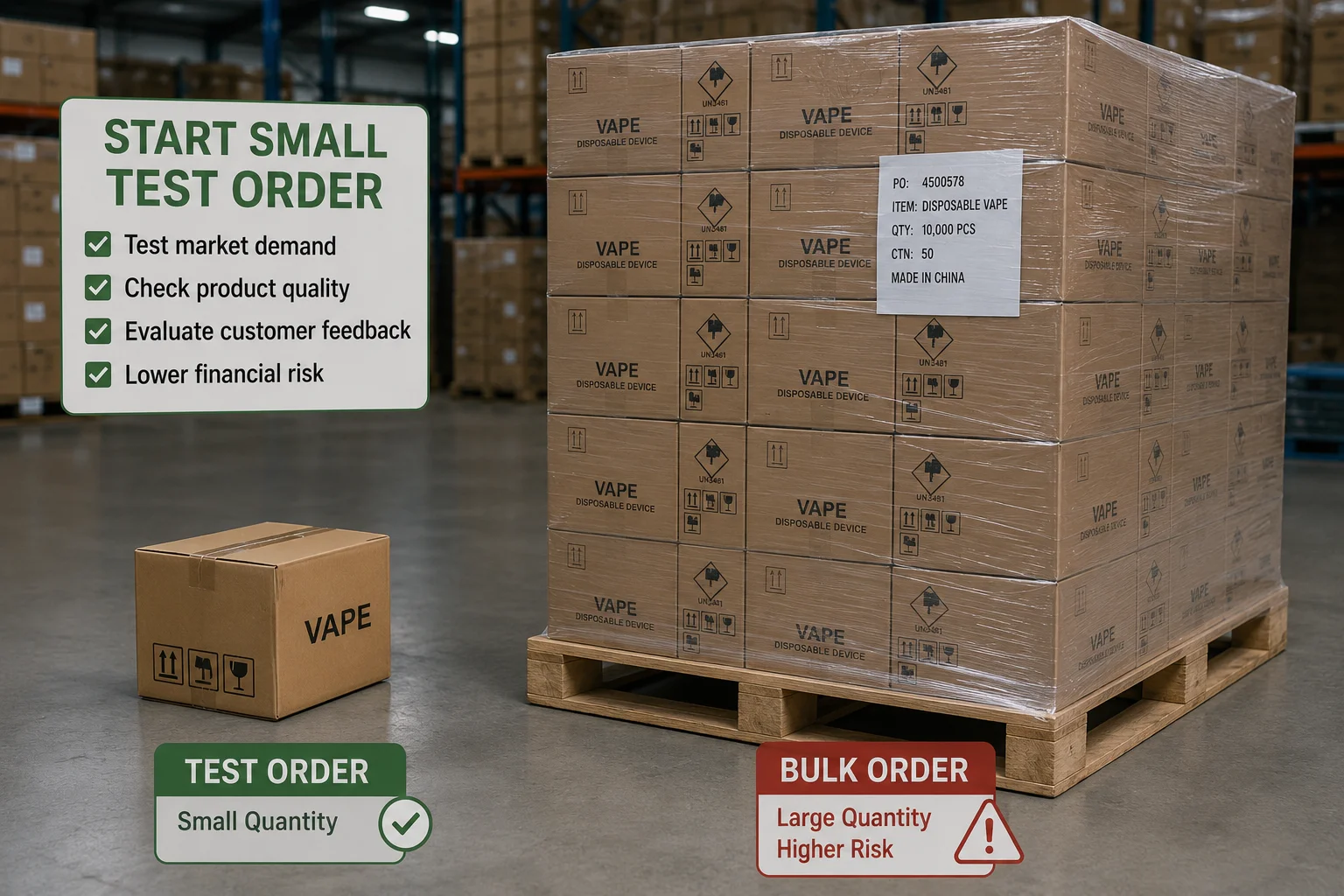
I believe in helping new sellers grow. Many of our biggest clients today started with a small order of just a few hundred euros. We set up our overseas warehouses specifically for this reason. A student can start a small business selling to their friends. A small shop owner can test a new product line without betting the farm. The barrier to entry is low. This is the modern way of doing business. The internet has made it easy for anyone to connect with factories like us, so we have more small-volume buyers than ever before.[^11]
Your first goal is not to get the absolute lowest price per unit. Your first goal is to prove that you can sell the product. A small test order lets you do this. You can see which flavors your customers prefer. You can check the product quality yourself. You can get feedback. If it sells out quickly, you have a winner. Now you have the confidence and the data to place a larger order. If it doesn't sell, you've only lost a small amount, not your entire operating budget.
Steps for an Effective Test Order
- Choose a Reliable Supplier: Pick one with a low MOQ, like from an overseas warehouse.
- Select a Few Promising Products: Don't test 20 things. Pick 3-4 top candidates based on market buzz.
- Buy the Smallest Possible Quantity: Just enough to get a feel for the market.
- Track Sales Closely: Monitor your sell-through rate.
- Gather Feedback: Ask your first few customers what they think.
How Can You Build a Simple Risk Formula?
Finding it hard to compare different products and suppliers? You feel like it's all just guesswork. A simple formula can bring clarity and help you make data-driven decisions.
Think of your risk like this: Total Risk = (Cost of Goods) x (1 - Sell-Through Probability) x (Potential Defect Rate). This helps you quantify the danger of a product getting stuck or resulting in losses from returns, allowing you to compare options more objectively.
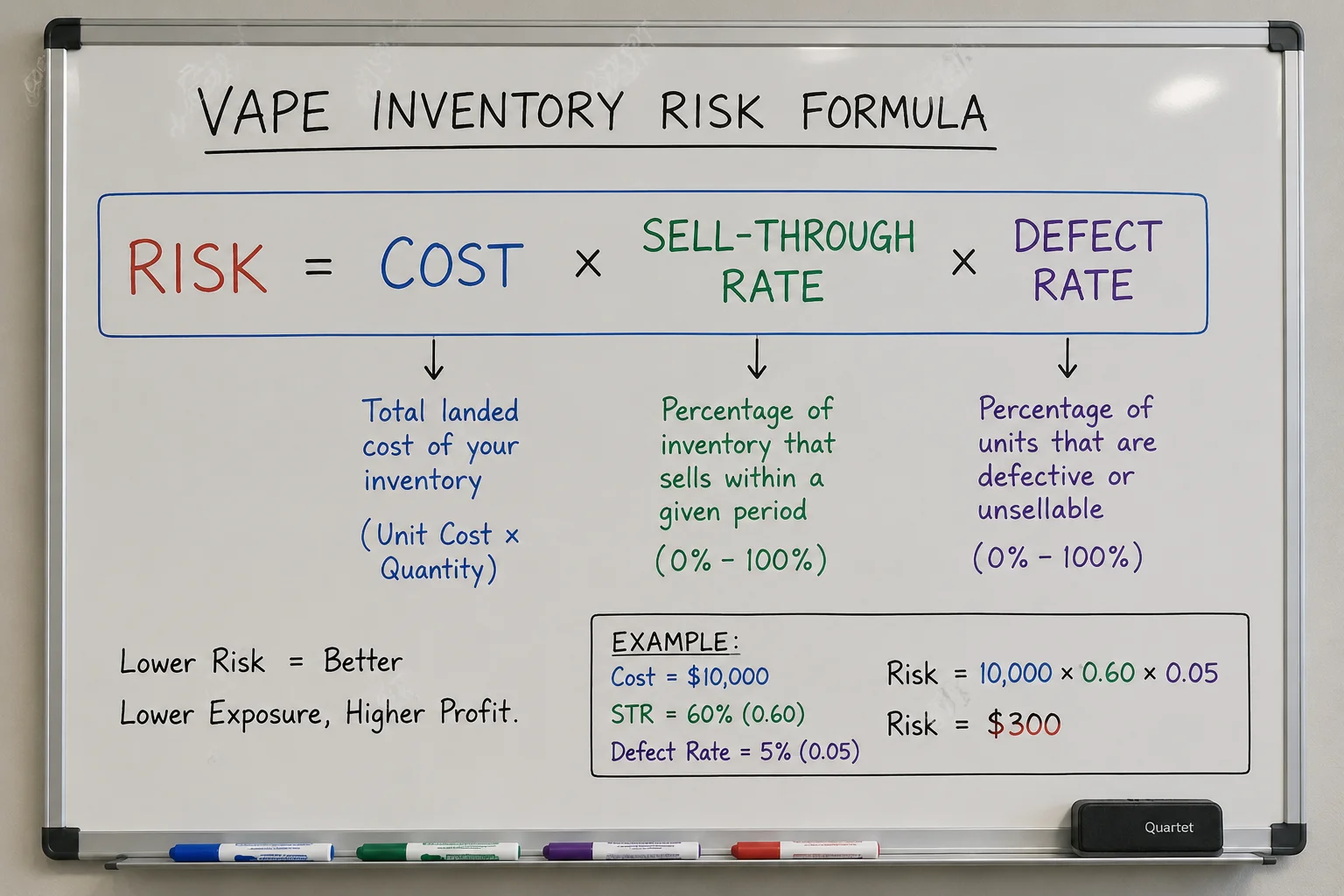
This isn't something you need a Ph.D. in math to understand. It’s a way of thinking. Let's break it down with a real-world example I see all the time.
- Cost of Goods: The total price you pay for the inventory. Let's say 2,000 euros.
- Sell-Through Probability: How likely is it to sell? An original ELF BAR from a trusted source might have a 90% chance of selling through (so a 10% risk factor). A 2-euro fake from an unknown supplier? Maybe a 30% chance of selling (a 70% risk factor). Be honest here.
- Potential Defect Rate: What's the chance of problems? With originals, maybe it's 1-2%. With fakes, it could be 20-30% when you factor in bad batteries, leaks, and angry customers demanding refunds.
Let's compare: Scenario A: Original Product Risk = €2000 10% (unsold risk) 2% (defect risk) = A very low overall risk score. Your real exposure is small.
Scenario B: Cheap Fake Risk = €1000 70% (unsold risk) 30% (defect risk) = A massively higher risk score. Even though the initial cost is lower, the chance of losing your money is much, much higher.
This formula forces you to look past the initial price and consider the real dangers: the product not selling and the product being defective.
What's the Final Rule for Buying Inventory?
Are you still getting tempted by supplier ads and low-ball offers? It's easy to get distracted by noise. You need one simple rule to guide all your buying decisions.
The final rule is this: Buy based on proven demand, not supplier hype. Your own sales data is the only source of truth. Everything else is just a sales pitch.
I've seen it all. Puff counts going to 300,000—it's just a numbers game, a total fantasy. A vape can only hold so much e-liquid, maybe 50ml at the absolute max for a huge device. Since 1ml gives you about 200 puffs[^12], the real maximum is around 10,000 puffs. Anything beyond that is just marketing nonsense printed on a box. A professional looks at the e-liquid volume, not the crazy puff count.
The same goes for price. If a supplier is pushing a super-cheap product, ask yourself why. It's because the battery is cheap, the e-liquid is cheap, and the quality is cheap. They know it's a one-time sale. They aren't building a long-term business with you. My philosophy, since I started in 2011, has been to sell original, authentic products. We want customers to come back. We want to build a business together. That only happens when you sell products that people actually want to buy again and again. So, ignore the hype. Look at your own sales. What sold out last week? Buy more of that. It's the simplest and most powerful rule in this business.
Conclusion
To manage vape inventory risk, focus on capital turnover. Start with small test orders, calculate your real sell-through rate, and always choose proven, original products over cheap, slow-moving fakes.
Source Vape Products for Wholesale
We support B2B wholesale and distribution sourcing for vape retailers and importers, with compliance-aware supplier vetting. Contact our wholesale team to discuss bulk and distribution options.
Related reading: Why Product Complexity Hurts Small Vape Wholesalers More Than Large Distributors
[^1]: "Sustainable Cash Flow Management Strategies for Small to Medium ...", https://scholarworks.waldenu.edu/dissertations/17579/. Sources from business schools and financial institutions confirm that managing cash flow is a primary challenge for small and medium-sized enterprises (SMEs), with poor cash flow management being a leading cause of business failure. Evidence role: general_support; source type: education. Supports: The claim that cash flow is critically important for the survival and growth of small businesses.. [^2]: "Inventory Turnover Ratio: What It Is, How It Works, and Formula", https://www.investopedia.com/terms/i/inventoryturnover.asp. Financial and business resources define inventory turnover as a key performance indicator that measures how many times a company sells and replaces its inventory over a period. A higher turnover rate generally indicates strong sales and efficient inventory management, which is crucial for maximizing profitability. Evidence role: definition; source type: encyclopedia. Supports: The claim that the rate of capital turnover is a key metric for business success and profitability.. [^3]: "Carrying cost - Wikipedia", https://en.wikipedia.org/wiki/Carrying_cost. Business management and supply chain literature defines these expenses as 'inventory carrying costs' or 'holding costs,' which typically include storage, insurance, obsolescence, and opportunity cost, often estimated to be 20-30% of the inventory's value annually. Evidence role: definition; source type: education. Supports: The claim that unsold inventory incurs ongoing costs beyond the initial purchase price.. Scope note: The exact percentage of carrying costs can vary significantly by industry and product type. [^4]: "Understanding Sell-Through Rate - SupplierWiki - SPS Commerce", https://www.spscommerce.com/community/articles/sell-through-rate. Retail industry and business analytics resources confirm that the sell-through rate is calculated by dividing the number of units sold by the beginning-of-period inventory, then multiplying by 100 to express it as a percentage. It is a key metric for evaluating product performance. Evidence role: definition; source type: encyclopedia. Supports: The formula provided for calculating the sell-through rate.. [^5]: "The Dangers Of Using A Fake Vape - Riot E-Liquid", https://rioteliquid.com/pages/the-dangers-of-using-a-fake-vape?srsltid=AfmBOorRiDp1QQKwV7_9Gmj_zpt88QAXlACikz_K1ODwle49D32QSOLA. Analysis of counterfeit electronic devices, including vapes, has shown that manufacturers often substitute cheaper, lower-quality components to reduce costs. This can include using manganese-based batteries instead of the more stable and longer-lasting lithium-ion batteries found in authentic products. Evidence role: mechanism; source type: research. Supports: The claim that counterfeit vapes often use inferior battery technology compared to genuine products.. Scope note: This is a general trend in counterfeit electronics; specific battery chemistry can vary by the individual counterfeit product. [^6]: "Lithium-Ion Batteries under Low-Temperature Environment - PMC", https://pmc.ncbi.nlm.nih.gov/articles/PMC9698970/. Scientific research on battery chemistry shows that lithium-ion batteries generally exhibit better performance and capacity retention at low temperatures compared to other chemistries like alkaline or zinc-manganese dioxide, which can suffer from a significant drop in voltage and effective capacity in the cold. Evidence role: mechanism; source type: paper. Supports: The claim that battery chemistry affects performance in cold temperatures.. [^7]: "Adolescents' Perceptions, Experiences, and Reactions to “Fake ...", https://pmc.ncbi.nlm.nih.gov/articles/PMC11812520/. Public health agencies and law enforcement have issued warnings about illicit and counterfeit vaping products, noting they are often manufactured in unregulated, unsanitary facilities and may contain harmful, unauthorized, or unknown substances, posing significant health risks to consumers. Evidence role: case_reference; source type: government. Supports: The claim that counterfeit e-liquids are produced in unsanitary conditions and can be unhealthy.. [^8]: "Inventory Days on Hand: How to Calculate and Optimize ... - Ware2Go", https://ware2go.co/articles/inventory-days-on-hand/. Inventory management principles suggest maintaining a target for 'days of supply' or 'days of inventory outstanding.' While the ideal number varies by industry, a range of 30 days or less is often considered efficient for fast-moving consumer goods, balancing the risk of stockouts against the cost of holding excess inventory. Evidence role: general_support; source type: education. Supports: The claim that holding 15-30 days of stock is a reasonable target for fast-moving goods.. Scope note: The optimal number of days of stock is highly dependent on factors like supply chain reliability, demand volatility, and product shelf life. [^9]: "EU - Import Requirements and Documentation", https://www.trade.gov/country-commercial-guides/eu-import-requirements-and-documentation. While the EU is a customs union, national authorities (like tax or safety agencies) retain the right to perform checks on goods moving between member states to enforce national laws regarding excise duties, VAT, and product safety regulations. This can result in secondary inspections and potential seizures even after initial EU customs clearance. Evidence role: mechanism; source type: government. Supports: The claim that goods that have cleared customs upon entering the EU can still be subject to further inspection by national authorities within the EU.. [^10]: "Awareness of Changes in E-cigarette Regulations and Behavior ...", https://pmc.ncbi.nlm.nih.gov/articles/PMC7171274/. The UK's Tobacco and Related Products Regulations 2016, which implement the EU's TPD, stipulate that disposable e-cigarettes, cartridges, and tanks must not have a capacity of more than 2ml. This effectively limits the puff count of compliant disposable devices to approximately 600-800 puffs. Evidence role: general_support; source type: government. Supports: The claim that UK regulations, derived from the EU's Tobacco Products Directive (TPD), limit vape tank sizes and e-liquid volumes.. [^11]: "Intermediation, Disintermediation, and Direct Trading", https://direct.mit.edu/books/edited-volume/chapter-pdf/2318748/9780262277143_cas.pdf. Research on global trade and e-commerce describes a trend of disintermediation, where online B2B platforms enable small and medium-sized businesses to bypass traditional wholesalers and purchase smaller quantities directly from overseas manufacturers, lowering barriers to entry for new importers. Evidence role: historical_context; source type: research. Supports: The claim that the internet has enabled smaller buyers to source products directly from manufacturers.. [^12]: "E-cigarette use behaviors and device characteristics of daily ... - PMC", https://pmc.ncbi.nlm.nih.gov/articles/PMC7668279/. While puff count can vary based on device power and user inhalation style, vape industry publications and reviewers commonly use a rule of thumb that 1ml of e-liquid yields approximately 100 to 200 puffs. This makes puff counts far exceeding this ratio for a given volume of liquid mathematically improbable. Evidence role: general_support; source type: other. Supports: The claim that there is a generally accepted ratio of puffs per milliliter of e-liquid.. Scope note: The actual number of puffs is not standardized and depends heavily on the device's design, power settings, and the user's puff duration.