
Your shipment of branded vapes arrives, but something feels off. The deal was great, maybe too great, and now you're worried. Is this a genuine product or a cheap fake that could ruin your reputation?
The best way to tell is by checking the packaging. Carefully inspect the printing quality, verify security features like QR codes on the brand's official website, and check for tamper-proof seals. These details are your first and best defense against counterfeit vapes that can cost you money.
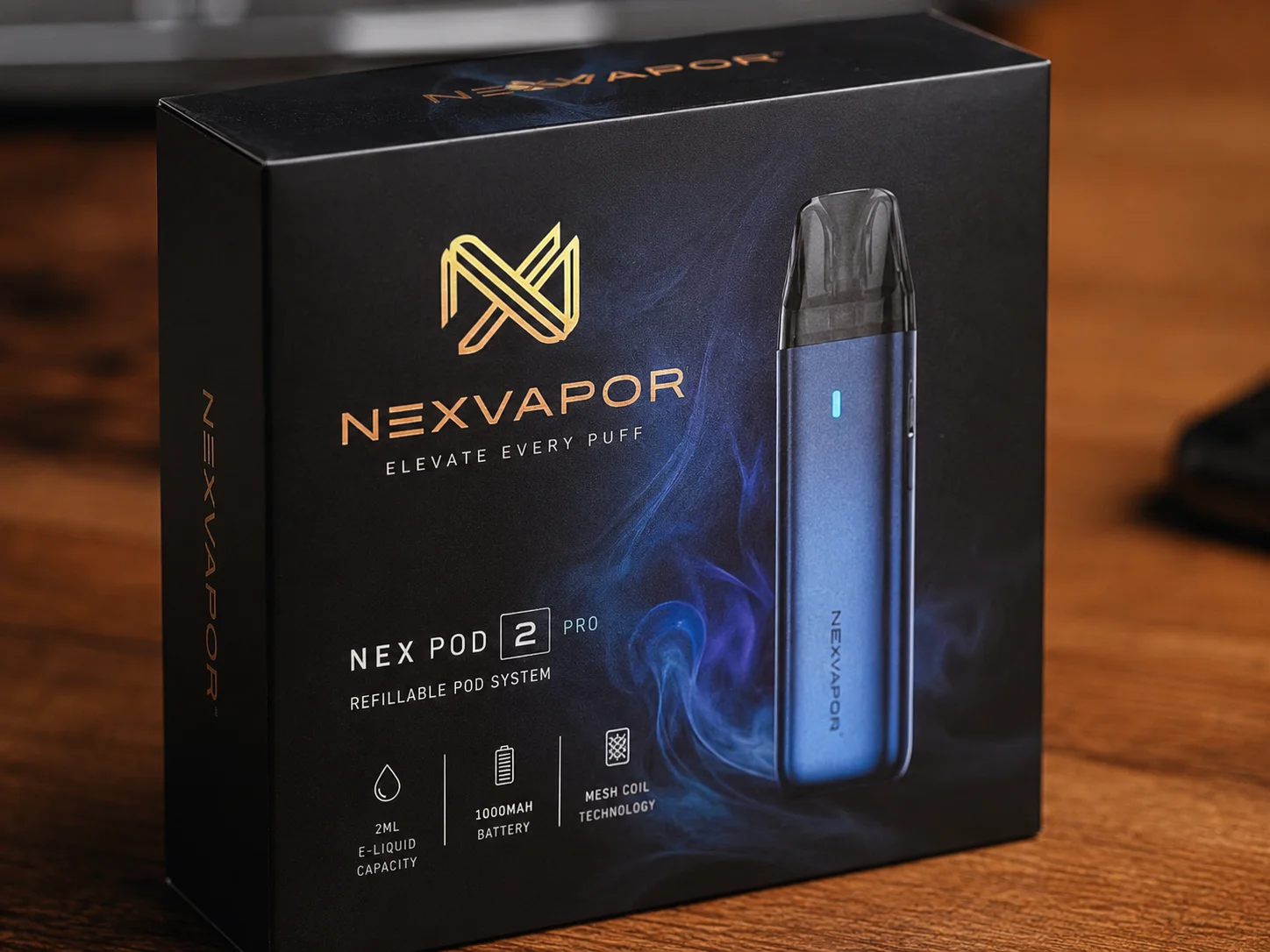
I've been in the export business for 15 years, and I've seen it all. A lot of importers, especially new ones, think the product is everything and the box is just trash. But with vapes, the box is your first clue. It tells you a story about what's inside and the supplier you're dealing with. Getting this wrong can mean you're stuck with a pile of junk you can't sell. Let's break down exactly what you need to look for, step-by-step, so you can protect your investment.
Why Does Packaging Quality Matter in Branded Vape Wholesale?
You might think, "It's just a box, who cares?" But for branded vapes, this thinking is a huge mistake. A bad box can signal a shipment of worthless fakes that will destroy your customer's trust.
Packaging quality is a direct reflection of product quality. It's your main tool for checking if a vape is real, protecting it from damage, and making sure it hasn't been tampered with. Bad packaging almost always means it's a fake product with huge financial and health risks.
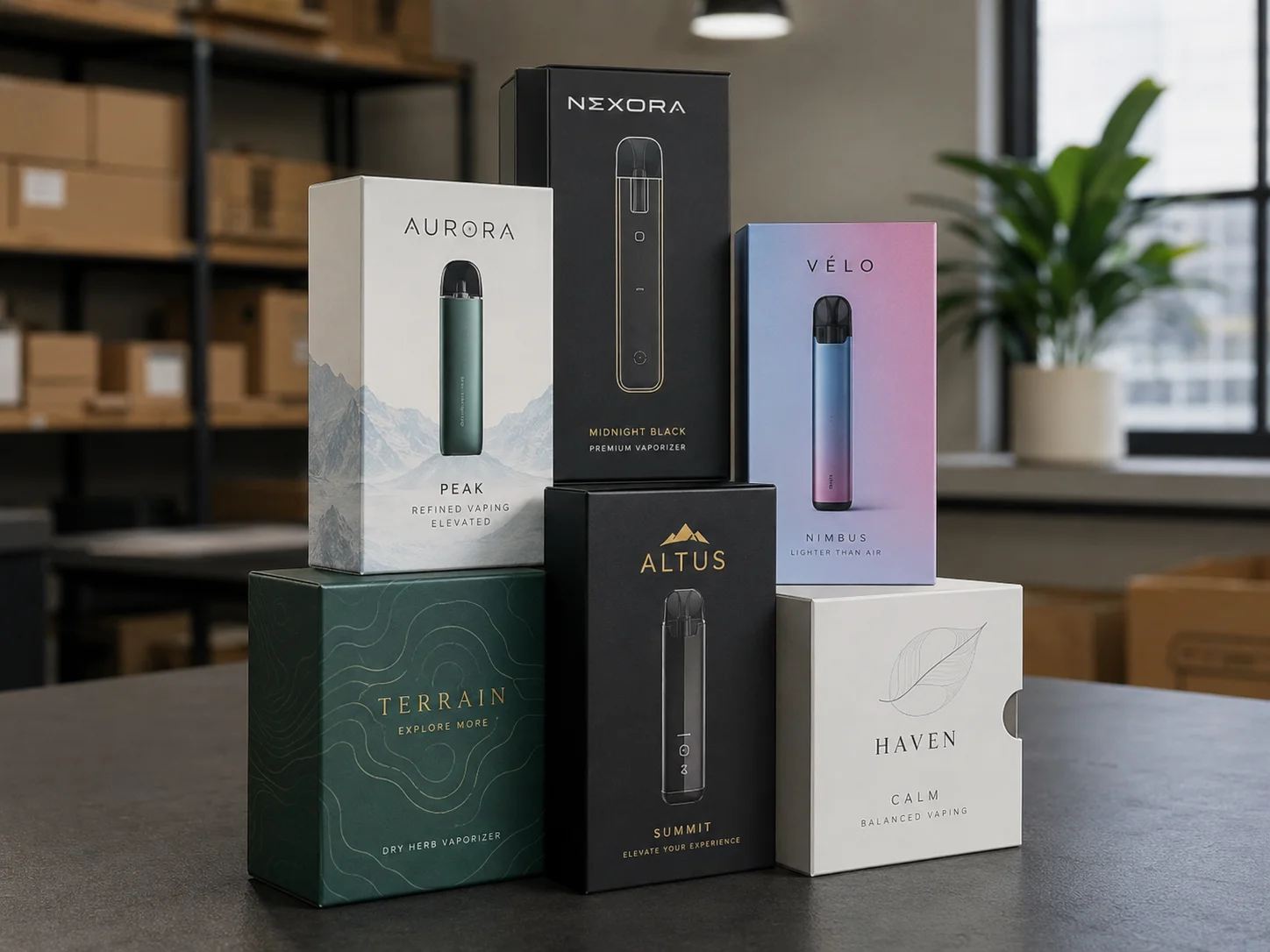
Think about it. A real brand like Elf Bar or Vozol spends a fortune on their reputation. They use good packaging because they want their product to look professional and arrive safely. It's part of their brand promise. A counterfeiter, on the other hand, wants to make money as fast as possible. They cut every corner they can. The very first corner they cut is the packaging. They use cheap printers, thin cardboard, and bad designs. They don't care if it gets damaged, and they certainly don't care about your reputation. I often tell my clients, if a supplier didn't even bother to make the box look right, imagine how bad the battery and e-liquid are inside. That cheap box is a warning sign of cheap materials, bad quality, and a supplier who will be gone the second you have a problem.
How Do You Check Box Printing, Colors, Logos, and Product Information?
Okay, so you have a sample box in your hand. It looks pretty good at first glance. But the devil is in the details, and with fakes, those small details are everything. A blurry logo or a typo is a dead giveaway.
To spot a fake, you need to be a detective. Compare the box you have with the official images on the brand’s website. Look for sharp printing, exact colors, and a perfectly placed logo. Read all the text and check for spelling mistakes.
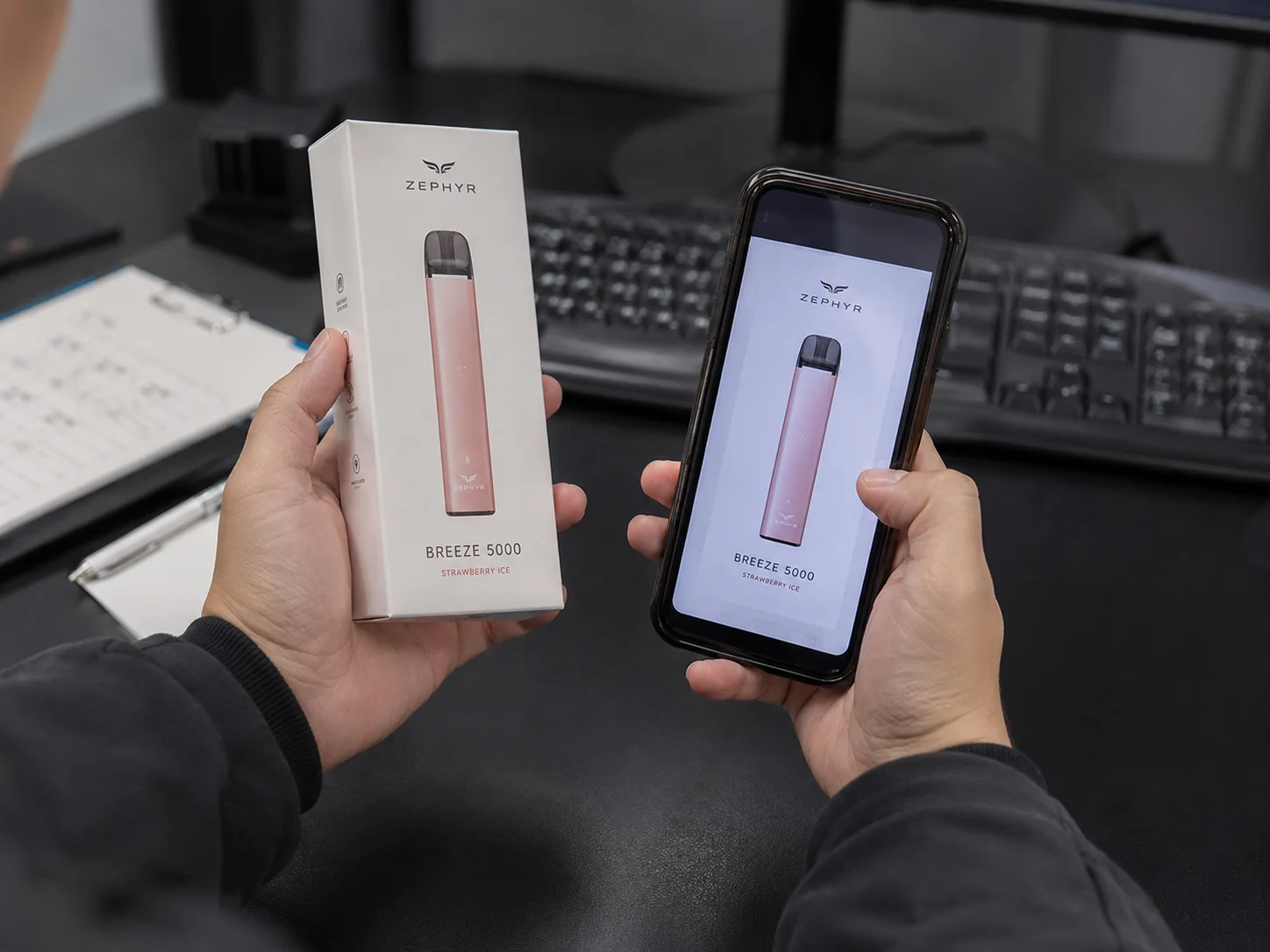
This is where counterfeiters get lazy. They might get the overall design right, but their printing is never as good as the real factory's. Get a sample and put it next to your computer screen showing the official product page. First, check the colors. Is the red on your box a little too orange? Is the blue a bit washed out? That’s a red flag. Next, look at the text with your phone's camera and zoom in. Genuine products have perfectly crisp letters. Fakes are often a little fuzzy or blurry around the edges. Look at the brand logo—is it sharp? Or does it look like a bad copy? Finally, read every single word. I've seen fakes with spelling errors like "ingredents" instead of "ingredients." A major brand would never make that mistake. These small things tell you everything.
| Feature | Genuine Packaging | Counterfeit Packaging |
|---|---|---|
| Logo | Crisp, correct colors, sharp edges | Often blurry, off-colors, fuzzy edges |
| Text | Clear, professional font, no typos | Fuzzy text, spelling mistakes, wrong font |
| Colors | Vibrant and consistent with official branding | Washed out, incorrect shades, varies box to box |
| Information | Accurate warnings, ingredients, and company details | Missing details, typos, outdated compliance info |
How Do You Verify Barcodes, QR Codes, Serial Numbers, and Authentication Labels?
You scan the QR code and your phone screen pops up with a big green checkmark: "Genuine Product!" You feel relieved. But hold on, you might have just fallen for the oldest trick in the book.
Never, ever trust the website that a QR code automatically opens. Instead, open your web browser and manually type in the brand's official website address. Find their authentication page and enter the security code yourself. This is the only way to be sure.
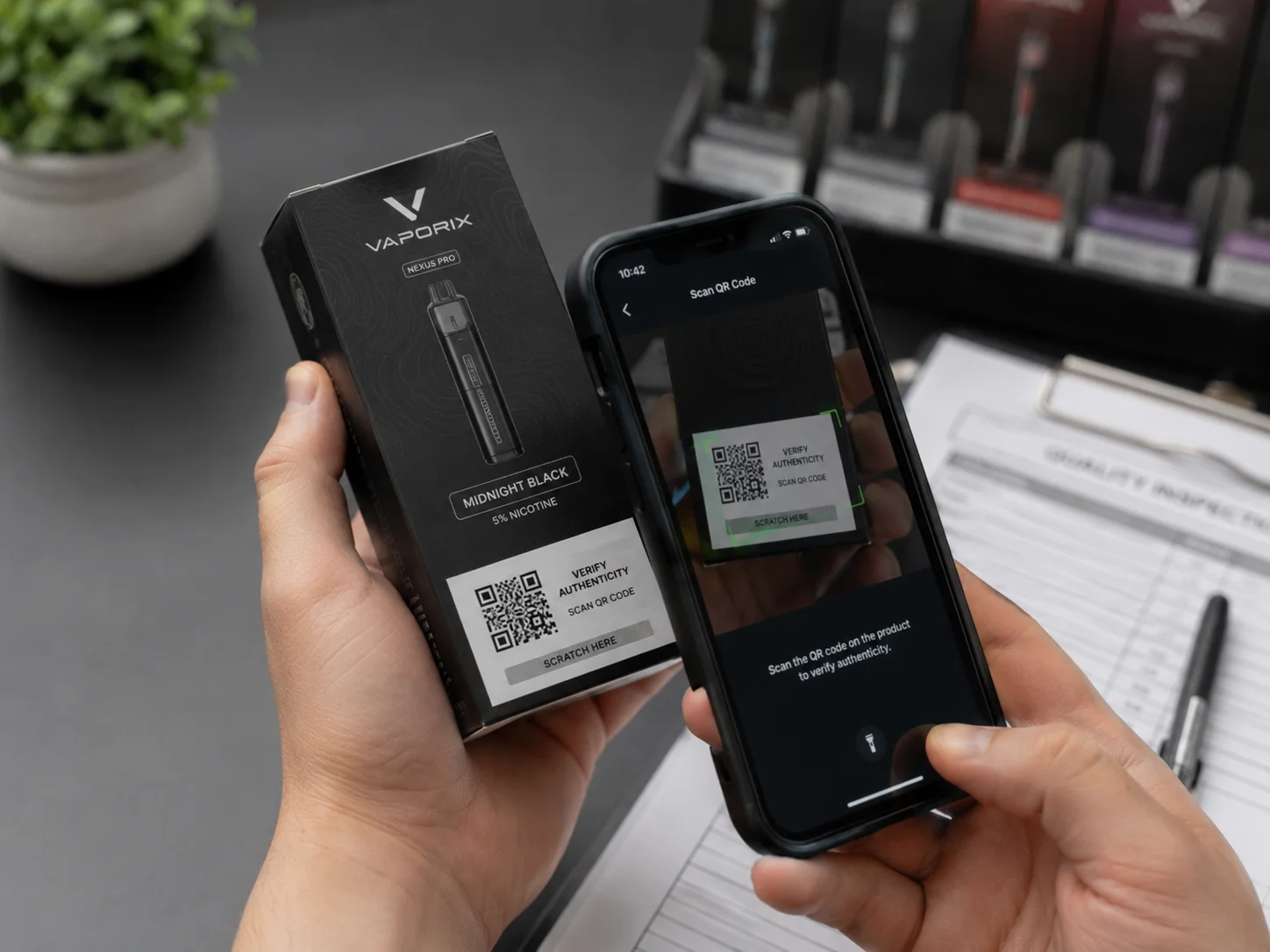
I have this conversation with new buyers almost every week. The counterfeiters are smart. They create a fake QR code that links to a fake verification website that they built themselves. Of course it's going to say the product is genuine! It’s their own system. To do it right, you have to bypass their trick. For example, if you have an Elf Bar, don't scan the code. Open Chrome or Safari, type in "elfbar.com" yourself, find their verification page, and then manually type in the number from the sticker. A real code will be accepted. A fake code won't be found in the official database. Also, the official site might tell you if a code has already been checked many times. If it says your "new" product's code has been verified 100 times before, you know you're holding a fake with a copied code.
How Do You Inspect Seals, Shrink Wrap, Inner Trays, and Tamper Protection?
The box is shrink-wrapped and has a seal, so it must be new and untouched, right? Not necessarily. The quality of that seal and wrap tells a story. A sloppy job is another sign of a lazy counterfeiter.
Check for tight, clean shrink wrap with professional seams. The box should have a secure seal that is often perforated for a clean tear. Inside, the vape must fit snugly in a custom-molded tray, not be rattling around loose.
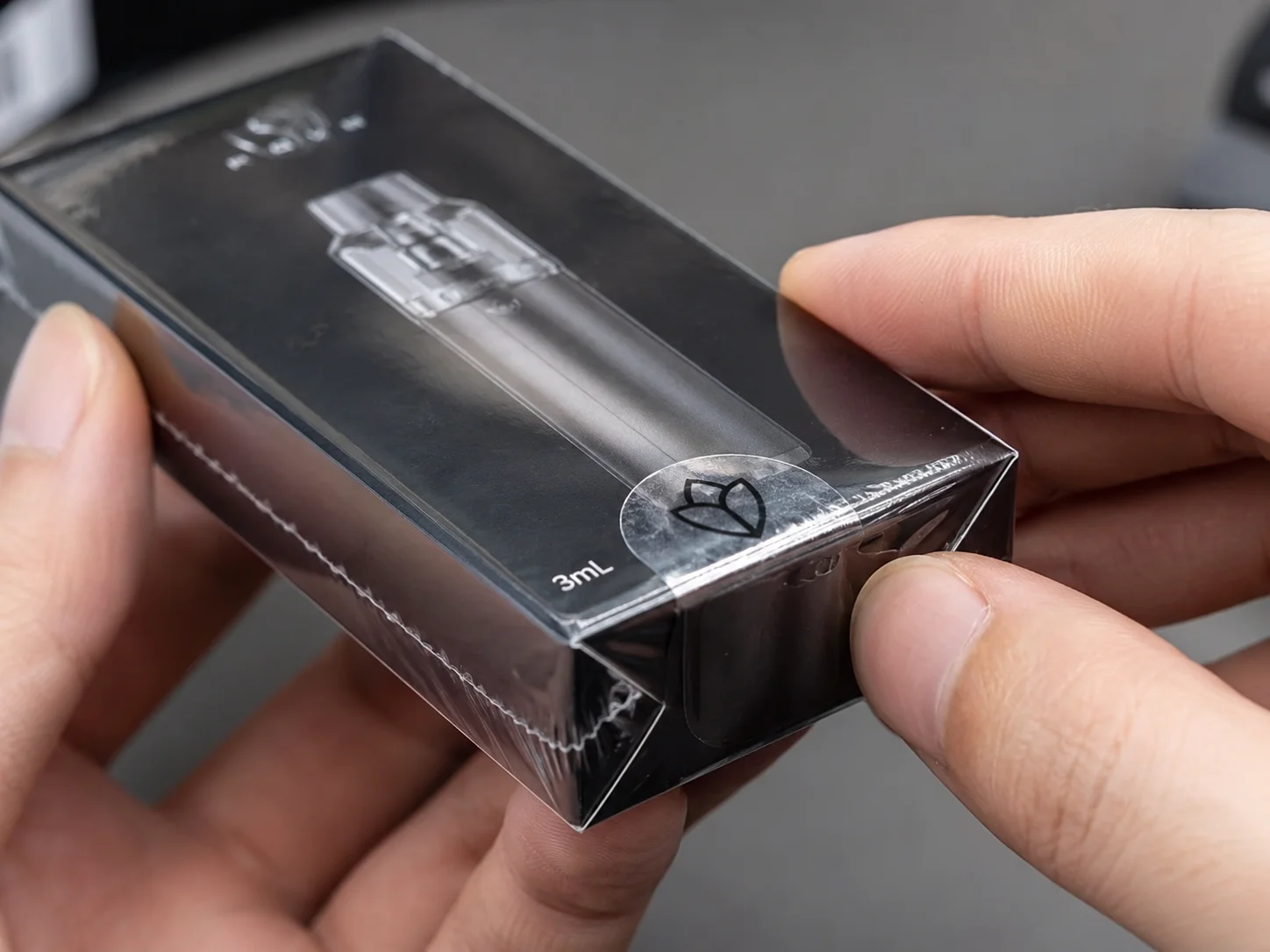
Think about how products look in a real store. The shrink wrap is perfect, applied by a machine. It's tight and the seams are neat. Counterfeiters often use a cheap heat gun, so the wrap is loose, wrinkly, and has messy, thick seams. Next, look at the sticker seal or the perforated tear strip. On a genuine product, it's applied perfectly straight and tears cleanly. On a fake, the sticker might be crooked, or the perforation is so bad you just rip the box. Finally, open it up. A real brand invests in a molded plastic or cardboard tray that holds the vape perfectly in place. It protects it during shipping. Fakes often use a cheap, generic piece of flimsy plastic, or sometimes nothing at all. If you can shake the box and hear the vape rattling inside, that's a very bad sign.
How Do You Compare Packaging Across Samples, Cartons, and Production Batches?
So, you've checked one box and it passed all the tests. You're ready to approve the shipment. Stop right there. A single good box means nothing. The real test is consistency.
A key sign of a genuine product is perfect consistency. Pull several boxes from the same carton and from different cartons. All packaging elements—the colors, the printing, the seals—should be absolutely identical. Any variation is a massive red flag.
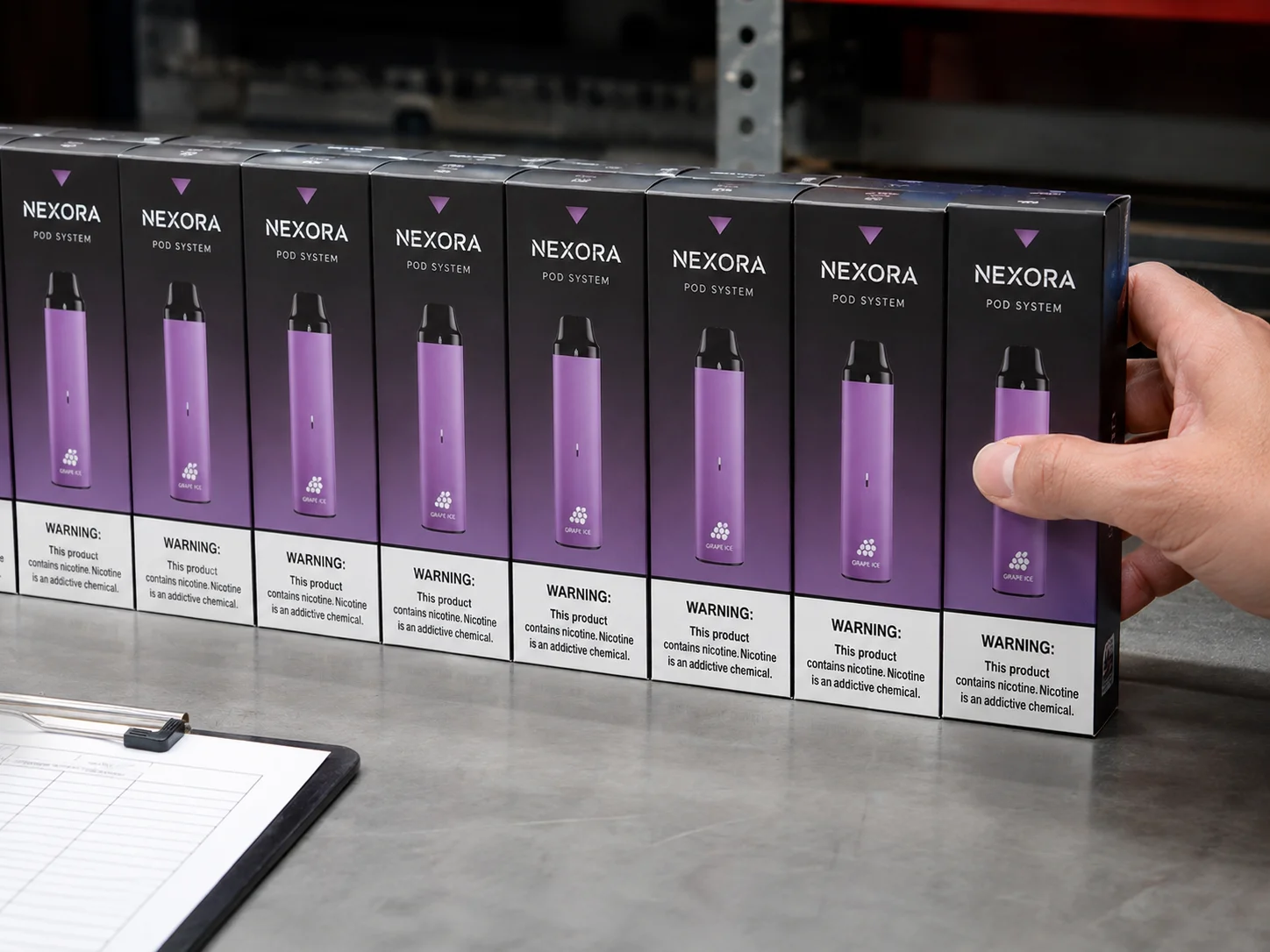
Why does inconsistency mean it's a fake? Because counterfeit operations are not a single, professional factory. They are usually a network of small, dirty workshops. One workshop does the printing, another fills the vapes, another puts them in boxes. There is zero quality control. As a result, the colors might be slightly different between batches. The print quality might change. The seals might be applied differently. When we ship an order, every single box from a production run looks exactly the same. When you receive a shipment, I always tell my clients to do this: don't just check one. Grab three from the top, three from the middle, and three from the bottom. Line them all up. Do they look like perfect clones of each other? If you spot even small differences, you have a problem. You likely have fakes from an inconsistent, unreliable source.
How Do You Check Master Cartons for Damage, Moisture, and Shipping Protection?
Many importers focus so much on the pretty little vape box that they forget about the big, ugly brown box it comes in: the master carton. If that outer box fails, your entire investment is at risk.
The master carton is your shipment's armor. It must be a strong, sturdy box, usually double-walled. Before you even open it, check for signs of crushing, water damage, or tampering. Good protection inside shows the supplier actually cares.
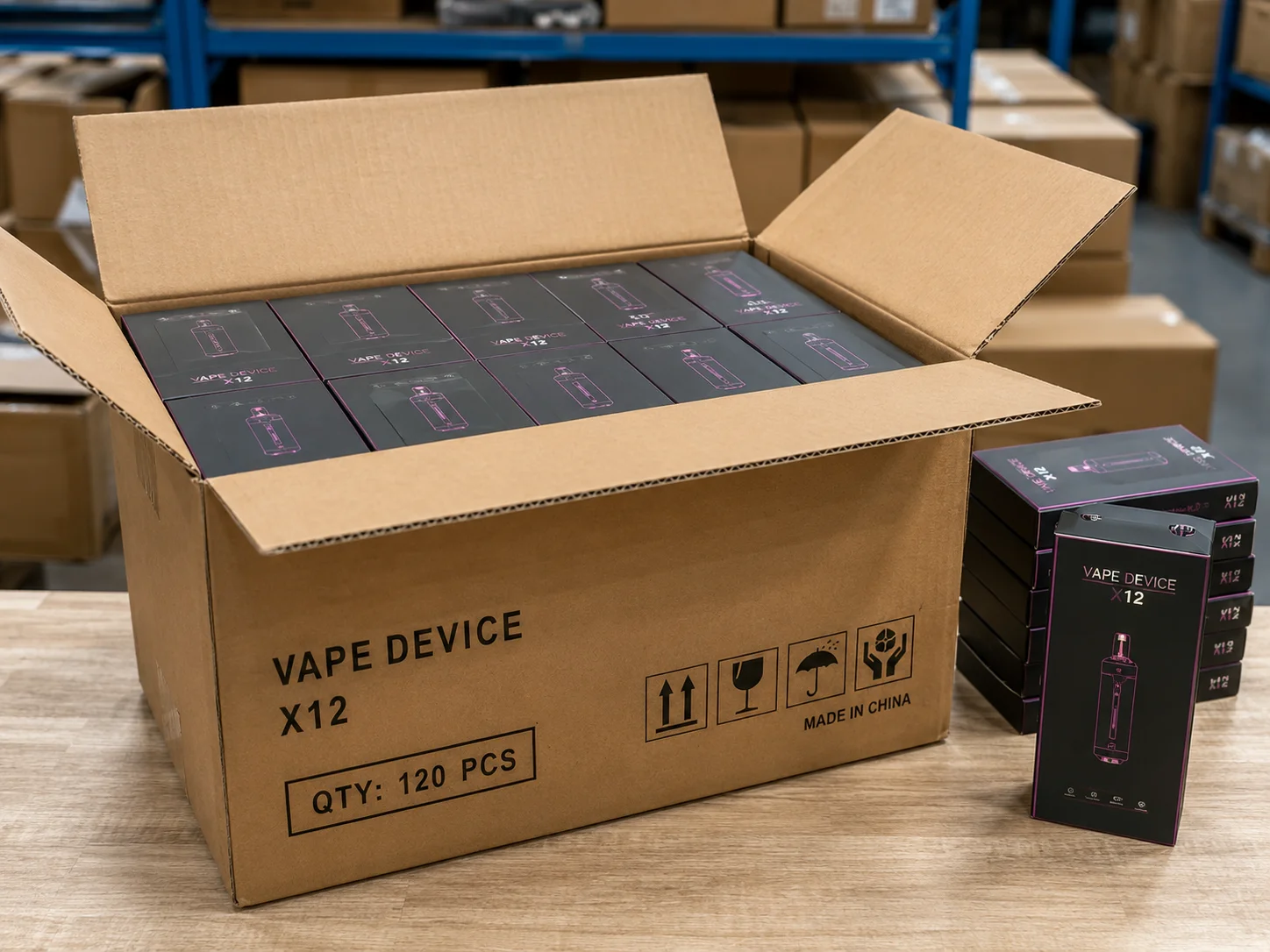
A professional supplier who ships internationally knows what it takes. They use strong, new corrugated boxes that can handle being thrown around. They don't reuse old, weak boxes to save a few cents. When your shipment arrives, walk around the pallet. Look for crushed corners, which means the boxes inside could be damaged. Look for dark stains, which is a sign of moisture that could have ruined the electronics. Are the straps or tape intact, or does it look like someone opened and re-sealed it? If you see any major damage, take photos immediately, before you open it. This is your evidence if you need to make a claim with the supplier or shipping company. A supplier who ships products in a flimsy, beat-up carton is telling you they don't care if your order arrives in one piece.
How Do You Request Real Photos, Videos, and a Pre-Shipment Packaging Inspection?
You are about to wire thousands of dollars to a person you've only met through email. The product pictures on their website look great, but how do you know they're not just stock photos? How do you know they actually have the product?
Before you make that final payment, you must ask for real-time proof. Tell your supplier you need a video of them packing your specific order. Ask them to write your name and the date on a piece of paper and show it in the video next to the goods.
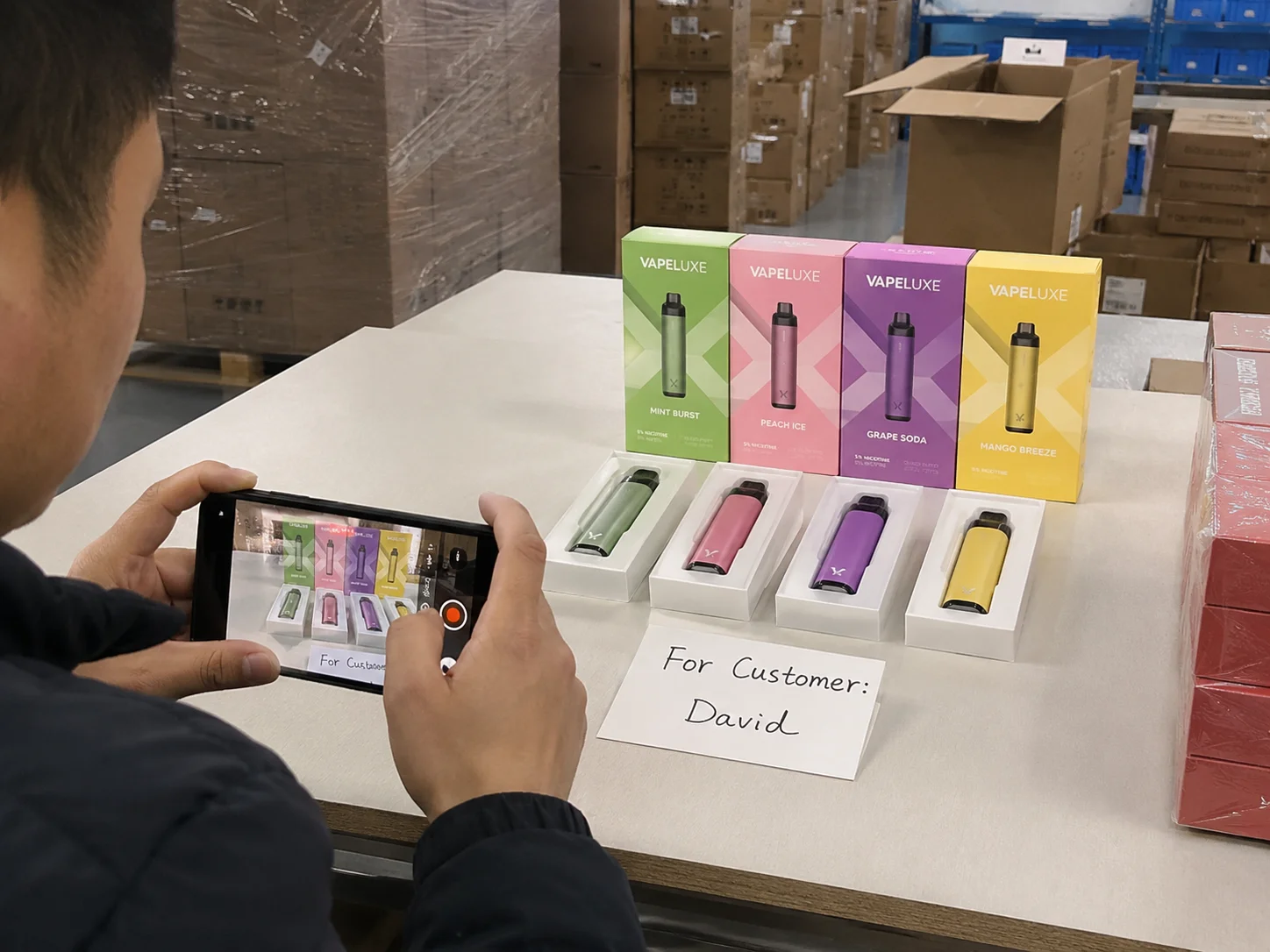
This is a non-negotiable step for me and my clients. It's the ultimate trust test. A scammer who doesn't have the product can't do this. A lazy supplier will make excuses. A real, professional partner will understand completely and be happy to do it. Here's exactly what to ask for: "Could you please take a short video showing the master cartons for my order? In the video, please open one carton to show the inner boxes, and hold up a paper with my name, company, and today's date." This simple request filters out 90% of the bad actors. It confirms they have the physical stock, that it matches what you ordered, and that it's ready for your shipment. If a supplier refuses or says they are "too busy," that's a huge red flag. Run away and find someone else.
What Packaging Red Flags May Indicate Counterfeit or Poor-Quality Stock?
By now, you know that spotting a fake is like being a detective. You have to look for clues. To make it easier, let's put it all together in a final checklist of the most common mistakes counterfeiters make.
The most obvious red flags are blurry printing, spelling mistakes, and QR codes that fail verification on the brand's official website. Also, be suspicious of flimsy materials, messy seals, and inconsistent coloring across boxes from the same shipment.
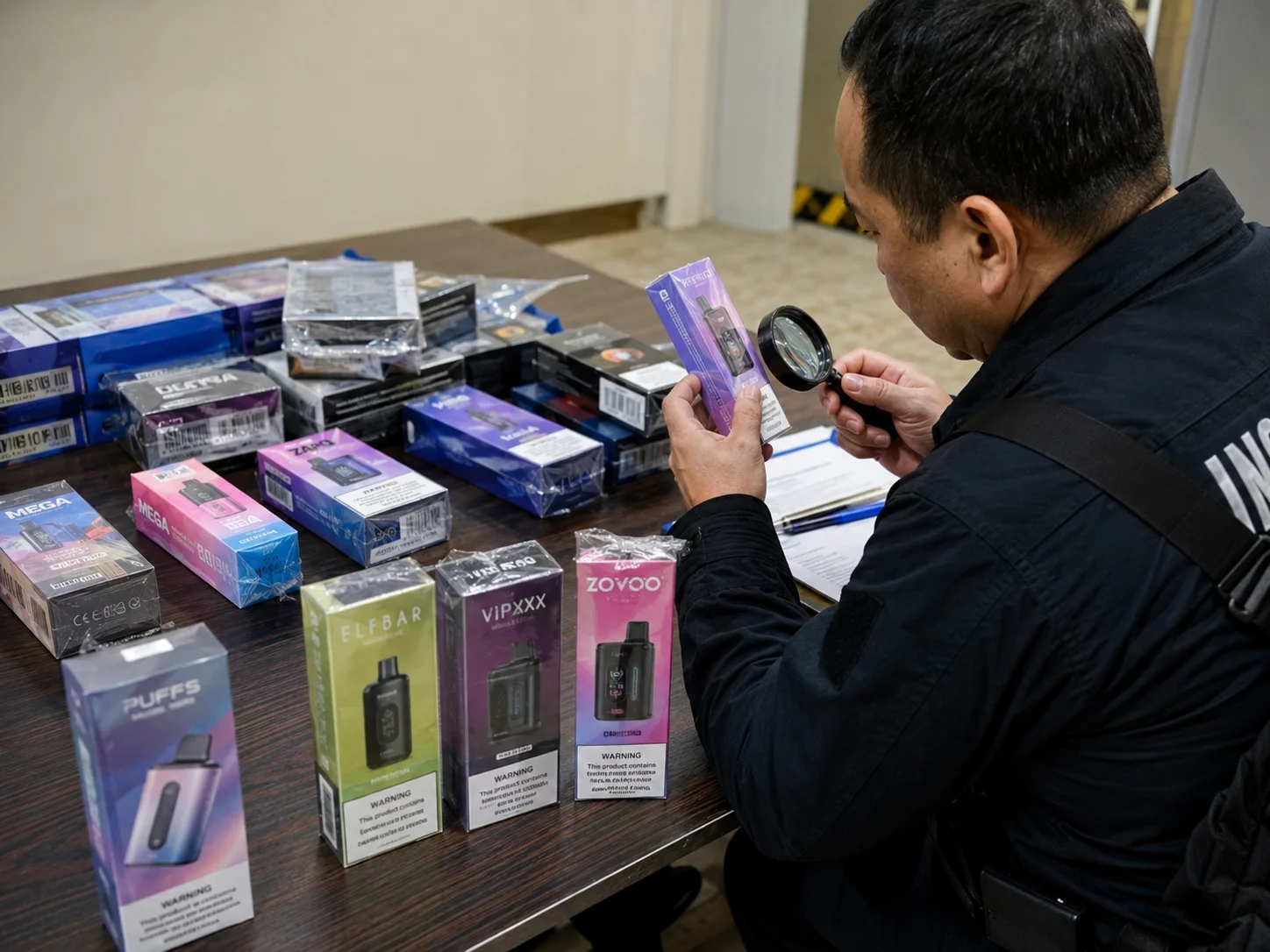
Here is a simple checklist of warning signs. If you see more than two or three of these, you should be extremely careful about moving forward.
- Unbelievably Low Price: This is the #1 sign. If a vape normally costs 4 euros and someone offers it for 2, it's a fake or a scam. Period.
- Printing & Color Errors: The logo looks fuzzy, the text has typos, or the colors are washed out and don't match the official brand images.
- QR Code Fails the Official Test: Remember, you must check it on the brand's official website, not the one the code sends you to.
- Flimsy Materials: The box feels like cheap, thin paper, and the vape rattles around inside.
- Sloppy Sealing: The shrink wrap is loose and messy, or the sticker seals are crooked.
- Inconsistency: You line up five boxes from the same case, and you notice small differences in color or print alignment.
- Feels Too Light: The product feels suspiciously light in your hand, a sign of a cheap battery and materials.
- Pushy Supplier: The supplier avoids your questions, refuses to send a real-time video, and just keeps demanding payment.
These red flags are not just about looks; they are warning you about a product that is likely dangerous and a deal that could cause you to lose all your money.
Conclusion
Checking packaging is not about being picky. It is your most important risk management tool in the vape business. A good box from a good supplier means a quality product that will keep customers happy and coming back for more.