
Quick Answer
Replacement-pod supply continuity can determine whether a new vape device becomes a repeat-sales product or a short-lived launch. I often see buyers focus on design, launch pricing, and initial demand, then ask about compatible pods only after placing the first order. That delay can create stock, cash-flow, and customer-service problems that a strong launch cannot solve.
A new vape device should be evaluated together with its replacement-pod supply continuity, not by its launch attention or first-order price alone. Buyers should check pod availability, production arrangements, compatibility, replenishment lead times, quality-control procedures, and after-sales support before committing inventory. A device can attract early attention, but reliable consumable supply is what supports repeat purchases and long-term channel value.
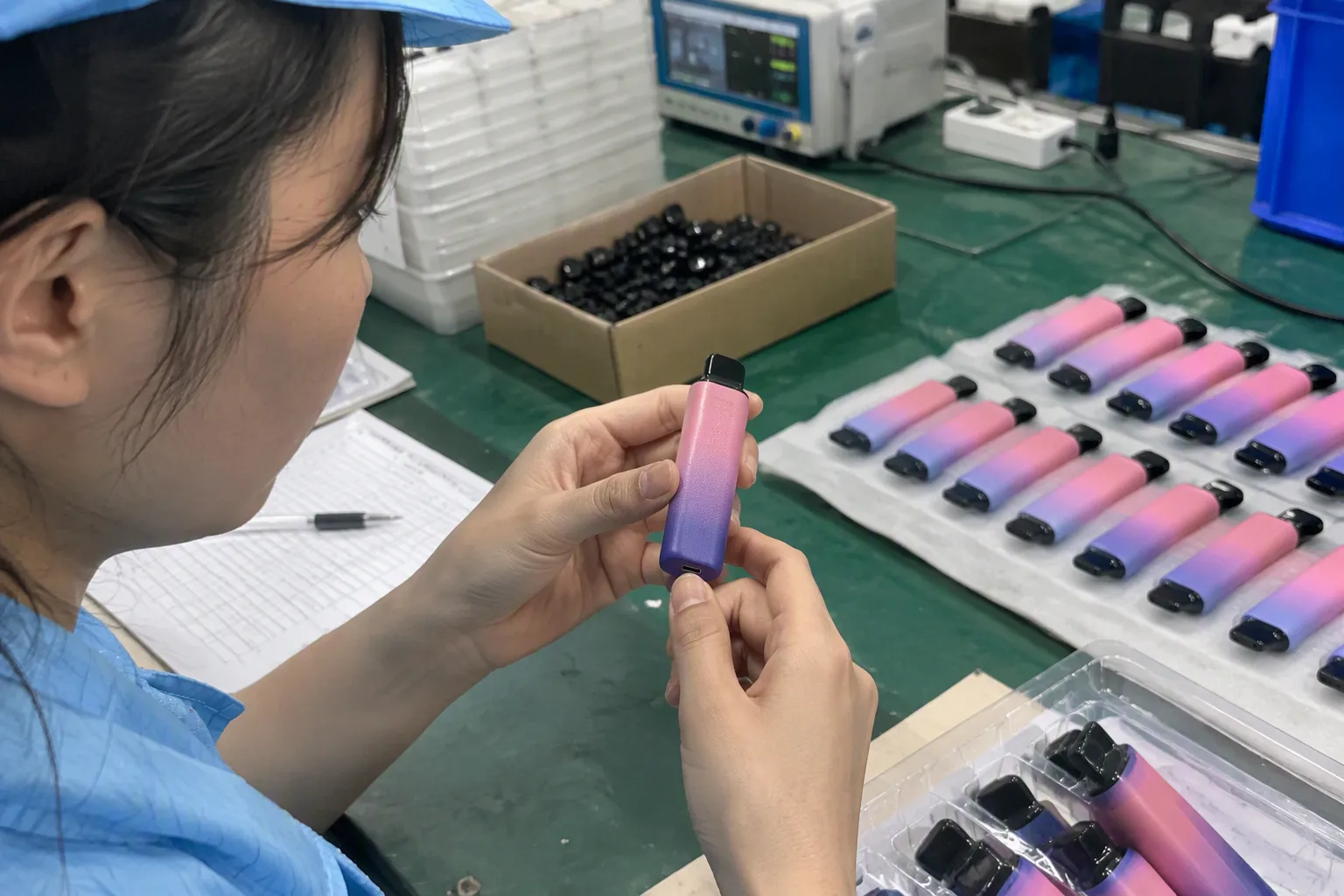
When I communicate with importers, wholesalers, distributors, and retailers in Europe and the United States, I find that the practical question is rarely just, “Is this device new?” The more important question is, “Can I continue serving customers after the first shipment sells?”
That question changes the entire procurement process. It affects product selection, order size, warehouse planning, delivery routes, supplier communication, and after-sales responsibilities. Below, I explain how buyers can assess a device-and-pod program before they place a larger order.
Why Does Replacement-Pod Supply Continuity Matter More Than a Device Launch?
A new device may create strong attention, but attention does not guarantee repeat sales. If customers cannot obtain compatible replacement pods, retailers may lose the next sale[2], wholesalers may face weaker reorder demand, and buyers may need to replace the product line sooner than expected. I therefore recommend evaluating the complete replenishment model from the beginning.
Replacement-pod supply continuity matters because pods often support the repeat-purchase cycle after the initial device sale[1]. Buyers should confirm how pods will be restocked, what lead times they should expect, how compatibility will be controlled, and which supplier will handle quality or after-sales issues. These checks reduce avoidable inventory and channel risks, although they cannot remove every market or logistics uncertainty.
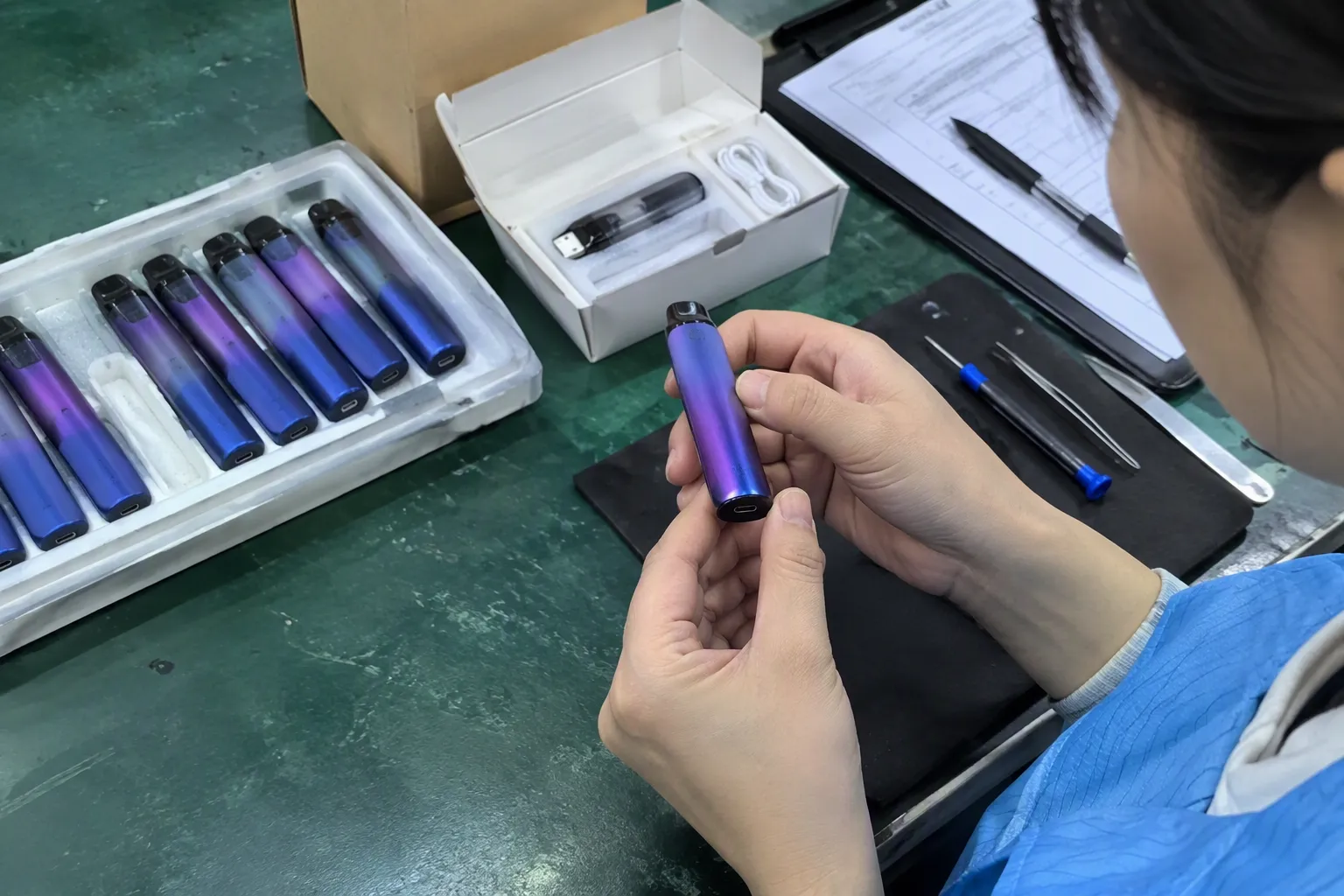
What I Ask Before Supporting a New Device
I do not treat a product launch, attractive packaging, or a low first-order price as proof of commercial safety. I ask the supplier and the buyer to look at the device and its consumables as one procurement decision.
In my conversations with European and American buyers, I have received practical questions such as:
- How will compatible replacement pods be restocked after the first launch?
- Does the supplier have a continuing production arrangement for the pod?
- What lead time should the buyer plan for regular replenishment?
- Is the product available from local or overseas inventory, or will every order wait for production?
- How will the supplier control pod compatibility between production batches?[4]
- What happens if a batch has a quality or compatibility issue?
- Can the buyer purchase the device and replacement pods through one coordinated supply channel?
- Which documents and product information should the buyer verify for the target market?
These questions do not require a buyer to predict the entire market. They help the buyer identify whether the supplier has a clear operating plan.
Launch Attention Is Not the Same as Supply Reliability
A first shipment can perform well for several reasons. The device may have an appealing format, an attractive price, strong retailer interest, or good timing. However, the first shipment only shows that the product can enter the channel. It does not prove that the buyer can replenish compatible pods at a workable cost and lead time[5].
I encourage buyers to separate three different evaluations:
| Evaluation | Main question | Why it matters |
|---|---|---|
| Launch appeal | Will retailers and adult consumers notice the product? | It influences the first order and initial sell-through |
| Product suitability | Does the device fit the buyer’s market, channel, and customer expectations? | It affects stocking decisions and customer acceptance |
| Continuity planning | Can compatible pods be replenished with reasonable predictability? | It supports repeat purchases, cash flow, and channel confidence |
A buyer may accept some uncertainty during a controlled test order[6]. A buyer should be more careful before committing significant inventory, marketing resources, or private-label investment.
I have found that a useful supplier conversation includes both short-term and long-term questions. The buyer should ask about the first shipment, but should also ask what happens after the first shipment sells. A supplier that can explain its production coordination, stock planning, communication process, and quality response gives the buyer a better basis for evaluation.
How Pod Shortages Affect the Buyer’s Business
A pod shortage can create several commercial problems at the same time. The most obvious problem is a lost consumables sale. The wider effect can be more serious.
If a customer buys a device but cannot find compatible pods, that customer may:
- Delay the next purchase.
- Ask the retailer for a refund or alternative.
- Move to a competing device system.
- Stop trusting the retailer’s product recommendation.
- Create extra support work for the store or distributor.
The retailer may then need to explain the shortage, search for alternatives, or discount remaining devices. The wholesaler may experience slower reorders from its customers. The importer may have inventory tied up in a device that no longer has a complete product system.
These risks can also affect cash-flow turnover[3]. A buyer may have paid for devices, freight, duties, warehousing, and local distribution. If the related pods are unavailable, the buyer may not recover that investment at the expected pace. The issue is not simply whether the product is technically interesting. The issue is whether the product can continue moving through the channel.
I do not describe these outcomes as automatic. Market demand, product quality, local rules, retailer execution, and logistics all influence results. I describe them as risks that buyers should consider before they make a larger commitment.
What Evidence Should a Supplier Provide?
A buyer should request practical information instead of relying on broad statements such as “the product will always be available.” Permanent availability is difficult to prove, and country-specific conditions can change. A better approach is to request a documented supply plan that the buyer can assess.
Useful information may include:
- Current pod stock, when applicable.
- Normal production lead-time guidance.
- Minimum order quantities for devices and pods.
- Replenishment ordering procedures.
- Packaging and compatibility identification.
- Batch or production references.
- Quality inspection and complaint-handling procedures.
- The responsible contact for after-sales coordination.
- Available shipping options and estimated transit times.
- Any documents required for the buyer’s target market.
The buyer should verify all specifications, certifications, test reports, and regulatory documents for the intended country or region. I can help coordinate product and supplier communication, but I am not a regulatory authority, laboratory, or legal adviser. A qualified local professional should evaluate application-specific compliance before commercial sale.
I also recommend that buyers define what “continuity” means for their own operation. A small shop may need only a modest quantity with fast dispatch. A regional wholesaler may need scheduled production and larger import planning. The same supply arrangement may not suit both businesses.
Which Supply Path Fits Different Buyer Sizes?
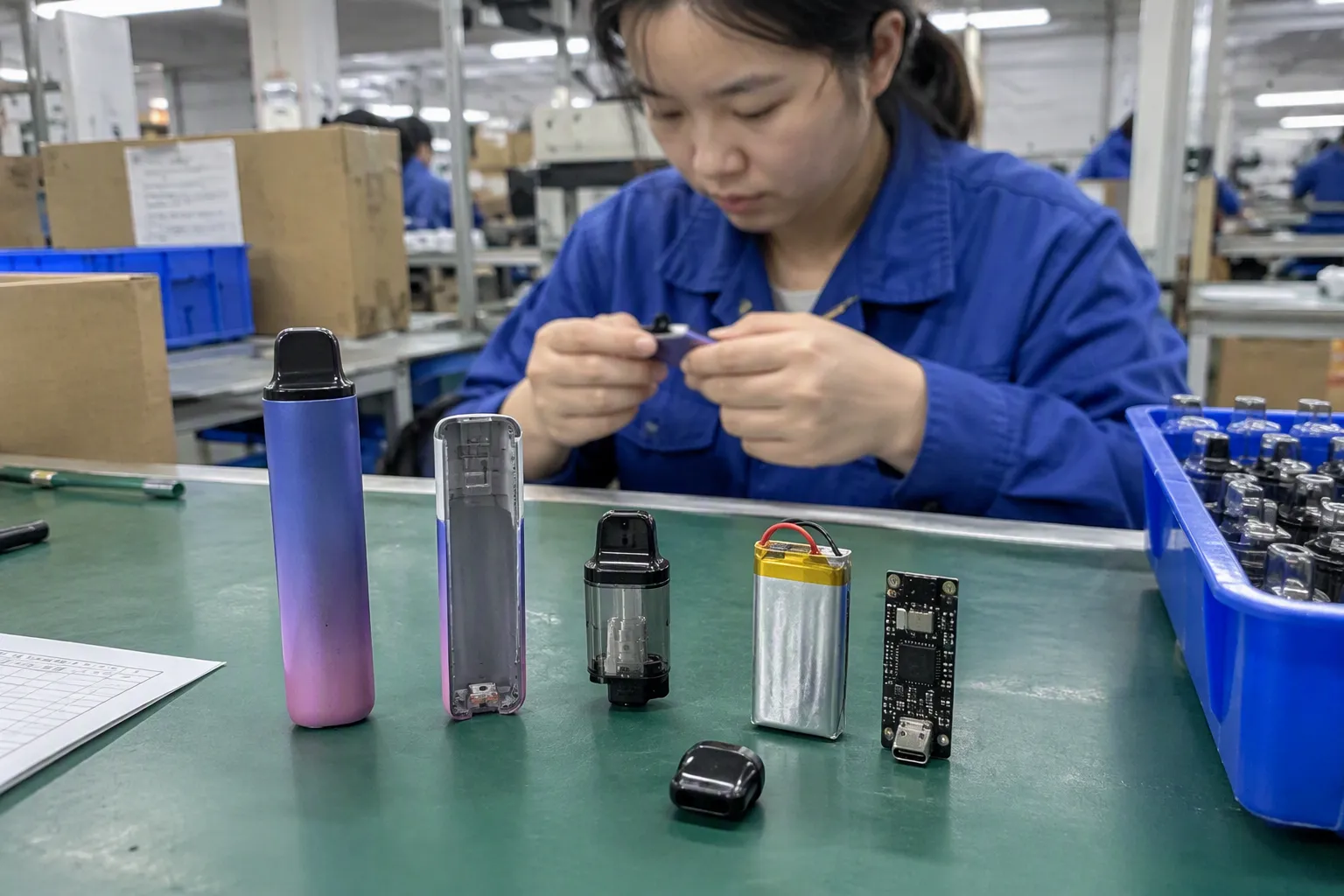
I work with different types of B2B buyers, so I do not present one purchasing route as universal. The right path depends on sales volume, available working capital, warehouse capacity, market rules, and the buyer’s tolerance for replenishment risk.
Smaller European Buyers
A small or medium-sized European buyer may value:
- Low minimum order quantities.
- Fast dispatch from available European inventory.
- Less capital tied up before sell-through.
- Shorter delivery planning.
- A simple route for repeat orders.
- One supplier for device and pod after-sales communication.
Our European warehouse network includes locations in Germany, Austria, Poland, and Belgium. Where suitable stock is available and the destination and product requirements allow it, buyers may be able to use delivery services such as DHL, DPD, UPS, or FedEx. The stated delivery target for some European warehouse shipments is commonly 1–5 working days, but buyers should confirm current stock, destination, product eligibility, and carrier conditions for each order.
A lower MOQ can help a buyer test demand without making a large upfront commitment. It does not eliminate the need to verify pod availability or local compliance.
Larger Importers, Wholesalers, and Distributors
A larger buyer may prefer direct importation from China because bulk purchasing can support stronger unit economics and more planning control[8]. That buyer may evaluate:
- Factory production capacity.
- Bulk pricing at realistic order quantities.
- Pod replenishment schedules.
- OEM and ODM capability.
- Private-label packaging and product coordination.
- Quality-control communication.
- Shipping and customs planning.
- Long-term after-sales responsibility.
Shenzhen Kingfuji Tech. Co., Ltd. operates as a trade-and-manufacturing business. I work with a 5,000-square-meter factory, an experienced OEM/ODM team, and a production capacity stated at up to 5 million pieces per month. I present these figures as business information for buyers to verify during their own supplier evaluation. Actual capacity, product allocation, specifications, and delivery timing depend on the product and order plan.
This route may suit importers and distributors that already understand their market, can plan inventory, and want to develop a branded product. It also creates more responsibility for documentation, freight, customs, warehousing, and country-specific requirements.
A Comparison for Procurement Planning
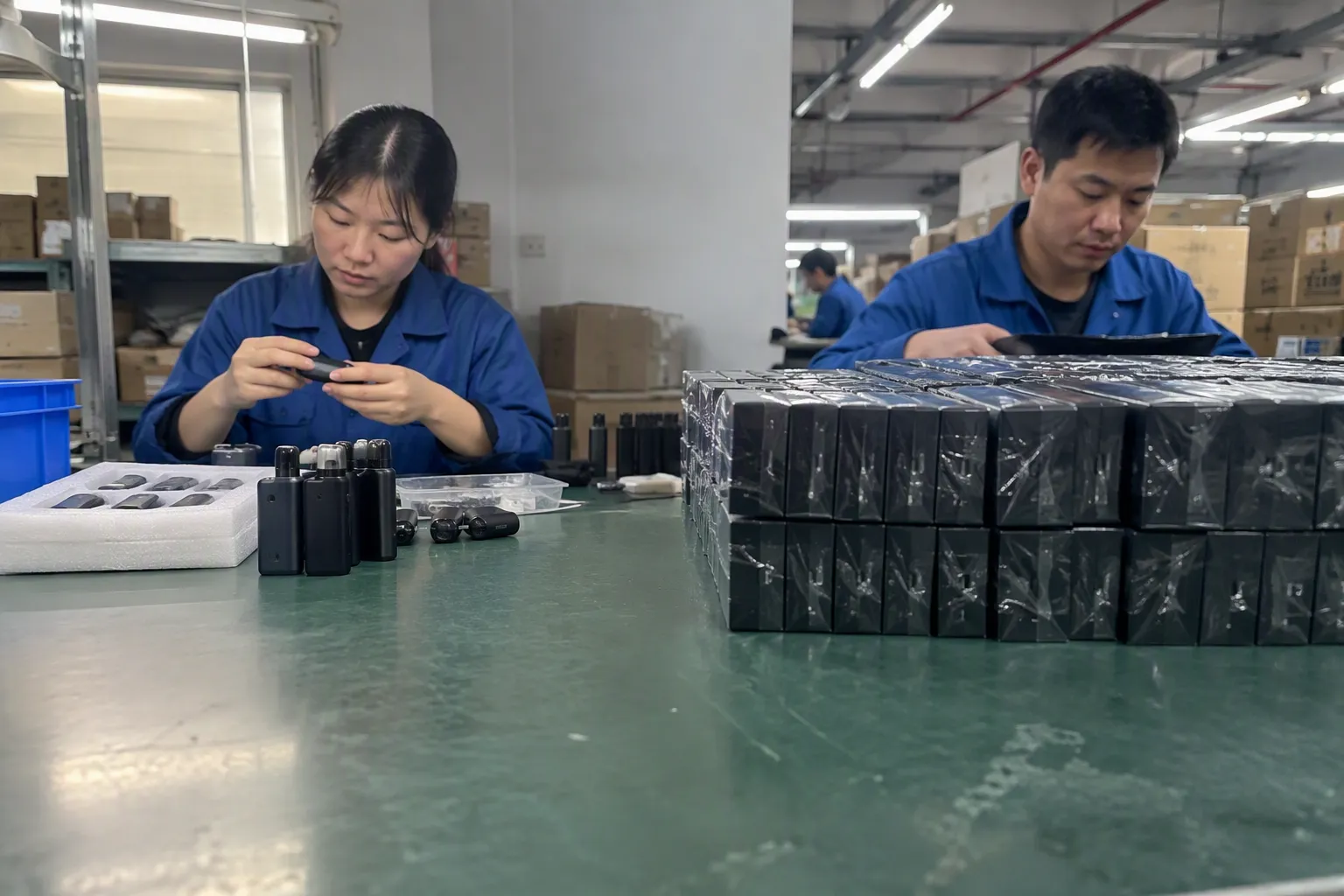
| Buyer situation | Possible priority | Supply path to evaluate |
|---|---|---|
| Small retailer or regional reseller | Low MOQ and fast dispatch | Available European inventory, subject to confirmation |
| Medium wholesaler | Replenishment speed and manageable cash flow | Warehouse stock plus planned repeat orders |
| Large importer | Bulk economics and production planning | Direct China import with scheduled replenishment |
| Private-label buyer | Brand control and continuity | OEM/ODM program with device-and-pod planning |
| Multi-category distributor | Fewer supplier contacts | Coordinated one-stop sourcing and after-sales |
I encourage every buyer to compare the total cost, not only the factory unit price. Freight, customs, storage, financing time, defect handling, replacement arrangements, and lost sales can all affect the real procurement result.
How Should Buyers Test Continuity Before a Large Order?
A controlled launch can help a buyer learn about demand without assuming that early attention will continue. I suggest agreeing on a simple test and replenishment process.
The buyer can define:
- A starting quantity for devices.
- A related quantity of replacement pods.
- The expected sales channels.
- A target period for reviewing sell-through.
- The reorder trigger.
- The information required for the next shipment.
- The procedure for reporting quality or compatibility concerns.
The buyer should avoid ordering devices without considering the related pod ratio. The correct ratio depends on the product, customer behavior, market, and sales data, so I do not recommend one universal number. The important point is that the buyer should plan consumables before the first device reaches the channel.
The buyer should also clarify whether replacement pods are interchangeable across production batches. Compatibility should never be assumed only because the product name looks similar. The buyer should check the applicable model reference, packaging, physical fit, and any available supplier documentation. A qualified technical professional can provide further evaluation when the application requires it.
How Can One Supplier Reduce Procurement Work?
A buyer that sources multiple brands and categories may spend significant time comparing quotations, coordinating shipments, and handling separate after-sales channels. I provide a one-stop sourcing model for electronic cigarettes, disposable vapes, atomizers, 510 batteries, CBD batteries, vaporizers, grinders, glass pipes, and related products, subject to legal and market requirements.
The buyer’s benefit is not simply convenience. One coordinated supplier can reduce the number of conversations needed for:
- Product selection.
- Replacement-pod planning.
- Order consolidation.
- Shipping coordination.
- Product information.
- Defect reporting.
- After-sales follow-up.
I also work with brand products through authorized agency relationships and can help buyers look for products that are not already in a catalogue. When a suitable market product does not exist, I can discuss new-product development and mold development when the buyer’s conditions support that project.
This service still requires buyer due diligence. A one-stop supplier should not replace product testing, document verification, market research, or professional compliance review. It should make the coordination process clearer and more manageable.
What Should Happen When Quality or Compatibility Problems Appear?
A continuity plan is incomplete if it discusses availability but ignores problems. Even a carefully managed product can require investigation when a buyer reports a defect, packaging issue, or compatibility concern.
I recommend that buyers confirm the after-sales process before ordering. They should ask:
- Who receives the complaint?
- What evidence should the buyer provide?
- How will the batch be identified?
- How quickly will the supplier respond?
- Will the supplier investigate the reported issue?
- What remedy is available under the agreed order terms?
- How will affected inventory be separated or handled?
At Kingfuji, products purchased through us are handled through our after-sales channel rather than forcing the buyer to contact several separate factories. Our business policy also includes support for certain delivery and defective-goods situations, including possible compensation arrangements, but the exact terms should be confirmed in writing for each order.
I do not advise buyers to rely on a verbal promise. Written commercial terms, inspection records, product references, and clear communication provide a stronger basis for resolving problems.
Frequently Asked Questions
What does replacement-pod supply continuity mean?
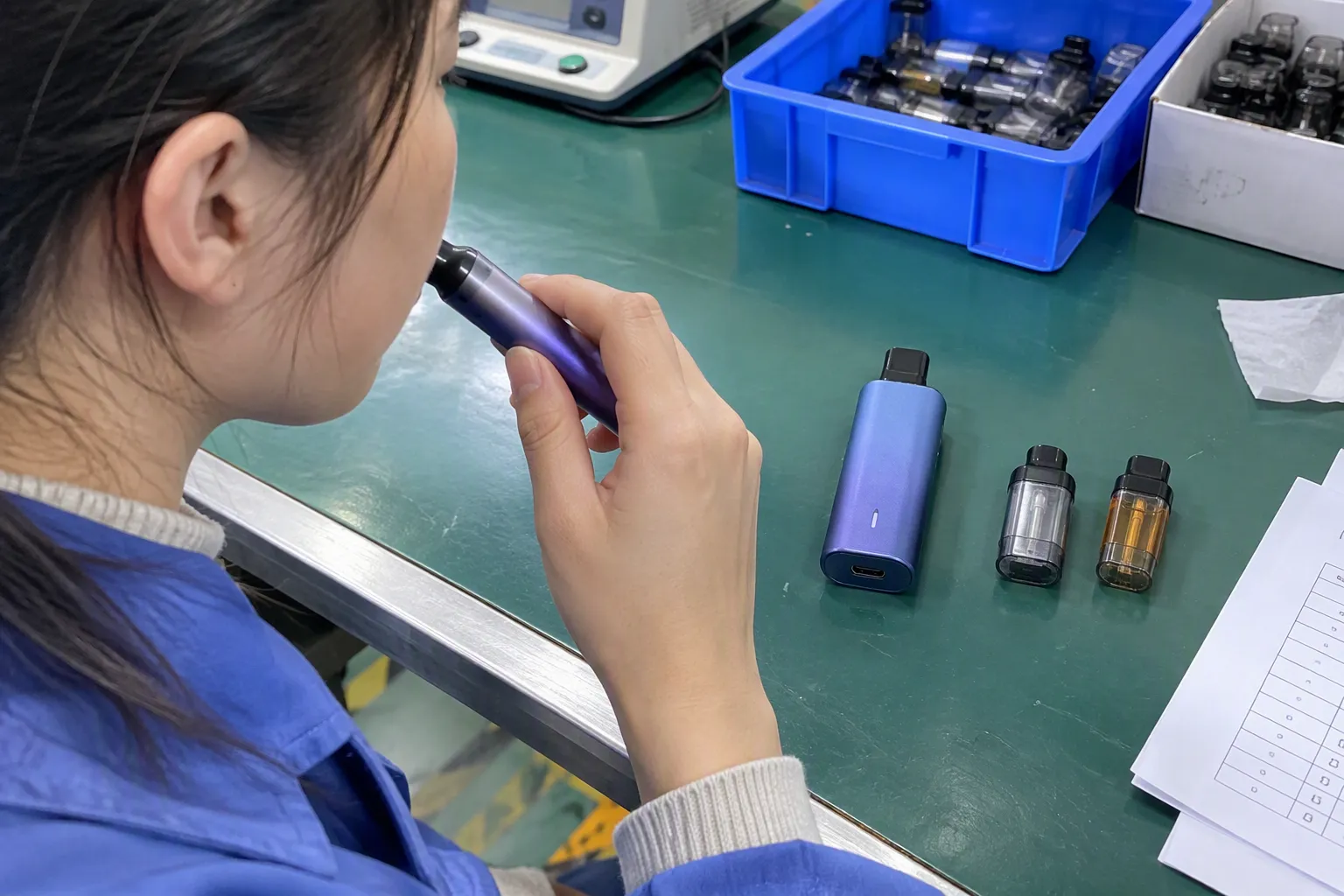
Replacement-pod supply continuity means the buyer has a realistic process for obtaining compatible pods after the initial device shipment. It includes stock planning, production arrangements, lead-time guidance, compatibility control, ordering procedures, and after-sales communication. It does not mean that supply is automatically permanent or risk-free.
Should I order replacement pods with the first device shipment?
In many cases, buyers should evaluate ordering devices and replacement pods together. The right quantity depends on the product, customer demand, channel, market, and available capital. A buyer should avoid assuming that pods can always be obtained later at the same price or lead time without confirming the supplier’s plan.
Is a low first-order price a good reason to choose a new device?
A low first-order price can support a controlled test, but it should not decide the purchase by itself. The buyer should also assess pod cost, replenishment timing, shipping, quality support, documentation, expected sell-through, and the financial effect of unsold or unsupported device inventory.
Which buyers may benefit from European warehouse stock?
European warehouse stock may suit smaller and medium-sized buyers that prioritize lower MOQ, faster dispatch, and less capital tied up in a long international shipment[7]. Buyers should confirm current stock, destination, product eligibility, delivery terms, and local requirements before ordering.
Can larger buyers request OEM or ODM replacement pods?
Larger importers and distributors may discuss OEM or ODM device-and-pod programs when their volumes, specifications, branding, and market requirements support the project. I recommend defining compatibility, packaging, quality procedures, production timing, and documentation at the beginning rather than treating pods as an afterthought.
Conclusion
Replacement-pod supply continuity deserves more attention than launch excitement because it supports the repeat-purchase cycle, channel relationships, cash-flow turnover, and customer confidence. I encourage buyers to evaluate the device and its consumables as one commercial system. Small European buyers can explore low-MOQ warehouse options, while larger importers can assess direct China supply, bulk planning, and OEM/ODM development. Contact Kingfuji at info@kingvapecig.com or +86 13928420527 to discuss a device-and-pod sourcing plan that fits your market, scale, and verification requirements.
Sources
- Examining e-cigarette purchases and cessation in a consumer ...", Studies of consumable-product markets associate continued availability of compatible refills with opportunities for repeat purchasing after the initial product sale
- Stock running low? Study shows consumers want to know", Research on retail stockouts finds that unavailable products can result in postponed purchases, substitutions, and lost sales, supporting the proposed risk for compatible replacement consumables
- [PDF] The Aggregate Effects of Global and Local Supply Chain Disruptions", Supply-chain finance research explains that inventory held longer than planned ties up working capital and can delay cash conversion, providing a basis for the stated cash-flow risk
- Metrological Traceability: Frequently Asked Questions and NIST Policy", Quality-management research treats configuration control, traceability, and verification testing as mechanisms for maintaining consistent component compatibility across production batches
- A practical approach to replenishment optimization with ... - PMC", New-product operations research distinguishes early demand observations from evidence of stable replenishment capability, so initial sell-through alone does not establish long-term supply performance
- Supply chain resilience: A review from the inventory ... - PMC", Research on staged investment under demand uncertainty supports using limited initial commitments to obtain information before making larger irreversible inventory decisions
- Working capital management, financial constraints and exports", Logistics research indicates that geographically closer inventory can reduce transport lead times and the period during which goods and funds remain in transit
- The effects of quantity discounts on supply chain performance", Procurement literature identifies volume-related purchasing efficiencies and advance production planning as potential sources of lower unit costs and greater supply coordination