
Quick Answer
Vape Shipment Seizures 2026 can disrupt an importer’s cash flow, customer commitments, and inventory plan when product information or shipping documents raise questions. I do not believe any supplier, courier, or forwarder can promise zero enforcement risk. I believe importers reduce avoidable problems by checking the product, intended use, labels, packaging, and customs information for consistency before the shipment leaves China.
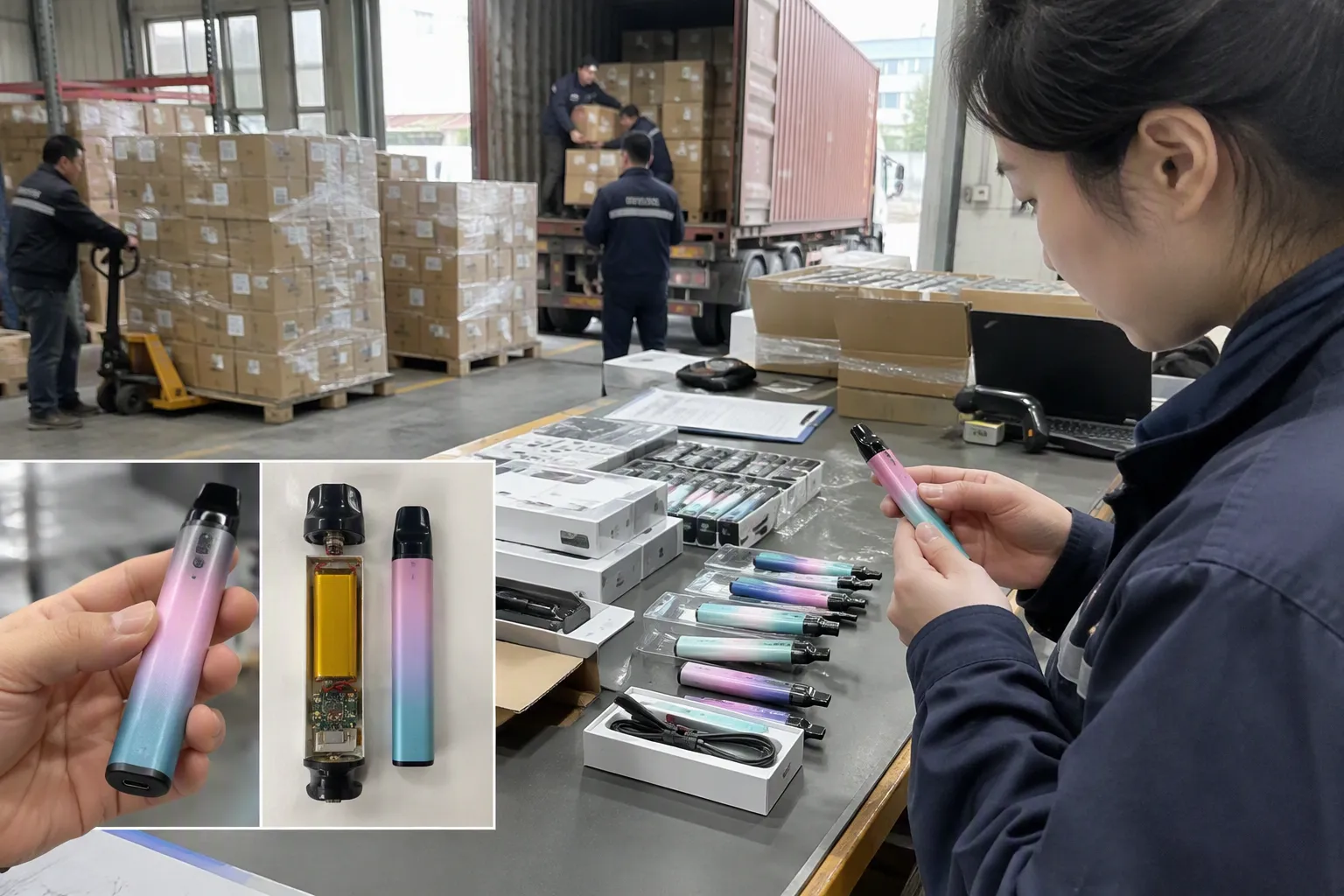
A shipment that cleared once may not receive the same treatment later. Product details, documents, enforcement priorities, and applicable requirements can change.[1] I recommend that buyers treat import preparation as a product and documentation review, not as a search for a “guaranteed” shipping route. This approach helps small buyers control risk and helps larger importers review bulk and OEM/ODM orders more carefully.
Vape Shipment Seizures 2026: How Can Importers Reduce Import Detention Risk
Many importers first ask me which courier or forwarder is most likely to clear a vape shipment. I understand the question because detention can leave inventory stuck while wholesale customers wait. However, the more useful question is whether the product is accurately represented and properly documented for the intended U.S. market.
Importers can reduce avoidable detention risk by reviewing product legality, intended use, contents, packaging claims, labels, commercial invoices, and customs descriptions before dispatch.[2] The information should be accurate and consistent across the product and every document.[3] Buyers should also verify current CBP and FDA requirements through official sources or qualified U.S. professionals, because no supplier, carrier, warehouse, or previous successful shipment can guarantee clearance.
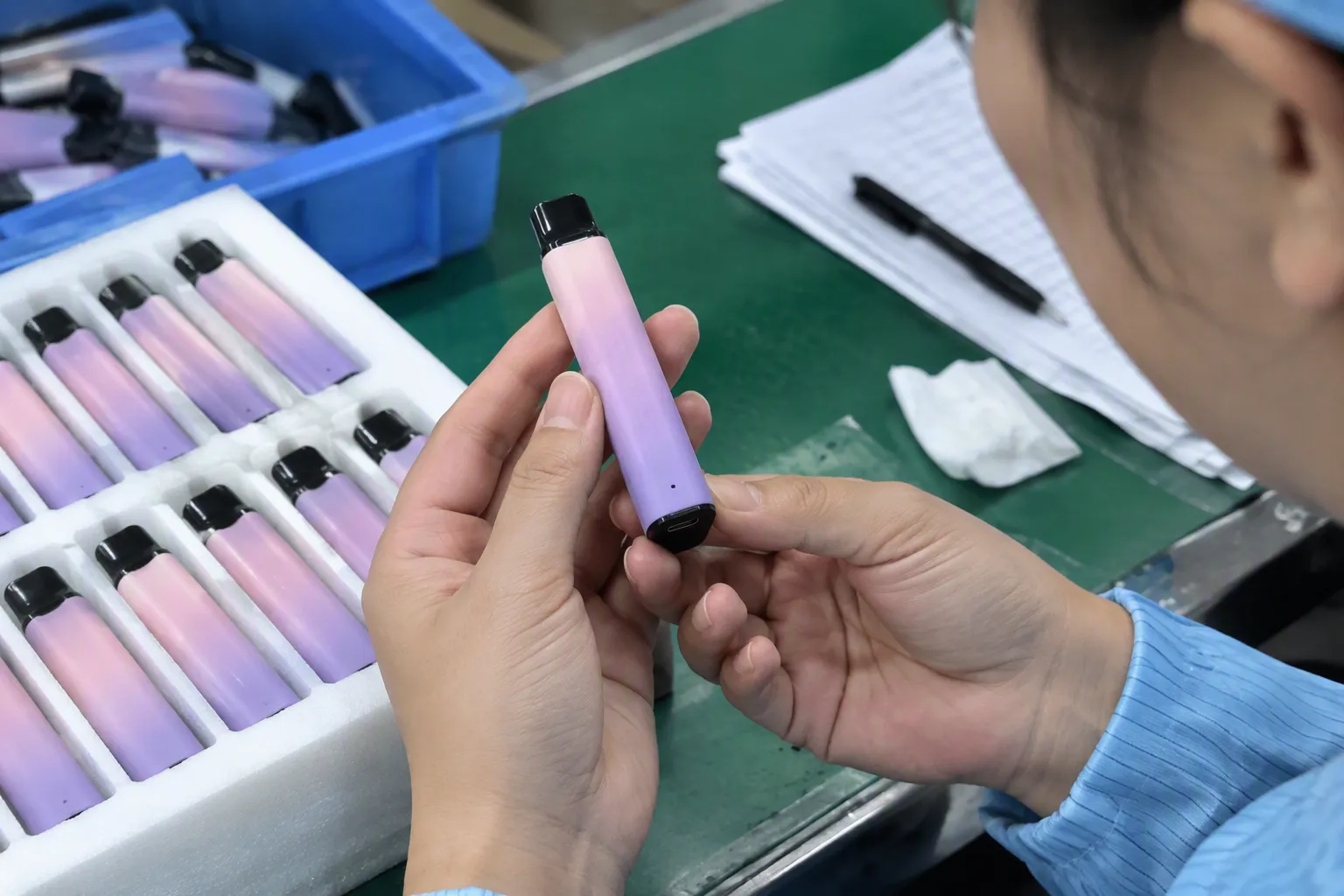
I have worked around China-based vape manufacturing, product sourcing, packaging coordination, and international shipping arrangements for many years. In that work, I have seen how small information differences can create larger questions. A product name may differ between a quotation and an invoice. Packaging may show a claim that the buyer did not expect. A product may be described generally in one document and specifically in another.[8]
These issues do not automatically mean that a shipment violates U.S. requirements. They do mean that the importer should stop and review the information before shipping. I am a supplier and supply-chain operator, not CBP or FDA counsel. I do not present my operational experience as a legal opinion, certification, or guarantee.
What Does “Import Detention” Mean for a Vape Buyer?
Import detention can prevent an importer from receiving or selling inventory while the shipment is being reviewed. The exact process and consequences depend on the shipment, the authorities involved, the product, the documentation, and the applicable rules at that time.[4]
From a business perspective, I ask buyers to consider more than the value of the cartons. A delayed shipment can affect:
- Cash flow, because money is tied up in inventory that cannot be sold.
- Stock availability, especially when the buyer has promised products to local shops.
- Customer relationships, because wholesale customers may move to another supplier.
- Replenishment timing, when the importer cannot confidently place the next order.
- Storage and handling costs, depending on the situation.
- Product launch timing, particularly for trend-sensitive or seasonal items.
- OEM/ODM commitments, when branded packaging has already been printed or promoted.
A smaller importer may feel these effects more severely because one delayed shipment can represent a large share of available working capital.[5] A larger importer may have more resources, but it may also have more warehouses, more retail customers, and larger contractual commitments.
I therefore encourage buyers to calculate detention exposure before they place an order. The calculation does not predict enforcement. It shows how much disruption the business can absorb.
| Business question | Why I recommend asking it |
|---|---|
| How much cash will be tied up in the shipment? | It shows the possible working-capital impact. |
| How many weeks of stock remain locally? | It identifies the risk of a stockout. |
| Which products are most important to key customers? | It helps prioritize document and product review. |
| Is the order a standard product or an OEM/ODM product? | Custom packaging can increase review complexity. |
| Has the buyer checked current U.S. requirements? | Previous imports are not a substitute for current verification. |
| Does the buyer have a backup supply plan? | It can reduce pressure when a shipment is delayed. |
Why Should Product and Document Information Match?
I focus on consistency because it is one of the practical checks that a supplier and buyer can complete before dispatch. The product, package, purchase order, commercial invoice, packing list, and customs description should describe the same transaction in a clear and accurate way.
Depending on the product, the buyer may need to review information such as:
- Product type and model.
- Whether the item is disposable, reusable, refillable, or another configuration.
- Intended use.
- Contents or ingredients, where applicable.
- Battery or electrical information, where applicable.
- Brand and private-label information.
- Quantity and unit of measure.
- Country of origin.
- Packaging and label claims.
- Commercial value.
- Importer and consignee information.
- Customs classification and description, as reviewed by the importer or its qualified adviser.
I do not recommend using a vague description simply because it appears easier. I also do not recommend changing the description to avoid attention. The description should be truthful and sufficiently clear for the actual goods. The importer remains responsible for verifying what it declares[7] and for obtaining professional advice when the classification or regulatory status is uncertain.
At Kingfuji, I ask my team to compare the final product information with the shipping information before dispatch. If the buyer’s approved artwork, product specification, invoice, and packing list do not appear to describe the same product, I prefer to pause and ask questions. That pause may be inconvenient, but correcting information before shipment is usually more practical than trying to explain a mismatch after a shipment is already under review.
Why Is Previous Customs Clearance Limited Evidence?
A previous successful import can tell me that one earlier shipment entered the country. It cannot prove that every future shipment will be treated in the same way.
The later shipment may differ in:
- Product configuration, even if the exterior looks similar.
- Contents or ingredients, where applicable.
- Branding or packaging claims.
- Declared value, quantity, or description.
- Importer, consignee, or entry information.
- Manufacturing source or production batch.
- Applicable requirements or official priorities.
- Documentation quality.
- The importing port or logistics process.
I have spoken with buyers who assumed that a product was safe to reorder because an earlier shipment arrived without difficulty. I understand why they make that assumption. They need fast-moving inventory, and a successful delivery feels like confirmation. I still explain that it is only limited evidence.
The buyer should use a past shipment as a reference point, not as a legal conclusion.[6] The buyer should ask: “What exactly was imported before, and is the new shipment materially identical?” If the packaging, contents, claims, brand, quantity, or documents changed, the earlier result becomes less useful.
This is particularly important for private-label and OEM/ODM orders. A standard factory product may use one package, while the buyer’s branded version uses different wording, claims, instructions, or symbols. The buyer should review the final artwork and documentation before mass production. A sample approval should include the information printed on the package, not only the physical appearance of the device.
How Should Small and Large Importers Approach Risk Differently?
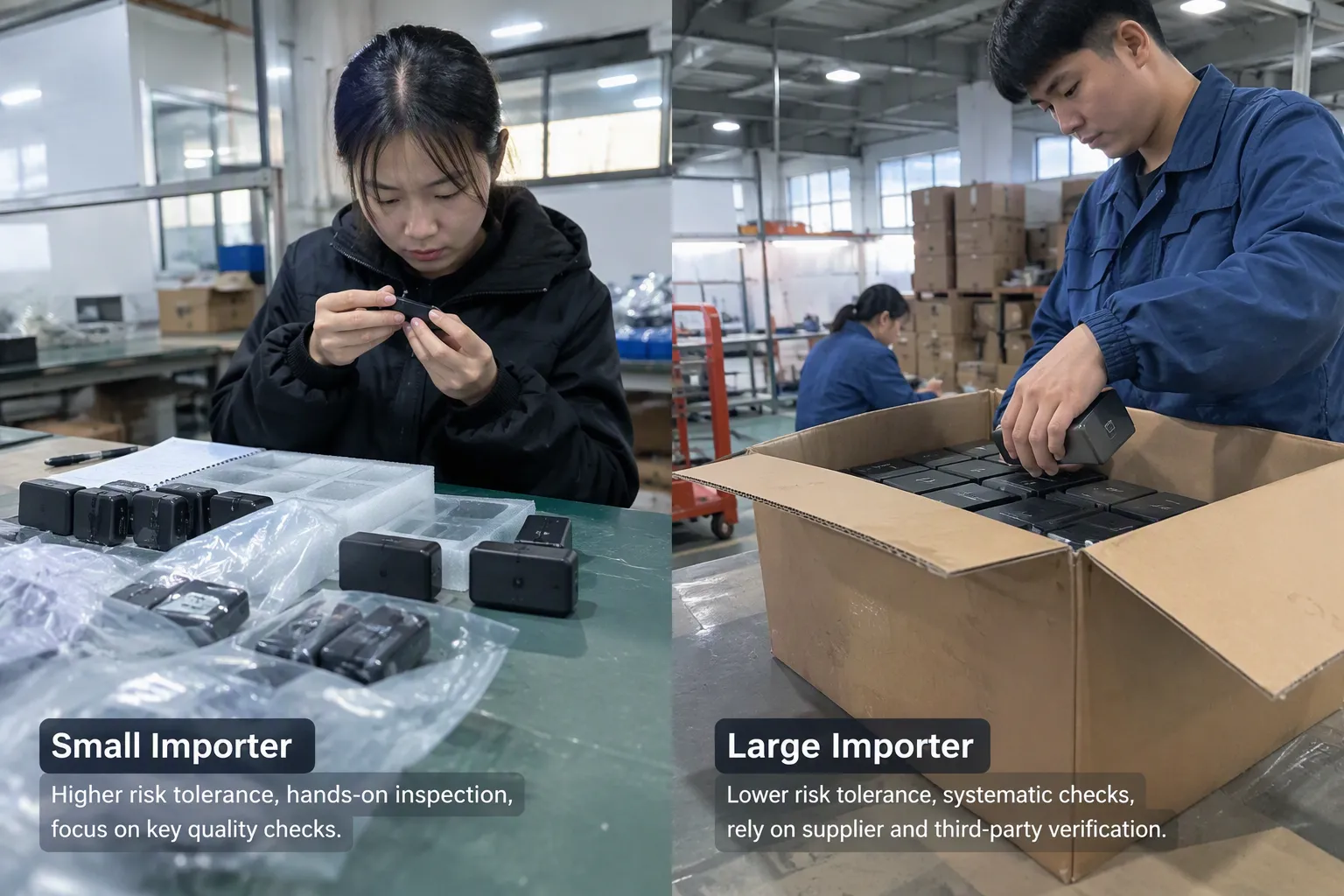
I do not believe every buyer needs the same purchasing model. A small vape shop supplier, a regional wholesaler, and a national distributor may have different cash-flow needs and different tolerance for delay.
For small and mid-sized buyers, I often recommend a staged purchasing approach:
- Start with a manageable quantity.
- Review the product and documents before dispatch.
- Avoid committing all available cash to one shipment.
- Keep records of the exact model, packaging, and supplier documents.
- Consider compliant local or overseas inventory when it fits the business plan.
- Confirm that low minimum order quantities do not remove the need for regulatory review.
Our European warehouse model can help eligible customers reduce some logistics pressure within Europe, where available stock may support smaller orders and faster delivery. However, I do not describe an overseas warehouse as a way to eliminate U.S. compliance risk. A warehouse location does not change the buyer’s responsibility to understand the destination market. For U.S.-bound goods, the importer should still verify current U.S. requirements and the actual supply route.
For larger importers, the review should normally be deeper before bulk orders or custom production. I would expect the buyer to examine:
- Product specifications.
- Final packaging and label artwork.
- Contents or ingredient information where relevant.
- Intended use and marketing language.
- Commercial and shipping documents.
- Supplier identity and production responsibility.
- Quality-control records.
- Product samples from the intended production version.
- Importer-of-record arrangements.
- Advice from a qualified U.S. customs or regulatory professional.
Large buyers may also benefit from documenting an internal approval process. One person can approve the commercial price, another can review product information, and a qualified adviser can address legal or regulatory questions. This separation reduces the chance that sales urgency will replace compliance review.
What Can a Supplier Check Before Dispatch?
A supplier cannot transfer the importer’s legal responsibilities to itself. However, a responsible supplier can help the buyer obtain accurate information and identify inconsistencies before dispatch.
My pre-dispatch review normally focuses on the relationship between the approved order and the physical shipment. I can check whether:
- The model on the purchase order matches the production model.
- The quantity on the packing list matches the cartons.
- The invoice describes the actual products and transaction.
- The packaging version matches the buyer’s approved artwork.
- The shipping documents use consistent product names.
- The buyer has identified the importer and delivery information correctly.
- Any requested changes have been recorded rather than handled informally.
- The shipment contains the agreed products rather than unapproved substitutions.
I also recommend that buyers request clear supporting information from the supplier. The buyer should not accept a document merely because it looks official. The buyer should understand what the document covers, who issued it, when it was issued, and whether it applies to the exact product and market.
A buyer may use this simple supplier questionnaire:
| Review question | What the buyer should confirm |
|---|---|
| What exact product will ship? | Model, configuration, quantity, and approved sample. |
| What will the package say? | Final artwork and product claims. |
| What does the invoice say? | Accurate commercial description and value. |
| What does the packing list say? | Carton count, product count, and weights. |
| Are there contents or ingredient issues? | Obtain product-specific professional review where needed. |
| Who is responsible for U.S. import decisions? | Identify the importer and qualified advisers. |
| Has anything changed from the sample? | Record all changes before mass production. |
| What happens if the shipment is delayed? | Agree on communication and commercial procedures. |
I can provide operational cooperation, product details, photos, videos, samples, and shipping documents within the scope of our business. I cannot promise that a U.S. authority will release a shipment, and I do not want buyers to make a purchasing decision based on such a promise.
How Do Quality Control and Import Risk Connect?
Product quality and import compliance are different subjects, but they affect each other commercially. A well-controlled manufacturing process can make product information more reliable. Poor change control can create differences between the approved sample, the production goods, the packaging, and the documents.
At our Shenzhen facility, Kingfuji operates as a factory and trading company with its own product development and supply-chain capabilities. The company was established in 2011, and our own factory covers approximately 5,000 square meters. Our stated maximum production capacity is up to 5 million units per month. We also maintain OEM/ODM experience and introduce approximately 5–10 new products per month.
These business facts explain the resources that I can bring to a buyer. They do not prove that a particular product is legally acceptable in the United States. They also do not replace independent testing, certification review, customs advice, or product-specific regulatory evaluation.
For procurement purposes, I suggest that buyers connect quality control with document control:
-
Approve a defined sample.
The buyer should record the model, appearance, functions, package, and labeling version. -
Control production changes.
The supplier should notify the buyer when materials, components, contents, packaging, or manufacturing arrangements change. -
Inspect the production order.
The inspection should compare the finished products with the approved sample and order specification. -
Check carton and document quantities.
The physical shipment should match the packing list and invoice. -
Archive the shipment record.
The buyer should retain the purchase order, artwork, sample information, inspection records, invoice, packing list, and shipping details.
This process helps the buyer identify avoidable errors. It does not guarantee a customs outcome.
Is an Overseas Warehouse a Complete Solution?
An overseas warehouse can solve some delivery and inventory problems, but I do not present it as a complete solution to U.S. import detention.
Our company has overseas warehouse operations in Europe, including locations in Germany, Austria, Poland, and Belgium. We use delivery services such as DHL, DPD, UPS, and FedEx for eligible European shipments, and our stated delivery range for available EU stock is commonly 1–5 working days. Some products may be available with minimum orders of about 50 units. These arrangements can help suitable small and mid-sized European buyers reduce waiting time, lower initial inventory exposure, and avoid placing every order directly from China.
The commercial lesson is that inventory location can change delivery speed and cash-flow timing. It does not automatically answer whether a product is suitable for a particular destination market. It does not convert an unverified product into a compliant product. It does not remove the need for accurate records.
For U.S. buyers, I would first clarify:
- Where the goods are physically located.
- Who imported them into that location.
- What documents support the inventory.
- Whether the products are intended for the U.S. market.
- Whether the buyer is making a new importation.
- Which party is responsible for the transaction.
- Whether the product, packaging, and claims match the buyer’s intended sale.
A warehouse can be useful as part of a broader supply plan. It should not be used to disguise the origin, nature, or destination of goods. I will not recommend rerouting, relabeling, undervaluing, or describing products inaccurately to avoid inspection.
What Should a Buyer Do When a Shipment Is Detained?
A buyer should respond carefully and use qualified help. The buyer should not ask the supplier to alter documents after the fact or create a description that does not match the goods.
I recommend the following steps:
-
Identify the exact status.
The buyer should obtain the notice, entry information, tracking information, or other official communication available to the importer. -
Ask the customs broker or qualified adviser to explain the issue.
The buyer should avoid relying only on informal messages from a supplier or courier. -
Collect the complete shipment file.
This file may include the purchase order, invoice, packing list, product specifications, package artwork, photos, and communication records. -
Compare the documents with the physical goods.
The buyer should identify any differences instead of assuming that the paperwork is correct. -
Respond truthfully and consistently.
The buyer should provide accurate information through the proper channel. -
Review future orders.
If an inconsistency caused confusion, the buyer should correct the process before placing the next shipment.
I can help confirm the products that left our facility and provide available commercial records. I cannot control the decision of CBP, FDA, a carrier, a customs broker, or another authority. The importer should obtain product-specific legal or regulatory advice when the consequences are significant.
Frequently Asked Questions
Can a supplier guarantee that my vape shipment will clear U.S. customs?
No. I do not believe any supplier, courier, forwarder, or warehouse can guarantee clearance or promise that a shipment will never be inspected, detained, or seized. Buyers should verify current requirements through official sources and qualified U.S. customs or regulatory professionals.
Does a previous successful shipment prove that my next shipment is safe?
No. A previous shipment is limited evidence. The new order may have different packaging, contents, claims, quantity, documents, importer details, or production specifications. The buyer should compare the exact new shipment with the previous one and complete a current review.
What documents should I review before ordering vapes from China?
I recommend reviewing the purchase order, product specifications, approved packaging artwork, commercial invoice, packing list, shipping information, and any relevant product or contents documentation. The buyer should confirm that the documents describe the actual goods accurately and should obtain professional advice for product-specific questions.
Can an overseas warehouse eliminate U.S. import detention risk?
No. An overseas warehouse may improve delivery speed or reduce minimum order pressure for eligible buyers, but it does not eliminate destination-market responsibilities. The buyer should understand where the goods came from, how they entered the warehouse, and whether the products and documents support the intended U.S. transaction.
Should I choose a courier based on its customs clearance history?
A courier’s past performance may be one commercial consideration, but it should not replace product and document review. No courier can remove the importer’s responsibility for accurate information or guarantee how an authority will assess a particular shipment.
Conclusion
Vape Shipment Seizures 2026 are not a problem that I would try to solve with a secret courier, a guaranteed supplier, or an alternative description. I believe the practical approach is to review the product, intended use, packaging, claims, contents where applicable, and import documents before dispatch. Smaller buyers can consider staged orders and suitable local or overseas inventory, while larger importers should complete deeper reviews before bulk or OEM/ODM production. I invite U.S. importers, wholesalers, vape shops, smoke-shop suppliers, convenience-store distributors, and gas-station wholesalers to contact Kingfuji for product information, samples, OEM/ODM discussion, and coordinated pre-shipment documentation review. Email info@kingvapecig.com or contact King at +86 13928420527.
Sources
- White House issues new executive order to strengthen customs ...", U.S. Customs and Border Protection and the U.S. Food and Drug Administration periodically revise import guidance, regulatory requirements, and enforcement priorities, so an earlier clearance outcome does not establish the rules applicable to a later shipment
- Reasonable Care - U.S. Customs and Border Protection", CBP’s reasonable-care guidance and FDA import requirements support reviewing the goods and accompanying declarations before entry because accurate product and transaction information is part of an importer’s compliance responsibilities
- Reasonable Care - U.S. Customs and Border Protection", CBP guidance requires importers to provide complete and accurate information about imported merchandise, which supports checking that product descriptions and transaction documents correspond to the goods presented for entry
- Cargo Examination | U.S. Customs and Border Protection", CBP and FDA materials distinguish shipment examination, detention, admissibility review, and refusal according to the agency involved and the facts of the entry, supporting the article’s description of detention outcomes as case-specific
- Short-term financial constraints and SMEs' investment decision", Small-business finance research generally finds that smaller firms have fewer liquidity buffers and greater dependence on working capital, providing contextual support for the possibility that a delayed shipment may impose a proportionally larger burden
- HQ H272798 - CROSS Ruling - U.S. Customs and Border Protection", CBP and FDA import guidance treat admissibility as dependent on the goods, entry, documentation, and requirements applicable at the time of importation, so a prior release is not a legal determination for a different shipment
- Tips for New Importers and Exporters", Under U.S. customs law and CBP’s reasonable-care guidance, the importer of record remains responsible for exercising reasonable care and ensuring that entry information is accurate, even when a customs broker assists with filing
- [PDF] Importing into the United States A Guide for Commercial Importers", CBP’s commercial-invoice and entry guidance calls for clear, sufficiently detailed descriptions of imported merchandise, supporting the view that materially different descriptions may require clarification during review