
Quick Answer
A vape distributor can lose time and create avoidable confusion when a supplier provides only a price list and a few basic product photos. That gap often reaches vape shops, smoke shops, convenience stores, and gas stations as repeated questions, wrong listings, or unclear product explanations[1]. I believe a complete product-ready information pack helps distributors prepare each SKU for resale more accurately.
A vape distributor should receive a clear product information pack that includes the exact SKU name, specifications, version differences, package contents, accessories, accurate product and packaging images, key selling points, and basic usage guidance. These materials should help downstream stores identify, list, explain, and sell the product without relying on guesses or repeated clarification from the distributor.

In my pre-sales communication with wholesalers, I regularly receive requests for product images, detailed specifications, selling points, packaging details, and simple usage explanations. These requests are not just administrative work. They often show whether a product can move smoothly from a supplier’s catalog into a distributor’s warehouse, sales team, and retail channels.
Why Should a Vape Distributor Not Judge a Supplier by Whether It Can Send a Price List?
A price list can look useful because it gives a buyer a quick view of products and costs. However, a vape distributor still faces a problem after the purchase decision: sales teams and retail customers need to know exactly what they are ordering, displaying, and explaining. Without complete information, a low price can create extra work.
A vape distributor should not evaluate a supplier only by the ability to send a price list because a price list does not show whether product information is complete, accurate, and ready for resale. A stronger supplier evaluation looks at whether the supplier can provide SKU-level data, variant clarity, packaging images, sales points, and basic product guidance that reduce avoidable questions downstream.

A product may be easy to quote but difficult to sell if the information around it is incomplete. This is especially relevant in vape and smoking-accessory distribution, where one product family can include multiple capacities, colors, resistance options, battery types, package formats, or market versions[2].
I have seen a recurring pattern in wholesaler communication. A buyer first asks for pricing. Then the buyer asks for the product name, specifications, images, package contents, and selling points. Later, the buyer may need the same information again because a store customer asks questions before placing an order.
The core question is not:
“Can the supplier send me files?”
The better question is:
“Can my sales team and downstream customers use these materials to list and explain the SKU correctly?”
That difference matters because a distributor is not simply buying cartons. The distributor is buying products that must be understood by warehouse staff, sales representatives, retail buyers, and sometimes end users.
A Price List Is a Starting Point, Not a Resale Pack
I do not treat a price list as a complete sales tool. It is useful for initial sourcing, product comparison, and budget planning. Still, it usually cannot answer the questions that appear during the actual sales process.
A basic price list may include:
- Product name
- Quantity
- Unit price
- Carton quantity
- Available colors or flavors
- Minimum order quantity
Those fields are useful, but they often do not show the full commercial reality of the SKU. For example, a product name may not explain whether the listed item includes a charging cable, a cartridge, a pod, a mouthpiece, a display box, or other accessories. It may not explain whether different versions use different packaging or whether a product photo shows optional items that are not included.
For a distributor, missing information can create several practical problems:
-
Sales teams may quote the wrong version.
A representative may assume that two similar-looking products have identical specifications when they do not. -
Retailers may create inaccurate listings.
A vape shop or smoke shop may use a generic image and write a description that does not match the supplied item. -
Warehouse teams may have trouble distinguishing variants.[3]
Similar colors, package designs, or model names can lead to picking mistakes if SKU identification is not clear. -
Customers may ask repeated questions before ordering.
Repeated clarification is not always avoidable, but better materials can reduce basic questions that should have been answered from the beginning[7]. -
After-sales communication may become harder.
If the original order record does not clearly identify the version, package, or accessories, it becomes more difficult to discuss a mismatch or product concern.
A price list does not need to do every job. However, a supplier should be able to support the buyer with materials that do the jobs a price list cannot do.
What Product Basics Should Be Included for Each SKU?
In my view, the first requirement for a usable distributor pack is not polished marketing language. It is reliable product basics. A sales team cannot confidently explain a product if the product identity itself is unclear.
For each SKU, I recommend asking for a structured information sheet or a clearly organized product file. The format can vary, but the content should be easy to check and reuse.
| Product information field | Why it matters to a distributor | Questions to verify |
|---|---|---|
| Exact product name | Prevents confusion between similar models | Does the name match the invoice and packaging? |
| SKU or model number | Helps ordering, warehousing, and issue tracking | Is each color or version separately identified? |
| Product category | Supports catalog organization | Is it a disposable vape, pod system, atomizer, 510 battery, grinder, or other item? |
| Key specifications | Helps stores describe the item correctly | Are the specifications specific to this version? |
| Variant differences | Prevents inaccurate substitution | What changes between colors, capacities, or editions? |
| Package contents | Avoids assumptions about included items | What is inside one retail box? |
| Included accessories | Helps staff answer basic questions | Are cables, pods, coils, or adapters included? |
| Packaging information | Supports display and inventory planning | What does the retail box look like? |
| Carton details | Supports purchasing and warehouse planning | What is the inner-box and master-carton quantity? |
| Basic usage context | Helps sales staff give a simple explanation | What should the store team understand before selling it? |
The most important point is consistency. The product name on the product sheet, image folder, quotation, proforma invoice, and carton mark should not create unnecessary ambiguity.
For example, a distributor should be able to distinguish between:
- A device and a replacement pod
- A standard version and a higher-capacity version
- A 510 battery with one feature set and another battery with a different feature set
- A retail unit and a display-box quantity
- A product package that includes accessories and one that does not
I recommend that buyers ask suppliers to clarify what is included, what is optional, and what is shown only for display purposes. This is a simple step, but it can prevent a retailer from expecting an item that is not actually supplied.
Why Do Product Images Need to Support Real Selling Tasks?
A product image is not only a visual decoration for a catalog. For a vape distributor, it is an operational tool. The right image set helps a sales representative identify a product, helps a retail buyer understand what is being purchased, and helps a store publish a more accurate listing.
White-background photos can be useful, especially for product catalogs and online listings. However, I do not think one front-facing image is enough for most SKUs. A buyer often needs to see the product from different practical angles.
A useful image set may include:
- A clear front image of the product
- A back or side image when relevant
- A packaging image
- A close-up of key labels or visible product details
- Color or variant images
- An image showing the package contents when appropriate
- A group image for multi-color ranges
- A display-box image if the item is sold in display format
- A size-reference image when dimensions affect merchandising or storage
The goal is not to create excessive files. The goal is to give downstream customers enough visual clarity to avoid basic misunderstandings.
Packaging Images Often Matter More Than Buyers Expect
In wholesale distribution, the retail package is often as important as the product itself[4]. A vape shop, gas station, or convenience store may display the boxed item rather than an open product. The buyer may also need to assess shelf appearance, label visibility, barcode placement, or the difference between individual packaging and a display box.
I recommend checking whether the packaging image matches the actual supplied version. Packaging can change over time. A supplier should identify when an image is illustrative, outdated, or connected to a different version.
A distributor should also ask practical questions:
- Does the image show the current package?
- Does the supplied color match the image?
- Is the package language suitable for the intended market?
- Are the retail box and display box both shown?
- Does the image include any accessories that are not included in the order?
- Is a visible feature shown accurately?
These checks are not a substitute for local regulatory review.[5] Each distributor must verify country, state, platform, advertising, packaging, labeling, and channel requirements before listing or selling a product. Supplier images can assist with sales preparation, but they do not automatically make a product compliant for every market.
Variant Clarity Is Essential for Wholesale Catalogs
Variant confusion is common when product families have similar names and nearly identical designs.[6] The issue can become more serious when a distributor sells through multiple channels, such as wholesale counters, online catalogs, field sales, and retail partners.
A practical image folder should use clear file names. For example, a folder structure can identify:
- Product model
- Color
- Capacity or specification
- Packaging version
- Retail or display format
- Date or version reference where relevant
I find that distributors benefit when product images and product data use the same naming system. If the quote says one name, the image file says another name, and the carton uses a third name, the sales process becomes more difficult than it needs to be.
What Sales Materials Help Downstream Stores Explain a Product?
A distributor’s customer may not have the time to read long technical documents. Many vape shops, smoke shops, convenience stores, and gas stations need short, clear information that their staff can understand quickly.
For that reason, the most useful sales materials are often practical rather than overly promotional. I recommend materials that explain what the product is, what comes with it, what makes the version different, and what staff should understand before answering basic customer questions.
A usable sales-material set can include:
| Sales material | Practical purpose |
|---|---|
| Short product description | Helps staff explain the product in plain language |
| Key selling-point list | Supports product comparison and sales conversations |
| Specification sheet | Gives buyers and staff a reference for factual details |
| Package-content list | Prevents incorrect assumptions |
| Variant guide | Helps distinguish colors, versions, and formats |
| Basic usage guide | Supports simple staff explanations |
| Product image folder | Supports wholesale catalogs and store listings |
| Packaging photos | Helps buyers confirm what will be displayed or received |
| Frequently asked questions | Reduces repeated basic clarification requests |
The material should be specific to the item. Generic phrases such as “premium quality,” “best design,” or “hot-selling product” may sound attractive, but they do not help a store employee explain what is actually in the box or how one version differs from another.
A better selling-point sheet uses clear, verifiable product information. Depending on the product category, it may explain:
- The product type
- The intended basic use context
- The visible design or format
- Available variants
- Key device or accessory characteristics
- Package format
- Compatibility information, if applicable and confirmed
- Basic handling or charging context, where relevant
I would avoid asking sales teams to make claims that are not supported by the product information or that may create regulatory issues in the target market. A distributor should also train staff to avoid making health, cessation, safety, or performance claims that they cannot support.
How Can a Distributor Evaluate Information Quality Before Ordering?
A buyer does not need to wait until after payment to evaluate whether a supplier’s materials are workable. I suggest reviewing the information pack during the sourcing stage, especially for new SKUs, new brands, private-label projects, or products that will be offered across several retail channels.
Here is a practical evaluation process I would use.
1. Choose One SKU and Test the Full Information Trail
Ask the supplier for one complete example rather than a large unorganized collection of files. Then check whether you can follow the product from quote to sale.
You should be able to answer:
- What is the exact SKU?
- What version is being quoted?
- What does the retail package look like?
- What is included in one unit?
- What variants are available?
- Which specifications apply to the quoted version?
- What does the outer carton contain?
- What basic information can your sales team give to a retail customer?
If basic answers are missing, the issue may become larger when you add dozens or hundreds of SKUs.
2. Check Whether the Files Match Each Other
A common source of friction is not a lack of files but a lack of consistency between files. I recommend comparing the quotation, product specification sheet, photos, packaging image, and order document.
Look for mismatches such as:
- A product image that shows a different package
- A listed accessory that is absent from the package-content list
- A name that changes between the quote and the catalog
- A specification that differs by version without clear labeling
- A color image that does not match the variant name
- A display quantity that differs from the ordering quantity
This review takes time, but it is usually easier to clarify before stock reaches a warehouse or is presented to retail buyers.
3. Ask Whether the Materials Can Be Updated
Product ranges change. Packaging changes. New colors appear. Older versions may be replaced. A supplier’s ability to send information once is less useful than the ability to clarify changes in a timely and organized way.[8]
For distributors, an important supplier-selection question is:
Can this supplier help us keep product information accurate as the SKU range changes?
I recommend asking how updates are communicated and whether revised images or specifications are clearly identified. This does not need to be complicated. A simple version date, updated file name, or revised SKU list can make future communication easier.
4. Consider Your Route to Market
The right information pack depends partly on how you sell.
A smaller wholesaler may purchase limited quantities and need files that can be quickly used for store outreach or a simple online catalog. A larger importer may need more structured carton information, SKU references, product photos, and sales documentation for a wider internal team.
At Shenzhen Kingfuji Tech. Co., Ltd., I work with buyers who have different purchasing models. Some customers use European warehouse stock for smaller orders and quicker replenishment where available. Other importers and distributors source larger quantities from China and may also explore OEM or ODM development when their requirements justify it. In both situations, I believe the information pack should match the buyer’s resale process, not merely the supplier’s internal file system.
What Should Be Verified Separately From Supplier Sales Materials?
Complete product materials are valuable, but they do not replace professional review, internal quality procedures, or local compliance checks. A vape distributor should separate commercial sales information from decisions that require market-specific verification.
Before importing, listing, advertising, or selling a product, buyers should verify applicable requirements for their own market. These requirements can vary by country, state, region, product category, sales channel, and customer type.
Areas that may require separate review include:
- Import requirements and customs documentation
- Product registration or notification requirements
- Packaging and labeling rules
- Warning statements and language requirements
- Battery transport and handling requirements
- Age-restricted product rules
- Advertising and promotional restrictions
- Online marketplace rules
- Retail-channel policies
- Claims used in sales descriptions
- Waste, recycling, or environmental obligations
I recommend that distributors consult qualified legal, regulatory, customs, and product professionals when a decision is specific to a particular market or application. A supplier can provide product documents and factual details, but the importer or local seller remains responsible for verifying what is required in the destination market.
The same principle applies to quality evaluation. Product data helps a buyer understand what is being offered, but it should not replace buyer inspection, sample review, incoming quality checks, or application-specific testing. A responsible procurement process combines clear information with appropriate verification.
Frequently Asked Questions
What is the most important product data for a vape distributor?
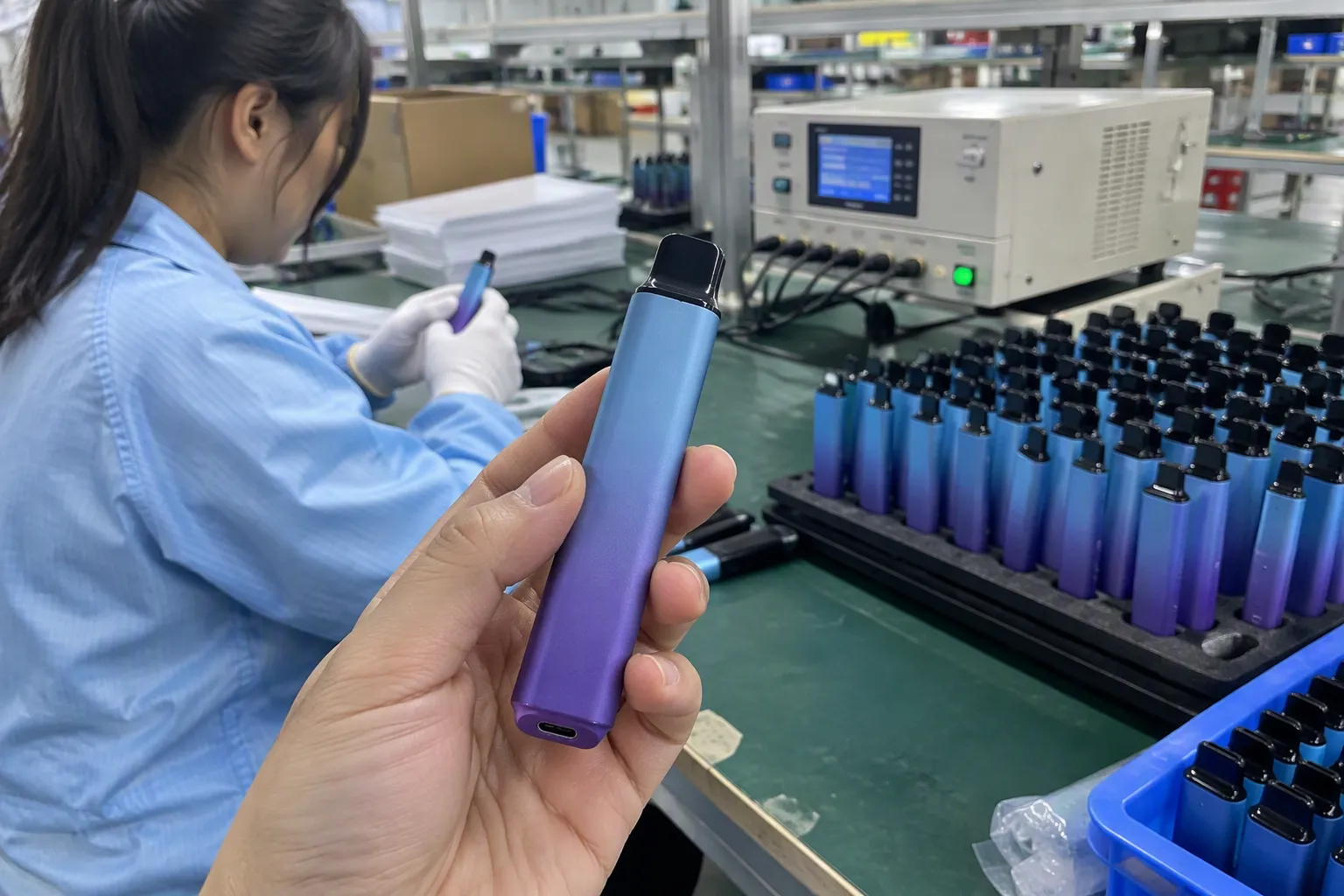
The most important product data includes the exact SKU name, model or version, specifications, variant differences, package contents, included accessories, and carton details. I recommend checking that these details match the quotation, product images, packaging, and final order documents.
Are white-background product images enough for wholesale resale?
White-background images are useful, but they are usually not enough on their own. A distributor may also need packaging images, variant photos, display-box images, and images that clarify included accessories. The right image set should help downstream stores identify and explain the actual supplied SKU.
Should a distributor ask for a product usage guide?

Yes, a distributor should request basic usage guidance when it is relevant to the product category. The guide should help sales staff understand the item in simple terms. It should not replace local safety instructions, regulatory review, or professional evaluation for specific applications.
Can supplier sales materials be used directly for online listings?
Supplier materials can provide a starting point, but I recommend reviewing them before publication. A distributor should confirm that descriptions, images, packaging details, claims, and labels are accurate for the supplied version and suitable for the relevant country, platform, and sales channel.
How can I compare two vape suppliers beyond price?
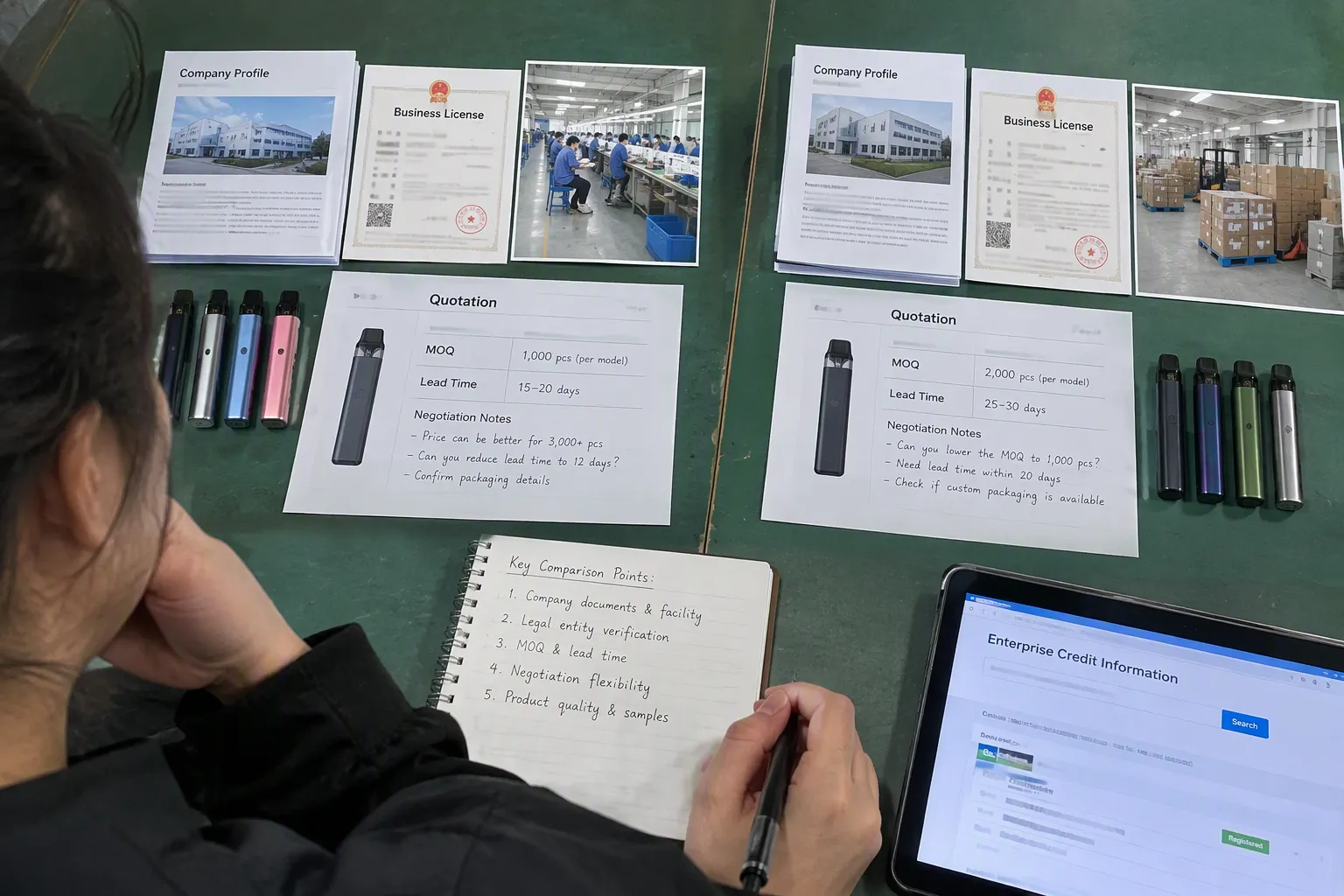
I suggest comparing how accurately each supplier supports resale. Review one complete SKU pack from each supplier and compare product data, variant clarity, packaging images, accessory details, sales points, update processes, and responsiveness to clarification questions. This approach shows the practical workload each supplier may create after purchase.
Conclusion
A price list is necessary for purchasing, but it is not enough for successful wholesale preparation. A vape distributor should look for product-ready information that helps sales teams, warehouses, vape shops, smoke shops, convenience stores, and gas stations identify and explain each SKU accurately. I recommend evaluating suppliers through one complete product pack before committing to a wider range. If you are sourcing vapes, batteries, atomizers, or smoking accessories, I invite you to contact me to discuss the product information, images, packaging details, and wholesale materials your sales process requires.
Sources
- Evaluation of quality of online shopping services in ... - PMC", Evidence on product-information quality indicates that incomplete or inaccurate listing data can impair product identification and informed purchasing, providing contextual support for the need for complete reseller-facing SKU information
- Tobacco: E-cigarettes - World Health Organization (WHO)", Regulatory descriptions of electronic nicotine delivery systems recognize that products may differ in device design, batteries, cartridges or pods, and other components, supporting the need to distinguish technical and package variants at SKU level
- Small Parts Order Picking: Design and Operation", Order-picking research identifies item identification and clear information presentation as factors affecting picking accuracy, supporting the concern that poorly distinguished variants can increase fulfillment error risk
- The Impact of Visual Elements of Packaging Design on ... - PMC", Packaging research recognizes retail packaging as an information-bearing and visual point-of-sale element, supporting the relevance of accurate package images when products are sold and displayed in boxed form
- [PDF] Premarket Tobacco Product Applications for Electronic Nicotine ...", Official tobacco-product regulatory guidance establishes market-specific requirements for product labeling, marketing, and authorization or notification, supporting the conclusion that supplier sales materials cannot substitute for destination-market compliance review
- Estimating the impact of label design on reducing the risk of ...", Human-factors literature on look-alike items shows that visual and naming similarity can contribute to selection errors, supporting the need for unambiguous variant names and images
- Quality in Customer Service and Its Relationship with ... - PMC", Research on information quality and self-service support indicates that clear, accessible documentation can help users resolve routine questions independently, supporting the expected reduction in basic clarification requests
- PIM Product Information Management: Definition & Use ...", Product-data governance standards emphasize maintaining current and synchronized item information across trading partners, supporting the value of organized updates when products, packaging, or variants change