
Quick Answer
Stock-availability commitments can look simple until a fast-selling vape SKU is delayed, a mixed order cannot be completed, or cash is tied up while local shelves become empty. For wholesalers and importers, vague “in stock” answers create risk. A useful commitment gives you clear, checkable information before you pay.
A meaningful stock-availability commitment in a vape distribution partnership confirms the exact SKU or version, the quantity that can be allocated to your order, the physical inventory location, and the date the goods can be handed to your carrier. A catalogue listing or a general statement that a product is “available” is not enough. Buyers should confirm every key item in a mixed order, especially fast-moving products and replenishment-critical SKUs.

For many vape and smoke-shop wholesalers, supply reliability is not only about receiving goods quickly. It affects shelf availability, customer trust, emergency purchasing costs, and cash flow.[1] I have seen that the best purchasing decisions start with a supplier’s ability to confirm what is actually available for your specific order.
In a Vape Distribution Partnership, Why Is a Meaningful Stock-Availability Commitment Not Simply “We Have Stock”
A supplier may say that a product is in stock, but that statement can mean several different things. The item may be listed in a catalogue, held somewhere in the supply chain, or physically available but already reserved for another buyer. Without clear confirmation, your replenishment plan can become uncertain.
In a vape distribution partnership, meaningful stock-availability commitments require four confirmations: the exact SKU, the quantity available for allocation, the inventory location, and the carrier handover date[2]. These details help wholesalers distinguish between general product availability and stock that can support their immediate purchase requirement.

I work from Shenzhen, where vape manufacturing, accessories, packaging, logistics resources, and many related supply-chain services are concentrated. In our daily work, we coordinate regular inventory across multiple brands and product categories, including disposable vapes, atomizers, batteries, vaporizers, grinders, glass pipes, and related smoke-shop products.
That experience has taught me one important lesson: a stock claim is only useful when it is connected to the buyer’s actual order.
A buyer may need 500 units of one model, 200 units of another brand, display items, replacement coils, batteries, and several smoke-shop accessories. A supplier may regularly carry all of these product categories. However, this does not automatically mean the complete mixed order is ready for allocation today.
A responsible vape distribution partnership should make this distinction clear.
“Listed,” “Physical Stock,” and “Allocable Stock” Are Different Things
Many procurement problems begin because buyers and suppliers use the same phrase differently.
When a supplier says “we have stock,” the buyer may understand: “My quantity is ready, and it can leave immediately.” The supplier may only mean: “This product is part of our regular catalogue” or “we can source it from the market.”
Those are not the same commitment.
| Stock status | What it may mean | What the buyer should verify |
|---|---|---|
| Catalogue availability | The item is shown in a product list or website catalogue | Is this exact SKU currently physically available? |
| Regular product availability | The supplier commonly sells or sources the item | Is the required quantity available now? |
| Physical inventory | Goods are held in a warehouse or storage location | Is the inventory free and available for allocation? |
| Allocable inventory | Goods can be reserved for your order | How long can the reservation be held? |
| Ready for carrier handover | The order can be packed and released to the agreed carrier | What is the handover date and shipping arrangement? |
For a wholesaler supplying vape shops, smoke shops, gas stations, convenience stores, or local distributors, this difference matters every day.
If your local customers ask for a popular device, a specific flavor range, a battery format, or a common accessory, an incomplete replenishment order can affect more than one sale. A shop may buy from another local wholesaler. A retailer may reduce future orders. Your sales team may spend time explaining delays instead of selling available products.
That is why stock-availability commitments should be treated as a procurement control point, not a sales slogan.
Ask the First Four Questions Before You Confirm an Order
When you need to replenish fast-moving vape products, I recommend starting with four direct questions. These questions are simple, but they can prevent costly misunderstandings.
-
Which exact SKU or version is available?
Confirm the brand, model, device version, capacity or configuration where relevant, color, flavor, packaging format, and market-specific version. Small differences can matter. A product name alone may not be enough. -
How many units are available for my order now?
Ask for the quantity that can be allocated, not only the total quantity that may exist in a warehouse. The supplier should clarify whether another customer has reserved part of the stock. -
Where is the stock held?
Inventory in Shenzhen, another China warehouse, a European warehouse, or a third-party logistics location creates different handling expectations. Physical location affects the next steps, but it does not guarantee final delivery. -
When can the goods be handed to the carrier?
This is more useful than a vague promise to “ship soon.” Carrier handover means the supplier can complete picking, checking, packing, and release to the agreed logistics channel by a stated date.
These questions help you evaluate a supplier based on operational clarity.
A useful stock answer is not “Yes, available.” A useful answer is “This exact SKU is available for allocation, this quantity can be reserved, it is held at this location, and it can be handed to the carrier by this date.”
The wording matters because it sets proper expectations. Carrier handover is not the same as completed international delivery.[3] Customs processing, carrier capacity, destination handling, and local conditions remain separate factors. Buyers should evaluate those risks with their logistics provider or qualified local professionals where needed.
Why Stock Reliability Protects Your Cash Flow
For small and mid-sized wholesalers, cash flow is often more important than the lowest unit price on one product line[4].
A delayed order can trap capital in several ways:[5]
- You have paid for goods that cannot yet be sold.
- You may need to buy emergency replacement stock from another source.
- You may lose margin because urgent local purchasing costs more.
- Your warehouse may hold slow-moving items while a key fast-moving SKU is unavailable.
- Your customers may reduce their purchases if you cannot replenish reliably.
- Your team may spend time following up on uncertain orders instead of focusing on local sales.
I understand why many buyers want a one-stop supplier. A wholesaler may not want to contact five separate factories, compare five quotations, arrange five shipments, and manage five after-sales contacts for one mixed order. That work takes time, and it can create gaps between what was quoted and what is actually ready.
At Shenzhen Kingfuji Tech. Co., Ltd., we support buyers who want to consolidate multi-brand and mixed-category purchasing where possible. We maintain regular inventory for many common products and coordinate with established brand and factory supply channels. However, I believe the correct approach is to confirm each required item, not to assume every catalogue product is automatically available in every version and quantity.
This is especially important for:
- New launches and trending devices
- High-demand flavors or color variants
- Products with frequent packaging changes
- Brand-specific items
- Seasonal promotional products
- Large-volume replenishment orders
- Mixed-SKU orders with many low-quantity lines
- Products intended for a specific market or customer segment
A dependable vape distribution partnership should help you see which lines are ready, which lines need replenishment, and which lines may require an alternative plan.
Evaluate the Whole Mixed Order, Not Only the Best-Selling SKU
A supplier may have your main device in stock but lack the accessories, replacement parts, display materials, or supporting products needed to complete your sales plan.
For example, a smoke-shop wholesaler may need a mixed purchase that includes disposable vapes, 510 batteries, grinders, glass pipes, atomizers, and vaporizers. If only the disposable vapes are confirmed, but the accessories are delayed, you must decide whether to split the order, substitute products, or wait.
None of these choices is automatically wrong. The problem is when the buyer does not receive clear information early enough to make the decision.
For a mixed order, ask for an item-by-item availability summary.
| Order item | Buyer confirmation needed | Why it matters |
|---|---|---|
| Main vape device | Exact model, flavor, version, units available | Protects fast-moving shelf stock |
| Accessories | Color, size, compatibility, available quantity | Avoids incomplete retail assortment |
| Batteries and atomizers | Exact specification and packaging version | Helps reduce mismatched products |
| Smoke-shop products | Material, style, quantity, packing method | Supports a complete category order |
| OEM/ODM items | Development stage, sample status, production schedule | Prevents treating custom production as ready stock |
| European warehouse items | SKU, warehouse location, MOQ, available units | Supports shorter replenishment cycles where applicable |
A one-stop supplier can create value by doing this coordination work for you. You should still expect clear confirmation, especially for items that are critical to your local customers.
How Smaller Buyers and Larger Importers Should Assess Stock Differently
Not every customer needs the same supply model. The right stock-availability commitments depend on your purchasing scale, sales speed, warehouse capacity, and risk tolerance.
For smaller wholesalers and fast-replenishment buyers
Many small vape-shop wholesalers, smoke-shop distributors, convenience-store suppliers, and local cash-and-carry businesses need flexibility. They may not want to place a large container-scale order before testing demand.
For eligible products and applicable destinations, European warehouse inventory can be useful for buyers who need smaller quantities and faster local replenishment.[6] Our European warehouse network includes stock locations in countries such as Germany, Austria, Poland, and Belgium. For certain available products, the minimum order can start from 50 units per model, and goods can be dispatched through carriers such as DHL, DPD, UPS, or FedEx.
Still, buyers should confirm:
- The exact warehouse location
- The exact SKU and version
- Available quantity at that location
- Whether stock is free for allocation
- Packing and carrier handover timing
- Destination service coverage
- Any local product, tax, labeling, or compliance requirements
European warehouse stock can reduce the need for large advance purchasing for some buyers. It does not remove the need for product due diligence, local legal review, or stock confirmation.[7]
For medium and larger importers
Larger distributors, importers, and wholesalers may have the volume to import directly from China. This can offer broader product selection, more flexible packaging options, stronger unit-cost opportunities, and OEM/ODM possibilities.
For these buyers, stock planning should include both ready inventory and production capacity. Ready stock may support immediate replenishment. Production planning may support private-label projects, exclusive packaging, or larger repeat orders.
Our business includes our own factory operation, with approximately 5,000 square meters of production space and stated maximum capacity of up to 5 million units per month. We also develop new products regularly and can support OEM/ODM discussions for buyers whose requirements and project conditions are suitable.
However, buyers should not treat factory capacity as the same thing as ready inventory. Capacity is a manufacturing capability. Ready stock is a current inventory position.[8] A custom OEM project may involve sampling, artwork approval, materials preparation, production scheduling, quality checks, and packaging confirmation before goods are ready for handover.
That distinction protects both sides from unrealistic expectations.
Build a Simple Replenishment System With Your Supplier
The strongest vape distribution partnership is not based on one urgent order. It is based on a repeatable method for confirming demand, stock, alternatives, and shipment readiness.
I suggest using a simple replenishment process.
Step 1: Separate core SKUs from test SKUs
Your core SKUs are the products that generate regular sales and repeat demand. They deserve closer inventory monitoring.
Your test SKUs may be new devices, trending flavors, new accessories, or seasonal items. These products need smaller initial commitments and faster feedback from your local customers.
A practical list may include:
- Core repeat products
- Fast-moving trend products
- Supporting accessories
- Slow-moving products to reduce
- Products that need replacement options
- Products that require local compliance review
Step 2: Share the exact purchasing list
A supplier cannot confirm meaningful stock availability from a broad request such as “send me your latest vapes.” A detailed list gives the supplier a real basis for checking allocation.
Include:
- Brand
- Product name
- Exact version
- Flavor or color
- Requested quantity
- Target market
- Preferred shipping method
- Whether substitutions are acceptable
Step 3: Request an availability-and-handover summary
For each important item, ask for the available quantity, inventory location, and expected carrier handover date. If an item is not ready, ask for the next available option rather than assuming it will appear quickly.
Step 4: Decide whether to split, substitute, or wait
If one product is delayed, you may choose to:
- Ship confirmed fast-moving items first
- Replace an unavailable item with an approved alternative
- Wait until the mixed order is complete
- Use overseas warehouse stock for urgent replenishment where available
- Place a separate larger China order for future stock planning
The best option depends on your margin, warehouse space, local demand, and delivery requirements.
Step 5: Keep records after each order
Over time, you can compare what was confirmed with what was handed to the carrier. This helps you judge whether a supplier’s stock-availability commitments are consistently useful.
You do not need a complicated system. A spreadsheet can track:
| Metric | What to record |
|---|---|
| SKU confirmation | Exact product version confirmed |
| Allocated quantity | Quantity reserved for your order |
| Stock location | China, European warehouse, or another location |
| Handover commitment | Date goods were expected to reach the carrier |
| Actual handover | Date carrier received the goods |
| Shortages or substitutions | What changed and why |
| After-sales issues | Product or order concerns requiring follow-up |
This record gives you a stronger basis for future purchasing decisions than general promises.
What to Watch for When a Supplier Says “Ready to Ship”
A supplier may be honest but still use loose language. Buyers should not treat every “ready to ship” statement as the same level of commitment.
Here are signs that you need more clarification:
- The supplier cannot identify the exact product version.
- The quantity changes after you ask for a proforma invoice.
- The product is shown in a catalogue, but no warehouse location is provided.
- The supplier says “many in stock” but will not confirm your order quantity.
- The supplier cannot explain whether the goods are reserved for other buyers.
- The supplier gives a general shipping estimate but no carrier handover date.
- A mixed order is quoted as complete without item-by-item stock checking.
- Custom products are presented as if they are ready stock.
- The supplier confuses dispatch timing with final customs-cleared delivery.
These signs do not always mean a supplier is unreliable. They mean you need better documentation before you commit funds.
For application-specific product decisions, local market requirements, product restrictions, labeling, tax, customs, and compliance matters, buyers should consult qualified professionals. Documents, test reports, certifications, and market approvals should be verified for the exact product and destination rather than assumed from general claims.
Stock Commitment Is Also an After-Sales Issue
Some buyers think stock availability ends when an order leaves the warehouse. In reality, it connects to after-sales planning too.
If a product issue appears after delivery, the buyer may need replacements, spare units, or a clear process for handling defective goods. A supplier with regular product access may be better positioned to discuss replacement planning than a supplier that only arranged one temporary batch.
At Kingfuji, we aim to provide one contact point for after-sales coordination on products purchased through us. This approach can reduce the burden of contacting multiple brands or factories separately. The exact resolution should always depend on the product issue, order details, evidence, and agreed terms.
For buyers, the key question is practical:
If I need to replenish a critical SKU or address an after-sales issue, can this supplier clearly confirm the available options and next action?
That is a more valuable question than asking whether a supplier has “everything in stock.”
Frequently Asked Questions
What is the most important stock question to ask a vape supplier?

Ask whether the exact SKU and quantity you need are available for allocation now. Then ask where the stock is held and when it can be handed to your carrier. This turns a general stock claim into a usable purchasing commitment.
Does a product shown in a vape catalogue mean it is available now?
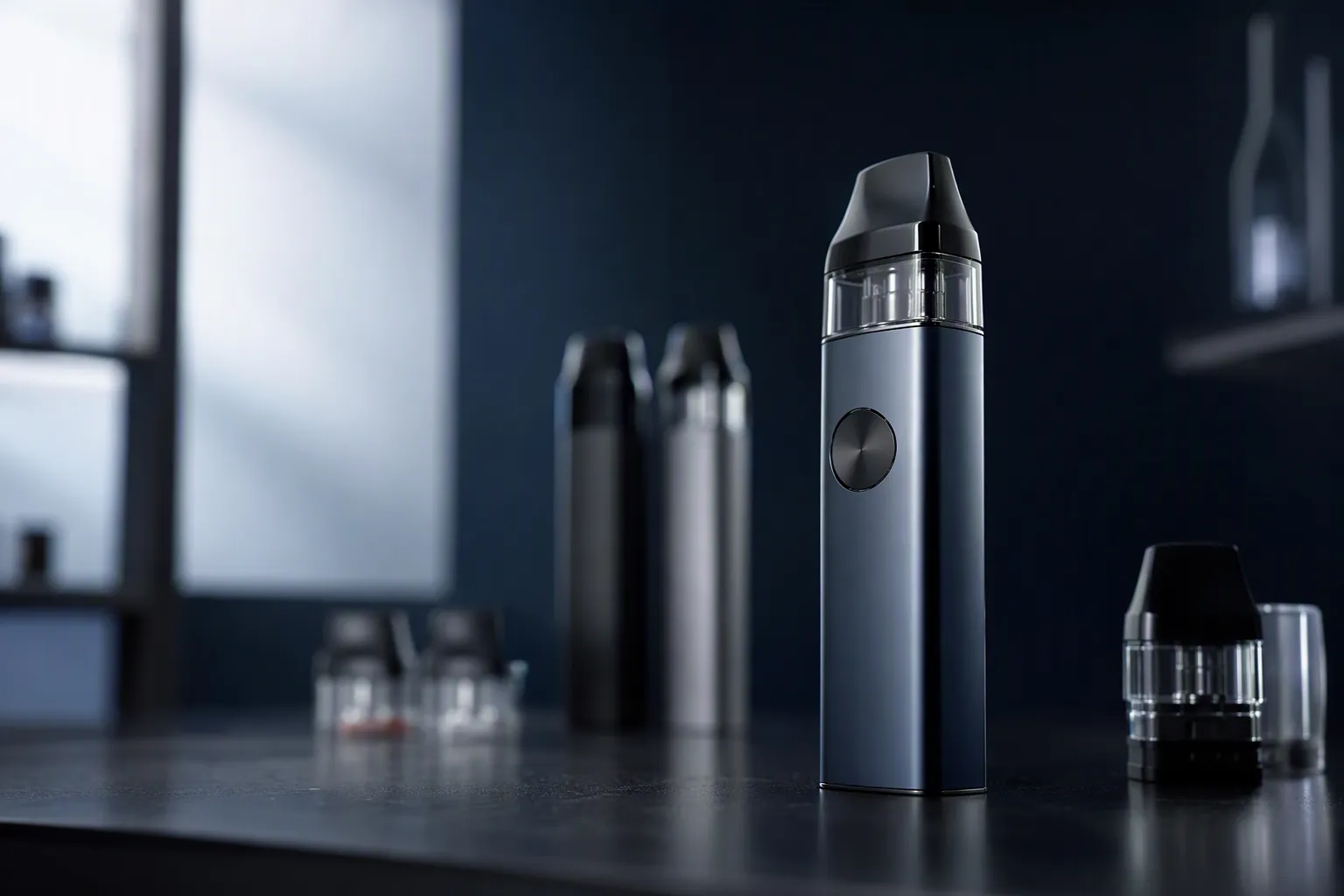
No. A catalogue shows that a supplier offers or can source a product. It does not prove that the item, version, color, flavor, or required quantity is physically available and free to be allocated to your order.
Is stock in a European warehouse safer than stock in China?
European warehouse stock may support faster regional replenishment for eligible products, but buyers should still confirm the exact SKU, quantity, warehouse location, and carrier handover timing. It also does not replace local compliance, tax, or destination-market checks.
Can a supplier confirm stock for a mixed-brand vape order?
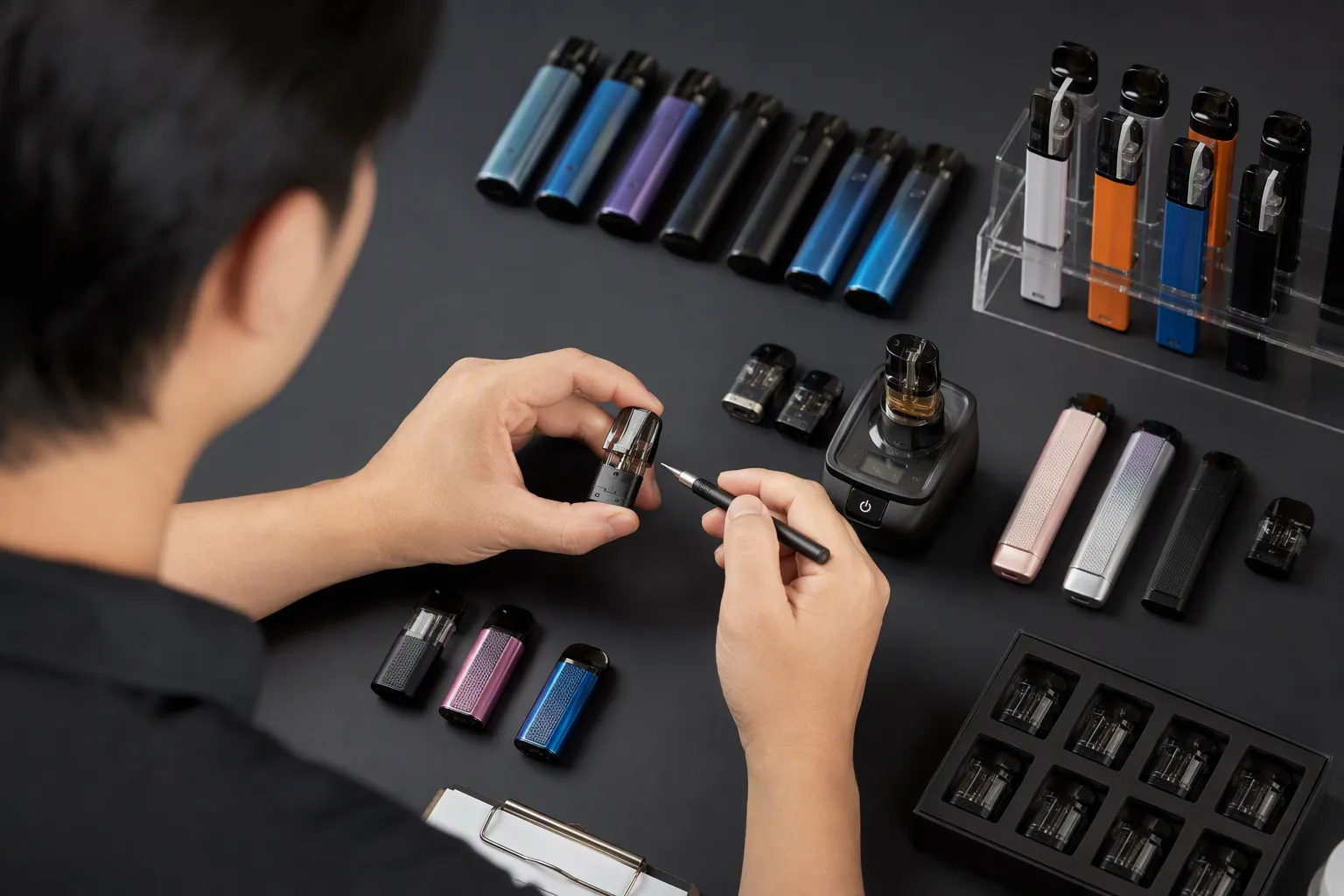
A capable one-stop supplier can coordinate stock checks across a mixed-brand order. However, each line item should be confirmed separately. Buyers should not assume every regular product is available simply because it appears in a supplier’s standard catalogue.
Does “ready to ship” mean the order will arrive on a fixed date?
Not necessarily. “Ready to ship” should mean the goods can be prepared and handed to the carrier. International transit, customs procedures, carrier operations, and destination conditions remain separate factors that can affect final delivery timing.
Conclusion
The best stock-availability commitments in a vape distribution partnership are specific, verifiable, and connected to your real purchasing need. Before you pay, confirm the exact SKU, allocable quantity, stock location, and carrier handover date. This process can help you protect shelf availability, avoid emergency buying, and reduce cash being trapped in unclear orders. If you need support checking a mixed vape or smoke-shop order, contact me at info@kingvapecig.com with your SKU list and target market, and I will help you assess the available options clearly.
Sources
- [PDF] Improving Service Level through Component Inventory Management", Supply-chain research finds that stockouts and supply disruptions can reduce customer service performance and trigger expedited replenishment or other costs, with consequences for working capital and cash flow
- [PDF] Signature redacted - DSpace@MIT", Inventory and order-fulfilment frameworks commonly distinguish the specific item, available-to-promise quantity, inventory location, and promised shipment date when confirming whether an order can be fulfilled
- Know Your Incoterms - International Trade Administration", International trade guidance distinguishes delivery or transfer of goods to a carrier from subsequent transport, import clearance, and arrival at the destination
- Cash flow management and its effect on firm performance - PMC", Small-business financial guidance recognizes cash-flow management and inventory investment as central constraints on purchasing and operating decisions
- [PDF] OECD Supply Chain Resilience Review: Navigating Risks", Studies of supply disruptions describe mechanisms through which delayed replenishment can increase expediting costs, create inventory imbalances, and constrain working capital
- [PDF] The Aggregate Effects of Global and Local Supply Chain Disruptions", Logistics literature generally finds that positioning inventory closer to demand can reduce distribution lead times and improve replenishment responsiveness
- Frequently Asked Questions (FAQ) - Public Health - European Union", European and national regulatory guidance places product-compliance and market-access obligations on relevant economic operators for e-cigarette products, irrespective of the warehouse location used for distribution
- Understanding operations management - The Open University", Operations-management sources distinguish production capacity—the potential output of a production system over a period—from inventory, which is stock currently held for use or sale