
Quick Answer
An EU vape warehouse supplier can look convenient on paper, but buyers can still lose sales when displayed stock is not actually ready to ship[1] or fast-moving products cannot be replenished. That problem creates missed retail orders, emergency buying, and cash tied up in slow alternatives[2]. I recommend tracking inventory and replenishment KPIs before focusing on delivery claims.
An EU vape warehouse supplier should be evaluated first on accurate sellable inventory and reliable replenishment, not only on advertised delivery speed. Buyers should verify what stock is physically available, how quickly inventory records are updated, when units are reserved, and whether popular SKUs can be replenished predictably. These KPIs help protect sales continuity, reduce stockout risk, and keep working capital moving.
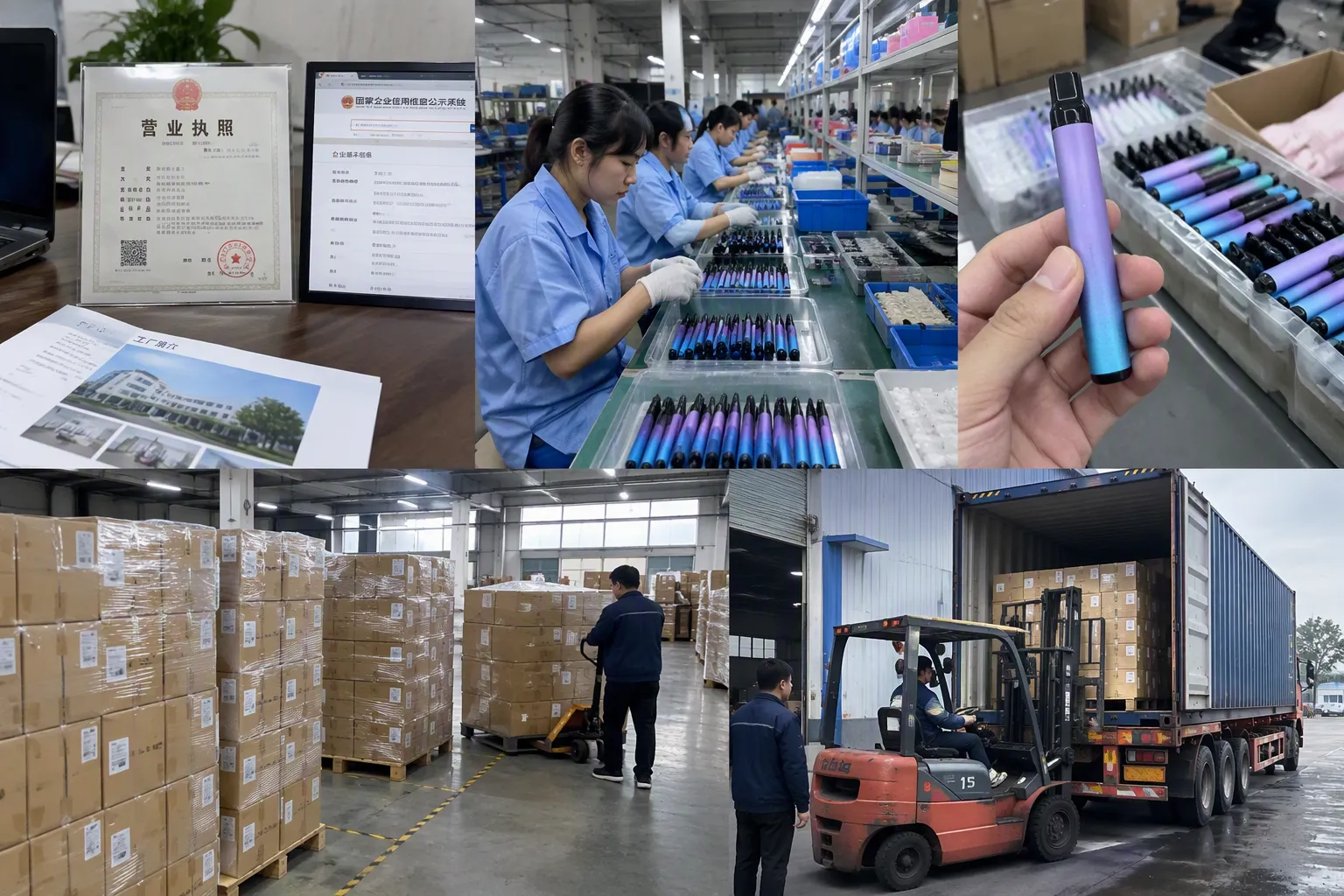
Fast dispatch still matters, especially for vape shops, smoke shops, wholesalers, convenience-store suppliers, and fast-turnover resellers. However, I have seen that a quick dispatch promise does not solve the bigger commercial problem if the warehouse cannot allocate the products a buyer needs when demand appears.
For EU Vape Buyers, Is Inventory Accuracy the Most Important EU Vape Warehouse Supplier KPI
When I speak with EU buyers, I often hear the same concern: “Can you ship quickly?” That is a fair question, but it can hide a more expensive risk. A supplier may dispatch quickly today, yet the buyer may face lost sales next week if the displayed stock was already reserved, damaged, under review, or waiting for replenishment.
Yes. For most EU vape buyers, inventory accuracy is the most important EU vape warehouse supplier KPI because it determines whether listed products are genuinely available to ship. Accurate inventory supports dependable purchasing[3], while unreliable inventory can cause stockouts, delayed orders, trapped cash, and lost retail customers[4] even when a warehouse advertises fast delivery.

I operate in the vape supply chain, and I see the practical difference between stock that is shown in a catalogue and stock that is genuinely available for allocation. Buyers who understand that difference usually make better purchasing decisions. They can protect their cash flow, reduce emergency sourcing, and give their own customers more reliable answers.
Inventory Shown Is Not Always Inventory Available to Ship
A catalogue, price list, or online stock display is useful, but I do not think buyers should treat it as final confirmation. Inventory can change between the time a buyer sees a listing and the time the warehouse processes an order.
For example, displayed inventory may include products that are:
- Already reserved for another confirmed order
- Awaiting payment confirmation
- Held for a quality check or count correction
- Assigned to a marketplace, local customer, or another sales channel
- In transit between warehouse locations
- Damaged, incomplete, or not yet released for dispatch
- Being counted during a stock adjustment
This is why I encourage buyers to ask an EU vape warehouse supplier one simple but important question:
“How do you define stock that is available to ship today?”
The answer should be practical. A supplier should be able to explain whether its available quantity excludes reserved units, unavailable units, and stock that cannot be dispatched. A buyer does not need a complicated warehouse-management lecture. The buyer needs a clear basis for deciding whether to accept retail orders, promote a product, or commit cash to a purchase.
The Inventory KPIs I Recommend Buyers Track
I recommend that buyers track a small group of operational KPIs instead of collecting a long generic supplier scorecard. The purpose is not to make procurement complicated. The purpose is to identify whether the warehouse can support sales continuity.
| KPI | What Buyers Should Ask | Why It Matters Commercially |
|---|---|---|
| Sellable stock availability | How much stock can be allocated and shipped now? | It reduces the risk of paying for unavailable products. |
| Inventory update timing | When is stock updated after orders, cancellations, and receipts? | It shows how quickly the displayed quantity reflects reality. |
| Reservation process | When does the warehouse reserve stock for an order? | It helps buyers understand whether stock can disappear before payment. |
| Stock verification process | Can the supplier verify key SKU quantities before payment? | It supports confident purchasing for fast-moving lines. |
| SKU-level stock continuity | Which popular products have regular replenishment plans? | It helps buyers avoid building demand around unstable items. |
| Backorder visibility | How are unavailable items identified and communicated? | It prevents surprises after an order has already been placed. |
| Substitution approval process | Does the warehouse ship alternatives only with buyer approval? | It protects a buyer from receiving products that do not match market demand. |
I would not expect every supplier to publish every KPI publicly. However, a serious EU vape warehouse supplier should be able to discuss its process clearly with qualified B2B buyers. If a supplier cannot explain how it handles reservations, stock adjustments, and unavailable products, I think that buyer should treat the warehouse stock display carefully.
Why Replenishment Reliability Is a Commercial KPI
A warehouse can have inventory today and still be an unreliable supply option tomorrow. This is the point that many buyers discover only after they have already promoted a popular product to their customers.
A fast-moving disposable vape, atomizer, 510 battery, grinder, glass pipe, or vaporizer accessory can sell out much faster than expected. When that happens, the important question is not only, “Can the warehouse ship the remaining stock quickly?” The real question is:
“When can this SKU be replenished, and how reliable is that replenishment timing?”
For a vape wholesaler or local distributor, stock continuity affects more than one order. It affects customer confidence. A vape shop may accept a competing supplier if the buyer cannot keep a proven item available. A convenience-store supplier may lose shelf space if a popular line stays out of stock. A reseller may also be forced to buy from another source at a less favorable price simply to protect an existing customer relationship.
I recommend that buyers compare suppliers using these replenishment questions:
-
Which SKUs are normally kept in European stock?
Buyers should distinguish regular warehouse items from occasional arrivals. -
How is replenishment planned for fast-moving products?
A supplier should explain whether it monitors demand, incoming shipments, and stock allocation. -
What happens when a product is nearly sold out?
Buyers should ask whether they receive low-stock information before stock reaches zero. -
Can the supplier provide an expected replenishment window?
The answer may depend on production, transport, customs processes, and warehouse receiving. I believe buyers should treat any timeline as an estimate unless the supplier confirms the specific order conditions. -
Can the buyer reserve inventory against an agreed purchase plan?
This can be useful for established buyers with predictable demand, but the reservation terms should be clear. -
Are alternative products available if the original SKU is unavailable?
Alternatives can help, but I recommend that buyers evaluate product fit, branding, demand, and margin before accepting substitutions.
Delivery Speed Must Be Broken Into Measurable Steps
Many buyers want an EU vape warehouse supplier because they want shorter lead times than direct international importing. That is a reasonable commercial goal. Still, I recommend separating “delivery” into several measurable handoff points.
A blanket promise such as “EU delivery in a few days” does not tell a buyer enough. Delivery timing can depend on the warehouse location, order cutoff time, stock verification, payment status, product availability, carrier collection, destination country, local address quality, weekends, holidays, and delivery exceptions.
I suggest buyers ask for clarity across the following stages:
| Fulfillment Stage | Buyer Question | What It Helps You Measure |
|---|---|---|
| Order confirmation | When will you confirm stock and payment status? | Whether the order is accepted and allocated. |
| Warehouse processing | When does picking and packing begin? | The supplier’s internal handling time. |
| Dispatch confirmation | When will you provide dispatch confirmation? | Whether the parcel has left warehouse control. |
| Carrier acceptance | When does the carrier physically receive the shipment? | The actual start of carrier transit. |
| Transit to destination | What factors affect estimated delivery timing? | The difference between dispatch and final delivery. |
| Exception handling | Who responds if a shipment is delayed, damaged, or missing? | The quality of post-dispatch support. |
From an operational perspective, carrier transit starts after the warehouse hands the shipment to the carrier[5]. That distinction matters. A parcel label can be created before carrier acceptance[6]. A buyer should therefore ask whether the tracking status confirms carrier collection, not only whether a label exists.
I do not recommend treating carrier estimates as guarantees. Public carrier standards, service levels, and destination coverage should be checked directly with the relevant carrier and reviewed against the specific shipping service. Buyers should also confirm whether their product category, destination, and order value affect shipment options.
Unit Price Is Only One Part of the Procurement Cost

A lower unit price can look attractive in a supplier comparison. However, I think buyers should calculate the total commercial cost of unavailable inventory. A product that is slightly cheaper but repeatedly unavailable can become expensive[7] when it creates lost sales, urgent replacement orders, and frustrated retail accounts.
I recommend looking at the following costs together:
- Purchase price: The quoted unit cost and any applicable handling or delivery charges.
- Cash tied up[8]: The money locked into products that move slowly while faster products are unavailable.
- Emergency purchasing cost: The higher price or smaller margin paid to secure replacement stock quickly.
- Lost sales: Orders that cannot be fulfilled because a popular SKU is out of stock.
- Customer retention risk: Retail buyers may switch suppliers when they cannot obtain dependable replenishment.
- Administrative workload: Time spent chasing stock updates, amending invoices, arranging partial shipments, or resolving order exceptions.
- Brand and shelf-space risk: A missing product can give competing brands an opportunity to take shelf space.
For small and medium B2B buyers, European warehouse stock can reduce the need to place large speculative orders. This can be useful when a buyer wants to test a product, replenish a known seller, or protect cash flow. In our European warehouse operations, I can support qualified buyers with lower order quantities on selected available products, subject to current inventory and order conditions.
For larger importers, distributors, and wholesalers, direct purchasing from China may offer more options for volume pricing, OEM projects, ODM development, and longer-term supply planning. Shenzhen remains a major part of the global vape manufacturing ecosystem, and my company operates from Shenzhen with our own factory, product development capability, and experience serving B2B buyers. I believe the best route depends on the buyer’s sales volume, forecast quality, cash position, market requirements, and willingness to hold stock.
A Practical Scorecard for Comparing Warehouse Suppliers
I suggest that buyers score suppliers against the risks that affect their own business, rather than choosing only by warehouse location or headline price.
| Evaluation Area | What Good Buyer Questions Look Like | Risk if the Answer Is Unclear |
|---|---|---|
| Available inventory | “Can you confirm the sellable quantity for my selected SKUs?” | Payment for stock that cannot be shipped. |
| Replenishment | “When do you expect the next replenishment, and what can change that timing?” | Stockouts after a successful launch. |
| Order allocation | “When is my stock reserved?” | Products being sold to another buyer first. |
| Dispatch workflow | “What is the order cutoff and processing process?” | Missed expectations on dispatch timing. |
| Carrier handoff | “How do you confirm carrier acceptance?” | Confusion between label creation and actual shipment. |
| Order exceptions | “How do you handle shortages, damage, or unavailable items?” | Delays and disputes after payment. |
| Product quality control | “What checks are completed before stock is released?” | Increased risk of receiving unsuitable or defective units. |
| After-sales coordination | “Who handles product-related issues after purchase?” | Buyers having to contact several brands or factories separately. |
| Commercial fit | “Can you support smaller warehouse orders and larger direct-import plans?” | A supply model that does not match cash flow or demand. |
I do not suggest that every buyer needs the same scorecard weighting. A vape shop supplier with a limited local delivery area may value quick replenishment of a few proven SKUs. A multi-state wholesaler may prioritize deeper stock, OEM opportunities, and planned container or bulk shipments. An importer serving tourist areas may need products that can be replenished without tying up excessive capital before the season begins.
The important point is that the buyer should connect each KPI to a business outcome: product availability, sales continuity, margin protection, and cash flow.
How I Suggest Buyers Use an EU Warehouse and Direct Import Together
I do not see European warehouse stock and direct import from China as competing options in every situation. For many B2B buyers, they can work together.
A buyer can use EU stock for:
- Testing selected products with a limited purchase quantity
- Replenishing proven fast-moving products
- Filling an unexpected stock gap
- Supporting time-sensitive local customer orders
- Reducing the need to wait for international transportation on every purchase
The same buyer can use direct import for:
- Larger-volume purchasing
- Better planning around stable, proven demand
- OEM or ODM projects
- Private-label products
- Broader product assortment sourcing
- Factory-level pricing discussions based on committed volume
At Shenzhen Kingfuji Tech. Co., Ltd., I work with buyers who need different purchasing routes. Some buyers prefer available European warehouse stock for faster local replenishment. Other buyers need larger shipments from China, where they can plan around quantity, pricing, packaging, and OEM or ODM requirements. My role is to help buyers compare the practical options rather than force every customer into one model.
For application-specific product selection, compliance, transport, and market-entry decisions, I recommend that buyers consult qualified local professionals and verify current requirements in their destination market. Buyers should also verify any product documents, test reports, certifications, and commercial terms that apply to their specific order.
Frequently Asked Questions
What is the first KPI I should ask an EU vape warehouse supplier about?
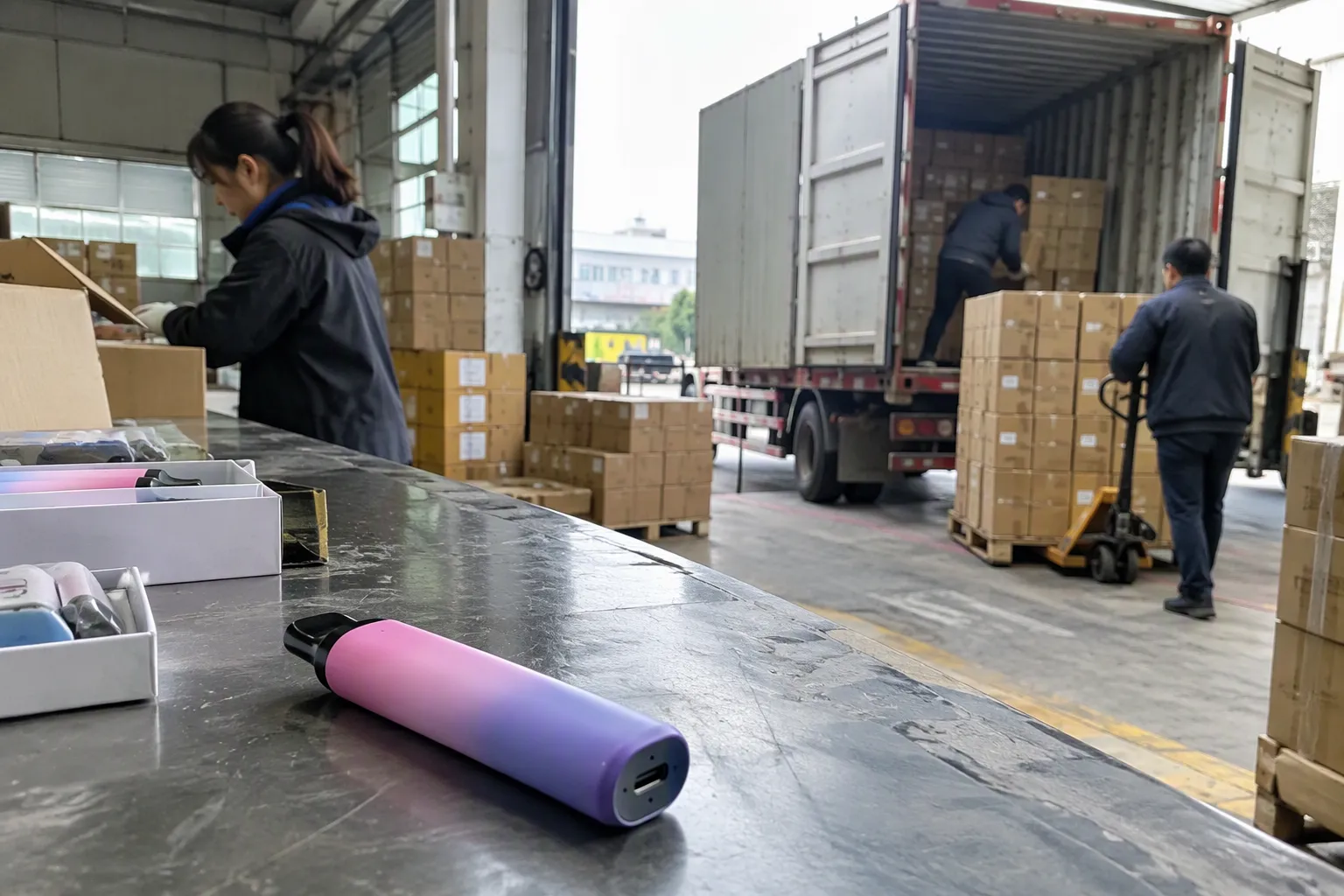
I recommend asking about sellable inventory available to ship now. A buyer should confirm whether the quantity excludes reserved, damaged, unavailable, or pending stock. This question is more useful than simply asking how many units appear in a catalogue or online inventory display.
Why is replenishment reliability important for vape wholesalers?
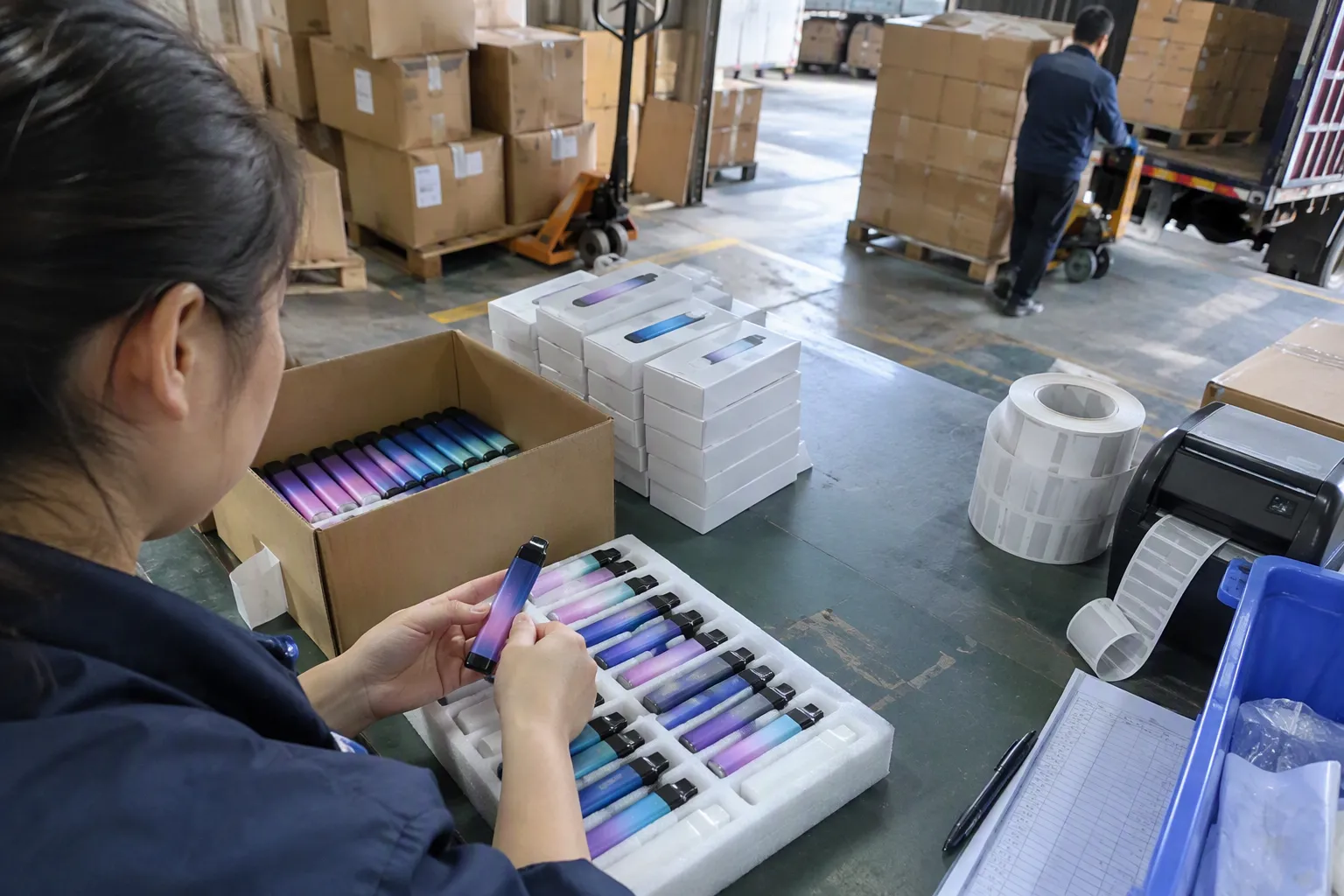
Replenishment reliability protects sales continuity. A warehouse may dispatch quickly while stock is available, but a buyer can still lose retail accounts if popular products cannot be replenished predictably. I recommend tracking expected replenishment timing for the SKUs that drive the buyer’s regular sales.
Does a European warehouse guarantee fast EU delivery?
No. A European warehouse can shorten part of the supply chain, but it does not guarantee a fixed delivery time. Dispatch depends on stock confirmation, payment, warehouse processing, carrier collection, destination, and delivery exceptions. I recommend asking for each fulfillment stage separately.
Should I choose the lowest-priced EU vape warehouse supplier?
I do not recommend choosing on unit price alone. Buyers should compare total commercial cost, including stockout risk, emergency sourcing, lost sales, cash tied up in slow stock, and the time needed to resolve fulfillment issues. A slightly higher price may be commercially stronger if supply continuity is better.
Can small buyers use an EU warehouse while larger buyers import from China?
Yes. Small and medium buyers may use available warehouse stock to test products or replenish quickly with lower order quantities. Larger importers and wholesalers may combine this with direct China purchasing for volume pricing, broader selection, and OEM or ODM projects, depending on their demand planning.
Conclusion
The best EU vape warehouse supplier is not simply the supplier that advertises the fastest delivery. I recommend that buyers focus first on sellable inventory accuracy, stock reservation, replenishment reliability, carrier handoff, and exception handling. These KPIs directly affect product availability, customer retention, and cash flow. If you are comparing European warehouse replenishment with direct import, contact me at Shenzhen Kingfuji Tech. Co., Ltd. to discuss a purchasing route that fits your sales volume and supply needs.
Sources
- Inventory Management | Supply Chain Resource Cooperative", Inventory-management research documents that discrepancies between recorded and physical inventory can distort apparent availability and contribute to fulfillment and replenishment errors
- Successful Inventory Management Strategies in the Office ...", Operations research finds that stockouts can reduce sales and customer service levels, while inventory choices influence both replenishment costs and capital committed to stock
- [PDF] Information Inaccuracy in Inventory Systems — Stock Loss and ... - MIT", Supply-chain research indicates that accurate inventory records are necessary for reliable allocation and replenishment decisions because planning systems depend on recorded stock positions
- The Impact of Stockouts on Customer Loyalty to Lean Retailers", Studies of retail stockouts and inventory-record inaccuracies show that unavailable products can impair fulfillment and may prompt consumers or business customers to substitute, defer purchases, or switch suppliers
- What Does “Label Created, Not Yet in System” Mean?", Carrier tracking guidance distinguishes pre-shipment label creation from the point at which the carrier receives or accepts the parcel, which marks the start of carrier handling
- Online Shipping with Click-N-Ship - USPS", Postal tracking guidance explains that a shipping label or electronic shipping notice may be created before the postal operator physically receives and scans the parcel
- (PDF) Total cost of ownership factors in procurement and ...", Procurement and inventory-management frameworks treat purchase price as only one component of total cost, alongside costs associated with shortages, expediting, administration, and inventory carrying
- 2.6 Balancing off accounts and preparing a trial balance | OpenLearn", Working-capital guidance identifies inventory as a current asset that requires financing until it is sold or converted into cash