
Replaceable-coil installation can look straightforward, but a coil that appears to fit may not be confirmed for the device a buyer plans to sell. That uncertainty can lead to incorrect orders, customer questions, and avoidable after-sales work.[1] We recommend checking model compatibility and installation information before placing an order, not after products reach your warehouse.
Buyers should confirm that each replaceable coil is documented as compatible with the exact device model they intend to purchase or resell. They should also request installation instructions for that specific combination and check that the model names, product codes, and materials match the order. Appearance alone is not proof of compatibility, and installation guidance alone does not confirm fit.
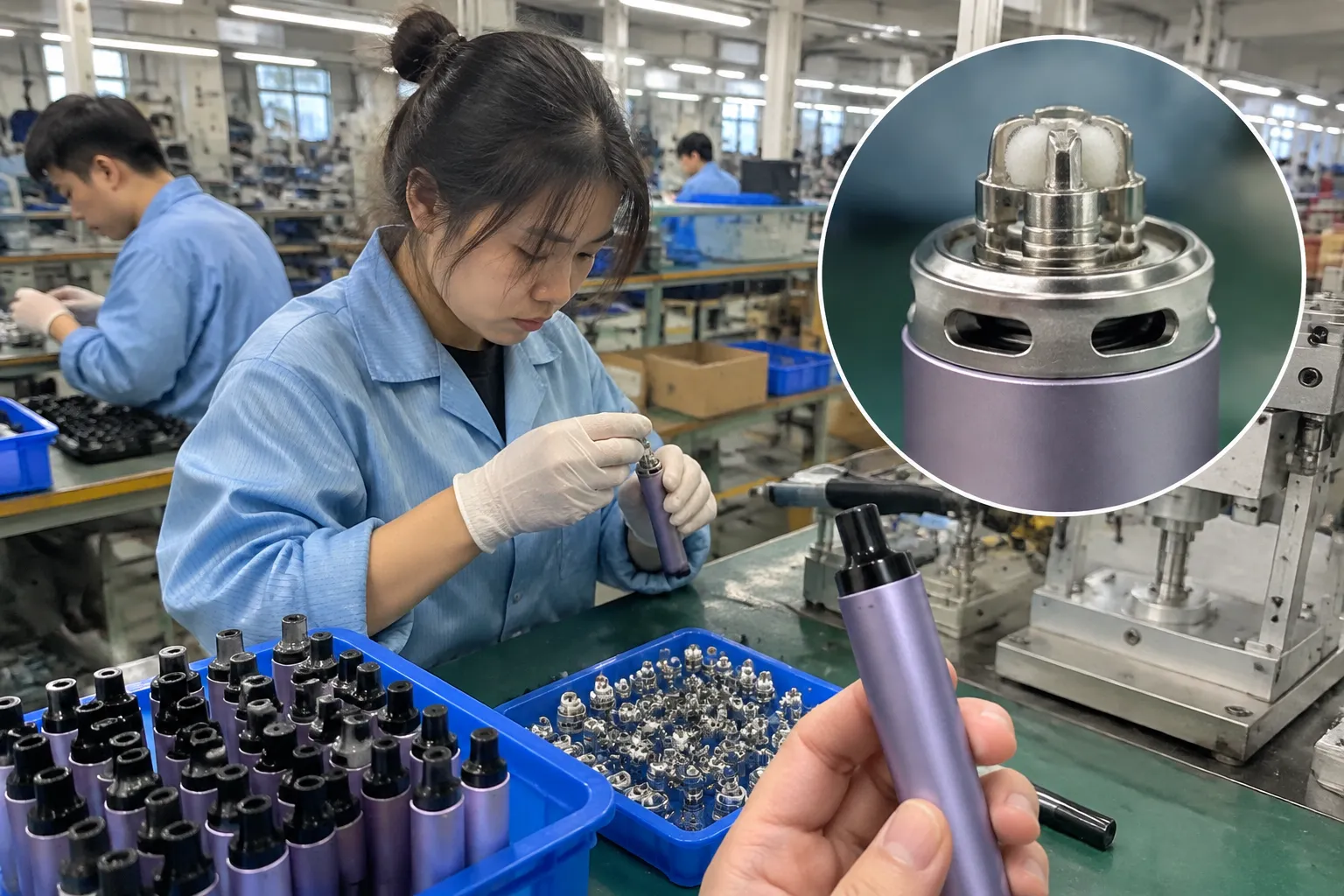
A small information check before purchase can prevent a larger service task later.[2] In our work with vape-product buyers, our team has encountered questions about whether a replaceable coil fits a particular device. Those questions are a useful reminder: a wholesale product decision includes not only price and availability, but also how clearly the device, coil, and supporting information can be identified.
Quick Answer
- Match the coil and device model names against product-specific documentation before ordering.
- Ask for written confirmation when compatibility is not clear in the supplied materials.
- Request the installation guide for the exact model, rather than relying on a generic image or instruction sheet.
- Check that product codes and pack information match the quote, sample, and final order.
- Treat supplier communication as part of procurement so your team can answer reasonable buyer questions after delivery.
Why Is Replaceable-Coil Installation Not Just a Matter of Following Steps?
When buyers focus only on how a coil is installed, they can miss the prior question: is this the correct coil for this device? A clear guide can explain a process, but it does not establish that two products are compatible. We advise importers and distributors to confirm the product pairing first and review installation information second.
Replaceable-coil installation depends on product-specific information. Before ordering, buyers should verify that the coil model is listed for the exact device model, then check that the accompanying instructions refer to the same products. A coil’s shape, connector, or broad product description cannot independently prove compatibility.
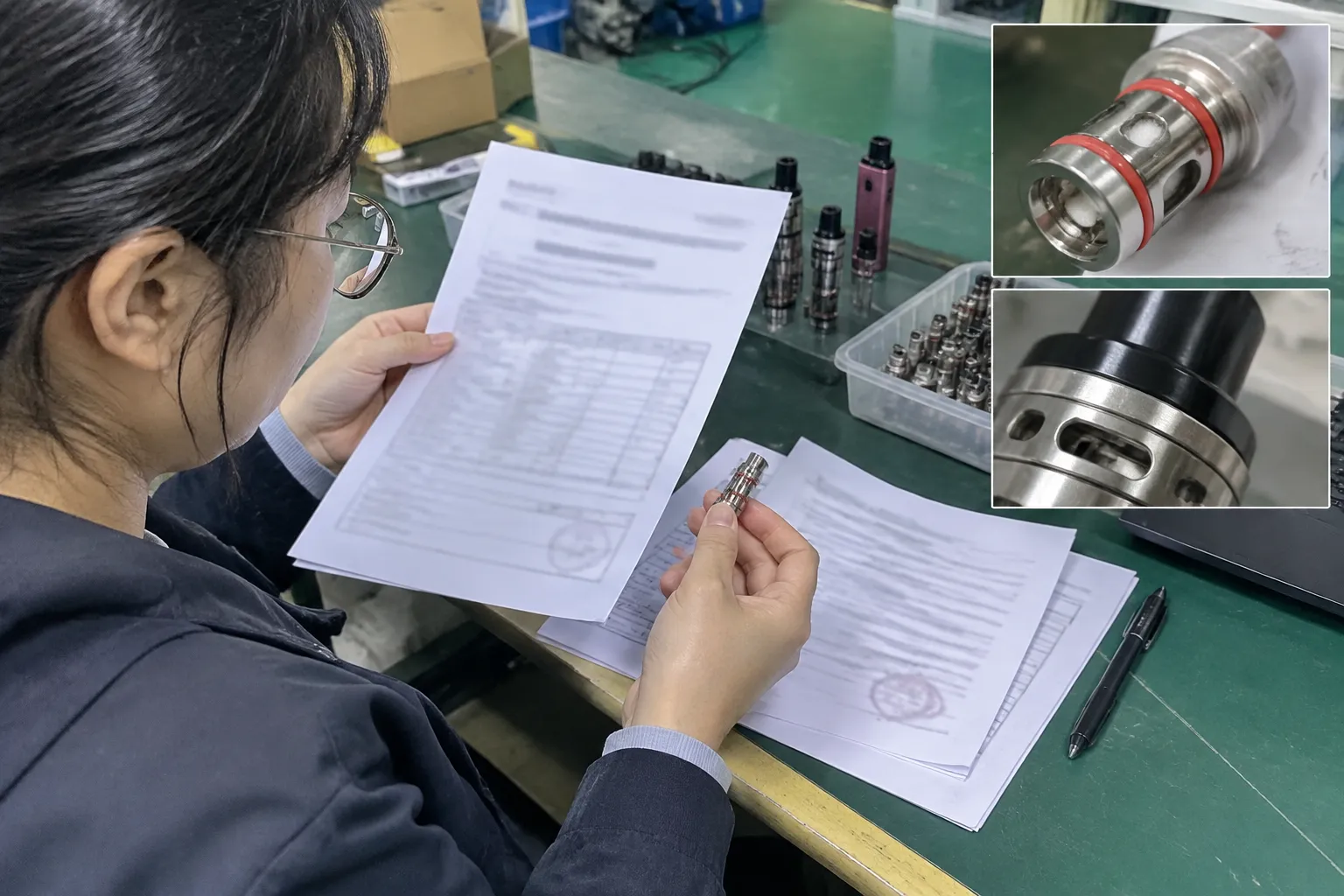
Separate the fit question from the installation question
These are related, but they are not the same procurement check:
| Buyer question | What it helps establish | What it does not establish by itself |
|---|---|---|
| Is this coil documented for this device model? | The product-specific compatibility information provided by the supplier or manufacturer | That every similar-looking device uses the same coil |
| Is there an installation guide for this model? | Whether buyers and end users can refer to model-related instructions | That the coil is compatible with a different device |
| Do the product codes match the order? | Whether the quoted product and supporting materials appear to identify the same item | That the code proves performance or suitability |
| Can the supplier clarify an unclear pairing? | Whether the buyer can obtain an answer to document and keep with the order | That a verbal answer replaces the relevant product documentation |
This distinction matters because product listings may use broad labels such as “replacement coil” or “compatible coil.” Those terms can help a buyer understand a product category, but they may not identify a precise device pairing.[3] If a listing covers multiple versions, the buyer needs to know which versions are included and where that information is documented.
Our team has encountered buyer questions about whether a replaceable coil fits a particular device. From a procurement and supplier-communication perspective, the most useful next step is to request a model-specific answer and supporting product information. A buyer should avoid turning an assumption into a purchase specification.
Why visual similarity is not enough
Product photos can support an initial review, but they do not replace written compatibility information. Two coils can look similar in a catalog image while being listed for different devices.[4] A cropped image may also leave out packaging, model codes, or other identifiers that help distinguish items.
A safer buying process uses more than one identifier where available:
- Device model name or number
- Coil model name or number
- Product code or SKU
- Package label or product sheet
- Manufacturer or supplier compatibility list
- Model-specific user or installation guide
The buyer does not need to make an engineering judgment from these details.[6] The buyer needs to check whether the supplier’s documents consistently identify the products being quoted. If the names differ across a listing, quote, and guide, the buyer should ask for clarification before confirming the order.
How Can Buyers Verify Replaceable-Coil Compatibility Before Ordering?
Compatibility checks can become difficult when catalogs use abbreviated names, several device versions, or overlapping product descriptions. A buyer can reduce uncertainty by comparing the exact device and coil identifiers with product-specific documentation and asking the supplier to resolve any gaps in writing.
To verify replaceable-coil compatibility, compare the exact device model and coil model against a supplier or manufacturer compatibility list, product sheet, or manual. Check that the same model identifiers appear on the quotation and supporting materials. If the documents do not confirm the pairing, request written clarification before placing the order.

Build a simple compatibility record
A short record can help a purchasing team review a product before it enters a larger order.[7] It can also help sales and customer-service staff respond consistently after delivery. The record does not need to be complicated. It should capture what the supplier has actually confirmed.
| Record field | Example of what to capture |
|---|---|
| Device model | The complete model name or code from the product documentation |
| Coil model | The complete name or code for the replacement coil |
| Compatibility source | The title or file name of the relevant guide, product sheet, or list |
| Supplier response | Written confirmation for any unclear model pairing |
| Order reference | Quote number, SKU, or other identifier that connects the check to the purchase |
| Open questions | Any missing version, market, packaging, or instruction details |
The examples above describe record fields, not a claim that a particular model combination is compatible. Each buyer should use the identifiers provided for the products in their own order.
A product identifier can help distinguish one item from another, but an identifier is not a compatibility statement. GS1 describes the Global Trade Item Number (GTIN) as an identifier for trade items. Buyers can use identifiers such as GTINs where supplied to help organize product records, but they should still seek product-specific evidence for coil-to-device compatibility. See the GS1 overview of GTINs.
Ask focused questions when the listing is incomplete
A general question such as “Does this coil fit?” may produce an answer that is too broad for purchasing. Buyers can make the request easier to verify by naming both products and asking for the source of the confirmation.
For example, a buyer might ask:
- “Please confirm whether coil model [exact coil identifier] is listed for device model [exact device identifier].”
- “Please share the product sheet, compatibility list, or manual that supports this pairing.”
- “Does this information apply to the exact version included in our quotation?”
- “Which model identifier should we use on our purchase order and product records?”
These questions are practical rather than technical. They help the buyer confirm that the response relates to the products actually being considered. If the supplier cannot provide a document, the buyer can ask for a written clarification that names both model identifiers and retain it with the order file.
What Installation Information Should Buyers Request?
A buyer who receives only a product image or short listing may have too little information to support resale. At the same time, a generic guide can create false confidence if it does not identify the relevant device and coil. We recommend asking for clear, model-specific materials and checking their scope before approving an order.
Buyers should request installation instructions or product-support materials that identify the exact device and coil models under review. They should check the document title, model references, and any version notes against the quotation. If the material is generic or does not name the product pairing, buyers should not treat it as proof of compatibility.
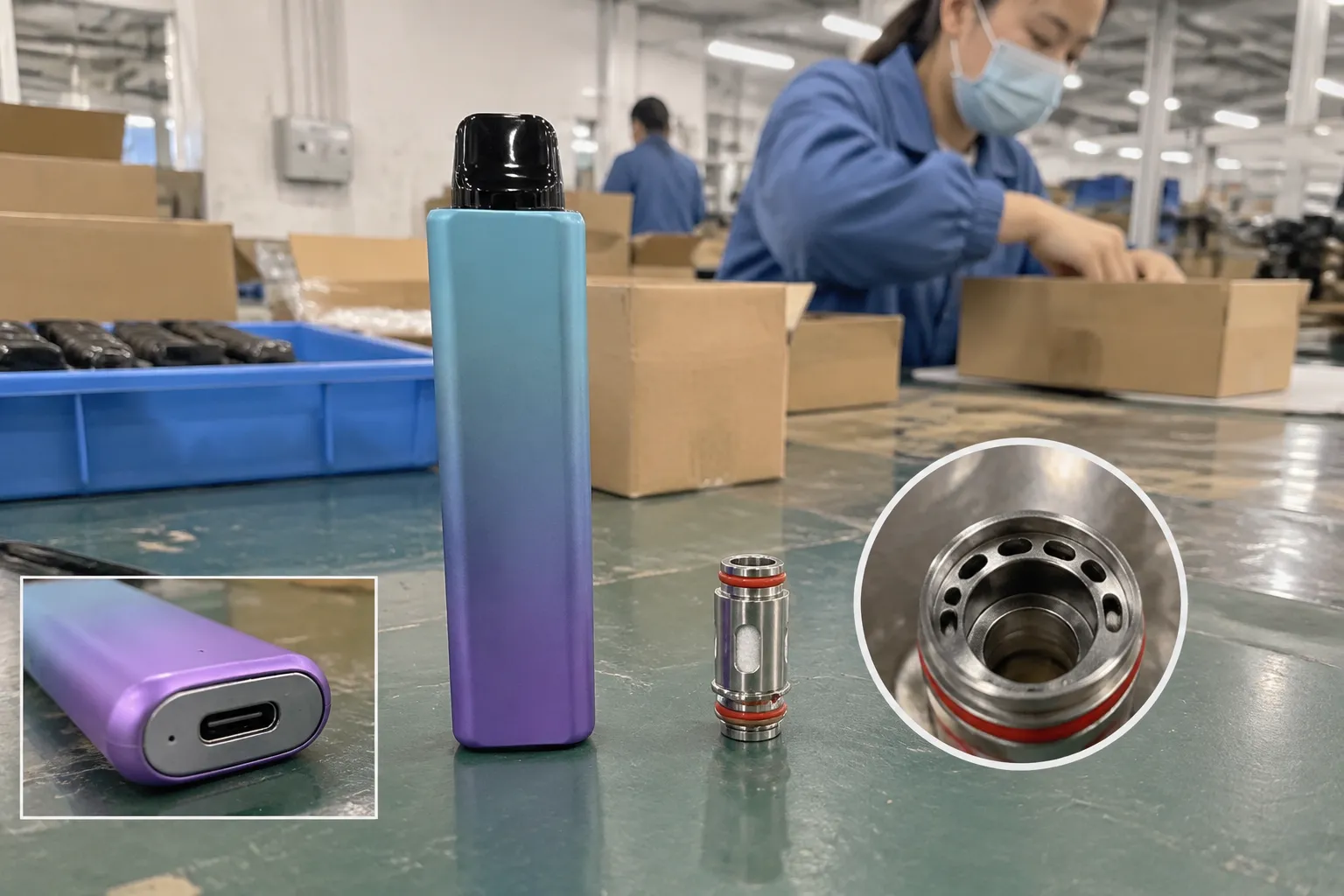
Review the document, not just its presence
The fact that a supplier provides a manual does not automatically make that manual useful for every item in a catalog. Buyers should examine whether the content clearly relates to the product they plan to purchase. A document with a similar product family name may still omit a specific model or version.[5]
Before approving product information, check:
- Product names: Do the guide and quotation identify the same device and coil?
- Model codes: Are the codes complete and consistent across the documents?
- Scope: Does the material cover one model, a named group of models, or a broader product family?
- Version details: Does the supplier identify any version distinctions that affect the product listing?
- Audience and language: Can the intended sales and support teams understand the material?
- Document status: Is it presented as current product information, or is its status unclear?
This review is not a substitute for a qualified technical assessment where one is needed. It is a purchasing check that helps identify missing or inconsistent information before a buyer commits to stock.
Do not let an image stand in for instructions
Product images can help with visual identification, but images often lack the context found in written materials. A picture may show a component without stating which device it belongs to, or it may display a family of products without distinguishing individual versions. Buyers should be cautious about using a photo alone as the basis for a catalog claim.
A useful supplier package may include a product sheet, model-specific instructions, package images, or a compatibility list. The exact materials will vary by supplier and product. The buyer’s goal is not to collect the largest possible file set. The goal is to obtain enough consistent information to identify the ordered products and answer likely questions from resellers.
We find that clear documentation helps make supplier communication more efficient. When a buyer, sales team, and supplier use the same model names and references, they have a better chance of discussing the same item.[8] When the references differ, the buyer should pause and reconcile them rather than assuming that the documents describe interchangeable products.
How Should Buyers Assess Supplier Answers and Support?
Supplier support can affect the work that follows a purchase. If a product pairing is unclear before an order, an unanswered question may become a customer-service issue later. We encourage buyers to assess not only whether a supplier responds, but whether the response is specific enough to support a purchasing decision.
A useful supplier answer names the exact device and coil models, addresses the buyer’s question directly, and points to supporting product information where available. Buyers should keep the answer with the quote or order record. If the response remains vague or conflicts with the documents, they should resolve the discrepancy before purchase.
What a clear answer looks like
A clear answer does not need to promise more than the supplier can support. It should show that the supplier has understood the buyer’s exact question. For example, a useful response can:
- Repeat the device model and coil model under discussion.
- State whether the supplied product information lists that pairing.
- Identify the document or source used to confirm the information.
- Explain what remains unconfirmed, if the available material is incomplete.
- Identify the exact item code the buyer should use in the order.
A less useful response may say only “yes, it fits,” especially when the buyer has asked about several models or versions. That answer may be correct, but it does not show which combination the supplier reviewed. The buyer can follow up with a request to restate the device and coil identifiers.
Compare support as part of supplier selection
When buyers compare potential suppliers, they often examine cost, lead time, minimum order quantity, and product range. Compatibility information and pre-order communication belong in that evaluation too. A low quotation may be less attractive if the buyer cannot identify the exact item or obtain basic product information before ordering.
| Evaluation point | Buyer check | Why it matters to procurement |
|---|---|---|
| Product identification | Are device and coil names or codes specific? | Reduces ambiguity in quotes and orders |
| Supporting documents | Are product-specific materials available? | Helps the buyer review the offering before stocking it |
| Response quality | Does the supplier answer the exact question? | Shows whether unresolved details can be discussed efficiently |
| Order consistency | Do quote, product sheet, and purchase order use matching identifiers? | Makes it easier to confirm that the same product is being discussed |
| After-sales route | Does the buyer know whom to contact if questions arise? | Helps organize service communication after delivery |
These checks do not guarantee that a product will have no service questions. They help a buyer make a more informed choice and keep a clearer record of what was represented before purchase.
At KingVape, our team can help buyers review product information and raise model-specific questions with suppliers as part of sourcing discussions. For any application-specific or technical decision, buyers should rely on the applicable product documentation and seek qualified professional evaluation when appropriate.
How Can Importers Reduce Compatibility-Related Purchasing Risk?
A buyer may source products for a local wholesale business, a chain of shops, or a range of independent retailers. In each case, a compatibility misunderstanding can affect more than the purchasing team: it can create extra work for warehouse staff, sales representatives, and customer support. A repeatable pre-order review helps limit avoidable confusion.
Importers can reduce compatibility-related purchasing risk by using a consistent review process: identify the exact device and coil, verify the pairing in product-specific materials, record supplier clarification, and keep the same identifiers on the quote and purchase order. Buyers should also share accurate product information with the teams that sell and support the items.
Use a pre-order checklist
A checklist is especially useful when a catalog includes multiple models or when several team members handle purchasing and sales. The checklist below can be adapted to a buyer’s own workflow:
- Identify the products. Write down the complete device and coil names or codes.
- Check the pairing. Look for a product-specific compatibility reference from the supplier or manufacturer.
- Review the instructions. Confirm that the installation material names the product under consideration.
- Compare documents. Match the quotation, product sheet, and order record.
- Resolve gaps. Ask for written clarification if a model name, version, or pairing is unclear.
- Save the evidence. Keep the relevant response and documents with the purchasing record.
- Share accurate information. Give sales and support teams the same product identifiers and available instructions.
This process does not require buyers to determine technical compatibility independently. It gives them a practical way to request, compare, and retain information from the supplier.
Consider how information will travel downstream
Wholesale buyers often sell to businesses that may ask their own product questions. A retailer may need the correct model name to identify a replacement part, while a distributor’s support team may need the supplier’s product sheet to answer an inquiry. If model information changes between the original quotation and the sales listing, staff may struggle to tell whether they are discussing the same item.
Before placing a larger order, buyers can consider how they will use the information:
- Will the product name be clear on internal stock records?
- Can sales staff distinguish the coil from other similar items?
- Can the buyer provide the relevant model-specific instructions when asked?
- Does the information avoid implying that a coil fits models not named in the source?
- Is there a clear route for follow-up questions to the supplier?
We suggest keeping customer-facing product descriptions within the scope of the available documentation. If the supplier has confirmed compatibility with one named device, a buyer should not expand that statement to a broader product family without supporting information. This is a straightforward way to keep listings and sales conversations aligned with what has actually been confirmed.
What Should Buyers Do When Compatibility or Installation Details Remain Unclear?
Sometimes a product listing is incomplete, or documents use different names for what may be related items. Guessing can feel faster, especially when a buyer is working against a purchasing deadline. But an unresolved model question can follow the order into receiving, sales, and after-sales support. We recommend pausing long enough to identify the gap and request a specific answer.
If compatibility or installation details remain unclear, buyers should not assume that coils are interchangeable. They should identify the exact device and coil, ask the supplier for product-specific documentation or written clarification, and compare the response with the quotation. If the information still does not resolve the question, buyers should defer the purchase or seek qualified evaluation.
Recognize common information gaps
A buyer can flag an issue when:
- The listing gives a coil type but no exact model reference.
- A compatibility chart names a product family but not the version in the quote.
- A manual refers to a different model name than the quotation.
- A supplier confirms a pairing but does not specify which device or coil was checked.
- Packaging, product-sheet, and order codes do not appear to match.
- The only evidence is a photograph or a broad phrase such as “fits many devices.”
These points are prompts for follow-up, not proof that a product is incompatible. They indicate that the available information may be insufficient for a confident purchasing decision.
Use a simple escalation path
When a question is open, the buyer can take these steps:
- State the uncertainty precisely. Name the device and coil identifiers and explain what does not match.
- Ask for the source. Request the relevant product sheet, compatibility list, or model-specific instructions.
- Request written confirmation. Ask the supplier to identify the exact pairing in the response.
- Check the revised information. Make sure the new answer resolves the original gap and matches the order.
- Set a hold point. Avoid treating the item as approved for purchase until the required information is available.
This process is useful for small orders as well as larger import programs. A buyer may decide that a limited trial order is appropriate for commercial reasons, but a trial does not replace the need to understand what product is being purchased. Buyers should define their own approval criteria and obtain technical advice when their situation requires it.
A disciplined hold point can protect both sides of the transaction. It gives the supplier a clear opportunity to answer, and it gives the buyer a record of the information considered. If the supplier cannot confirm the details, the buyer can make a decision based on that limitation instead of relying on an assumption.
Frequently Asked Questions
Does a similar-looking coil fit my device?
Not necessarily. Appearance alone does not establish compatibility. Check the exact device and coil model against product-specific documentation. If the documentation does not confirm the pairing, ask the supplier or manufacturer for written clarification before ordering.
Is an installation guide proof that a coil is compatible?
No. An installation guide can explain product-related instructions, but it does not prove compatibility unless it identifies the relevant device and coil pairing. Buyers should check the guide’s model references and compare them with the quotation and product information.
What should a wholesale buyer request from a supplier?
Ask for the exact coil and device identifiers, a compatibility reference or other product-specific documentation, and instructions that relate to the model being purchased. If any information is unclear, request a written answer that names both products.
Can a product code confirm coil compatibility?
A product code can help identify an item, but it does not necessarily state which devices use it. Buyers should use product codes to keep records consistent and still verify the coil-to-device pairing through relevant product documentation or supplier confirmation.
What should I do if supplier documents use different model names?
Pause the approval process and ask the supplier to explain the difference. Request confirmation of the exact product included in the quote and ask which model identifiers should appear in the order record. Do not assume that different names refer to interchangeable products.
Conclusion
Replaceable-coil installation is a product-information issue as well as an instruction issue. Buyers should verify the exact device–coil pairing, review model-specific materials, and make sure the quotation and supporting documents refer to the same products. When information is missing or inconsistent, a written supplier clarification is more useful than a visual assumption. KingVape helps importers, wholesalers, and distributors source vape products and review product information before ordering. Contact our team at info@kingvapecig.com or WhatsApp +86 13928420527 to discuss your sourcing requirements.
Sources
- Why Does Order Accuracy Matter in Supply Chain ...", Studies of supply-chain information quality associate incomplete or inaccurate product data with operational inefficiencies, although they do not establish the frequency of these outcomes for replaceable vape coils
- The challenges and opportunities of continuous data quality ...", Research on process quality and error prevention describes how earlier detection of information defects can limit later rework; this general mechanism does not quantify the effect of compatibility checks in vape-product procurement
- 21 CFR Part 801 -- Labeling", Product-identification guidance distinguishes category descriptions from identifiers or specifications that uniquely define an item or its applicability; such guidance may clarify terminology but does not assess any particular coil listing
- Visual Inspection: A Review of the Literature", Engineering inspection literature recognizes that visual similarity cannot by itself establish dimensional or functional equivalence between components; this general principle does not verify differences among any specific vape coils
- Regulations, Mandatory Standards and Bans", Product-documentation guidance commonly calls for instructions to identify their applicable product or model scope; this supports checking document coverage but does not determine the scope of a supplier's particular manual
- FAR Companion Version 3.0", Product-assurance frameworks distinguish identification and documentation checks from technical evaluation of conformity or suitability; this distinction provides context rather than a legal determination of a buyer's duties
- 4.703 Policy. - DLAD", Research on traceability and procurement records describes how retained product identifiers and source documents can support review and item tracking; it does not establish that the article's proposed record fields are sufficient for every buyer
- Integration vs Collaborative Redesign Strategies of Health ...", Studies of supply-chain data standards describe how shared identifiers can improve the consistency of information exchanged between organizations; this supports the communication mechanism but does not guarantee that every discussion will identify the correct item