
Refillable pods can create expensive problems when leakage appears after a wholesale shipment reaches your warehouse, shops, or end users. A quick visual check may miss failures caused by filling, storage, transport, or normal use. I recommend a documented, product-specific evaluation before buyers accept batch-level risk and commit significant cash flow.
Quick Answer
- Test representative refillable pods, not only one hand-picked sample.
- Check performance after filling, standing, transport simulation, storage, and normal use.
- Record the sample identity, pod design, liquid used, conditions, observation period, and results.
- Ask the supplier how failed samples will be investigated, replaced, or compensated.
- Treat a leak-free sample as evidence about that sample—not as proof that every pod in the shipment will perform identically.
- Ask a qualified technical professional to verify any formal test method, legal requirement, or product-specific acceptance limit.
A single pod that looks dry after a short inspection may still leave a buyer exposed. The real procurement question is not whether one unit can pass a quick check. The question is whether the supplier can show a sensible process for reducing leakage risk across a representative batch. The following framework helps importers, distributors, vape shops, smoke shops, convenience stores, and gas stations make that decision with better evidence.
Why Should Buyers Test Refillable Pods Before Wholesale Supply?
Leakage can turn a promising product into slow-moving inventory. It can damage packaging, create customer complaints, increase returns, and force a distributor to spend time on support instead of sales. I have seen how after-sales discussions become more complicated when nobody can establish when the problem started or which batch was involved.
Buyers should test refillable pods before wholesale supply because leakage may develop after filling, storage, transport, or use. A documented sample evaluation cannot guarantee a leak-free shipment, but it can reveal design, assembly, sealing, and handling risks before the buyer commits to a larger order.
The commercial cost of a small product defect
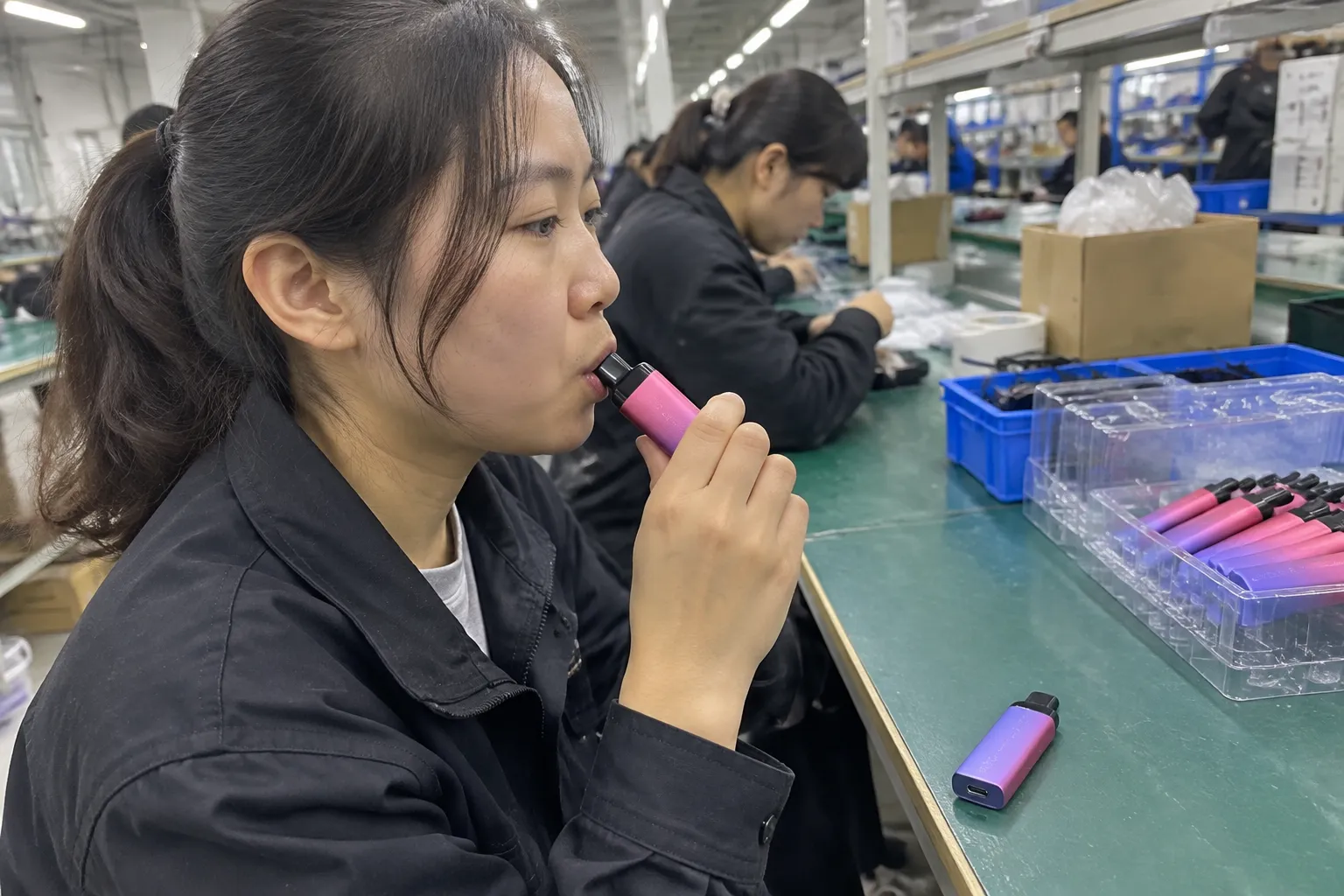
- Direct product loss: Liquid may be wasted or surrounding products may be contaminated.
- Packaging damage: Labels, cartons, inserts, and retail packaging may become stained.
- Customer service work: Staff must answer complaints, issue replacements, or process refunds.
- Reputation risk: Retailers may hesitate to reorder if customers associate the product with poor reliability.
- Inventory disruption: The buyer may need to quarantine stock while investigating the issue.
- Cash-flow pressure: Money remains tied up in goods that cannot be sold confidently.
- Supplier communication delays: A weak record makes it harder to establish responsibility and agree on corrective action.
Leakage is not always visible immediately[1]
- Changes in temperature or pressure during transport.
- Long periods in storage.
- Repeated filling and use.[6]
- A poorly fitted plug or mouthpiece.
- Inconsistent assembly force.
- Tolerance variation between components.
- A liquid formulation that interacts differently with the sealing materials.
- Incorrect filling level or handling by the user.
Sample performance and batch reliability are different
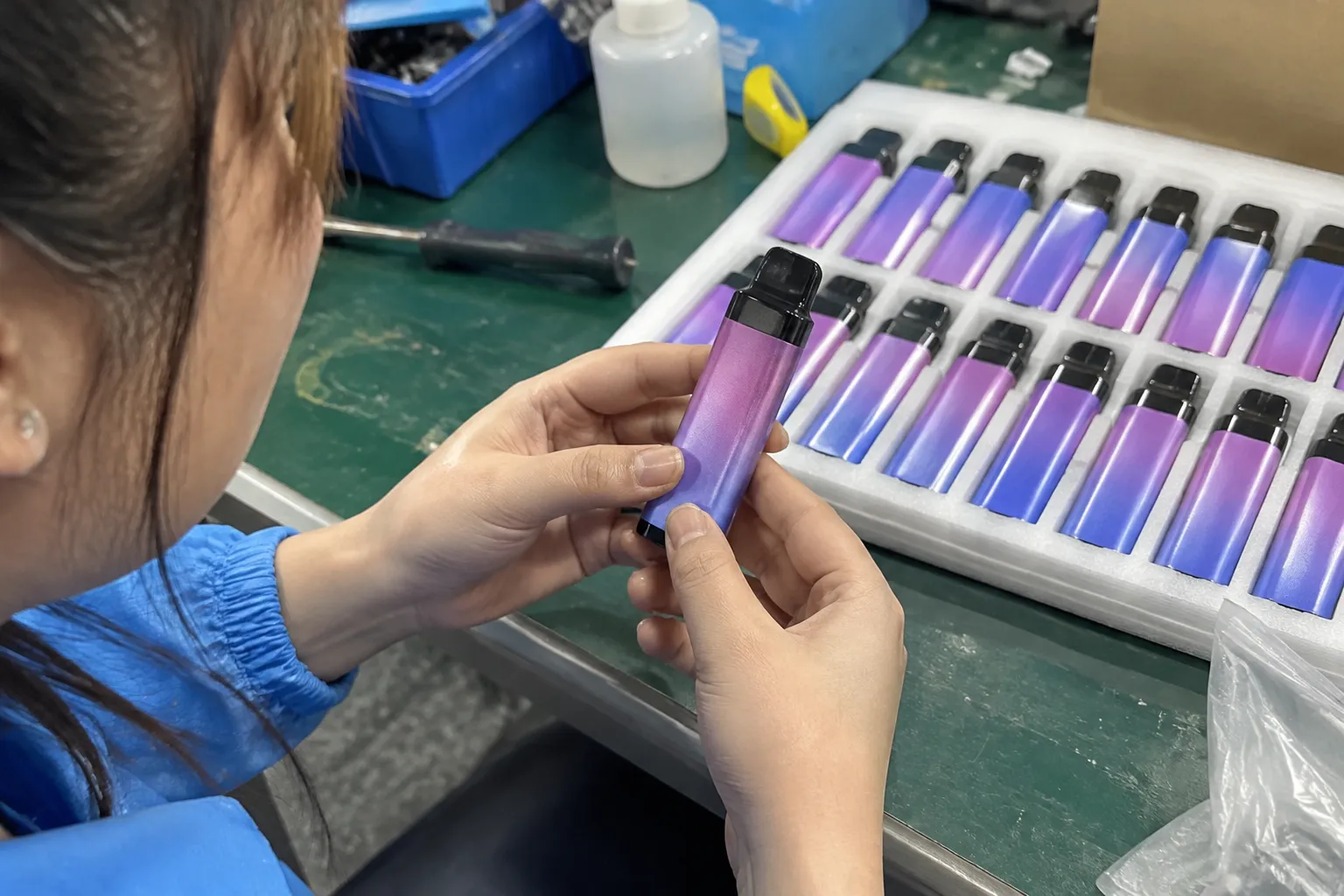
| Procurement question | What the evidence can show |
|---|---|
| Did the tested units leak under the recorded conditions? | It can show the observed performance of those units. |
| Will the entire wholesale batch never leak? | A sample test cannot prove this.[2] |
| Is the supplier controlling relevant production risks? | Records, inspection, traceability, and corrective action can provide useful evidence. |
| Should the buyer release a larger order? | The buyer must combine test results with supplier capability, commercial terms, and application risk. |
How Should Buyers Select Refillable Pods for a Leakage Test?
Poor sample selection can make a carefully performed test misleading. If the buyer receives only a few units chosen by the supplier, those units may not reflect normal production. I recommend agreeing on the sampling approach before testing starts and keeping enough information to connect results to the future order.
Buyers should select samples from relevant production or pre-production material, cover more than one unit, and record identifying information such as model, version, date, and batch reference. The selection should reflect the intended wholesale product rather than an unusually prepared demonstration sample.
Start with the exact product version
- The product model and version.
- Whether the sample uses the same components planned for production.
- Whether the sample was assembled using the normal production process.
- Whether any adhesive, seal, gasket, plug, or mouthpiece differs from the intended order.
- Whether the filling instructions match the planned customer instructions.
- Whether the pod is intended for one refill cycle or repeated refilling.
- Whether the tested liquid and operating conditions are relevant to the buyer’s market.
Use a traceable sample record
| Record field | Why it matters |
|---|---|
| Product name and model | Prevents results being assigned to the wrong item |
| Version or revision | Identifies structural or component changes |
| Supplier and production location | Supports supplier communication |
| Batch or production reference | Connects testing with later stock |
| Sample identification | Allows individual failures to be reviewed |
| Filling liquid and procedure | Shows what conditions were used |
| Start date and observation time | Establishes the test window |
| Storage and movement conditions | Shows whether realistic risks were considered |
| Inspection result | Separates observations from opinions |
| Failure action | Shows what happens when a unit does not pass |
Avoid relying only on supplier-selected samples
Supplier-prepared samples can be useful for early screening.[8] They should not be the only basis for approving a large order. If possible, buyers should ask for samples taken from normal production or arrange an agreed inspection process.
- Whether the buyer can select units from cartons or production output.
- Whether samples will come from different cartons or production points.
- Whether the supplier will keep a retained sample.
- Whether the buyer can perform a pre-shipment inspection.
- Whether the purchase agreement defines what happens if test results and delivered goods differ.
What Conditions Should a Refillable Pod Leakage Test Include?
A useful test follows the product’s real journey. A pod may be filled at a warehouse, stored for weeks, moved through different transport environments, placed on a retail shelf, and then used repeatedly by a customer. Testing only immediately after filling leaves several stages unexamined.[7]
A leakage evaluation should consider the buyer’s actual filling, storage, transport, and use conditions. The supplier and buyer should record the liquid, fill level, orientation, time, temperature range, movement, and inspection method, while verifying product-specific parameters with a qualified technical professional.
Stage 1: Inspect before filling
- Cracks, deformation, or incomplete molding.
- Loose or unevenly fitted components.
- Damaged filling ports or plugs.
- Gaps around the mouthpiece.
- Foreign material near the seal.
- Irregular connector or tank surfaces.
- Missing or damaged protective parts.
Stage 2: Follow the intended filling process
- The liquid used.
- The filling equipment or manual method.
- The approximate fill level.
- Whether the pod was overfilled or filled below the recommended level.
- The time allowed after filling.
- Whether the filling port or plug was closed in the normal way.
- Whether excess liquid was removed before inspection.
Liquid properties can affect results.[3] Viscosity, composition, temperature, and compatibility with sealing materials may matter. Buyers should not assume that a result using one liquid applies automatically to every liquid sold in a different market.
If the product will be sold empty for customers to fill, the buyer should also review the instructions that accompany the product. Incorrect consumer filling can create complaints even when the pod performs properly under the intended procedure.
Stage 4: Consider orientation and movement
Products may be stored upright, sideways, or upside down during transport and retail handling.[4] Cartons may also experience vibration or repeated movement.[5] The test should therefore reflect the expected distribution route as closely as practical.
- Which orientation the product requires.
- Whether the packaging prevents movement.
- Whether the product has transport instructions.
- Which parts are most sensitive to pressure or impact.
- Whether a transport simulation or external inspection is available.
Stage 5: Review normal use
A refillable pod can remain dry while stationary and then leak during operation. Buyers should review the intended device, power setting, filling frequency, storage position, and user instructions. The exact operating parameters depend on the design.
- Does leakage appear after the pod is connected to the intended device?
- Does repeated filling change the result?
- Does the connection area remain dry?
- Does the user need to wait after filling?
- Does the design require a particular storage position?
- Can a normal user understand the instructions?
How Can Buyers Record Refillable Pods Test Results?
A useful refillable pods test record identifies the product, sample source, liquid, filling method, conditions, observation period, inspection points, results, photos, and failure-handling process. Buyers should request evidence that is specific enough to compare with the goods they receive.
Separate observations from conclusions
- Observation: “Liquid residue was visible around the filling port after the recorded standing period.”
- Conclusion: “The unit requires investigation before approval.”
- Action: “Supplier to review plug fit and provide replacement samples.”
Use a practical result structure
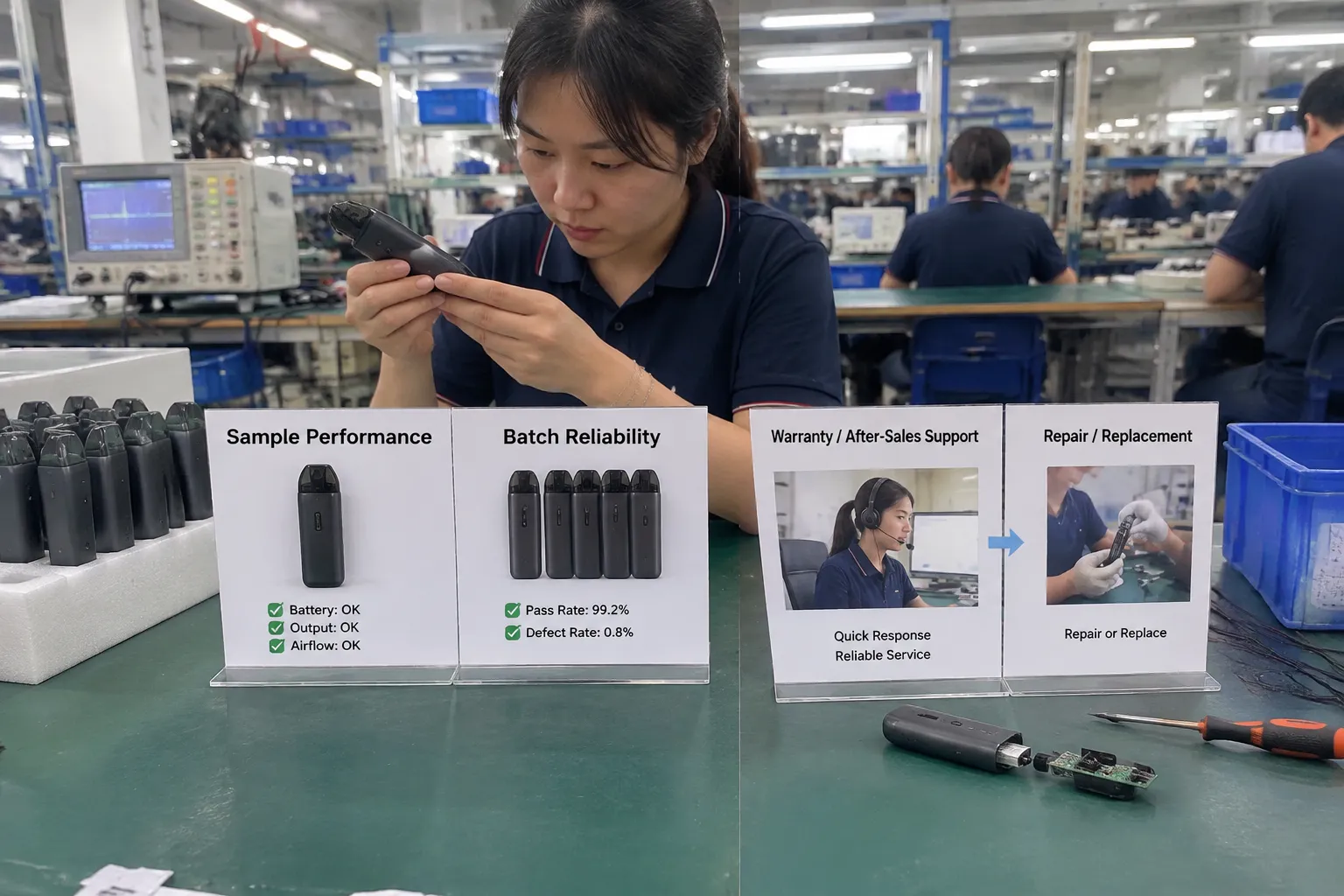
| Sample ID | Condition checked | Observation | Result | Follow-up |
|---|---|---|---|---|
| RP-01 | Filled and standing | No visible residue | Recorded as observed | Continue evaluation |
| RP-02 | Filled and standing | Wetness near port | Requires review | Supplier investigation |
| RP-03 | Normal-use review | No external leakage observed | Recorded as observed | Continue evaluation |
Define what happens after a failure
- Quarantine the affected samples or cartons.
- Identify whether the problem is isolated or repeated.
- Review components, assembly, filling instructions, and packaging.
- Provide replacement samples for confirmation.
- Expand inspection if the initial failure suggests a wider risk.
- Agree on replacement, credit, compensation, or another remedy under the commercial agreement.
- Record the corrective action and the approval decision.
Ask for traceability, not paperwork for its own sake
- Who performed the test?
- What exactly was tested?
- Which product version was used?
- Were the units from normal production?
- What conditions were applied?
- How long were they observed?
- What counted as a failure?
- Were any units excluded?
- What corrective action followed an issue?
If a supplier cites a certification, standard, or regulatory requirement, the buyer should verify the document’s scope, validity, issuing organization, and relevance to the destination market. A certificate cannot substitute for product-specific inspection when the commercial question concerns a particular shipment.
How Do Refillable Pods Tests Affect Wholesale Purchasing Decisions?
Testing is valuable only when it changes a purchasing decision. A buyer should not collect a report and then ignore the result because the price or delivery schedule is attractive. Leakage risk should be considered together with order size, customer expectations, delivery route, product instructions, and after-sales terms.
Leakage testing helps buyers decide whether to approve, revise, limit, or delay a wholesale order. The decision should balance observed performance, evidence quality, supplier responsiveness, commercial exposure, and the consequences of failure in the target market.
A practical decision matrix
| Evidence and risk position | Possible purchasing response |
|---|---|
| Samples perform consistently under relevant conditions and records are complete | Consider a controlled order with agreed inspection and after-sales terms |
| Samples perform acceptably but conditions are incomplete | Request additional evidence before approving a larger shipment |
| Some samples show leakage and the cause is unknown | Pause approval and require investigation or replacement samples |
| The supplier changes components after testing | Treat the changed product as a new evaluation |
| The product is needed urgently but evidence is limited | Consider a smaller, controlled order rather than accepting full batch exposure |
| Supplier refuses traceability or a failure process | Treat this as a supplier-risk warning |
Match the order route to the buyer’s risk
Different customers have different purchasing needs. A small regional retailer may prefer a low minimum order quantity and quick delivery from an overseas warehouse. A large importer may seek better unit economics through a larger shipment, private labeling, or OEM/ODM development. The leakage evaluation still matters, but the financial exposure differs.
- Pre-shipment inspection.
- Batch traceability.
- Written specifications.
- Retained samples.
- Defined corrective-action timing.
- Agreed responsibility for defective goods.
- Review of packaging and transport conditions.
- Application-specific technical evaluation where needed.
KingVape can support buyers by coordinating product communication, shipment information, sample discussions, and after-sales contact. We do not present ourselves as a laboratory or certification body. Our role is to help buyers ask practical supplier questions and organize a clearer purchasing process.
Consider the destination market
- The U.S. Food and Drug Administration tobacco products resources.
- The European Commission’s General Product Safety information.
- The European Chemicals Agency guidance and regulatory information.
- Applicable national requirements for electronic products, batteries, packaging, liquids, and waste.
How Can Suppliers and Buyers Reduce Refillable Pods Leakage Risk?
Buyers can reduce leakage risk by combining product-specific design review, controlled assembly, clear filling instructions, packaging protection, pre-shipment inspection, traceability, and a written corrective-action process. No single measure should be treated as a guarantee.
Review the product and process together
A supplier may describe a pod as having a particular seal, plug, tank, or mouthpiece. That description is useful, but it does not prove that every unit is assembled consistently. Buyers should connect design information with production and inspection questions.
- How are sealing components received and checked?
- How does the assembly process control fit and alignment?
- How are damaged or irregular units identified?
- Does the supplier inspect the finished pod?
- How are production changes approved?
- How are complaints linked to a batch or shipment?
- Does the packaging limit pressure, movement, or impact during transport?
The buyer does not need to demand confidential manufacturing details. The buyer does need enough information to judge whether the supplier treats leakage as a controlled quality risk rather than an issue handled only after complaints arrive.
Packaging and shipment coordination matter
A pod can leave production in good condition and arrive damaged if packaging does not suit the transport route. Cartons may experience compression, vibration, temperature changes, or rough handling. The appropriate packaging depends on the product and shipment method.
- Individual protection around the pod.
- Carton strength and internal movement.
- Separation between liquid-contact products and sensitive packaging.
- Orientation marks, if relevant.
- Storage instructions.
- Outer carton identification.
- Inspection timing after delivery.
KingVape works with buyers on shipment communication and can arrange delivery to the buyer’s nominated freight forwarder or discuss available delivery routes. For smaller European orders, our overseas warehouse options may help buyers purchase lower quantities and receive goods more quickly. For larger importers and distributors, direct shipment from China may provide broader OEM/ODM and order-planning options. The buyer should still assess the transport route and inspect goods on arrival.
Make instructions easy for the end customer
Some leakage complaints result from incorrect filling, overfilling, unsuitable liquids, damaged plugs, or use outside the intended conditions. Clear instructions can reduce avoidable problems, although instructions cannot correct a structural defect.
- Where and how to fill the pod.
- How much liquid to add.
- How to close the filling port.
- Whether the user should wait before use.
- How to store the product.
- Which actions may damage the pod.
- What to do if leakage is observed.
- How to contact the retailer or distributor.
What Should Buyers Ask KingVape Before Ordering Refillable Pods?
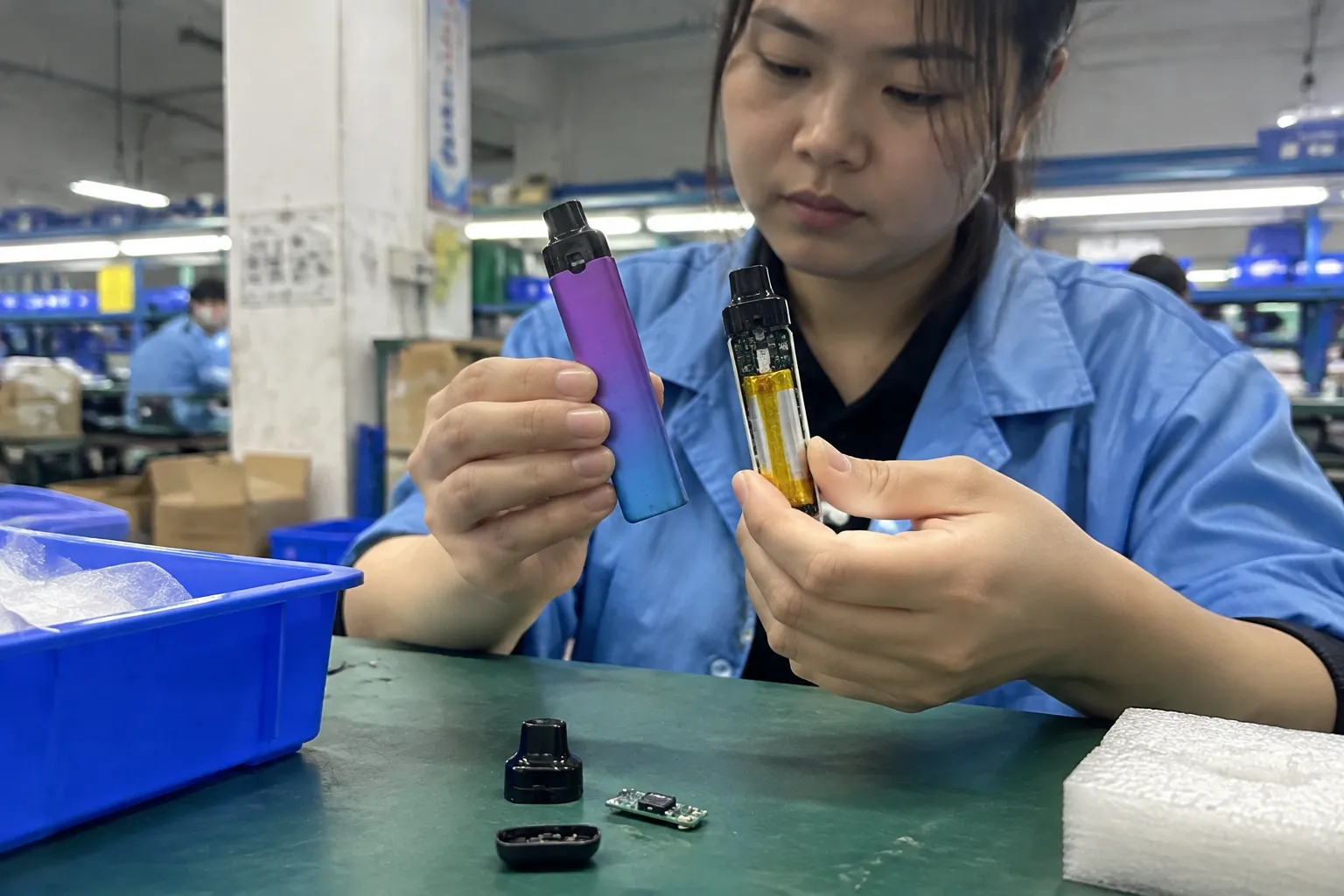
The supplier conversation should focus on the buyer’s operational risk. Buyers do not need exaggerated promises. They need clear answers, relevant samples, reasonable records, and a practical plan if the delivered goods do not match expectations.
Before ordering refillable pods, buyers should ask about sample representativeness, product changes, filling conditions, test records, inspection options, shipment handling, minimum order quantity, delivery route, and after-sales responsibility. KingVape can help organize these questions around the buyer’s order size and market.
Questions for an initial sample
- Is this sample the same version that will be shipped?
- Which components and assembly process does it use?
- Has the sample been filled and observed under relevant conditions?
- What liquid and filling procedure were used?
- Can the supplier provide a simple test record?
- What happens if a sample shows leakage?
- Can the buyer request additional samples or a pre-shipment inspection?
- How will product changes be communicated?
Questions for a wholesale order
- Minimum order quantity and available stock.
- Whether the order is shipped from an overseas warehouse or China.
- Estimated dispatch and delivery arrangements.
- Carton and product identification.
- Inspection timing and process.
- Defect reporting period.
- Replacement, credit, or compensation terms.
- Whether OEM/ODM changes require a new sample evaluation.
- Which party handles customer-facing after-sales communication.
KingVape provides one contact point for products purchased through us, which can reduce the need for a buyer to communicate separately with several brands or factories. That arrangement does not remove the buyer’s responsibility to verify local requirements or the product’s suitability for the intended application.
Choose the supply route that fits the business
| Buyer situation | Potentially suitable approach |
|---|---|
| Small retailer testing demand | Lower-quantity purchase from an available overseas warehouse |
| Regional wholesaler seeking quick replenishment | Stock-based shipment with clear delivery and inspection communication |
| Established importer | Larger direct shipment with batch planning and quality records |
| Distributor building a private label | OEM/ODM discussion with samples, specifications, and approval stages |
| Buyer seeking several product categories | One-stop sourcing and consolidated purchasing discussion |
KingVape can help source products beyond the current catalog, discuss new product development where conditions are suitable, and coordinate several product categories. Buyers should still approve each product according to its own design and risk profile.
Frequently Asked Questions
Can one refillable pod leakage test approve a wholesale order?
No. One unit can provide an initial indication, but it cannot establish batch-wide reliability. Buyers should evaluate representative samples under relevant conditions and combine the results with production traceability, inspection, supplier responsiveness, and written commercial protections.
How long should a refillable pod leakage test last?
There is no single universal duration for every refillable pod. The appropriate observation period depends on the design, liquid, filling method, storage conditions, transport route, and intended use. Buyers should ask the supplier to justify the conditions and obtain qualified technical advice when a formal method is required.
Should buyers test with their own liquid?
When the product will be used with a specific liquid, testing with a representative liquid can provide more relevant information. Buyers should record the liquid characteristics and filling procedure. They should not assume that a result with one formulation applies to all liquids.
What should a supplier do if a sample leaks?
The supplier should record the failure, identify the location and condition, investigate possible causes, and explain corrective action. Depending on the result, the buyer may request replacement samples, expanded inspection, a revised design, or changes to the commercial order before accepting greater exposure.
Can leakage testing prove regulatory compliance?
No. Leakage testing addresses one product-performance risk. It does not prove compliance with all applicable rules for a destination market. Buyers should verify product, chemical, labeling, packaging, battery, waste, and import requirements with authoritative sources and qualified local professionals.
Conclusion
Refillable pods should be evaluated as a supply-risk decision, not approved because one sample looked dry for a few minutes. Buyers can reduce uncertainty by testing representative units, recording filling and use conditions, reviewing transport and storage risks, and requiring traceable evidence before committing to a larger order. KingVape helps importers, wholesalers, distributors, and retailers coordinate samples, product communication, shipment planning, and after-sales support. Contact us at www.kingvapecig.com, email info@kingvapecig.com, or WhatsApp +86 13928420527 to discuss your refillable pod sourcing requirements.
Sources
- Hazardous Materials; Combination Packages Containing Liquids ...", Studies of sealed fluid-containing systems report that thermal changes, mechanical vibration, and prolonged storage can alter sealing conditions or expose defects, providing a plausible mechanism for leakage that is not immediately visible
- 6.2.2.2. Choosing a Sampling Plan with a given OC Curve", Statistical sampling theory shows that zero failures in a finite sample provides evidence about, but does not establish, a zero defect rate for the entire production lot
- Suitability of Test Procedures for Determining the ... - PMC - NIH", Research on elastomeric seals indicates that fluid chemistry, temperature, and material interactions can change swelling, stiffness, friction, or flow behavior and thereby affect leakage performance
- 49 CFR Part 178 Subpart M -- Testing of Non-bulk ...", Packaging engineering guidance recognizes product orientation as a condition that can affect liquid contact with closures and seals and may therefore be included in leakage or distribution testing
- 49 CFR Part 178 Subpart M -- Testing of Non-bulk ...", Distribution-testing standards and government packaging guidance treat vibration and repeated mechanical movement as transport stresses that can reveal package, closure, or seal weaknesses
- (PDF) Elastic Leak for a Better Seal", Cycle-life research on closures and elastomeric seals indicates that repeated mechanical engagement can produce wear, deformation, or loss of sealing force that may alter leakage behavior over time
- Performance Oriented Packaging Testing Policies & Procedures", Reliability and package-integrity methods commonly distinguish initial inspection from testing after relevant environmental conditioning, transport stresses, storage, or operational cycles
- What kinds of Lot Acceptance Sampling Plans (LASPs) are ...", Quality-assurance literature distinguishes preliminary screening from acceptance evidence and cautions that samples selected by an interested party may not represent routine production conditions