
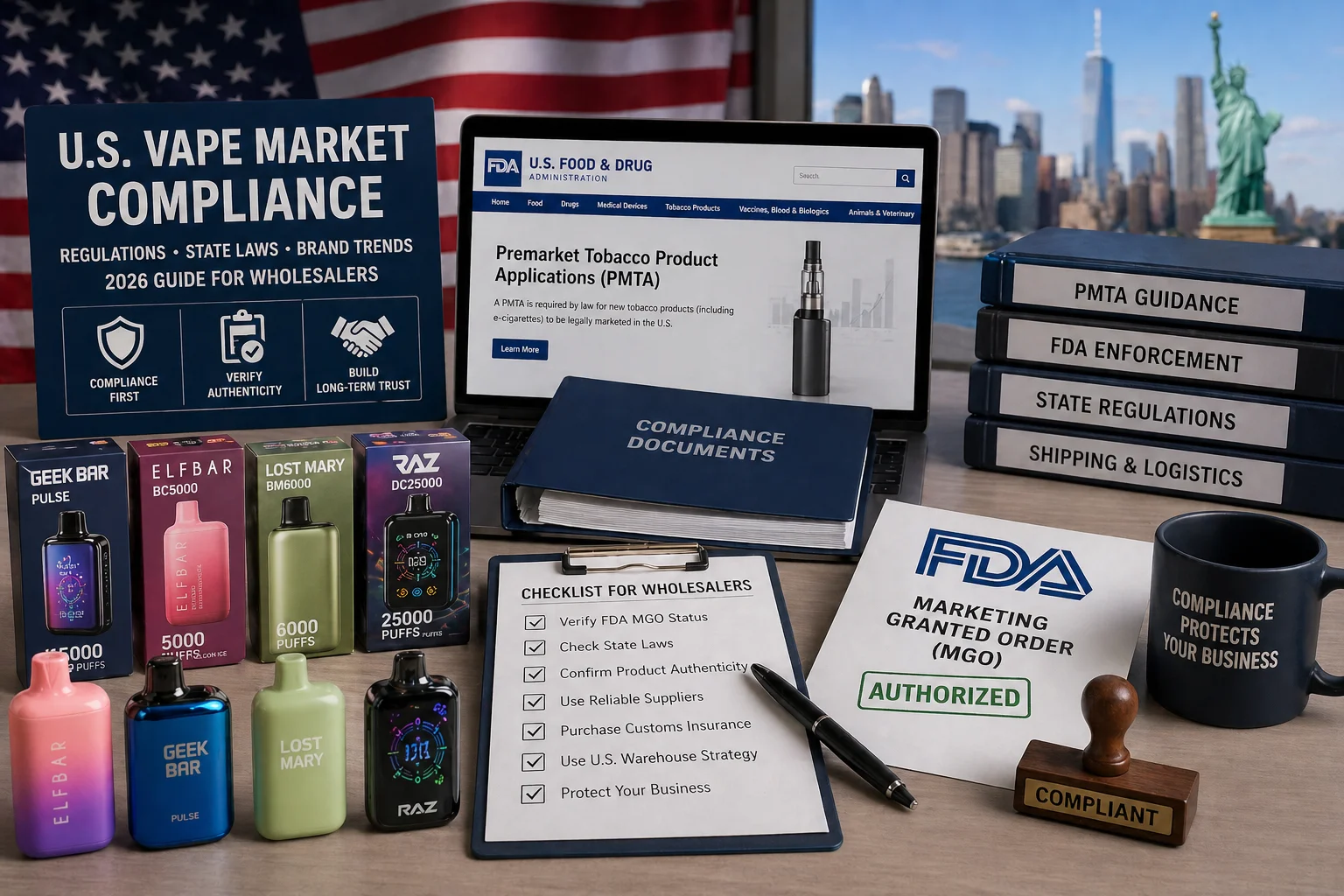
 The U.S. vape market is huge, but it is also one of the most difficult markets in the world.
Many importers only ask three questions:
- Which vape brand sells best?
- Which supplier gives the lowest price?
- Can the goods be shipped to the U.S.?
But these are not the most important questions.
The real questions are:
- Is the product legally marketable in the United States?
- Does it have FDA marketing authorization?
- Is it allowed in the buyer’s state?
- Is the buyer selling through a compliant channel or a gray-market channel?
- Should the buyer use U.S. warehouse stock or import directly from China?
In the U.S. vape business, compliance, supplier reliability, product authenticity, and capital turnover matter far more than simply chasing the lowest price.
1. The Core U.S. Rule: PMTA and MGO
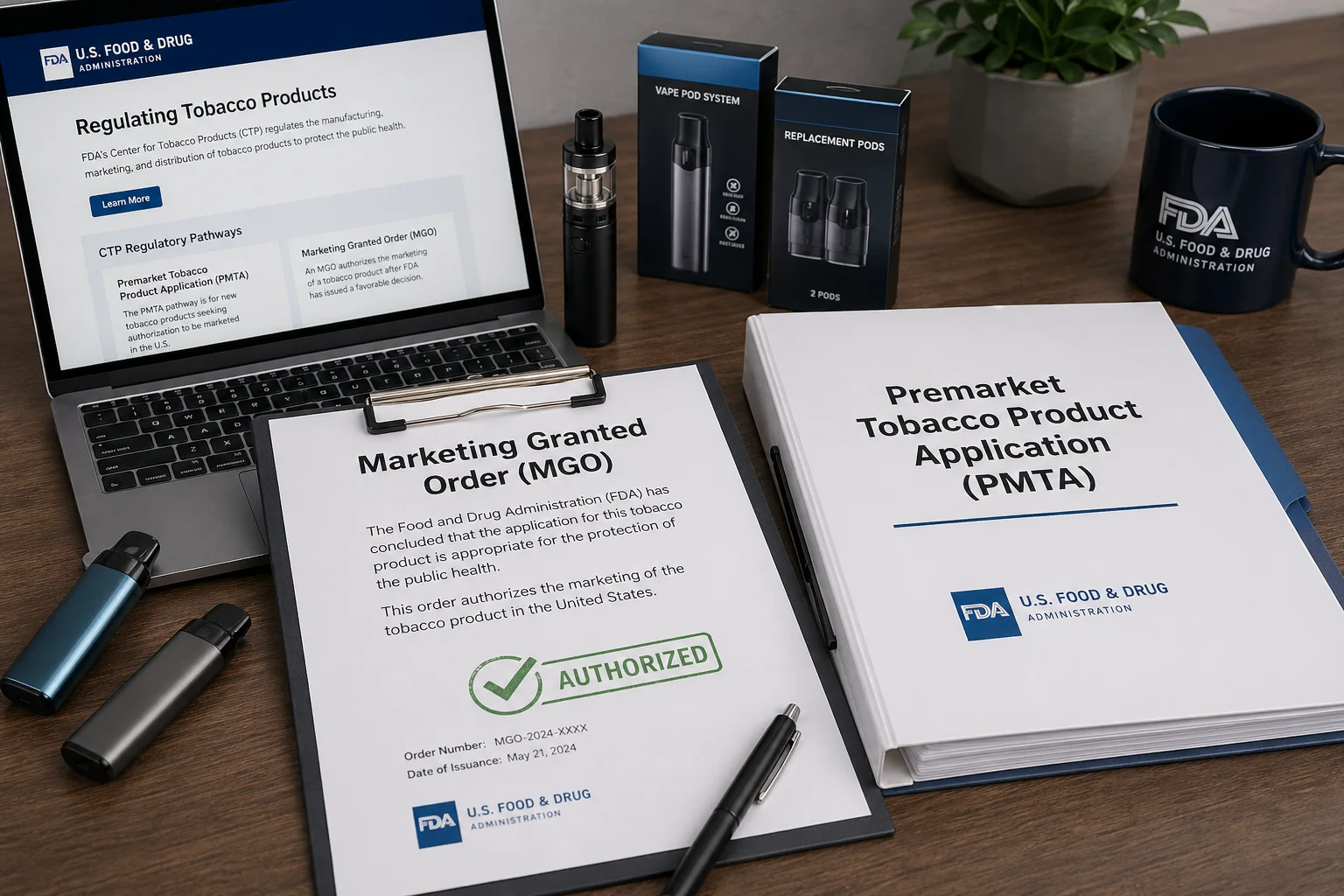
At the federal level, vape products are regulated by the U.S. Food and Drug Administration, also known as the FDA.
To be legally marketed in the U.S., a vape product generally needs to go through the PMTA process, which stands for Premarket Tobacco Product Application.
If the FDA authorizes the product, it receives a Marketing Granted Order, commonly called an MGO.
For wholesalers, the key rule is simple:
Only FDA-authorized e-cigarette products are clearly lawful to sell in the United States.
As of March 13, 2026, the FDA listed 41 authorized e-cigarette products, and the FDA states that these are the only e-cigarettes that may be lawfully sold in the United States. :contentReference[oaicite:0]{index=0}
This creates a major gap between the legal market and the real demand market.
Many popular high-puff disposable vapes are widely sold, but that does not automatically mean they are legally marketable.
2. MGO Is Product-Specific, Not Brand-Wide
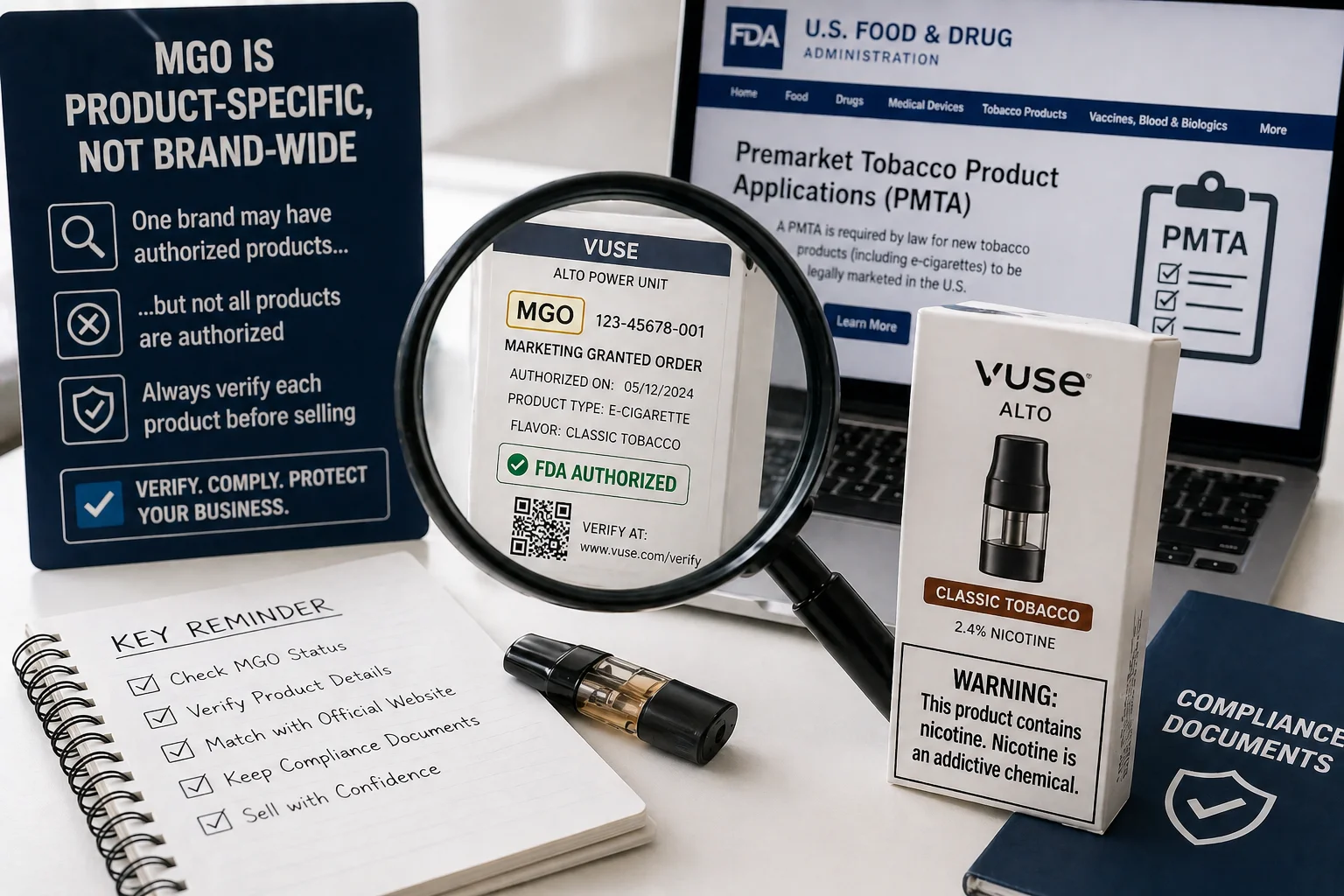
A common mistake is thinking that if one product from a brand has authorization, all products from that brand are legal.
That is wrong.
FDA authorization is product-specific[^1].
One tobacco-flavored pod may be authorized, while a fruit-flavored disposable device from the same brand may not be.
Wholesalers should also avoid saying “FDA approved vape.” FDA authorization does not mean the product is harmless or officially “approved” as safe. A safer way to describe it is:
- FDA-authorized where applicable
- MGO status verified where applicable
- Compliance-focused sourcing
- Adult-use nicotine product
- State laws vary; buyers should confirm local requirements
Marketing language matters in the U.S. market[^2]. Overclaiming can create legal and platform risks.
3. The U.S. Market Has Two Realities
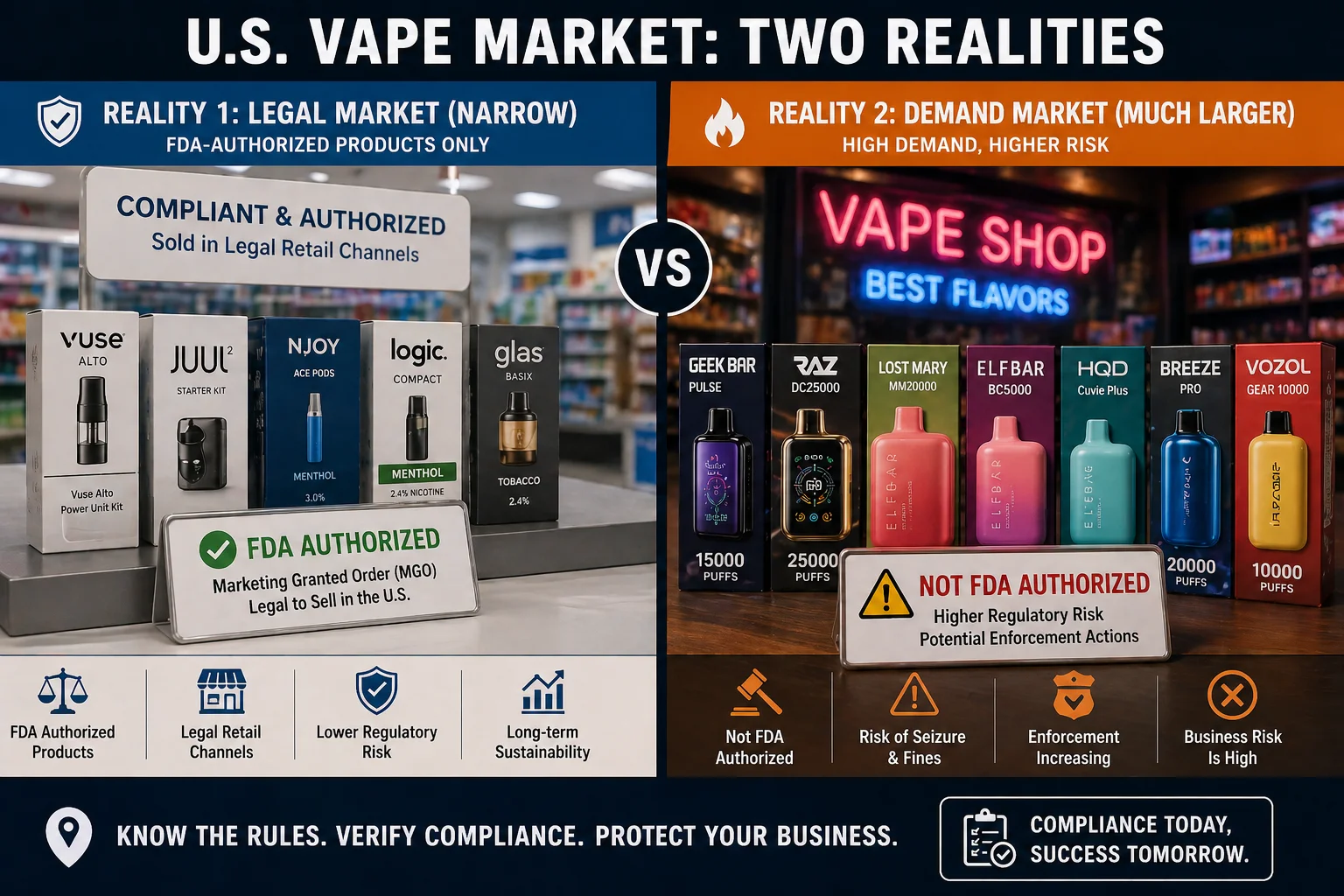
The U.S. vape market has two different realities at the same time.
Reality 1: The Legal Market Is Narrow
The legal, FDA-authorized market is limited. It is dominated by a small number of companies and specific products.
Brands more relevant to the authorized product segment include:
- Vuse
- JUUL
- NJOY
- Logic
- Glas
These brands are more suitable for compliant retail channels, licensed distributors, and long-term legal business models.
Reality 2: The Demand Market Is Much Larger
In the real retail and wholesale market, many customers still ask for high-demand disposable brands such as:
- Geek Bar Pulse
- RAZ
- HQD
- Breeze
- Lost Mary
- ELF BAR
- VOZOL
- FUMOT
Public retail sales data also shows that several disposable and smart-vape brands are among the top sellers[^3]. For the period from March 23, 2025 to May 18, 2025, the top 10 brands by dollar sales were Vuse, JUUL, Geek Bar Pulse, Breeze Smoke, RAZ, NJOY, HQD, Breeze Prime, Loon Maxx, and Lava Plus. :contentReference[oaicite:1]{index=1}
This proves one important point:
The hottest products are not always the safest products from a compliance perspective.
A product can sell fast and still carry serious regulatory risk.
4. State Laws Make the U.S. Market Even More Complex
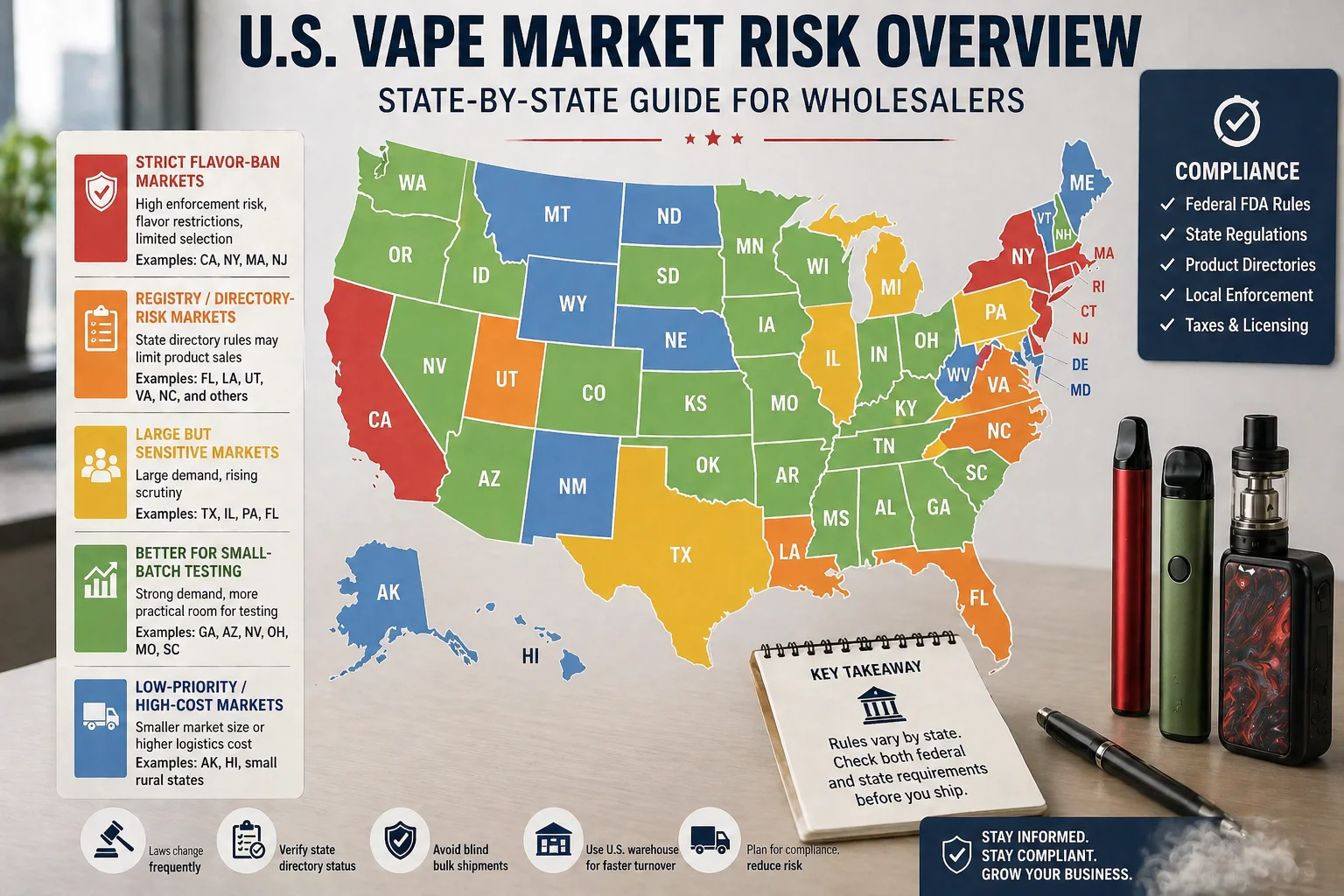
The U.S. is not one unified vape market.
Each state may have different rules on:
- Flavored vape products
- Retail licensing
- Product registries
- State product directories
- Taxes
- Online sales
- Shipping restrictions
- Local city-level bans
- Enforcement intensity
A growing number of states have considered or passed e-cigarette registry laws[^4]. These laws often require products to appear on a state-approved directory before they can be legally sold in that state. :contentReference[oaicite:2]{index=2}
This means buyers must check both:
- Federal FDA status
- State-level rules and product directory requirements
A product that is sold in one state may not be allowed in another.
5. State Market Risk Overview
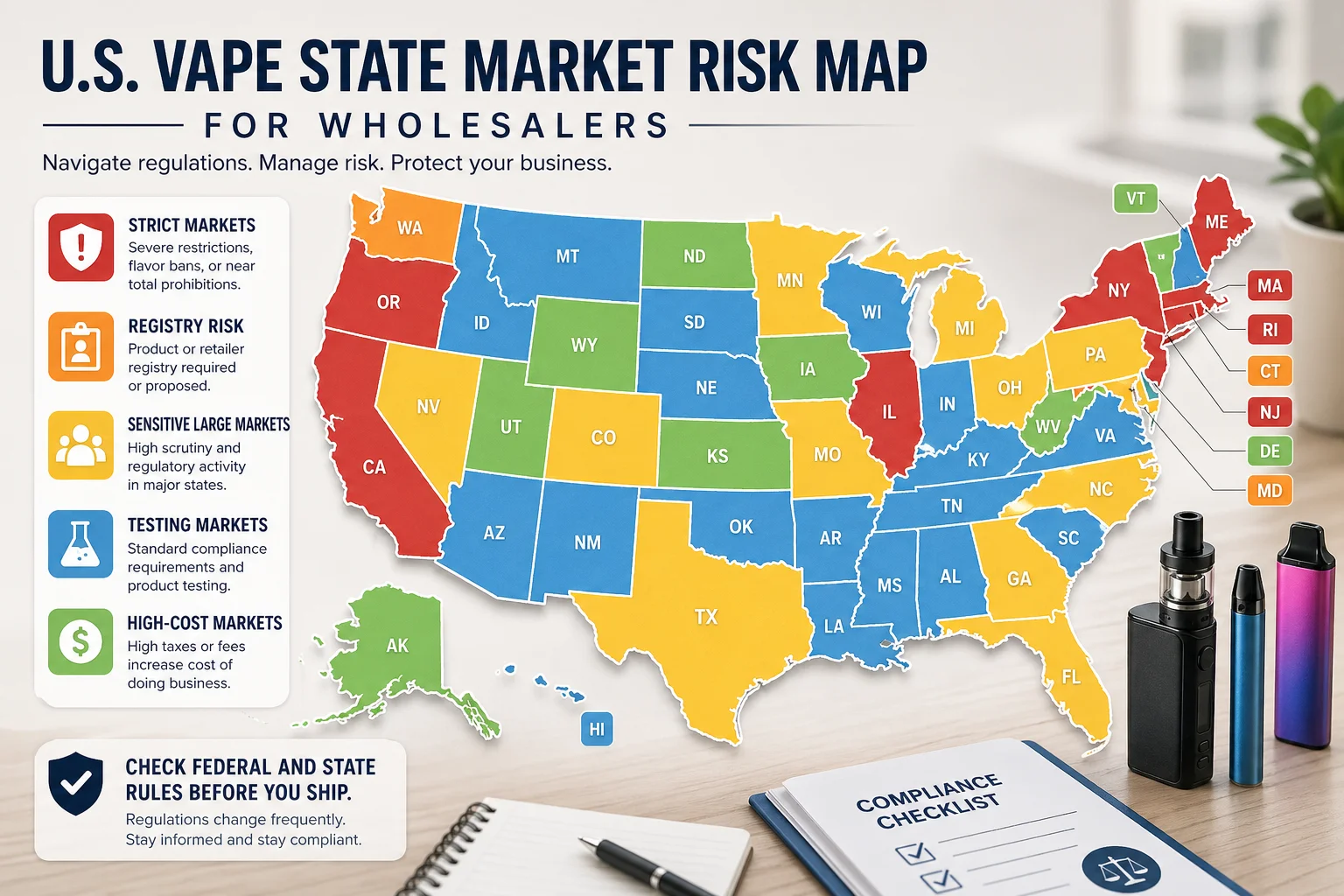
This table is not legal advice. It is a practical risk guide for wholesalers.
| Market Type | Example States | Market Situation | Suggested Strategy |
|---|---|---|---|
| Strict flavor-ban markets | California, New York, Massachusetts, New Jersey | Strong restrictions on flavored products and higher enforcement risk | Focus only on compliant products and licensed buyers |
| Registry / directory-risk markets | Florida, Louisiana, Utah, Virginia, North Carolina and others | Product directory rules may limit what can be sold | Verify state directory status before shipping |
| Large but sensitive markets | Texas, Florida, Illinois, Pennsylvania | Large demand, but rising scrutiny | Good opportunity, but avoid blind bulk shipments |
| Better for small-batch testing | Georgia, Arizona, Nevada, Ohio, Missouri, South Carolina | Strong demand with relatively more practical room for testing | Use U.S. warehouse stock and fast turnover |
| Low-priority or high-cost markets | Alaska, Hawaii, small rural states | Smaller market size or higher logistics cost | Only ship when there is a clear buyer |
California is especially strict[^5]. Its flavor ban has been expanded, and the state has introduced an Unflavored Tobacco List framework to help enforce restrictions on flavored tobacco products. :contentReference[oaicite:3]{index=3}
The key lesson is simple:
A smart U.S. vape strategy must be built state by state.
6. Brand Ranking: Separate “Legal Brands” From “Hot Brands”
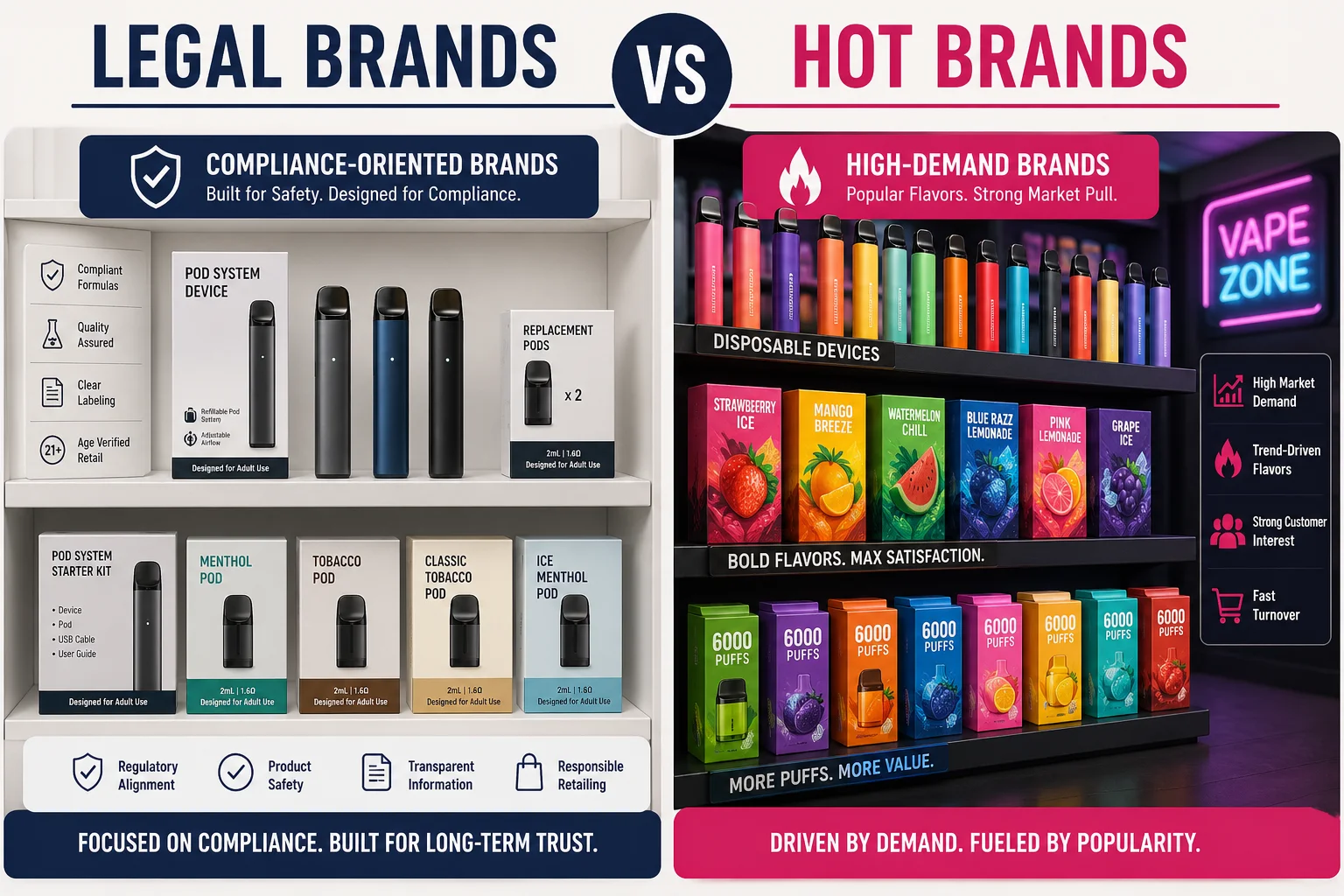
Wholesalers should not use one single brand ranking.
There are three different rankings to understand.
A. Compliance-Oriented Brands
These brands are more relevant for legal retail channels.
| Brand | Position |
|---|---|
| Vuse | Strong legal retail presence |
| JUUL | High awareness, selected authorized products |
| NJOY | Major tobacco-backed brand |
| Logic | Authorized products exist |
| Glas | Smaller authorized-product presence |
B. Real Market Demand Brands
These brands attract strong customer demand in the real market.
| Brand | Position |
|---|---|
| Geek Bar Pulse | Strong smart-vape demand |
| RAZ | Popular high-puff disposable brand |
| HQD | Well-known international vape brand |
| Breeze | Strong U.S. disposable presence |
| Lost Mary / ELF BAR | Globally recognized, strong flavor reputation |
| VOZOL | Strong international demand |
| FUMOT | Popular in wholesale channels |
C. High-Risk Counterfeit Products
The most dangerous category is fake products.
Counterfeit products can lead to[^7]:
- Payment loss
- Poor quality
- Unsafe e-liquid
- Bad batteries
- No after-sales support
- Customer complaints
- Reputation damage
- Supplier disappearance
- Police raids on illegal workshops
A very low price is often the biggest red flag[^8].
If a genuine product costs over €4 from the factory, an offer at €2 is not a miracle. It is probably fake, stolen, unsafe, or a scam.
7. The Biggest Mistake: Chasing the Lowest Price
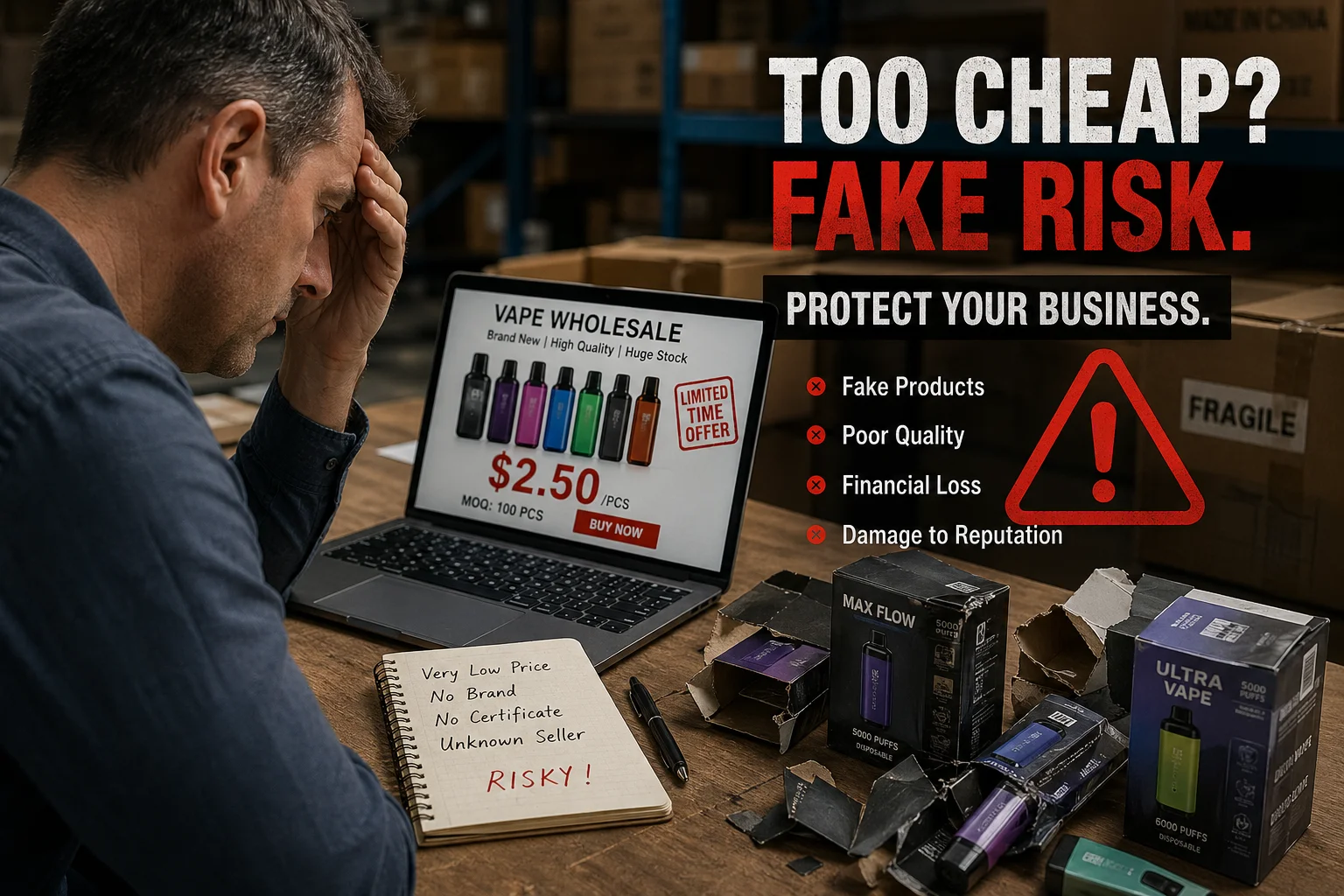
Many new buyers believe the cheapest product is the easiest to sell.
This is wrong.
Cheap products are not automatically profitable products.
The real question is:
Can the product sell quickly, safely, and repeatedly?
True wholesale profit comes from fast capital turnover.
A fairly priced product that sells fast is often better than a cheap product that sits in inventory, causes complaints, or gets seized.
A cheap fake product can destroy your business in several ways:
- The supplier disappears after payment.
- The product never ships.
- The shipment gets seized.
- The product quality is poor.
- Customers complain.
- Your reputation is damaged.
- You lose repeat buyers.
A reliable partner is always more valuable than a cheap deal.
8. How to Verify Suppliers Before Payment
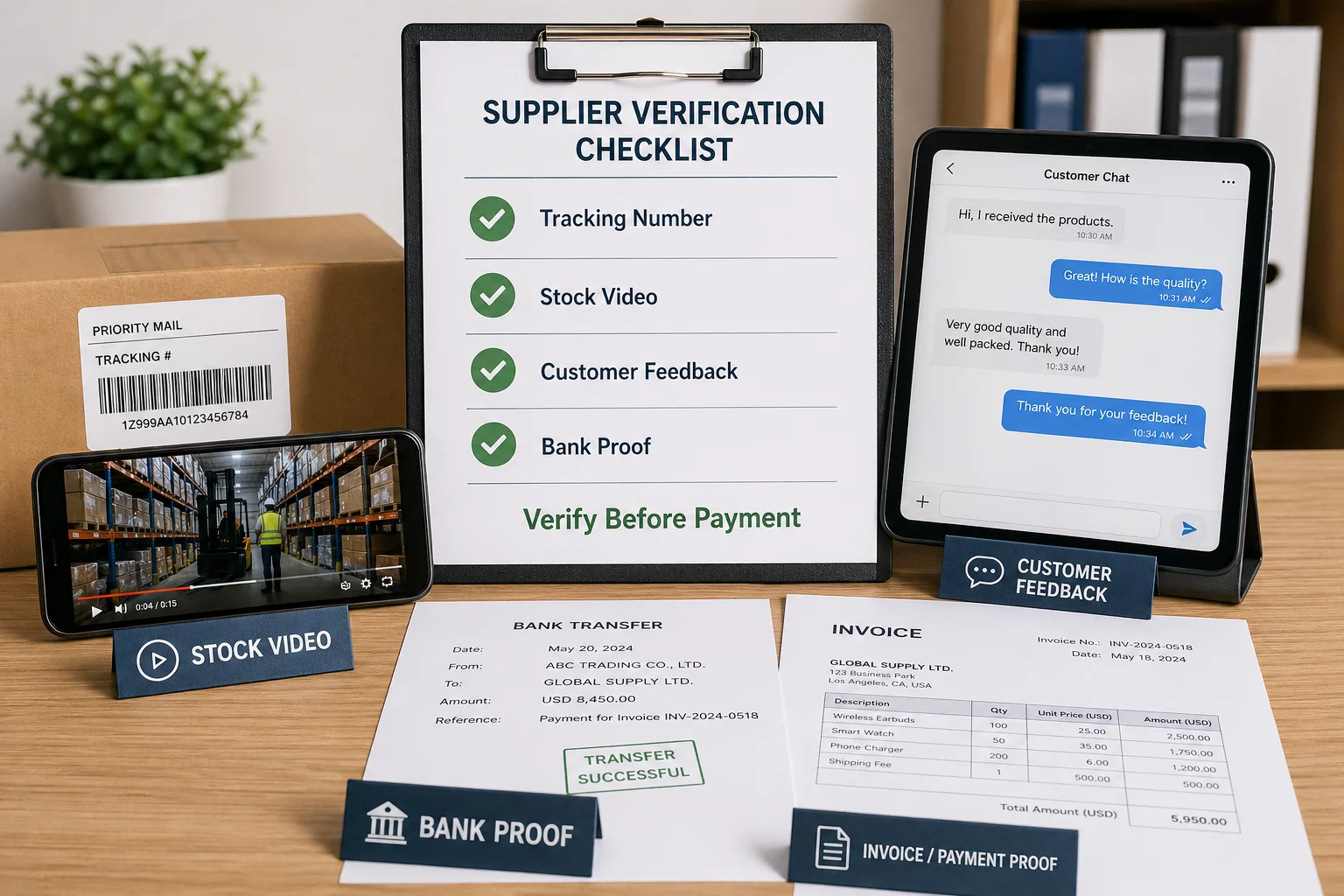
Before sending money to any supplier, buyers should ask for real proof.
Important proof includes:
- Recent tracking numbers
- Current stock videos
- Videos showing your name or company name
- Customer chat screenshots
- Successful delivery records
- Business license where applicable
- Bank transaction proof
- Product authenticity verification
- Official brand verification
- Matching company name on invoice and bank account
Be careful with fake documents.
Some scammers use the logo of a B2B platform on a fake invoice. But the platform itself is not the seller.
Also check whether the company name on the invoice matches the payment account. If the invoice shows one company but the payment account belongs to another unrelated company, that is a serious warning sign.
9. How to Check Product Authenticity
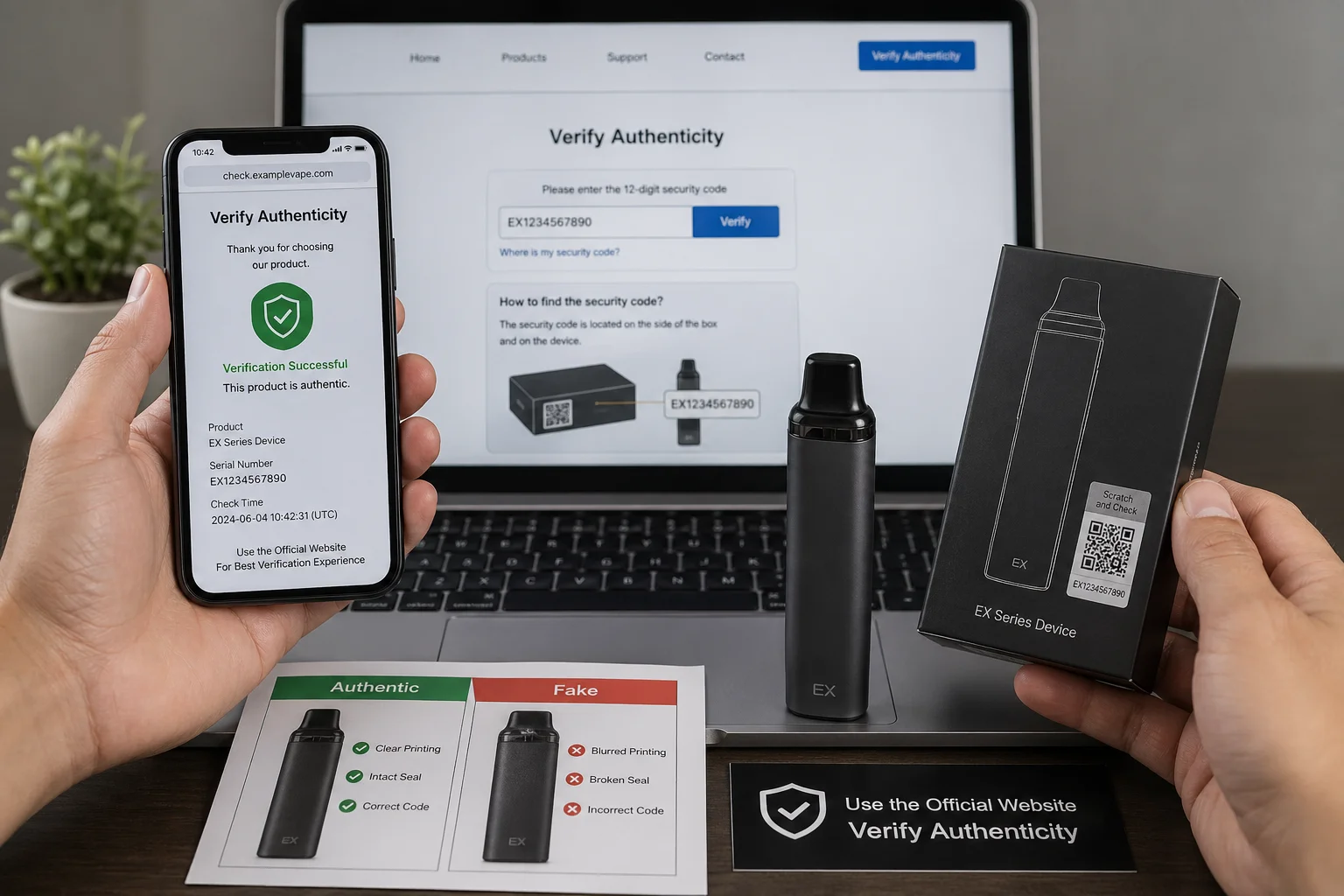
Many genuine vape products have QR codes or verification codes.
But fake suppliers can also create fake QR codes.
A fake QR code may open a fake website that says the product is genuine. That does not prove anything.
The safer process is:
- Find the official brand website yourself.
- Enter the verification code manually.
- Check whether the result appears on the official system.
- Compare packaging, printing, warning labels, and product finish.
- Ask for real stock videos before payment.
Never trust a random QR page unless you confirm it belongs to the official brand.
10. Best Sourcing Strategy: U.S. Warehouse or China Direct?
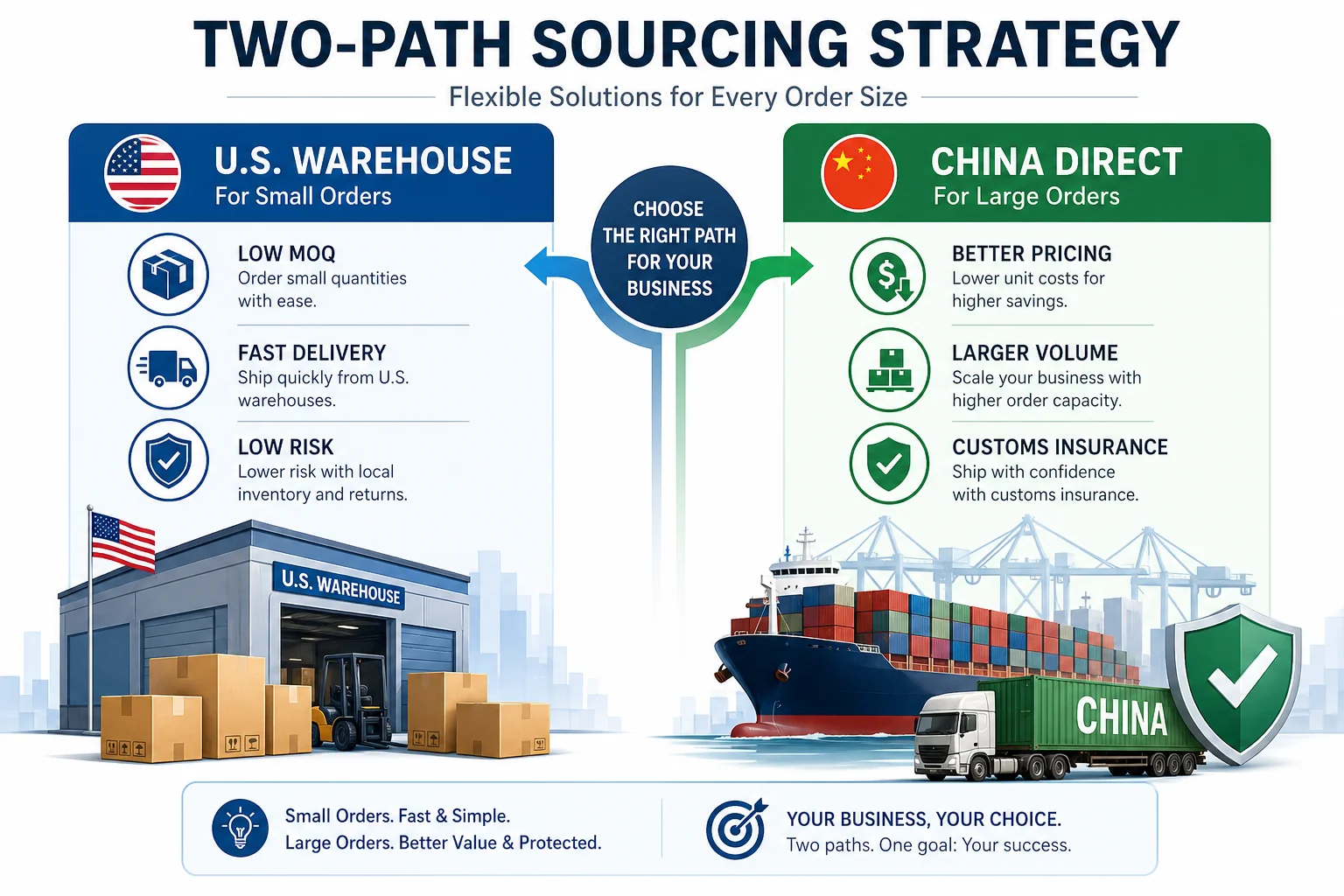
There are two main sourcing paths.
Path 1: U.S.-Based Warehouse
This is best for:
- New sellers
- Small retailers
- Social media sellers
- Small vape shops
- Buyers with limited capital
- Orders under 2,000 units
Advantages:
- Lower starting cost
- Low MOQ
- Fast delivery
- No direct import clearance burden
- Lower inventory pressure
- Faster product testing
- Faster cash turnover
This is the safer choice for beginners.
The unit price may be higher, but the risk is much lower.
Path 2: Direct Import From China
This is best for:
- Experienced wholesalers
- Larger distributors
- Buyers with stable sales channels
- Orders over 2,000 units
- Buyers who need better pricing
- Buyers who understand customs risk
Advantages:
- Lower unit cost
- More product options
- Better profit margin
- Direct access to supply chain
- Better for large-volume orders
But one rule is critical:
For high-value shipments, full customs seizure insurance is essential.
If a shipment is seized and there is no insurance, the buyer may lose everything. With proper insurance and clear terms, the supplier or freight forwarder may resend the shipment according to the agreement.
11. Content Strategy for the U.S. Market
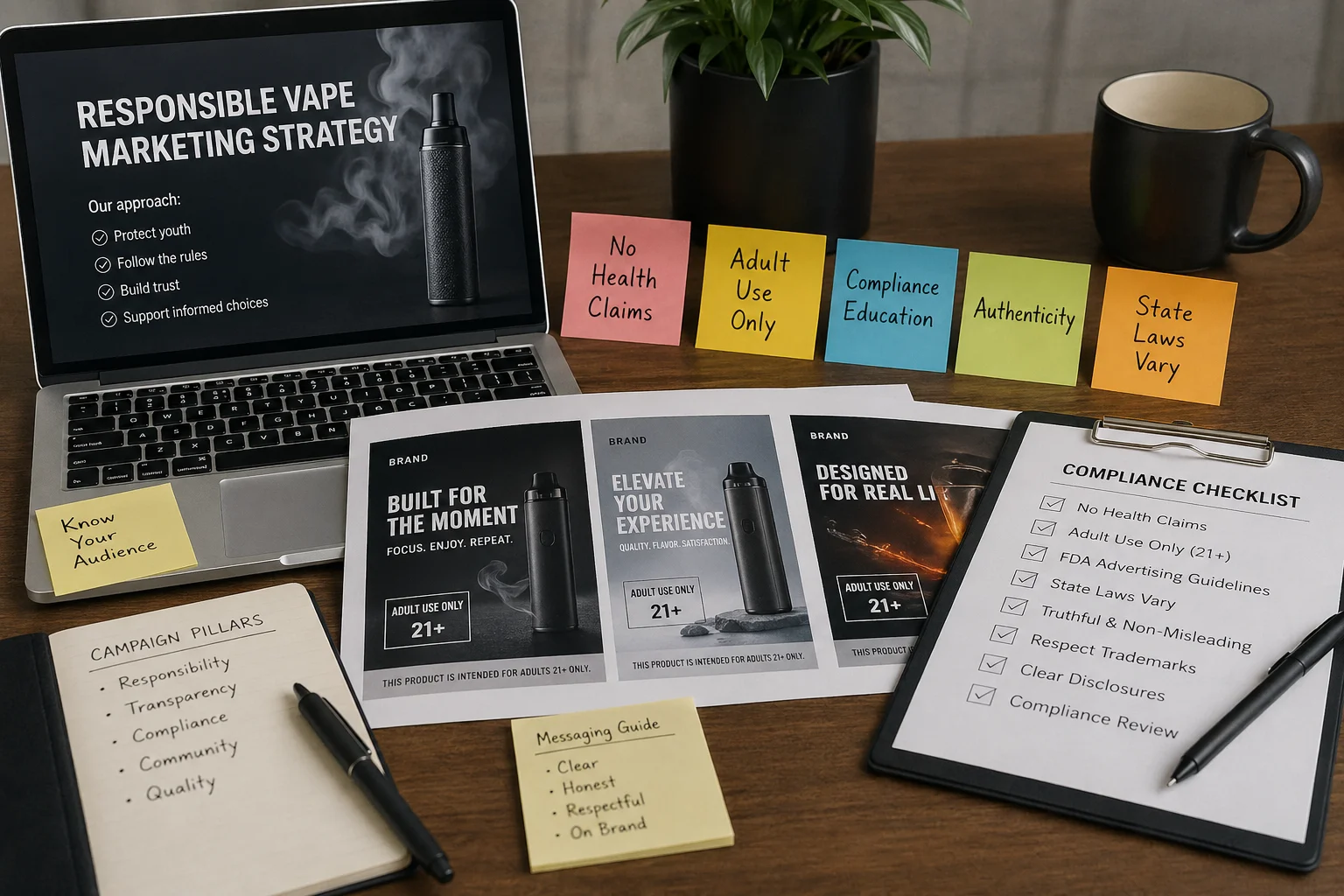
Marketing content for the U.S. vape market must be careful.
Avoid health claims and exaggerated legal claims.
Do not write:
- 100% safe
- FDA approved
- Healthy vape
- Helps you quit smoking
- Legal in every state
- No risk
- For everyone
Better content angles include:
- Compliance education
- Product authenticity
- Supplier verification
- Adult-use responsible selling
- MGO awareness
- State-by-state caution
- Reliable sourcing
- Fast turnover
- Low-risk first orders
- U.S. warehouse availability
- Full customs seizure insurance for larger imports
The goal is not to look like the cheapest supplier.
The goal is to look like the most reliable long-term partner.
12. Practical Market Plan for 2026 and Beyond
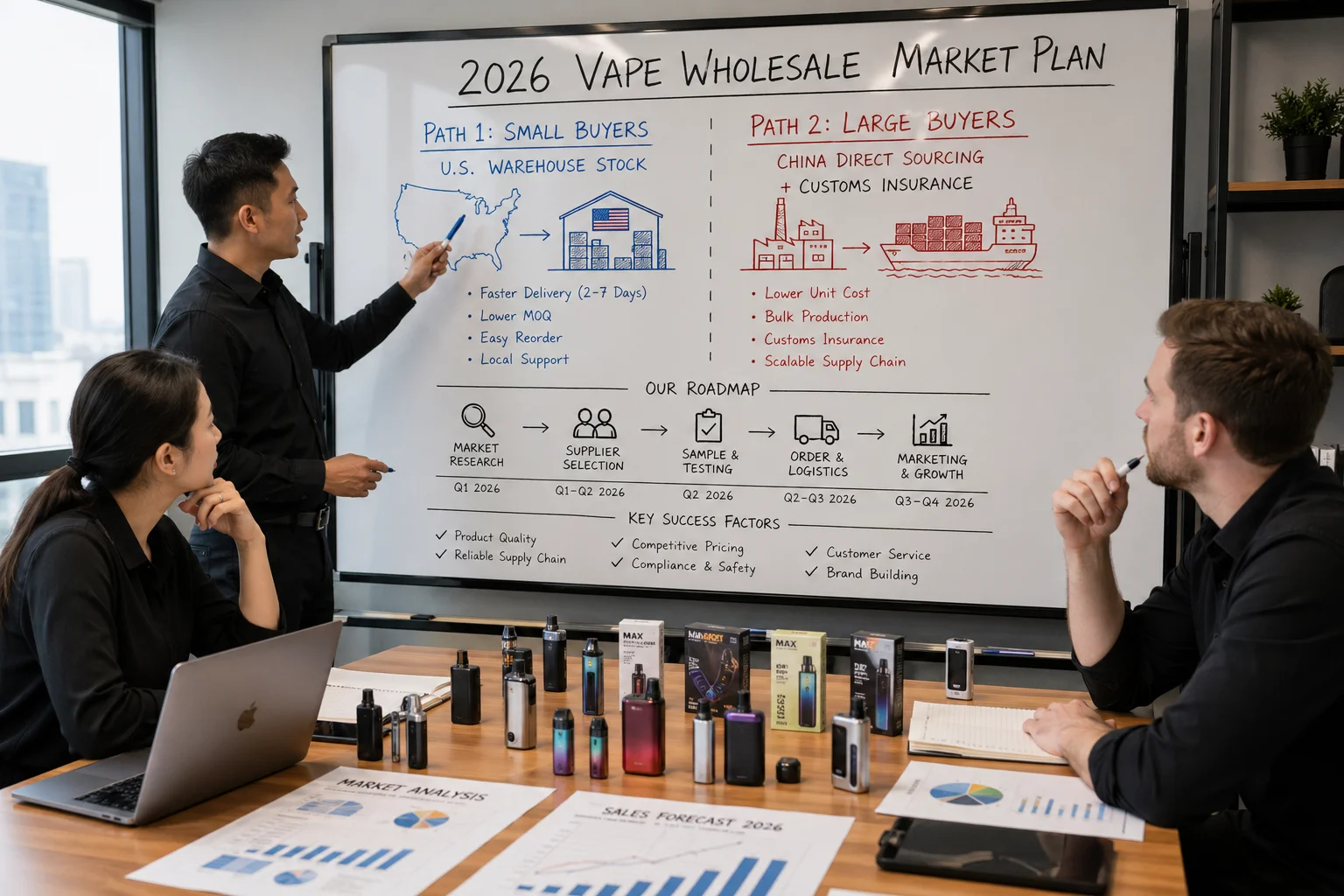
The old way of buying from a random supplier in China and hoping for the best is no longer safe.
A better U.S. market plan should have two paths.
For Small Buyers
Use U.S. warehouse stock.
Start small, test fast, sell quickly, and reinvest profits.
Do not risk your entire starting capital on one large shipment.
For Large Buyers
Import directly from China only when you have:
- Stable customer demand
- A trusted supplier
- Verified product authenticity
- Clear shipping terms
- Full customs seizure insurance
- A real plan for state-level compliance
Large orders can create better profit, but only if risk is controlled.
13. Final Conclusion
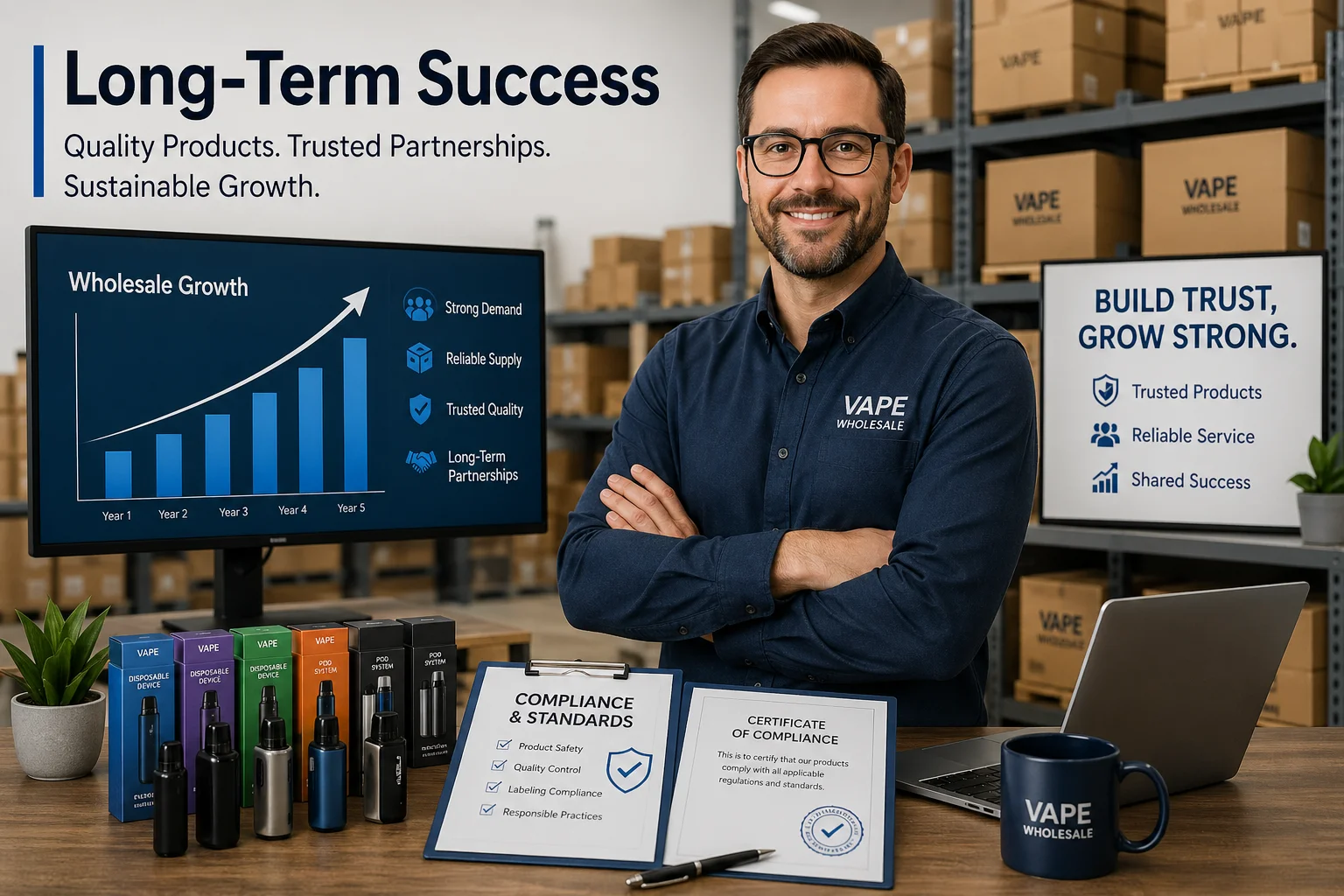
The U.S. vape market is still full of opportunity, but it is no longer a simple low-price game.
The market is large, but the legal space is narrow.
Demand is strong, but enforcement is increasing.
Popular products can sell fast, but they may also carry serious risk[^9].
For wholesalers, the winning strategy is clear:
- Do not chase impossible prices.
- Verify supplier legitimacy before payment.
- Prioritize genuine products.
- Understand FDA marketing status.
- Check state-level rules.
- Start with small test orders if you are new.
- Use U.S. warehouse stock for low-risk quick turnover.
- Use China direct sourcing only when volume and experience justify it.
- Protect large shipments with full customs seizure insurance.
- Build trust through transparency, not false promises.
The real profit is not in buying the cheapest vape.
The real profit is in selling the right product, to the right market, with the right risk control, again and again.
Fast turnover, genuine products, reliable suppliers, and compliance awareness[^10] are the foundation of long-term success in the U.S. vape market.
Stay Compliant When Importing Vape Products
Compliance varies by market. Our team helps importers vet suppliers and document manufacturer and importer details. Talk to our compliance-aware sourcing team.
Related reading: European Vape Market Regulations, Country Differences, and Bestselling Products: A Practical Guide for Wholesalers in 2026
[^1]: "How To Obtain a Covered Product Authorization - FDA", https://www.fda.gov/regulatory-information/search-fda-guidance-documents/how-obtain-covered-product-authorization. The source explains the FDA's product-specific authorization process, supporting the claim about the narrow scope of legal marketing. Evidence role: mechanism; source type: government. Supports: FDA authorization applies to specific products, not entire brands.. Scope note: The explanation may not cover all nuances of the FDA's authorization criteria. [^2]: "Exposure to e-cigarette advertising and young people's use of e ...", https://pmc.ncbi.nlm.nih.gov/articles/PMC10594952/. The source explains the risks of overclaiming in marketing language, supporting the claim about legal and platform risks. Evidence role: mechanism; source type: education. Supports: Overclaiming in marketing language can create legal and platform risks in the U.S. vape market.. Scope note: The source may not provide specific examples of legal cases or platform penalties. [^3]: "E-Cigarette Sales Data & Trends in the United States", https://tobaccomonitoring.org/national/. The source provides retail sales data confirming the popularity of disposable and smart-vape brands, supporting the claim about market demand. Evidence role: statistic; source type: research. Supports: Disposable and smart-vape brands are among the top sellers in the U.S. vape market.. Scope note: The data may not represent all retail channels or geographic areas. [^4]: "STATE System E-Cigarette Fact Sheet - CDC", https://www.cdc.gov/statesystem/factsheets/ecigarette/ECigarette.html. The source confirms the trend of states adopting e-cigarette registry laws, supporting the claim about increasing state-level regulation. Evidence role: historical_context; source type: government. Supports: Many states are adopting e-cigarette registry laws requiring products to appear on state-approved directories.. Scope note: The source may not list all states with registry laws or provide detailed implementation timelines. [^5]: "Unflavored Tobacco List Regulations | State of California", https://oag.ca.gov/tobacco/flavorban/regulations. The source provides details on California's flavor ban and enforcement mechanisms, supporting the claim about its strict regulatory environment. Evidence role: mechanism; source type: government. Supports: California has expanded its flavor ban and introduced enforcement frameworks like the Unflavored Tobacco List.. Scope note: The information may not cover all aspects of California's vape regulations. [^6]: "Cigarette and E-Cigarette Retail Marketing on and Near California ...", https://pmc.ncbi.nlm.nih.gov/articles/PMC7521133/. The source discusses the need for state-specific strategies in the U.S. vape market, supporting the claim about regulatory diversity. Evidence role: expert_consensus; source type: education. Supports: A single national strategy is insufficient due to state-specific vape regulations.. Scope note: The source may not provide detailed strategies for each state. [^7]: "Adolescents' Perceptions, Experiences, and Reactions to “Fake ...", https://pmc.ncbi.nlm.nih.gov/articles/PMC11812520/. The source outlines risks associated with counterfeit vape products, supporting the claim about their impact on business and safety. Evidence role: mechanism; source type: research. Supports: Counterfeit vape products pose risks such as payment loss, poor quality, and legal issues.. Scope note: The source may not provide specific case studies or quantitative data on counterfeit prevalence. [^8]: "Cheap Vapes Under $20: Best Disposable & Batteries for Sale", https://discountvapepen.com/product-category/cheap-vapes-under-20/. The source explains how unusually low prices can indicate counterfeit or unsafe products, supporting the claim about price as a warning sign. Evidence role: mechanism; source type: research. Supports: Unusually low prices often indicate counterfeit or unsafe vape products.. Scope note: The source may not provide specific examples or quantitative thresholds for pricing concerns. [^9]: "Enforcement Actions Against Industry for Unauthorized ...", https://www.fda.gov/tobacco-products/compliance-enforcement-training/advisory-and-enforcement-actions-against-industry-unauthorized-tobacco-products. The source discusses the regulatory risks associated with popular vape products, supporting the claim about balancing demand and compliance. Evidence role: expert_consensus; source type: education. Supports: Popular vape products may sell fast but often carry significant regulatory risks.. Scope note: The source may not provide specific examples of regulatory actions against popular products. [^10]: "Commentary: Forces That Drive the Vape Shop Industry and ... - PMC", https://pmc.ncbi.nlm.nih.gov/articles/PMC5021181/. The source emphasizes these factors as key to long-term success in the U.S. vape market, supporting the claim about strategic priorities. Evidence role: expert_consensus; source type: education. Supports: Fast turnover, genuine products, reliable suppliers, and compliance awareness are essential for success in the U.S. vape market.. Scope note: The source may not provide quantitative evidence for the effectiveness of these strategies.