
Quick Answer
Replacement-coil continuity should be one of my first checks when I evaluate a new vape device for a UK shop. A device may have an attractive price and strong initial interest, but poor coil availability can create complaints, returns, and lost repeat sales. I use a simple procurement process to connect compatibility, replenishment evidence, and customer support before recommending a listing.
UK vape shops should verify replacement-coil continuity before listing a device by confirming the exact compatible coil family, current and expected stock, replenishment lead times, supplier communication procedures, and a workable backup plan. Current availability alone does not prove future supply[3]. Buyers should document the evidence and treat uncertain continuity as an inventory risk.
I have seen buyers focus heavily on purchase price, appearance, and novelty because those points are easy to compare. The more important question often comes later: can the shop keep supplying the consumable that makes the device usable? The sections below explain how I would check that question before committing shelf space and working capital.
Why Should Vape Shops Check Replacement-Coil Continuity Before Listing a Device?
A shop can sell a device quickly and still make a poor buying decision if compatible coils become difficult to obtain. The risk affects more than one SKU[2]. It can influence customer trust, future accessory sales, staff time, and the shop’s reputation for recommending practical products.
Vape shops should check replacement-coil continuity before listing a device because customers usually need replacement coils after the initial purchase[1]. A supplier should provide model-level compatibility information, realistic replenishment expectations, and shortage communication. Without that evidence, the shop should reduce the trial quantity or choose a product with a clearer supply plan.
The first sale is not the complete commercial result
When I assess a device, I separate the initial sale from the repeat-support cycle. A customer may buy a new device today, but the customer’s experience continues when the coil needs changing. If the shop cannot provide the correct replacement, the customer may:
A low wholesale price does not remove this risk. I compare the initial unit cost with the likely commercial cost of poor continuity. That cost can include unsold devices, slow-moving coils, staff time, customer refunds, and additional freight for emergency replenishment.
Continuity is a procurement question, not a promise
I do not treat phrases such as “long-term supply,” “popular product,” or “available for a long time” as evidence by themselves. Those statements may reflect a supplier’s current intention, but they do not show how the supplier will manage:
- Replenishment after the current batch sells out.
- Changes to the coil design.
- Differences between regional versions.
- Product discontinuation.
- Temporary factory capacity problems.
- Shipping delays or customs interruptions[4].
- Minimum order quantities for future purchases.
I ask for practical information that a buyer can record. I also separate confirmed information from general expectations. A written stock statement for a current order is useful, but it does not guarantee supply indefinitely. A supplier’s forecast may help with planning, but I still treat it as a forecast.
The decision should match the shop’s business model
A small independent shop may prefer a low-risk trial with a modest quantity. A larger retailer or distributor may need a stronger replenishment plan before adding a device across several locations. I would not use the same continuity threshold for every buyer.
| Buyer situation | Sensible continuity approach |
|---|---|
| Small shop testing a new device | Order a controlled quantity and secure compatible coils before expanding |
| Established shop with repeat customers | Confirm regular replenishment and shortage communication |
| Multi-store retailer | Request documented SKU mapping and a forward supply plan |
| Distributor supplying other shops | Check carton quantities, lead times, product changes, and downstream support |
| Shop buying a private-label device | Clarify who controls the coil specification and future tooling or supply |
I use the shop’s expected sales period, customer base, and cash-flow position to decide how much evidence is enough. A short test can be reasonable when the financial exposure is limited. A broad launch needs stronger continuity evidence.
How Can a Shop Verify Exact Coil Compatibility at Model Level?
A shop should record the precise device model, coil family, resistance or variant where relevant, and all stated compatibility limits. Similar names, matching photographs, or a coil that physically appears close should not be treated as proof. The buyer should confirm compatibility through product documentation and supplier communication.
To verify compatibility, I would create a model-level record that links each device to an exact replacement-coil SKU. I would check the stated resistance range, connection or fit, airflow or performance limitations where supplied, and any model revisions. I would ask the supplier to confirm the mapping in writing before placing a larger order.
Build a simple compatibility record
- Device brand and exact model name.
- Device version, generation, or regional variant if applicable.
- Compatible coil family.
- Replacement-coil SKU or supplier part number.
- Resistance or variant options.
- Recommended use information supplied by the manufacturer.
- Current supplier stock status.
- Expected replenishment lead time.
- Date of the supplier confirmation.
- Contact responsible for future updates.
Do not rely on similar names
Vape product names can contain similar words, numbers, or family labels. A coil that looks almost identical may still be unsuitable for a particular device version[5]. I would ask the supplier direct questions instead of asking only whether a coil is “compatible.”
Check the information at receiving stage
The process should not end when the purchase order is accepted. I would compare the delivered packaging, SKU, printed model information, and invoice against the original record. If the supplier has changed packaging or part numbers, I would ask whether the physical specification has changed as well.
Compatibility and legal evaluation are separate checks
A compatibility confirmation does not replace the shop’s own product, packaging, or market review. UK businesses should independently check current requirements that apply to the products they sell[6]. The UK government’s electronic cigarette and refill container guidance provides a starting point, while the MHRA notification system contains relevant regulatory information.
I treat supplier documents as procurement evidence, not as a substitute for independent professional or regulatory evaluation. I would ask a qualified adviser to review application-specific questions, especially when a product is intended for a broad retail launch.
What Evidence Shows That Replacement-Coil Supply May Continue?
A supplier should give more than a statement that a coil is “in stock.” Useful evidence includes the current available quantity, normal production or replenishment lead time, minimum order conditions, recent stock movement where available, and the process for handling shortages or discontinuation.
Evidence of possible replacement-coil continuity includes a written model-to-coil compatibility list, a dated stock position, a stated replenishment cycle, clear communication about product changes, and an agreed contact for future orders. This evidence reduces uncertainty, but it cannot guarantee indefinite availability. Buyers should review it before each major commitment.
Current stock answers only one question
Current stock tells me whether the supplier may be able to fulfil an order now. It does not answer whether the same coil will be available after the first batch sells through. I therefore separate the review into three time periods:
| Supply question | What I want to understand |
|---|---|
| Immediate | Can the supplier fulfil the opening order and initial coil requirement? |
| Near term | What is the expected replenishment lead time after the current stock is sold? |
| Longer term | How will the supplier communicate changes, shortages, or discontinuation? |
Ask for a supply statement that a buyer can use
- Is the replacement coil currently available?
- What quantity can you allocate to this order?
- What is the normal replenishment lead time?
- What is the minimum reorder quantity?
- Does the supplier expect the coil to remain in the product range?
- How will the supplier notify the buyer about shortages or changes?
- Does the device have a successor model that uses a different coil?
- Can the supplier support a mixed order of devices and coils?
- Which information is confirmed, and which information is only an estimate?
Look for operational signals
I do not need confidential factory information to make a practical decision. I can often learn enough from the supplier’s process. A supplier that knows the exact coil SKU, gives a clear lead time, explains reorder conditions, and communicates changes promptly is easier to manage than a supplier that answers only with general marketing language.
I support buyers by checking product availability, compatibility information, and replenishment needs as part of the procurement discussion. I still present supply information carefully. I do not promise that any coil will remain available indefinitely, because no responsible supplier can remove every future supply risk.
Our vape and smoking-accessory product range can be discussed with buyers who need a broader sourcing review. I would normally start by understanding the customer’s device models, target market, order size, and preferred delivery method.
Treat unconfirmed information as a risk
- Ordering a smaller test quantity.
- Buying an appropriate amount of replacement coils with the devices.
- Limiting the listing to a controlled number of shops.
- Setting an internal review date.
- Avoiding a large marketing campaign until supply becomes clearer.
- Selecting another device for the main range.
How Does Coil Risk Change the True Cost of a Device?
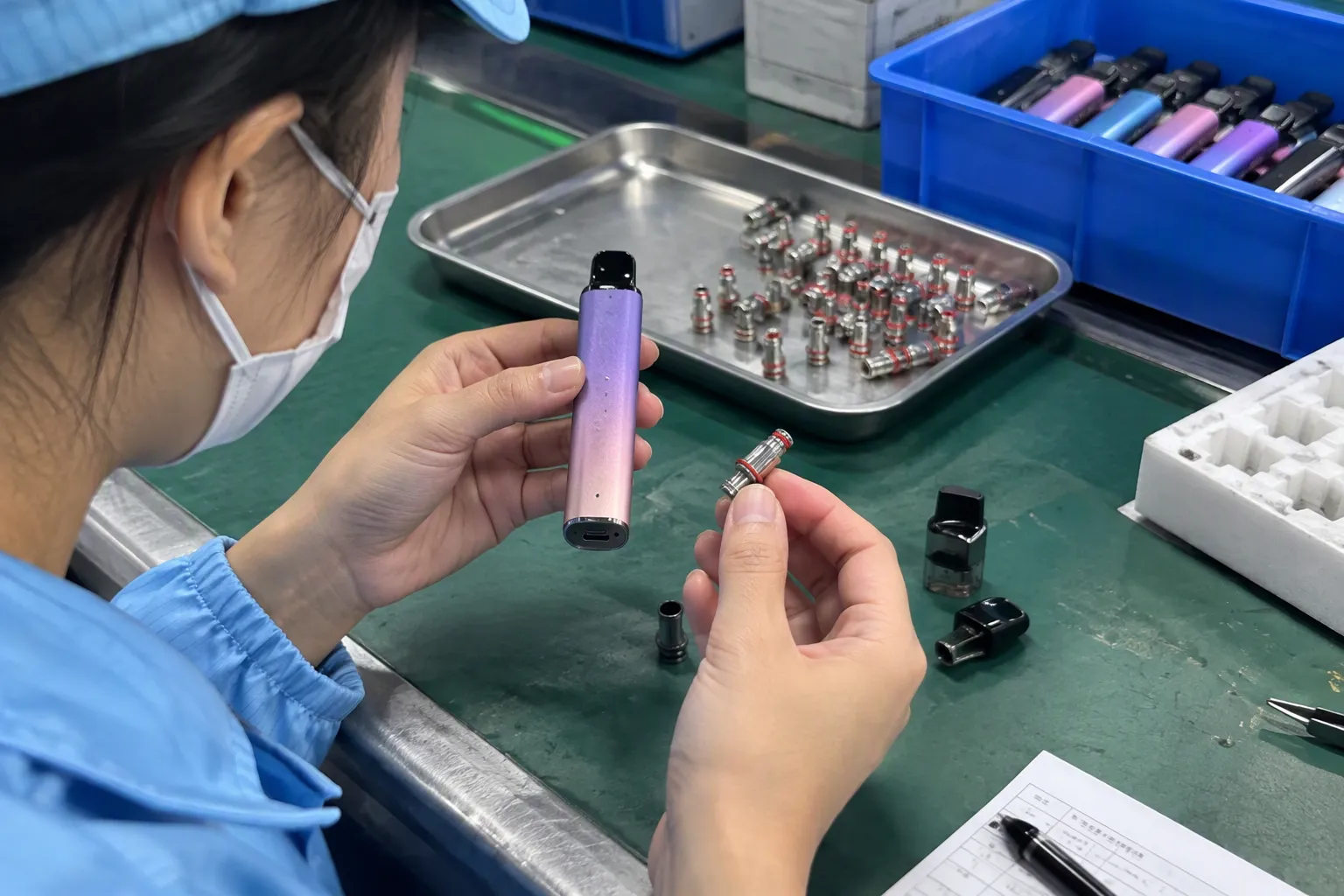
The true commercial cost of a device includes more than its purchase price[7]. I also consider the cost of replacement coils, freight, stockholding, customer support, potential returns, and the risk that the device becomes difficult to support. A cheaper device can be more expensive when its consumable supply is uncertain[8].
A shop can assess the true cost of a vape device by combining its opening purchase cost with replacement-coil cost, expected logistics cost, stock exposure, support time, and the commercial effect of poor continuity. The calculation does not need to predict exact sales. It should make supply risk visible before the buyer commits cash.
Use a total-cost view
| Cost area | Question for the buyer |
|---|---|
| Device purchase | What is the landed cost per device? |
| Replacement coils | What is the expected cost and reorder quantity? |
| Freight | Will urgent replenishment require more expensive transport? |
| Inventory | How much cash will remain in devices or coils if demand slows? |
| Support | How much staff time will compatibility questions require? |
| Returns | What may happen if customers cannot obtain the correct coil? |
| Opportunity cost | Could shelf space be used for a better-supported product? |
I do not assign invented failure rates or sales numbers. I use the shop’s own assumptions and label them clearly. Even a rough scenario can reveal that a small price advantage is not enough to compensate for an uncertain consumable.
Compare three procurement scenarios
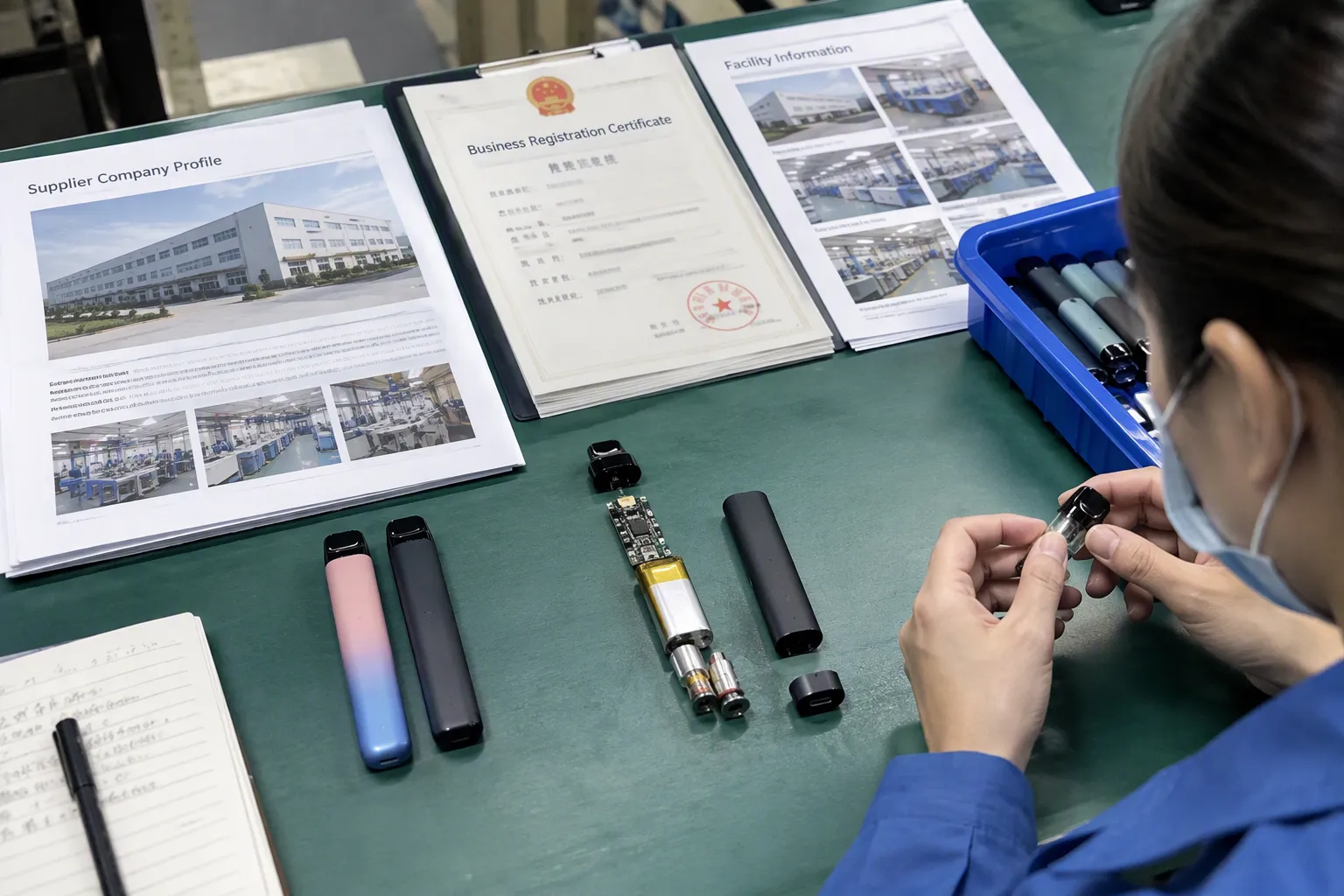
| Scenario | Device listing approach | Main control |
|---|---|---|
| Strong evidence | Consider normal launch planning | Continue monitoring supply |
| Current stock only | Limited trial | Buy cautiously and set review date |
| Unclear compatibility | Delay or reject | Obtain model-level confirmation |
| Unclear supply and compatibility | Do not make a major commitment | Select a better-documented alternative |
Consider customer lifetime value
A replacement coil is not simply an accessory. It may be the reason a customer returns to the shop. When a shop recommends a device that can be supported consistently, the shop has a better opportunity to build repeat business through coils and related products.
What Should a UK Vape Shop Ask Its Supplier Before Ordering?
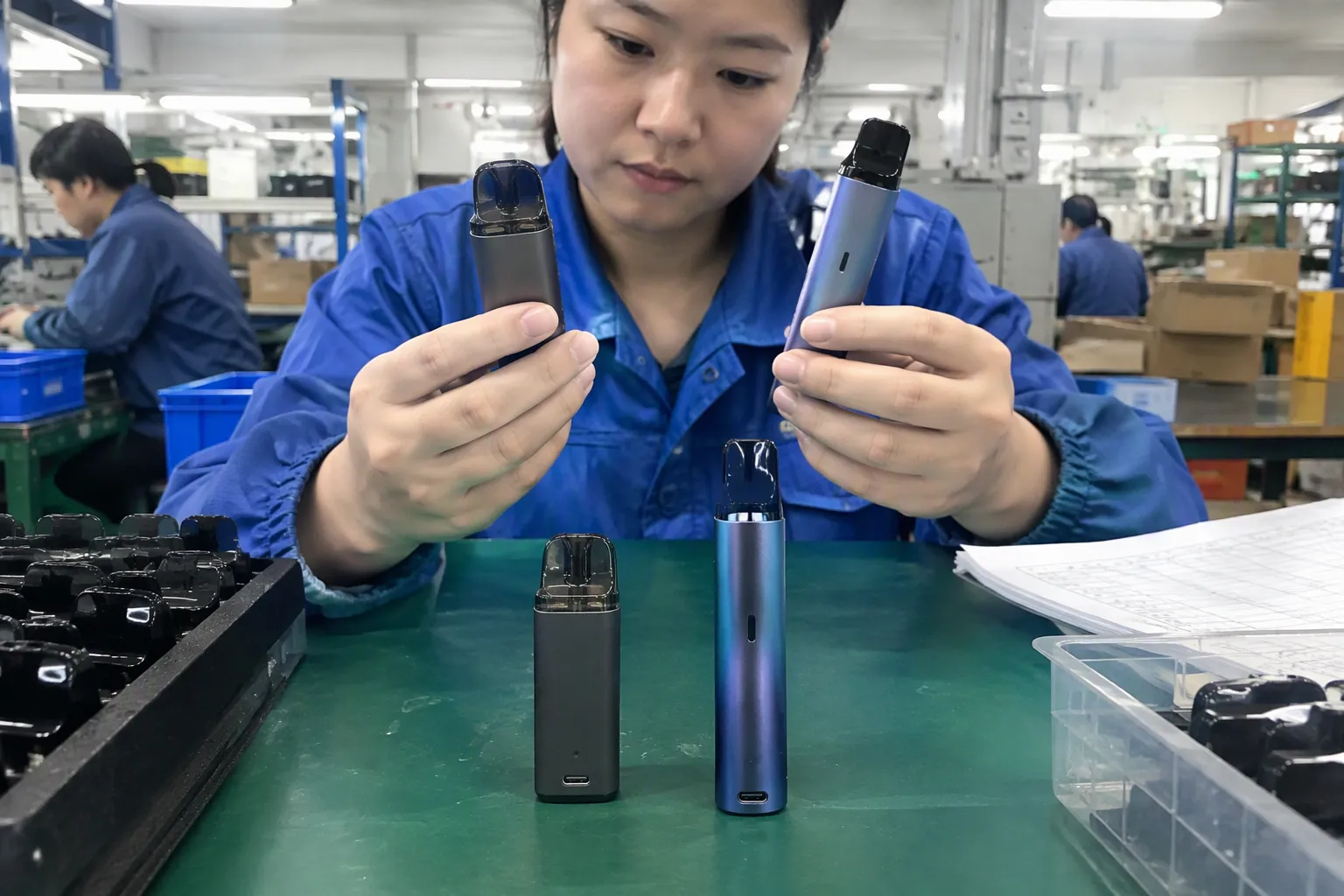
A shop should ask direct questions that connect the device, replacement coil, stock, replenishment, and communication process. The buyer should request answers that can be checked later instead of relying on broad claims about popularity or long-term availability.
Before ordering, a UK vape shop should ask for exact coil compatibility, current stock, normal replenishment lead time, reorder quantity, product-change policy, discontinuation notice, shortage communication, and after-sales responsibility. The shop should save the answers with the purchase record and review them when it places future orders.
A practical supplier question list
- What is the exact device model and version?
- What is the exact replacement-coil family and SKU?
- Which coil variants are compatible?
- Are there any model-specific exceptions?
- Is the coil available for the opening order?
- What is the current available quantity?
- What is the normal replenishment lead time?
- What is the minimum reorder quantity?
- Can the buyer combine devices and coils in future orders?
- How does the supplier report a shortage?
- How much notice will the supplier normally provide for a product change?
- What happens if the device is discontinued before the coil?
- Who handles product questions and after-sales communication?
- Can the supplier recommend an alternative that uses the same coil?
- Which statements are confirmed, and which statements are estimates?
Check the supplier’s fulfilment model
The best supply route can depend on the buyer’s order size. Smaller UK and European businesses may value lower minimum quantities and faster dispatch, while larger importers may prioritise carton pricing, production planning, and OEM or ODM support.
We support different sourcing discussions for these situations. Our European warehouses can help eligible European buyers access stocked products with lower minimum quantities and faster regional dispatch. Buyers should confirm available SKUs, destination, delivery terms, and current stock directly before placing an order. UK buyers should also verify the relevant import and product requirements for their own business.
Larger importers, distributors, and wholesalers may prefer to import from China in larger quantities. That route can offer broader product selection and pricing options, but the buyer must plan freight, customs, documentation, lead time, and inventory exposure. I would not describe one route as universally better.
| Buyer priority | Possible sourcing route | Question to confirm |
|---|---|---|
| Small trial quantity | Available regional stock | Is the exact device and coil in stock? |
| Fast replenishment within an eligible region | European warehouse dispatch | What is the actual dispatch time and destination coverage? |
| Large recurring volume | Direct China procurement | What are production, freight, and replenishment lead times? |
| Own-brand programme | OEM/ODM development | Who controls the final device and coil supply plan? |
Clarify after-sales responsibility
Our business model provides one after-sales contact for products purchased through us, rather than asking the buyer to contact several unrelated factories. That approach can simplify communication. It does not remove the buyer’s responsibility to check products and market requirements independently.
How Should a Shop Manage a Device After It Is Listed?
A shop should treat replacement-coil continuity as an ongoing review rather than a one-time approval. Staff should monitor coil sales, stock levels, customer questions, supplier updates, and replenishment performance. The shop should review the device before increasing its order size.
After listing a device, a shop should maintain a device-to-coil stock record, set reorder points, monitor supplier lead times, and review complaints or compatibility questions. The shop should pause expansion if replenishment becomes unreliable or if the supplier changes the coil without clear documentation.
Create a replenishment trigger
For a new product, the shop may not know its average sales rate. I would start with a conservative trial and review actual movement after a defined period. I would avoid buying an excessive quantity of coils merely to create the appearance of security, because coils can also become slow-moving inventory.
Train staff to check the model
- A clear device photograph.
- The exact model name.
- The matching coil photograph or packaging.
- The compatible SKU.
- Any known variant limitation.
- The supplier contact for uncertain cases.
- A warning against substituting a similar-looking coil.
Watch for early warning signs
- The supplier repeatedly changes expected delivery dates.
- The coil arrives with a new SKU but no explanation.
- The shop receives customer reports that the listed coil does not fit.
- The product requires unusual emergency freight.
- The supplier cannot confirm future availability.
- The device sells slowly while coils accumulate.
- Staff need to contact the supplier for every basic compatibility question.
- A successor device appears to use a different coil family.
Choose a clear exit plan
- Stop new device orders but continue selling supported stock.
- Reduce the device’s shelf position.
- Notify staff that the product is under review.
- Ask the supplier for an alternative coil or successor device.
- Avoid promising future availability to customers.
- Delist the device when the remaining stock can no longer be supported responsibly.
How Can Shops Compare a New Device With an Established Alternative?
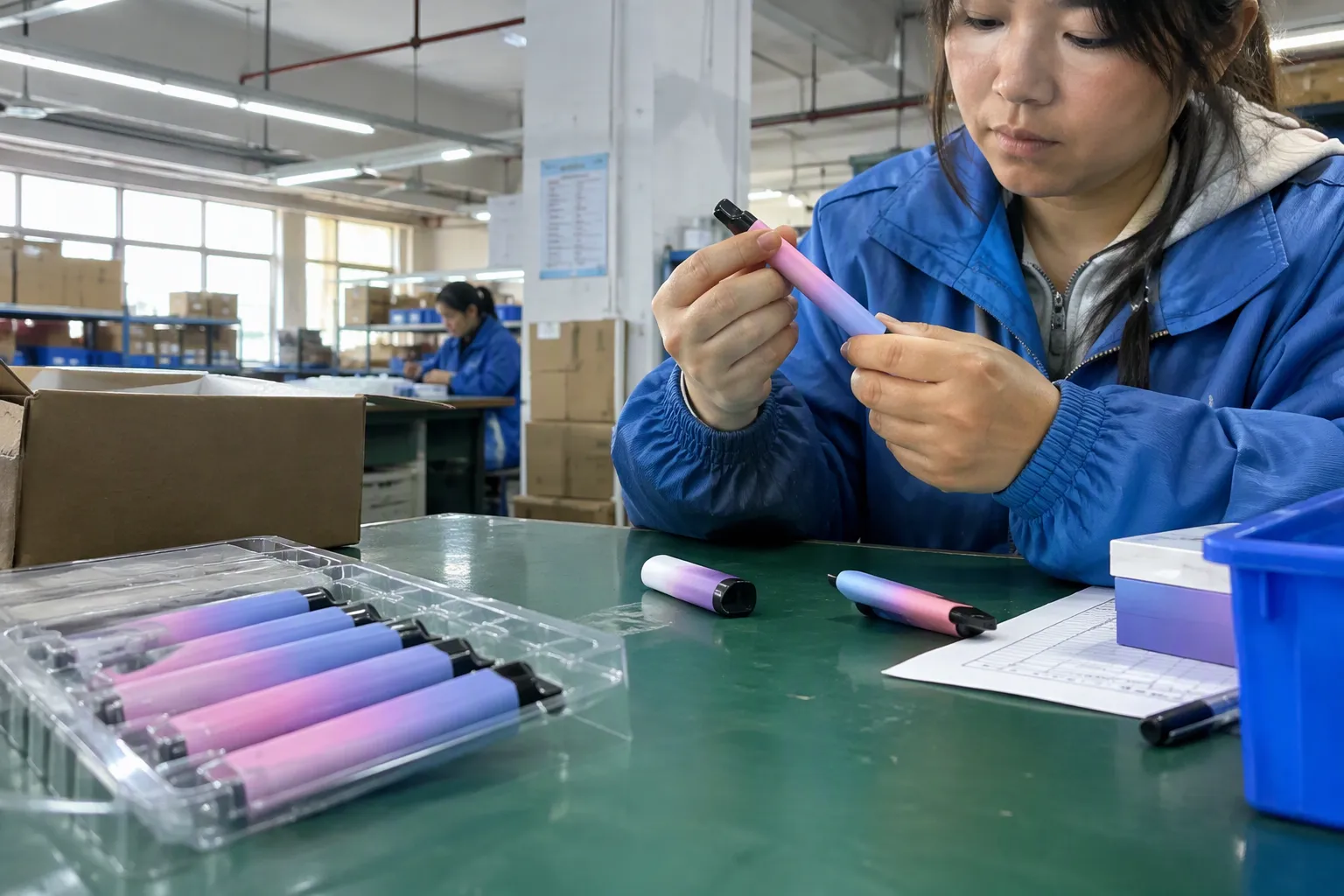
A new device should earn its place against the shop’s existing products. I would compare continuity evidence, customer fit, opening cost, expected margin, staff familiarity, and replenishment practicality. Novelty can attract attention, but novelty alone does not create a reliable range.
A shop can compare a new device with an established alternative by scoring both products against the same criteria: exact coil compatibility, evidence of supply, replenishment lead time, order flexibility, customer demand, support process, and inventory risk. The shop should use a controlled trial when the new product has commercial potential but incomplete evidence.
Use a buyer scorecard
| Evaluation point | New device | Established alternative |
|---|---|---|
| Exact coil mapping confirmed | Confirm before ordering | Recheck current documentation |
| Current coil stock | Record dated position | Record dated position |
| Replenishment evidence | Request supplier statement | Review actual order history |
| Customer familiarity | May require staff explanation | Usually easier to explain |
| Opening price | Compare landed cost | Compare landed cost |
| Coil margin opportunity | Check actual pricing | Check actual pricing |
| Inventory risk | Often higher during trial | Often easier to forecast |
| Supplier communication | Test before scaling | Review past responsiveness |
Match the trial size to the evidence
- Do customers understand the device?
- Can staff identify the correct coil?
- Does the supplier replenish within the stated time?
- Does the coil sell at a reasonable rate?
- Do customers ask for a variant that the shop cannot supply?
- Does the product create more support work than expected?
Connect procurement with customer service
A buyer should tell sales staff why continuity matters. Staff may otherwise promote a device because it looks new or has a good opening price. I would explain that the product needs a supportable coil pathway before the shop presents it as a long-term recommendation.
Frequently Asked Questions
Is current replacement-coil stock enough to prove continuity?
No. Current stock proves only that the supplier may be able to fulfil an order at the time of checking. I would also request the normal replenishment lead time, reorder conditions, product-change process, and shortage communication procedure. I would record the date because supply information can change.
How should a shop handle an attractive device with uncertain coil supply?
I would classify it as a higher-risk trial. The shop could order a limited quantity, secure a sensible amount of compatible coils, set a review date, and avoid making the device a core range product. If the supplier cannot confirm compatibility, I would delay the order until that issue is resolved.
Should UK shops keep more replacement coils than devices?
There is no universal quantity that suits every shop. I would base the buffer on actual sales, expected replenishment time, cash flow, and the supplier’s reliability. Excess coils can become slow-moving stock, so the shop should use a documented reorder calculation rather than buying an arbitrary amount.
Can a similar-looking coil be used as a substitute?
A shop should not assume that a similar-looking coil is compatible. I would check the exact model, coil family, SKU, and stated limitations with the supplier or relevant product documentation. If the information is unclear, I would not recommend the substitute to a customer without qualified confirmation.
What should a distributor check before supplying a device to smaller shops?
A distributor should verify the device-to-coil mapping, stock position, replenishment plan, carton quantities, and communication process. The distributor should also give downstream retailers accurate information and avoid presenting an estimate as a guaranteed supply commitment.
Conclusion
Replacement-coil continuity should be part of every UK vape shop’s device-listing decision. I would check exact model compatibility, dated stock information, replenishment lead times, reorder conditions, supplier communication, and after-sales responsibility before making a large commitment. I would treat current availability as a starting point, not proof of future supply. I help importers, wholesalers, and retailers review product options, sourcing routes, and replenishment needs. Contact us with your device range and order profile to discuss a practical procurement plan, and verify current UK product and import requirements with the relevant regulator or a qualified compliance professional before listing a device.
Sources
- Assessing How Metals End Up in E-Cigarette Liquid and Vapor", The cited technical or observational literature supports the characterization of replaceable heating coils as consumable components that may require periodic replacement during device use
- Product availability and stockpiling in times of pandemic - PMC", Retail stockout research associates product unavailability with adverse customer responses, including dissatisfaction, substitution, and possible switching, which provides contextual support for treating consumable shortages as a broader commercial risk
- Supply Chain Management and Demand Uncertainty", Inventory-management research distinguishes present on-hand stock from future replenishment capability, supporting the view that a dated availability statement is evidence of current capacity rather than proof of continuing supply
- Trade Facilitation, Logistics & Connectivity", International trade and logistics research identifies customs procedures and transport disruptions as factors that can lengthen import lead times and interrupt inventory replenishment
- Effects of Manufacturing Variation in Electronic Cigarette Coil ...", Technical analyses of electronic-cigarette heating assemblies indicate that functional compatibility depends on electrical and physical specifications rather than appearance alone
- E-cigarettes: regulations for consumer products", UK government guidance sets out the regulatory framework and notification information relevant to businesses placing electronic cigarettes and refill containers on the UK market
- TOTAL COST OF OWNERSHIP (TCO) 1. Facilities", Procurement and cost-accounting frameworks define acquisition decisions in terms of total ownership or landed cost, incorporating relevant logistics, inventory, service, and lifecycle expenditures in addition to the invoice price
- A systematic literature review about dimensioning safety ...", Supply-chain procurement research shows that expected shortage, expediting, inventory, and service consequences can materially alter the effective cost of an item beyond its initial purchase price