Worried about a new vape supplier? A smooth talker can hide big problems. Don't let a bad order ruin your business and lose you a lot of money.
Pay attention to how a supplier communicates. Slow replies, vague answers, and constant changes to price or MOQ are major red flags. Trustworthy partners are clear, consistent, and transparent from the start. They want your business for the long term, not just for one order.
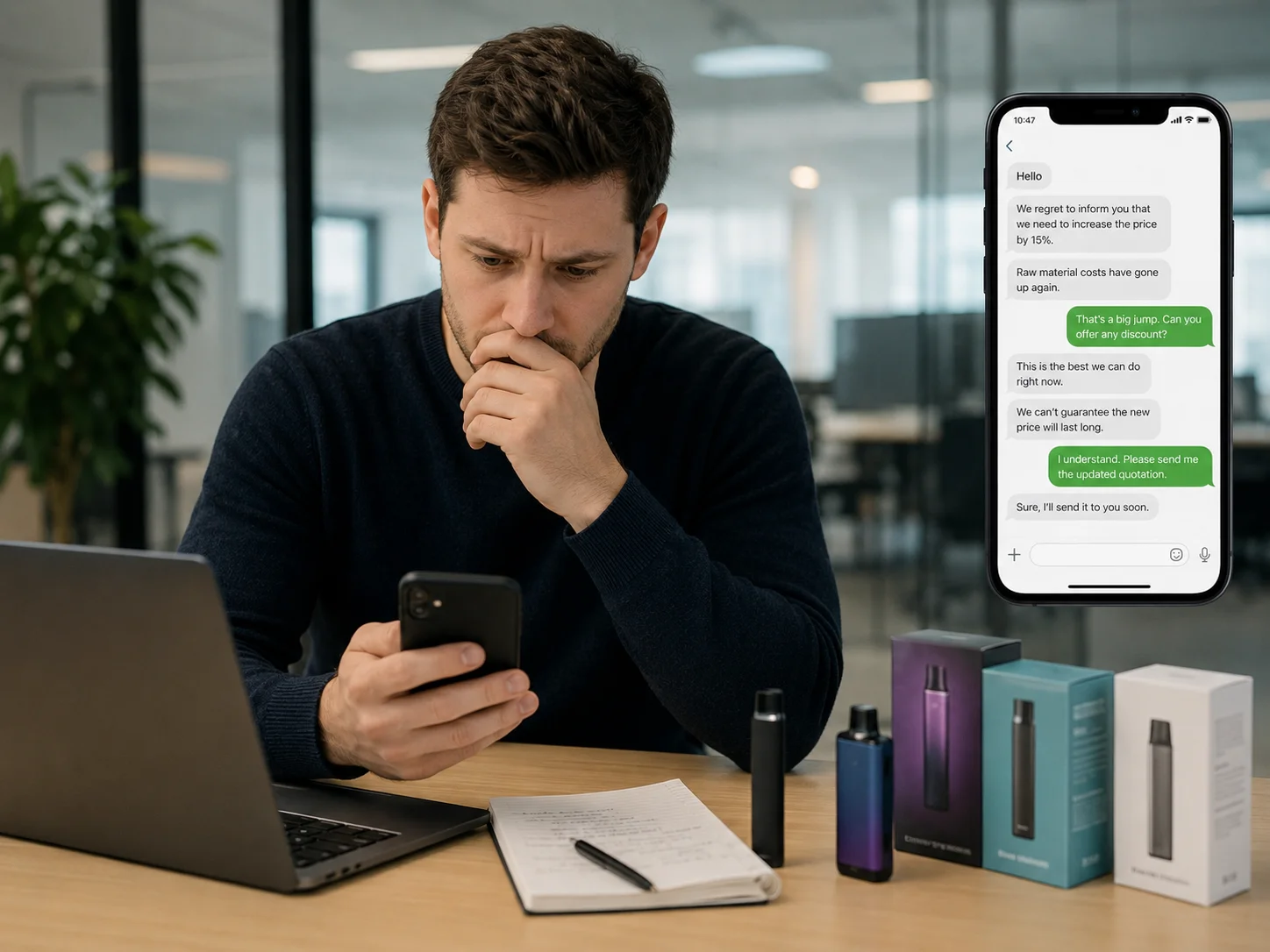
I've been exporting vapes and electronics from Shenzhen for 15 years, and I've seen it all. In my experience, bad communication is the very first sign of trouble ahead. A supplier's chat messages can tell you more than their entire website. Let's break down the warning signs I've learned to watch for, so you don't have to learn the hard way. This is about protecting your money and your business.
Why Can Supplier Communication Reveal Hidden Order Risks?
Think a good price is all that matters? Poor communication before you even place an order can signal late shipments, bad quality products, or even a complete scam.
Communication is a window into a supplier's professionalism and honesty.[^1] If they are disorganized, evasive, or pushy now, just imagine how they will act after they have your money. Their communication style reveals their entire business attitude and how they will treat you later.
The Difference Between a Partner and a Paycheck
In my years of talking to buyers, I've learned that a supplier's communication shows you what they really want. Are they looking for a long-term partner, or just a quick paycheck? A good partner is invested in your success. They know if you sell well, you will come back and order more. That's how we both make money long-term. They will ask you questions about your sales channels and your market. They'll even warn you about risks, like if your country has tough customs.
A risky supplier only cares about one thing: getting your payment. They will promise you anything to close the deal. Their communication is all about pressure.
Here's a quick comparison of what to look for:
| Communication Style | Good Partner | Risky Supplier |
|---|---|---|
| Goal | Long-term, repeat business | One-time, fast payment |
| Questions | Asks about your market and needs | Asks only about payment |
| Risk Talk | Openly discusses customs risks | Promises "100% guaranteed delivery" |
| Pace | Patient and professional | Pushy and always in a hurry |
Think about it. We want our clients to succeed. If you get your goods safely and sell them, you'll come back. That's a healthy business cycle. A scammer doesn't care if you ever get the goods.
What if They Give Slow Replies Before I Even Pay?
Are you waiting days for an answer from a potential supplier? This isn't just annoying. It's a huge red flag that your future order will not be a priority for them.
Slow replies before you've paid anything signal a disorganized or indifferent supplier. If they aren't responsive when trying to win your business, they will be even worse once they have your payment. Expect big delays and a lot of problems.

Busy vs. Negligent
Of course, everyone gets busy. A good supplier might not be able to reply instantly. But there's a big difference between a busy professional and a negligent one. A professional, even when busy, will manage your expectations. They might say something like, "Thanks for your message. I am in a meeting but will get back to you with details within 24 hours." That's a good sign. It shows respect for your time.
A bad supplier just disappears. They leave you guessing for days. If they don't value your time when you are a potential new customer, they definitely won't value it after you've paid them. In this business, time is money. For you, a delay in communication leads to a delay in production, a delay in shipping, and a delay in getting products to your customers. It messes up your cash flow. That's why we always try to be responsive. Our business model relies on moving large volumes quickly, and that starts with fast, clear communication.
What if Their Answers About Product Details are Vague?
Are you asking about the battery type or the source of the e-liquid and just getting a fuzzy answer like "don't worry, it's good quality"? Vague details are a big warning sign.
Always ask specific questions about the battery, e-liquid, and how they calculate the puff count. If they just say "good quality" without giving any specifics, they are probably hiding cheap materials or are selling fakes. A professional knows their product inside and out.
What to Ask About
This is where you can easily spot a fake or low-quality product. A real professional will know the answers. A scammer will get defensive or change the subject.
1. The Battery
Ask them: "Is it a ternary lithium battery or a manganese battery?" Good brands use quality lithium batteries. They are stable, last longer, and work well even in the cold. The cheap fakes often use terrible manganese batteries.[^2] They might die after a few minutes of use, and you'll spend hours charging them for nothing. In cold weather, they might not even work at all.
2. The E-liquid
Ask: "Where does the e-liquid come from? Is it from a certified factory?" This is a health issue. We are talking about something people inhale into their bodies. Reputable brands use e-liquid from licensed, clean facilities. Fake vapes are often filled in dirty little workshops with mystery ingredients.[^3] The price is low because the standards are zero.
3. The Puff Count
Ask: "How is the puff count calculated? What is the actual ml of e-liquid?" The puff count race is getting crazy. I see vapes advertised with 30,000 or even 300,000 puffs. That is just a marketing game. The reality is simple physics: 1ml of e-liquid gives you about 200 puffs.[^4] A standard disposable vape can't hold that much liquid. A good supplier will be honest with you about this. They'll focus on the e-liquid volume, not an imaginary puff number.
What if They Avoid Showing Certificates, Test Reports, or Factory Proof?
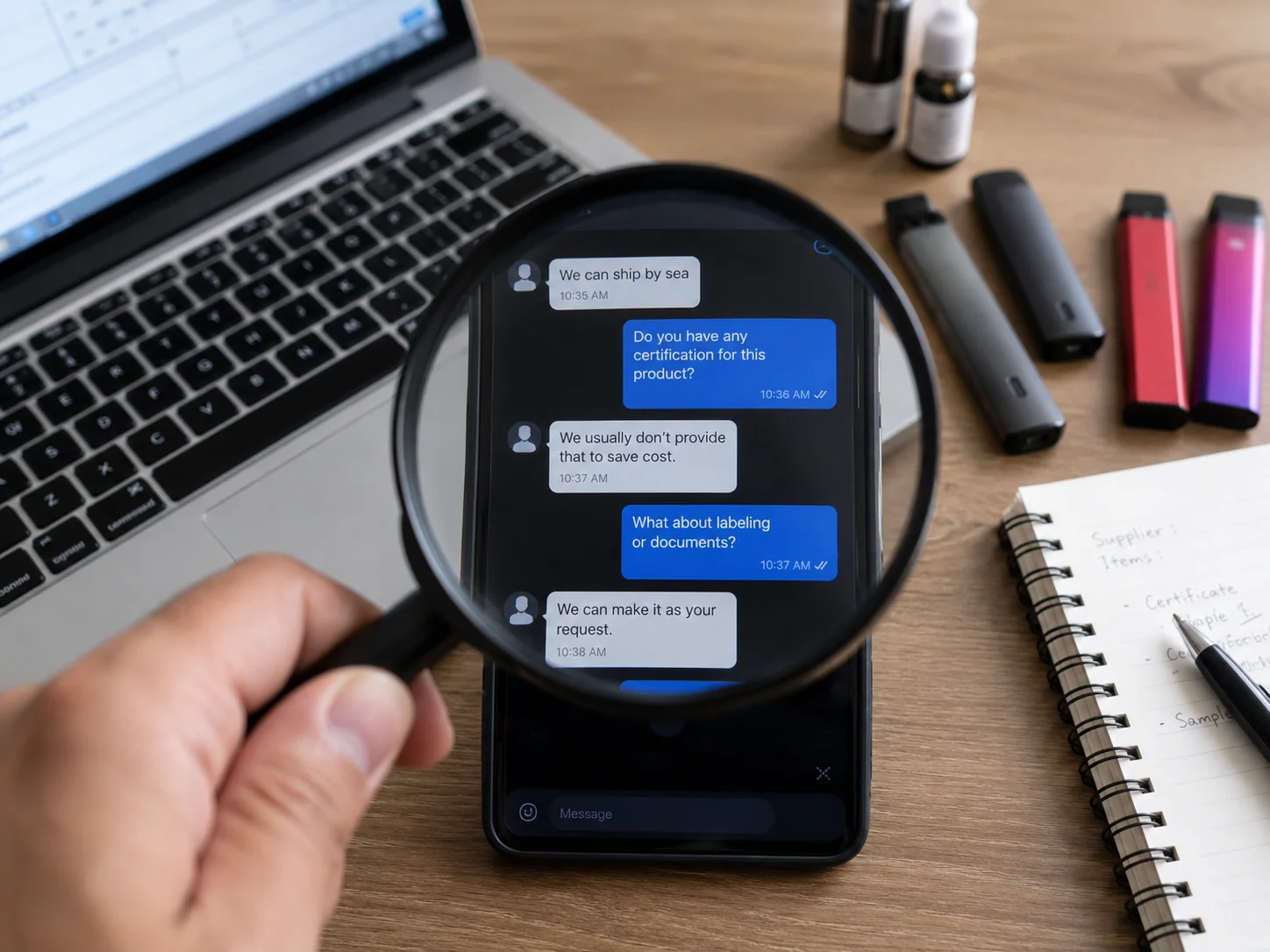
You asked for a certificate or a business license and all you got were excuses. A supplier who hides proof of their legitimacy is probably not legitimate. This is a huge risk.
A legitimate supplier is proud to show their business license, any relevant certificates (like TPD for the UK), and test reports. If they refuse, make excuses, or get angry, they are probably a scammer or an unauthorized reseller. Don't walk away, run!
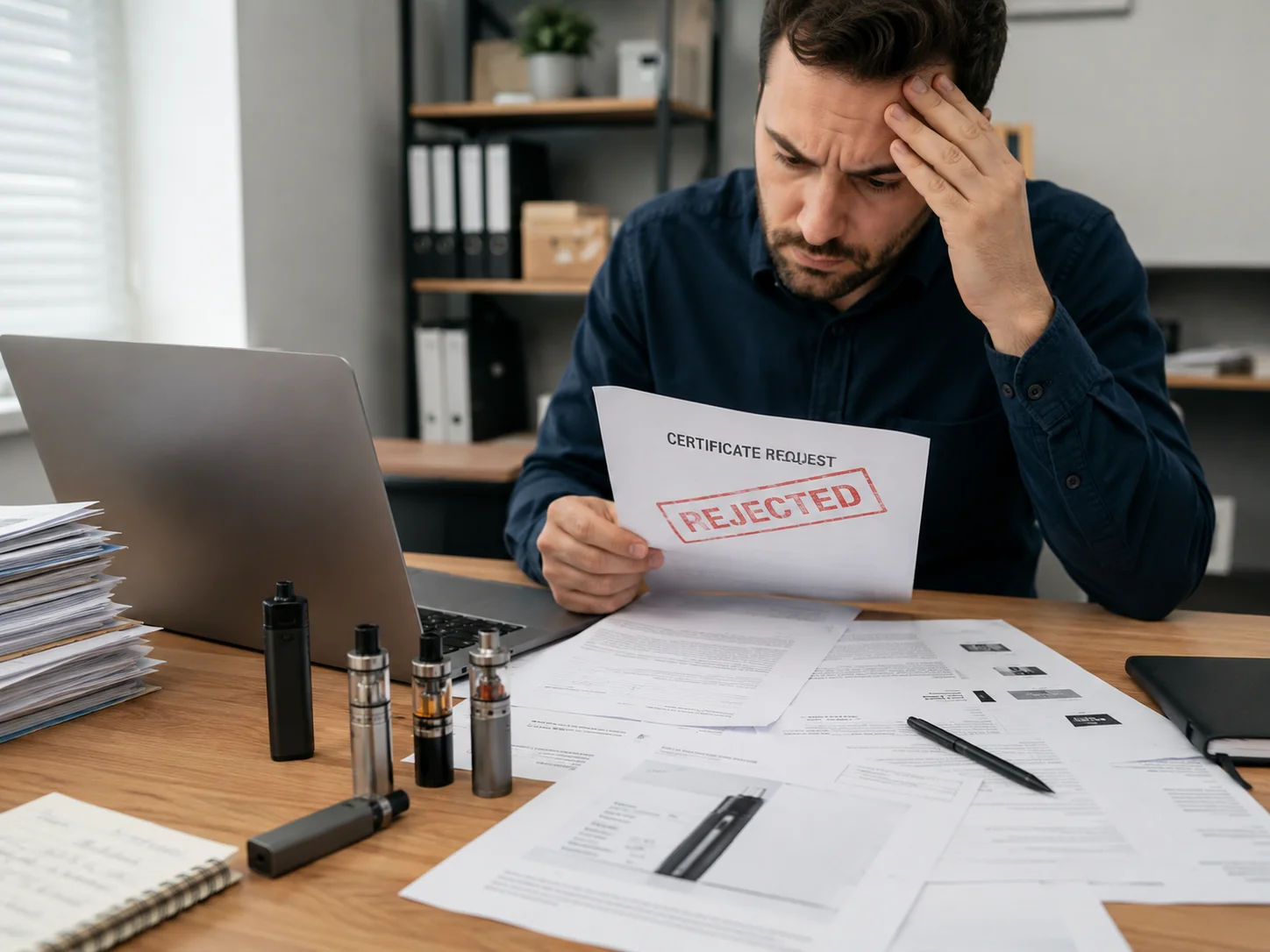
The Paperwork Trail Protects You
Doing your due diligence is not rude; it's smart business. I've had new clients come to us after being scammed by a fake company. The scammer used a well-known brand's name on the invoice but had a personal bank account for payment. That's a classic trick. A real business is not afraid to prove who they are.
Here is a simple checklist of documents you can ask for:
- Business License: To prove they are a real registered company.
- Tobacco License: In China, vape manufacturers need this to operate legally.[^5]
- Market-Specific Certificates: Ask for TPD/TRPR reports if you sell in the UK/EU, or PMTA status for the US.[^6]
- Recent Shipping Bill: You can ask for a recent bill of lading or tracking number to prove they are actively shipping products. They can black out the customer's info, of course.
A real company will have these documents ready. If they say "we'll send it later" and never do, or say "it's confidential," that's a bad sign. We always make sure our company name on the Proforma Invoice (PI) matches our company bank account name. It’s a basic step that protects everyone.
What if They Change Price, MOQ, or Delivery Time Too Often?
You got a price last week, but today the supplier says it's suddenly higher. Or maybe the Minimum Order Quantity (MOQ) keeps changing. This shows a lack of professionalism and stability.
A reliable supplier provides a stable quote that is valid for a specific period. Frequent changes in price, MOQ, or lead times mean they are not in control of their supply chain or are just being dishonest. Always lock in the final terms in writing.
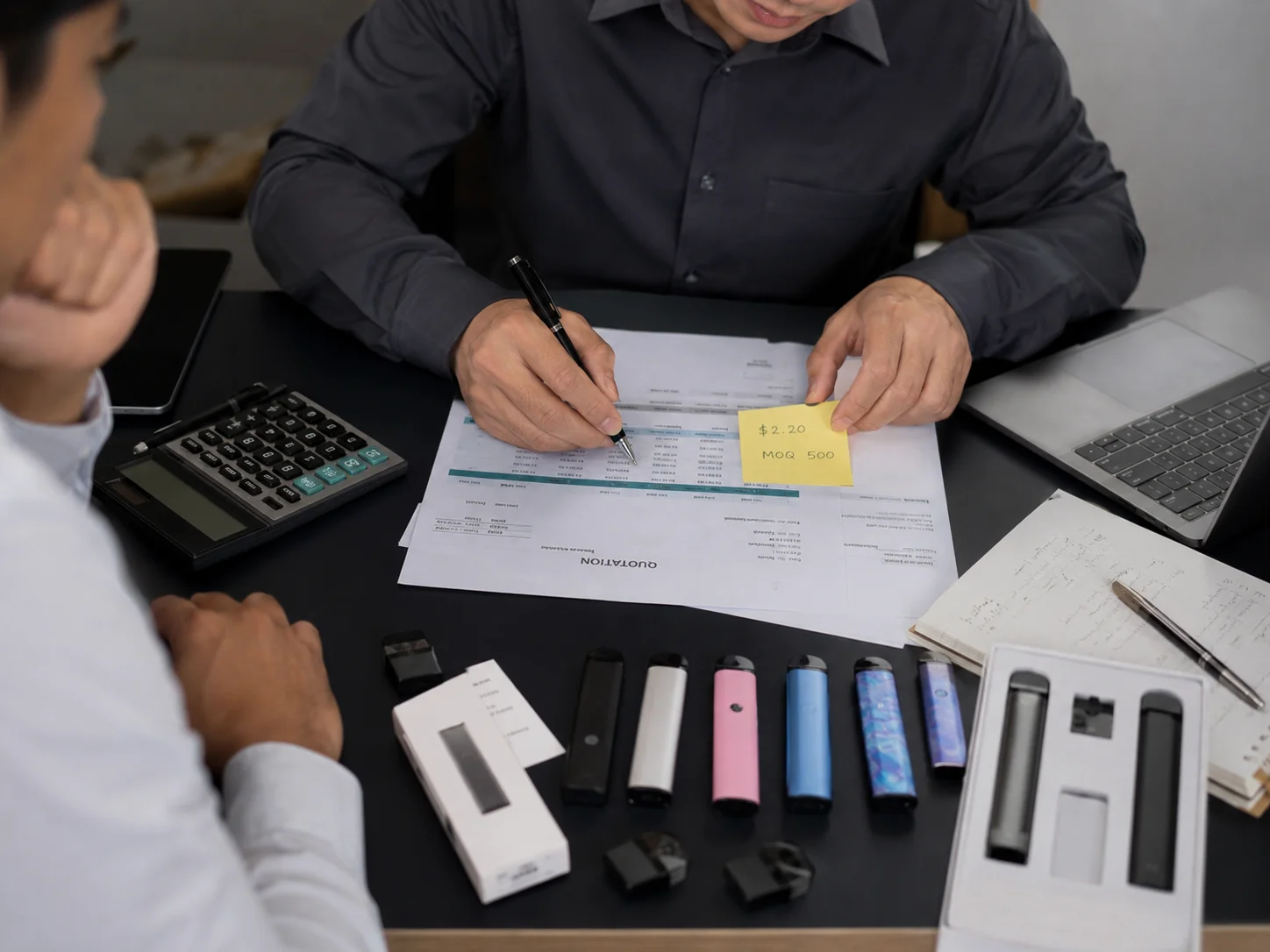
Stability Is Key to Your Planning
Look, some price changes are legitimate. The cost of raw materials can go up. But this shouldn't happen every other day. A professional supplier will honor a quote for a reasonable time, maybe 7-14 days. But if your supplier is constantly changing the core terms, it's a huge problem.
How can you plan your budget if the price is always a moving target? How can you manage your inventory if the MOQ and delivery time keep shifting? You can't. You are building your business on sand.
I see this as a test. Some bad suppliers will quote a low price to get you interested. Then, right before you are ready to pay, they'll invent an excuse to raise it.[^7] They are testing to see how much you are willing to pay. A real business partner gives you a solid foundation. They provide clear, stable terms so you can focus on what you do best: selling. If a supplier's promises feel unstable, their business probably is too.
What if They Overpromise Without Clear Evidence?
"Don't worry, 100% original guaranteed!" "Customs clearance is no problem for your country!" If you hear big, bold promises without any proof, you should be very careful.
Be suspicious of grand promises. A professional supplier is realistic. They talk about risks, like customs, openly and provide evidence for their claims, like tracking numbers or customer feedback. Overpromising is a classic tactic used by scammers and amateurs.

Promises vs. Proof
In international trade, there are always risks. A good partner helps you manage them. A bad one pretends they don't exist.
The Customs Promise
A common question I get is about shipping to countries in Europe with tough customs, like Denmark, Sweden, or Finland. These countries often do a "secondary clearance" on packages coming from other EU countries. There's a high risk of seizure.[^8] A scammer will tell you, "No problem, we ship there all the time." They just want your money. They don't care if your goods are seized because, by then, they already have your payment. A real partner will be honest. We tell our clients about this risk and suggest a safer solution, like shipping to a warehouse in Germany first, and then they can arrange transport from there. It's an honest conversation.
The "100% Original" Promise
Every supplier will say their products are original. But how do they prove it? A scammer will just repeat the promise. A real supplier will show you proof. They can show you how to check the security code on the brand's official website. Be careful here! Some fakes have QR codes that take you to a fake verification site.[^9] You must go to the official brand website yourself and enter the code manually. A good supplier can also provide recent tracking numbers or even do a quick video call from their warehouse to show you the actual stock.
What if They Don't Give Written Confirmation for Key Order Terms?
You agreed on everything in a chat, but when you ask for a formal contract or Proforma Invoice (PI), the supplier gets slow or avoids it. A verbal agreement is worthless if something goes wrong.
Always get all the key terms in writing on a Proforma Invoice (PI) or a sales contract. This must include product specs, quantity, price, payment terms, and delivery time. A supplier who avoids putting it in writing is leaving the door open to change the terms on you later.
The Proforma Invoice is Your Shield
Think of the PI as your order's blueprint. It's a professional practice that protects both you and the seller. A real business understands and respects this. A scammer will resist it because they want to stay flexible and maybe trick you later.
A proper PI is your best friend. It should clearly state:
- Your Details: Your company name and address.
- Supplier's Details: Their full company name, address, and contact info.
- Product Description: Exact model, color, flavor, and puff count.
- Quantity: The number of units for each product.
- Price: The price per unit and the total amount.
- Payment Terms: How much is the deposit, and when is the balance due?
- Banking Details: CRITICAL: The beneficiary name on the bank account must match the supplier's company name on the PI.[^10] If they ask you to pay a personal account or a different company name, it is a massive red flag.
- Lead Time: How long production will take after payment.
If a supplier is hesitant to provide this, they are not professional and cannot be trusted with your money.
How Can I Test a Vape Supplier’s Communication Before a Bulk Order?
So you're ready to place a big order but still have that slightly unsure feeling about the supplier. Don't just ignore it. A simple, small test can save you a fortune and a lot of headaches.
Before committing to a large bulk order, always start with a small sample order.[^11] This tests not just the product quality, but their entire process: communication, payment, packaging, and shipping speed. How they handle a small order tells you everything about how they'll handle a big one.
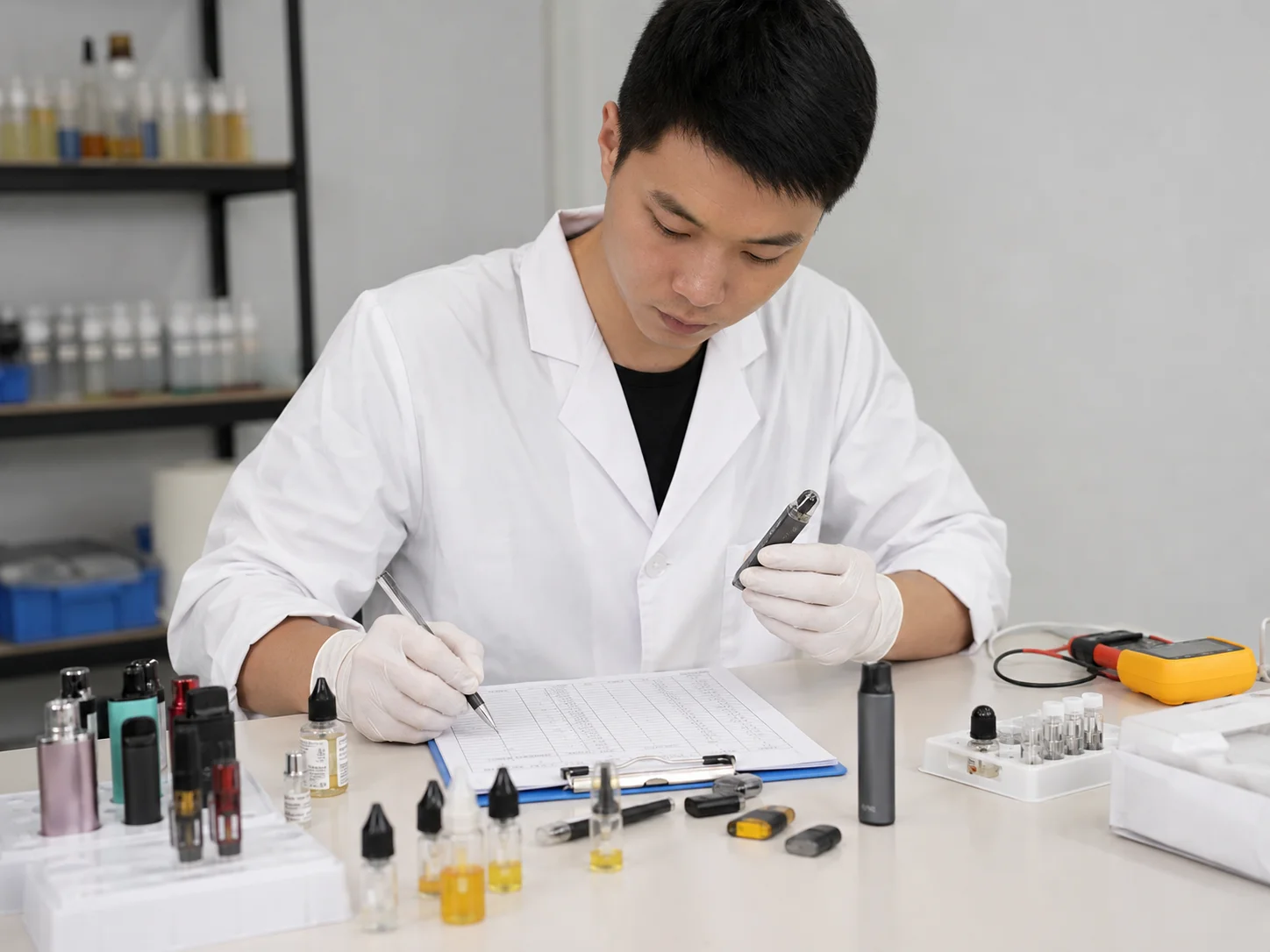
A Practical Test Plan
Here's how you can test a supplier without risking a lot of money.
1. The Small Order Test
Don't jump into a 2,000-piece order. Start small. If they have an overseas warehouse, like our warehouse in Germany, this is perfect. You can order 50 or 100 units. The cost is low, maybe a few hundred euros, and the shipping is fast. This is the ultimate test. You get to see their real products, how they pack them, how quickly they ship, and how they communicate throughout the process. It's a low-risk way to see their entire operation in action.
2. The Question Test
Ask specific, slightly difficult questions. See how they respond.
- "What is the battery's specific mAh rating for this model?"
- "My country is [insert country name]. Can you explain the specific customs risks and what you do to minimize them?"
- "Can you please send me a short video of the stock you have right now, with a piece of paper that has my name and today's date on it?"
A good supplier will answer professionally. A bad one will give vague answers, get annoyed, or ignore you. Their response will tell you if they are an expert or an amateur.
Conclusion
Bad communication is the number one predictor of a bad order. Trust your gut, watch for these red flags, and choose to partner with suppliers who are transparent and professional.
[^1]: "The impact of buyer-supplier communication on performance", https://www.sciencedirect.com/science/article/abs/pii/S0925527322003437. Research in supply chain management suggests that transparent and consistent communication is a critical factor in building trust and mitigating risks in supplier relationships, often serving as a leading indicator of a partner's operational integrity. Evidence role: general_support; source type: paper. Supports: The claim that a supplier's communication style is a key indicator of their reliability and the future success of the business relationship.. [^2]: "Chemical Constituents Involved in E-Cigarette, or Vaping Product ...", https://pmc.ncbi.nlm.nih.gov/articles/PMC7355865/. Technical comparisons of battery chemistries show that manganese-based cells can have lower energy density and poorer performance in cold temperatures compared to ternary lithium-ion cells, which are known for their stability and longer cycle life. Evidence role: mechanism; source type: research. Supports: The claim that manganese-based batteries have significant performance drawbacks, such as poor performance in cold temperatures and shorter lifespans, compared to the lithium-ion batteries typically used in legitimate electronic devices.. Scope note: The source may discuss battery chemistry in general terms for consumer electronics, not specifically for counterfeit vapes. [^3]: "Chemical Constituents Involved in E-Cigarette, or Vaping Product ...", https://pmc.ncbi.nlm.nih.gov/articles/PMC7355865/. Investigations by public health and law enforcement agencies have found that counterfeit vaping products are frequently manufactured in unlicensed, unsanitary facilities and can contain dangerous substances not found in regulated products. Evidence role: case_reference; source type: government. Supports: The claim that counterfeit vaping products are often manufactured in unsanitary conditions and may contain harmful, unlisted ingredients.. [^4]: "Measurement of Electronic Cigarette Frequency of Use Among ...", https://pmc.ncbi.nlm.nih.gov/articles/PMC7171268/. While puff count can vary based on device power and user inhalation style, industry analysis and product testing generally estimate that 1ml of e-liquid produces between 100 and 300 puffs, making a 200-puff average a common, if informal, benchmark. Evidence role: statistic; source type: other. Supports: The claim that 1ml of e-liquid typically yields a certain number of puffs, providing a baseline for evaluating advertised puff counts.. Scope note: The exact number can vary significantly depending on the device's power settings, coil resistance, and the duration of the user's puff. [^5]: "A Critical Review of E-Cigarette Regulation in China - PubMed", https://pubmed.ncbi.nlm.nih.gov/37718628/. Following regulatory changes, China's State Tobacco Monopoly Administration now requires companies involved in the production and sale of e-cigarettes to obtain specific licenses, bringing the industry under a legal framework similar to traditional tobacco products. Evidence role: historical_context; source type: government. Supports: The claim that vape manufacturers in China must obtain a license from the state tobacco authority to operate legally.. [^6]: "Premarket Tobacco Product Applications - FDA", https://www.fda.gov/tobacco-products/market-and-distribute-tobacco-product/premarket-tobacco-product-applications. In the United States, the Food and Drug Administration (FDA) requires manufacturers of new tobacco products, including e-cigarettes, to submit a Premarket Tobacco Product Application (PMTA) and receive a marketing order before their products can be legally sold. Evidence role: definition; source type: government. Supports: The claim that the PMTA is the regulatory pathway for marketing new tobacco products, including vapes, in the United States.. [^7]: "Ghana Avoiding Scams in International Trade and Business", https://www.trade.gov/market-intelligence/ghana-avoiding-scams-international-trade-and-business. This practice is a form of bait-and-switch, a deceptive tactic where a party lures a customer with an attractive offer that is not actually available, and then pressures them into accepting a less favorable deal. Evidence role: definition; source type: institution. Supports: The claim that quoting a low price and then raising it without justification is a recognized deceptive practice.. [^8]: "Operation Red Mist: CBP, federal partners seize millions of illegal e ...", https://www.cbp.gov/newsroom/national-media-release/operation-red-mist-cbp-federal-partners-seize-millions-illegal-e. Logistics providers and trade consultants note that despite the EU single market, certain member states, including Sweden and Finland, apply stringent national regulations and enforcement on tobacco-related products, which can lead to a higher rate of inspection and seizure for vape shipments. Evidence role: general_support; source type: other. Supports: The claim that certain EU member states, particularly in the Nordic region, have stricter customs enforcement on vape products, leading to a higher risk of seizure.. Scope note: Official seizure statistics are often not publicly available, so evidence may rely on reports from industry professionals and logistics firms. [^9]: "Innovative QR Code System for Tamper-Proof Generation and ...", https://pmc.ncbi.nlm.nih.gov/articles/PMC12252379/. Anti-counterfeiting specialists and cybersecurity firms have documented cases where counterfeit products feature QR codes that redirect consumers to convincing but fraudulent websites designed to mimic a brand's official verification page, a practice known as 'quishing' or QR code phishing. Evidence role: case_reference; source type: other. Supports: The claim that counterfeiters use fraudulent QR codes that lead to fake verification websites.. [^10]: "Minimizing Fraud - International Trade Administration", https://www.trade.gov/minimizing-fraud. Financial crime prevention experts universally advise that in business-to-business transactions, the beneficiary name on a bank transfer request must exactly match the legal name of the company being paid. A discrepancy is a primary indicator of payment diversion fraud. Evidence role: expert_consensus; source type: institution. Supports: The claim that the beneficiary name on a payment request must match the official company name to avoid fraud.. [^11]: "supply chain risk management (SCRM) - Glossary | CSRC", https://csrc.nist.gov/glossary/term/supply_chain_risk_management. Standard procurement and supply chain management principles recommend a phased approach to engaging new suppliers, which includes placing a small sample or trial order to validate product quality, communication, and logistical processes before committing to a larger volume contract. Evidence role: general_support; source type: education. Supports: The claim that starting with a sample order is a best practice for vetting new suppliers..