
Quick Answer
A new vape SKU can look promising when it is trending online or moving quickly in a few locations. However, sending it to every convenience store too early can turn one uncertain purchase into widespread slow-moving inventory. I recommend treating each launch as a controlled test before committing more cash and shelf space.
A new vape SKU should be rolled out across multiple convenience stores in stages, not all at once. Start with a small pilot group of representative stores, track whether those stores place repeat orders, confirm supplier stock and delivery reliability, and only then expand distribution. The real signal is repeatable replenishment demand, not a fast first shipment.
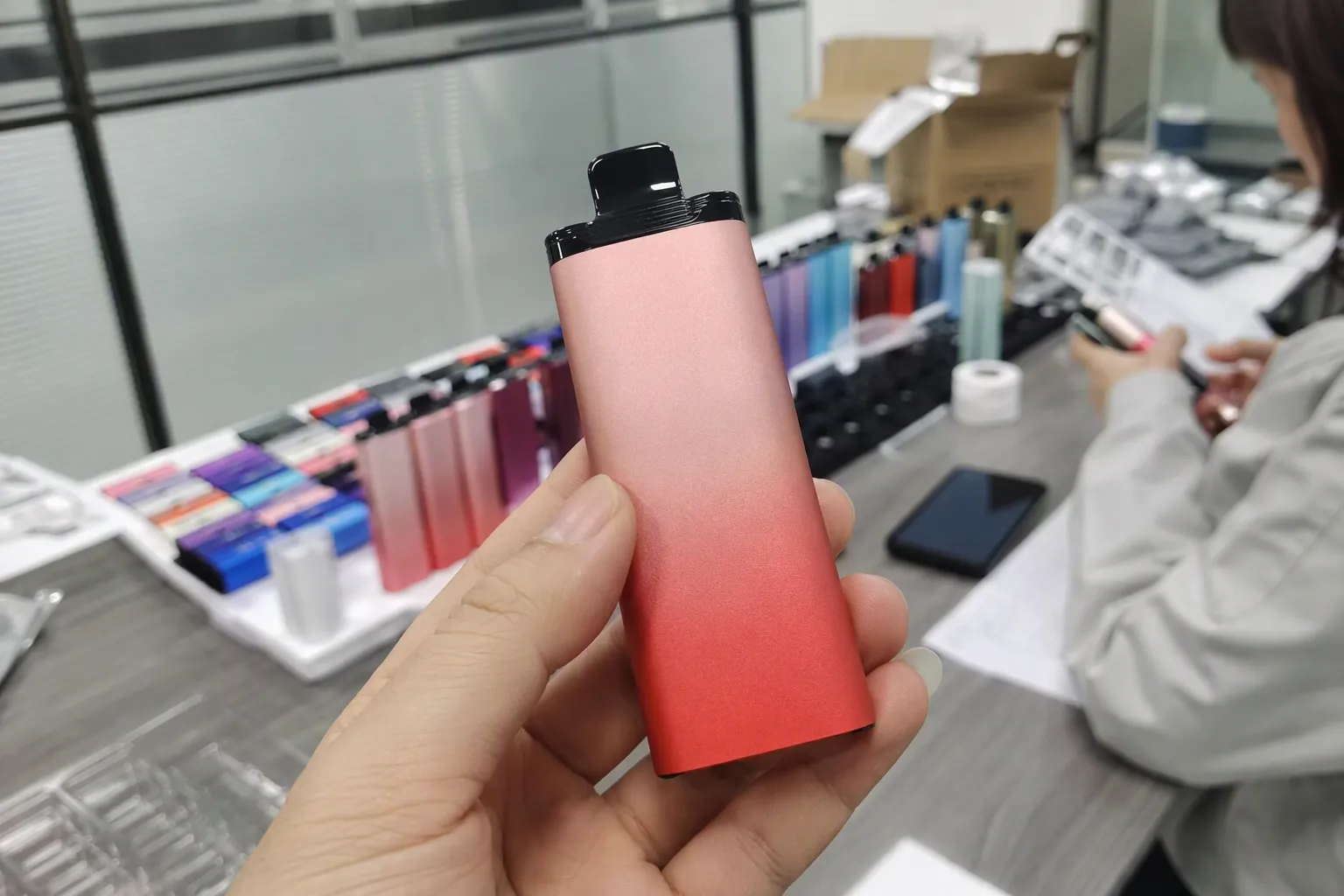
I work with wholesalers, importers, and multi-store buyers who need products that can move without creating unnecessary inventory pressure. From supporting product selection, ordering, replenishment, delivery timing, and after-sales communication, I have seen that a successful launch depends on more than a popular flavor, device style, or headline price.
Rolling Out a New Vape SKU Across Multiple Convenience Stores Is Not a “Hot Product” Bet—Is It
A trending product can create urgency. Buyers may worry that competitors will bring the item into local stores first. Yet a broad launch of a new vape SKU can leave inventory scattered across many locations if the product does not create repeat demand. A pilot-first approach reduces that risk.
No, rolling out a new vape SKU is not simply a bet on a hot product. It is a replenishment test. A distributor should expand only after a limited store pilot shows repeat ordering, the supplier can maintain stock, the MOQ fits the buyer’s cash flow, and delivery lead times support the expected refill cycle.
Why the First Order Can Give a False Signal
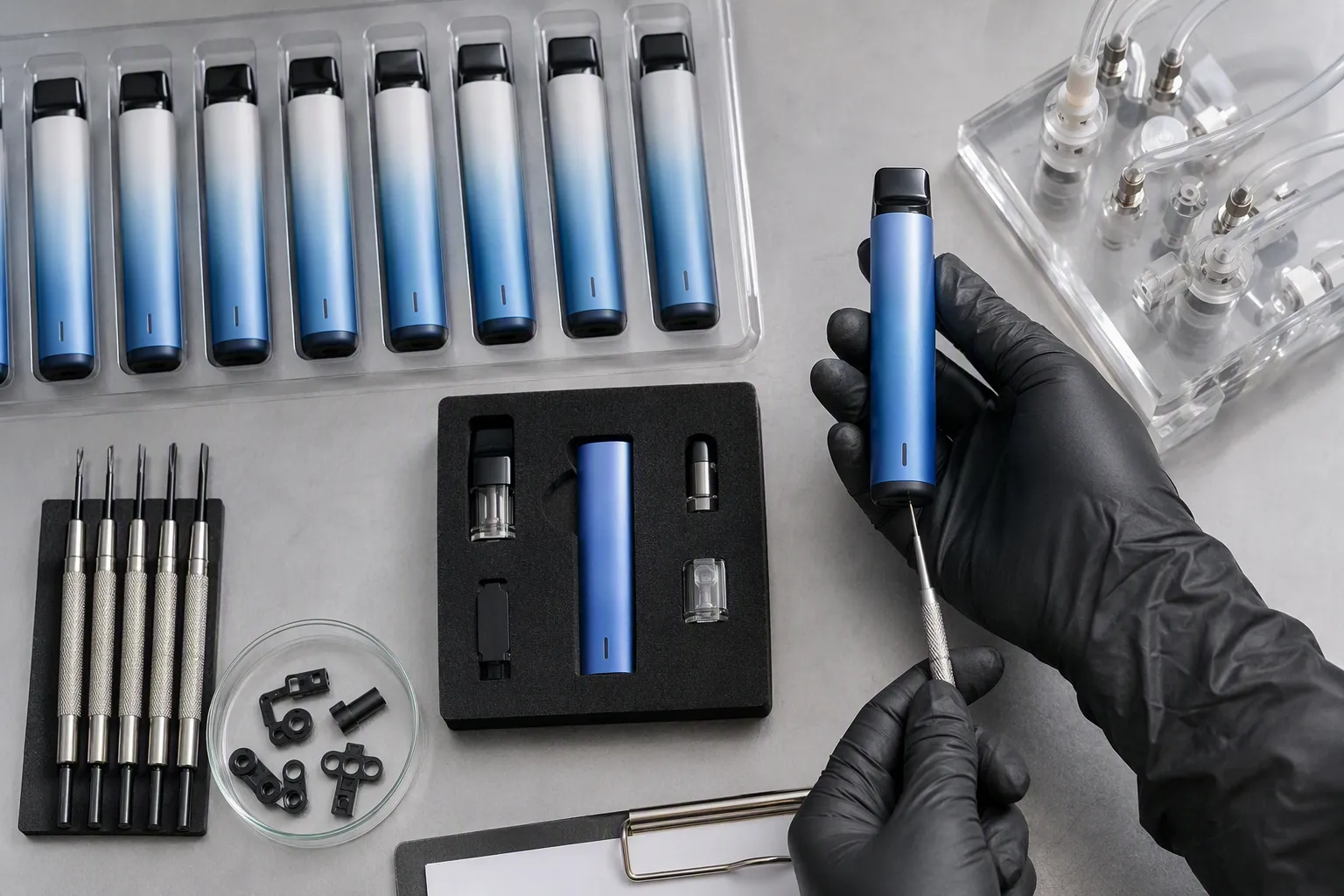
A first shipment may sell quickly for several reasons that do not prove long-term demand.[1] The product may benefit from novelty. Store staff may actively recommend it because it is new. A wholesaler may place an initial order across several locations simply to test the market. None of these factors automatically means that the SKU will keep moving month after month.
For a new vape SKU, I believe the most useful question is not:
“Did the first order sell?”
The better question is:
“Did the stores reorder at a predictable pace, and can I refill them without overbuying or running out?”
This difference matters because convenience-store distribution creates multiple inventory points. A distributor may have stock in a central warehouse, products on delivery routes, and units sitting in many individual stores. Once the item is distributed too widely, it becomes harder to move stock from a slow location to a fast location.[2]
A broad first-wave launch can create several problems:
- Dead inventory across multiple stores. Each store may hold only a small quantity, but together the inventory can represent a large cash commitment.
- Unclear demand signals. A store that sells a few units once may not become a repeat buyer.
- More complicated replenishment. Store managers may reorder irregularly, especially if the product is not part of their established buying routine.
- Discount pressure. Slow stock can force a distributor or retailer to lower prices, reducing the margin that initially made the item attractive.[3]
- Supplier coordination challenges. A product may sell well temporarily but become unavailable when the next order is needed.
I do not operate convenience stores myself, so I do not claim to control store-level display, staff recommendations, or consumer purchasing behavior. However, from the supplier side, I can help buyers evaluate the parts of the rollout that are easier to verify: available stock, MOQ, lead time, packaging options, production capacity, reorder coordination, and after-sales handling.
Build a Pilot That Represents Your Real Store Network
A pilot should not be random. If a distributor has 50, 100, or several hundred convenience-store accounts, testing a new vape SKU in only one store may not provide useful information. One location may have unusual foot traffic, a different customer mix, or a store owner who is especially enthusiastic about trying new products.
Instead, I recommend selecting a small but representative pilot group. The right number depends on the distributor’s network, available budget, and ability to monitor store-level reorders. The goal is not to create a universal formula. The goal is to include different types of locations without spreading the inventory too thinly.
A practical pilot group may include stores with differences in:
| Store factor | Why it matters during a vape SKU pilot |
|---|---|
| Location type | Tourist areas, residential areas, highway locations, and urban neighborhoods may have different buying patterns.[4] |
| Store size | Larger convenience stores may have more shelf capacity and broader customer traffic than small independent stores. |
| Existing category performance | Stores already selling regulated adult products may provide more relevant reorder feedback. |
| Buyer behavior | Some store owners reorder frequently, while others order only when inventory becomes very low. |
| Local competition | Nearby vape shops, smoke shops, gas stations, and convenience stores can affect demand. |
I would avoid giving every pilot store the same quantity automatically. A high-volume location may need a slightly different test quantity than a smaller account. Still, the pilot should remain controlled. If one location receives too much stock, its slow sell-through may not mean the item is unsuitable. It may simply mean the opening allocation was too high.
Before launch, I suggest preparing a simple internal record for each pilot store:
- Store name or account code
- Initial shipment date
- Initial quantity received
- Date of first reorder
- Reorder quantity
- Any reported product issue
- Current supplier stock status
- Expected replenishment lead time
This record does not need to be complicated. A spreadsheet can be enough. The value comes from comparing initial orders with later reorders.
Measure Replenishment, Not Just Sell-Through
A new vape SKU becomes more credible when it creates a repeatable replenishment rhythm. A single sell-through event can happen because the product is new. A reorder shows that the buyer sees enough movement to commit cash again.[5]
For wholesalers and importers, the reorder cycle affects almost every other decision:
- How much inventory to hold
- When to place the next purchase order
- Whether to expand to more convenience stores
- Whether the supplier’s MOQ is practical
- Whether import shipping or overseas warehouse stock is the better option
- How much cash is tied up before the next sales cycle
I encourage buyers to define their own acceptable replenishment criteria before the pilot begins. The criteria will vary by market and business model. A local cash-and-carry wholesaler may need a different reorder pattern than a distributor serving stores through weekly routes.
The key is to look for consistency, not perfection.
For example, a distributor may decide that expansion is worth discussing only when:
- Several pilot stores reorder, not just one unusually strong location.
- Reorders happen within a time window that supports the distributor’s desired inventory turn.
- The reorder quantity is meaningful relative to the original test quantity.
- Product complaints remain manageable and are documented.
- The supplier can confirm ongoing availability or a realistic production plan.
- Delivery timing matches the buyer’s replenishment cycle.
A product can be commercially attractive but still unsuitable for broad rollout if supply is unstable. If a store sells through and asks for more product, but the distributor cannot replenish it for weeks or months, the distributor may lose the shelf position to another brand or category.[6] The store buyer may also become less willing to test the distributor’s next new product.
This is why I view stock continuity as part of product evaluation, not only logistics.
Check Supplier Readiness Before You Expand the New Vape SKU
When a new vape SKU passes the first pilot stage, many buyers focus immediately on unit price. Price matters, especially for distributors competing in a crowded wholesale market. However, the lowest unit cost does not always create the best commercial result.
A supplier should be evaluated on the full replenishment picture.
| Evaluation point | Questions a buyer should ask |
|---|---|
| Available inventory | Is stock physically available now, or is it only expected to be available? |
| Production capacity | If stock runs low, what is the realistic production schedule? |
| MOQ | Does the minimum order quantity fit the distributor’s expected reorder volume? |
| Lead time | How long from payment or deposit to dispatch? |
| Shipping method | Can the supplier send to the buyer’s forwarder, warehouse, or door-to-door destination? |
| Product consistency | Can the supplier provide the same model, packaging, and agreed specifications on repeat orders? |
| After-sales process | How are reported defects documented, reviewed, and handled? |
| Compliance documents | What documents are available for buyers to review, and are they relevant to the buyer’s market? |
I always recommend that buyers verify documents, certifications, labels, ingredients, nicotine-related requirements, import rules, tax obligations, and local sales restrictions with qualified local professionals. Requirements can differ by country, state, city, product type, and intended market.[7] A supplier should not replace a buyer’s legal, regulatory, or professional compliance review.
From my side, I can help buyers clarify practical supply questions before expansion. Shenzhen is part of the global vape manufacturing supply chain[8], so product availability can change quickly as brands, factories, components, and market demand move. Clear communication before ordering can reduce surprises later.
For buyers who need smaller quantities and faster EU delivery, I can discuss available overseas warehouse options in Europe where applicable. These options can be useful for smaller wholesalers, independent importers, and multi-store buyers who want to test a product without committing to a large China import order. Available inventory, MOQ, destination coverage, and delivery timing should always be confirmed before payment.
For larger importers and distributors, direct sourcing from China may offer more room for volume pricing, customized packaging, OEM, or ODM planning. However, larger orders require deeper forecasting because the buyer is taking more inventory risk. The right model depends on the buyer’s cash flow, storage capacity, distribution network, and proven reorder data.
Match Inventory Depth to the Real Refill Cycle
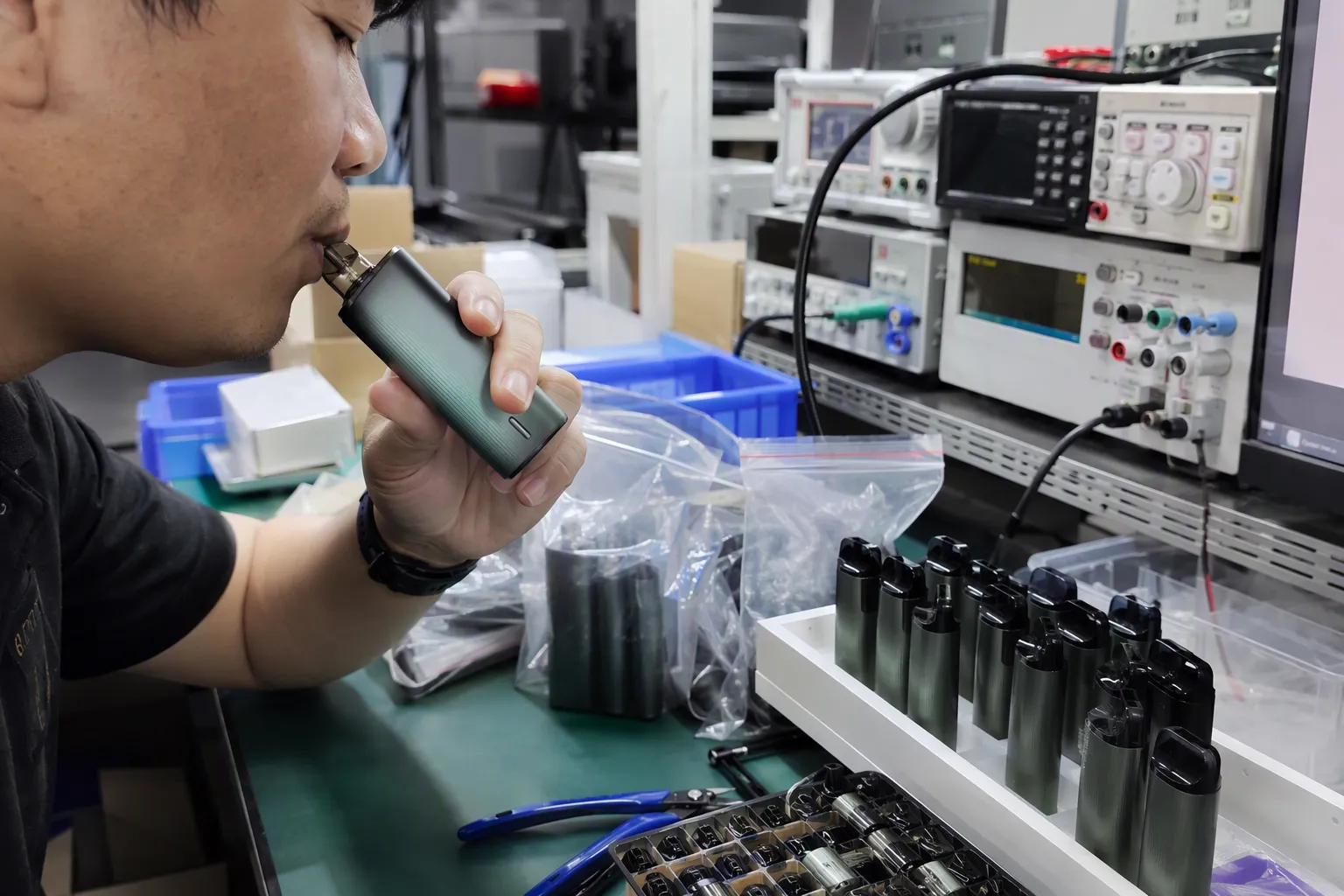
A rollout can fail even when consumer demand is strong. The problem may be inventory planning rather than product selection.
If a distributor sends a new vape SKU to 40 stores but only carries enough central inventory for one small refill round, the product may become unavailable just as stores begin asking for more. If the distributor responds by ordering a very large quantity from a supplier without confirming repeat demand, the business can swing in the opposite direction and end up overstocked.
I suggest planning inventory in layers:
-
Pilot allocation
This is the quantity sent to selected test stores. It should be large enough to create useful feedback but small enough to limit exposure. -
Central replenishment reserve
This is stock held by the distributor or available through the supplier for the first repeat orders. It prevents a successful pilot from immediately turning into an out-of-stock situation. -
Expansion inventory
This quantity is reserved for the next group of stores after pilot reorders support expansion. -
Supplier backup plan
This includes confirmed available stock, production timing, packaging status, and shipping options if demand rises faster than expected.
A buyer should also consider the full cash cycle. The relevant question is not only, “What margin can I make on each unit?” The more complete question is:
“How long will my money be tied up from supplier payment until my convenience-store customers reorder and pay me?”
This is especially important for wholesalers who supply many small store accounts. A product with a good theoretical margin can still create pressure if the MOQ is high, delivery takes too long, or stores reorder unpredictably.
In my experience supporting orders and replenishment discussions, buyers tend to feel more comfortable when they can choose between different supply approaches. A smaller test order may suit the first stage. A larger direct import order may make sense after the buyer sees repeat demand. OEM or ODM development may become relevant only when the buyer has enough market confidence and operational capacity to support a longer-term product plan.
Create a Clear Rollout Decision: Expand, Hold, or Stop
The goal of a pilot is not to prove that every new vape SKU deserves wider distribution. The goal is to make a better decision with less guesswork.
After the pilot period, I recommend using three possible outcomes.
1. Expand Carefully
Expansion may be appropriate when several pilot stores show repeat ordering, supply is stable, and the distributor can maintain a sensible level of reserve inventory.
A careful expansion does not mean sending the product to every remaining store immediately. It may mean adding the next group of stores in stages while continuing to monitor reorders.
2. Hold and Improve the Test
Sometimes the product is not clearly successful or unsuccessful. In that case, a distributor may hold the current distribution level and gather more information.
The buyer may need to review:
- Whether the opening quantity was too high or too low
- Whether stores understood the product and packaging
- Whether the chosen pilot stores were representative
- Whether the reorder window is too short to judge
- Whether supply availability changed after the first order
- Whether an alternative flavor, format, or price band would better fit the buyer’s market
A hold decision can protect cash while the buyer collects better information.
3. Stop Before the Inventory Problem Grows
Stopping a weak test early is not a failure. It is often a disciplined procurement decision. A distributor can avoid placing a larger order when reorders do not develop, store feedback is inconsistent, or supply conditions do not support a dependable rollout.
This approach is important for buyers who are under pressure to chase every trending product. Not every trend will fit every local market, store network, or customer base. A product may be popular in one region but unsuitable in another due to customer preferences, price sensitivity, local competition, or market rules.
I believe a reliable supplier should support clear decisions, even if the decision is to wait. A buyer benefits more from honest stock information and realistic lead times than from an overconfident promise that creates an avoidable problem later.
Use Supplier Communication as Part of the Rollout System
A multi-store rollout needs regular communication between the distributor and supplier. This does not require daily calls or complex reporting. It does require both sides to discuss the details that affect replenishment.
Before a wider rollout, I suggest confirming:
- Current stock quantity and location
- Estimated next production availability, if relevant
- MOQ for the next order
- Packaging and labeling requirements
- Shipping route and expected dispatch timing
- Whether delivery will go to the buyer, a warehouse, or the buyer’s forwarder
- Process for reporting product issues
- Contact person for reorder coordination
For buyers sourcing from China, shipping timing can influence the entire launch plan. Delivery timing may vary due to destination, carrier capacity, customs procedures, seasonal congestion, and other factors outside either party’s direct control. Buyers should build reasonable time buffers and confirm current shipping options before finalizing store-level commitments.
Where a buyer uses their own freight forwarder, I can arrange delivery to that forwarder according to the agreed order details. Where a buyer needs one-stop delivery support, I can discuss available shipping arrangements based on the destination and order requirements. Each order should be reviewed individually because shipping conditions and product requirements can vary.
My role is to help make procurement and replenishment easier for buyers who do not want to spend time contacting multiple factories, brands, and logistics contacts for every product line. For a growing distributor, one coordinated point of communication can reduce administrative work and help the team focus more on serving local customers.
Frequently Asked Questions About a New Vape SKU
How many convenience stores should test a new vape SKU first?

There is no universal number. I recommend selecting a small group of stores that reflects your real customer network rather than launching everywhere immediately. Include different store types or locations where possible, then compare reorder behavior before expanding to more accounts.
Is a fast first sell-through enough to expand a new vape SKU?
No. A fast first sell-through can be influenced by novelty, initial curiosity, or limited opening stock. I would look for repeat orders from multiple stores, a workable replenishment rhythm, and reliable supplier availability before committing to a larger rollout.
What should wholesalers ask a vape supplier before expanding distribution?
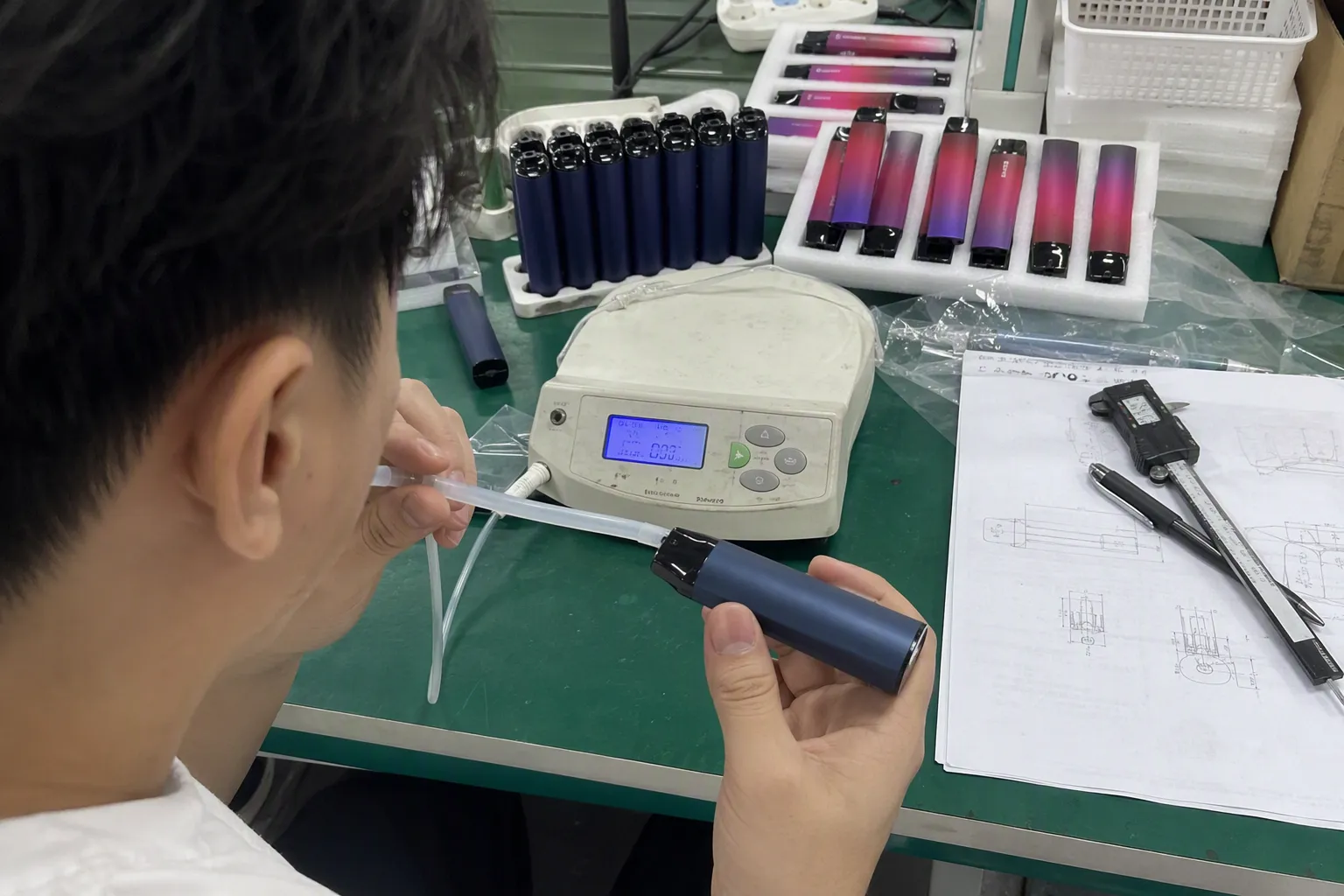
Wholesalers should ask about current stock, MOQ, production timing, shipping options, reorder lead time, packaging consistency, and after-sales procedures. Buyers should also independently verify any documents and confirm local product, import, and sales requirements with qualified professionals.
Should I use an overseas warehouse or import directly from China?
The best option depends on your order size, cash flow, required delivery speed, and confidence in repeat demand. Overseas warehouse stock can suit smaller tests and faster replenishment where available. Direct import may better suit larger orders, volume pricing, or OEM/ODM projects after demand is proven.
What if a pilot product sells but the supplier cannot refill it quickly?
I would avoid broad expansion until supply continuity improves. A product that cannot be replenished reliably can create lost sales and disappointed store buyers. Ask the supplier for current stock status, realistic production timing, MOQ, and shipping options before increasing distribution.
Conclusion: Build a New Vape SKU Rollout Around Reorders
A new vape SKU should earn wider distribution through repeatable store reorders, not through trend pressure alone. I recommend starting with a controlled pilot, tracking replenishment behavior, checking inventory depth, and confirming that your supplier can support the next order without creating stockouts or excess inventory. If you are a wholesaler, importer, or multi-store buyer looking for vape products, smoking accessories, OEM/ODM support, or coordinated delivery options, contact me at info@kingvapecig.com to discuss a supply plan that fits your rollout stage.
Sources
- How uncertain rewards spur repeat purchases", Studies of new-product adoption distinguish initial trial purchasing from repeat purchasing, indicating that early sales alone may not establish durable consumer demand
- [PDF] Inventory Rebalancing through Lateral Transshipments", Research on multi-location inventory systems finds that dispersed inventory can require costly or operationally difficult reallocation when demand differs across locations
- Optimal Markdown Pricing: Implications of Inventory ...", Retail pricing research describes markdowns as a common method for clearing unsold inventory, with lower realized prices generally reducing unit margin relative to the original selling price
- Agent models of customer journeys on retail high streets - PMC", Retail-location research indicates that customer mix, travel purpose, local demographics, and traffic conditions can vary by site and can influence purchasing patterns
- Retail Inventory Control Strategies - ScholarWorks", Replenishment research treats repeat ordering as an observable signal that can inform demand planning, because buyers commonly replenish stock after inventory is depleted or expected to be depleted
- The Impact of Supplier Inventory Service Level on Retailer ...", Studies of retail stockouts report that product unavailability can generate lost sales and substitution toward alternative products or brands, making reliable replenishment important to continued availability
- Electronic Nicotine Delivery Systems - PMC - NIH", Public-health and regulatory authorities document that rules governing electronic nicotine-delivery products, including product standards, labeling, taxation, importation, and sales, vary across jurisdictions
- Health Communication through Chinese Media on E-Cigarette", Industry and trade research identifies Shenzhen, China, as a major manufacturing cluster for electronic-cigarette devices and related supply-chain components