
Quick Answer
A stock transition plan matters when single-use vape inventory starts carrying more risk than opportunity. If you reduce buying too quickly, you can lose sales from familiar products. If you wait too long, slow-moving stock can tie up cash.
I help buyers build a controlled path toward reusable formats without treating the change as an all-or-nothing decision.
A practical stock transition plan moves from single-use to reusable vapes in stages: review existing sell-through, protect fast-moving stock, test reusable systems in selected channels, and build replenishment around devices, compatible consumables, accessories, and sales support. I do not recommend clearing all single-use stock before testing reusable demand, because this can create cash-flow pressure and avoidable sales gaps.
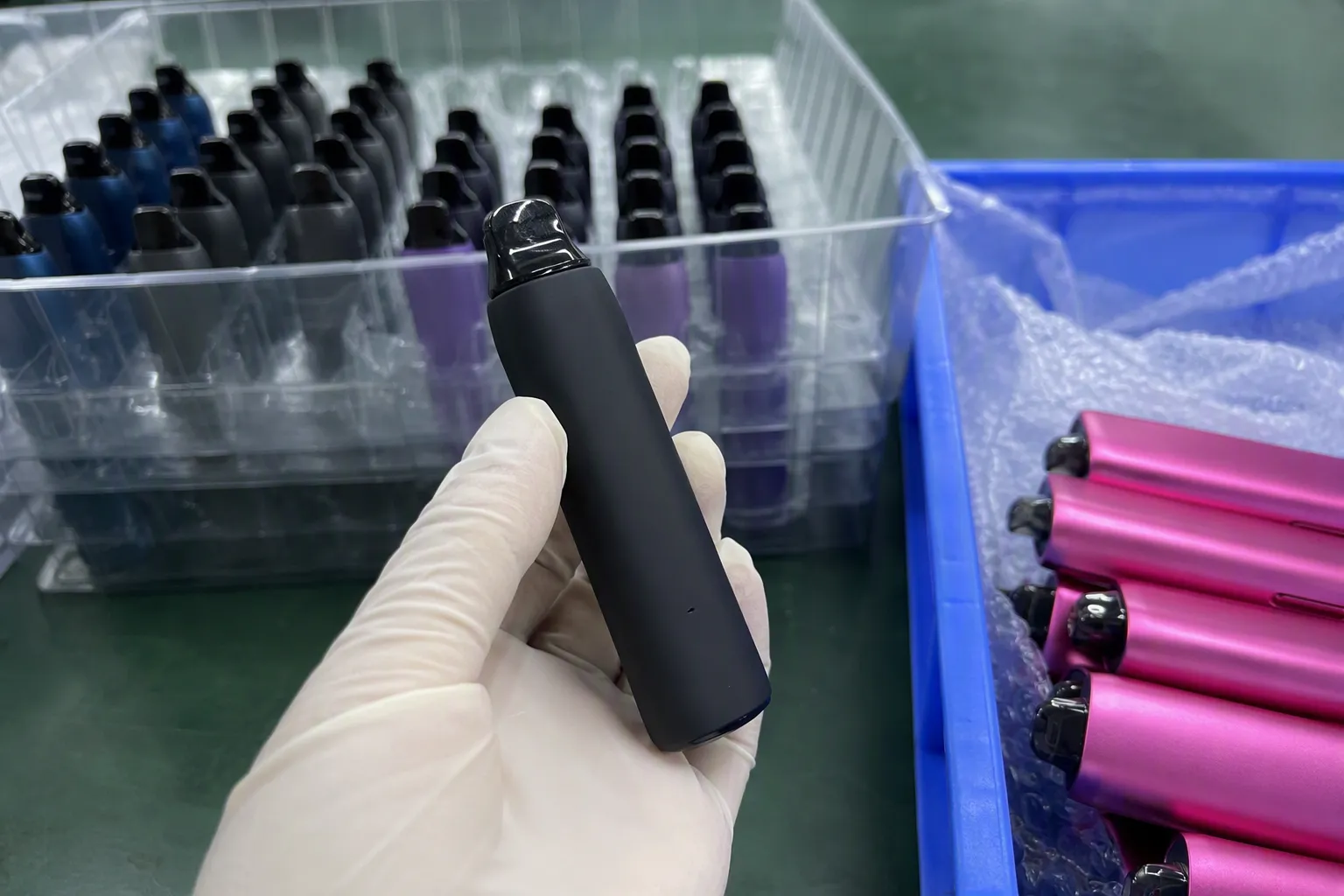
I have seen that the difficult part is rarely finding reusable vape products. The real challenge is deciding what to reduce, what to keep, what to test, and when to reorder. European markets do not move at the same speed[1], so each importer, wholesaler, and chain-store buyer needs a plan based on local demand, stock position, and channel feedback.
Why Is a Stock Transition Plan From Single-Use to Reusable Vapes Not a Product Swap?
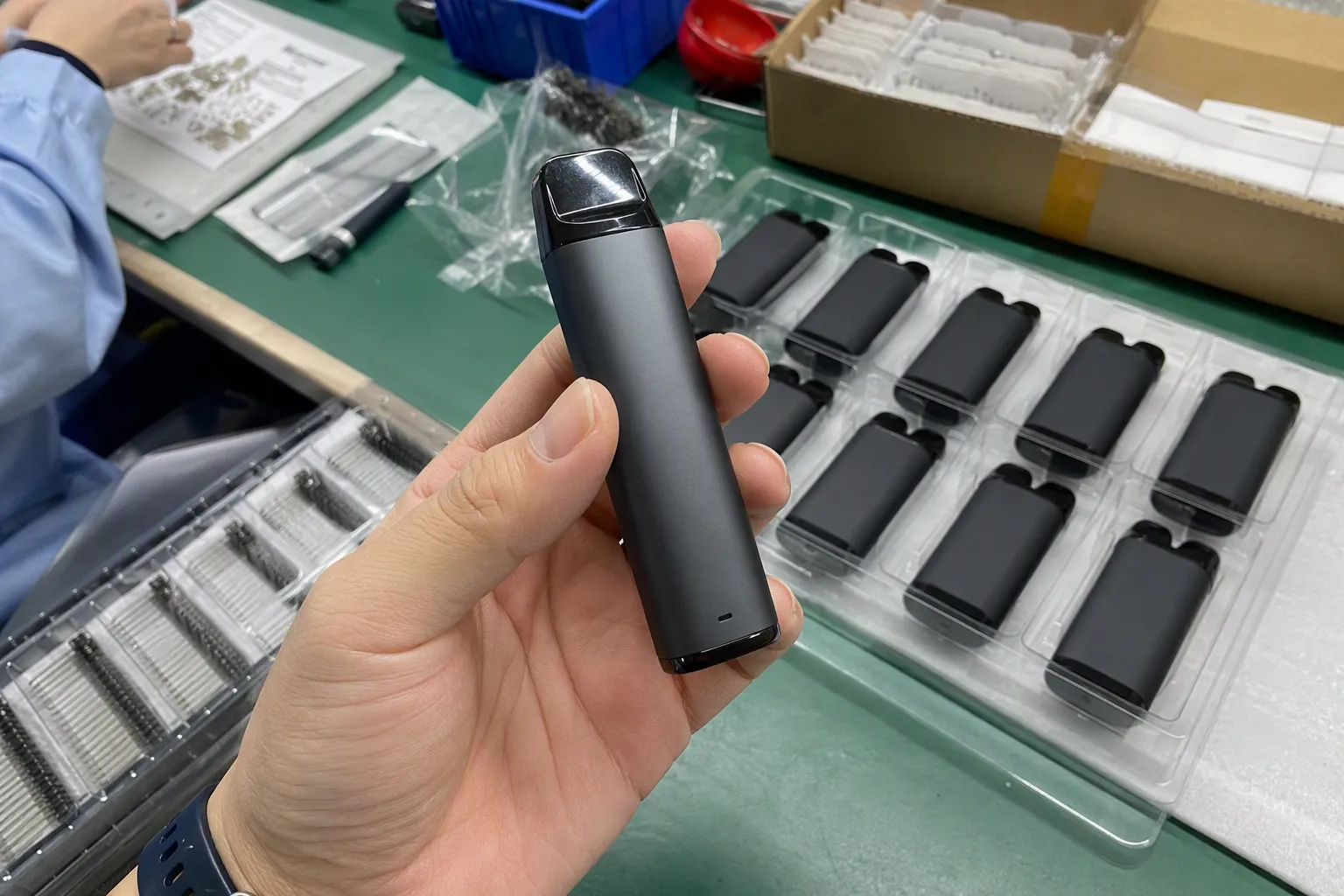
A rushed product replacement can create new problems while trying to solve an old one. Buyers may remove single-use products, bring in reusable devices, and then discover that customers also need compatible pods, coils, charging options, explanations, and reliable replenishment. Without planning, inventory becomes fragmented and cash flow becomes harder to control.
A stock transition plan is not a simple switch from one SKU to another because reusable vapes operate as a product system. Buyers need to plan the device, compatible consumables, accessories, channel fit, staff education, reorder timing, and after-sales process together. The goal is to reduce exposure to slow-moving single-use stock while building repeat purchasing around reusable formats.
Start With Actual Stock Facts, Not Market Noise
I recommend that buyers begin with their own sales records instead of reacting only to headlines, trade-show conversations, or competitor activity. Trends can be useful signals, but a purchasing decision should still be based on sell-through, stock age, reorder frequency, and local customer behavior.
In my experience, some importers have too much information but not enough inventory structure. They may know total sales, but they do not know which individual SKUs are funding the business and which SKUs are quietly blocking cash flow.
A useful first step is to divide existing single-use vape inventory into practical groups:
| Inventory Group | What It Usually Means | Purchasing Action to Consider |
|---|---|---|
| Fast-moving core SKUs | Products with steady repeat demand | Maintain controlled availability during the transition |
| Medium-moving SKUs | Products that still sell but need more time | Reduce reorder quantities and monitor weekly |
| Slow-moving SKUs | Products with weak or irregular demand | Stop replenishment and consider structured clearance |
| Aged stock | Products held too long relative to normal sales | Review discounting, bundle options, or channel-specific liquidation |
| Uncertain SKUs | Products without enough recent sales data | Avoid new purchases until demand is confirmed |
I do not suggest using only one number, such as total units sold in the last month. A product may sell 500 units in a month, but that number means little if the buyer holds 20,000 units in the warehouse. The relevant question is: how many days or weeks of stock remain at the current sales rate?
A simple formula can help:
Days of stock remaining = current inventory ÷ average daily unit sales[2]
For example, if a wholesaler holds 6,000 units of a single-use SKU and sells an average of 100 units per day, the business has around 60 days of stock. If the same product sells only 20 units per day, the business holds around 300 days of stock. These two situations require different buying decisions.
I also advise buyers to look beyond warehouse-level data. A product can move well in one city, chain, or customer type while moving poorly in another. Gas stations, convenience stores, vape shops, smoke shops, and independent wholesalers may not sell the same formats at the same speed.[3]
Protect Cash Flow With an Overlap Period
One common mistake is to think the business must fully liquidate single-use vapes before introducing reusable devices. I do not see that as the safest approach for many B2B buyers. A full stop can create a best-seller gap, especially when retailers still have active demand for familiar products.
A better stock transition plan usually includes an overlap period. During that period, the buyer gradually reduces exposure to selected single-use products while testing reusable formats in a measured way.
The overlap does not mean buying everything. It means using inventory more carefully.
A practical overlap approach may include:
- Keep proven single-use best sellers available at reduced but sufficient stock levels.
- Stop reordering weak single-use SKUs that have poor sell-through or too much remaining stock.
- Introduce a small reusable range in selected customer channels.
- Track repeat purchases of pods, cartridges, coils, or other compatible consumables.
- Expand only after the initial device and consumable pattern is clear.
I have found that the first sale of a reusable device is not the full story. The important commercial signal is whether the customer returns for compatible consumables. A device can sell because it looks new, has a good price, or attracts curiosity. However, repeat consumable demand is often the stronger indicator of whether the format has a place in the buyer’s long-term assortment[4].
This is why buyers should avoid comparing single-use and reusable products only by unit price. A reusable format may have a different buying cycle, different shelf needs, and different customer questions. It may also require a different approach to retailer communication.
For example, a smoke-shop buyer may understand the difference between device and pod sales immediately. A convenience-store operator may need a simpler display, clear compatibility information, and a tighter range of options. The same reusable assortment may not work equally well across every channel.
Build Reusable Vape Inventory as a System
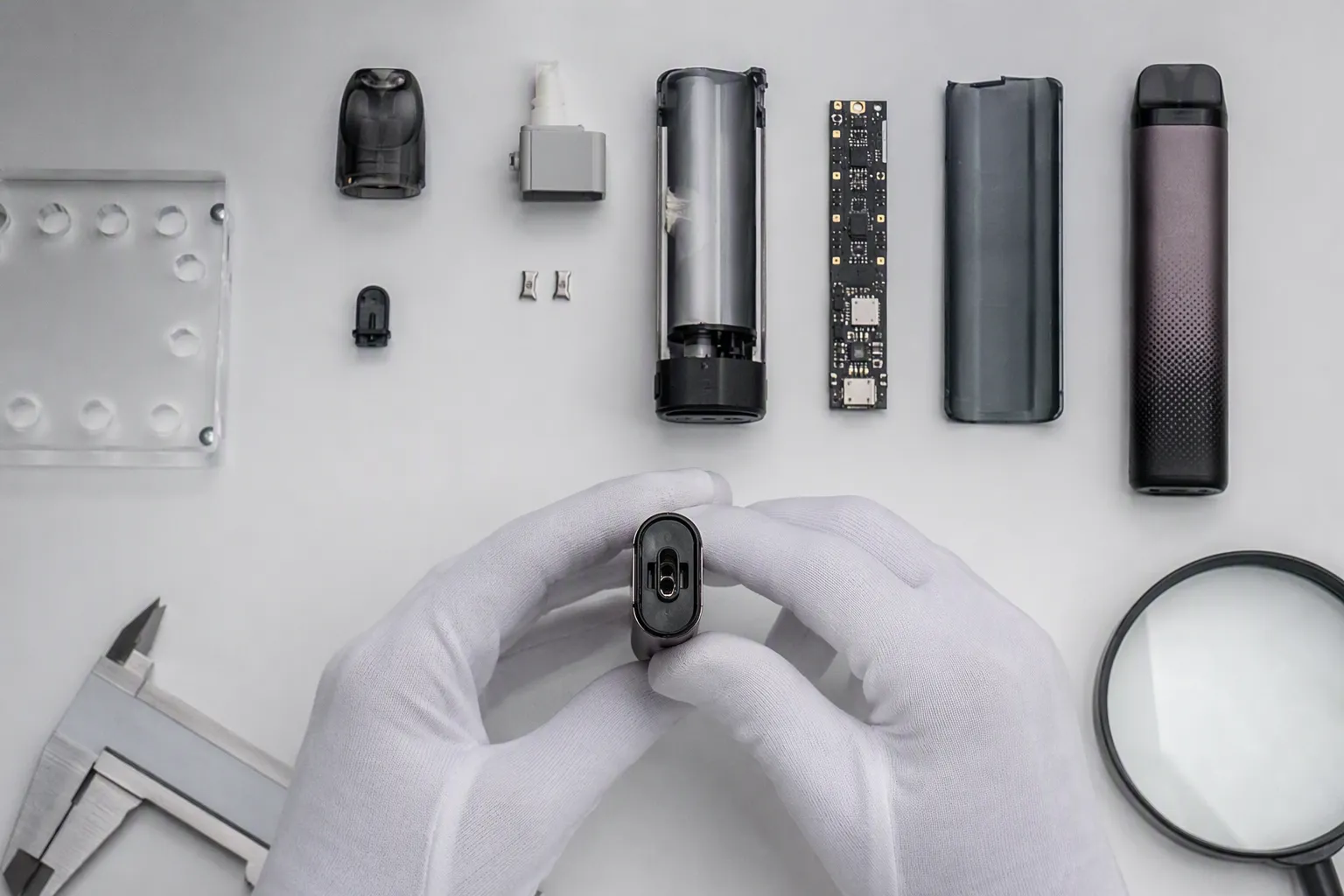
Reusable products require more coordination than single-use products.[5] I encourage buyers to think of the device as the beginning of a system, not the complete product offer.
A reusable vape system can involve:
- The device or battery unit
- Compatible pods, cartridges, tanks, or replacement components
- Charging method and cable requirements
- Packaging and display considerations
- Flavour or consumable options, where locally appropriate
- Replacement parts and potential after-sales needs
- Clear compatibility information for retailers and end users
A buyer can lose sales if any one of these parts is missing.[6] If a device sells but compatible pods are unavailable, the retailer may lose confidence in the range. If several device models use confusingly similar consumables, staff may sell the wrong item. If the purchasing team orders too many devices but too few consumables, the business may create the wrong inventory balance.
I normally suggest planning reusable inventory in linked groups rather than isolated SKU lines.
| Product Area | Key Question for Buyers | Common Risk |
|---|---|---|
| Device | Which device format fits the target channel? | Buying too many models before demand is proven |
| Consumables | Which pods or replacements are compatible? | Running out of consumables after device sales |
| Accessories | Is charging or display support needed? | Poor customer experience or incomplete retail offer |
| Packaging | Is compatibility easy to understand? | Retailer and consumer confusion |
| Replenishment | What reorder point is realistic? | Out-of-stock best sellers or excess stock |
| After-sales | Who handles product issues and returns? | Retailer frustration and damaged buyer reputation |
For this reason, I prefer a narrow initial range. A buyer does not need five device platforms with multiple consumables each on day one. That approach can create too many stock combinations and make forecasting difficult.
Instead, a buyer may start with a limited number of compatible reusable platforms. The objective is to make it easy for the warehouse team, sales team, retailers, and customers to understand the range. Simplicity can protect working capital.
Test by Channel, Not Only by Product
A reusable vape launch should be tested in the channels where the buyer can collect useful feedback. I do not recommend sending every new product to every customer at once. That makes it harder to understand what is working and why.
A controlled test should answer practical questions:
- Which store types are willing to explain reusable formats?
- Which device styles receive the most customer interest?
- Which consumables are reordered first?
- Are retailers asking for simpler compatibility guidance?
- Does the product work better in urban vape shops, convenience stores, or regional wholesalers?
- Are customers buying reusable products as a replacement, an additional option, or only a trial purchase?
For European importers and wholesalers, the answer may vary by country and even by region. I do not treat Europe as one unified market. Consumer preferences, retail habits, packaging expectations, tax structures, and local compliance requirements can differ significantly.[7] Buyers should independently verify all local legal, product, labeling, and regulatory requirements before importing or selling any vape product.
A useful pilot can be small enough to manage but large enough to reveal actual replenishment behavior. The buyer should agree in advance on what will count as a successful test. Otherwise, the team may interpret the same sales data in different ways.
I suggest reviewing at least these indicators:
| Test Indicator | Why It Matters |
|---|---|
| Initial sell-through | Shows whether customers accept the format |
| Repeat consumable orders | Shows whether the reusable system is being adopted |
| Retailer reorder timing | Helps calculate realistic replenishment cycles |
| Questions and complaints | Reveals training, packaging, or product-support gaps |
| Returns or defect reports | Helps evaluate supplier support and quality-control processes |
| Stock coverage | Prevents the buyer from overreacting to early sales |
A product that sells out immediately is not always a complete success. The buyer should ask whether the stock was simply too low, whether the product was promoted heavily, and whether compatible consumables also moved. Likewise, a slower first month does not always mean the range failed. Some reusable formats require more retailer explanation and more time for customers to understand the purchase cycle.
Use Reorder Rules Before You Need Them
A stock transition plan should include reorder rules before the first reusable order arrives. Without those rules, the buyer may make decisions emotionally: ordering too much after one good week or stopping a product after one slow week.
I recommend setting basic reorder points based on lead time, sales velocity, minimum safety stock, and the buyer’s cash-flow position. The exact formula will differ by business, but the principle remains simple: the buyer should know when stock needs attention before it becomes urgent.
For direct China imports, lead times can involve production, quality checks, freight booking, transport, customs procedures, and local delivery.[8] These steps can vary, and buyers should not assume that one shipment experience will predict every future shipment. For smaller European buyers, overseas warehouse stock can sometimes reduce the time and minimum order commitment needed for a test order.
At Shenzhen Kingfuji Tech. Co., Ltd., I work with buyers who need different supply models. Smaller wholesalers, vape shops, smoke shops, and chain-store buyers may prefer selected available stock from European warehouses when appropriate, with lower starting quantities and faster regional delivery options. Larger importers and distributors may prefer direct purchasing from China when they need stronger volume pricing, a broader assortment, or OEM/ODM development.
The purchasing model should match the buyer’s stage of transition.
| Buyer Situation | Potential Supply Approach | Main Evaluation Focus |
|---|---|---|
| Small test of reusable formats | Smaller quantity, selected ready stock | Speed, compatibility, manageable risk |
| Regional wholesaler adding a new category | Controlled direct order or warehouse replenishment | Repeat demand and stock coverage |
| Large importer planning a wider shift | Direct import with staged purchase schedule | Price structure, quality process, supply continuity |
| Buyer developing a private label | OEM/ODM evaluation | Product development, packaging, lead time, compliance review |
I do not advise buyers to choose a supplier only because the first quoted price is low. A reusable transition can fail when the supplier cannot maintain compatible consumables, cannot explain product differences clearly, or cannot provide consistent after-sales coordination.
Evaluate Suppliers for Continuity, Not Just the First Shipment
A supplier relationship becomes more important when a buyer moves into reusable products. The buyer is no longer purchasing a single finished item. The buyer may depend on the supplier for devices, matching consumables, accessories, packaging updates, stock availability, and ongoing product support.
When I speak with importers and wholesalers, I encourage them to ask supply-chain questions that go beyond unit price:
- Can the supplier provide the full reusable system, not only the device?
- Can the supplier explain compatibility clearly in writing?
- Is the supplier able to support repeat orders of consumables?
- What quality-control process is used before shipment?
- How are reported defects or after-sales issues handled?
- Can the supplier offer consolidated purchasing across brands and categories?
- What is the realistic lead time for direct import and for available warehouse stock?
- Can the supplier support OEM/ODM development if the buyer later needs a private-label route?
At Kingfuji, our role is built around helping buyers reduce the number of separate supplier relationships they need to manage. We supply electronic cigarettes, disposable vapes, reusable vape products, atomizers, 510 batteries, CBD batteries, grinders, glass pipes, vaporizers, and related smoking accessories. For buyers with broader catalogs, this can support a more practical one-stop purchasing process.
I also understand that product continuity matters to wholesalers. A buyer may have several retailers depending on the same fast-moving items. If one supplier handles a device and another supplier handles compatible consumables, coordination becomes harder. A consolidated approach can simplify purchasing, shipping, and after-sales communication, although buyers should still evaluate every product and supplier arrangement based on their own requirements.
For larger buyers, our factory and OEM/ODM capability can be relevant when the business is ready to develop a private-label product range. However, private-label development should come after demand is clearer, not before. A branded reusable device can create stronger differentiation, but it also requires more commitment in product selection, packaging, inventory planning, and local compliance verification.
Frequently Asked Questions About a Stock Transition Plan
Should I stop buying single-use vapes immediately?
I do not recommend an automatic stop. I suggest reviewing each SKU by sell-through, stock age, remaining inventory, and customer demand. Fast-moving products may need controlled replenishment during the transition, while slow-moving products may be better candidates for reduced purchasing or structured clearance.
How many reusable vape products should I test first?
I usually recommend a focused range rather than a large catalog. The right number depends on your customer channels, warehouse capacity, and ability to support compatible consumables. Start with a manageable device-and-consumable system, then expand when reorder behavior supports the decision.
What is the biggest inventory risk with reusable vapes?
The biggest risk is often an unbalanced system. A buyer may sell devices but run short of compatible pods or replacement components. Another risk is carrying too many device platforms, which creates complex inventory and makes staff training, ordering, and forecasting more difficult.
Can reusable vapes improve my margins?
Reusable vapes do not automatically create higher margins. The result depends on your purchase cost, local pricing, retailer demand, consumable repeat sales, product support needs, and stock turnover. I recommend evaluating margin together with inventory risk, cash flow, and replenishment reliability.
Do European vape rules apply equally in every country?
No. European markets can have different local requirements, enforcement approaches, consumer behavior, taxes, labeling expectations, and product restrictions. I recommend that every buyer verify applicable legal, regulatory, import, and product-compliance obligations with qualified local professionals before making purchasing decisions.
Conclusion: Build a Stock Transition Plan Around Replenishment, Not Panic
A strong stock transition plan helps you reduce exposure to slow-moving single-use stock without creating avoidable gaps in sales. I recommend starting with real sell-through data, running a controlled overlap period, testing reusable systems by channel, and tracking repeat consumable demand before expanding. Reusable vapes should be purchased as complete systems, not isolated devices. If you need support with reusable vape sourcing, selected European warehouse stock, direct China purchasing, or OEM/ODM planning, contact me at info@kingvapecig.com to discuss a purchasing approach that fits your market and inventory position.
Sources
- Tobacco: E-cigarettes - World Health Organization (WHO)", Comparative European public-health and regulatory reports document substantial cross-country variation in e-cigarette use, product regulation, and market context
- Inventory Management", Inventory-days measures estimate the duration of available stock by relating inventory on hand to an average rate of demand or sales
- Where Do E-cigarette Users Buy Their E-cigarette Products ...", Studies of e-cigarette retail environments identify meaningful differences between specialty vape shops and general retail outlets in product assortment, customer interaction, and purchasing context
- Prevalence of disposable pod use and consumer preference ...", Consumer-behavior research treats repeat purchase as an indicator of continued adoption, distinguishing sustained use from an initial or trial purchase
- About E-Cigarettes (Vapes) | Smoking and Tobacco Use - CDC", Public-health guidance distinguishes self-contained disposable e-cigarettes from rechargeable or refillable systems that require separate consumables or components
- The Impact of Stockouts on Customer Loyalty to Lean Retailers", Retailing research finds that stockouts can cause lost sales and substitution, particularly where a purchase depends on complementary or compatible items
- Regulation of Electronic Cigarette Use in Public and Private ...", European and international policy sources report that e-cigarette rules are implemented alongside differing national restrictions, tax policies, and market conditions
- Know Your Incoterms - International Trade Administration", Official trade guidance describes international importing as a multi-stage process involving shipment arrangements, customs entry or clearance, and delivery, each of which can affect lead time