
Quick Answer
A refill-container range can become difficult to manage when buyers focus only on whether a container fits a reusable vape device. That approach can create confusing SKU choices, avoidable leakage complaints[1], slow repeat purchases, and unnecessary stock risk. I recommend building the range around the consumer’s complete usage journey instead.
A refill-container range around reusable vape devices should start with how consumers buy, fill, carry, store, and repurchase the product. Physical compatibility matters, but it is only one part of commercial readiness. UK importers and vape brands should select a core device, define clear refill-container options, reduce user friction, and verify relevant UK compliance, notification, labelling, and market-entry requirements with qualified professionals before launch.
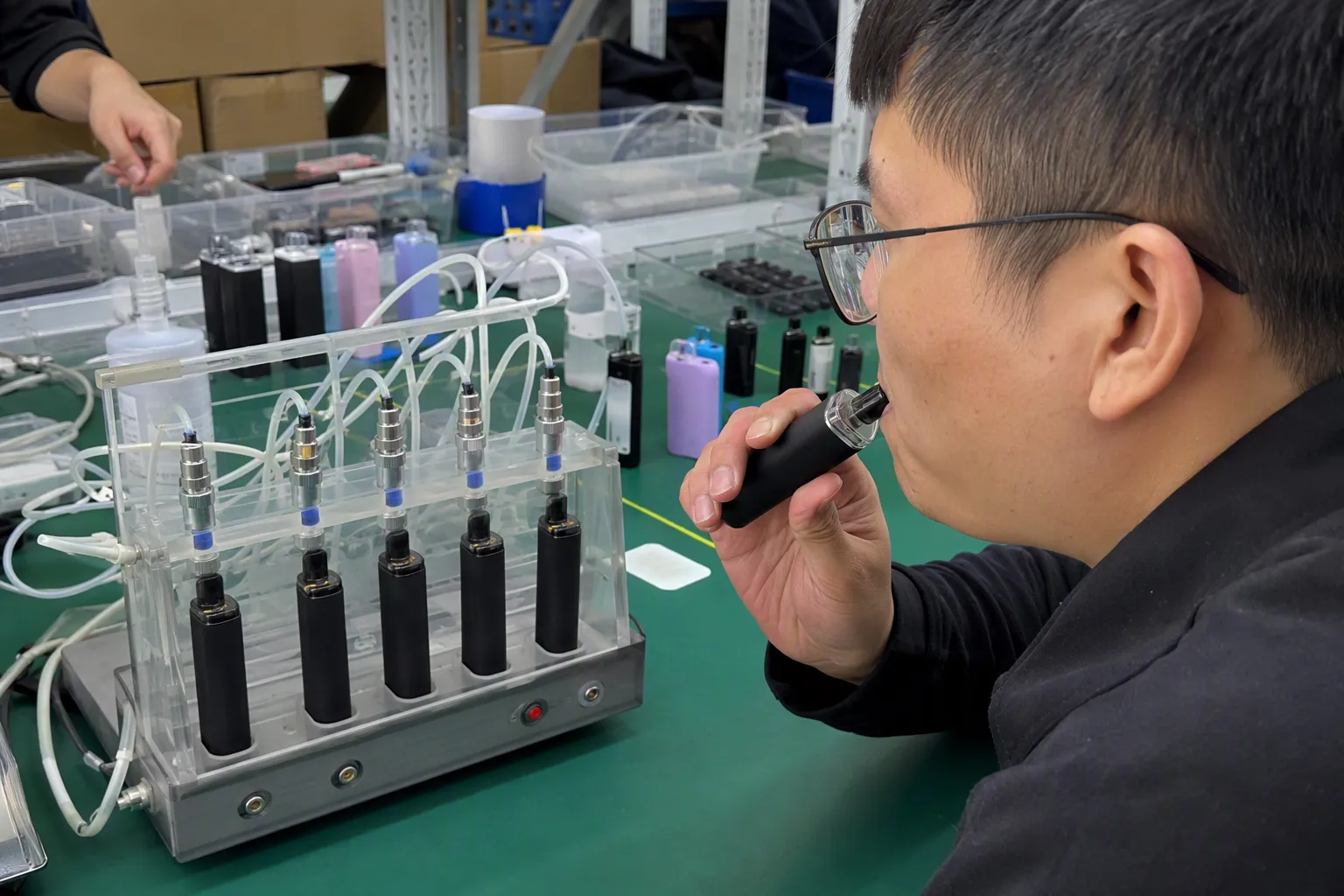
When I discuss reusable vape device projects with importers, wholesalers, and own-brand customers, I see the same risk repeatedly: the range looks complete in a spreadsheet, but the consumer journey is incomplete in real life. A successful system needs to be easy for retailers to explain, easy for consumers to use, and realistic for the buyer to stock and support.
Should a UK refill-container range be built around the consumer’s real usage journey?
A refill-container range can fail commercially even when every component connects correctly. Consumers may not understand which refill fits their device[2], may struggle with filling[3], or may buy the wrong replacement product. Those small problems can quickly become retailer questions, returns, and after-sales pressure[4].
Yes. A UK refill-container range should be designed around the real consumer journey: buying the device, choosing the correct refill, filling or replacing it, carrying it safely, understanding basic use, and buying again. Each SKU should solve a clear task. Buyers should treat physical fit as a starting point, not as proof of usability, safety, compliance, or retail readiness.
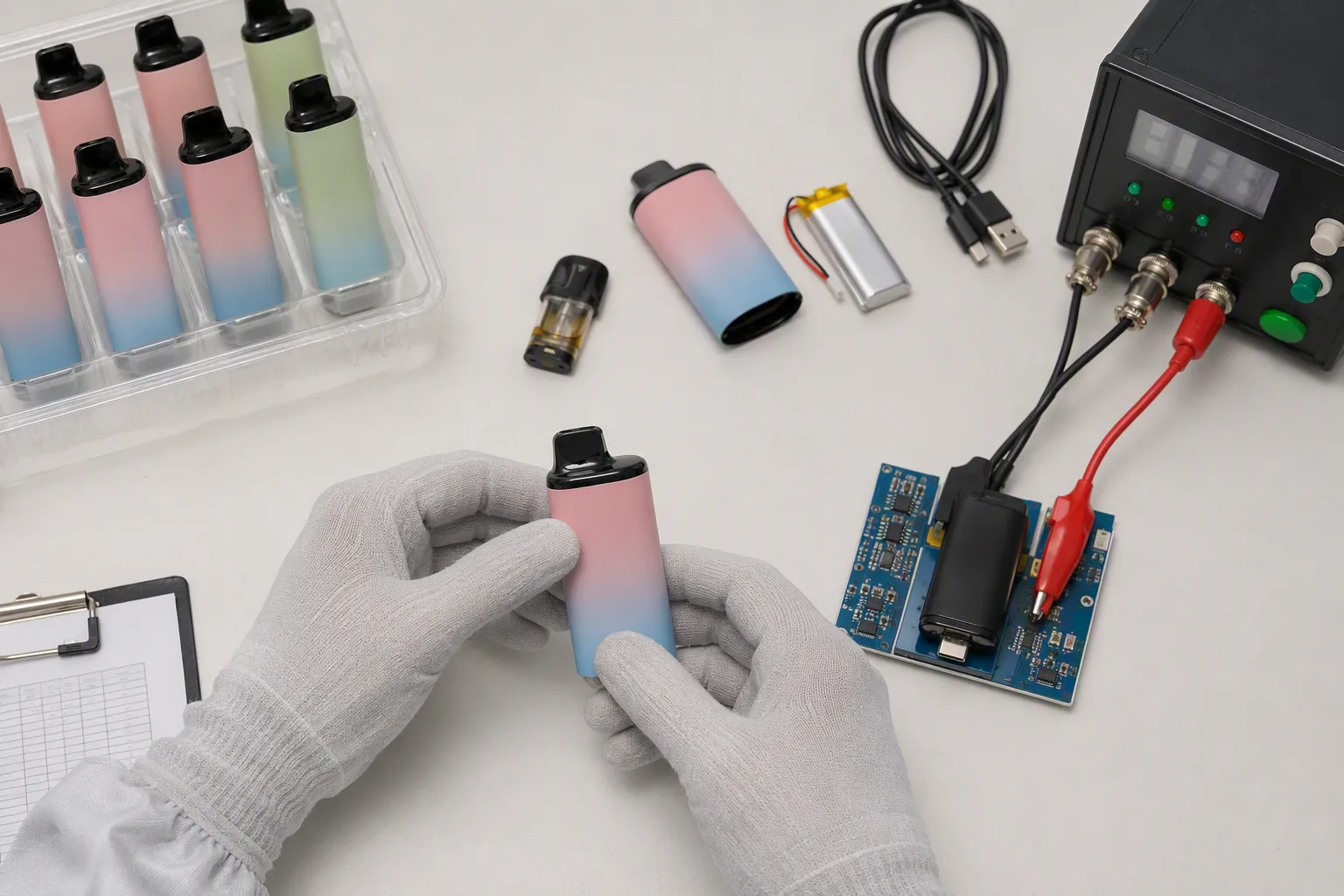
Start with the first purchase, not the product list
I usually begin product-development conversations with one simple question: what does the customer buy first, and what do they need next?
For many reusable vape concepts, the first purchase is not only a device. It is a small system. The consumer may need:
- A reusable device or battery unit
- A compatible refill container, cartridge, pod, or other designated consumable
- Clear instructions for fitting, filling, charging, storage, and disposal
- A way to identify the correct replacement product later
- A practical reason to return to the retailer for repeat purchases
This sounds basic, but it changes how a buyer should build the assortment. If the initial purchase is confusing, the retailer must spend more time explaining it. If the replacement choice is confusing, the consumer may buy the wrong item or move to another product category.
A product range should therefore answer the following questions before it grows:
-
Which device is the core entry point?
The range needs a clear hero device or a limited number of device platforms. Too many device formats can divide demand and complicate future refill stock. -
Which refill-container options are genuinely compatible with that device?
Compatibility should be documented through specifications, samples, and practical testing. Buyers should avoid assumptions based on similar shapes, connection styles, or supplier descriptions. -
How does a consumer recognise the right refill?
Packaging names, colours, icons, model codes, and retail display logic all matter. A refill that technically works but is hard to identify creates friction at the shelf. -
What happens after the first refill is used?
Repeat purchase is the real test of the system. The buyer should consider whether consumers can easily find, understand, and repurchase the replacement format.
In my OEM/ODM discussions, I encourage customers to look at the device and refill as one commercial unit, even if they are sold separately. The device creates entry into the system. The refill-container range creates the repeat-purchase path. Both parts need to make sense together.
Map the consumer journey before expanding variants
A practical refill-container range should be based on a journey map, not a long catalogue. I would normally divide the journey into five stages.
| Consumer stage | Typical consumer question | Range-planning implication |
|---|---|---|
| Initial device purchase | “What is this device and what else do I need?” | Keep the entry offer clear and easy to explain |
| Refill selection | “Which refill works with my device?” | Use obvious compatibility naming and packaging |
| Filling or replacement | “How do I use this without mess or confusion?” | Review opening, handling, fit, instructions, and likely misuse |
| Carrying and storage | “Can I keep this in a bag or pocket?” | Consider caps, leakage exposure, packaging, and handling guidance |
| Repeat purchase | “Where can I buy the same replacement again?” | Maintain dependable SKU logic and avoid unnecessary fragmentation |
This table does not replace product testing or compliance review. It simply helps buyers ask better commercial questions earlier.
For example, a buyer may want to launch one reusable device with ten refill-container variants because the assortment looks broad. However, every additional variant creates more work[5]:
- More artwork and packaging decisions
- More inventory positions
- More forecasting uncertainty
- More retailer training needs
- More risk of wrong-item purchases
- More potential slow-moving stock
- More after-sales questions
I do not believe a broad range is automatically a stronger range. A large list of flavours, capacities, colours, or packaging styles may look impressive, but it can weaken a launch if the choices do not serve different customer tasks.
A useful rule is this: every SKU should have a job.
One refill option may serve a core everyday user. Another may exist for a specific channel requirement or consumer preference. A third option may be justified because it supports a distinct retail plan. But if two SKUs do the same job, the buyer should ask why both are necessary.
Separate physical fit from commercial readiness
Physical compatibility is important, but it does not answer enough questions. A container may connect to a reusable device and still create problems in filling, leakage control, storage, labelling, consumer understanding, or retailer support.[6]
I recommend that buyers separate evaluation into two stages:
- Can the parts physically work together?
- Can the combination be sold, explained, stocked, and supported as a reliable range?
The first stage is technical. The second stage is commercial and operational.
Questions for physical compatibility
During sampling and specification alignment, buyers should verify issues such as:
- Whether the intended container and device are designed to connect
- Whether the fit is consistent across samples
- Whether the assembly process is intuitive
- Whether the opening, seal, cap, or connection method is practical for the intended use
- Whether the device and refill configuration match the agreed product drawings and specifications
- Whether packaging clearly identifies the intended device platform
- Whether any changes in component design could affect compatibility
I would not advise relying only on photographs or supplier statements. Samples matter. Written specifications matter. Version control matters. A buyer should know exactly which device version and which refill-container version are being evaluated.
Questions for commercial readiness
A physically workable combination still needs to pass a broader review:
| Commercial factor | What buyers should assess |
|---|---|
| Filling experience | Is the process easy to understand and reasonably clean for the intended user? |
| Leakage exposure | What can happen during normal carrying, storage, handling, and transport? |
| Retail explanation | Can staff explain the system quickly without memorising complex rules? |
| Packaging clarity | Can consumers identify device compatibility at a glance? |
| After-sales exposure | Which predictable questions or mistakes could create support work? |
| Stock complexity | Can the buyer forecast devices and refills without excessive stranded inventory? |
| Channel fit | Does the range make sense for vape shops, wholesalers, convenience channels, or import distribution? |
This is where many range plans become fragmented. A buyer may add options one at a time, often because each option seems reasonable on its own. But the total result may be difficult for a wholesaler to order, difficult for a shop to display, and difficult for an end user to understand.
Build a core device platform before adding refill choices
For UK importers, vape brands, and larger wholesalers, I believe the safest starting point is usually a disciplined platform approach. That means selecting a core reusable device platform and building refill-container options around it with clear boundaries.
A platform approach can help buyers reduce confusion because it creates a repeatable structure:
- Core device: the main reusable unit that starts the consumer journey
- Compatible refill-container options: clearly defined replacement choices
- Essential accessories: only items that reduce friction or support intended use
- Support materials: packaging, instructions, compatibility identifiers, and retailer guidance
- Controlled expansion path: future options only when there is a defined commercial reason
This does not mean every range must be small forever. Larger importers and established brands may have the resources to manage several platforms. However, each additional platform should be evaluated as a separate system. It needs its own refill logic, packaging logic, forecast logic, and support plan.
A reusable device range becomes easier to sell when the buyer can explain it in one sentence: “This is the device, these are the refills made for it, and this is how the consumer chooses the correct replacement.”
That sentence is not only a marketing idea. It is a procurement test. If the purchasing team cannot explain the range simply, retailers and consumers may struggle even more.
Use accessories only when they reduce friction
Accessories can be useful, but they should not be added just to make the range appear more complete. I prefer buyers to ask whether each accessory solves a recognised problem.
An accessory may be worth keeping when it supports:
- Safe and practical carrying
- Product protection during transport or retail handling
- Easier charging or storage where relevant
- Clearer identification of the intended device platform
- A specific retail bundle or channel requirement
- A defined consumer use case supported by testing and instructions
An accessory may be less useful when it only adds another SKU without improving the consumer journey. This matters especially for wholesalers serving many small retailers. Every extra item needs shelf space, stock investment, item coding, pricing, and replenishment management.
In our Shenzhen product-development work, I have seen that sampling discussions become more efficient when customers define the accessory’s job before asking for designs or quotations. The question should not be, “What else can we add?” The better question is, “What friction does this item remove?”
Plan inventory around repeat purchase, not only launch volume
A refill-container range has two linked inventory demands: the initial device purchase and the ongoing replacement purchase. Buyers should not forecast them as unrelated products.
If device stock arrives without enough compatible refill containers, the retailer may sell the first product but lose the repeat-purchase opportunity. If refill stock is too broad or too deep before device adoption is established, working capital may become tied up in slow-moving variants[7].
I recommend planning inventory in layers.
Layer 1: Core launch stock
This includes the core device and the most important compatible refill-container options. The purpose is to make the consumer journey complete from day one.
Layer 2: Controlled replenishment stock
This supports the refill options most likely to be reordered through the buyer’s chosen channel. The buyer should monitor actual sales and retailer feedback before expanding.
Layer 3: Test or channel-specific stock
This may include limited variants for a specific retailer group, region, customer preference, or brand programme. It should be clearly separated from core stock so it does not distort demand planning.
For smaller and medium-sized buyers in Europe, our overseas warehouse options may be relevant where suitable stock is available. Customers can use lower starting quantities, with some listed products available from 50 units per style, and receive delivery through European logistics channels. This can reduce the need for large upfront inventory commitments. Buyers should still confirm product availability, applicable destination requirements, shipping terms, and commercial conditions before ordering.
For larger importers, distributors, and wholesalers, direct purchasing from China may suit a different plan. Larger-volume procurement can support price discussions, own-brand packaging, OEM/ODM development, and more controlled production planning. Our factory operates from a 5,000-square-metre facility, with stated maximum monthly capacity of up to 5 million units, and our team can discuss OEM/ODM requirements. However, buyers should evaluate samples, specifications, production timing, quality-control expectations, and destination-market obligations for their own application.
Make after-sales planning part of range design
After-sales issues are not only a customer-service matter. They often begin with range design decisions.
A retailer may receive questions such as:
- “Which refill works with this device?”
- “Why does this container not fit?”
- “How should I open or replace this component?”
- “What should I do if I see leakage?”
- “Is this product suitable for my existing device?”
- “Why does the packaging look different from my previous purchase?”
Some questions are unavoidable. However, many can be reduced by clearer product architecture and better information.
I advise buyers to build an after-sales checklist before they place a larger order:
-
Define the exact compatibility boundary.
The packaging and sales materials should not imply that a refill works with products outside its intended platform. -
Review predictable misuse.
Buyers should identify likely mistakes during filling, carrying, charging, storage, and replacement. -
Create a retailer explanation sheet.
This can be short. It should cover the device model, compatible refill-container options, basic handling, and where to direct technical questions. -
Keep supplier specifications organised.
Device drawings, sample approvals, packaging files, version numbers, and agreed quality points should be controlled. -
Agree on inspection and issue-handling processes.
Buyers should discuss quality inspection, defect definitions, evidence requirements, and after-sales handling before order confirmation.
Our business provides one-point after-sales coordination for products purchased through us, which can reduce the need for customers to contact multiple factories or brands. Still, buyers should establish clear written expectations for their own orders. No supplier can responsibly promise that every issue will disappear. The practical goal is to reduce avoidable issues and create a clear process when something needs attention.
Verify UK requirements before market entry
The UK market requires careful preparation. I am a Shenzhen manufacturer and supplier, not a UK legal, regulatory, notification, or registration authority. For that reason, I encourage every UK importer, brand owner, and wholesaler to obtain qualified UK compliance support before placing products on the market.
Buyers should independently verify the requirements that apply to their exact products, packaging, ingredients, capacities, labelling, notifications, advertising, distribution route, and responsible business entities. Requirements can change, and they may differ depending on the product configuration and market-entry model.
A responsible pre-launch review may include checking:
- Product classification and applicable UK rules
- Notification or registration obligations, where applicable[8]
- Packaging and label content
- Ingredient and product documentation
- Battery, electrical, transport, and waste-related responsibilities where relevant
- Age-restricted sales procedures for the intended sales channel
- Retailer-facing information and marketing claims
- Records needed for traceability and supplier management
A refill-container range should not be treated as compliant simply because components physically connect or because a similar item exists elsewhere. Buyers should verify the final commercial product as sold, including its packaging and intended route to market.
Frequently Asked Questions
What is the first step in planning a refill-container range?
I recommend starting with the consumer journey rather than a list of available products. Define the core reusable device, the intended refill or replacement path, the likely user questions, and the retail channel. Then select only the SKUs needed to support that journey clearly.
How many refill-container variants should a new range include?
There is no universal number. I suggest starting with the smallest range that gives consumers a clear and useful choice. Each variant should serve a distinct user task, channel need, or commercial purpose. Buyers should avoid adding options simply to make the range look larger.
Does physical compatibility prove that a refill container is ready for sale?

No. Physical compatibility does not prove filling performance, leakage resistance, user understanding, safety, compliance, packaging suitability, or consumer satisfaction. Buyers should evaluate samples, specifications, instructions, quality-control expectations, and destination-market requirements separately.
Can smaller UK or EU buyers source reusable vape products with lower order quantities?
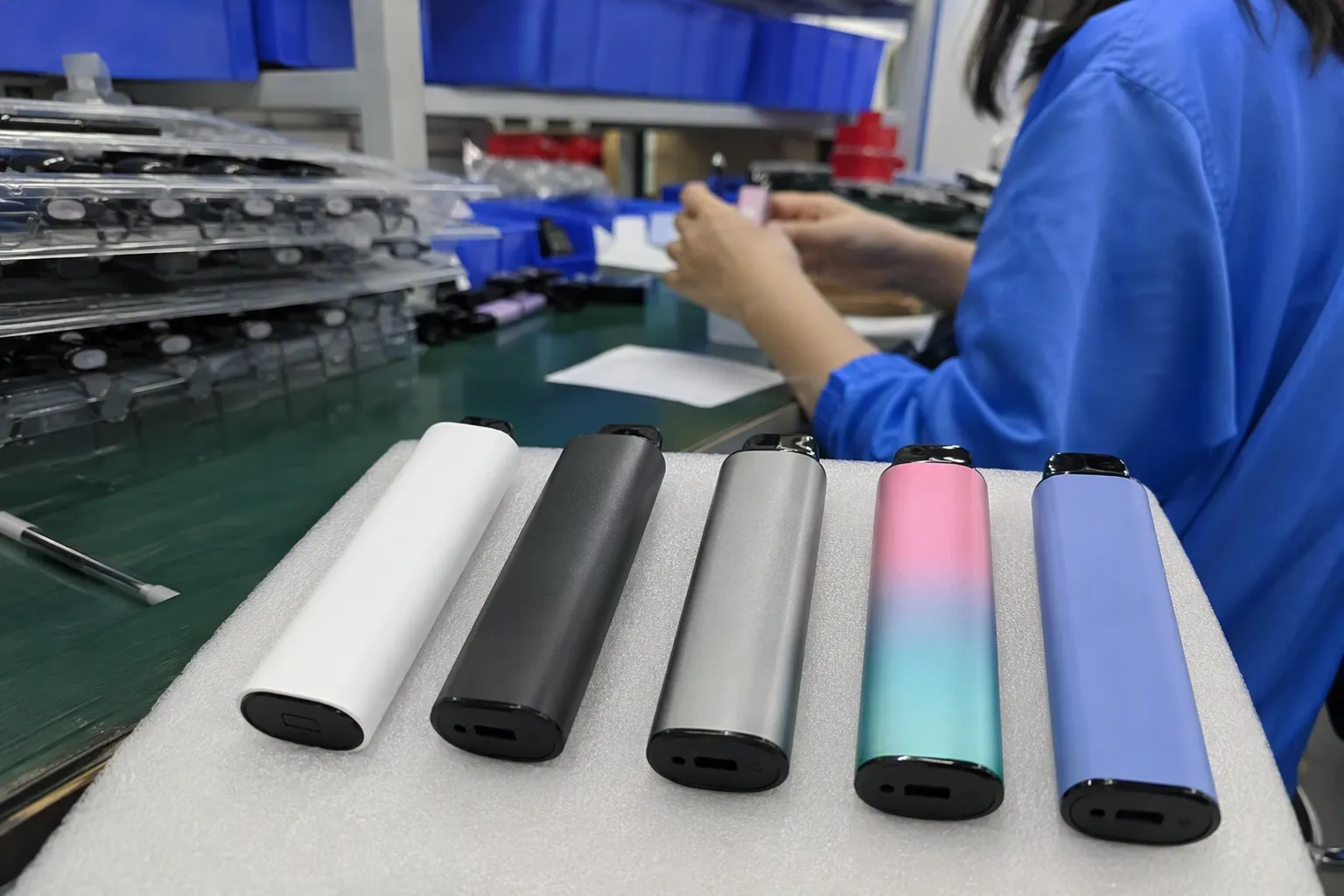
Where suitable stock is available, smaller buyers may be able to use European warehouse stock with lower starting quantities. Our listed minimum can be as low as 50 units per style for certain products. Buyers should confirm availability, pricing, delivery terms, and applicable local requirements before ordering.
What should larger importers ask an OEM/ODM supplier before development?
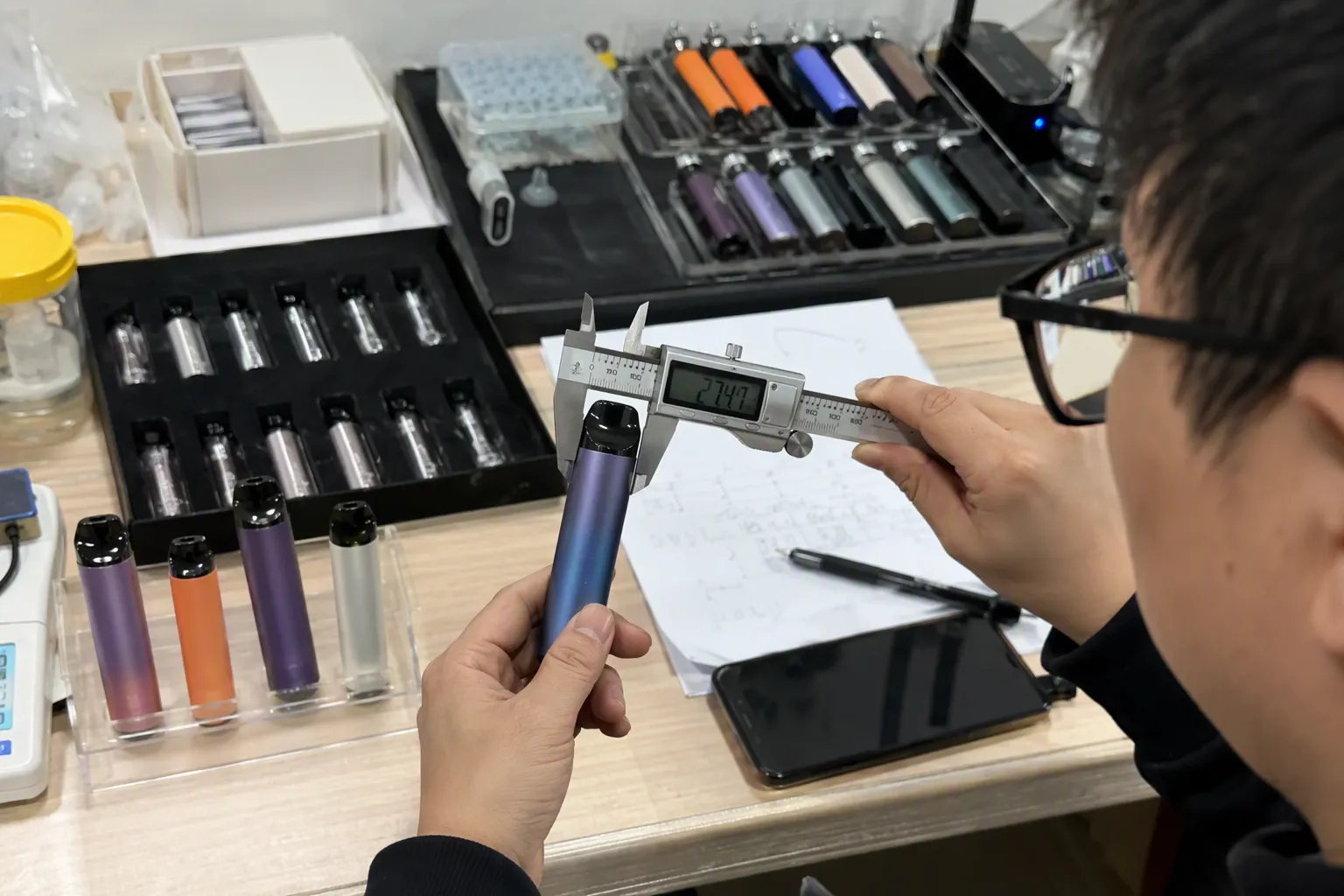
I recommend asking about product drawings, sample process, component versions, compatibility limits, packaging options, production planning, quality-control procedures, after-sales process, and documentation. Importers should also arrange qualified UK compliance review for the final product and market-entry plan.
Conclusion
A strong refill-container range is not created by adding the most devices, flavours, or accessories. It is created by making the consumer journey easier: clear first purchase, clear refill choice, practical handling, manageable repeat purchase, and controlled after-sales exposure. I help importers, vape brands, and wholesalers evaluate reusable device systems from a product-development, sourcing, and OEM/ODM perspective. If you are planning a focused reusable vape range, contact me at info@kingvapecig.com to discuss samples, sourcing options, own-brand development, and practical supply planning.
Sources
- Mechanisms of E-Cigarette Vape-Induced Epithelial Cell ...", Studies of refillable electronic-cigarette systems describe leakage as a product-use risk that can arise from container design, sealing, filling practices, and handling conditions
- The effect of standardised packaging and limited flavour ...", Research on electronic-cigarette product use indicates that clear labelling and instructions are important for consumers' correct identification and operation of device components
- Appeal and Use of Customizable E-cigarette Product Features ...", Usability research on refillable electronic-cigarette products identifies filling procedures, component design, and user instructions as factors that can affect correct operation and liquid handling
- The Misuse of Product Misuse: Victim Blaming at Its Worst", Consumer-service research generally finds that unclear product information and unmet expectations can contribute to product returns and additional post-purchase support contacts
- A Demand Estimation Procedure for Retail Assortment ...", Supply-chain research on SKU proliferation shows that broader assortments can increase forecasting difficulty, inventory complexity, and operational costs
- Applying Human Factors and Usability Engineering to ...", Product-safety and human-factors guidance treats physical compatibility as only one aspect of a product system; usability, foreseeable misuse, information, and handling conditions also require assessment
- A comparison of inventory carrying cost in literature and in ...", Inventory-management literature explains that excess and slow-moving stock ties up working capital and can create storage, obsolescence, and carrying costs
- MHRA E-cigarette and Vape Products Guidance Hub - GOV.UK", The UK Medicines and Healthcare products Regulatory Agency states that producers must submit required information through the notification process before relevant electronic cigarettes and refill containers are placed on the Great Britain market