
Struggling to navigate the EU's complex vape rules? You worry that one wrong move could mean lost inventory and angry customers. It's a confusing landscape for any wholesale business.
The EU's Tobacco Products Directive (TPD) sets a maximum nicotine concentration limit of 20 mg/ml for e-liquids and disposable vapes.[^1] This is often written as 2%. Any product sold in the EU must not exceed this strength and must clearly label its nicotine content.
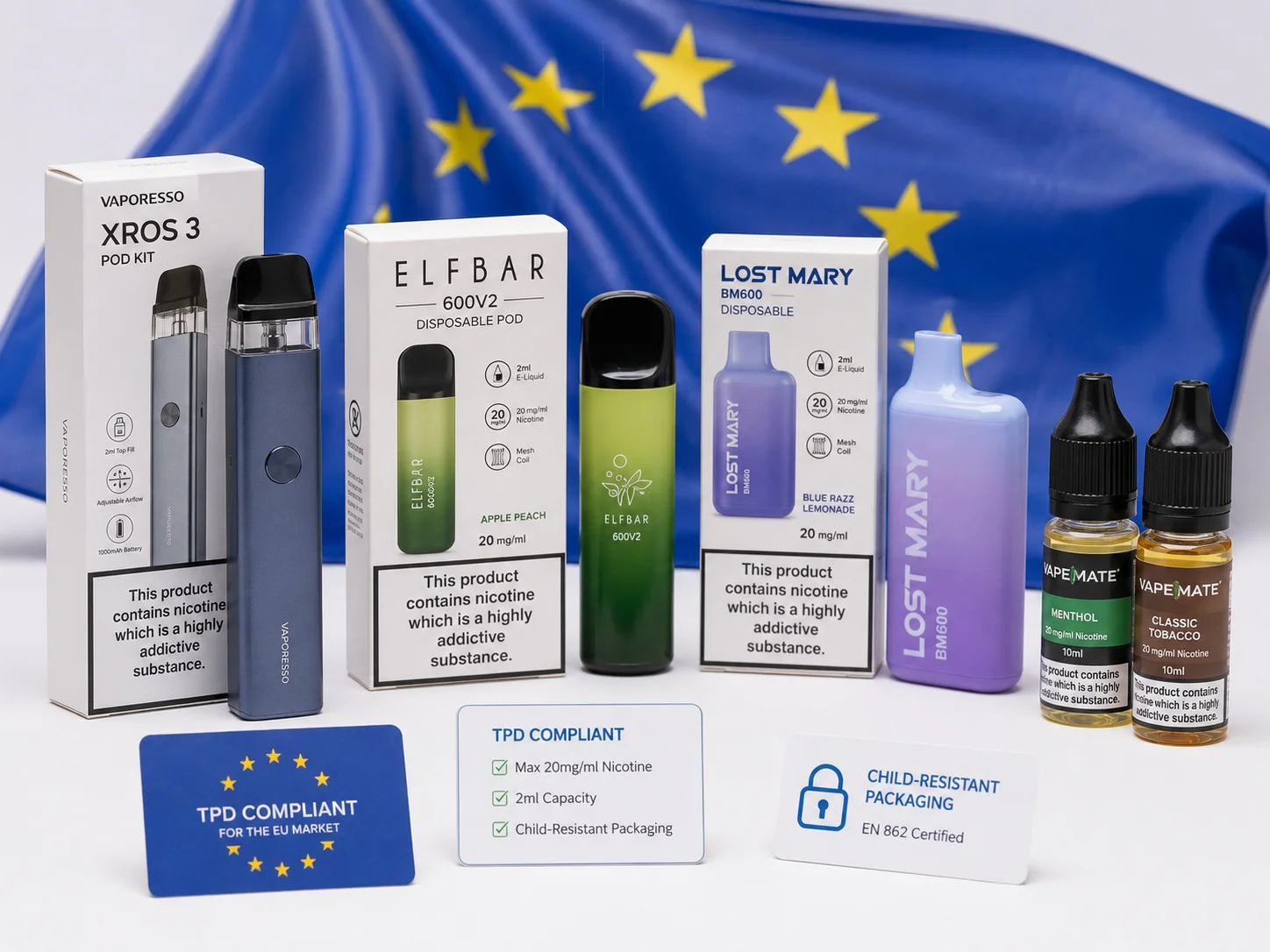
Getting this right is your first step to success in the European market. But this 20 mg/ml rule is just the beginning. It affects everything from the products you choose to how you describe them on your website. I've been exporting electronics for over 15 years, and I've seen how these details can make or break a business. Let's break down what you need to know to stay compliant and profitable.
What Is the EU Nicotine Limit for Vapes?
Selling vapes in the EU feels like walking a tightrope. You know there are rules, but they are not always clear. A simple mistake can cost you a lot.
The core nicotine rule under the EU's Tobacco Products Directive (TPD) is simple: the maximum nicotine concentration allowed is 20 milligrams per milliliter (20 mg/ml). This is the same as 2%. Packaging must state the nicotine strength clearly, and higher-strength products are not allowed.
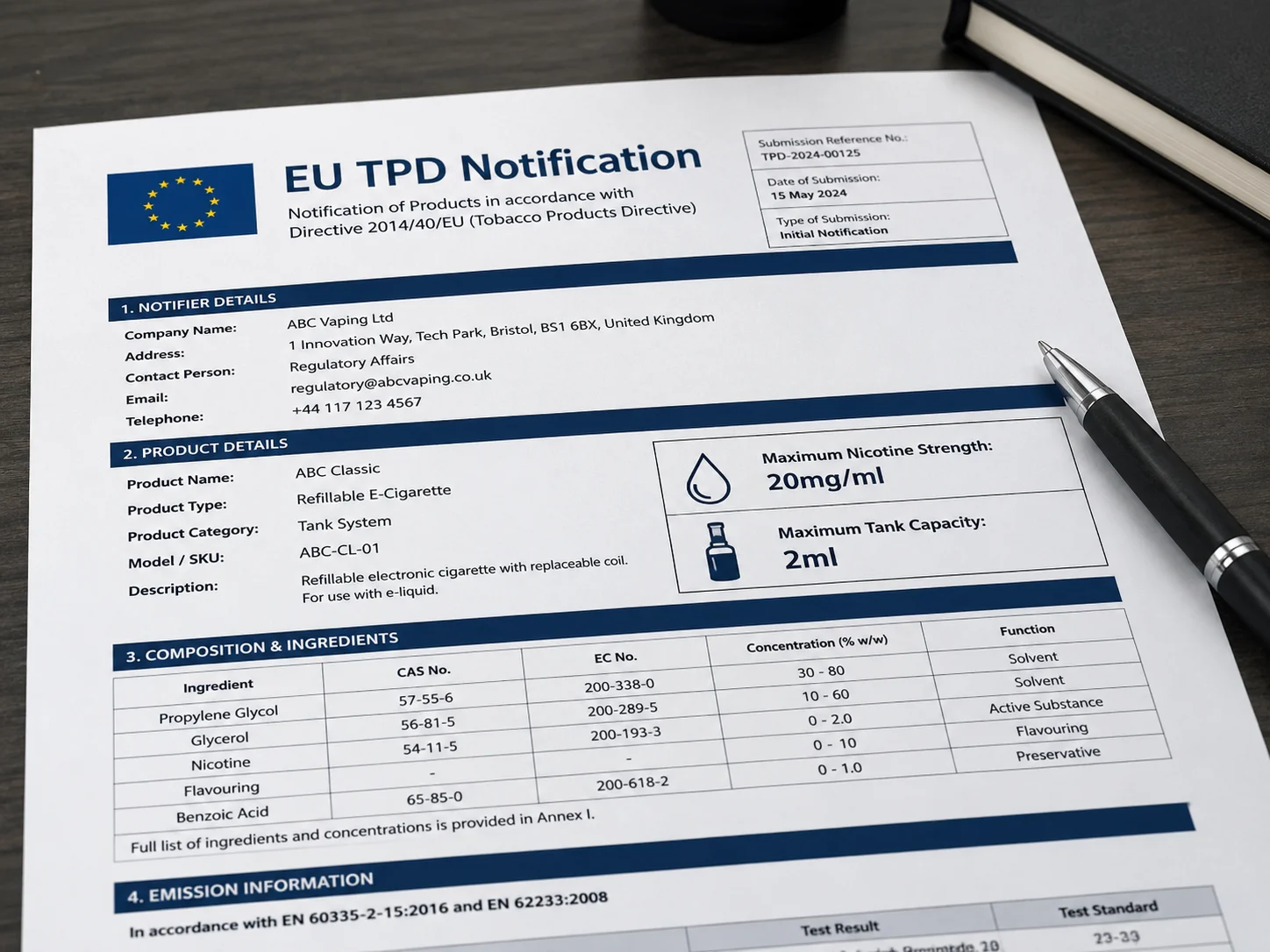
This rule creates a single standard across the EU, but it's not the whole story. While the 20 mg/ml limit is a Union-wide cap, individual member countries can add their own extra rules[^2]. For example, some might have specific taxes or flavor bans. As a wholesaler, you must meet the main EU TPD rules first, then check for any local rules in the specific country you're selling to. Think of the TPD as the main highway, and each country's rules as the local streets you need to navigate.
The Core Nicotine Rules Under TPD
| Regulation | Requirement | Why It Matters for Wholesalers |
|---|---|---|
| Max Concentration | 20 mg/ml (or 2%) | You must filter out any product with a higher concentration. |
| Clear Labeling | Nicotine strength must be clearly stated. | Your product pages and packaging must be accurate. |
| Market Separation | High-strength vapes (e.g., 50 mg/ml for the US[^3]) are forbidden. | You need separate product lists (SKUs) for the EU. |
| Member State Rules | Countries can add their own regulations. | You need to verify compliance for each specific target country. |
How Does the 20 mg/ml Limit Change Product Selection?
You found a popular vape brand, but see it comes in 50 mg/ml. You wonder if you can just sell the lower-strength version in the EU. It's a common but risky assumption.
To comply, you must actively exclude any vape product or e-liquid over 20 mg/ml from your EU catalog. This often means creating separate SKUs specifically for the EU market and ensuring the physical product's concentration matches all documentation and packaging perfectly.
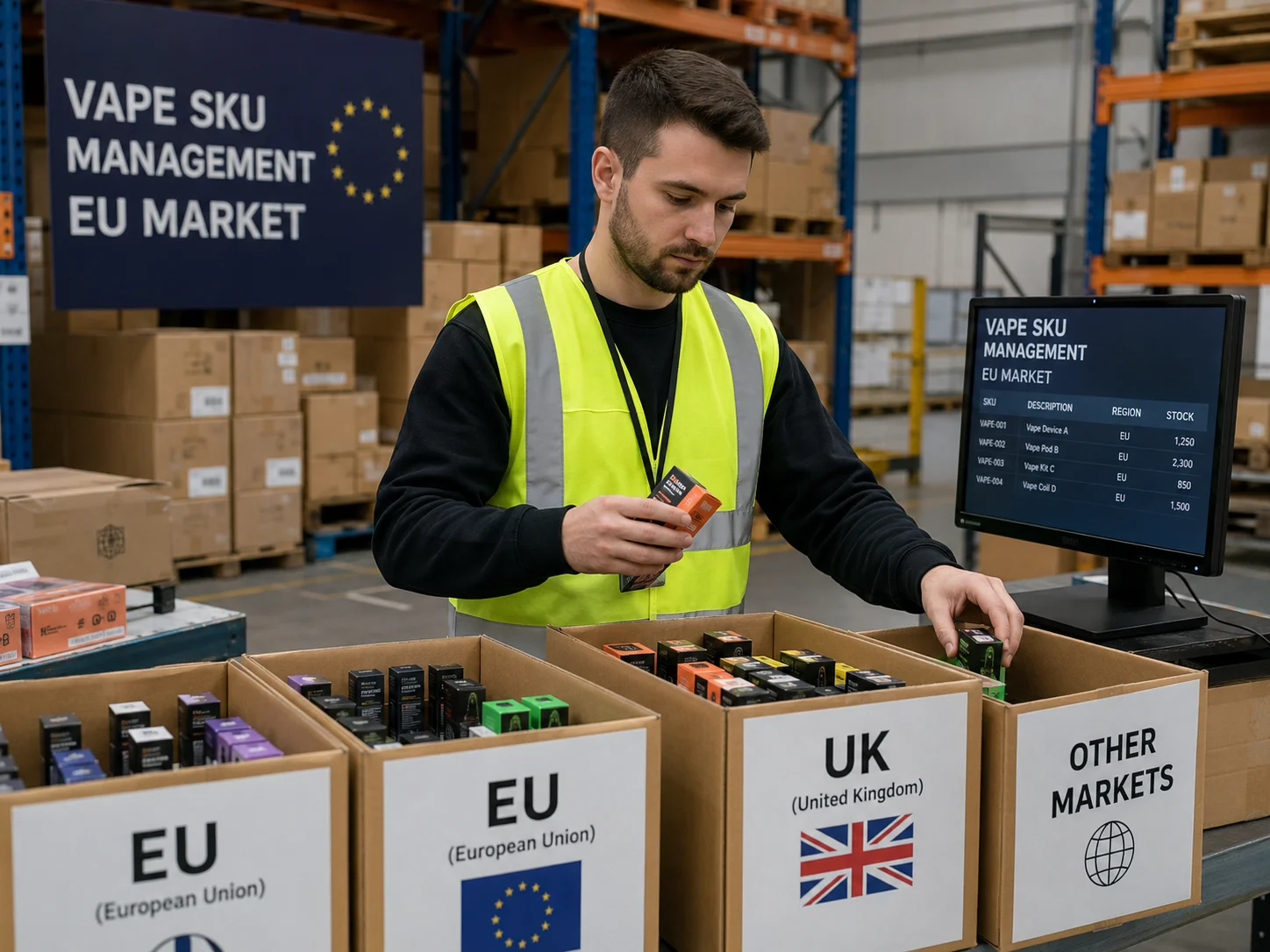
In my 15 years in this business, I've seen this trip people up. A client once tried to list a popular American vape brand by simply hiding the 5% nicotine option on their website. The problem was, the packaging and the notified product version didn't match what they were selling. This created a huge compliance risk. The right way is to source products specifically manufactured and packaged for the EU market. We had to create entirely separate product lines for our European clients, which we stock in our German warehouse. This way, they can order EU-compliant products with confidence, knowing what they see is what they'll get, and it's 100% legal for their market.
Adjusting Your Sourcing Strategy
| Action | Description | Why It's Crucial |
|---|---|---|
| Filter by Strength | Immediately disqualify any product versions above 20 mg/ml. | Avoids stocking non-compliant, unsellable inventory. |
| Create EU SKUs | Establish a separate product catalog for the European Union. | Prevents accidentally selling a US or Middle East version in the EU. |
| Verify Concentration | Check the actual nicotine levels in pods, disposables, and e-liquids. | Ensures the product matches its declared strength. |
| Match Packaging | Confirm the packaging information aligns with the TPD notification file. | Guarantees consistency and compliance from factory to customer. |
Which Nicotine Strengths Should EU Vape Wholesalers Stock?
Your customers ask for different nicotine levels. You want to offer choice, but you're afraid of managing too many product variations and dead stock. What's the smart way to plan your inventory?
Most EU wholesalers stock a range including 0 mg/ml (nicotine-free), 10 mg/ml, and the maximum 20 mg/ml.[^4] Some also add intermediate strengths like 5 mg/ml or 18 mg/ml to provide more options for consumers who are tapering down.
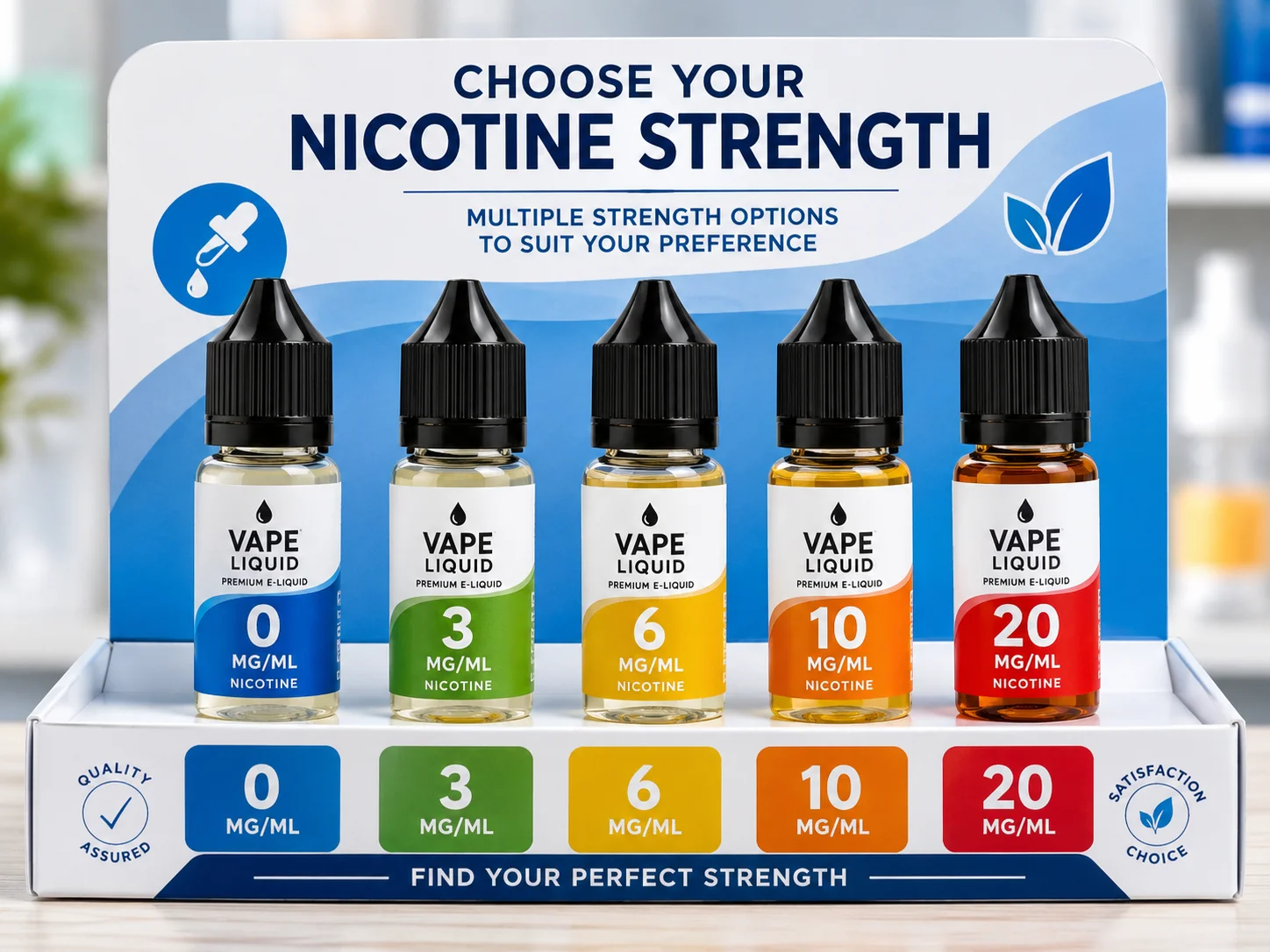
I always tell my clients that more isn't always better. The goal of business is fast capital turnover. Stocking ten different nicotine strengths for one flavor sounds good, but if eight of them don't sell, your money is tied up. It's better to stock the three most popular strengths that you can sell quickly. Our German warehouse, for example, focuses on the top-selling variants. This allows our clients to order small quantities (as low as 50 units) and get them in 3-5 days. They can test the market, see what sells, and reorder, turning their capital over multiple times a month. That's how you really make money, not by having the widest selection, but by having the right selection that moves fast.
Planning Your Nicotine SKU Mix
| Strength | Target User | Inventory consideration |
|---|---|---|
| 0 mg/ml | Flavor chasers, ex-smokers at the end of their journey. | Essential for a complete range, but volume may be lower. |
| 5-10 mg/ml | Light smokers or vapers reducing intake. | Good mid-range option, popular in some regions. |
| 18-20 mg/ml | Heavy smokers transitioning to vaping, users seeking max effect. | This is a must-have, often the best-selling variant. |
Aren't Nicotine Limits the Only Product Restrictions?
You've confirmed all your products are 20 mg/ml or less. You think you're ready to sell in the EU. But are you sure you've checked everything? A bigger compliance headache could be waiting.
No, the 20 mg/ml nicotine limit is just one piece of the TPD puzzle. You must also verify tank capacity (max 2ml for disposables/pods[^5]), e-liquid bottle capacity (max 10ml)[^6], and ensure all packaging is child-resistant and tamper-evident[^7].
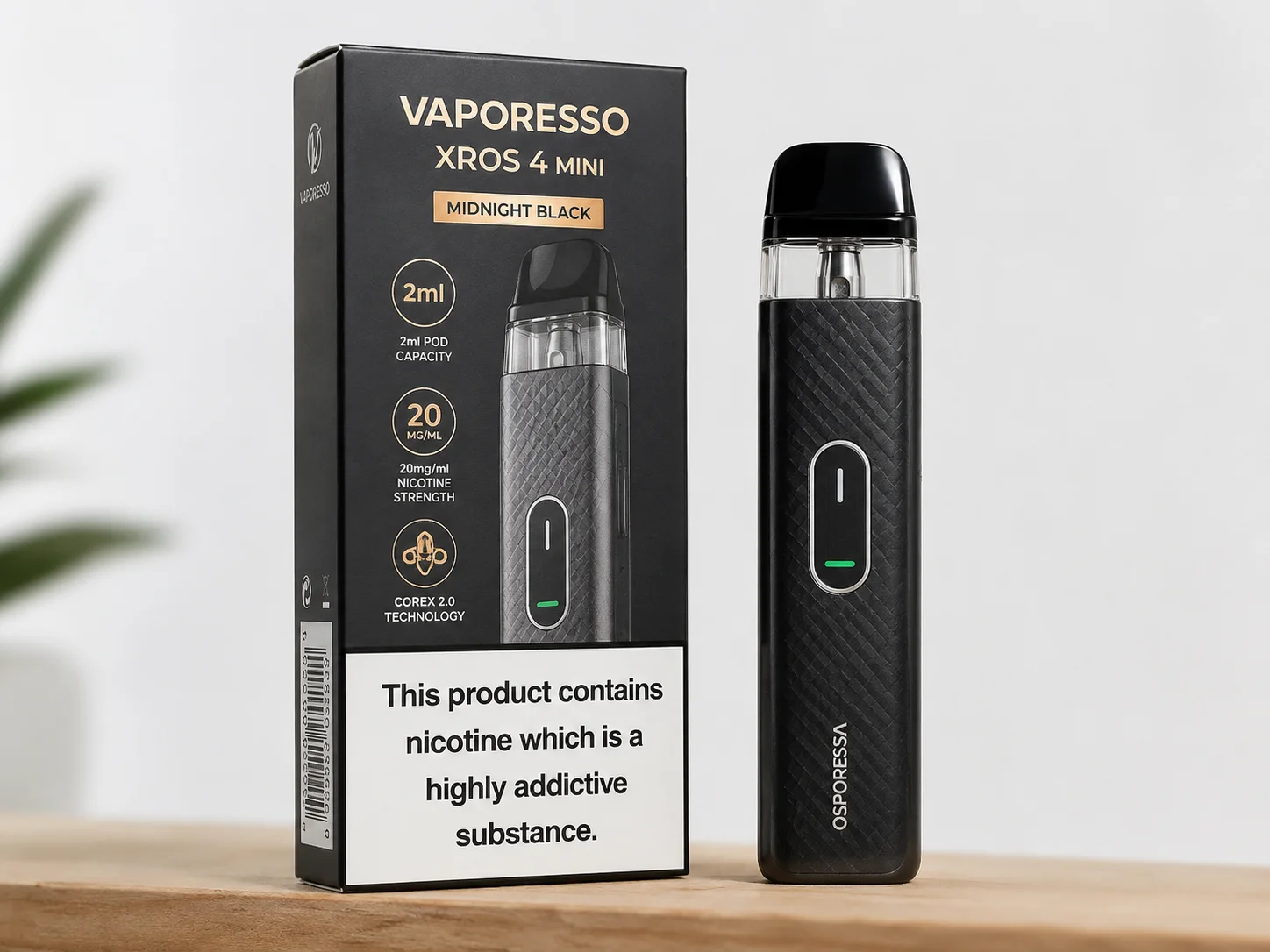
This is where many newcomers get into trouble. They focus only on nicotine and forget the physical product rules. A classic mistake is trying to sell a disposable vape with a 5ml tank, even if the nicotine is compliant. It's still illegal. We make sure every product in our catalog, like the popular ELF BAR, is the fully compliant 2ml/600 puff version for markets that require it. It's not just about what's inside; the device itself has to meet the rules. This is why working with an experienced supplier is critical. We do this difficult verification work for you, so you don't have to become a TPD legal expert overnight.
Key TPD Restrictions Beyond Nicotine
- Capacity Limits:
- Tanks/Pods/Disposables: Maximum 2 ml.
- E-liquid Refill Bottles: Maximum 10 ml.
- Packaging and Design:
- Must be child-resistant and tamper-evident.
- Must have a leak-resistant refill mechanism.
- Information and Warnings:
- Must include required health warnings and instruction leaflets.
- Ingredient information must be available.
- Notification Status:
- The product must be officially notified in the EU TPD portal[^8] for the countries you sell to.
How Do I Display Nicotine Strength Correctly on Product Pages?
You're setting up your e-commerce site. You want to be clear and professional, but you're not sure how to word the nicotine information without getting into trouble. What's the best practice?
Display nicotine strength objectively and clearly using "mg/ml". You can also add the percentage equivalent (e.g., 2%). List all available options and specify the product's market availability, such as "EU Version" or "Intended for the EU market."
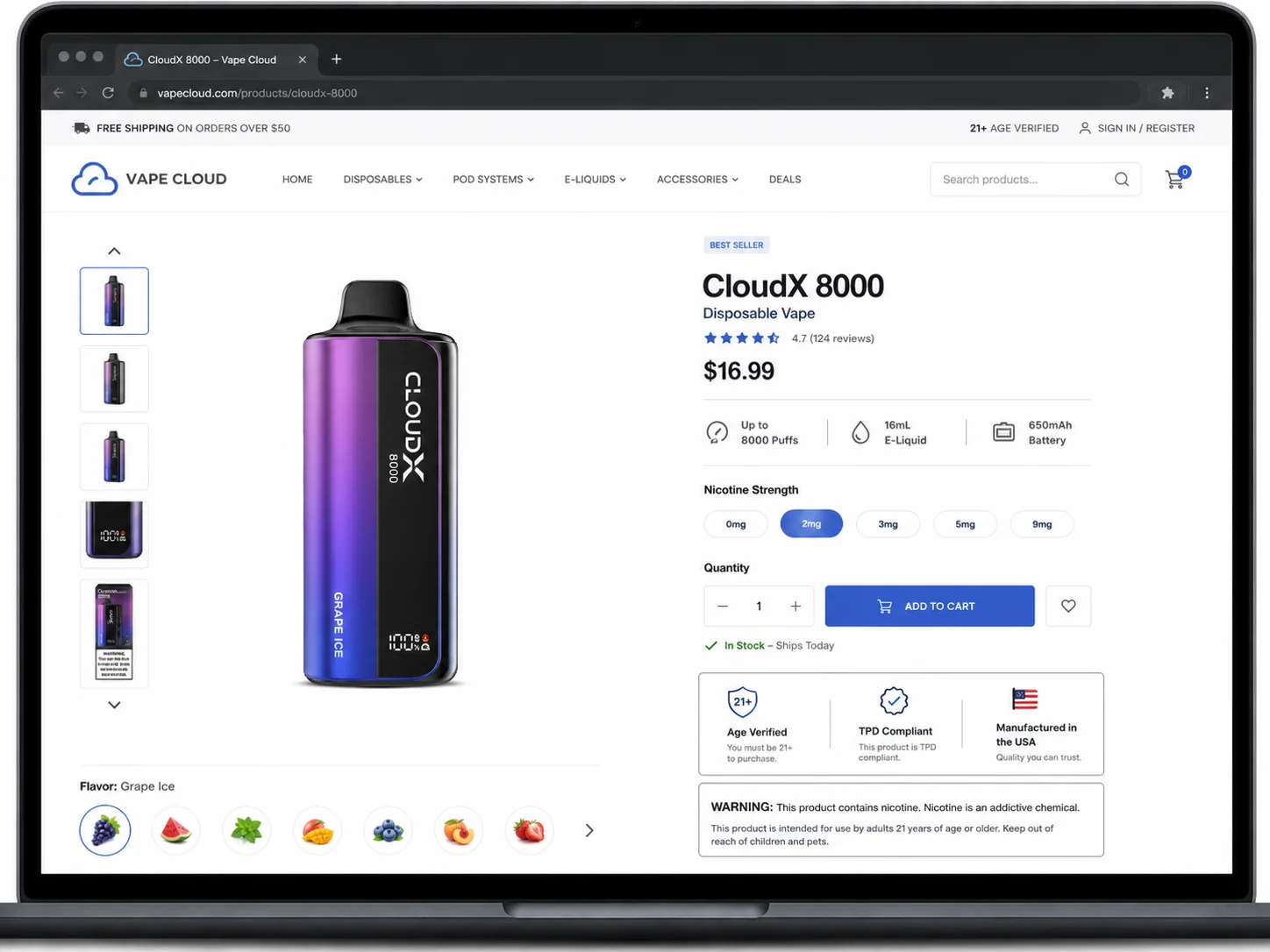
Clarity builds trust. On our own product pages, we use straightforward language. For example, for a VOZOL vape, we would state: "Available in 10 mg/ml (1%) and 20 mg/ml (2%) nicotine strengths." This is simple, factual, and helps your B2B customers make informed purchasing decisions. It also shows them you are a professional who understands the regulations. Avoid marketing hype. Instead, provide all the key data points in a structured way: nicotine strength, e-liquid volume, product type, and compliance status. This transparency is what sets a reliable, long-term partner apart from a simple trader.
Recommended Product Page Information
| Data Point | Example Wording |
|---|---|
| Nicotine Strength | "Nicotine Strength: 20 mg/ml" |
| Available Options | "Available in: 0 mg/ml, 10 mg/ml, 20 mg/ml" |
| Market Availability | "This is the TPD-compliant version for the EU market." |
| E-liquid Volume | "E-liquid Capacity: 2 ml" |
| Compliance Status | "Product has been notified in Germany, France, and Spain." |
What Nicotine Claims and Page Wording Should I Avoid?
You want your products to stand out. You're tempted to use exciting language like "Maximum Legal Hit!" or "Strongest Vape in Europe!" But this could attract the wrong kind of attention.
Avoid any claim that is promotional, unprovable, or misleading. Never use phrases like "extra-strong," "TPD certified," or "government-approved." Stick to verifiable facts and specific parameters. The goal is to inform, not to hype.
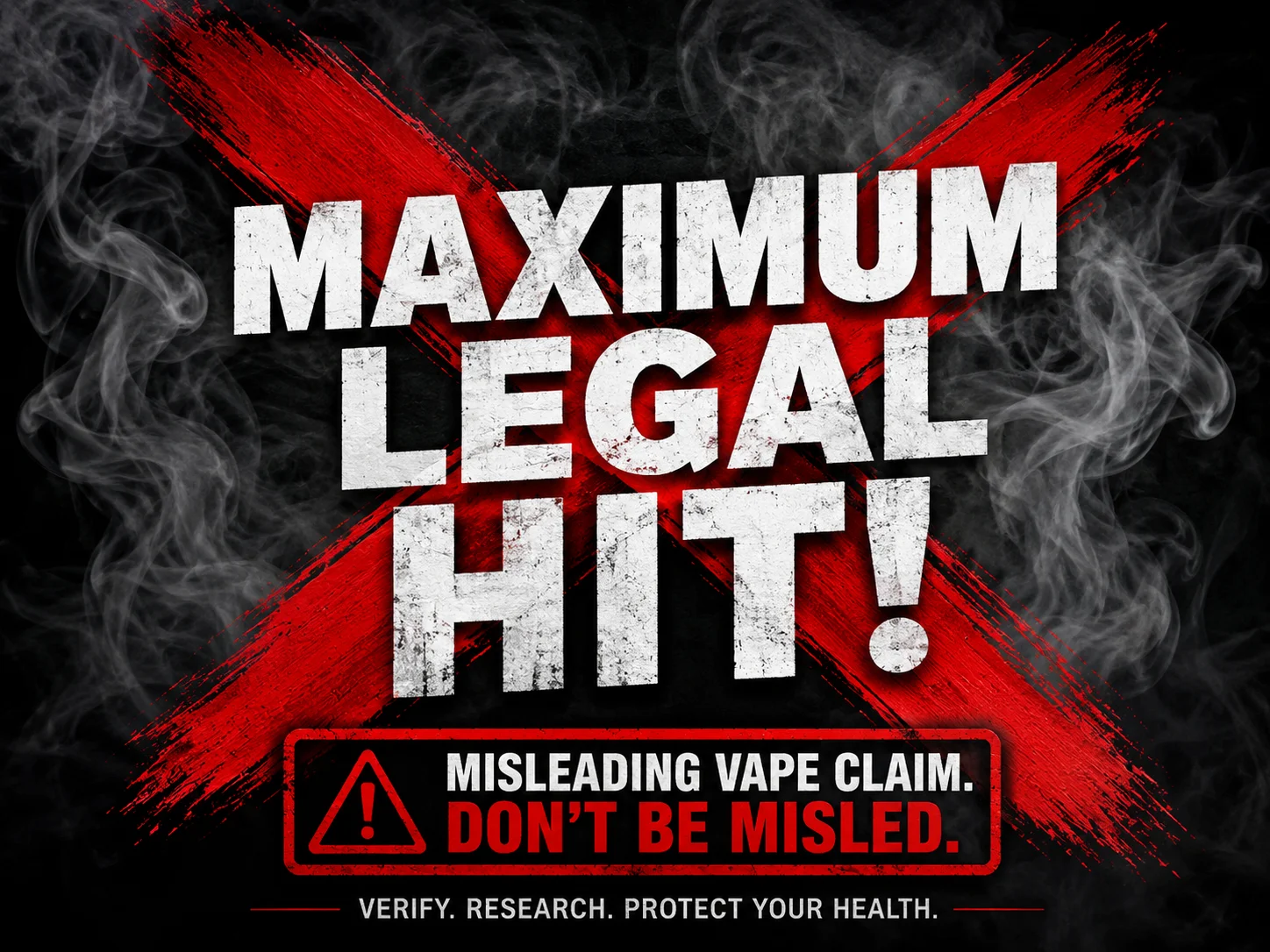
I've seen so many sellers make this mistake. They think it's just marketing, but regulators see it as a violation. For example, there is no such thing as "TPD certified." A product is either notified and compliant, or it isn't. Using these words can be as risky as selling a fake product. In my experience, especially with the flood of fakes on the market, your best selling point is honesty and professionalism. A serious buyer is more impressed by a clear statement of "20 mg/ml nicotine strength" and a link to compliance documents than by a flashy, meaningless slogan. Be the reliable, factual source in a sea of hype.
Claims to Remove from Your Website
| Don't Say This | Why You Should Avoid It |
|---|---|
| "Maximum legal hit" / "Strongest allowed" | Promotional and implies a recreational effect. |
| "Safer nicotine" / "Harmless" | Unprovable health claim and illegal in the EU[^9]. |
| "TPD certified" / "Government-approved" | These certifications do not exist[^10]; it's misleading. |
| "Fully legal in every EU country" | Almost never true, as member states have different rules. |
Why Might One Product Page Not Work for Every EU Country?
You've built the perfect, compliant product page for Germany. Can you just translate it for France, Spain, and Italy? Unfortunately, it's not that simple.
Even within the EU, member states have different rules on things like permitted flavors, excise taxes, packaging language, and online sales. A one-size-fits-all approach is risky; you should tailor your product offerings and pages for each specific country.
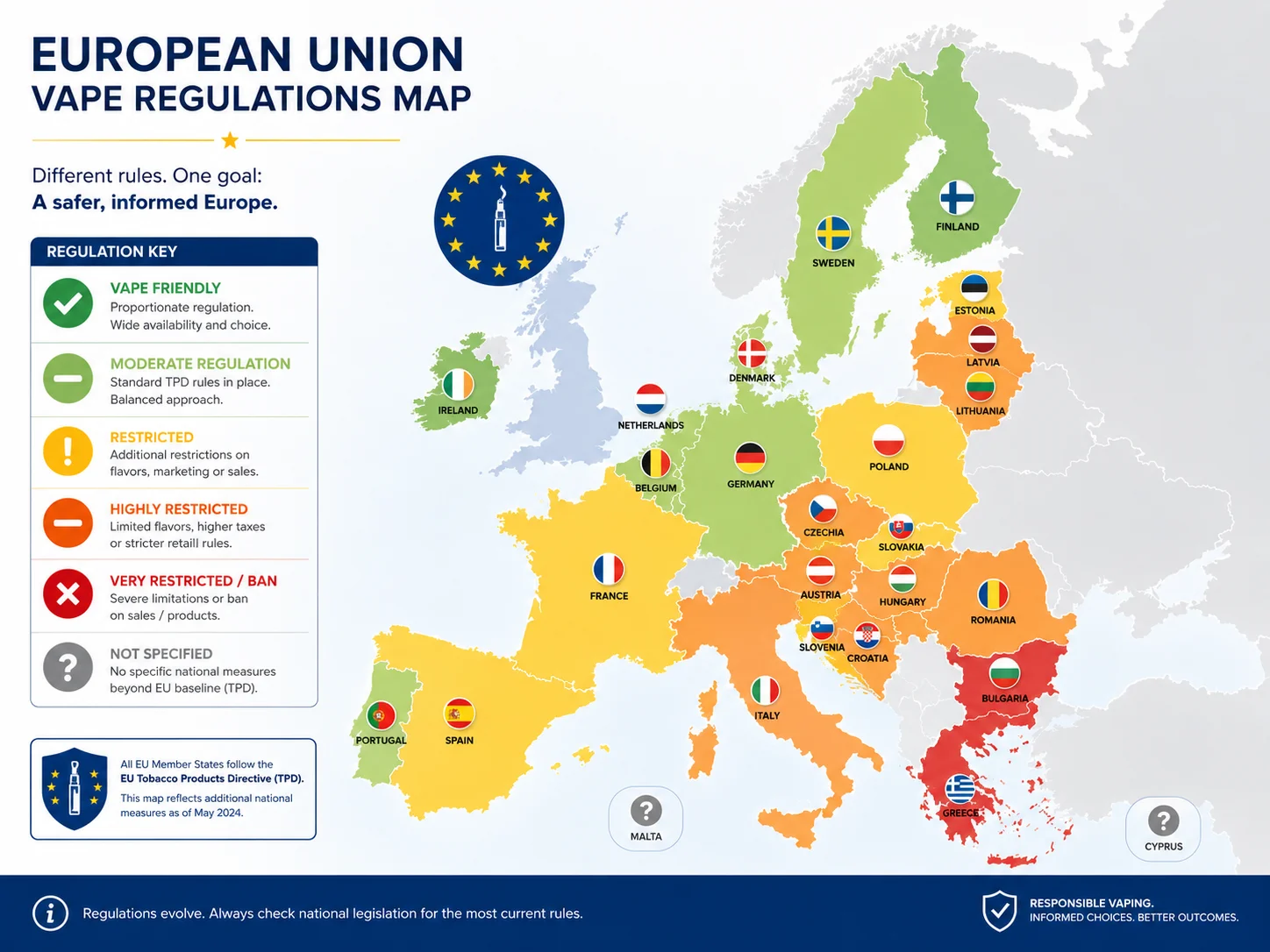
This is a critical point that I always discuss with my clients. For instance, I had a customer shipping to Denmark who wasn't aware of the "secondary customs clearance" risk there. Even though the goods cleared customs entering the EU in Germany, Danish customs can inspect and seize the shipment again. Insurance doesn't even cover this! A good supplier knows these things. We advised him to ship to a neighboring country and arrange local transport. A scammer, or an inexperienced seller, would have just shipped it and let the customer lose their money and goods. This is why you need a partner, not just a vendor. We help you navigate these country-specific traps.
Common Differences Between EU Countries
- Flavor Bans: Some countries ban all flavors except tobacco.[^11]
- Excise Taxes: Many countries have specific vape taxes[^12] that require tax stamps.
- Language: Warnings and instructions must be in the local language(s).
- Online Sales: Some countries restrict or ban online B2C vape sales.
- Advertising: Rules on what you can show and say vary widely.
What's on the EU Vape Product Page and SKU Compliance Checklist?
You're about to launch your new vape product line for the EU. You've done your homework, but you want one final check to make sure you haven't missed anything.
Before you publish, run through a final checklist. Verify nicotine concentration, device capacity, product photos, packaging language, and warnings. Most importantly, remove all promotional health claims and double-check any country-specific restrictions for your target market.
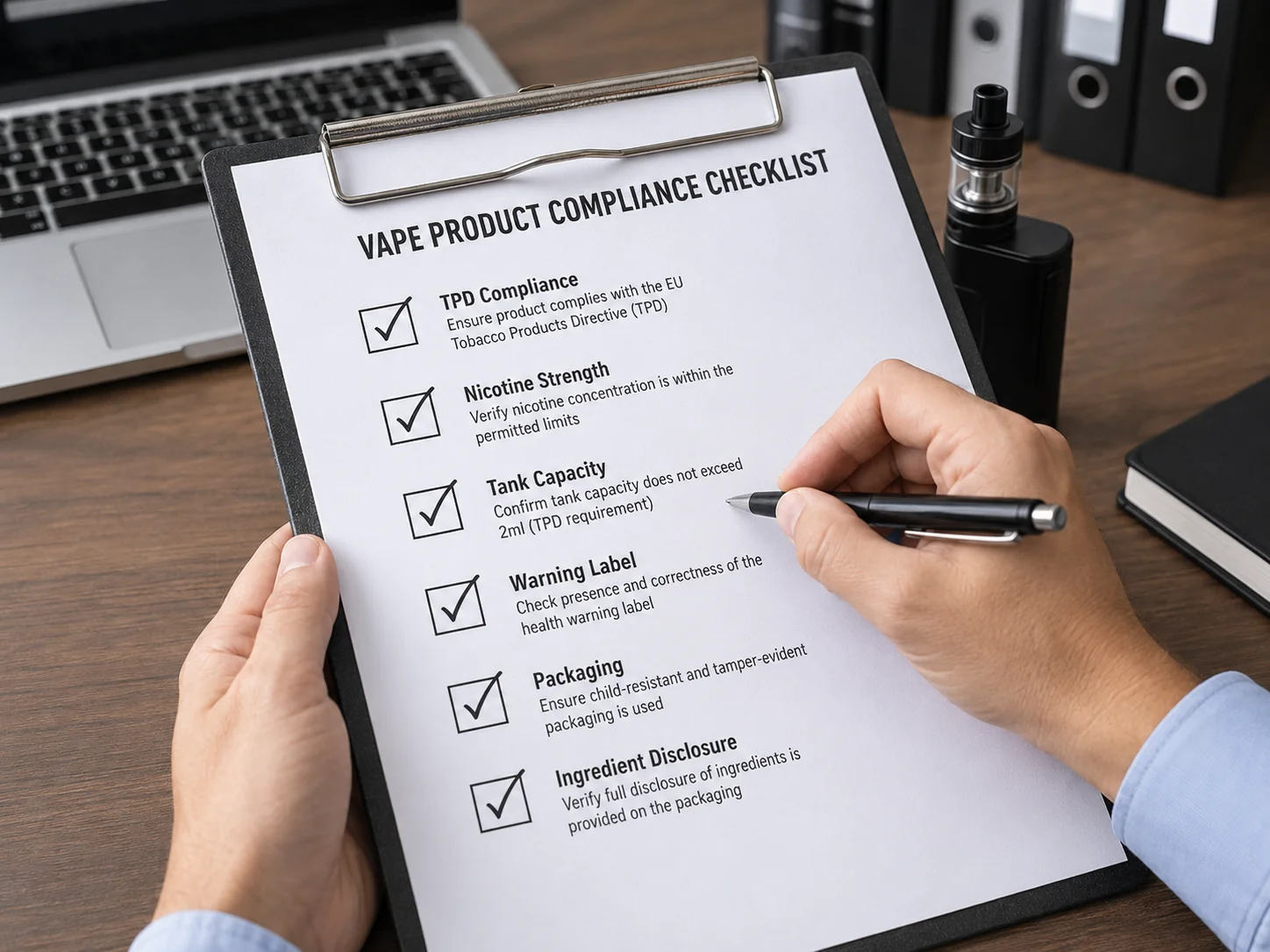
Here's my personal checklist that I share with my clients. It's the same process we use to vet every product that enters our warehouse. The most important step that isn't on most lists? Verifying your supplier. I can't tell you how many people come to me after losing thousands of euros to a scammer selling "original" vapes at impossible prices. A reliable supplier who wants a long-term partnership is your single biggest asset. They won't just sell you a box; they'll help you ensure every one of these points is covered, because your success is their success.
Your Final Go-Live Checklist
- [ ] Nicotine Concentration: Is it 20 mg/ml or less?
- [ ] Data Consistency: Do mg/ml and % figures match?
- [ ] Device/Container Capacity: Is it 2ml/10ml or less?
- [ ] Product Photos: Do they match the actual, notified product?
- [ ] Packaging Language: Is it correct for the destination country?
- [ ] Warnings: Are the correct health warnings visible?
- [ ] Notification Status: Has the product been notified in the target country?
- [ ] Claims Removed: Are all promotional or health claims gone?
- [ ] Country Rules Reviewed: Have you checked for flavor bans, taxes, etc.?
- [ ] Supplier Verified: Is your supplier reliable and transparent?
- [ ] Page Review Date: Have you added a date to show the information is current?
- [ ] Documents Ready: Are compliance documents available for your trade customers?
Conclusion
Navigating EU nicotine limits is more than just following one rule. It requires careful product selection, precise marketing, and a deep understanding of a fragmented market. But with the right partner, you can turn compliance from a headache into a competitive advantage.
[^1]: "Regulation of Electronic Cigarette Use in Public and Private Areas in ...", https://pmc.ncbi.nlm.nih.gov/articles/PMC8824658/. Provides the full text of Directive 2014/40/EU. Article 20, paragraph 3(a) specifies that 'the nicotine-containing liquid does not contain nicotine in a concentration exceeding 20 mg/ml'. Evidence role: definition; source type: government. Supports: The TPD (Directive 2014/40/EU) establishes the 20 mg/ml maximum nicotine concentration for e-liquids.. [^2]: "Regulation of electronic cigarettes - Wikipedia", https://en.wikipedia.org/wiki/Regulation_of_electronic_cigarettes. Provides an overview from the European Commission on how the Tobacco Products Directive allows for Member States to introduce further requirements ('gold-plating') as long as they are compatible with the Directive and the EU Treaties. Evidence role: general_support; source type: government. Supports: EU member states can and do implement their own specific regulations on top of the TPD framework, such as flavor bans or special taxes.. Scope note: The source explains the principle but may not list every specific national law. [^3]: "E-Cigarettes (Vapes) | Smoking and Tobacco Use - CDC", https://www.cdc.gov/tobacco/e-cigarettes/index.html. A report from a public health organization like the CDC or a research paper analyzing the US e-cigarette market can confirm that products with nicotine concentrations of 5% are prevalent, particularly in pod-based systems. Evidence role: statistic; source type: research. Supports: 50 mg/ml (often marketed as 5%) nicotine concentration is a widely available and popular strength for vaping products in the United States market.. Scope note: The exact prevalence may vary by product type and brand, but the source would establish it as a common high-strength option in the US, contrasting with the EU limit. [^4]: "Nicotine strength of e‐liquids used by adult vapers in Great Britain", https://pmc.ncbi.nlm.nih.gov/articles/PMC11813722/. A market analysis report or industry survey could provide data on the sales distribution of different nicotine strengths, supporting the claim that these levels are the most common in wholesale and retail inventories. Evidence role: statistic; source type: other. Supports: Market data shows that 0 mg/ml, 10 mg/ml, and 20 mg/ml are among the most frequently offered and sold nicotine strengths in the EU vape market.. Scope note: Data may be from a specific year or region and might not represent the entire EU market uniformly. The source would likely be a private market research firm. [^5]: "Emerging Electronic Cigarette Policies in European Member States ...", https://pmc.ncbi.nlm.nih.gov/articles/PMC8025686/. Provides the text of Directive 2014/40/EU. Article 20, paragraph 3(b), states that for nicotine-containing liquid, 'the cartridges or tanks do not exceed a volume of 2 ml'. Evidence role: definition; source type: government. Supports: The TPD sets a maximum volume of 2ml for tanks, pre-filled cartridges, and disposable e-cigarettes.. [^6]: "Tobacco Products Directive - Wikipedia", https://en.wikipedia.org/wiki/Tobacco_Products_Directive. Provides the text of Directive 2014/40/EU. Article 20, paragraph 3(b), specifies that nicotine-containing liquid must be in 'dedicated refill containers not exceeding a volume of 10 ml'. Evidence role: definition; source type: government. Supports: The TPD sets a maximum volume of 10ml for e-liquid refill containers.. [^7]: "Child-Resistant Packaging for Certain Over-The-Counter Drug ...", https://www.federalregister.gov/documents/2001/08/02/01-19225/child-resistant-packaging-for-certain-over-the-counter-drug-products. Provides the text of Directive 2014/40/EU. Article 20, paragraph 3(g), requires that the unit packets and any outside packaging 'are child- and tamper-proof'. Evidence role: definition; source type: government. Supports: The TPD mandates that e-cigarette and refill container packaging must be child-resistant and tamper-evident.. [^8]: "Reporting system of suspected adverse effects from electronic ...", https://pmc.ncbi.nlm.nih.gov/articles/PMC8662365/. Provides information from the European Commission on the EU Common Entry Gate (EU-CEG) reporting system, which is used to notify tobacco and related products under the TPD. Evidence role: mechanism; source type: government. Supports: Manufacturers and importers must submit a notification for e-cigarettes and refill containers to the competent authorities of the Member States via a common EU entry gate (EU-CEG) before placing them on the market.. [^9]: "Regulation of electronic cigarettes - Wikipedia", https://en.wikipedia.org/wiki/Regulation_of_electronic_cigarettes. Provides the text of Directive 2014/40/EU. Article 20, paragraph 4(b), states that labels and packaging may not include any element that 'promotes an electronic cigarette or refill container or encourages its consumption by creating an erroneous impression about its characteristics, health effects, risks or emissions'. Evidence role: definition; source type: government. Supports: The TPD prohibits labeling and packaging of e-cigarettes from including elements that promote the product or suggest it has health benefits or reduced health risks.. [^10]: "[PDF] Total and Permanent Disability Discharge Assignment Guide", https://fsapartners.ed.gov/sites/default/files/attachments/2019-07/TPDPerkinsAssignments.pdf. An explanatory document from the European Commission or a national health authority could clarify that the TPD requires notification of products but does not grant a 'certification' or 'approval,' making such claims misleading. Evidence role: mechanism; source type: government. Supports: The TPD framework is based on a system of manufacturer/importer notification to national authorities, not a pre-market approval or certification process by a government body.. Scope note: The source would explain the regulatory process, thereby indirectly proving the non-existence of a certification by describing what actually occurs. [^11]: "Regulation of electronic cigarettes - Wikipedia", https://en.wikipedia.org/wiki/Regulation_of_electronic_cigarettes. Provides information from a national government or a public health body detailing a specific country's (e.g., the Netherlands) legislation to ban non-tobacco flavors in e-liquids, demonstrating how member state rules can diverge from the TPD baseline. Evidence role: case_reference; source type: government. Supports: Several EU member states, such as Denmark and the Netherlands, have enacted laws that ban or restrict flavors in e-liquids, often permitting only tobacco flavor.. Scope note: The source would be specific to one country, serving as an example rather than a comprehensive list for the entire EU. [^12]: "An overview of national-level excise taxes on e-cigarettes across the ...", https://pmc.ncbi.nlm.nih.gov/articles/PMC10563177/. A report from a tax policy foundation or a cross-country comparison by a public health organization could list the EU member states that have implemented excise taxes on vaping products and describe the tax structure. Evidence role: case_reference; source type: other. Supports: A significant number of EU member states, including Germany, Italy, and Portugal, have introduced national excise duties on e-liquids.. Scope note: Tax rates and rules change, so the source should be checked for its publication date. The source may be from a non-governmental organization that tracks tax policy.