
Quick Answer
Balance Device Inventory with Pods, Coils and Refill Demand is difficult when buyers count devices but overlook compatibility, repeat purchases, lead times, and cash flow. A large device order can become slow-moving stock if compatible pods, coils, or refills are unavailable. I help buyers evaluate the complete supply plan instead of treating one product count as the answer.
There is no universal device-to-pod, coil, or refill ratio. I balance inventory by mapping compatibility, reviewing sales velocity, estimating repeat demand, and considering replenishment time, MOQ, warehouse capacity, customs exposure, and after-sales support. Smaller buyers may use overseas stock and lower MOQs, while established importers may choose bulk purchasing or OEM/ODM after demand is proven.
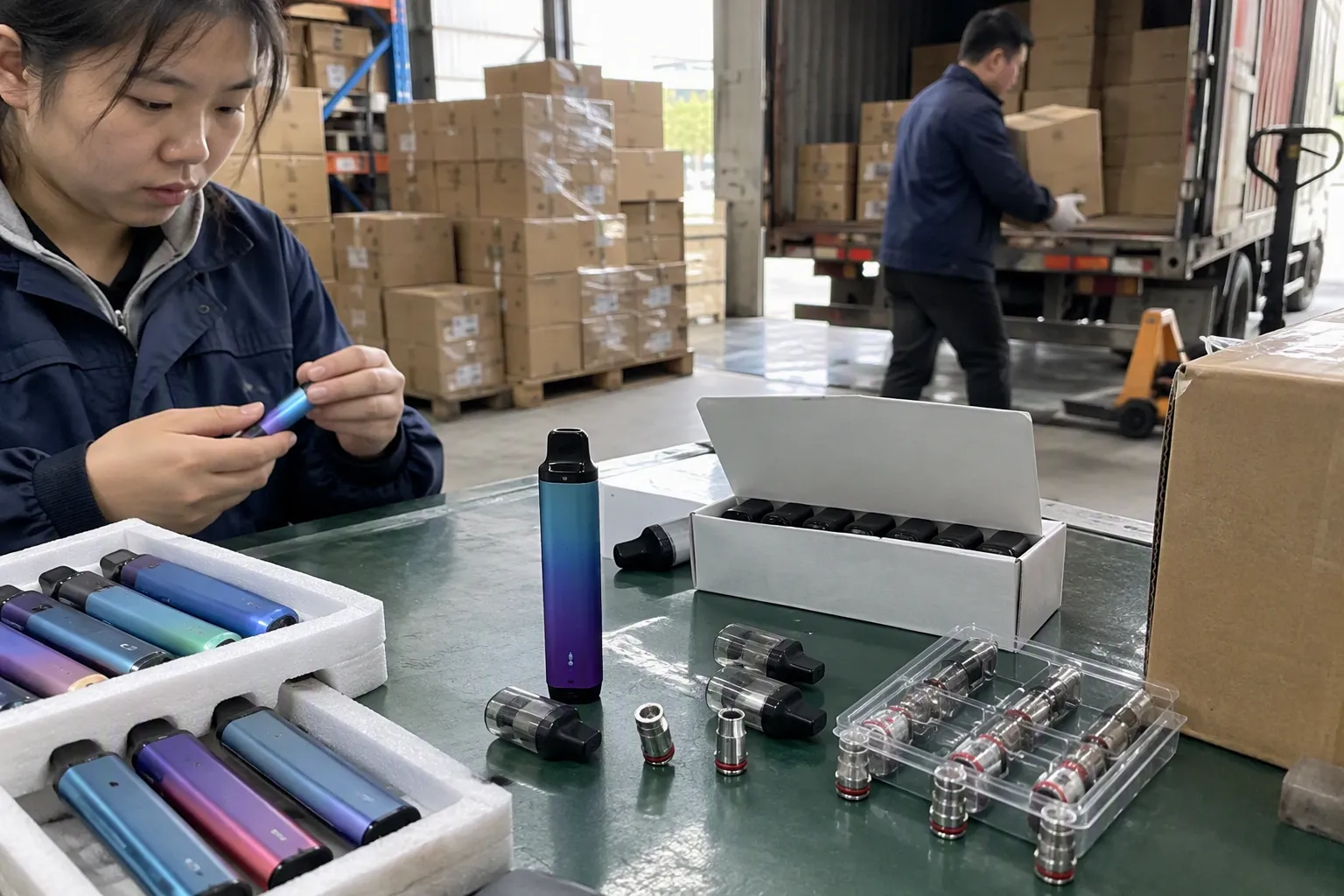
The practical question is not simply how many devices to purchase. I also ask which consumables support each model, how quickly each item sells, how much cash can remain tied up in stock, and how reliably the next shipment can arrive. These questions help buyers select a purchasing route that fits their actual business.
How Can I Balance Device Inventory with Pods, Coils and Refill Demand?
A device may attract the first sale, but compatible pods, coils, and refills often determine whether the customer can continue using it[1]. Buyers can create unnecessary stock pressure when they purchase equipment without checking the consumable supply plan. I start with a compatibility map and then connect every product decision to real sales behavior.
What Is the Best Way to Match Devices With Consumables?
The best method is to create a product-level compatibility map[2] before placing a purchase order. For each device, record the compatible pod or coil, refill requirements, specifications, brand, sales channel, expected repeat demand, supplier lead time, MOQ, and replacement options. Then classify products as proven, developing, or unvalidated.
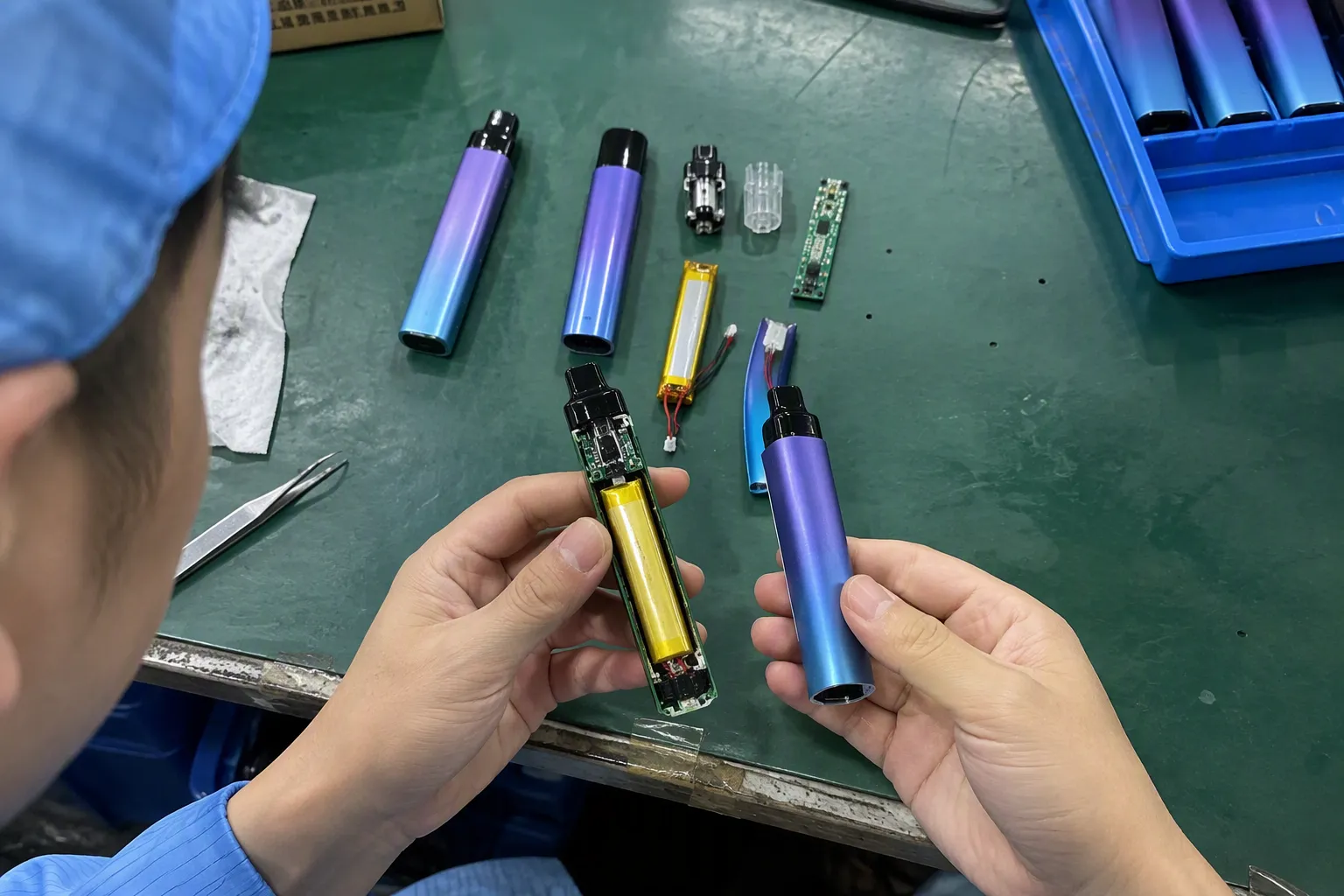
Start With a Compatibility Map
I do not begin by asking, “How many devices do you want?” I first ask:
- Which device models currently sell in your shops or distribution area?
- Which pods, coils, cartridges, or refills are compatible with each model?
- Are those consumables available through the same supplier or purchasing route?
- Which specifications do your customers request repeatedly?
- How long does replenishment normally take?
- Do you need branded products, private-label products, or a mixed assortment?
- What happens if one consumable becomes temporarily unavailable?
A simple compatibility table can expose problems before money is committed.
| Device group | Compatible consumable | Current sales evidence | Replenishment concern | Recommended inventory approach |
|---|---|---|---|---|
| Proven fast-moving model | Confirmed pod or coil | Repeat orders and stable demand | Low or manageable | Maintain planned replenishment |
| New model | Compatibility still being tested | Limited sales history | Demand uncertain | Use a small trial order |
| Device with many variants | Model-specific consumable | Demand differs by specification | Picking and substitution errors | Separate stock clearly |
| Device with uncertain refill supply | Limited compatible options | First-time sales only | High stockout risk | Confirm supply before expanding |
| OEM/ODM device | Custom pod, coil, or refill | Demand depends on launch | Longer development and approval process | Validate volume and specifications first |
I also ask buyers to separate device inventory from consumable inventory in their stock records. A device may be available while its matching pod is sold out[3]. In that situation, the apparent inventory position is misleading. The business may have sellable equipment on paper but no complete solution for the end customer.
Use Demand Tiers Instead of a Fixed Ratio
I do not recommend one fixed ratio for every customer[4] because a vape shop, a regional wholesaler, and a large importer have different sales patterns. A shop may need a narrow selection of products that turn quickly. A distributor may need wider coverage across several brands, specifications, and retail customers.
I normally divide products into three practical tiers:
- Proven fast-moving products: Items with clear sales history and repeat purchasing. These products can receive more regular replenishment attention.
- Developing products: Items that sell, but not yet consistently. These products need monitoring before the buyer increases the order size.
- Unvalidated products: New models, unfamiliar specifications, or products without dependable demand evidence. These products are better suited to a controlled trial.
The same approach applies to flavors, coil resistances, pod capacities, and packaging formats where relevant. I do not assume that every variation sells at the same speed. A buyer may have strong demand for one specification while another remains in storage[5].
Connect Device Sales to Repeat Purchases
Device sales are only one demand signal[6]. I also review how customers return for pods, coils, refills, replacement parts, or related accessories. This review helps the buyer understand whether a device is creating a useful repeat-purchase cycle or simply occupying shelf space.
For each device family, I suggest tracking:
- Units sold during a defined period
- Number of repeat consumable orders
- Average time between consumable purchases
- Stockout frequency
- Slow-moving variations
- Customer complaints linked to compatibility or use
- Time required to receive replenishment
- Cash value held in devices and consumables
I do not present these figures as a universal formula. They are a working structure for a buyer’s own records. The correct inventory decision depends on the product, market, season, sales channel, and purchasing history.
Consider the Cost of Supply Risk
A low unit quotation does not always produce the lowest commercial cost[7]. A large MOQ can tie up cash[8]. A long delivery period can create a stockout. A customs delay can interrupt sales planning. Unclear after-sales responsibility can create additional work for the wholesaler or retailer.
I encourage buyers to evaluate the full inventory cost:
Total purchasing exposure includes product price, MOQ, freight, lead time, warehouse space, customs uncertainty, stockout cost, and after-sales handling.
This does not mean that direct import is unsuitable. Direct import may be commercially useful for established importers and distributors that can purchase larger quantities and plan ahead. It means the buyer should compare the complete route rather than comparing unit prices alone.
Choose the Purchasing Route by Scale and Urgency
I work with different purchasing needs, so I do not give every buyer the same recommendation.
Overseas warehouse stock for smaller and faster-turnover buyers
Small and medium wholesalers, retailers, vape shops, smoke shops, convenience stores, and gas stations may need a shorter replenishment cycle and lower exposure. For suitable products, overseas warehouse stock can reduce the need to commit to a large advance order.
Our company has overseas warehouses in parts of Europe, including Germany, Austria, Poland, and Belgium. We can use carriers such as DHL, DPD, UPS, and FedEx for delivery within the European market. The stated delivery window for available European stock is generally one to five working days, subject to product availability, destination, order handling, and applicable local requirements. The MOQ for some available items can be as low as 50 units per model.
I present this as one purchasing option, not a universal solution. Buyers should confirm current warehouse stock, product eligibility, delivery conditions, and local compliance before ordering. The main business benefit for a suitable buyer is reduced cash exposure and faster replenishment compared with waiting for a new shipment from China.
Direct import for established buyers
Larger importers, distributors, and wholesalers may prefer direct purchasing from China when their demand is sufficiently stable. They may obtain better commercial efficiency through larger orders, consolidated shipping, and planned replenishment. They also have more warehouse capacity and a wider distribution network.
However, the buyer should plan for:
- Longer lead times than local or overseas stock
- Import documentation and customs procedures
- More cash committed before resale
- Greater responsibility for forecasting
- More complex quality and after-sales coordination
- The need to verify product and market requirements
I have worked from Shenzhen since Kingfuji was established in 2011. Shenzhen is a major electronics and vape manufacturing and supply location, so buyers can access a broad network of devices, atomizers, 510 batteries, CBD batteries, vaporizers, grinders, glass pipes, and related products. Access to a large supply base is useful, but it does not remove the buyer’s responsibility to verify compatibility and market suitability.
OEM/ODM after demand has been established
OEM/ODM can make sense when a buyer has a clear brand plan, established distribution, and enough demand to justify development work. It can help a wholesaler or importer create a differentiated product rather than selling only standard catalogue items.
I would first clarify:
- Which existing product has already shown demand?
- What customer problem will the customized version address?
- Is the buyer requesting packaging changes, branding, structural changes, or a new mold?
- What quantity can the buyer reasonably purchase?
- What development timeline is acceptable?
- Who will verify samples, specifications, and production documents?
- Which market requirements apply to the finished product?
Kingfuji operates as a combined trading and manufacturing business. We have our own factory of approximately 5,000 square meters, OEM/ODM experience, and a team that supports product development. We also release approximately five to ten new products each month, based on the company’s current operating plan. These capabilities can support a serious project, but I do not suggest custom development before the buyer validates demand and understands the commercial commitment.
Build a Replenishment Review
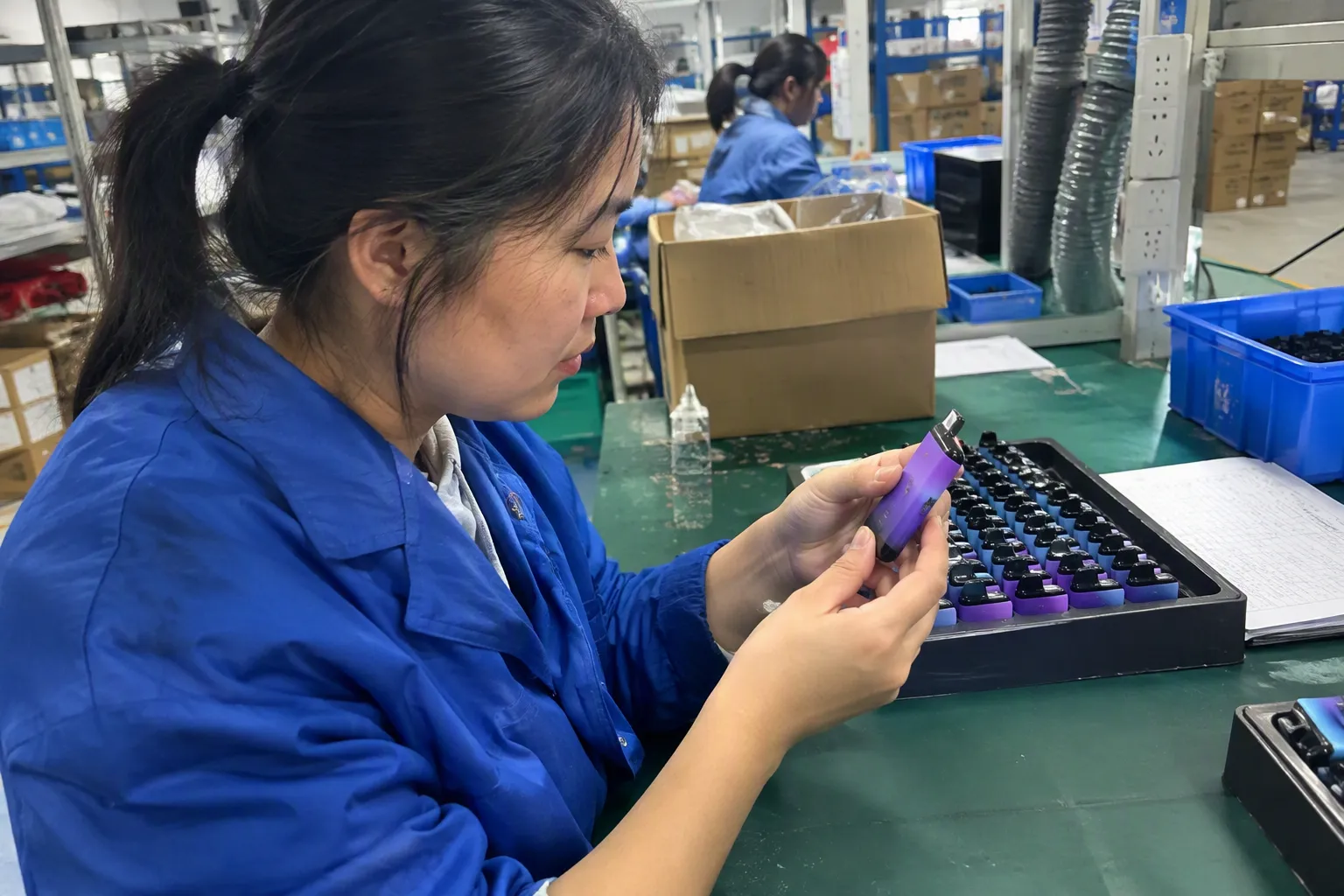
Inventory balance changes over time. A product that sells quickly in one period may slow down later. A new item may move from trial status to regular replenishment. I recommend a simple review that the buyer can complete weekly or monthly.
The review should ask:
- Which devices sold since the previous review?
- Which compatible pods, coils, or refills sold with them?
- Which consumables experienced a stockout?
- Which variations remained unsold?
- How much cash is currently held in each product tier?
- What quantity is already in transit?
- How long will the next replenishment take?
- Should the buyer reorder, reduce, pause, or test another product?
I also encourage buyers to keep product information organized by model and compatibility. Clear records reduce picking mistakes, incorrect substitutions, and customer confusion. When customers are buying different brands and product categories from one supplier, a consolidated product list can make purchasing easier.
Use Supplier Coordination to Reduce Operational Work
Many of the buyers I speak with do not want to contact several factories for devices, pods, coils, refills, atomizers, batteries, and smoking accessories. They want one coordinated purchasing process because separate quotations, payments, inspections, shipments, and after-sales discussions consume time.
Kingfuji provides a one-stop purchasing and fulfillment model. We represent many brands and product categories, keep regular stock for some commonly requested items, and can also help source products not shown in the current catalogue. For suitable requirements, we can coordinate delivery to the buyer’s door. If the buyer already has a trusted freight forwarder, we can deliver the goods to that forwarder instead.
This model creates value when it reduces coordination work and helps the buyer maintain a clearer replenishment plan. It does not replace product-by-product checks. I still expect the buyer to confirm model compatibility, specifications, packaging, destination requirements, and expected demand before purchase.
Plan for After-Sales Responsibility
A device and its consumables can create customer service problems when the buyer does not know who will handle defects, compatibility questions, or product-use concerns. I believe the purchasing plan should identify after-sales responsibility before the order is placed.
Goods purchased through Kingfuji are handled through our after-sales service rather than requiring the buyer to contact different factories separately. Our business also offers video verification for goods, and our stated service policy includes support for customs-related loss and defective goods according to the agreed order terms. Buyers should confirm the exact coverage, exclusions, evidence requirements, shipping conditions, and claim process in writing before payment.
I also recommend that wholesalers give their own retail customers clear product information. Some product-use issues arise because the end user does not understand compatibility or operation. A short product guide, accurate packaging, and staff training can reduce avoidable confusion. Application-specific and market-specific questions should be reviewed by qualified professionals.
A Practical Example Without a Universal Formula
Suppose a buyer sells several device models through shops in one region. One model has regular repeat demand for its compatible pods, while another model has only recently launched. The buyer should not automatically order equal quantities of both devices or apply the same consumable ratio.
I would instead suggest this process:
- Confirm the compatible pod or coil for each device.
- Review sales and repeat-order records separately.
- Keep the proven model on a planned replenishment cycle.
- Place a controlled test order for the new model.
- Confirm that the new model’s consumables are available.
- Compare China direct import with available overseas stock.
- Set a review date before increasing the new order.
- Record after-sales questions and compatibility issues.
This process protects cash flow while giving the buyer room to respond to demand. It also allows the supplier and buyer to improve the plan using actual evidence rather than assumptions.
Frequently Asked Questions
Should I buy more devices or more pods, coils, and refills?
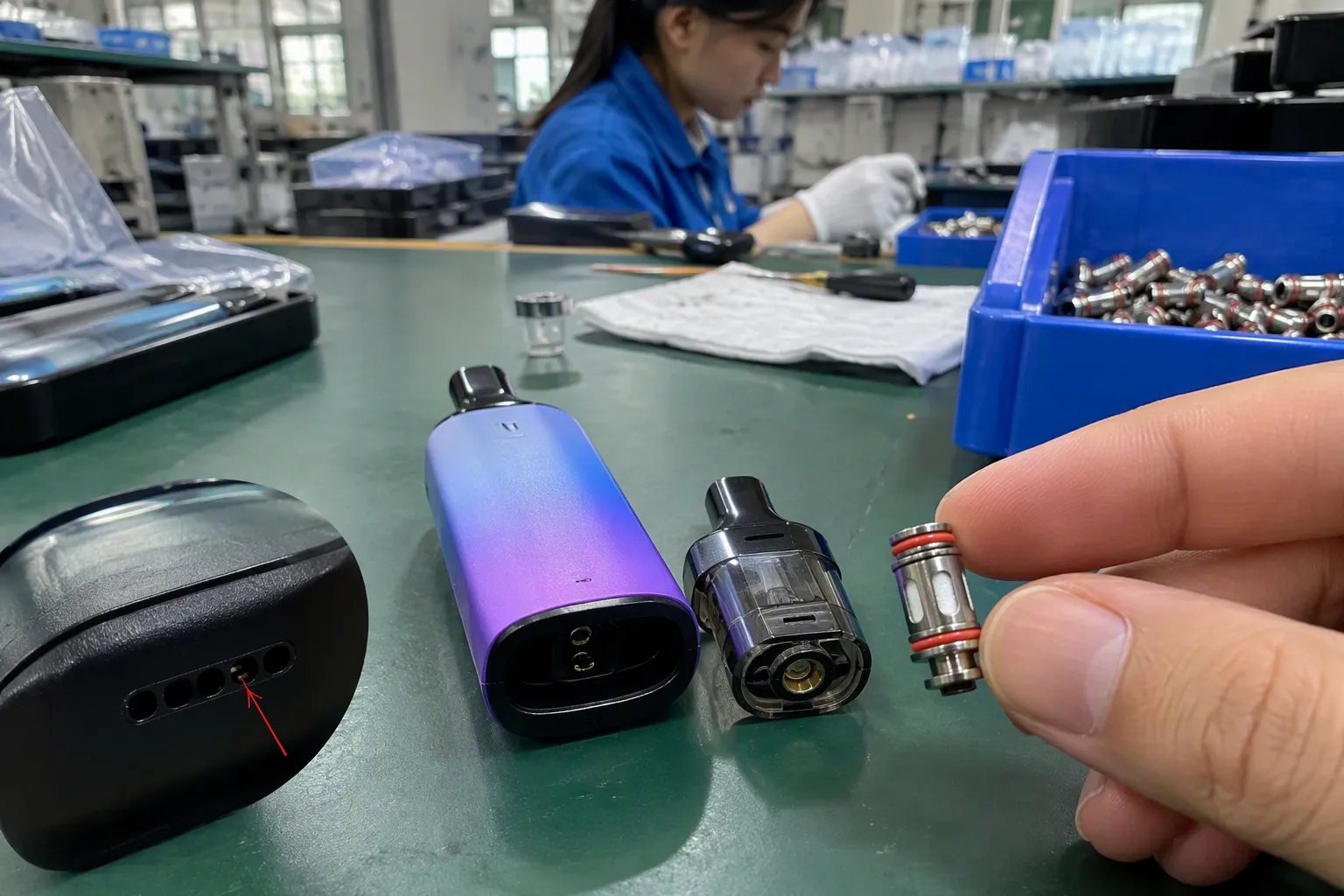
I would not decide from a fixed ratio. I would first review which devices sell, which consumables are compatible, and how often customers reorder them. A device with dependable repeat-consumable demand may justify regular replenishment, while an unvalidated device may require a smaller trial order.
Is overseas warehouse stock suitable for every vape business?
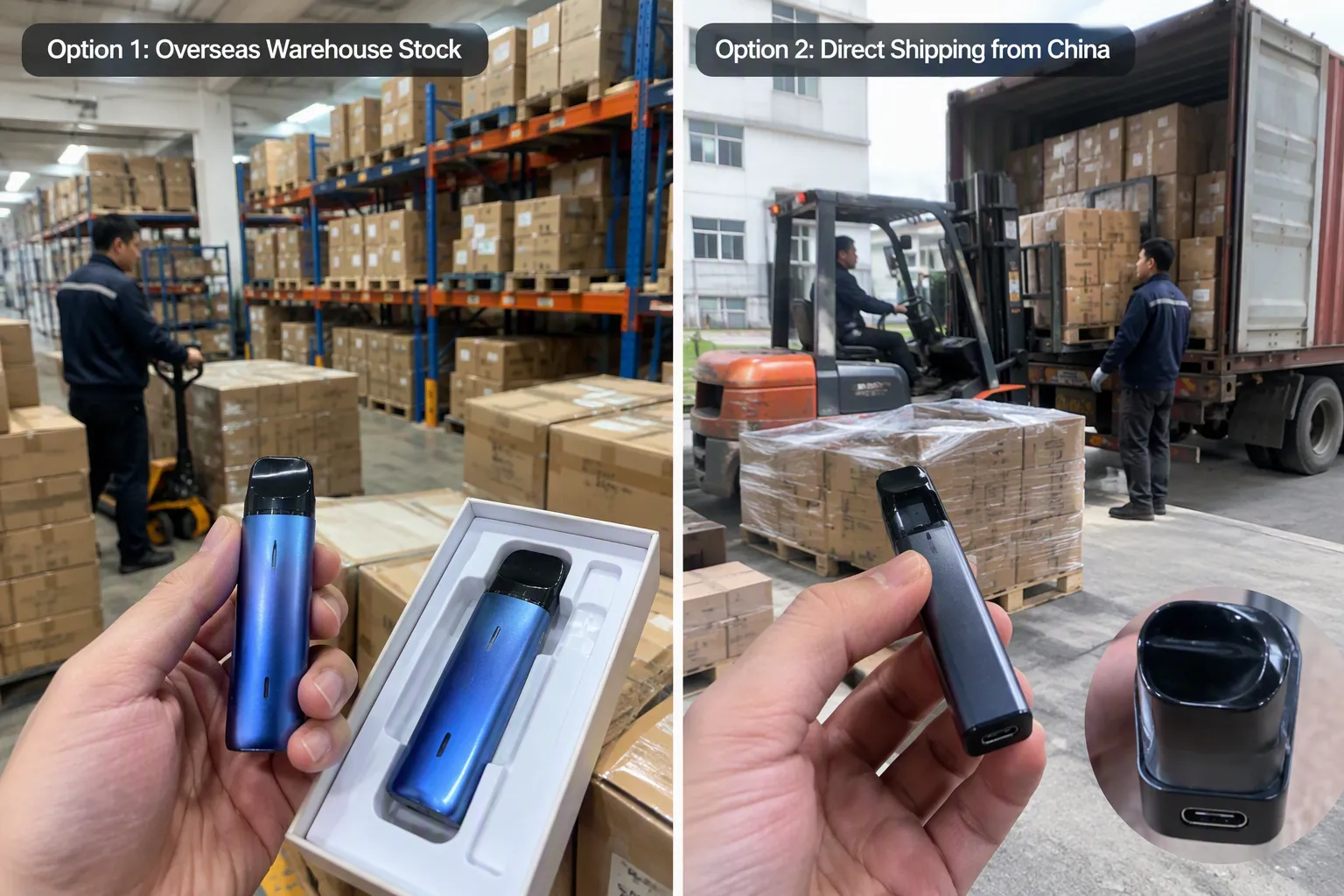
No. Overseas stock may suit smaller buyers and fast-turnover businesses that value lower MOQs and faster delivery, but buyers must confirm current availability, product eligibility, destination requirements, and local rules. Larger importers may prefer direct China purchasing when their demand and cash flow support bulk orders.
When should I consider OEM or ODM products?
I suggest considering OEM/ODM after the buyer has validated demand, identified a clear customer need, and prepared a realistic volume and development plan. Custom packaging or product development can require additional time, samples, specifications, and commercial commitment. A qualified professional should review application and market requirements.
How can I reduce stockouts of compatible consumables?
I recommend maintaining a compatibility map, tracking consumable sales separately from device sales, and reviewing replenishment lead time before inventory becomes low. Buyers should also confirm whether the supplier can provide the required pods, coils, refills, or replacement items consistently.
Can one supplier coordinate devices and smoking accessories?
Yes, a one-stop supplier may coordinate multiple brands and categories, including devices, atomizers, 510 batteries, CBD batteries, vaporizers, grinders, and glass pipes. The buyer should still verify each product’s specifications, compatibility, documents, order terms, and after-sales process before purchasing.
Conclusion
To Balance Device Inventory with Pods, Coils and Refill Demand, I recommend starting with compatibility rather than a fixed product ratio. Review sales velocity, repeat purchasing, replenishment lead time, MOQ, cash flow, customs exposure, warehouse capacity, and after-sales responsibility together. Smaller buyers may consider suitable European warehouse stock, while established importers may use direct bulk purchasing. OEM/ODM can support a proven brand plan. Contact Kingfuji at info@kingvapecig.com or +86 13928420527 to discuss your product mix, replenishment route, and sourcing requirements.
Sources
- Youth and Young Adult Use of Pod-Based Electronic Cigarettes ...", Research on durable-product ecosystems indicates that the availability of complementary or replacement components can affect continued product use and repeat purchasing; this provides contextual support for treating consumable availability as an inventory consideration
- [PDF] Strategic Raw Material Inventory Optimization by Robin L. Vacha Jr ...", Configuration-management and supply-chain research describes explicit product-relationship records as a means of controlling component compatibility and reducing fulfillment errors; this supports compatibility mapping as a practical control before purchasing
- [PDF] Independent Demand Inventory", Dependent-demand inventory research distinguishes the availability of a primary item from the availability of the components needed to fulfill its intended use, supporting the view that device stock alone may overstate operationally usable inventory
- Inventory Management – Business Operations Analytics", Inventory-management theory treats replenishment quantities as functions of demand, variability, lead time, and desired service level rather than as a universal fixed ratio, supporting a context-specific approach to device and consumable stocking
- [PDF] An Algorithm and Demand Estimation Procedure for Retail ...", SKU-level demand studies show that aggregate category sales can conceal substantial differences in demand across individual variants, supporting separate monitoring of specifications rather than assuming uniform turnover
- Forecasting vehicle's spare parts price and demand - Academia.edu", Replacement-parts and dependent-demand forecasting research indicates that replenishment demand is influenced by the installed base, usage or replacement intervals, and service history in addition to initial product sales
- Optimized sourcing strategies using total cost of ownership", Public-sector procurement guidance commonly evaluates total cost of ownership by considering acquisition, logistics, operation, maintenance, and end-of-life or risk-related costs in addition to the quoted purchase price
- Economic Order Quantity (EOQ) | www.waru.edu", Inventory-finance research links larger purchasing quantities with greater capital tied up in inventory and associated holding exposure, supporting the working-capital concern raised for high minimum order quantities