
Quick Answer
Reusable vape wholesale becomes a procurement risk decision when a minor component problem can force the buyer to discard an entire device. Repairability may help wholesalers manage returns, replacement inventory, customer communication, and cash flow, but only when replaceable parts and supplier support are clearly available. Buyers should verify the design, documentation, parts supply, and after-sales process before ordering.
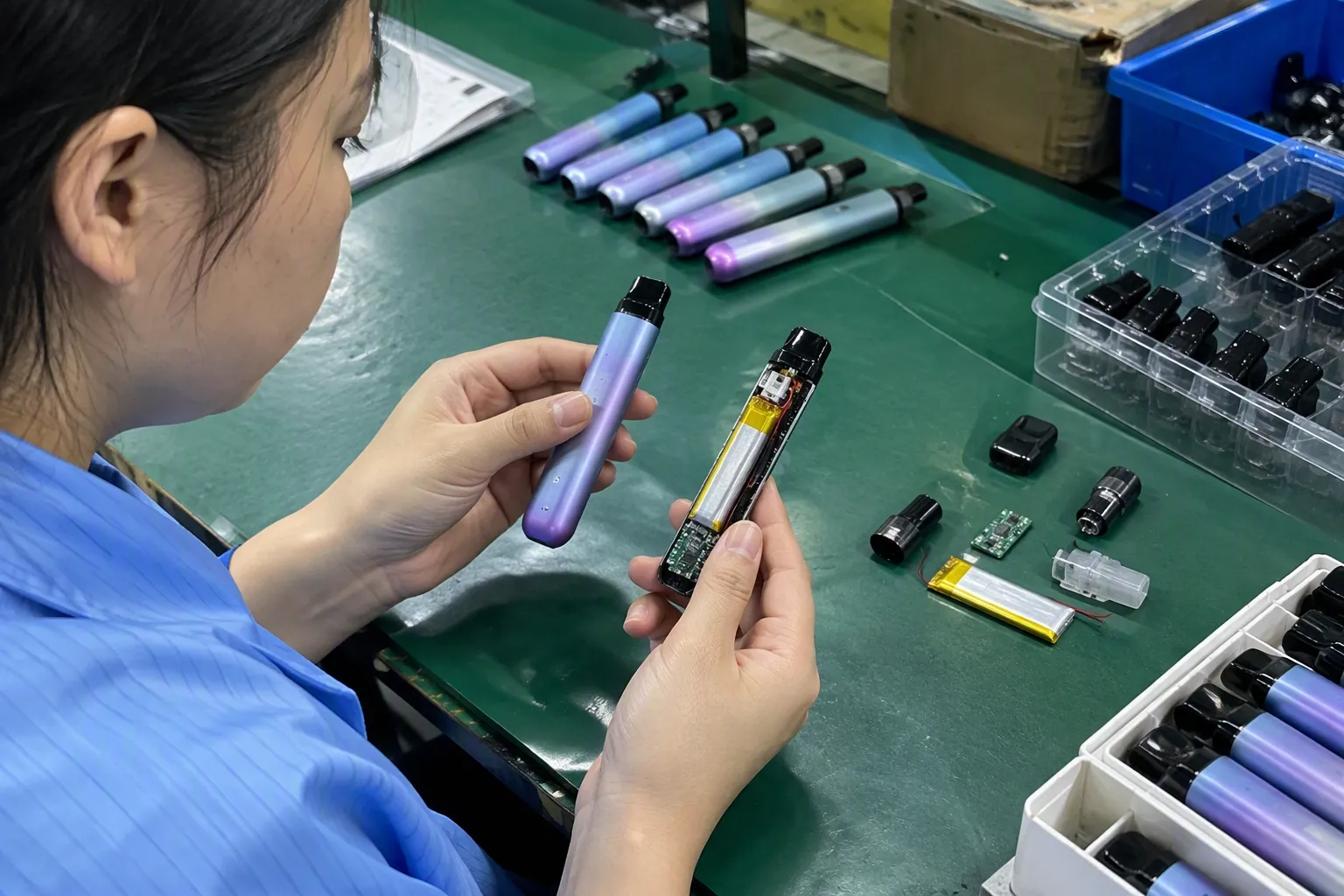
When I speak with European and American vape, smoke shop, convenience-store, and gas-station buyers, I often hear the same concern: a product may sell quickly, but after-sales problems can consume the margin. Repairability does not solve every quality issue. However, it gives buyers another practical question to ask before they commit inventory.
When Does Repairability Matter in Reusable Vape Wholesale?
A reusable vape matters commercially when the buyer can understand what happens after a component fails. I do not treat repairability as proof of durability or a guaranteed longer lifespan. I treat it as one part of a wider purchasing review that includes replacement parts, technical support, customer handling, stock planning, and total lifecycle risk.
Repairability matters most when a reusable vape contains components that can be replaced independently, replacement parts remain available, and the supplier provides clear instructions or support. This can help a wholesaler avoid unnecessary whole-device write-offs[3], but buyers should verify the actual design and support terms before treating repairability as a purchasing advantage.
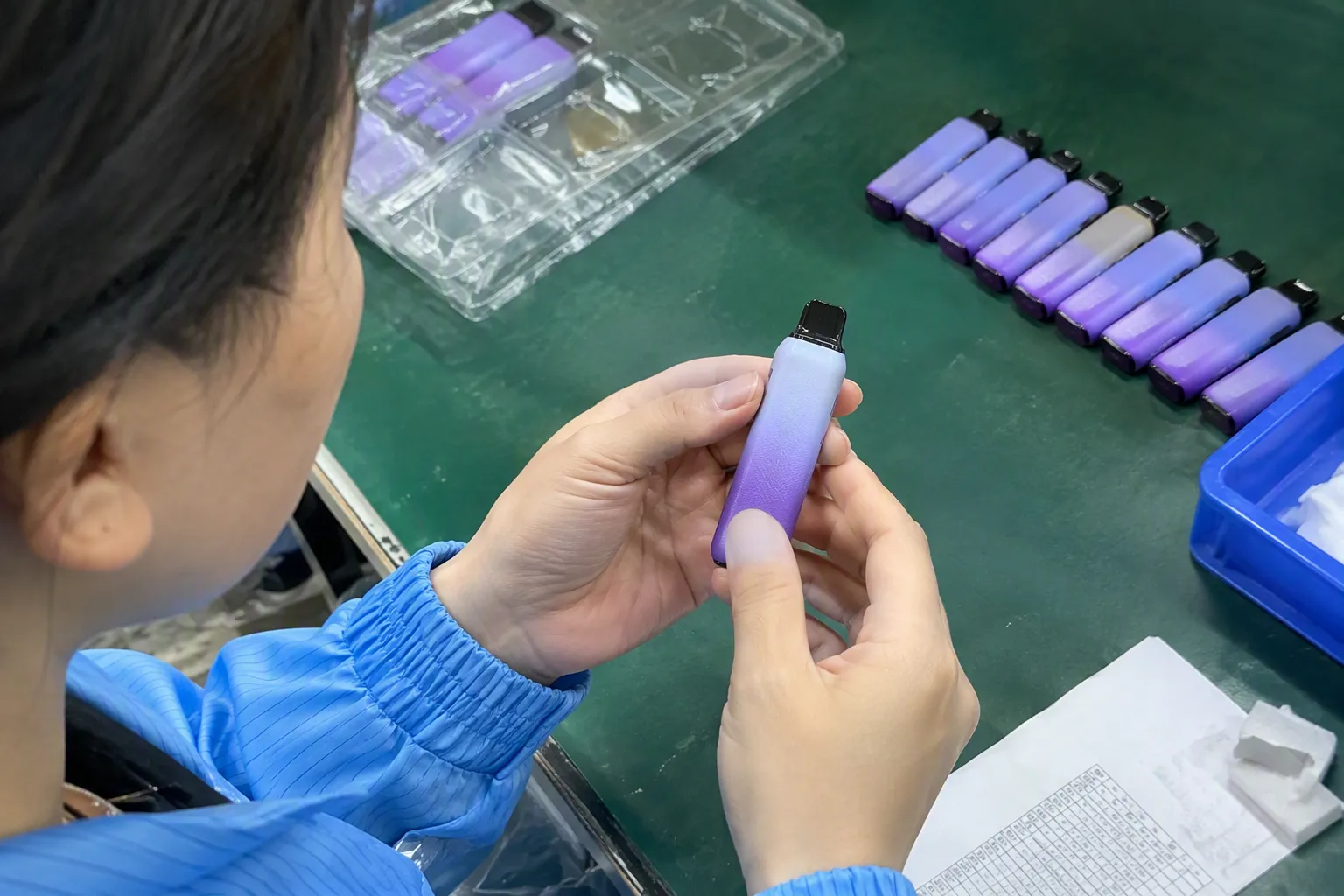
The central issue is not whether a product sounds advanced. The issue is whether the product can be stocked, sold, supported, and replenished without creating avoidable pressure for the wholesaler and retailer. I use the following framework when discussing reusable vape wholesale opportunities with buyers.
Why Can Unit Price Hide the Real Procurement Risk?
A low quotation can look attractive when a buyer compares products on a spreadsheet. However, the initial unit price does not show the full commercial effect of returns, replacements, customer disputes, or slow-moving service stock.[1] I encourage buyers to compare the likely product lifecycle rather than looking only at the first invoice.
A buyer may face several different outcomes:
- A replaceable component is available, and the device can be returned to service.
- A component is technically replaceable, but no spare parts are available.
- The supplier can provide parts, but the retailer has no clear repair procedure.
- A minor issue requires the entire device to be replaced.
- The device is returned even though the problem results from incorrect use.
- The buyer cannot determine the cause of the problem, so the dispute takes longer.
These situations have different effects on working capital. A wholesaler may need to hold replacement devices, reserve funds for after-sales claims, and spend staff time communicating with retailers. A retailer may also lose selling time while waiting for a decision.
I do not claim that repairability automatically reduces returns or produces a specific saving. I cannot responsibly give a reduction percentage without verified data from a defined product, market, and after-sales process. I can say that buyers should include these questions in their evaluation because the commercial cost of a failure is often larger than the value of one component.[2]
A simple lifecycle review
Before I compare quotations, I suggest that buyers list:
- The purchase cost of the device.
- The cost and availability of possible replacement parts.
- The expected handling cost for inspection, communication, and replacement.
- The value of inventory tied up in spare units or service stock.
- The effect of delays on retailer relationships and cash flow.
- The supplier’s written after-sales process.
This review does not predict future failure. It helps the buyer see where risk may appear.
Which Reusable Vape Components Should Buyers Check?
I recommend that wholesalers ask whether common failure points can be replaced separately or whether the whole device must be discarded. The exact answer depends on the product design, and buyers should confirm it through product documentation, samples, and supplier verification.
Depending on the design, buyers may ask about:
| Area to check | Procurement question | Commercial reason |
|---|---|---|
| Battery module | Can the battery be replaced independently? | A battery-related issue may not require a full-device replacement if the design supports safe replacement. |
| Charging interface | Can the charging component or related assembly be serviced? | Charging problems can create customer complaints and unnecessary returns. |
| Pod, cartridge, or tank | Can the consumable section be replaced separately? | A replaceable consumable may simplify stock planning and customer communication. |
| Coil or heating element | Is the heating element replaceable, and which parts are consumables? | Buyers need to distinguish normal consumable replacement from a product defect. |
| Mouthpiece | Can the mouthpiece be replaced or cleaned according to instructions? | A damaged external part may not justify discarding the whole device. |
| Seals and connections | Are relevant seals or connection parts available? | Leakage or connection complaints require clear technical diagnosis. |
| Control or display components | Is the component serviceable, or is full replacement required? | A minor electronic issue may have a different replacement cost from a complete device. |
I do not advise buyers to assume that a replaceable part is automatically safe or practical to change. Battery-related work, electrical work, and any disassembly procedure should follow the manufacturer’s instructions and applicable local requirements.[4] Qualified professionals should evaluate application-specific safety questions.
What Does Support Have to Do With Repairability?
A replaceable component has limited commercial value if the supplier cannot maintain a parts supply or explain how the component should be handled. I therefore connect repairability with support availability. The buyer should ask not only, “Can this part be replaced?” but also, “How will I obtain, identify, and use it?”
I suggest confirming the following points before an order:
- Which parts are replaceable by the buyer, retailer, or qualified technician?
- Which parts are considered normal consumables?
- Which parts require supplier or professional service?
- Are spare parts included, sold separately, or unavailable?
- How long does the supplier expect to support the model?
- Will the supplier notify the buyer if the design changes?
- Are product manuals, diagrams, videos, or troubleshooting instructions available?
- How does the supplier identify a defective unit?
- What evidence does the supplier require for an after-sales claim?
- What happens if the problem results from misuse, incorrect charging, or unauthorized modification?
I have found that these questions are especially important for distributors who sell across several countries. A product may move from an importer to a regional wholesaler, then to a vape shop or convenience store, and finally to an end user. If each party explains the issue differently, a simple complaint can become a long dispute.[5]
Repairability and customer communication
A wholesaler does not need to make every retailer a technician. The wholesaler does need a clear decision path. For example, a retailer may report that a device does not work. The first step may be to identify whether the issue concerns charging, the pod, a connection, a consumable, or the complete device. The supplier’s instructions should define what the retailer can safely check and when the item should be removed from sale.
This approach helps the buyer avoid two opposite mistakes:
- Replacing the whole product when a documented component solution exists.
- Attempting an unsuitable repair when the product should be isolated and assessed professionally.
How Can Repairability Affect Inventory Turnover and Cash Flow?
I view repairability as an inventory planning issue as much as a technical issue.[6] A wholesaler that sells fast-moving products wants stock to move from purchase to retailer and then to the end market. Unclear after-sales handling can interrupt that movement.
A buyer may need to hold:
- Complete replacement devices.
- Replacement pods or cartridges.
- Charging or connection-related parts.
- Packaging for returns.
- A small service stock for urgent retailer support.
- Written instructions for different models.
The correct stock level depends on verified product information and the buyer’s own sales history.[7] I do not recommend setting a universal spare-parts percentage without evidence. Instead, buyers can begin with a controlled order, monitor the reasons for complaints, and adjust stock after collecting real market information.
A practical pre-order checklist
Before placing a larger reusable vape wholesale order, I recommend that buyers record the answers in writing:
-
What is the product architecture?
I ask for a clear explanation of the main replaceable and non-replaceable assemblies. -
What is the normal user maintenance process?
I check whether the instructions distinguish cleaning, consumable replacement, charging, and actual defects. -
What is the support route?
I confirm who handles the claim: the factory, exporting supplier, distributor, or another party. -
What is the replacement basis?
I ask whether the supplier replaces a part, a complete unit, or provides another remedy after verification. -
What documentation is available?
I request manuals, product specifications, packaging information, and any relevant compliance documents for review. -
What is the replenishment plan?
I confirm whether parts and complete units can be reordered and whether model changes may affect compatibility. -
What is the market requirement?
I ask the buyer to verify local product, labeling, age-restriction, tax, waste, and other regulatory obligations before import and sale.[8]
Does Repairability Make a Product Better for Every Buyer?
No. Repairability is not automatically the best choice for every distribution model. Some buyers may prefer a simple replacement policy because their retailers do not have the time, tools, or staff to manage parts. Other buyers may value a modular product because they already have a service process and want to reduce whole-unit disposal.
The right decision depends on the buyer’s operation.
| Buyer situation | What may matter most |
|---|---|
| Small retailer with limited technical staff | Simple troubleshooting and fast replacement |
| Regional wholesaler | Reliable parts information and consistent after-sales support |
| Large importer | Documentation, model stability, service planning, and total landed cost |
| OEM/ODM buyer | Design control, approved components, quality records, and long-term supply planning |
| European buyer using overseas stock | Fast replenishment, low MOQ, and clear return handling |
| Buyer importing containers from China | Factory production control, pricing, customization, and shipment planning |
My company works with both smaller buyers and larger importers. For smaller European customers, our European warehouse model can be relevant because selected brand inventory can be dispatched through logistics providers such as DHL, DPD, UPS, or FedEx. The stated delivery range is generally one to five working days within the European market for available stock, but buyers should confirm product, destination, and current shipping conditions before ordering. The warehouse model can also support lower minimum quantities, with some products available from 50 pieces per model, subject to confirmation.
For larger importers, direct shipment from China may provide more product selection, volume purchasing options, and OEM/ODM possibilities. Our business context includes a 5,000-square-meter factory, a stated maximum production capacity of up to five million units per month, and ongoing development of approximately five to ten new products monthly. Buyers should still evaluate the specific model, production schedule, quality records, documentation, and applicable compliance requirements rather than relying on general company capacity.
How Should Buyers Compare Suppliers?
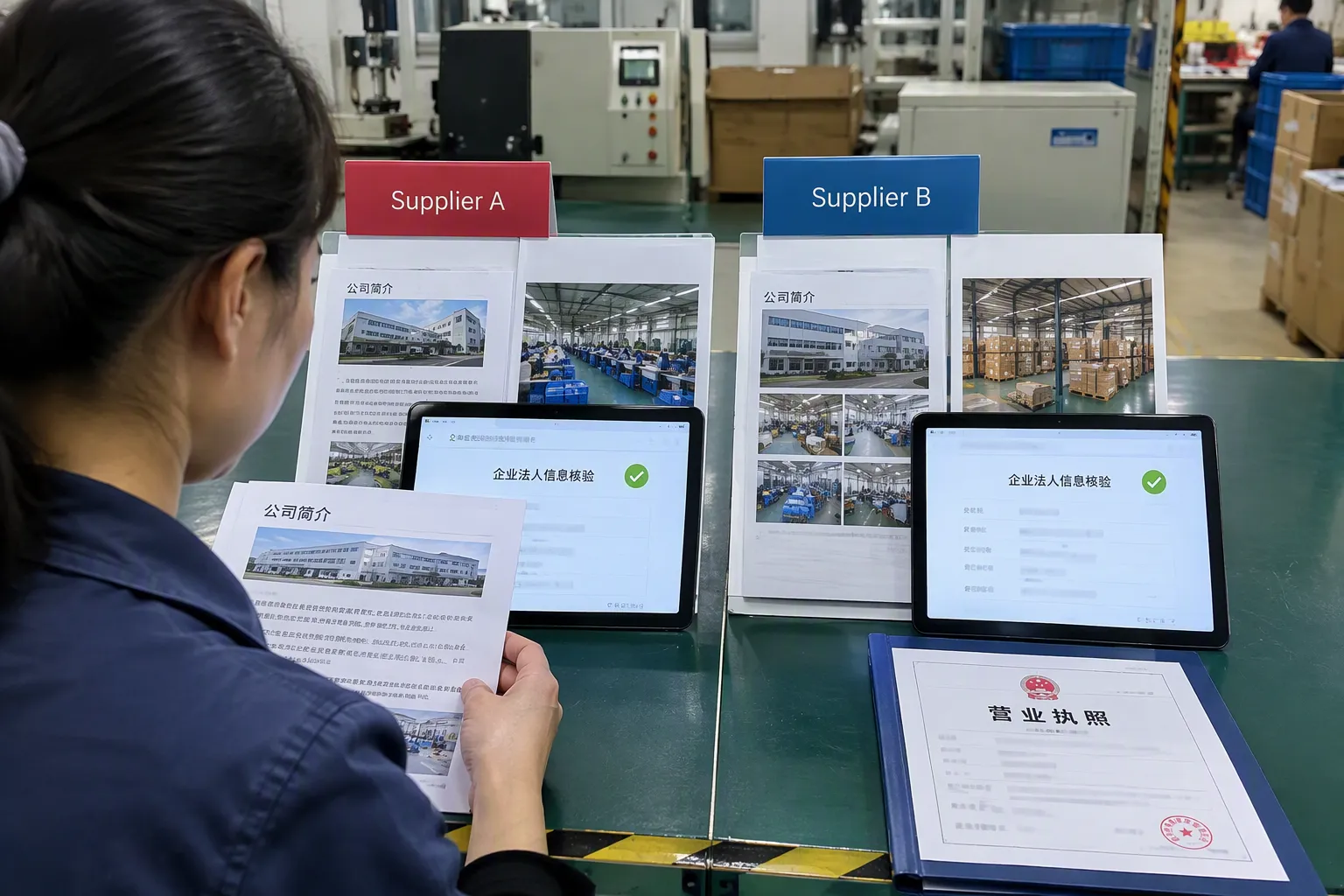
I recommend that buyers compare suppliers on the complete support process, not only on product photos or price. A supplier should be able to explain the product and the commercial process in a way that the buyer can pass to retailers.
I normally encourage buyers to review:
- Product samples from the intended production version.
- Written specifications and user instructions.
- Quality-control checkpoints and inspection arrangements.
- Replacement-part identification.
- Model and batch traceability.
- Packaging and labeling requirements.
- After-sales response procedures.
- Stock availability and estimated lead times.
- Shipping options from China or an overseas warehouse.
- OEM/ODM communication and approval procedures.
- Documents that the buyer must verify for the destination market.
As a Shenzhen-based vape and smoking-accessory supplier established in 2011, I work in a manufacturing and supply-chain environment that includes electronic cigarettes, disposable vapes, atomizers, 510 batteries, CBD batteries, vaporizers, grinders, glass pipes, and related products. My role in buyer discussions is not to act as a laboratory tester. My role is to help translate product characteristics into purchasing, stock, support, and cash-flow questions.
I also make an important distinction between a supplier promise and a buyer’s verification duty. Our business provides unified after-sales handling for products purchased through us, and our stated service model may include replacement or compensation arrangements under agreed conditions. Buyers should request the applicable terms in writing. They should also verify certifications, test reports, product legality, and market-specific requirements independently before sale.
When Should a Buyer Choose a Trial Order?
A trial order can be useful when the buyer cannot yet verify how repairability will work in the real distribution chain. I prefer a controlled evaluation to a large assumption. The buyer can place a manageable order, provide clear instructions to selected retailers, and record each support question.
During the trial, I suggest tracking:
- The reason for each complaint.
- Whether the issue involves a consumable, replaceable part, or complete unit.
- The time required to identify the issue.
- The time required to receive a solution.
- Whether the retailer understood the instructions.
- Whether spare parts were available when needed.
- Whether the product can be replenished consistently.
- Whether the product fits the buyer’s cash-flow cycle.
This process does not create a universal repairability score. It gives the wholesaler evidence for a specific model and market. It also helps the supplier improve documentation and packaging explanations.
For buyers who want fast-moving inventory with limited upfront exposure, an overseas warehouse may support a smaller initial purchase. For buyers seeking stronger pricing, private labeling, or a larger product program, direct factory communication and OEM/ODM development may be more suitable. In both cases, repairability should remain one part of a broader procurement decision.
Frequently Asked Questions
Is repairability the same as durability in reusable vape wholesale?
No. Repairability means that certain components may be replaced or serviced independently. Durability concerns how a product performs over time and under defined conditions. A buyer should not treat a repairable design as proof of a longer service life without verified technical evidence.
Which questions should I ask before ordering a reusable vape?
I recommend asking which components are replaceable, which parts are consumables, how spare parts are supplied, who handles after-sales claims, what documentation is available, and how the supplier distinguishes misuse from a product defect. I also recommend confirming local regulatory and labeling requirements.
Can repairability reduce whole-device replacement costs?
It may help avoid some unnecessary whole-device replacements when the failed component is genuinely replaceable and supported. However, the result depends on the design, parts price, labor, instructions, and claim process. Buyers should evaluate these factors instead of assuming a specific saving.
Is a reusable vape with replaceable parts suitable for a small vape shop?
It can be suitable if the shop receives clear instructions and does not need to perform unsafe or complex repairs. Some small shops may prefer a simple replacement process. The buyer should match the product’s support requirements with the retailer’s staff, tools, and customer-service capacity.
Should I buy from an overseas warehouse or import from China?
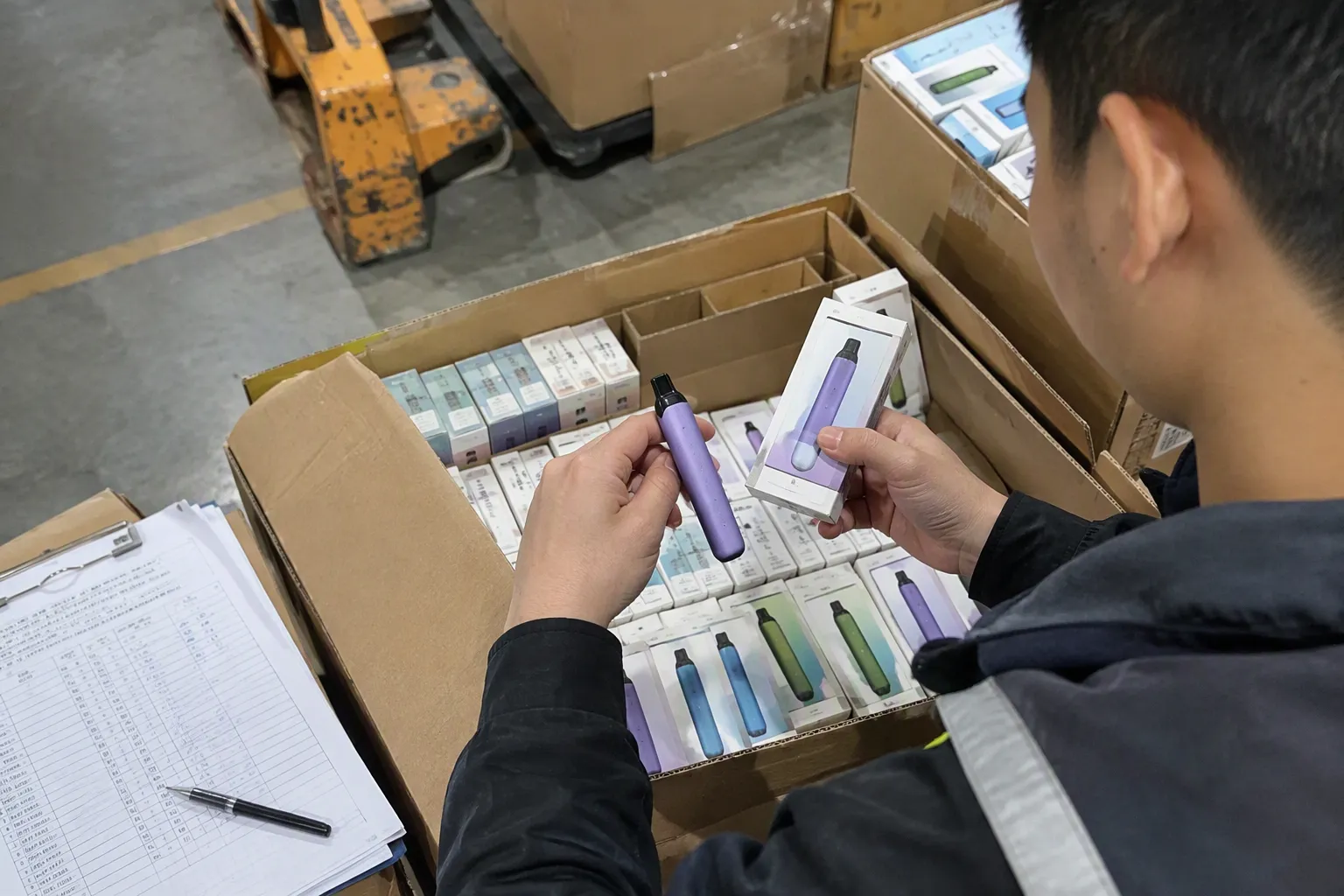
An overseas warehouse may suit smaller buyers that need lower minimum quantities and faster delivery from available stock. Direct China importing may suit larger importers that need volume pricing, broader selection, or OEM/ODM development. I recommend comparing landed cost, availability, documentation, lead time, and after-sales support.
Conclusion
Repairability in reusable vape wholesale is a lifecycle-risk question, not a slogan. I encourage buyers to identify replaceable components, verify spare-parts availability, understand the support process, and connect every technical feature to inventory, customer service, and cash flow. A controlled trial can provide useful market evidence before a larger commitment. Kingfuji Tech. can support buyers with product selection, factory sourcing, OEM/ODM discussions, warehouse options, shipping coordination, and unified after-sales communication. Contact King at info@kingvapecig.com or +86 13928420527 to discuss a product and procurement plan suited to your market.
Sources
- Life Cycle Cost (LCC)", Procurement and life-cycle-costing guidance treats acquisition price as only one component of total cost, with service, warranty, inventory, and end-of-life costs potentially affecting the economic outcome
- The True Cost of Poor Customer Service to Your Business", Research on the cost of quality identifies external failure costs beyond the defective component itself, including warranty processing, returns, service labor, logistics, and effects on customer relationships
- Linking product design and durability: A review and research ...", Studies of repairable and modular products report that component-level intervention can extend use and reduce premature disposal when parts, tools, information, and economically feasible repair services are available
- Lithium-Ion Battery: A Consumer Safety Guide", Safety guidance for lithium-ion batteries advises using manufacturer procedures and trained personnel for servicing or disassembly because damaged cells and electrical faults can create fire, thermal, or shock hazards
- Warranty Cost Sharing in Supply Chains", Supply-chain and after-sales-service research links information asymmetry and poor interorganizational communication with slower diagnosis, more return handling, and less efficient resolution of product complaints
- Product Design For Repairability: Identifying Failure Modes ...", Operations-management research treats repairable product design as relevant to service-parts inventory because component availability, failure diagnosis, and replacement policy influence stock requirements
- A Guide to Demand Forecasting in Supply Chain Management", Inventory-management methods determine stock levels from demand patterns, variability, replenishment lead time, and desired service levels rather than from a universal fixed percentage
- Premarket Tobacco Product Applications for Electronic ...", Government and international regulatory materials show that electronic-cigarette products may be subject to jurisdiction-specific rules on authorization or notification, labeling, age-of-sale restrictions, taxation, importation, and waste handling