
Quick Answer
**Service level is one of the most important decisions I make when managing core vape SKUs. If availability is too low, my customers may move to another supplier. If inventory is too high, cash becomes trapped in slow-moving products.
I therefore set targets according to demand stability, replenishment time, customer urgency, and inventory risk.**
A vape wholesaler should not use one universal service-level percentage for every core SKU. I usually protect stable, regularly ordered products more strongly than temporary trend items, while I manage private-label and OEM/ODM products through planned purchasing and production schedules. The right target balances availability, delivery promises, replenishment options, and working capital.
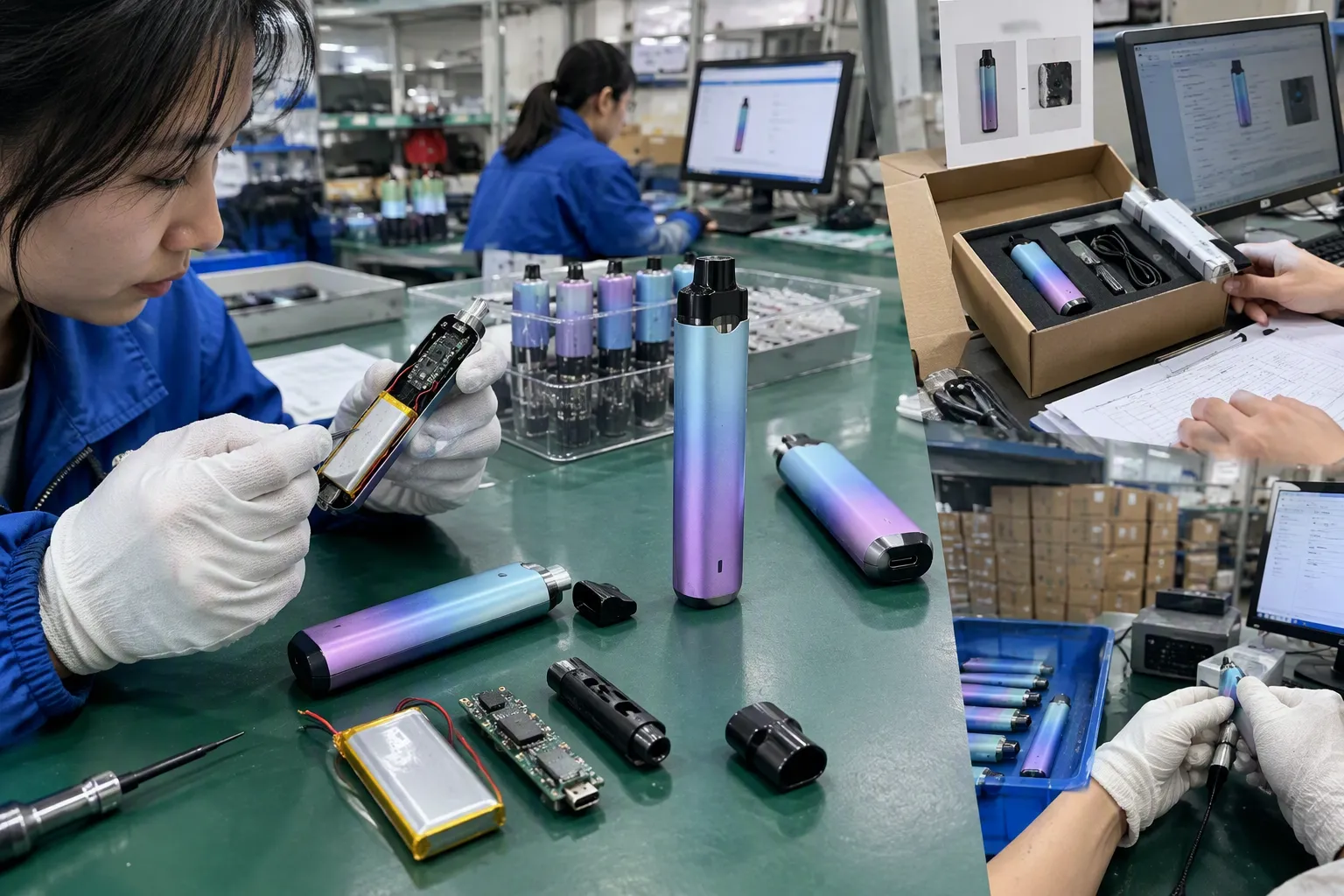
I have found that service level works best as a practical purchasing tool rather than as a number used only in an inventory report[1]. A vape shop, smoke shop, convenience store, or gas station may need a dependable replenishment source, but that does not mean every product deserves deep stock. The correct approach starts with understanding the role of each SKU.
What Service Level Should a Vape Wholesaler Target for Core SKUs?
A vape wholesaler should target a higher service level for stable core SKUs that sell consistently and are difficult for customers to replace quickly[2]. However, I do not apply the same target to every product. I consider sales regularity, replenishment lead time, minimum order quantity, customer importance, cash-flow pressure, and whether the item is stocked locally or imported in bulk from China.
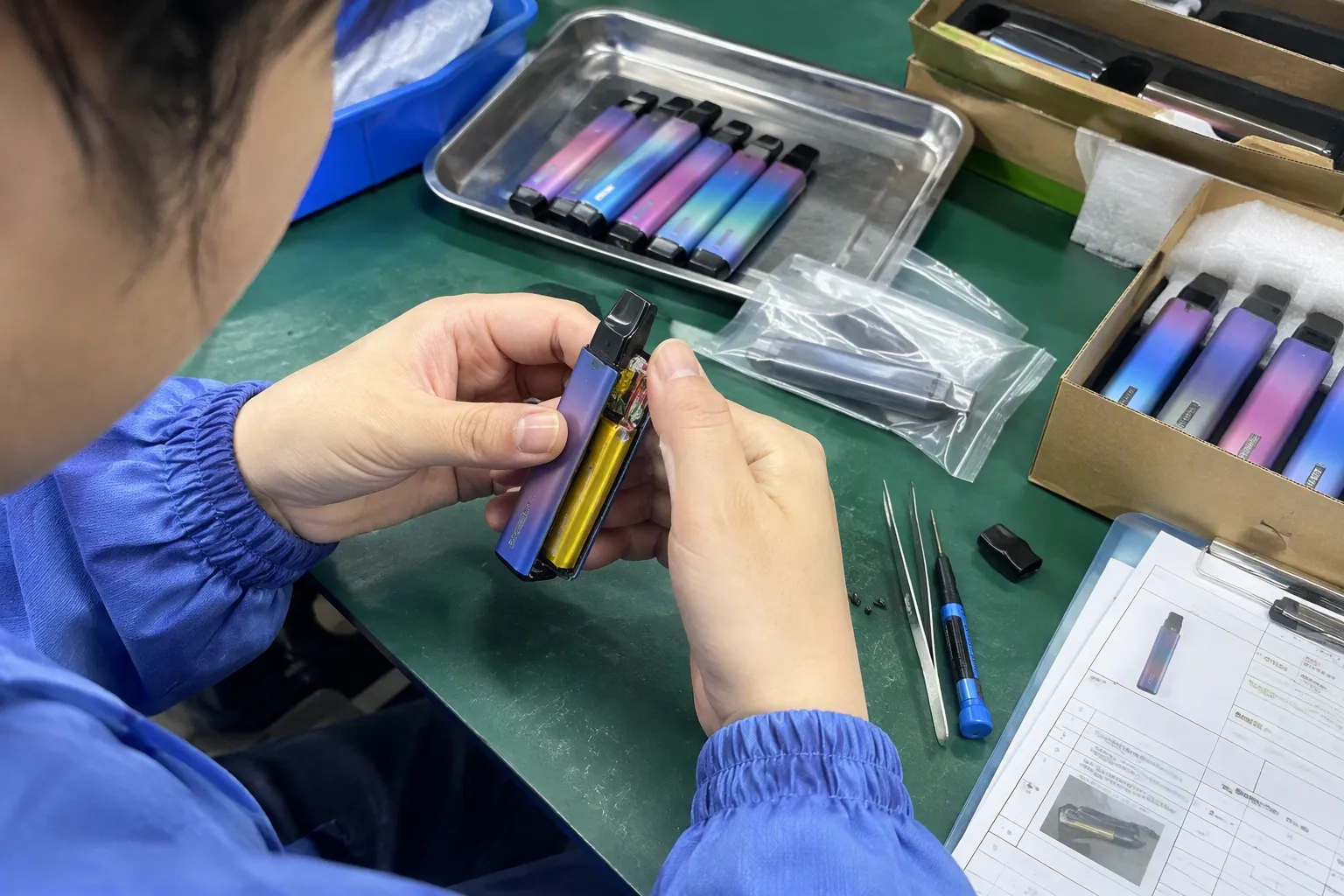
When I speak with international buyers, I often hear the same concern: “I cannot afford to run out, but I also cannot afford to hold too much.” That concern is especially common among small and medium-sized wholesalers. They may supply several local stores, but their purchasing volume is not large enough to absorb long periods of unsold inventory.
A larger importer faces a different situation. The importer may accept a longer purchasing cycle because a larger shipment from China can provide better unit pricing. That buyer may also require OEM or ODM products, which means the purchasing decision must include design confirmation, sampling, packaging approval, production planning, and shipping.
I therefore treat service level as a business decision with several connected parts.
I first separate stable core products from temporary hot sellers
A stable core SKU has a regular purchasing pattern. Customers reorder it because it has an established position in their stores. The product may be a frequently requested disposable vape, a popular atomizer, a 510 battery, a CBD battery, a grinder, a glass pipe, or another related smoking accessory.
When a stable item is unavailable, the buyer may need to explain the shortage to several downstream customers. Those customers may then purchase a similar item from another wholesaler. One missed order does not always destroy a relationship, but repeated shortages can reduce trust.
I usually give stronger stock protection to products with these characteristics:
- The product has regular repeat orders.
- Several customers request the same model or specification.
- The product has a predictable replenishment pattern.
- Customers can sell it through normal, established channels.
- A replacement product would create inconvenience or require new product education.
- A shortage could affect a buyer’s relationship with local vape shops or retailers.
I use a different approach for temporary hot sellers. A trend product may receive strong attention for a short time, but demand can change quickly[3]. I prefer fast replenishment, smaller initial exposure, and regular review instead of permanently holding a large quantity.
I have seen buyers become excited by a product that is receiving attention in the market. They may order heavily before confirming whether their own customers will reorder. If demand slows, the service-level decision becomes an excess-inventory problem. The buyer may still have products in the warehouse, but the inventory is no longer creating useful cash flow.
I do not treat availability as the same thing as business safety
A high service level sounds positive because it suggests that customers can receive products when they ask for them. However, maximum availability can create its own risks[4].
Excess inventory may:
- Tie up money that could be used for faster-moving products.
- Increase warehouse space and handling requirements.
- Reduce cash-flow flexibility.
- Leave the buyer with products that become less attractive as trends change.
- Increase the difficulty of managing different flavors, colors, capacities, packaging versions, or brands.
- Create pressure to discount products simply to recover capital.
For this reason, I review service level together with inventory turnover and replenishment flexibility[5]. I ask whether I can replenish a product quickly if demand increases, and I ask how much money I would expose if demand decreases.
A product that can be dispatched from a suitable European overseas warehouse may need less deep stock than a product that requires a long import cycle from China[6]. At the same time, overseas warehouse stock is not unlimited. Buyers still need to confirm the actual stock location, available quantity, order conditions, product status, and delivery arrangement before promising a date to their own customers.
I match the target to the customer’s purchasing model
I normally think about three broad customer groups.
| Buyer type | Main priority | Practical service-level approach |
|---|---|---|
| Small retailer or small wholesaler | Fast replenishment and low financial exposure | Use available local or overseas stock, lower MOQs, and frequent purchasing reviews |
| Medium-sized wholesaler | Reliable availability and balanced pricing | Combine regional stock with planned replenishment from China |
| Large importer or distributor | Unit cost, volume planning, and product differentiation | Use larger China shipments, scheduled purchasing, and OEM/ODM planning |
A small or medium-sized wholesaler may prefer a product that can be shipped from an overseas warehouse because the buyer does not need to commit to a large quantity in advance. In Europe, our available warehouse network includes locations in Germany, Austria, Poland, and Belgium. Depending on the stock location, order conditions, and logistics arrangement, dispatch through services such as DHL, DPD, UPS, or FedEx may support delivery in approximately 1–5 working days within relevant European destinations. I present this as a planning possibility, not as an unconditional guarantee.
This model can help a buyer test demand, replenish faster, and reduce the pressure of importing every order directly from China. It may also reduce exposure to customs delays associated with international shipments[7]. However, the buyer should still confirm product legality, documentation, customs requirements, and local selling rules before placing an order.
A larger importer may make a different calculation. The importer may have warehouses, established distribution routes, and enough demand to justify a bulk shipment. The buyer may obtain a better purchasing position through volume and may also select custom packaging or a private-label program. In that case, the service-level target depends on earlier planning rather than immediate warehouse availability.
I manage core SKUs through a replenishment review
I do not rely on one fixed number without reviewing the conditions behind it. I normally examine:
- Recent order consistency: I compare whether the product receives regular orders or only occasional spikes.
- Customer concentration: I check whether one large buyer creates most of the demand.
- Replenishment lead time: I distinguish between available stock, overseas warehouse stock, and production or China-import timelines.
- Minimum order quantity: I consider whether the next purchase can be small or requires a larger commitment.
- Product lifecycle: I assess whether the item is stable, newly launched, seasonal, or trend-driven.
- Cash-flow impact: I estimate how much capital will remain tied up if sales slow.
- Replacement options: I ask whether customers can accept a comparable product without losing sales.
- Quality and after-sales exposure: I consider whether a product needs additional inspection, explanation, or support before resale.
I also separate physical availability from usable availability. A product may appear in a supplier’s catalogue, but the buyer still needs to confirm whether the exact brand, model, packaging, quantity, and destination arrangement are available. I prefer written confirmation and, where appropriate, video verification of stock before making a firm commitment to a downstream customer.
I use different logic for OEM, ODM, and private-label products
Custom products should not be judged by the same service-level standard as regular stocked products[8]. A private-label vape or smoking accessory may depend on artwork approval, sample confirmation, packaging production, component availability, quality inspection, and shipping arrangements.
For these products, I focus on planning discipline:
- I confirm the product requirements before quoting.
- I clarify the approval steps for samples, packaging, and artwork.
- I discuss the expected production schedule before the buyer commits.
- I identify the purchasing quantity and any required minimum order.
- I agree on inspection and after-sales procedures.
- I plan replenishment before the buyer’s existing stock becomes too low.
Our company operates as a factory and trading business with OEM/ODM experience, a 5,000-square-meter factory, and a stated maximum production capacity of up to 5 million units per month. I do not use those figures as proof that every SKU is immediately available. Capacity does not remove the need for product-specific planning. Buyers should evaluate the actual product, production schedule, quality-control process, documentation, and order terms for their own application.
I also explain that custom products can offer stronger differentiation, but they can create more planning responsibility. A buyer who wants a specific brand identity should not wait until inventory is almost empty before starting the next order. Earlier commitments usually give the supplier and buyer more time to handle approvals and production details.
I protect service level through supplier coordination
Service level is not created only by keeping more products in a warehouse. It also depends on the supplier’s ability to coordinate purchasing, quality control, packaging, shipping, and after-sales support.
At Shenzhen Kingfuji Tech. Co., Ltd., I provide one-point communication for products purchased through us. Our product scope includes electronic cigarettes, disposable vapes, atomizers, 510 batteries, CBD batteries, vaporizers, grinders, glass pipes, and related products. We also represent multiple brands and product categories, and regular inventory depends on the specific brand and SKU.
This one-stop model can reduce the buyer’s coordination work. Instead of contacting several factories about different products, the buyer can consolidate product requests, quotations, purchasing, delivery, and after-sales communication through one supplier relationship. That structure is useful for wholesalers that want to purchase a mixed range for vape shops, smoke shops, convenience stores, gas stations, and other retailers.
I also help buyers search for products that are not in the current catalogue. If the market does not already offer a suitable item, I can discuss new-product development and mold development when the buyer’s conditions are suitable. I still expect the buyer to provide clear requirements and to evaluate the commercial demand before committing to development.
I use a practical decision framework
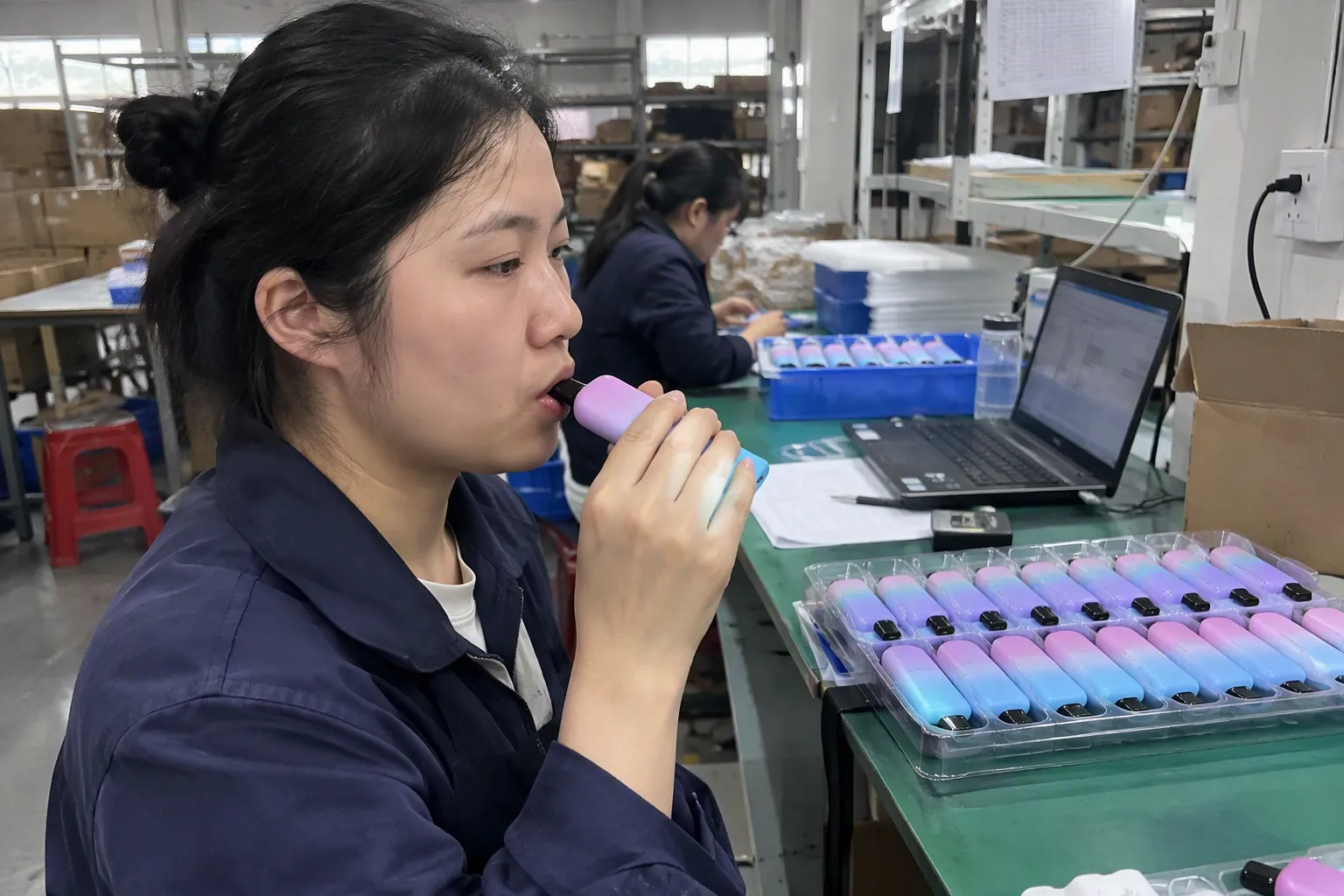
When a buyer asks me what service level to target, I do not begin by giving one universal percentage. I begin with questions:
“How often do your customers reorder this SKU, how quickly can you replenish it, and what happens to your cash flow if the product does not sell?”
I then place the product into a practical category:
Category 1: Stable and regularly reordered
I protect this type of product more strongly. The buyer should monitor stock frequently and arrange replenishment before the product reaches a critical level. A local or overseas warehouse may be suitable for short-cycle needs, while larger buyers may plan China imports.
Category 2: Popular but changing
I keep the exposure controlled. I may purchase a smaller quantity first, review actual customer reorders, and avoid assuming that market attention will continue indefinitely.
Category 3: Seasonal or event-driven
I plan around the expected selling period. I do not treat the product as a permanent core SKU unless the purchasing pattern becomes consistent.
Category 4: Custom or private label
I use an agreed production schedule and earlier purchasing commitment. I measure performance against the confirmed timeline and approval process rather than against immediate shelf availability.
Category 5: Uncertain or untested
I limit the initial commitment. I prefer to validate demand, packaging, quality, customer education, and after-sales requirements before increasing stock.
This framework does not replace professional inventory analysis. It gives buyers a clear starting point for discussion with their procurement team and supplier.
I also consider quality and customer support
A product that arrives quickly but creates frequent customer complaints does not provide a useful service level. Buyers should evaluate incoming quality, packaging consistency, product instructions, and after-sales responsibility alongside availability.
I arrange after-sales support for products purchased through us, and our stated service policy includes support for defective goods. Buyers should confirm the exact coverage, evidence requirements, exclusions, and compensation terms before ordering. I also offer video verification where appropriate, and our company provides delivery-to-door coordination. If a customer already has a trusted freight forwarder, I can send goods to that forwarder instead.
I do not present quality claims or service policies as a substitute for buyer evaluation. Importers and distributors should verify the documents, test products where necessary, and confirm the rules that apply in their destination market. Local regulatory and professional advice remains important, especially for products containing nicotine, products marketed for vaping, and CBD-related items.
How I would approach two common buyer situations
A small wholesaler in a European tourist town may supply local shops that need quick replenishment during busy periods. That buyer may value low MOQs and regional warehouse stock more than the lowest possible unit price. A practical plan may involve testing several products, protecting the most stable SKUs, and using available European stock when the exact item is suitable. The buyer should confirm stock and delivery conditions before promising delivery to retailers.
A larger wholesaler in the United States may operate several warehouses and supply multiple states. That buyer may need current product information, new product access, private-label development, and better pricing through larger orders. The buyer may choose a mixed model: regional stock for urgent replenishment, planned imports from China for volume products, and earlier production schedules for OEM/ODM items.
In both cases, I focus on the buyer’s result. The goal is not simply to hold more inventory. The goal is to keep important products available while protecting margin, cash flow, delivery credibility, and customer relationships.
What should I record for each core SKU?
I recommend that buyers maintain a simple SKU review sheet. It can include:
| Review item | Buyer’s question |
|---|---|
| Demand pattern | Is the product reordered consistently? |
| Customer dependency | How many important customers need it? |
| Replenishment route | Can I use local stock, overseas stock, or China import? |
| Lead time | What is the realistic time under current conditions? |
| MOQ | Can I replenish in small quantities? |
| Cash exposure | How much capital will excess stock consume? |
| Quality support | Who handles defects and what evidence is required? |
| Product status | Is the item stable, seasonal, or trend-driven? |
| Customization | Does it require artwork, samples, or production approval? |
| Legal review | Have I checked the destination-market requirements? |
This information helps buyers avoid two common mistakes. The first mistake is treating every product as equally important. The second mistake is treating a catalogue listing as a guaranteed supply position.
When should I revise the target?
I revise the service-level approach when the product or market changes. A previously stable SKU may become slower after a new product enters the market. A trend product may become a regular reorder after customers repeatedly request it. A supplier may change the available stock location or production schedule. A buyer may also experience a change in cash flow, warehouse capacity, or customer mix.
I therefore review core SKUs after meaningful changes in:
- Customer ordering frequency.
- Product pricing or margin.
- Brand popularity.
- Regulatory requirements.
- Shipping conditions.
- Supplier lead time.
- Available warehouse stock.
- Packaging or product specifications.
- Customer complaints or return patterns.
A service-level target should support a purchasing plan, not replace one. I prefer a target that the buyer can explain and maintain over a high number that looks impressive but creates financial pressure.
Frequently Asked Questions
Is a higher service level always better for a vape wholesaler?
No. A higher service level can reduce stockout pressure, but it may require more inventory and working capital. I balance availability against demand stability, replenishment time, MOQ, product lifecycle, and the risk of unsold stock. A strong target for one SKU may be excessive for another.
Should small vape wholesalers use an overseas warehouse?
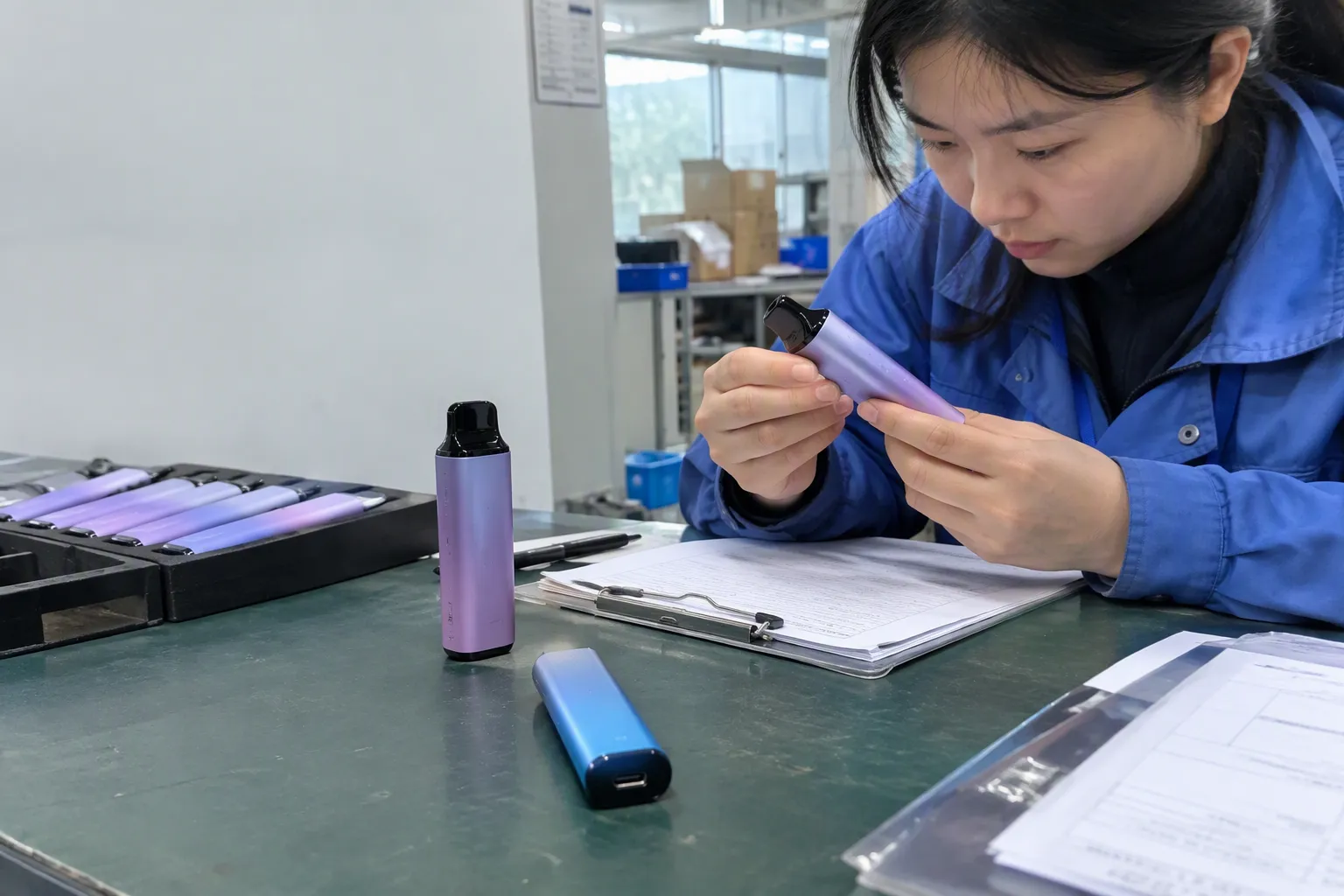
An overseas warehouse can suit small and medium-sized wholesalers that need shorter replenishment cycles, lower MOQs, and faster local dispatch. I still recommend confirming the exact stock location, quantity, order conditions, delivery route, and destination requirements before placing an order or making a customer promise.
When should a buyer import core SKUs from China in bulk?
A buyer may consider bulk China imports when demand is stable, the order volume supports the purchase, the buyer can manage the longer planning cycle, and the price advantage justifies the commitment. Larger importers may also use bulk imports for OEM, ODM, or private-label products.
Should OEM and private-label products have the same service-level target as stocked products?
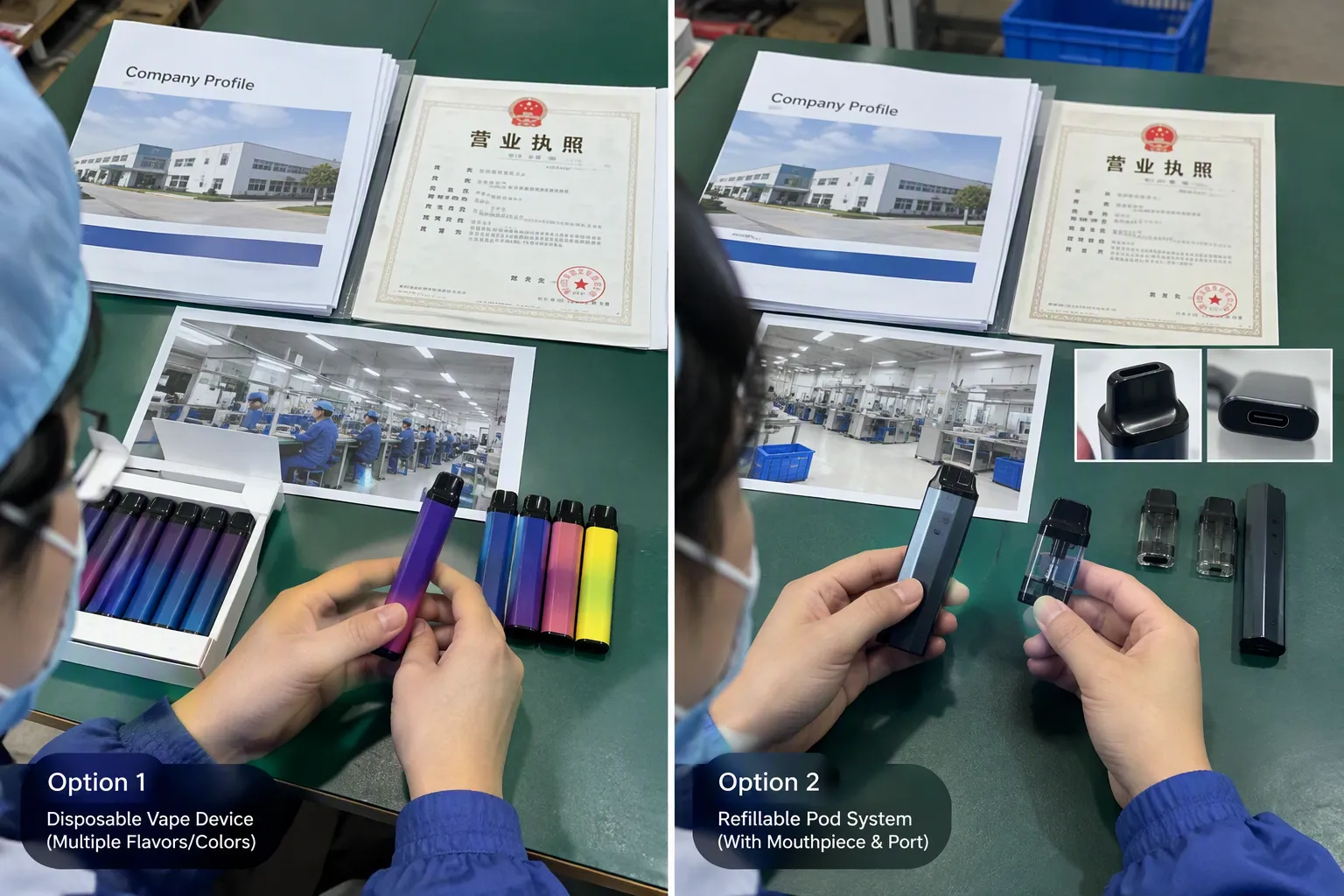
No. Custom products depend on approvals, samples, packaging, production, inspection, and shipping. I manage them through earlier forecasts, clear milestones, and planned purchase orders. I do not measure them only by whether they are immediately available in a warehouse.
How can a buyer verify a supplier’s service capability?
I recommend asking for SKU-specific stock confirmation, replenishment timelines, MOQ information, quality-control details, after-sales terms, and shipping options. Buyers should verify relevant documents and evaluate samples or inspections where appropriate. They should also confirm the legal and regulatory requirements in their destination market.
Conclusion
A useful vape wholesaler service level is not one universal percentage. I set stronger protection for stable core SKUs, control exposure to temporary hot sellers, and use planned schedules for OEM, ODM, and private-label products. Small and medium-sized buyers may benefit from suitable overseas warehouse stock and lower MOQs, while larger importers may prefer bulk China purchasing for pricing and customization. At Kingfuji, I help buyers combine product sourcing, factory support, inventory planning, delivery coordination, and after-sales communication. Contact me at info@kingvapecig.com or +86 13928420527 to discuss a SKU-by-SKU purchasing plan.
Sources
- A practical approach to replenishment optimization with ... - PMC", Inventory-management literature defines service level as a measure of the probability or proportion of demand supplied without a stockout and treats it as an input to replenishment and safety-stock decisions
- Understanding safety stock and mastering its equations", Research on inventory control indicates that target service levels should reflect demand uncertainty and the consequences of shortages, including the availability of substitutes and the cost of lost or delayed sales
- Pair People and AI for Better Product Demand Forecasting", Research on short-life-cycle products finds that rapidly changing demand increases forecast error and raises the risk of both stockouts and excess inventory, making frequent review and limited initial commitments relevant controls
- Working Capital Management, Corporate Performance ... - PMC", Operations-management texts describe a trade-off in which higher protection against stockouts usually requires more safety stock and therefore increases holding, financing, and potential obsolescence costs
- Multi-objective probabilistic forecast combination for ...", Inventory-performance research commonly evaluates customer availability together with turnover, holding cost, and replenishment lead time rather than treating any single metric as sufficient for policy decisions
- Understanding safety stock and mastering its equations", Inventory-control models show that longer or more variable replenishment lead times generally require higher reorder points and safety stocks to maintain a given service level
- Publication: Connecting to Compete 2010: Trade Logistics in ...", International-trade guidance identifies customs declarations, inspections, and clearance procedures as factors that can affect the time and predictability of cross-border shipments
- Private Label Introduction: Does it Benefit the Supply Chain ...", Production-planning research distinguishes make-to-stock systems, which emphasize finished-goods availability, from make-to-order or configured products, which depend more heavily on approved specifications, production capacity, and promised lead times