
Quick Answer
E cigarette brands and flavors sold in stores can look very different from one city, state, or country to the next. Buyers can lose money when they assume a popular online product, supplier catalog item, or competitor’s shelf product is automatically suitable for their own market. I recommend starting with local compliance, store channel, and replenishment risk before choosing any assortment. **The e cigarette brands and flavors sold in stores depend on the local market, current regulations, retailer type, and the buyer’s ability to manage inventory responsibly.
A product that is available from a supplier may not be legally sellable, suitable for a convenience-store shelf, or commercially practical for a local vape shop. Buyers should verify local requirements before ordering.**

In my recurring conversations with importers, wholesalers, vape shops, smoke shops, and convenience-store supply businesses, I often hear the same question: “What is selling in stores now?” The useful answer is rarely a simple list. The right answer begins with where you sell, who you sell to, and what you can replenish safely.
“What e-cigarette brands and flavors are sold in stores?” is not a universal product-list
Buyers often need quick answers because shelf space, cash flow, and market timing matter. However, copying an e-cigarette assortment from another country or another retail channel can create stock problems, compliance exposure, and slow-moving inventory. A more useful approach is to evaluate what your local store channel can legally and practically support.
There is no universal list of e-cigarette brands and flavors sold in stores. A responsible B2B buyer should first confirm local product eligibility, labeling, nicotine, tax, and retail requirements, then build a small assortment that matches the store channel, customer base, available shelf space, replenishment plan, and after-sales capacity.
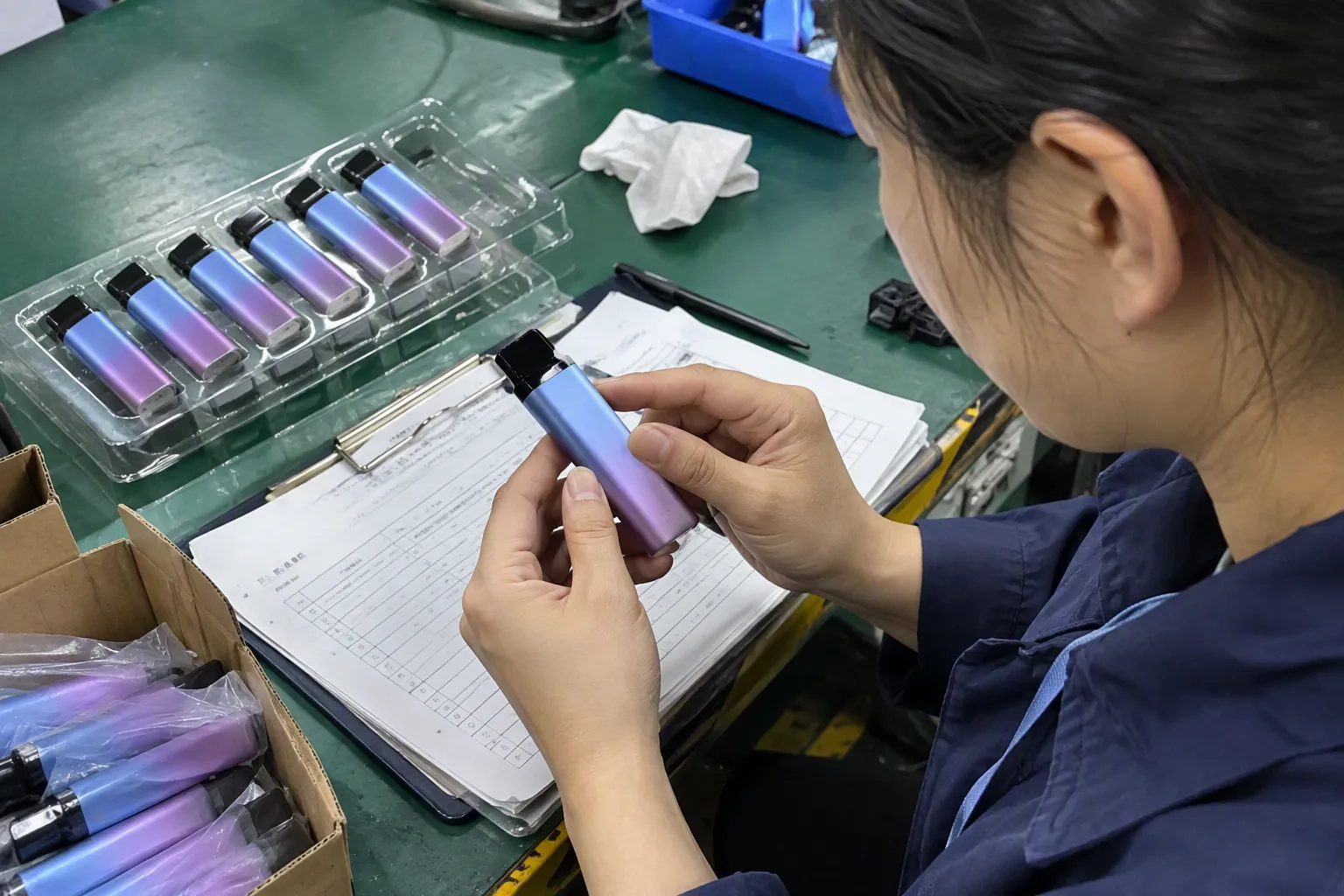
Start with the exact market, not a general region
“Europe” is not one retail market. “The United States” is not one retail market either. Rules can differ by country, state, province, city, and sometimes by the type of business selling the product.[1] A buyer may operate in a tourist town, a large city, a border region, or a local neighborhood with very different shopper habits and retail restrictions.
In B2B sourcing conversations, I often see buyers ask whether a product is “allowed in Europe” or “popular in America.” Those questions are too broad for an ordering decision. A product may be available in one area but face different requirements elsewhere. The retail environment may also change after new rules, tax changes, enforcement priorities, or distributor policies.
Before reviewing e cigarette brands and flavors, I suggest that buyers define the market in writing:
- Country and region: Where will the product be imported, stored, and sold?
- State, province, or city: Are there additional local restrictions?
- Retail channel: Will the product go to vape shops, smoke shops, gas stations, convenience stores, or wholesalers?
- Customer type: Are customers experienced users, occasional adult buyers, or tourists?
- Product format: Does the local market allow the specific category, nicotine format, packaging, and labeling?
- Tax and registration process: Does the buyer need tax stamps, product registration, reporting, or retailer licensing?
- Age-restricted retail controls: Can the store meet its local age-verification and display obligations?
I can help buyers understand sourcing variables such as MOQ, lead time, packaging options, available inventory, and shipment planning. However, I do not present myself as a legal or regulatory authority. Buyers should verify current requirements with qualified local compliance, legal, tax, customs, and licensing professionals before placing an order.
Supplier availability is not store eligibility
A common procurement mistake happens when a buyer sees a large catalog and treats every listed item as a ready-to-sell store product. In reality, a supplier may be able to source a product, but the buyer still needs to confirm whether that product can be imported, distributed, advertised, labeled, and sold in the intended location.
This distinction is especially important for e cigarette brands and flavors because product rules can involve more than the device itself. Buyers may need to review:
- Product format and capacity limits where applicable[3]
- Nicotine-related rules and local restrictions[4]
- Ingredient or emission disclosures where required[5]
- Packaging and warning-label requirements[6]
- Language requirements for the destination market[7]
- Product registration, notification, or authorization requirements[8]
- Tax treatment and excise obligations
- Retail licensing rules
- Restrictions related to flavor categories or product names
- Rules for online, delivery, wholesale, or physical-store sales
A buyer should also ask whether the product packaging is appropriate for the local channel. For example, a vape shop may have trained staff who can explain product categories to adult customers. A convenience store or gas station often needs products with simpler shelf logic, clear inventory coding, and faster staff handling. That does not mean one channel is better than another. It means each channel has different operational limits.
Compare store channels before choosing e cigarette brands and flavors
The same product mix does not work equally well across every store type. I encourage wholesale buyers to think about the daily reality of the stores they supply. A specialty vape retailer, a smoke shop, and a convenience-store counter may all sell age-restricted products, but their shelf space, customer conversations, ordering patterns, and product knowledge can be very different.
| Retail channel | Typical assortment approach | Main purchasing concern | Inventory risk to watch |
|---|---|---|---|
| Vape shop | More specialized and deeper category selection | Product knowledge, repeat availability, category depth | Too many similar SKUs creating slow movement |
| Smoke shop | Mixed assortment across vaping and smoking accessories | Cross-category buying, display space, supplier reliability | Overlapping products with unclear demand |
| Convenience store | Smaller, simpler, easier-to-manage selection | Fast replenishment, clear SKU control, staff simplicity | Slow stock tying up limited counter space |
| Gas station | Tight assortment and operational simplicity | Reliable restocking, compact assortment, store compliance | Complex products creating staff and stock errors |
| Regional wholesaler | Assortment designed for multiple retail clients | Stable supply, margin structure, after-sales coordination | Buying too deeply before confirming local sell-through |
For vape shops and smoke shops, buyers may have more room to test a controlled range of products. These stores may also have staff who understand the category better and can handle more detailed questions from adult customers. However, more assortment does not automatically mean more profit. A buyer can still create a confusing shelf by stocking too many near-identical options.
For convenience stores and gas stations, the operational question is often simpler: Can store staff handle this SKU easily, and can the distributor replenish it consistently? These channels may benefit from a more disciplined assortment instead of a wide catalog. The buyer should prioritize products that fit the local rules, have understandable packaging, and do not create unnecessary after-sales workload.
Popularity should be tested against cash-flow risk
Many buyers want to know which e cigarette brands and flavors are “hot.” I understand why. Importers and wholesalers need products that move, create repeat orders, and protect cash flow. Still, I do not recommend treating online attention or another market’s shelf mix as proof of local demand.
A product can appear popular for several reasons:
- It has strong visibility in a different country.
- It is discussed online but not widely supported by local retailers.
- It is available through unofficial channels rather than stable distribution.
- It has temporary attention but weak repeat purchasing.
- It is being sold in a channel that does not match your own store network.
- It is inexpensive to buy but expensive to support after sale.
- It is difficult to replenish with consistent packaging or specifications.
In recurring discussions with wholesale and retail buyers, the strongest purchasing decisions usually come from a simple question: What happens after the first order?
A buyer should not only ask whether a product may sell this month. The buyer should ask:
- Can I reorder the same SKU reliably?
- Will the packaging remain consistent?
- Can I identify the batch and supplier source if a problem occurs?
- Can the product be supported if my retail customer reports an issue?
- Will my local stores understand where the item fits on their shelves?
- Can my cash flow survive if this inventory moves slower than expected?
- Does the supplier have normal inventory, a realistic production timeline, or a clear MOQ?
- Do I have a plan if a local rule changes before the stock is sold?
This is where a one-stop sourcing partner can help, but only when the buyer uses the partner correctly. At Shenzhen Kingfuji Tech. Co., Ltd., I work with buyers who need multi-brand sourcing, self-owned product options, OEM/ODM support, accessories, and shipment coordination. My role is to help simplify sourcing and after-sales communication. The buyer still needs to make the final local market and compliance decision.
Use a controlled assortment test instead of a large speculative order
For many small and medium B2B buyers, the safest first step is not a huge purchase. It is a controlled assortment plan. This does not mean guessing. It means setting clear limits, watching replenishment signals, and avoiding unnecessary stock pressure.
A practical initial review can include the following:
1. Build a legal-and-channel filter
Create a list of every product category you are considering. Then remove any item that you cannot confirm is appropriate for your specific market and retail channel.
Your filter should include:
| Evaluation point | Buyer question |
|---|---|
| Local eligibility | Can this product category be legally imported and sold in my target location? |
| Packaging | Does the packaging meet local language, warning, and labeling expectations? |
| Channel fit | Is this suitable for a vape shop, smoke shop, convenience store, or gas station? |
| Product support | Can my team and retail customers manage basic product questions and after-sales issues? |
| Reorder security | Can the supplier provide a realistic replenishment plan? |
| Cash-flow impact | How much capital will remain tied up if the SKU turns slowly? |
2. Separate fast-turning needs from discovery stock
A wholesaler should not use the same buying logic for every SKU. Some items are intended to support regular replenishment. Others are exploratory products that need a smaller test quantity.
For example, a buyer may divide the order into:
- Core replenishment stock: Products with established local demand and reliable repeat ordering.
- Channel-specific stock: Products selected for a particular store format or customer group.
- Limited test stock: A smaller group of products evaluated carefully before wider distribution.
- Accessory stock: Compatible items, such as batteries, atomizers, grinders, glass pipes, or other smoking-related accessories, subject to local requirements.
- OEM or private-label development: Products that require more planning, packaging review, quality review, and market validation.
This structure can protect working capital. It also gives the buyer better information for the next order. Instead of saying, “This product did not sell,” the buyer can review why it did not move. Was it the price? The channel? The packaging? A local compliance issue? Lack of retailer training? Poor availability? A mismatch between product and customer?
3. Plan after-sales before the goods arrive
After-sales is often ignored during the excitement of a new product launch. Yet after-sales can affect whether a retailer reorders from a wholesaler. A product issue can become expensive when the importer, supplier, retailer, and end customer all have different expectations.
I recommend that B2B buyers agree on the process before shipment:
- Who receives the first product-quality complaint?
- What photos, videos, batch details, or purchase records are needed?
- How will the wholesaler separate a possible product issue from incorrect use or handling?
- What is the supplier’s written after-sales process?
- What replacement, credit, or investigation process is available, if any?
- How will the buyer communicate with retail customers without making unsupported claims?
At Kingfuji, we aim to provide one point of contact for the products that buyers source through us, rather than asking them to chase multiple brands and factories for every issue. Buyers should still review the exact after-sales terms for each order and product category.
Replenishment matters more than a large first order
A product range can look attractive on a quotation sheet but become difficult if replenishment is unstable. For importers, a delayed reorder can mean empty shelves, lost retail accounts, and pressure on cash flow. For smaller buyers, a large advance purchase can create the opposite problem: too much money tied up in products that cannot move quickly.
Different sourcing models can fit different buyer situations.
| Buyer profile | Potential sourcing approach | Main benefit | Main review point |
|---|---|---|---|
| Small retailer or small wholesaler in Europe | Available European warehouse stock, where suitable and subject to verification | Lower MOQ and faster regional delivery options | Confirm local eligibility and current stock before payment |
| Regional distributor | Mixed stock order with controlled testing | Broader assortment without committing deeply to every SKU | Keep SKU count manageable |
| Larger importer or wholesaler | Direct China import with planned volume | Better unit-cost potential and OEM/ODM options | Plan compliance, lead time, freight, customs, and inventory exposure |
| Private-label buyer | OEM/ODM development | Brand differentiation and more control over product presentation | Allow time for development, quality review, packaging, and local requirements |
Our European warehouse network can be useful for eligible small and medium buyers who need lower starting quantities and faster delivery within Europe. Based on our operating model, some stock can ship through European logistics partners to EU destinations in a short delivery window. However, buyers should always confirm current inventory, destination coverage, shipping terms, and local obligations before ordering. A warehouse shipment does not remove the buyer’s responsibility to verify that the product is appropriate for the destination market.
For larger importers, direct sourcing from China may provide stronger pricing flexibility, wider sourcing options, and OEM/ODM opportunities. Shenzhen remains a major center for vaping-related manufacturing, components, packaging, and logistics. My factory and supply network can support buyers who need both own-brand development and multi-brand purchasing. Still, a larger import order requires stronger planning. The buyer should consider lead time, product review, documentation, shipping route, customs process, local tax, storage, and the cost of holding inventory.
A practical buyer checklist before selecting store products
Before I recommend that a buyer moves forward with any e cigarette brands and flavors, I suggest reviewing this checklist with their local team:
- [ ] I have identified the exact country, state/province, and city where products will be sold.
- [ ] I have checked current local requirements through qualified sources.
- [ ] I understand the difference between supplier availability and retail eligibility.
- [ ] I know whether the assortment is for vape shops, smoke shops, convenience stores, gas stations, or wholesale clients.
- [ ] I have limited the first order to a manageable SKU count.
- [ ] I have considered shelf space, staff handling, and customer questions.
- [ ] I have a replenishment plan for core products.
- [ ] I have reviewed MOQ, production time, inventory status, and shipping options.
- [ ] I have agreed on an after-sales process before shipment.
- [ ] I have calculated the cash-flow impact if some stock moves slowly.
- [ ] I have separated short-term testing from long-term assortment planning.
This process may feel slower than copying a competitor’s product list. In practice, it can save time and capital. It helps buyers avoid ordering products simply because they are visible elsewhere. It also helps suppliers give more useful quotations because the buyer has defined their actual market need.
Frequently Asked Questions
Can I sell any e-cigarette brands and flavors that a supplier offers?

No. A supplier’s catalog shows what may be available for sourcing. It does not confirm that every product is legally importable, sellable, properly labeled, or suitable for your local retail channel. You should verify current local requirements before placing an order.
Are vape shops better than convenience stores for a wider e-cigarette assortment?
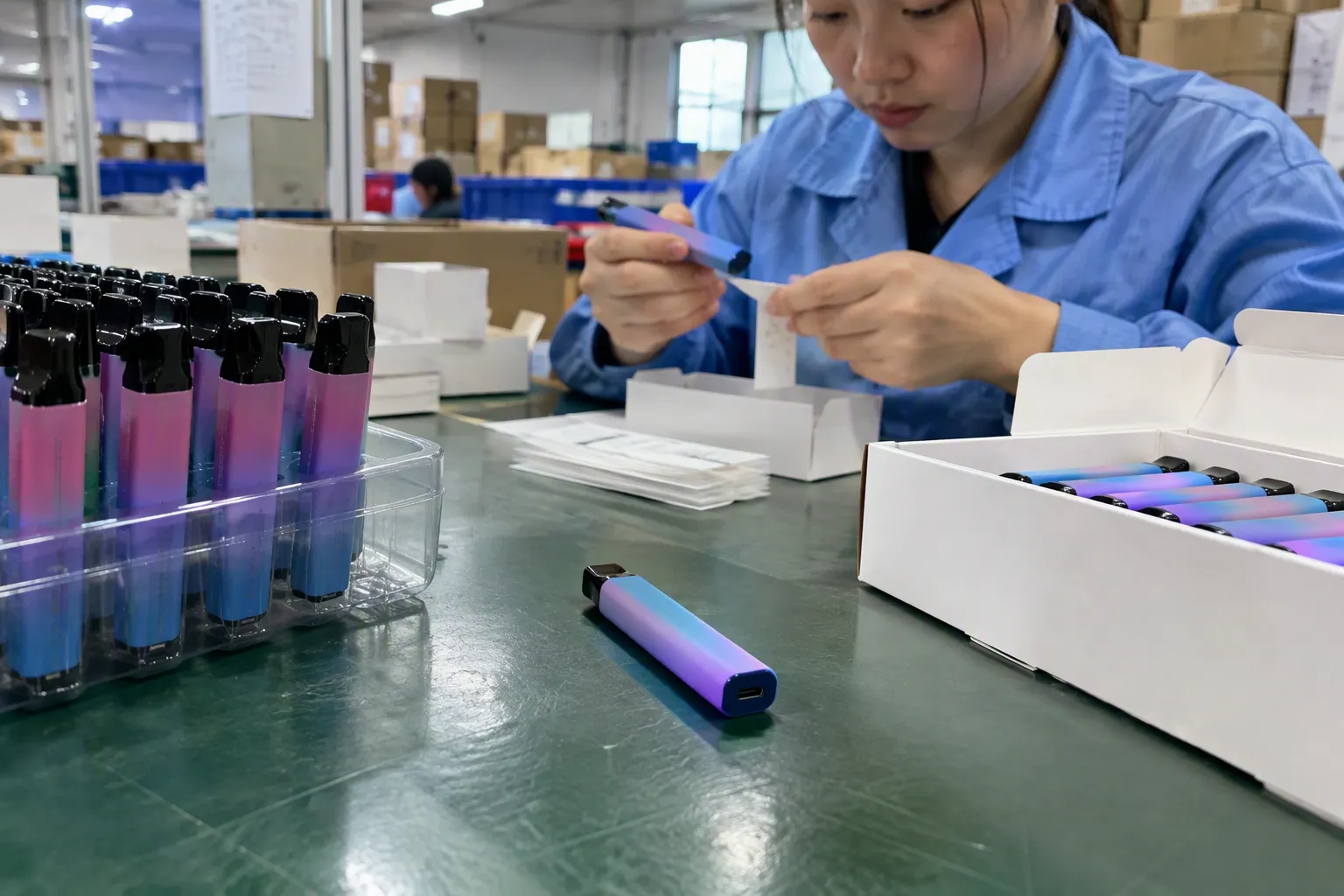
Vape shops can often manage a deeper and more specialized assortment because staff and customers may have more category knowledge. Convenience stores usually need simpler SKU management and faster-turning stock. The right choice depends on local rules, shelf space, staff capacity, and your store customers.
Should I copy e cigarette brands and flavors from stores in another country?
I would not recommend copying another market without review. Local rules, customer preferences, tax treatment, retail channels, and replenishment conditions can differ significantly. Use another market only as a discussion point, then validate whether the assortment fits your own location.
How can a small European wholesaler reduce inventory risk?
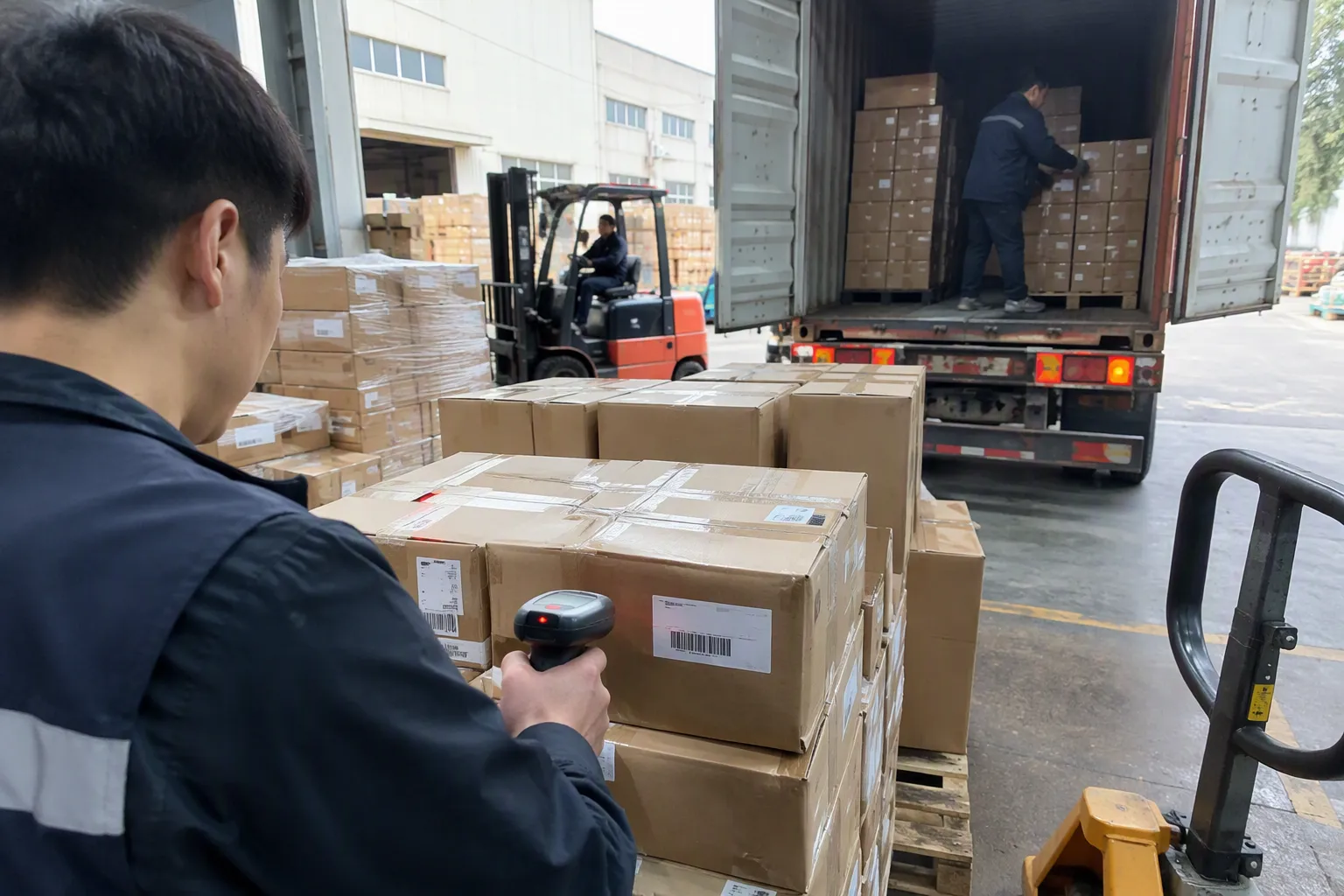
A small wholesaler can begin with a controlled SKU range, confirm local eligibility, and use available regional warehouse stock where appropriate. Lower starting quantities can reduce capital pressure, but buyers should still confirm current inventory, shipping terms, and compliance responsibilities.
When does OEM or ODM make sense for an importer?
OEM or ODM can make sense when an importer has a clear target market, sufficient expected volume, a defined brand plan, and time for product development and packaging review. Buyers should also verify that the final product and labeling meet the requirements of their intended market.
Conclusion
The best answer to “what e cigarette brands and flavors are sold on stores?” is not a universal list. It is a local procurement decision based on current rules, store channel, shelf complexity, replenishment reliability, after-sales planning, and cash-flow risk. I help importers, wholesalers, vape shops, smoke shops, and convenience-store suppliers review sourcing options from Shenzhen, including multi-brand supply, accessories, European warehouse stock, and OEM/ODM projects. Contact me at info@kingvapecig.com to discuss your target market and build a more practical assortment plan.
Sources
- Regulation of Electronic Cigarette Use in Public and Private ...", World Health Organization and public-health regulatory overviews document that electronic nicotine-delivery-system controls vary substantially by jurisdiction, including restrictions governing sale, product characteristics, marketing, and use
- Premarket Tobacco Product Marketing Granted Orders", Regulatory authorities such as the U.S. Food and Drug Administration explain that a tobacco product's commercial availability does not itself establish lawful marketing status; applicable premarket authorization and other requirements may apply
- Emerging Electronic Cigarette Policies in European Member ...", Article 20 of the EU Tobacco Products Directive provides product rules for electronic cigarettes, including a maximum 10 mL volume for nicotine-containing refill containers and a maximum 2 mL capacity for tanks and cartridges
- Regulation of e-cigarettes - World Health Organization (WHO)", The EU Tobacco Products Directive limits the nicotine concentration of nicotine-containing electronic cigarettes and refill containers to 20 mg/mL, illustrating that nicotine content can be regulated as a product characteristic
- Harmful and Potentially Harmful Constituents (HPHCs)", Under the EU Tobacco Products Directive framework, manufacturers and importers of electronic cigarettes must submit product information that includes ingredients and, where applicable, emissions information before placing products on the market
- Cigarette Labeling and Health Warning Requirements", Government tobacco-product regulations, including EU and U.S. rules, prescribe warning statements for covered nicotine-containing electronic-cigarette products and associated packaging or advertising
- Approaches to Transposing the European Union Tobacco ...", The EU Tobacco Products Directive permits Member States to require that mandatory information on tobacco and related products be provided in one or more official languages of the Member State in which the product is placed on the market
- Premarket Tobacco Product Applications", EU and U.S. regulatory systems use premarket product-control mechanisms for electronic cigarettes: the EU framework requires product notifications, while the FDA requires appropriate marketing authorization for new tobacco products before lawful marketing