Quick Answer
A vape atomizer wholesale quality checklist matters because a working sample can create false confidence. One unit may fit, fire, and look acceptable, while the production batch later shows leaking, inconsistent resistance, poor thread fit, cosmetic variation, or assembly problems. I recommend using a checklist that controls the full batch, not only the sample.
A vape atomizer wholesale quality checklist should define the approved product specification, compatibility requirements, inspection method, defect standards, batch evidence, and after-sales responsibility. It should cover materials, threading, seals, assembly, resistance where relevant, airflow, leakage risk, finish, packaging, and corrective action. A single working sample is useful, but it cannot prove that every delivered atomizer will match the approved standard.[1]
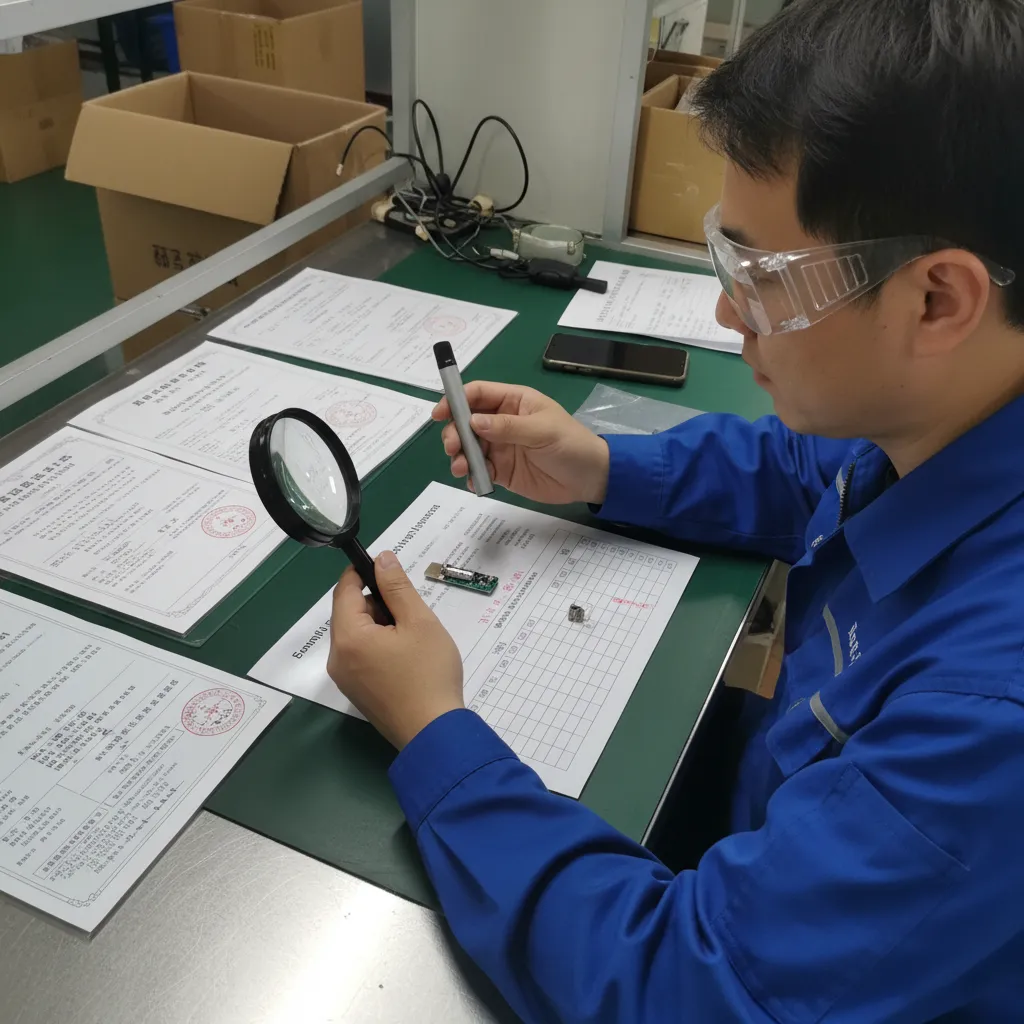
For importers, distributors, and vape wholesalers, quality is not simply a technical issue. It affects margin, store relationships, repeat orders, replacement costs, and cash flow. I have learned through production, quality control, product development, and after-sales handling that the best time to define quality expectations is before production and shipment.
Why Should a Vape Atomizer Wholesale Quality Checklist Not Ask Only Whether One Sample Works?
A single sample can look convincing, especially when a buyer needs to move quickly on a new product. However, the risk starts when the approved sample becomes the only quality reference. If the supplier cannot explain how the same details will be controlled across the batch, the buyer may receive inventory that is difficult to sell or support.
A vape atomizer wholesale quality checklist should not ask only whether one sample works because wholesale quality depends on repeatability across the entire order. Buyers should confirm the approved specification, production controls, inspection scope, sampling method, defect definitions, evidence requirements, and corrective-action process before goods are released for shipment.
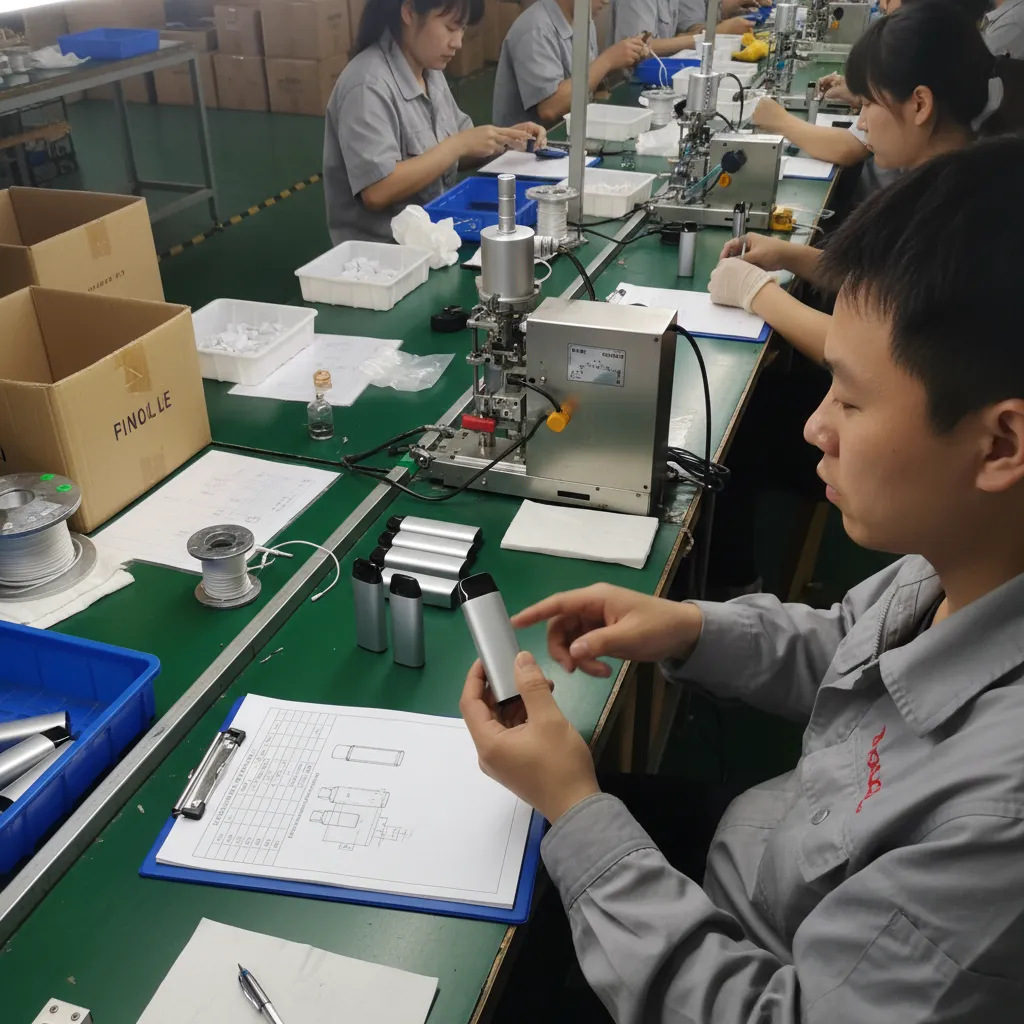
In my work, I treat a sample as the starting point, not the final proof of quality. A sample helps a buyer confirm the design direction, feel, fit, and intended use. The production order still needs its own control plan because materials, assembly staff, components, packaging, and production conditions can all affect the finished result.[2]
A Working Sample Is Not a Production Standard
One approved atomizer may be assembled carefully by an experienced technician. It may use parts selected from an early batch. It may be cleaned, checked, and packed with more attention than a normal production unit. That does not mean the same result will automatically be reproduced thousands of times.
A practical vape atomizer wholesale quality checklist turns the sample into a documented standard. Instead of saying, “The sample is good,” the buyer and supplier should describe what “good” means in measurable or observable terms.
For example, the approval record can clarify:
- The atomizer model, version, color, and finish
- The intended device or battery interface
- The thread type or connection standard
- The approved dimensions where fit is critical
- The tank, chamber, mouthpiece, or cartridge material
- The seal and O-ring configuration
- The coil or heating-element specification where applicable
- The stated resistance range, if resistance applies to the design
- Airflow behavior and adjustment function, if included
- Expected assembly condition and cleanliness
- Cosmetic acceptance criteria
- Packaging format, labels, and quantity per carton
A buyer does not need to become a factory engineer to ask these questions. The buyer needs a clear purchasing record that makes it easier to compare the delivered goods with the approved standard.
I find that vague approval creates vague responsibility. A documented approval gives both sides a clearer basis for inspection, discussion, and corrective action.
Start With the Atomizer Structure and Intended Application
Not all atomizers have the same quality risks. A basic 510-threaded atomizer, a refillable tank, a sub-ohm tank, a rebuildable atomizer, a CBD cartridge-style atomizer, and a disposable-vape component may look similar in a product catalog, but they should not be evaluated in exactly the same way.[3]
A useful vape atomizer wholesale quality checklist should begin with the actual product structure and the intended device or application. This step prevents buyers from using a generic inspection form that misses the real commercial risk.
For example, thread engagement may be a major concern for a 510-connected atomizer. A refillable tank may require more attention to sealing surfaces, fill ports, glass or plastic parts, and cap fit. A rebuildable model may require closer examination of deck machining, post screws, threading, insulation, and component alignment. A cartridge-style unit may place more emphasis on mouthpiece fit, reservoir integrity, connection stability, and compatibility with the intended battery.
| Product area | Buyer question | Why it matters commercially |
|---|---|---|
| Interface or thread | Does the atomizer fit the intended device correctly? | Poor fit can lead to returns, compatibility complaints, or unusable stock. |
| Seal system | Are O-rings, plugs, caps, and contact surfaces assembled correctly? | Weak seals can increase leakage complaints and replacement costs. |
| Heating element | Is the stated coil or resistance specification consistent where relevant? | Variation can affect expected performance and customer experience. |
| Airflow path | Does airflow operate as intended without obvious blockage or looseness? | Inconsistent airflow can make a product difficult for retailers to explain or sell. |
| Material and finish | Are visible materials, color, coating, and surface treatment consistent? | Cosmetic inconsistency can reduce perceived value and harm store confidence. |
| Assembly | Are parts aligned, tightened, and free from obvious damage? | Loose or misassembled parts can create immediate after-sales work. |
| Packaging | Does the packaging match the approved configuration and labeling needs? | Incorrect packaging can create inventory, channel, and compliance complications. |
I also recommend that buyers identify the intended user and sales channel. A product sold through a specialist vape shop may be evaluated differently from a product intended for a smoke shop, convenience retailer, or regional distributor. The technical requirements may overlap, but the tolerance for complicated use, assembly instructions, or frequent returns can be very different.
Define Critical-to-Quality Points Before Production
A buyer should not inspect every feature with equal priority. A strong vape atomizer wholesale quality checklist identifies the details that can stop the product from being sold, used, or accepted by the channel.
In production and after-sales handling, I commonly treat the following points as critical control areas, depending on the atomizer design:
-
Correct model and components
The delivered model should match the confirmed order. This includes the version, color, accessories, coil configuration, and packaging selection. A correct product in the wrong color, resistance, or package can still be commercially difficult to sell. -
Connection and fit
The thread, base, connector, or magnetic interface should be checked against the intended compatible device where applicable. Cross-threading, rough engagement, loose fit, or poor alignment can create a high volume of complaints even when the unit looks fine in a carton. -
Sealing and leakage-risk areas
Buyers should identify seals, tank joints, fill ports, caps, glass sections, and other points where liquid containment may be affected. No supplier should promise zero leakage in every condition, because handling, filling method, temperature, pressure, storage, and end-user behavior can affect results.[4] However, the supplier should explain what inspection is performed on relevant sealing and assembly points. -
Heating and electrical specification where applicable
If the atomizer includes a coil, heating element, or electrical contact, buyers should confirm the stated specification and the method used to verify it. Buyers should avoid assuming that a nominal resistance or compatibility statement applies identically to every unit without an agreed tolerance and test process.[5] -
Assembly condition
Buyers should examine whether key pieces are aligned and secured. Loose caps, damaged threads, uneven gaps, missing O-rings, crooked mouthpieces, or visibly poor assembly may seem minor at the factory, but they can become expensive once the goods reach retail shelves. -
Cosmetic consistency
Wholesale buyers often underestimate cosmetics. Scratches, inconsistent anodizing, poor printing, uneven coating, dents, residue, or mismatched colors may not stop an atomizer from functioning, but they can make stores reject stock or demand discounts.
A supplier should be able to state which points are checked during assembly, which points are checked before packing, and which points are checked through final inspection. If the answer is only “We check quality,” I would ask for more detail.
Agree on Acceptance Criteria, Not General Promises
The phrase “good quality” has little value unless both sides define it. A buyer may consider a minor scratch acceptable on bulk stock but reject a damaged thread. Another buyer may accept small packaging variation but require strict color consistency for branded retail displays.
This is why a vape atomizer wholesale quality checklist should include defect definitions. Buyers do not need to create an unrealistic standard. They need to separate issues that are critical, major, or minor for their own market and customers.
A simple framework can help.
| Defect category | Typical meaning | Example atomizer issues |
|---|---|---|
| Critical | The product may be unsafe, unusable, materially incorrect, or unsuitable for sale. | Wrong model, missing essential component, severe connection failure, visibly broken tank section. |
| Major | The product may function poorly, create a likely complaint, or fail buyer requirements. | Damaged threads, loose assembly, missing seal, obvious leakage-related assembly issue, incorrect finish. |
| Minor | The issue does not normally prevent use but may affect appearance or presentation. | Light surface mark, small packaging scuff, minor print variation within agreed tolerance. |
The exact classification must match the product and buyer’s commercial requirements. I would not present this table as a universal engineering or safety standard. It is a buying framework that helps the buyer and supplier speak clearly.
A buyer should also agree on the inspection method. Some buyers use their own quality-control team. Some use a third-party inspection company. Some rely on supplier inspection supported by photos and video. Each option has limits.
Photos can show color, packaging, labels, quantity, and visible assembly. Video can show selected functional checks or packing activity. Neither photos nor video prove every unit is correct.[6] They are evidence tools, not full-batch guarantees.
For higher-value or larger-volume orders, I recommend discussing a written sampling approach before shipment. The buyer should clarify:
- Who selects samples for inspection
- Whether cartons are chosen across the batch
- What quantity will be inspected
- Which checks are visual, dimensional, functional, or packaging-related
- Which defects trigger rework, replacement, sorting, or discussion
- Whether inspection occurs before final payment or before shipment release
- What evidence the supplier will provide
- Who pays for reinspection if the batch does not meet the agreed requirement
Separate Pre-Order Controls From Receiving Inspection
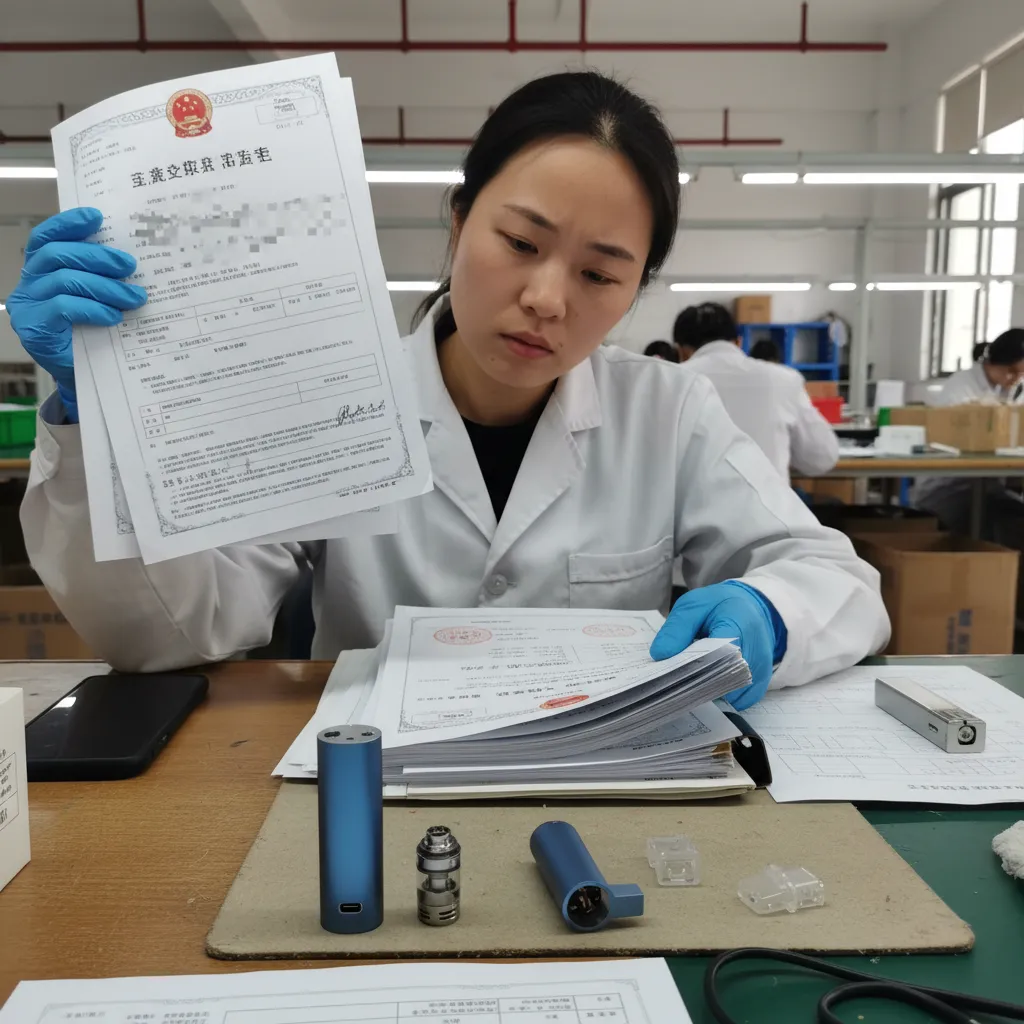
Many wholesale problems happen because buyers use inspection only after the goods arrive.[7] By that stage, the buyer may have already paid, shipped, cleared goods, and committed inventory to customers. The buyer still needs receiving inspection, but it should not be the first quality-control step.
A practical vape atomizer wholesale quality checklist has two stages: pre-order control and receiving inspection.
Pre-order controls
Before production or shipment, I recommend that buyers confirm:
- Product specification and version
- Approved sample or approved reference photos
- Compatible device or interface requirements
- Required accessories and spare parts
- Packaging configuration and carton quantity
- Inspection scope
- Defect definitions
- Sampling method, if agreed
- Photo or video evidence requirements
- Delivery timing and shipping arrangement
- Handling process for confirmed quality issues
This stage protects the buyer from misunderstandings. It also gives the supplier a chance to identify unclear details before they become a batch problem.
Receiving inspection
After arrival, the buyer should inspect goods before they are distributed to stores or resold to downstream wholesalers. The receiving inspection should focus on whether the delivered batch matches the order and approved reference.
A receiving check may include:
- Carton count and visible transit damage
- SKU, color, and model verification
- Packaging and labeling review
- Random physical inspection from different cartons
- Thread or interface fit checks on intended devices
- Assembly and cosmetic checks
- Checks of seals, caps, and visible components
- Functional checks where relevant and feasible
- Documentation of defects with clear photos, videos, carton numbers, and quantities
I recommend keeping a simple record. The record should include the order number, receiving date, inspected carton numbers, inspected quantity, observed issues, and supporting evidence. This helps the buyer identify whether a problem is isolated, carton-specific, or spread across the batch.
Build an After-Sales Process Before It Is Needed
A quality checklist should include what happens after a problem is found. This is not pessimistic. It is normal procurement planning.
For wholesalers, the biggest cost often comes after the products are delivered. A buyer may need to replace items for retail customers, issue credit to a store, spend staff time answering complaints, or hold inventory while investigating the problem. The direct value of defective units may be small compared with the cost of reputation and disruption.[8]
In my experience, a workable after-sales process should answer these questions:
-
What evidence is required?
The buyer and supplier should agree on practical evidence, such as photos, videos, batch labels, carton numbers, and quantity records. -
How quickly should the issue be reported?
Buyers should inspect promptly and report confirmed issues within the agreed period. Delayed reports become harder to investigate because goods may have been mixed, sold, stored differently, or used by end customers. -
How will the issue be evaluated?
The supplier should review whether the issue relates to production, transport, storage, compatibility, filling method, use conditions, or another cause. The buyer should avoid assuming every complaint has one cause without review. -
What corrective action is available?
The agreed response may include replacement units, credit on a future order, sorting support, rework where practical, or another mutually agreed solution. The right solution depends on the confirmed issue, order value, logistics position, and available evidence. -
How will the next batch be improved?
A good supplier should not only discuss compensation. The supplier should identify the process point that needs more control in future production, such as assembly checks, component screening, packaging protection, or final inspection.
For smaller buyers, especially those buying from an overseas warehouse, fast availability and low minimum order quantities can reduce inventory risk. However, the buyer should still use a clear checklist. A low-MOQ order is lower exposure, not zero exposure.
For larger importers and distributors buying directly from China, the value of defined controls becomes even greater. Large orders can offer stronger unit economics and more OEM or ODM possibilities, but they also concentrate more working capital into one batch. That makes specification control, batch evidence, and corrective-action terms more important.
Use the Checklist to Protect Margin and Channel Reputation
A vape atomizer wholesale quality checklist is not only for catching defects. It is a commercial tool. It helps a buyer reduce avoidable surprises and decide whether a supplier can support long-term distribution.
When a batch is inconsistent, the buyer may face several costs at the same time:
- Retailer complaints and loss of trust
- Returns and replacement shipments
- Staff time spent on sorting and customer service
- Inventory that cannot be sold at full value
- Discounting to move questionable stock
- Delayed cash recovery
- Difficulty placing repeat orders with confidence
- Damage to a private-label or distributor brand
For many importers, the most damaging issue is not the number of affected units. It is the uncertainty. If the buyer does not know whether the issue is limited to a few cartons or affects the whole batch, the buyer may pause sales. That pause ties up inventory and creates pressure throughout the channel.
I have seen that the most productive supplier conversations are specific. Buyers should ask: “Which components are controlled?” “How do you confirm correct assembly?” “What evidence can you provide before shipment?” “How are defects defined?” “What happens if receiving inspection finds a confirmed batch issue?”
These questions do not make a buyer difficult. They show that the buyer is managing a real business with real customers.
Frequently Asked Questions
What is the most important part of a vape atomizer wholesale quality checklist?
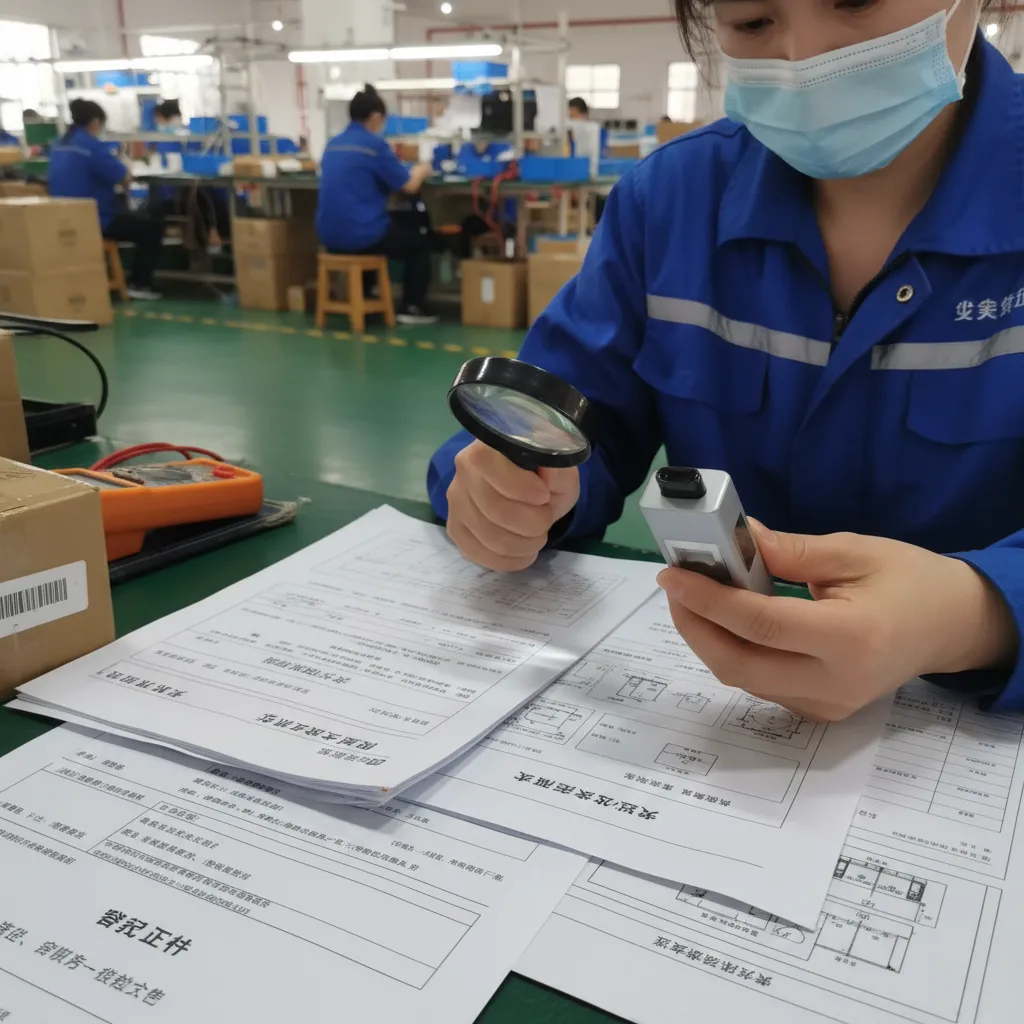
The most important part is defining what must remain consistent across the production batch. Buyers should document the approved model, connection type, sealing components, assembly standard, appearance, packaging, inspection scope, and defect-response process rather than relying only on a working sample.
Can a supplier video prove vape atomizer batch quality?
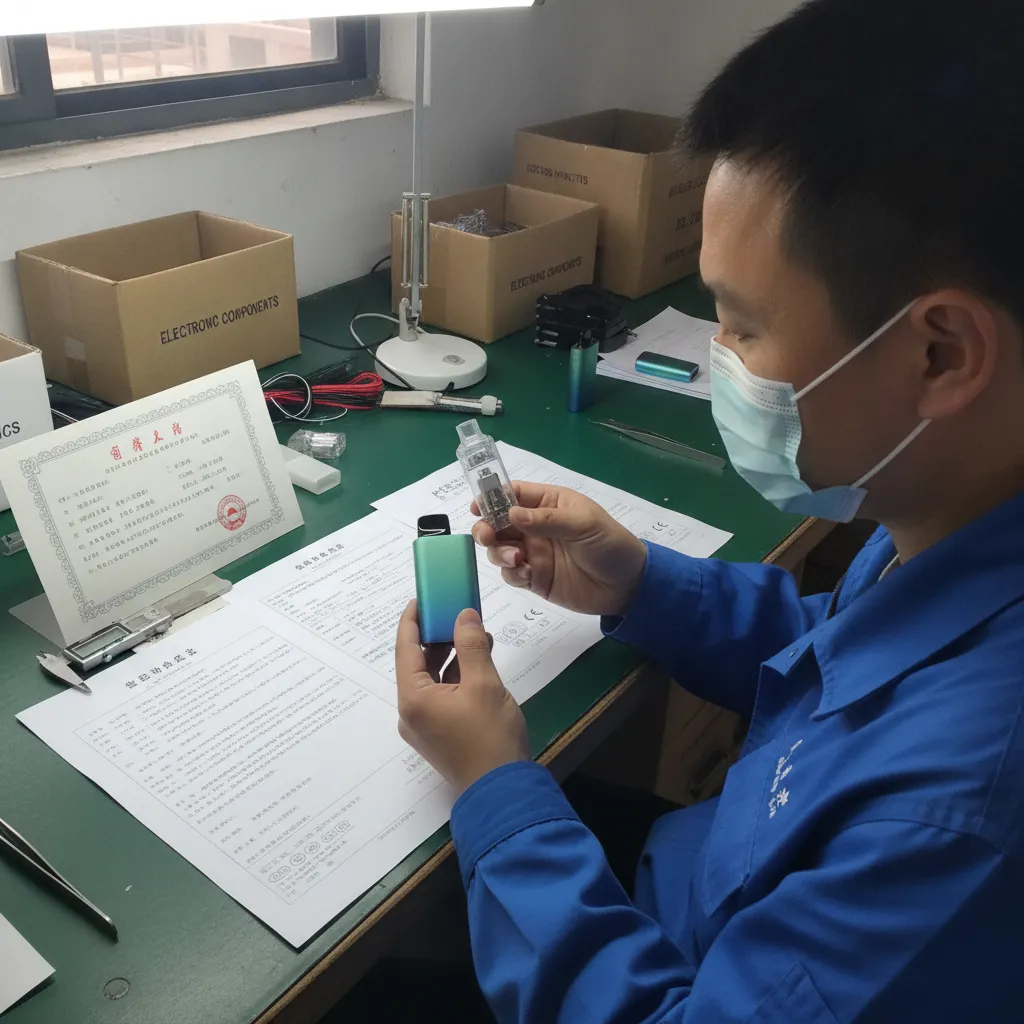
A supplier video can provide useful evidence of selected products, packing activity, appearance, or basic checks. However, a video cannot prove that every unit in a wholesale batch meets the same standard. Buyers should use videos together with agreed inspection criteria and receiving checks.
Should I test atomizer compatibility before placing a wholesale order?
Yes. Buyers should test compatibility with the intended device or battery where relevant. The buyer should confirm the exact interface, thread, version, and use case. Compatibility should be documented because similar-looking products may have important differences in fit or performance.
How should wholesalers handle vape atomizer quality complaints?
Wholesalers should record the order number, batch or carton reference, quantity affected, photos, videos, and a clear description of the issue. They should report the issue within the agreed period and ask the supplier to review the evidence and confirm the corrective-action process.
Are certifications enough to confirm atomizer wholesale quality?
No. Certifications and compliance documents may be important for a buyer’s market, but buyers should verify their relevance, validity, product coverage, and regulatory applicability separately. A document does not replace batch inspection, compatibility review, or an agreed quality-control process.
Conclusion
A strong vape atomizer wholesale quality checklist helps importers and distributors protect margin, working capital, and customer trust. I recommend treating an approved sample as a reference point, then defining how the supplier will reproduce the same requirements across the batch. Buyers should document specifications, inspect critical components, agree on evidence, separate pre-shipment and receiving checks, and clarify after-sales responsibility. If you need support evaluating atomizer sourcing, batch controls, OEM or ODM options, or flexible supply from China and European inventory, I welcome you to contact Shenzhen Kingfuji Tech. Co., Ltd.
Sources
- What kinds of Lot Acceptance Sampling Plans (LASPs) are there?", Acceptance-sampling guidance explains that conclusions about a production lot are drawn from inspected samples rather than from verification of every unit; therefore, approval of a single sample cannot establish conformance of an entire delivered batch
- Real-Time Monitoring and Control of Additive Manufacturing ... - NIST", Manufacturing process-control literature identifies variation in materials, methods, operators, equipment, and environmental conditions as potential sources of variation in finished output quality
- Analysis of the Elements and Metals in Multiple Generations ... - PMC", Public-health and technical descriptions of electronic nicotine-delivery systems distinguish cartridge-, tank-, and other device configurations, indicating that their components and relevant performance considerations differ by design
- [PDF] Elastomeric seals and materials at cryogenic temperatures", Engineering literature on sealed liquid systems recognizes that leakage behavior can be affected by pressure differentials, temperature changes, seal condition, assembly, and operating conditions; accordingly, a universal zero-leakage claim requires defined test conditions
- [PDF] Thermometry Issues in Destruction Kinetics Measurement June 9 ...", Electrical metrology and component-specification principles distinguish a nominal resistance value from an individual measured value and use stated tolerances and test methods to determine conformance
- ISO 23817:2026(en), Ships and marine technology — Ballast water ...", Inspection and conformity-assessment principles treat photographs and video as documentary evidence of observed items or activities, not as proof that every unobserved unit in a production lot conforms to requirements
- [PDF] Economic Impact of Inadequate Infrastructure for Supply Chain ...", Quality-management literature finds that identifying nonconformities later in a product's lifecycle generally increases the cost and complexity of containment and correction, supporting the use of controls before shipment as well as at receipt
- [PDF] The Economic Impacts of Inadequate Infrastructure for Software ...", Cost-of-quality frameworks recognize that product defects can generate indirect costs—including returns processing, customer-service work, lost goodwill, and operational disruption—beyond the direct cost of the defective item