Quick Answer
Southeast Asia Vape Regulations in 2026 create a serious sourcing problem for importers, wholesalers, vape shops, and convenience retailers. A product may appear commercially attractive, yet unclear import rules, labeling duties, customs treatment, or enforcement can leave buyers with delayed shipments and unsold inventory. I recommend a country-specific compliance review before any purchase order is confirmed.
Southeast Asia Vape Regulations in 2026 cannot be reduced to a simple legal or illegal answer. Buyers must separately verify whether a specific vape product may be manufactured, imported, possessed, stored, advertised, sold, and distributed through the intended channel. They should also confirm current official rules, required documents, labeling obligations, customs treatment, and enforcement conditions before committing funds.
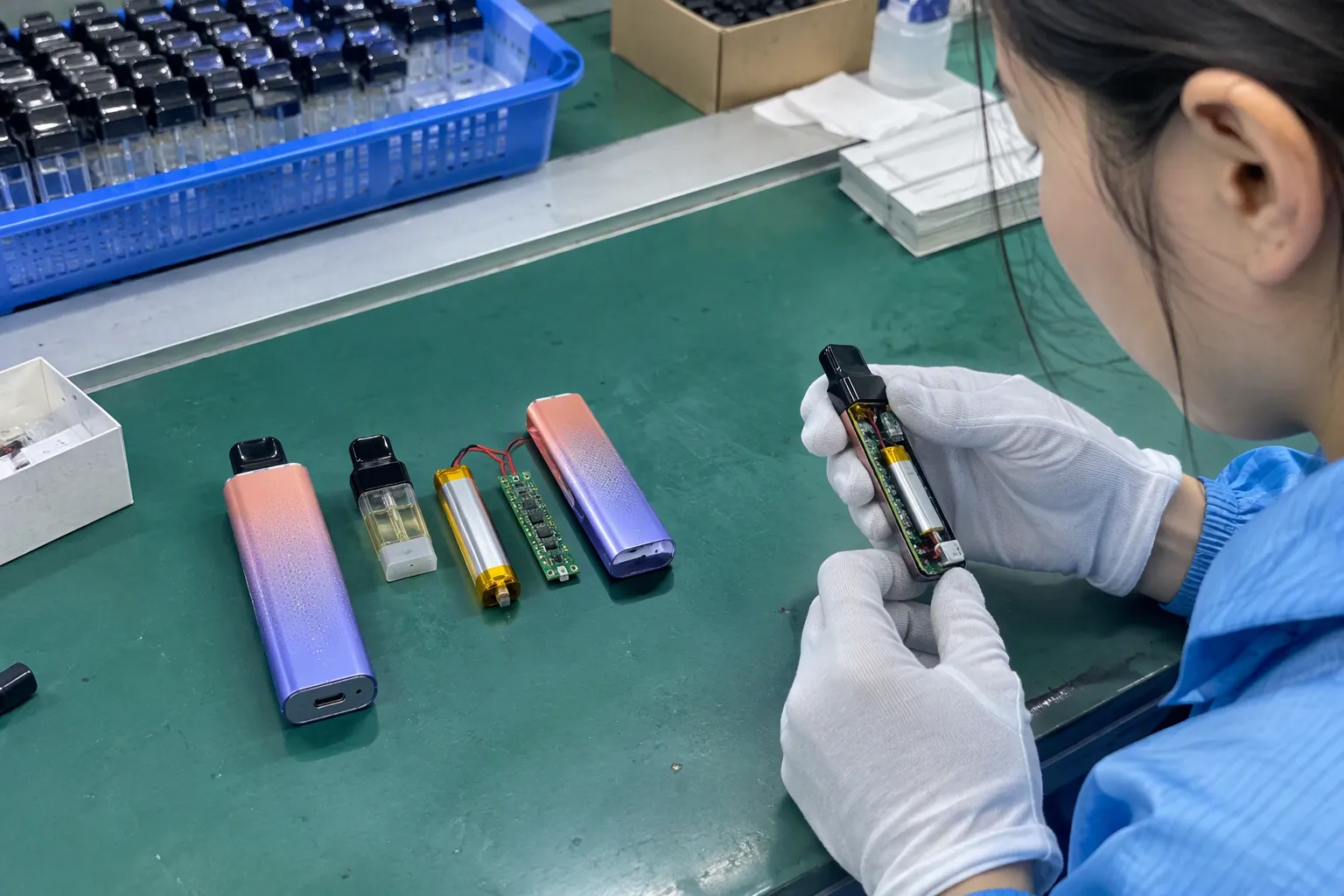
I work with electronic-cigarette manufacturing and export supply chains from Shenzhen, and Southeast Asian customers often ask questions that sound simple at first: “Can I import this product?” In practice, that question contains several different legal and commercial questions. I use the framework below to help buyers identify risk before they pay for goods.
Why should Southeast Asia Vape Regulations in 2026 not be treated as a simple legal-or-illegal list?
A short country list can create false confidence. One buyer may ask about retail sale, while another is actually concerned about customs clearance, online distribution, or private possession. These activities may not receive the same treatment under local law.[1] I therefore treat Southeast Asia Vape Regulations in 2026 as a product-and-activity assessment, not as a headline-based market map.
A vape may face different requirements for importation, manufacturing, possession, personal use, commercial sale, advertising, and online distribution. A buyer should verify each activity separately because permission in one area does not automatically create permission in another.
The practical answer
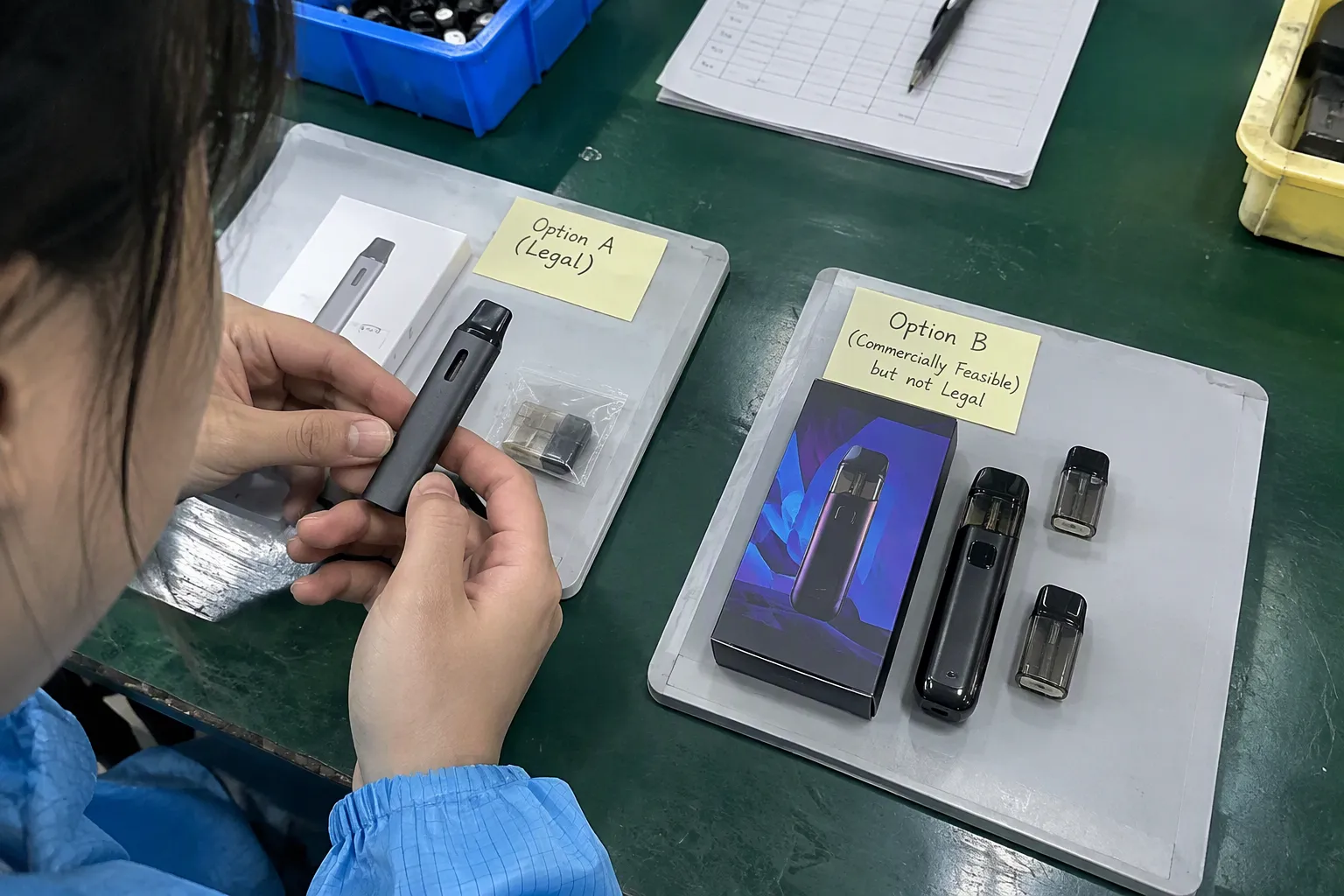
Importers should review the destination country, product category, formulation, nicotine content, packaging, intended sales channel, and shipment quantity together. They should confirm the current position through official government, customs, health, trade, and licensing sources. Media reports, supplier messages, and proposed policy changes can help identify questions, but they should not replace current legal verification.
Why the distinction matters
I have seen buyers discuss “legal vaping” as if it answered every procurement question. It does not. A country may have a visible market, but that observation does not prove that every imported disposable vape, refill, battery, atomizer, or nicotine formulation complies with local requirements.[4]
The buyer should separate at least these questions:
- Can the product enter the country?
- Can the importer clear it through customs?
- Can the importer legally store and distribute it?
- Can a retailer sell it to consumers?
- Can the retailer advertise it online or offline?
- Can the customer legally possess or use it?
- Does the product require registration, a license, approval, or notification?
- Does the packaging meet local language, health-warning, labeling, and child-safety requirements?
These questions may involve different authorities. Customs may focus on declarations and prohibited goods. A health authority may focus on nicotine, ingredients, safety, or product registration.[2] A trade or licensing authority may regulate importers and retailers. Local authorities may apply additional rules to shops, signage, advertising, or business operations.
Southeast Asia is not one regulatory market
Southeast Asia includes distinct jurisdictions with different laws, enforcement practices, product definitions, and administrative procedures.[3] I do not recommend using a rule from one country to predict the position in another country. I also do not recommend assuming that a regional distributor can move the same stock across borders without a separate review.
A buyer should create a file for each destination market. The file should record:
| Review area | Questions to verify before ordering |
|---|---|
| Product identity | Is the item a disposable vape, refillable device, pod, e-liquid, nicotine product, battery, atomizer, or accessory? |
| Formulation | Does it contain nicotine, CBD, THC, tobacco-derived material, or another controlled substance? |
| Quantity | Could the order be treated as commercial stock rather than personal goods? |
| Importer | Does the local company need an import license, registration, or product authorization? |
| Packaging | Are local-language labels, warnings, batch information, or manufacturer details required? |
| Customs | What tariff classification, declaration, invoice, and supporting documents are needed? |
| Sales channel | Will the goods move through a vape shop, smoke shop, convenience store, gas station, website, or wholesaler? |
| Advertising | Are promotional claims, social media posts, displays, or discounts restricted? |
| Enforcement | Are there current inspections, seizures, recalls, or local enforcement notices? |
| Commercial exposure | What happens if the shipment is delayed, rejected, seized, returned, or unsellable? |
This approach takes longer than reading a “best countries for vaping” article, but it gives the buyer a more useful purchasing decision.
Legal status and commercial feasibility are different
A product can be technically permitted under one interpretation and still be commercially unsuitable. For example, the importer may need documents that the supplier cannot provide quickly. A label may need redesigning. A shipment may require a local license. A retailer may not be allowed to advertise the product in the planned way. These issues can reduce sales even when the buyer believes the product itself is acceptable.
I also ask buyers to consider cash-flow risk. If a shipment takes two or three weeks longer than planned, the buyer may miss a seasonal sales window. If customs holds the goods for inspection, the buyer may still need to pay warehouse, transport, or handling costs. If the goods cannot be sold, the buyer may have inventory that produces no return.
The best compliance review therefore connects legal questions with procurement questions:
- What is the total landed cost?
- How long can the buyer wait before the stock becomes commercially irrelevant?
- Can the supplier separate production from shipment while documents are being checked?
- Can the order be divided into a smaller test quantity?
- Does the buyer have a written plan for non-conforming or rejected goods?
- Can the buyer legally return, destroy, relabel, or re-export the goods?
Why product category changes the assessment
“Vape product” is not always a sufficiently precise description. A buyer should identify the exact item before asking for a legal opinion. A rechargeable 510 battery, an empty glass atomizer, a nicotine disposable, a nicotine-free vaporizer, and a CBD battery may face different treatment.[5]
A basic product specification sheet should include:
- Product name and model number
- Intended use
- Battery type and capacity
- E-liquid volume, if applicable
- Nicotine content and nicotine source
- Ingredient information
- Packaging format
- Country of manufacture
- Manufacturer and responsible party
- Batch or lot identification
- Quantity per carton
- Product images
- Safety documents where relevant
- Proposed customs description
I do not advise buyers to change a product description simply to make customs treatment appear easier. The commercial invoice, packing list, product description, and actual goods should remain consistent and truthful. A short-term attempt to reduce scrutiny can create a larger problem if the declaration is challenged.
What my Shenzhen supply-chain experience can and cannot provide
My work in Shenzhen gives me practical experience with factory communication, export preparation, product documentation, packaging coordination, and conversations with Southeast Asian customers. I can help a buyer organize product information and identify questions that should be answered before production or shipment.
I cannot issue a local legal opinion for a destination country. I also cannot turn a supplier statement into proof that a product will clear customs. A responsible supplier should explain what documents are available, what the product contains, how it is packed, and what the production status is. The buyer still needs qualified local advice and confirmation from the relevant authorities.
When information is incomplete or changing, I mark it 待核验, meaning “to be verified.” I use that label for:
- A proposed law that has not taken effect
- A media report without an official notice
- A customer’s interpretation of a customs conversation
- An enforcement rumor
- A supplier claim without supporting documents
- A forecast about future regulation
- A rule that may vary by province, municipality, or port
That habit prevents a prediction from quietly becoming a purchasing assumption.
How to build a pre-order decision
I suggest using a simple traffic-light system:
Green: documented and confirmed
- The buyer has identified the exact product.
- The local importer has confirmed the applicable requirements.
- Required licenses or registrations are available.
- Labels and documents have been reviewed.
- Customs treatment has been checked.
- The sales channel is permitted.
- The buyer has a written contingency plan.
Amber: possible but still unverified
- The product may be allowed, but a document is missing.
- The authority has not confirmed a classification.
- Packaging requires review.
- The importer is waiting for a license or registration.
- Enforcement appears inconsistent.
- The buyer is relying on a forwarder’s informal opinion.
Red: do not place a normal commercial order yet
- The product may be prohibited.
- The buyer cannot identify the responsible importer.
- The product contains a controlled substance without clear authorization.
- The supplier refuses to provide basic product information.
- The planned declaration does not match the goods.
- The buyer has no plan for seizure, rejection, or unsold inventory.
I do not consider an amber assessment a reason to place a large order. A buyer can continue research, request documents, and use a small, legally appropriate validation step if local professionals advise that such a step is allowed. The buyer should not use a test order to bypass a restriction.
How inventory planning reduces regulatory exposure
Regulatory uncertainty and inventory risk are closely connected. A large order may offer a lower unit price, but the saving can disappear if a rule changes or a shipment remains at customs. Buyers should compare the unit-price advantage with the cost of slow turnover and potential loss.
| Procurement option | Potential benefit | Main risk to review |
|---|---|---|
| Large direct import | Lower unit cost and greater product choice | Higher exposure to customs, regulation, and unsold stock |
| Smaller commercial order | Lower initial cash commitment | Higher unit cost and possible freight inefficiency |
| Local authorized distribution | Potentially simpler documentation | Less control over price, stock, and product selection |
| Regional distribution | Faster replenishment in some cases | Cross-border rules may still apply |
| Overseas warehouse stock | Faster delivery and lower initial lead-time pressure | The buyer must still confirm that local sale and product status are permitted |
An overseas warehouse does not remove local compliance duties.[7] It may reduce transit time, but it does not automatically make a product legal to sell in the destination market. Buyers should confirm where the goods are located, who owns them, how the sale is documented, and whether local rules apply to the final movement.
Questions to send to a supplier before placing an order
I recommend sending written questions rather than relying only on a sales call:
- What is the exact product model and formulation?
- Does the product contain nicotine or another regulated substance?
- Can you provide a complete ingredient or material statement where applicable?
- What packaging and labeling versions are available?
- Which manufacturer appears on the documents?
- Can you provide batch, lot, or production information?
- What export documents can you issue?
- Can you provide product photos that match the actual shipment?
- What is the production lead time?
- What happens if the goods are defective or the order does not match the approved sample?
- Which party is responsible for local import compliance?
- Which claims are confirmed, and which remain 待核验?
A professional supplier should answer clearly without promising guaranteed customs clearance. I treat guarantees about customs, seizure, or regulatory approval as a warning sign because the final decision belongs to the relevant authority.
Managing quality alongside regulatory compliance
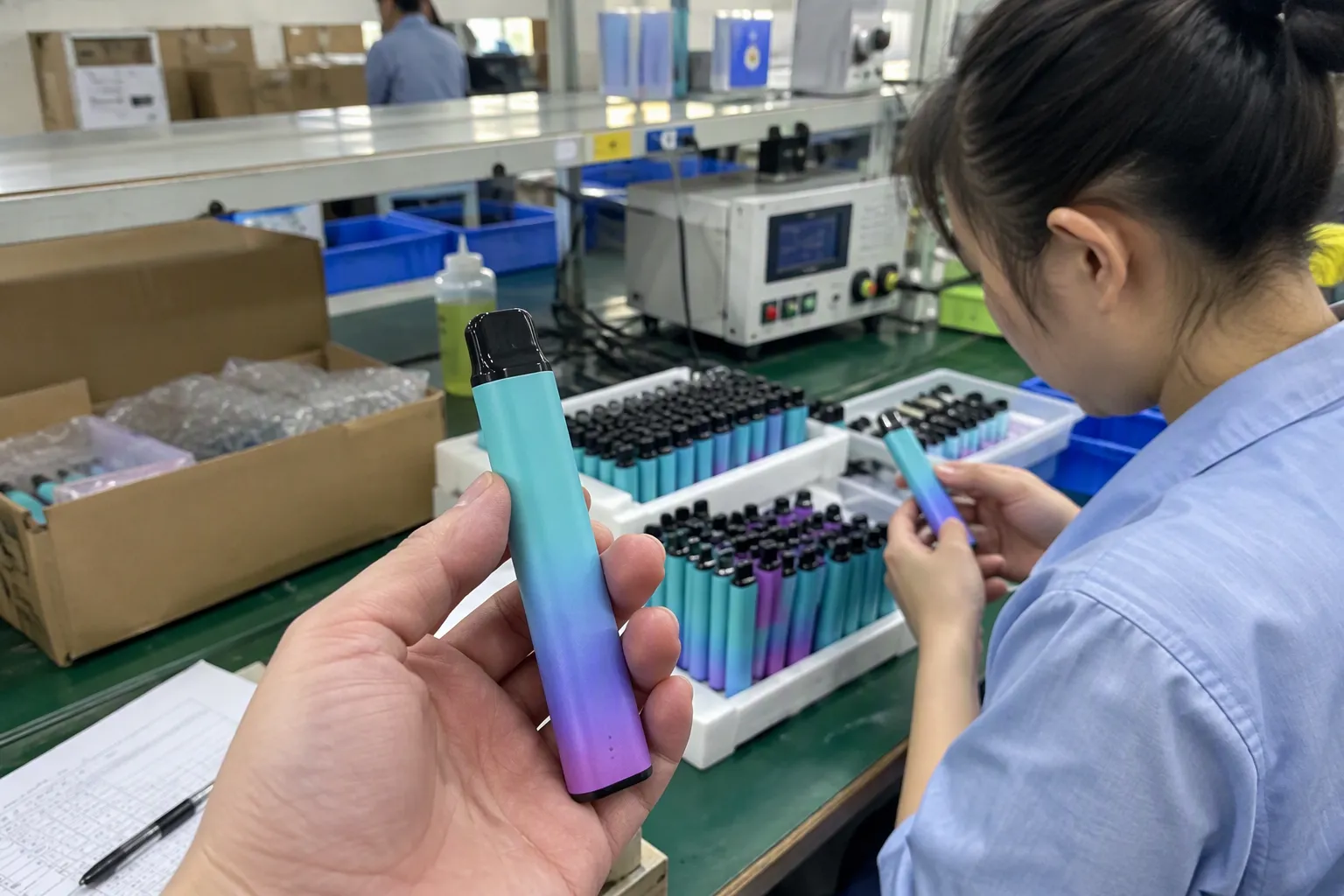
Compliance does not replace manufacturing quality control. A product can have the correct paperwork and still create customer complaints if the battery, coil, charging function, leak resistance, packaging, or device performance is inconsistent.
For a commercial purchase, I suggest that buyers define acceptance criteria before production. These criteria may cover:
- Approved sample reference
- Appearance and color tolerance
- Packaging artwork
- Quantity per carton
- Battery and charging behavior
- Device activation
- Leakage inspection
- E-liquid filling consistency
- Label information
- Barcode or batch coding
- Carton markings
- Defect reporting procedure
The buyer should ask how the supplier records inspections and handles defective goods. The exact inspection method should match the product and application. Qualified professionals can help determine which safety or technical tests are appropriate. Buyers should also verify any certificate, test report, or compliance document directly rather than relying on a logo printed in a catalog.
In my experience, written specifications reduce disagreements because the buyer and supplier can compare the delivered goods with an agreed reference. This is especially important when a product will be sold under a private label or distributed through several layers of wholesalers.
Advertising and retail conduct require separate attention
A buyer may focus on importation and forget the retail environment. Advertising, product claims, online listings, promotional displays, and age-restricted sales may have separate restrictions.[8] A product that reaches a warehouse may still create risk if a retailer markets it with unverified health claims or sells it through a channel that local rules restrict.
I recommend that retailers review:
- Product descriptions on websites and marketplaces
- Social media promotions
- Claims about safety, health, smoking cessation, or wellness
- Shop displays and exterior signage
- Age-verification procedures
- Sales records and invoices
- Staff training
- Customer complaint handling
- Recall or withdrawal procedures
I do not recommend using claims such as “safe,” “risk-free,” or “approved” unless the responsible authority and supporting documents clearly justify those words. Marketing language can create regulatory exposure even when the underlying product documentation is accurate.
A practical review process for small and large buyers
Small vape shops, smoke shops, convenience stores, and gas stations often need fast-moving inventory with limited cash exposure. Larger importers and distributors may need better unit economics, private-label development, and stable supply. Both groups need compliance, but their procurement controls can differ.
For a small buyer, I suggest:
- Start with the exact destination city and country.
- Confirm whether the local importer or wholesaler is authorized.
- Request product documents before payment.
- Avoid buying more stock than the business can sell within a reasonable period.
- Confirm who handles defects and product complaints.
- Keep invoices, product photos, labels, and shipment records.
For a mid-sized or large importer, I suggest adding:
- A formal supplier qualification process
- A country-specific legal review
- A product approval workflow
- Pre-shipment inspection
- Batch traceability
- Written incoterms and responsibility allocation
- A customs broker review
- A recall and withdrawal plan
- A documented change-control process
- A contingency plan for policy changes
The buyer should also review whether an OEM or ODM project creates additional responsibility. A private-label importer may become the party customers and authorities contact first. The buyer should understand who owns the brand, who is named on the packaging, who controls the artwork, and who handles post-sale complaints.
The most common purchasing mistakes
I see several recurring mistakes in cross-border vape sourcing:
Mistake one: relying on a country ranking.
A ranking may simplify a complex market and may not distinguish product categories or enforcement conditions.
Mistake two: confusing possession with commercial importation.
A traveler’s experience with one device does not prove that a commercial shipment is acceptable.
Mistake three: treating a forwarder’s experience as legal confirmation.
A forwarder may understand logistics, but the buyer should obtain qualified advice on product legality and importer obligations.
Mistake four: ordering before approving the label.
Packaging changes after production can create cost, delay, and stock problems.
Mistake five: using an old rule.
Rules, enforcement notices, and administrative procedures can change. The buyer should check the date and issuing authority.
Mistake six: assuming “nicotine-free” solves every issue.
Product classification may involve more than nicotine. The device, intended use, advertising, import route, and local definitions may also matter.
Mistake seven: purchasing a large quantity because the factory price is attractive.
A low unit price does not protect cash flow if the product cannot move through the intended channel.[6]
A decision matrix for a proposed shipment
Before I recommend moving from inquiry to order, I would ask the buyer to complete a written matrix:
| Decision point | Confirmed answer | Evidence needed |
|---|---|---|
| Destination | Country, port, and final sales area | Buyer registration and shipping plan |
| Product | Exact model and formulation | Specification sheet and approved sample |
| Legal status | Current treatment of the product and activity | Official source or qualified local opinion |
| Importer | Responsible local entity identified | License or registration records where required |
| Label | Packaging reviewed for the destination | Final artwork and authority guidance |
| Customs | Classification and documents reviewed | Broker or customs documentation |
| Sales channel | Intended channel is permitted | Local commercial and retail review |
| Quantity | Order size matches risk tolerance | Sales forecast and cash-flow plan |
| Quality | Acceptance criteria agreed | Inspection plan and contract |
| Contingency | Rejection, delay, or defect plan exists | Written supplier and buyer procedure |
If several boxes remain empty, I would delay the purchase rather than treat the missing information as a minor administrative detail. A delayed order can be frustrating, but an unmarketable shipment can be far more expensive.
How suppliers and buyers can communicate more responsibly
Clear communication protects both sides. I encourage buyers to state the destination country, intended channel, product category, and required delivery timeline at the beginning. I encourage suppliers to respond with confirmed facts, available documents, production details, and clear limitations.
A responsible commercial conversation should distinguish:
- Confirmed: supported by a current official document or agreed technical record
- Available: a document or product option exists, but the buyer must confirm local acceptance
- Pending: a question has been sent to an authority, broker, or qualified adviser
- 待核验: information is reported or expected but has not been verified
- Not available: the supplier cannot provide the requested document or feature
This vocabulary helps prevent a buyer from interpreting “we usually ship this way” as “your shipment is legally guaranteed.” Supply-chain experience is useful, but it is not a substitute for local legal evaluation.
I also recommend keeping a written record of the review. The record should include the date of each check because a rule that is correct today may not remain correct later in 2026. The buyer can then explain why the order was approved and identify what must be checked again before the next shipment.
Frequently Asked Questions
Are vapes legal everywhere in Southeast Asia in 2026?
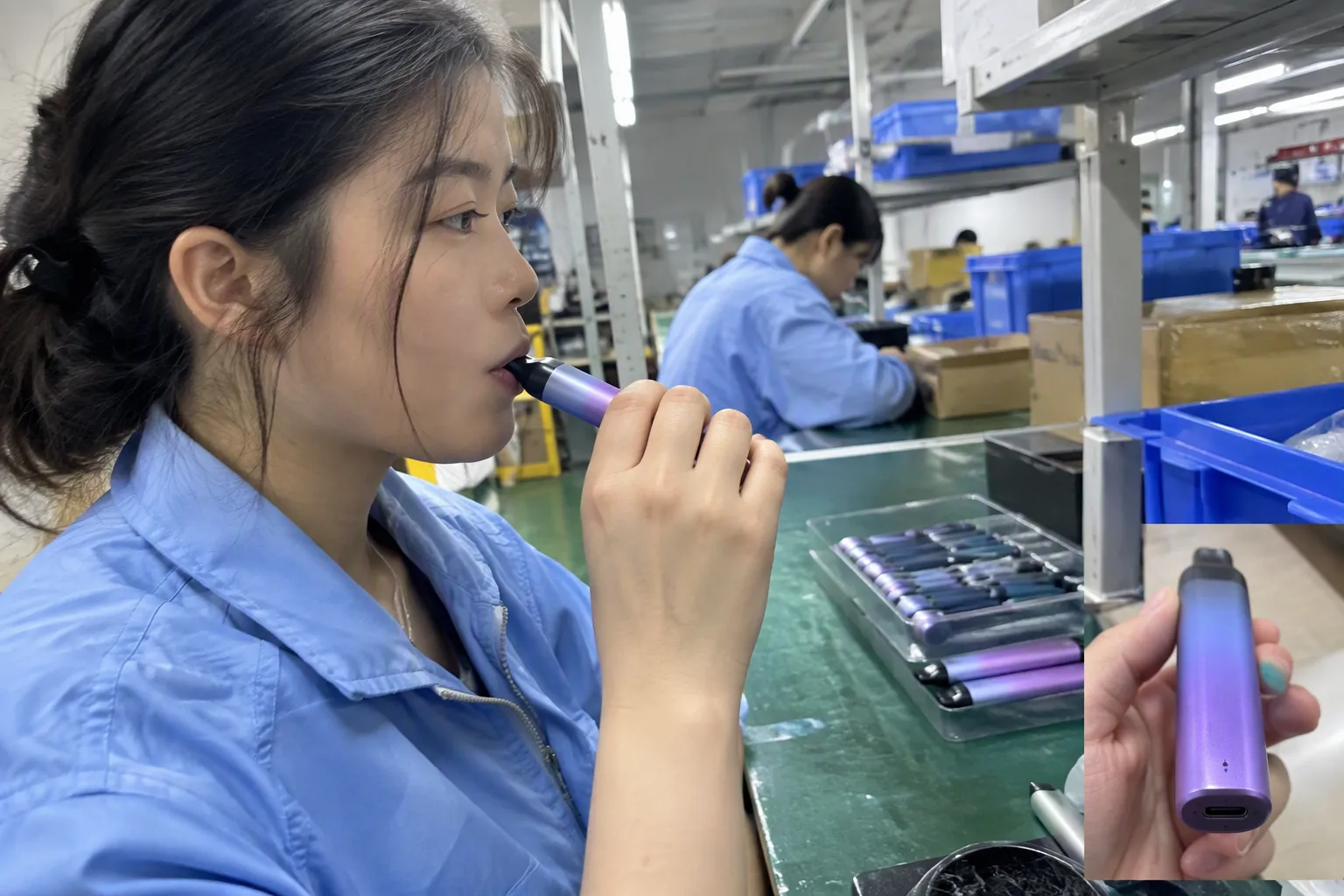
No. Southeast Asia contains separate national jurisdictions, and each may treat vaping products differently. The buyer must check the specific product, formulation, activity, sales channel, and current enforcement position in the destination country. A regional assumption is not a reliable basis for commercial importing.
Does legal retail sale mean that commercial importation is allowed?
No. Importation may require separate licenses, registrations, declarations, labels, or approvals. A retailer should confirm that the product can legally enter the country and be released by customs before assuming that it can be sold in a shop or online.
Can a freight forwarder guarantee customs clearance for a vape shipment?
No responsible supplier or forwarder should guarantee an authority’s decision. A forwarder can provide logistics guidance and may identify document requirements, but the buyer remains responsible for confirming local legality, importer obligations, product classification, and the accuracy of the shipment declaration.
What documents should a vape importer request before ordering?
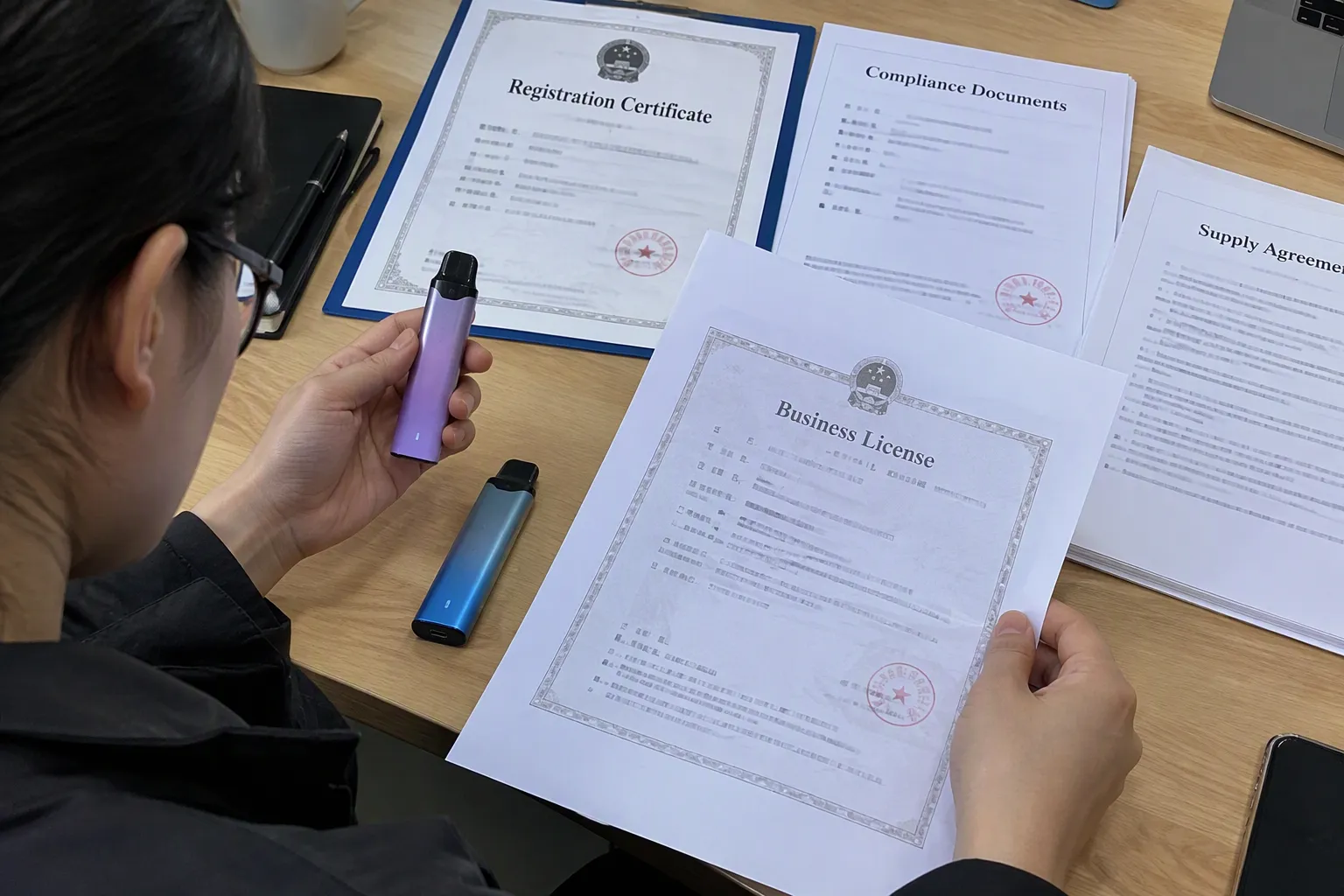
The importer should request an exact product specification, formulation or material information where applicable, packaging artwork, manufacturer details, commercial documents, batch information, and relevant test or certification documents. The buyer should verify whether local authorities accept those documents and should not rely on unsupported certificates or catalog claims.
Is a small test order always safer?
A small order can reduce financial exposure, but it does not make a prohibited product acceptable. The buyer should first confirm that the proposed test shipment is legally permitted. A smaller quantity may reduce inventory risk, but it cannot replace product classification, importer, customs, labeling, and sales-channel verification.
Conclusion
Southeast Asia Vape Regulations in 2026 require a product-specific and country-specific review. I recommend that importers separate importation, customs clearance, storage, retail sale, advertising, online distribution, possession, and use instead of treating them as one legal question. Buyers should verify current official information, request complete supplier documents, mark uncertain claims as 待核验, and match order size with regulatory and cash-flow risk. Before placing your next vape order, speak with a qualified local adviser, customs professional, and experienced supplier so your purchasing decision is based on evidence rather than assumptions.
Sources
- Tobacco: E-cigarettes", A comparative regulatory review supports treating manufacture, importation, sale, advertising, possession, and use of electronic nicotine-delivery products as legally distinct activities in many jurisdictions
- E-cigarettes: regulations for consumer products", Official regulatory frameworks commonly assign health authorities responsibility for requirements concerning nicotine, ingredients, product safety, and notification or registration of vaping products
- Tobacco: E-cigarettes", Comparative research indicates that Southeast Asian jurisdictions have adopted divergent legal approaches to electronic cigarettes, including differences in product definitions, restrictions, and implementation
- Strengthening enforcement of e-cigarette regulations in Rio ...", Market-surveillance and enforcement evidence supports distinguishing the presence of vaping products in commerce from proof that each product complies with applicable law
- E-Cigarettes, Vapes, and other Electronic Nicotine Delivery ...", Official classification and regulatory materials distinguish vaping devices, refill liquids, nicotine-containing products, and cannabinoid products according to their composition and intended use
- Right Sizing Safety Stock and Effectively Managing ...", Supply-chain research explains that regulatory delays and impaired market access can increase inventory holding costs and working-capital exposure, potentially offsetting unit-price savings
- Customs Bonded Warehouses - The Market Diversification Tool", Customs and product-compliance frameworks generally apply obligations when goods enter or are placed on the market in the destination jurisdiction, regardless of whether inventory was previously held in an overseas warehouse
- Strengthening regulations on e-cigarettes", Tobacco-control regulations commonly impose controls on advertising and promotion and separately regulate age-of-sale or youth-access requirements for vaping products