Are you worried about counterfeit vapes[^1] flooding your inventory? Buying fakes by mistake can cost you money and your reputation. Here’s how to ensure every product you buy is authentic.
To verify a disposable vape, scan its QR code but navigate to the brand's official website yourself to enter the security code. Do not trust the redirected link. Also, vet your supplier's legitimacy[^2] by checking their pricing, professionalism, and asking for recent shipping proofs[^3] before you buy.
It's a story I hear almost every week. A new client comes to me after losing thousands of euros to a scammer. They were promised a great deal but ended up with nothing. This problem is bigger than just a few fake products; it's about protecting your entire business from significant financial loss. The key isn't just checking a code on a box; it's about knowing who you're doing business with. Let's dive into how you can protect yourself and ensure you're only buying genuine, high-quality products.
Why does this issue matter in wholesale?
Tempted by a price that seems too good to be true? This could lead you to an illegal supplier who might disappear with your money overnight. Let's talk about the real risks.
This matters because sourcing fakes risks total financial loss. Illicit suppliers can be arrested after you've paid, meaning you get no product and no refund. It's a gamble that can bankrupt your business, far outweighing any savings from a cheap price.
This issue has become a massive problem, especially in markets like France with brands like JNR. I have potential clients coming to me asking for JNR vapes for two euros a piece. The reality is, a genuine JNR vape costs more than four euros just to leave the factory in China. So, how is a two-euro price possible? It’s not. Those are, without a doubt, very low-quality fakes.
The biggest danger isn't just the bad product. It's the supplier. These fakes are made in illegal, unregistered workshops. They are constantly on the run from the police. Imagine this: you find a supplier offering a fantastic price. You decide to buy 1,000 units at two euros each and transfer them 2,000 euros. The next day, their workshop gets raided by the police. The owner is arrested, and the operation is shut down. Your supplier is now in jail, and your money is gone. They won't answer your calls. They certainly won't be shipping you any products. This happens more often than you think. The greed for a cheap price can end up costing you far more than buying a genuine product from a reputable source.
What are the most common risks and mistakes?
You think you're just buying a product for a good price. But you could be falling for common tricks like fake invoices[^4] or ignoring customs warnings[^5]. Let's learn to spot these red flags.
The biggest mistake is chasing an impossibly low price. This greed makes you ignore red flags, like a supplier who is excessively pushy for payment. Another huge risk is customs seizure[^6], a danger that legitimate suppliers will warn you about but scammers will completely ignore.
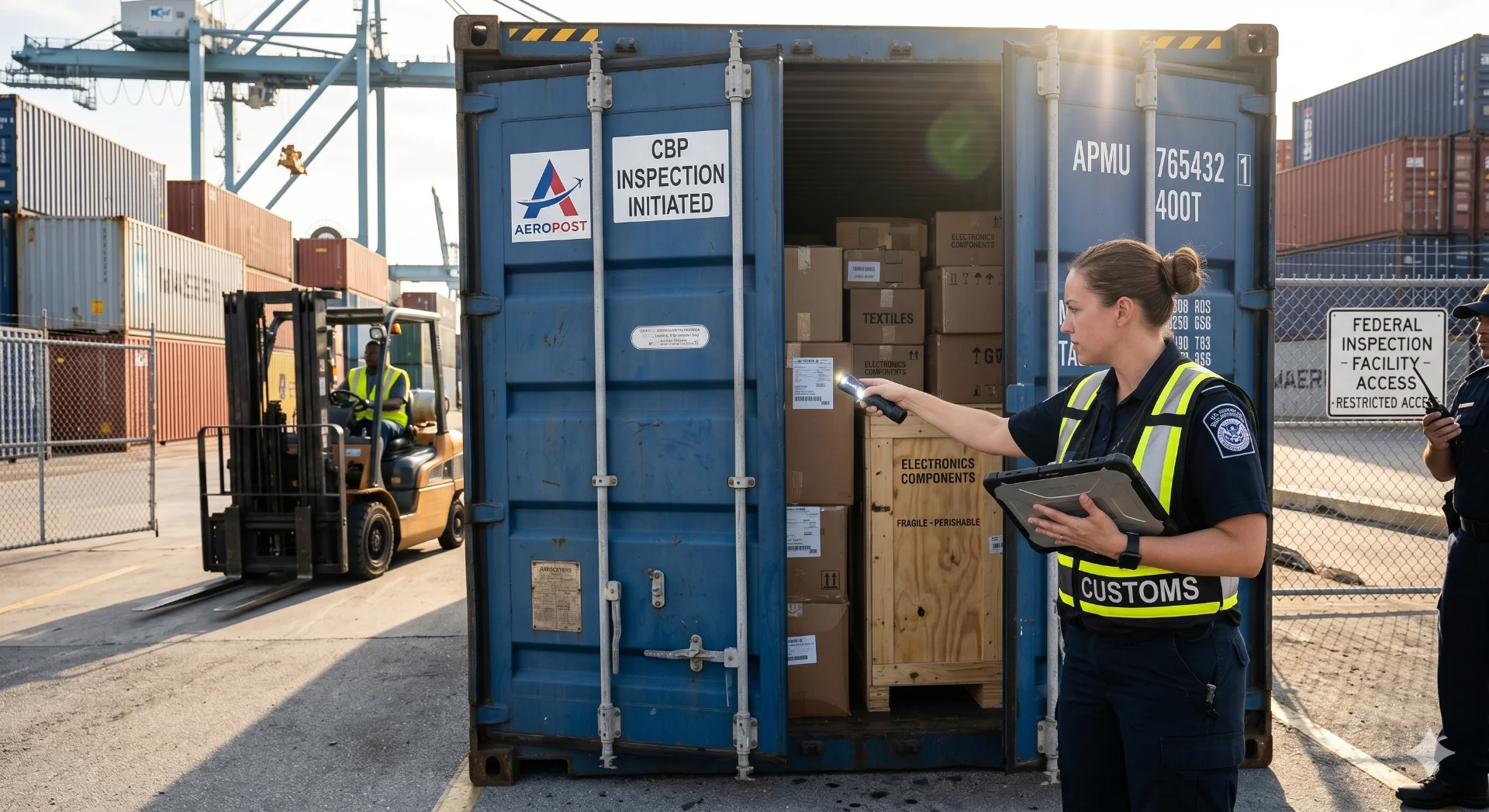
One of the most telling signs of a scammer is their behavior. A legitimate supplier, someone who wants a long-term business relationship, will act as a consultant. They will ask about your business, give you good advice, and be transparent about potential issues. For example, we have clients in countries like Denmark or Estonia where customs are notoriously strict. A good supplier will tell you, "Hey, there's a risk of seizure if we ship directly to you. It would be safer to ship to a friend or contact in Germany, and you can arrange collection from there." They want you to receive your goods safely.
A scammer doesn't care. They just want your money. They'll tell you whatever you want to hear. "Yes, no problem shipping to Denmark!" They will pressure you to pay quickly. Once you've paid, their job is done. If your shipment gets seized by customs, that's your problem. You've lost your money and your goods. Another trick I've seen involves paperwork. Scammers create professional-looking invoices (PIs) using the logo of a famous B2B platform like "Made-in-China.com" to appear official. They might even list the name of a real, legitimate vape company on the invoice. But if you look closely, the bank account details for payment will be a personal account or a company with a completely different name. Always check that the company name on the invoice matches the beneficiary name on the bank account.
| Supplier Behavior | Legitimate Supplier (Green Flag) | Scammer / Fake Seller (Red Flag) |
|---|---|---|
| Pricing | Offers a reasonable market price[^7] | Offers a price far below market value |
| Communication | Acts as a helpful consultant | Is very pushy about fast payment |
| Risk Warning | Warns about customs/shipping risks | Ignores or dismisses all risks |
| Goal | Aims for a long-term partnership | Wants a one-time, quick transaction |
| Paperwork | Professional, matching details | Mismatched company and bank names |
How can you verify suppliers, stock and authenticity?
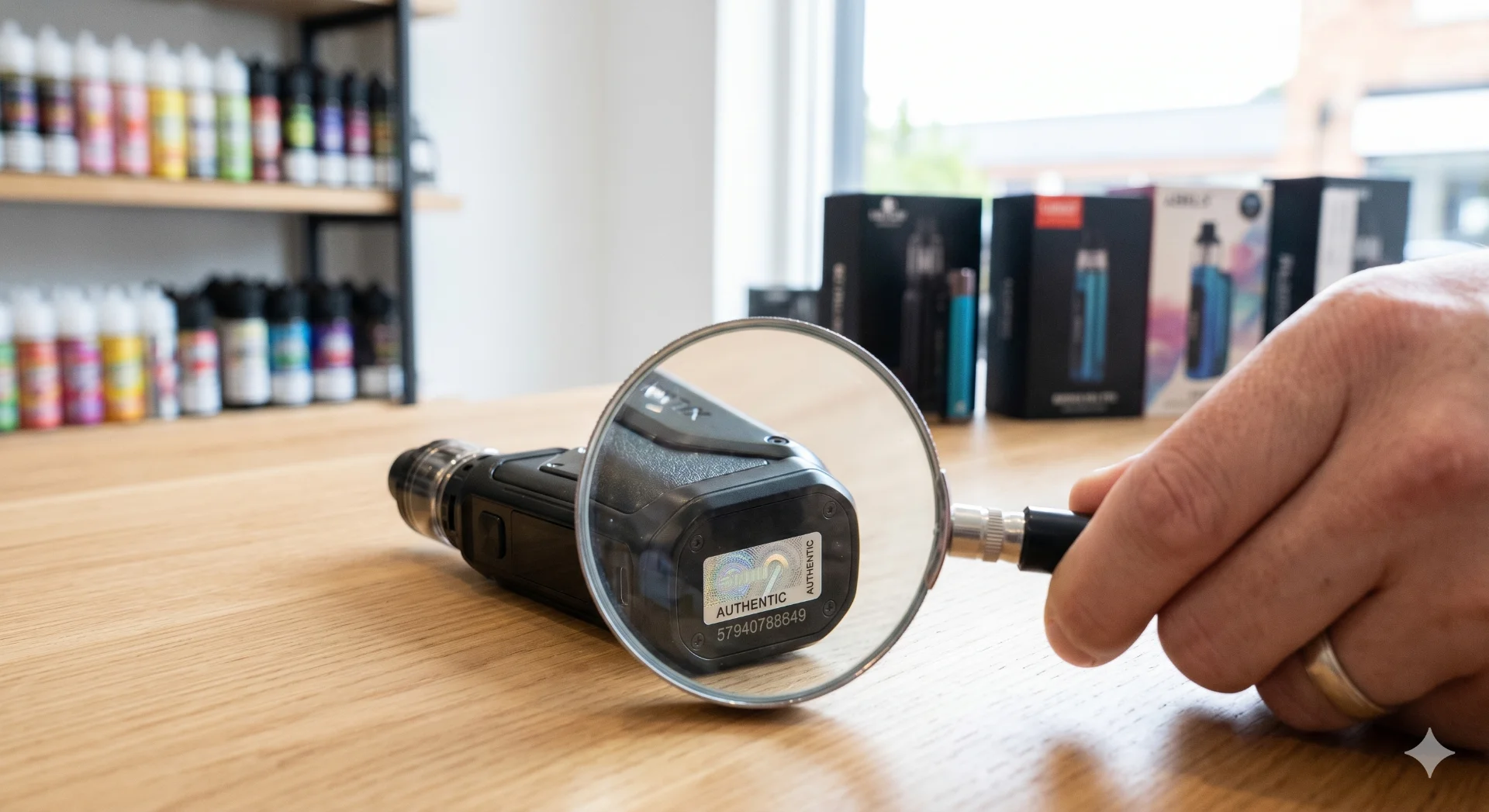
A QR code on the box seems like a simple way to check authenticity. But scammers have found a way around this with fake websites. Here is the right way to verify everything.
To verify authenticity, scan the QR code but then manually type the brand's official website (e.g., elfbar.com) into your browser and enter the security code there. For suppliers, ask for recent shipping documents, videos of their current stock, and customer testimonials to prove they are legitimate.
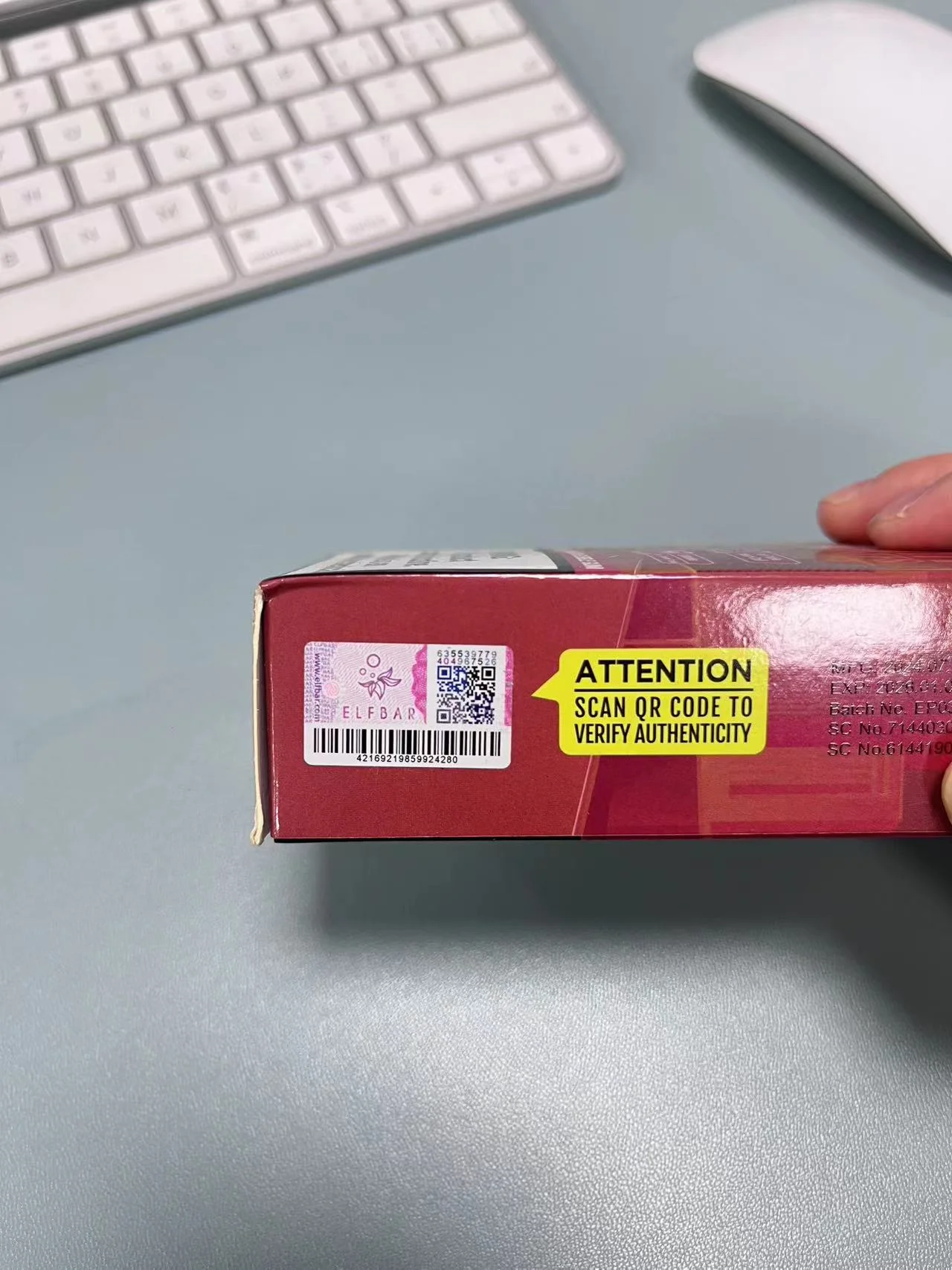
Verifying the product itself is a critical step, but you have to do it correctly.
The QR Code Trap
Almost all original vape products come with a security QR code[^8]. When you scan it, it should take you to a verification page. However, counterfeiters have become clever. They create their own fake verification websites[^9]. When you scan their fake QR code, it takes you to their fake site, which will, of course, tell you the product is "authentic." To avoid this trap, you must take an extra step. Scan the code, see what website it wants to go to, but don't click the link. Instead, open your web browser, search for the brand's official website yourself, find their verification page, and manually type in the security code from the packaging. This is the only way to be 100% sure you are checking against the official database.
Verifying the Supplier
Just as important as verifying the product is verifying the person selling it. A real supplier will have no problem providing you with proof of their business operations. Ask them for evidence that they are a real, active business. This is how you build trust before sending any money.
What proof should buyers ask for?
A supplier says they are trustworthy and have plenty of stock. But words are cheap, and anyone can fake a photo. You need to know exactly what kind of verifiable proof to demand.
Always ask for concrete proof. This includes recent shipping tracking numbers[^10], videos of their warehouse with your name in the shot, watermarked bank slips[^11] from other transactions, and screenshots of positive feedback from other real customers. This builds a clear picture of their legitimacy.
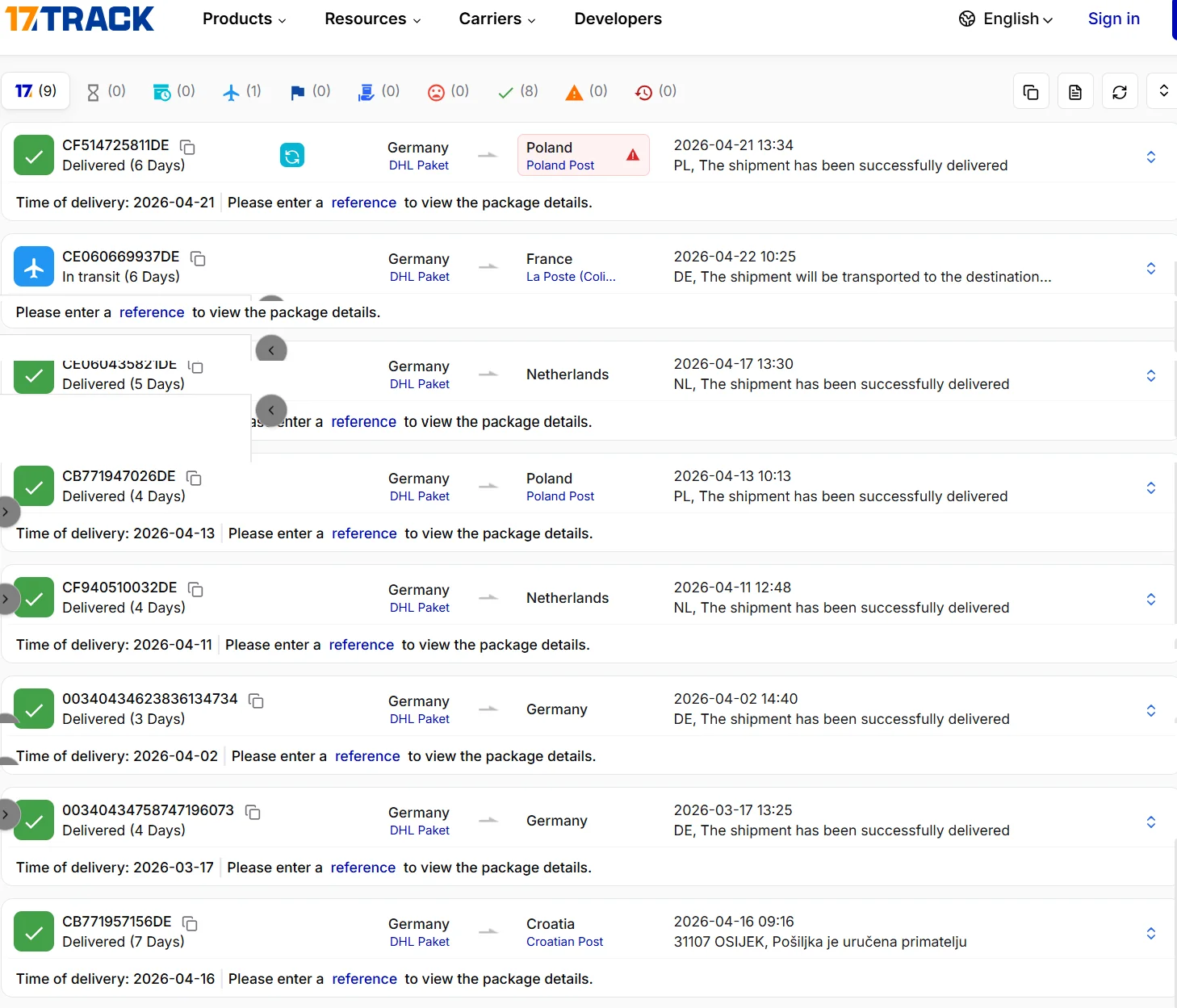
Before I work with any new client, I expect them to have questions, and I'm ready to provide proof. You should demand the same from any potential supplier. Don't feel shy about asking; a legitimate business will understand.
Here is a list of things you can and should ask for:
- Recent Tracking Numbers: Ask for a few tracking numbers for recent shipments to your region or country. You can use a public tracking site like 17track.net to see if these are real shipments that are actively in transit or have been recently delivered. This proves they are actually shipping products.
- Live Stock Videos: A photo can be stolen from anywhere on the internet. Ask for a video of their current stock. To make sure it's a new video and not a recycled one, ask them to include a piece of paper with your name and the current date in the video.
- Watermarked Bank Slips: Ask for copies of recent payment slips (bank transfer receipts) from other clients. They should cover sensitive client information, but the slip will show that they are actively receiving payments for goods.
- Customer Feedback: Request screenshots of chat logs with other customers who have received their goods and are happy with the product. Look for conversations about reordering, which is a great sign of a reliable partner.
A supplier who can provide all of this is likely a real, operating business you can trust.
How can you reduce risk before the first order?
You're ready to place a big order with a new supplier. But wiring thousands of dollars to someone you've never met is nerve-wracking. Take these final steps to protect yourself.
Reduce risk by first researching the standard market price to avoid "too good to be true" offers. Compare multiple suppliers. Most importantly, trust your gut during conversations. A professional supplier acts like a partner, not a pushy salesperson. Never let greed guide your decision.
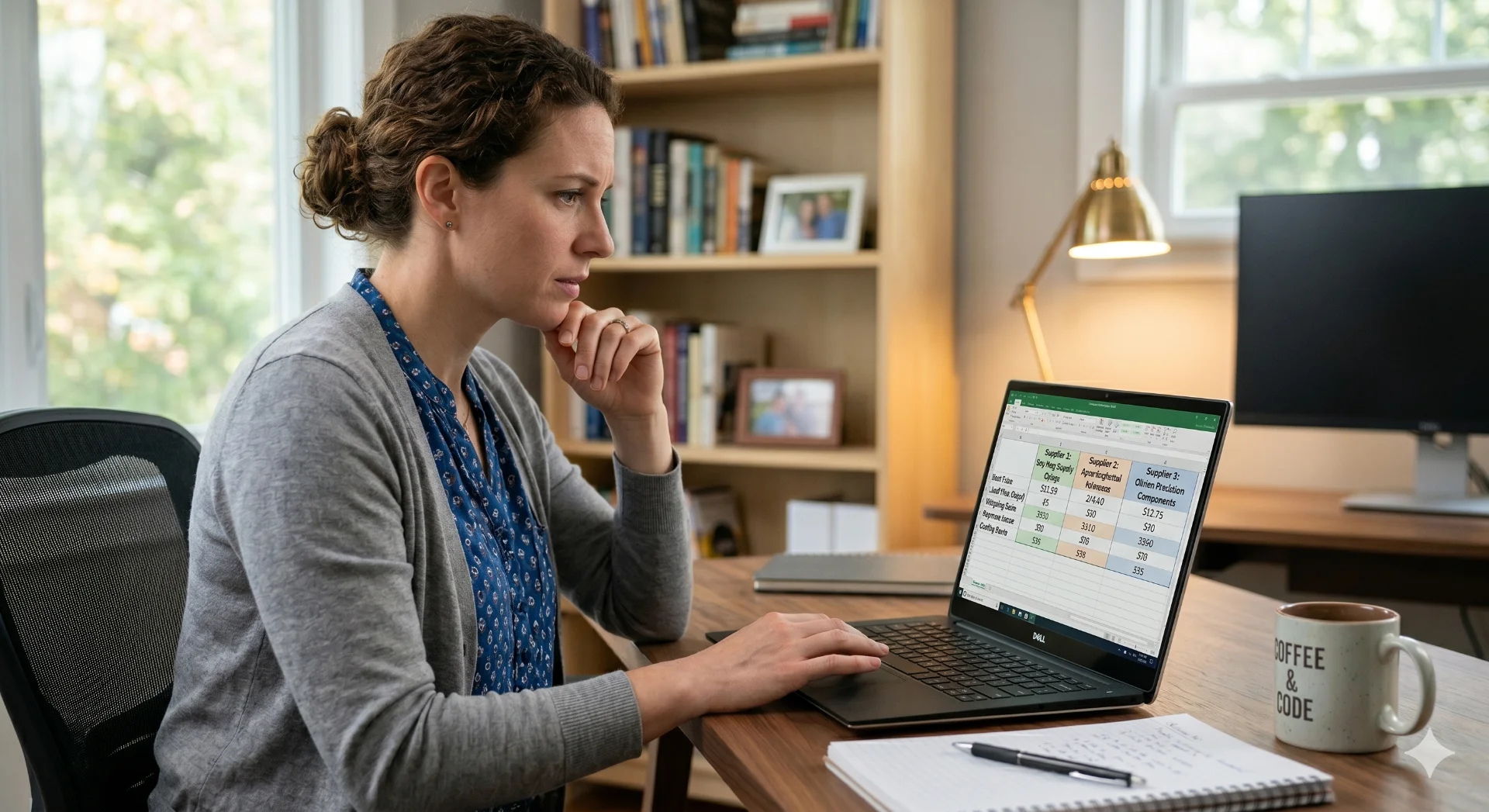
Ultimately, the best tool you have to protect yourself is your own judgment. The biggest single cause of people getting scammed in this industry is greed. They see a price that is 30-50% lower than anyone else's and they jump at it without thinking. In international trade, if a price seems too good to be true, it always is. There is a reasonable market price[^7] for every product. Do your research. Get quotes from three, four, or even five different suppliers. You will quickly see what the real price range is. Anyone offering something far below that is either selling fakes or running a scam.
Pay attention to how the supplier communicates with you. Are they genuinely interested in your business and your success? Or are they only interested in when you are going to pay? A good partner wants to build a relationship that lasts for years, not just make one sale. If you feel pressured, or if something feels "off," it's okay to walk away. There are plenty of honest, reliable suppliers out there. Taking your time to find the right one is the best investment you can make for your business.
| Action Item | What to Look For (Green Flag) | What to Avoid (Red Flag) |
|---|---|---|
| Research | Understand the reasonable market price[^7]. | Believing in prices that are too low. |
| Compare | Get quotes from at least 3-5 suppliers. | Committing to the first cheap offer. |
| Communicate | Look for a consultative, patient partner. | Feeling pressured to pay immediately. |
| Trust | Listen to your intuition. Walk away if it feels wrong. | Ignoring your doubts because of a low price. |
Conclusion
Verifying vapes isn't just about a QR code; it's about thoroughly vetting your supplier. Stay informed, demand proof, and never let a cheap price cloud your business judgment.
[^1]: Understanding the risks of counterfeit vapes can help protect your business from financial loss and reputational damage. [^2]: Learning how to vet suppliers ensures you only work with trustworthy partners, reducing the risk of scams. [^3]: Knowing what proof to request ensures you work with legitimate suppliers. [^4]: Spotting fake invoices helps you avoid scams and ensures your transactions are legitimate. [^5]: Understanding customs warnings helps you navigate international trade safely. [^6]: Avoiding customs issues ensures your products reach you safely and legally. [^7]: Knowing the market price helps you avoid scams and identify genuine offers. [^8]: Knowing how to properly use security QR codes can help you avoid counterfeit products. [^9]: Learning about fake verification sites helps you avoid counterfeit products. [^10]: Tracking numbers provide proof of a supplier's ability to deliver products reliably. [^11]: Watermarked bank slips show a supplier's active transactions, proving their credibility.