
Quick Answer
Total cost of ownership across reusable vape systems can be difficult to judge when suppliers focus mainly on the device price. A low quotation may hide expensive pods, coils, replacements, slow replenishment, or after-sales work. I help buyers look beyond the first invoice by comparing the complete purchasing, operating, inventory, and service cost before they commit stock.
To compare total cost of ownership across reusable vape systems, calculate the initial device cost together with pods, coils, batteries, chargers, replacement parts, maintenance, warranty handling, replenishment, inventory, delivery, and compliance-related costs[1] over the intended selling period. Then compare the cost per usable sales cycle, not only the unit price. Product lifespan and usage assumptions should be verified against supplier documents, testing, or customer records.
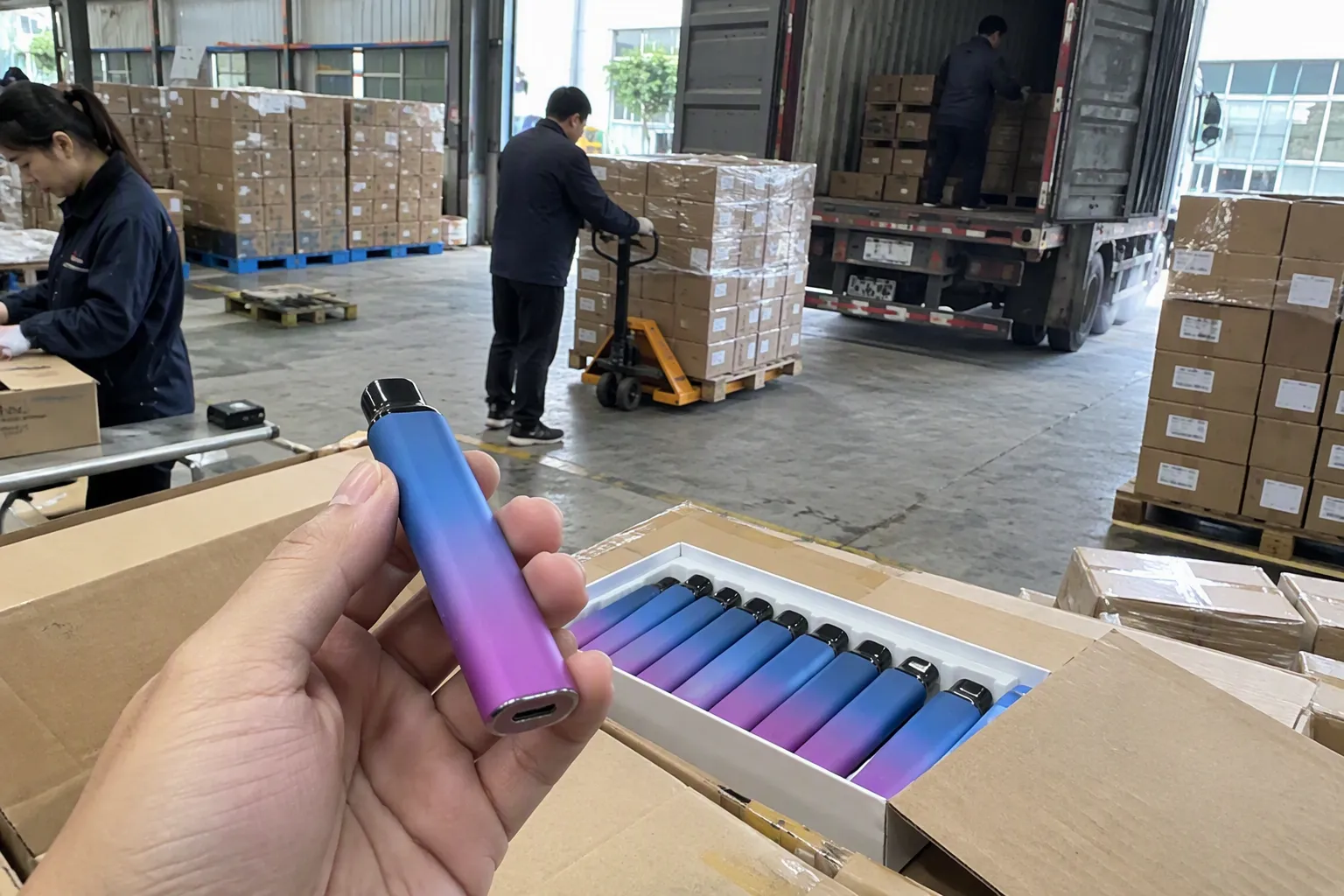
A reusable vape system can be attractive because the main device is sold repeatedly with compatible consumables. However, the commercial result depends on whether customers can obtain the right parts, whether retailers can replenish quickly, and whether the supplier supports the product after delivery. I usually start by separating visible costs from less obvious operating costs.
How Can I Compare Total Cost of Ownership Across Reusable Vape Systems?
A quotation rarely shows the complete cost of selling a reusable vape system. Buyers may see a device price, a pod price, and a shipping charge, but they may not see the cost of slow-moving stock, defective units, compatibility problems, or emergency replenishment. I recommend using one consistent cost model for every supplier and every system.
I compare reusable vape systems by building a product-specific cost sheet with four groups: acquisition costs, recurring operating costs, inventory and logistics costs, and after-sales or risk costs. I then use the same sales period, order quantity, replenishment plan, and product assumptions for each option. This makes the comparison more useful than comparing isolated quotations.
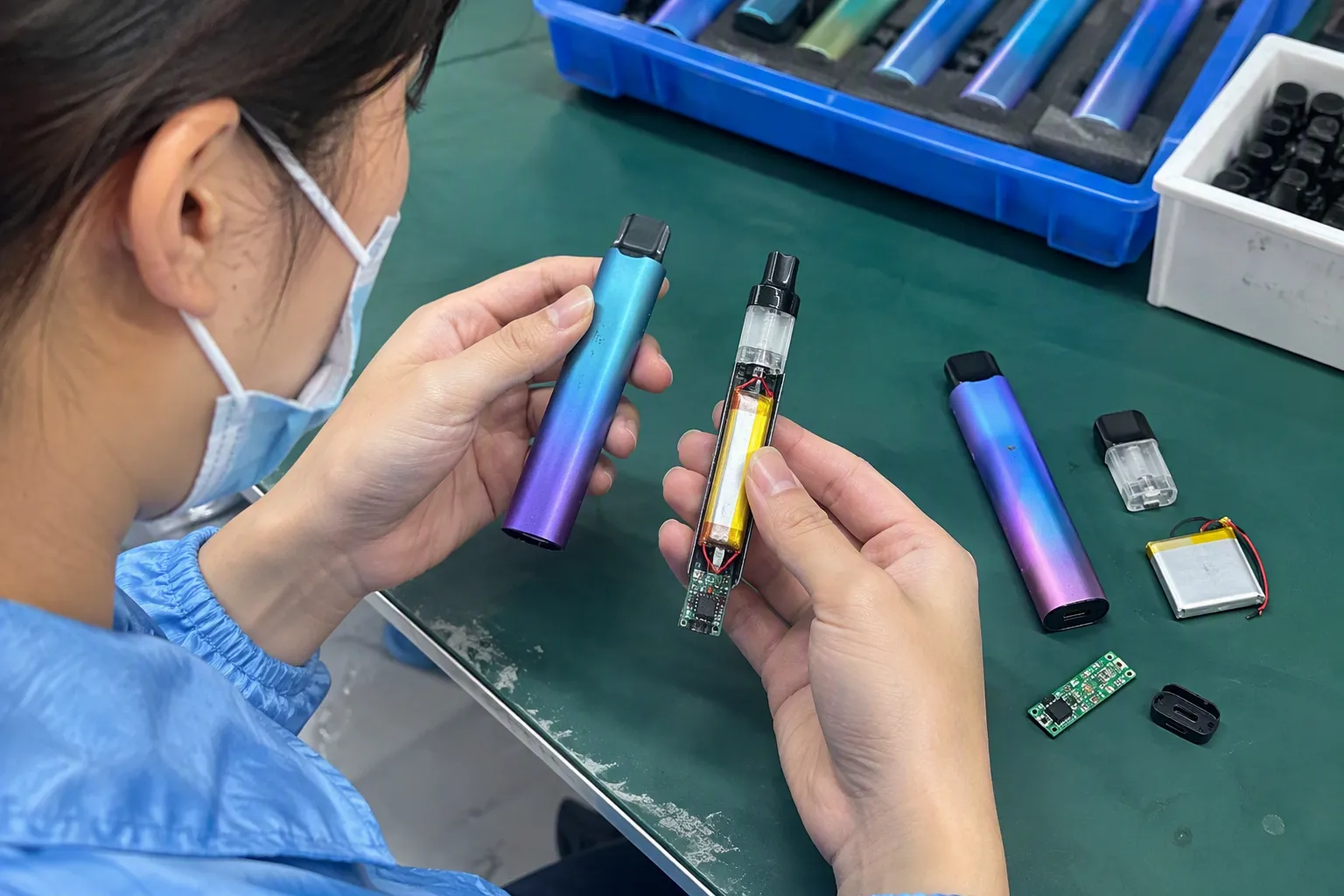
Start with a defined sales cycle
Before I calculate anything, I define what the buyer is trying to measure. A small vape shop may want to know the cost of keeping one product available for 90 days. A regional wholesaler may need a 6- or 12-month purchasing model. A large importer may compare the landed cost of a container-level order with a planned annual replenishment program.
The sales cycle should include:
- The expected number of devices purchased.
- The number of pods, cartridges, or coils required.
- The planned selling period.
- The expected replenishment interval.
- The target sales channel.
- The market where the product will be sold.
- The delivery method and warehouse location.
- The treatment of defective or unsold stock.
I do not treat these assumptions as universal product facts. A supplier may provide a rated battery capacity, coil specification, or recommended replacement interval, but those figures do not automatically prove real-world commercial usage[2]. The buyer should mark each assumption as supplier-documented, verified through testing, based on customer records, or to be verified.
Build a comparable cost model
A simple model can begin with:
Total cost of ownership = initial equipment cost + recurring consumables + replacements and service + logistics and inventory costs + expected risk costs[3]
The phrase “expected risk costs” does not mean that I invent a failure rate. It means I give space in the evaluation for costs that the buyer must investigate. For example, the buyer can record the supplier’s warranty process, replacement policy, historical defect information if available, and the cost of handling returns.
A comparison table may look like this:
| Cost category | Questions for the buyer | Evidence to request |
|---|---|---|
| Device purchase | What is included in each unit? | Formal quotation and packing details |
| Pods, cartridges, or coils | Which parts are compatible? How often are they replaced? | Product documentation and compatibility list |
| Battery and charger | Is the battery integrated or replaceable? Is a charger included? | Specification sheet and package contents |
| Replacement parts | Are parts available separately? | Spare-parts quotation and stock policy |
| Freight and delivery | What is the landed cost and delivery time? | Shipping quotation and delivery terms |
| Inventory | What MOQ and safety stock are required? | MOQ, lead-time, and stock information |
| After-sales | Who handles defects and customer complaints? | Written warranty and service procedure |
| Compliance | What market-specific documents are needed? | Documents for buyer and qualified review |
I have seen procurement discussions become more productive when buyers ask suppliers to complete this table rather than sending a single product price. The supplier may not be able to provide every commercial assumption, but the missing information becomes visible.
Separate one-time and recurring costs
The initial device is usually a visible cost. Pods, cartridges, coils, batteries, chargers, mouthpieces, seals, and packaging may become recurring costs. The buyer should not assume that reusable hardware makes every other part reusable.
For each system, I would list:
-
Initial hardware
- Device body
- Battery or battery module
- Tank or atomizer
- Charging cable or charger
- Included accessories
- Retail packaging
-
Recurring consumables
- Replacement pods
- Coils
- Cartridges
- E-liquid or other market-specific consumables
- Mouthpieces or seals, where applicable
- Product labels and packaging
-
Replacement and service items
- Batteries
- Charging ports or cables
- Glass sections
- O-rings
- Buttons
- Screens or control components
- Spare cases or protective parts
-
Commercial operating costs
- Freight
- Customs-related charges
- Warehouse handling
- Quality inspection
- Returns
- Customer support
- Local delivery to retail customers
Not every system uses every item. That is why I avoid making generic assumptions about reusable vape system costs. A pod-based system, a refillable tank system, and a battery-powered vaporizer can have very different cost structures.
Use cost per usable sales cycle
The buyer needs a common unit for comparison. That unit might be:
- Cost per device sold with its initial consumables.
- Cost per 30-day customer supply.
- Cost per replacement cycle.
- Cost per wholesale case.
- Cost per retail-ready unit.
- Cost per active customer over a defined period.
For example, a buyer can create a worksheet with the following fields:
| Input | System A | System B | System C |
|---|---|---|---|
| Initial device cost | To be verified | To be verified | To be verified |
| Included accessories | List items | List items | List items |
| Consumable cost per cycle | To be verified | To be verified | To be verified |
| Replacement-part cost | To be verified | To be verified | To be verified |
| Freight and handling per unit | To be verified | To be verified | To be verified |
| Estimated service cost | Review evidence | Review evidence | Review evidence |
| Inventory carrying cost | Buyer calculation | Buyer calculation | Buyer calculation |
| Total cost per usable cycle | Calculate | Calculate | Calculate |
The important point is consistency. If one system is calculated for a 30-day period and another is calculated only for the initial sale, the result will mislead the buyer.
Check whether consumables are commercially practical
A reusable system can become difficult to sell if the compatible consumables are unavailable. I ask buyers to examine:
- Whether the pod, coil, or cartridge is proprietary.
- Whether compatible parts come from more than one approved source.
- Whether the supplier keeps regular stock.
- Whether the buyer must purchase a large MOQ.
- Whether the parts have different versions or revisions.
- Whether old and new components remain compatible.
- Whether the part is available from a local or overseas warehouse.
- Whether replenishment lead time matches the selling speed.
For a small retailer, an MOQ of 50 units may be commercially manageable, while a large importer may prefer factory-level quantities for a better price. The “best” system depends on the buyer’s channel and cash position.
This is one reason I discuss different supply routes with different customers. A small or mid-sized European buyer may prefer available stock from an EU warehouse, with lower MOQ and faster delivery. A larger importer may prefer direct shipment from China, where bulk purchasing and OEM or ODM planning can create more choice and potentially better pricing. Neither route is automatically cheaper in every situation.
Include product availability in the calculation
Stockouts have a cost even when the buyer does not record a direct penalty[6]. A retailer may lose a sale, switch a customer to another product, or need to discount an alternative item. A wholesaler may disappoint several downstream stores.
I do not assign a universal percentage to this risk. Instead, I recommend that buyers record:
- Average monthly sales.
- Supplier lead time.
- Minimum replenishment quantity.
- Current warehouse stock.
- Recommended safety stock.
- Seasonal demand changes.
- Alternative compatible products.
- Emergency delivery options.
If a supplier requires a long lead time, the buyer may need more inventory[4]. That inventory locks up working capital[5]. If a supplier can dispatch quickly from a nearby warehouse, the buyer may accept a higher unit purchase price because the business carries less stock and faces less delivery uncertainty.
Review after-sales responsibility before ordering
A reusable system creates an ongoing relationship between the seller and the customer. A defective device, leaking pod, charging issue, or compatibility complaint can affect the retailer’s reputation. The buyer should clarify the service process before making a price decision.
I recommend asking:
- What is the written warranty period?
- Which defects are covered?
- Who pays for replacement shipping?
- Does the supplier replace individual units or require consolidated claims?
- What evidence must the buyer provide?
- How quickly does the supplier respond?
- Are spare parts available?
- Does the same supplier support all brands in a mixed order?
- What happens when a customer complaint involves improper use?
- Is there a documented inspection and claims process?
A low unit price may not compensate for difficult service handling. In my supplier discussions, buyers often value one responsible after-sales contact because it reduces the time spent coordinating with several factories or brands.
A consolidated supply partner can be useful when a buyer purchases multiple brands and product categories. In our business context, we support one-stop purchasing for electronic cigarettes, disposable vapes, atomizers, 510 batteries, CBD batteries, grinders, glass pipes, vaporizers, and related products. The commercial benefit for the buyer is not simply convenience. It can also mean fewer purchase conversations, one after-sales channel, and a clearer delivery plan. The buyer should still verify the terms for each product and brand.
Consider compliance and market suitability
A cost comparison is incomplete if the product cannot be legally imported or sold in the target market. Requirements vary by country and product category[8]. The buyer should verify applicable rules with qualified local advisers, customs professionals, and regulatory specialists.
The evaluation may need to cover:
- Product classification.
- Import documentation.
- Labeling and packaging.
- Battery transport requirements[7].
- Market-specific product restrictions.
- Advertising and sales limitations.
- Age-related retail controls.
- Environmental or recycling obligations.
- Documentation required by distributors or retailers.
I do not treat a supplier certificate or document as automatic proof of market approval. Buyers should inspect the original documentation, confirm its scope and validity, and obtain qualified professional evaluation for the intended market and product.
Compare suppliers as well as systems
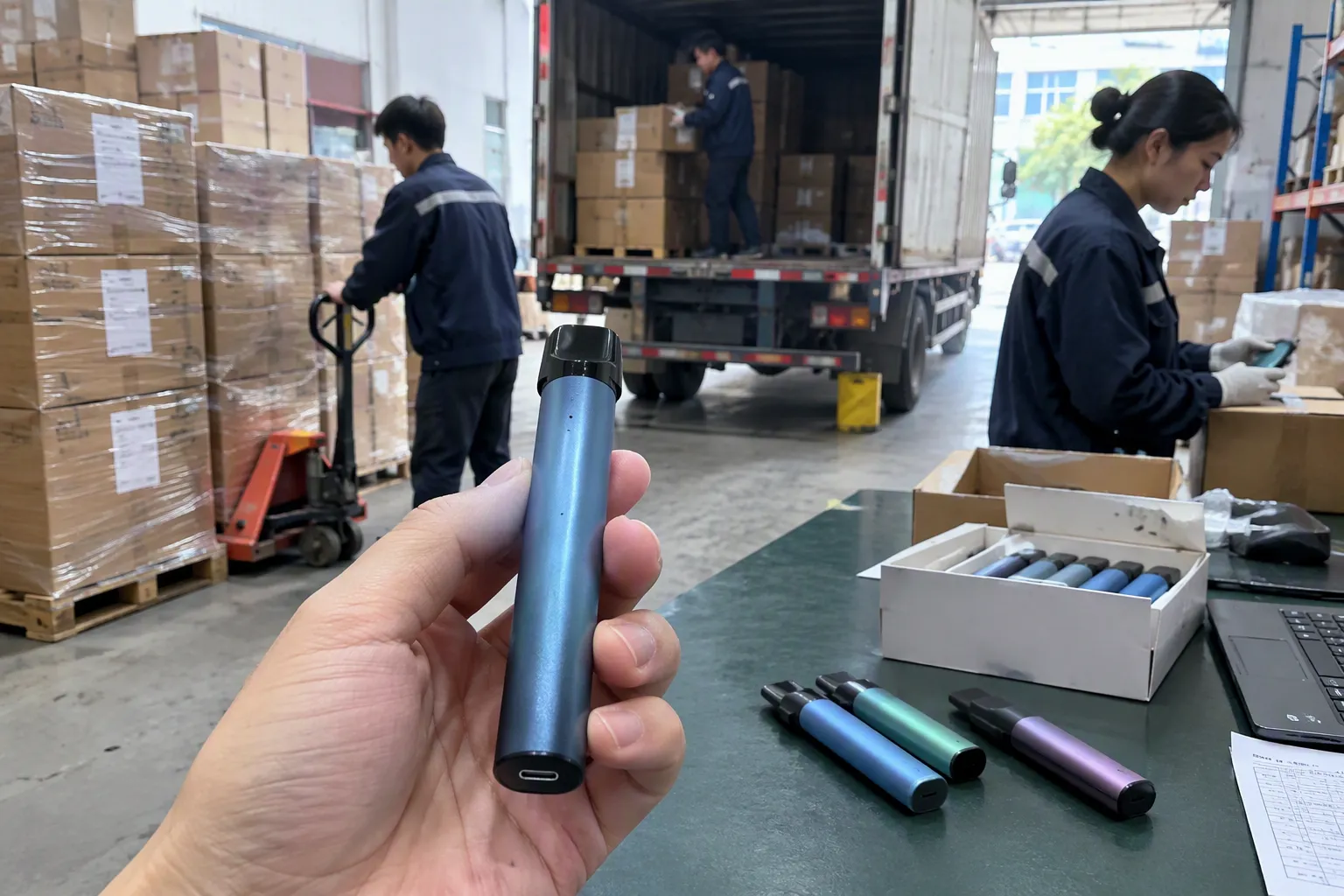
The total cost of ownership is partly a product question and partly a supplier question. Two similar systems may have different commercial outcomes if one supplier provides reliable replenishment, clear documentation, responsive service, and flexible order quantities.
I would compare suppliers using the following criteria:
| Supplier factor | Why it affects ownership cost |
|---|---|
| Factory or trading structure | Affects communication, customization, and supply coordination |
| Stock availability | Influences replenishment speed and safety stock |
| MOQ | Affects cash-flow exposure and product testing |
| Product range | May reduce the number of separate suppliers |
| OEM/ODM capability | Supports private-label or customized projects |
| Quality-control process | Helps buyers define inspection and acceptance criteria |
| Warranty handling | Influences returns and customer-support workload |
| Warehouse options | Changes delivery speed and customs exposure |
| Documentation | Helps the buyer complete market-specific checks |
| Communication | Reduces delays and misunderstanding |
At Shenzhen Kingfuji Tech. Co., Ltd., I work with a manufacturing and supply model that includes a 5,000-square-meter factory, OEM/ODM experience, and ongoing new-product development. The stated production capacity can reach up to 5 million units per month, but buyers should match any capacity statement to their own product, order schedule, quality requirements, and written production plan. Capacity alone does not guarantee suitability.
Our company was established in Shenzhen in 2011. Shenzhen is a major electronics manufacturing and supply-chain center, but location should not replace due diligence. Buyers should still review samples, specifications, packaging, inspection requirements, delivery terms, and after-sales commitments.
Match the supply route to the buyer’s scale
I usually see three practical purchasing situations.
Small retailers and short-cycle buyers
A vape shop, smoke shop, convenience store, or gas station may need a small quantity and fast replenishment. The buyer may prefer:
- Lower MOQ.
- Ready stock.
- Nearby warehouse delivery.
- Faster replacement handling.
- Mixed-product purchasing.
- Less money locked in stock.
Our European warehouse network includes locations in Germany, Austria, Poland, and Belgium, with delivery options through DHL, DPD, UPS, and FedEx. The stated delivery window is generally 1–5 working days for applicable EU stock, but the buyer should confirm current inventory, destination, product, and shipping terms before ordering. The stated starting quantity can be as low as 50 units per model for applicable stock.
This route can reduce the time between payment, receipt, and resale. It does not remove the need to verify market compliance or product suitability.
Regional wholesalers and distributors
A regional wholesaler may need a balance between price and flexibility. The buyer may compare:
- Warehouse stock against direct import.
- Case quantity against mixed pallets.
- Replenishment frequency.
- Product turnover by store type.
- Brand and flavor or model demand.
- Return and replacement administration.
- Delivery to the buyer’s own warehouse or freight forwarder.
A one-stop supplier can help the wholesaler consolidate products. However, the buyer should request a detailed packing list and separate cost information for each item.
Large importers and private-label buyers
A larger importer may focus on:
- Factory-direct pricing.
- Container or bulk-import economics.
- OEM/ODM development.
- Tooling and mold costs.
- Production scheduling.
- Inspection and acceptance criteria.
- Packaging and labeling control.
- Forecast-based replenishment.
- Product exclusivity, where contractually available.
Our factory can support OEM/ODM projects and new-product development. If a requested product is not in the current catalogue, I can discuss sourcing an existing product or assessing whether a new mold and development project is practical. The buyer should request a written development scope, sample approval process, tooling ownership terms, timeline, and cost responsibility before proceeding.
Test the model with sensitivity analysis
The first calculation may depend on uncertain assumptions. I recommend changing one assumption at a time to see whether the purchasing decision changes.
Useful sensitivity checks include:
- A higher or lower replenishment frequency.
- A longer delivery lead time.
- A different MOQ.
- A change in freight cost.
- A slower sales rate.
- A higher replacement-part requirement.
- A delayed customer payment.
- A temporary stockout.
- A change in warehouse location.
- A different product mix.
The purpose is not to create a false prediction. The purpose is to identify which variables deserve the most attention.
For example, if the result changes significantly when the replenishment lead time moves from one week to three weeks, lead time is a major commercial risk. If the result changes mainly when pod availability changes, the buyer should focus on supply continuity and compatibility. If the result changes when the MOQ increases, the buyer should protect cash flow with smaller trial orders or warehouse stock.
I also encourage buyers to keep the first order controlled. A product may look attractive in a catalogue, but actual sales velocity, customer feedback, and after-sales workload are market-specific. A controlled trial can provide useful commercial evidence without requiring the buyer to make a large unverified commitment.
Build a supplier quotation that supports a real decision
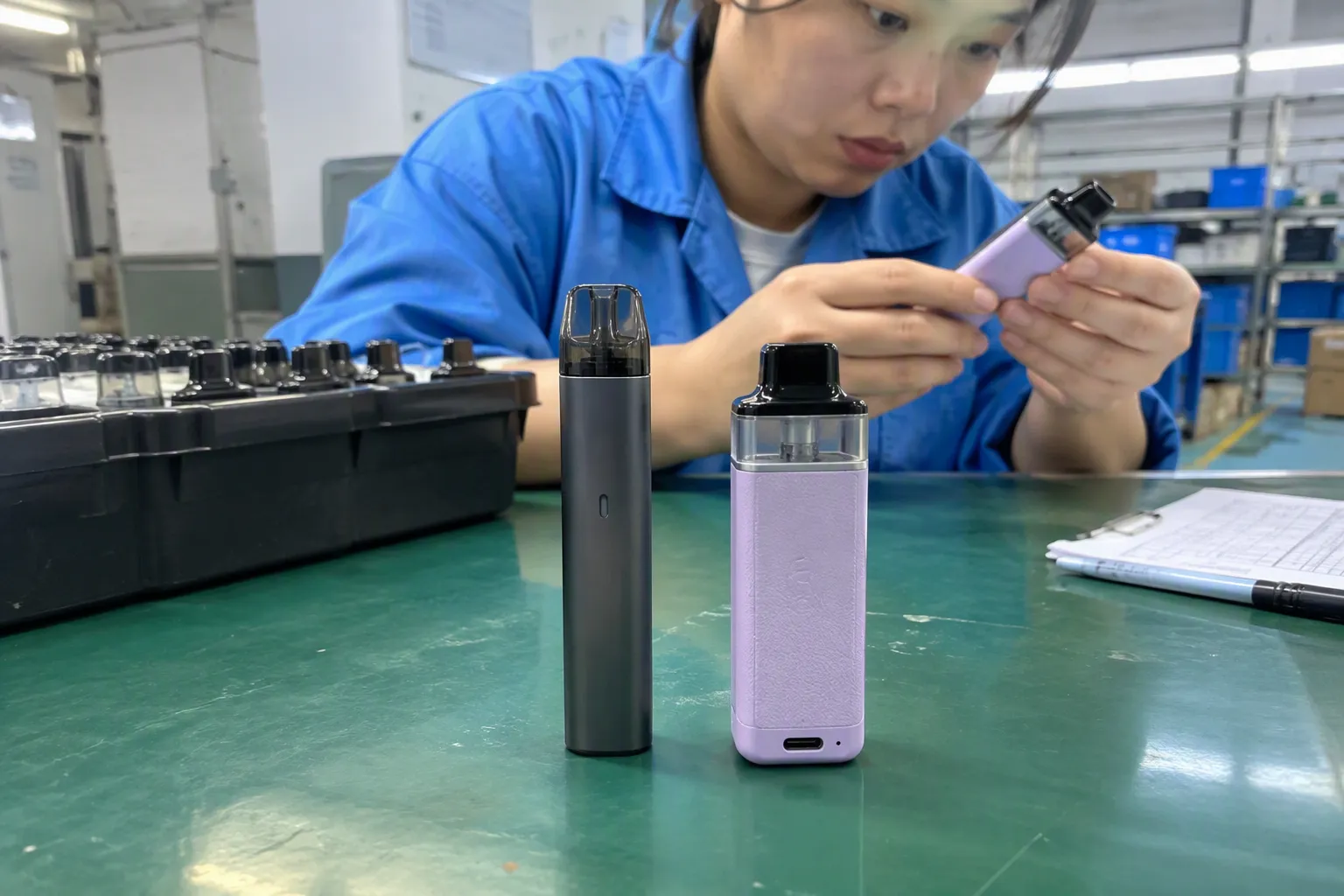
I prefer a quotation that makes comparison easy. The supplier should identify:
- Product model and version.
- Device and accessory contents.
- Compatible consumables.
- Available packaging.
- Unit price by quantity.
- MOQ.
- Production lead time.
- Current stock quantity.
- Warehouse location.
- Shipping options.
- Warranty terms.
- Replacement-part prices.
- OEM/ODM charges, if relevant.
- Documentation available for review.
- Payment terms.
- Delivery terms.
The buyer should also ask whether prices apply to mixed orders or only single-product quantities. A one-stop supplier may offer many categories, but the commercial terms may differ by brand, factory, warehouse, and shipping method.
In my work with importers, wholesalers, and retailers in Europe, the United States, Russia, Ukraine, Southeast Asia, and other markets, I find that the most useful first conversation is often not “What is your cheapest price?” It is “What will I need to buy, replenish, store, service, and document during the selling period?”
That question gives both sides a better basis for evaluation.
Frequently Asked Questions
Is a reusable vape system always cheaper than a disposable vape?

No. A reusable vape system may reduce repeated hardware purchases, but it can require pods, coils, e-liquid, batteries, chargers, and replacement parts. The total result depends on the product design, customer usage, supply price, replenishment plan, service needs, and local market requirements.
What costs should I include in total cost of ownership?
I recommend including the device, compatible consumables, batteries, chargers, replacement parts, freight, customs-related charges, warehouse handling, quality inspection, returns, after-sales work, inventory carrying cost, and compliance-related evaluation. You should also record MOQ and lead time because they affect cash flow and stock availability.
How can a small retailer compare reusable vape systems?
A small retailer can compare the cost of a controlled trial and a defined selling period. The retailer should check MOQ, local or regional stock, delivery time, compatible consumables, replacement support, and the amount of money locked in inventory. A slightly higher purchase price may be practical if replenishment is faster and the order quantity is lower.
Should a large importer buy directly from China?
Direct import may suit a large importer that has predictable demand, warehouse capacity, and the ability to manage documentation and logistics. Bulk purchasing may provide more pricing and OEM/ODM options, but it can also increase working-capital exposure. The importer should compare direct landed cost with regional warehouse supply and verify all market requirements.
What supplier documents should I request?
You should request the product specification, package contents, compatibility information, quotation, MOQ, lead time, warranty procedure, replacement-part availability, shipping information, and documents relevant to the target market. You should verify the scope and validity of certifications or compliance documents with qualified professionals rather than treating them as automatic approval.
Conclusion
Comparing total cost of ownership across reusable vape systems requires more than choosing the lowest device quotation. I recommend calculating the complete cost per usable sales cycle, including consumables, replacement parts, logistics, inventory, cash-flow exposure, after-sales work, and market-specific evaluation. Small buyers may benefit from low MOQ and European warehouse delivery, while larger importers may prefer bulk purchasing and OEM/ODM planning. At Shenzhen Kingfuji Tech. Co., Ltd., I support one-stop sourcing, factory manufacturing, product development, warehouse options, and after-sales coordination. Contact King at info@kingvapecig.com or +86 13928420527 to discuss a product comparison based on your market, sales volume, and purchasing plan.
Sources
- Differences Between Life Cycle Costs LCC and Total ...", A total-cost-of-ownership analysis evaluates the costs incurred throughout an asset's relevant life, including acquisition, operation, maintenance, replacement, and related support activities; this framework supports the article's cost categories but does not establish costs for any particular vape system
- The Health Effects of Real-World Dual Use of Electronic ... - PMC", Research on electronic-cigarette use indicates that device output and consumption depend on user behavior and operating conditions, so rated specifications should not be treated as direct measures of commercial usage
- modeling total expenditure on warranty claims", Expected-cost methods model uncertain warranty and failure events through explicit probability and consequence assumptions; they support separating risk costs from confirmed expenses but do not justify assigning a failure rate without relevant evidence
- Understanding safety stock and mastering its equations", Inventory-control research models safety stock as a function of replenishment lead time, demand, and demand variability, supporting the claim that longer or less reliable lead times can increase inventory requirements
- Statement of Cash Flows", Working-capital analysis treats inventory as an operating asset that consumes funds until it is sold and collected, supporting the article's statement that safety stock can tie up capital
- Brand loyalty in the face of stockouts - PMC - NIH", Empirical research on retail stockouts finds that unavailability can produce lost sales and product substitution, supporting the inclusion of stockout consequences in an inventory assessment
- Hazardous Materials: Enhanced Safety Provisions for ...", International dangerous-goods rules establish classification, packing, labeling, and documentation requirements for transporting lithium batteries, including batteries contained in or packed with equipment
- Tobacco: E-cigarettes", International regulatory reviews document substantial variation in the classification, labeling, marketing, taxation, and sale of electronic-cigarette products across jurisdictions