
The UK is banning single-use vapes[^1], and your best-selling products might become illegal overnight. This leaves your inventory worthless and your UK customers looking elsewhere. Here’s how to adapt.
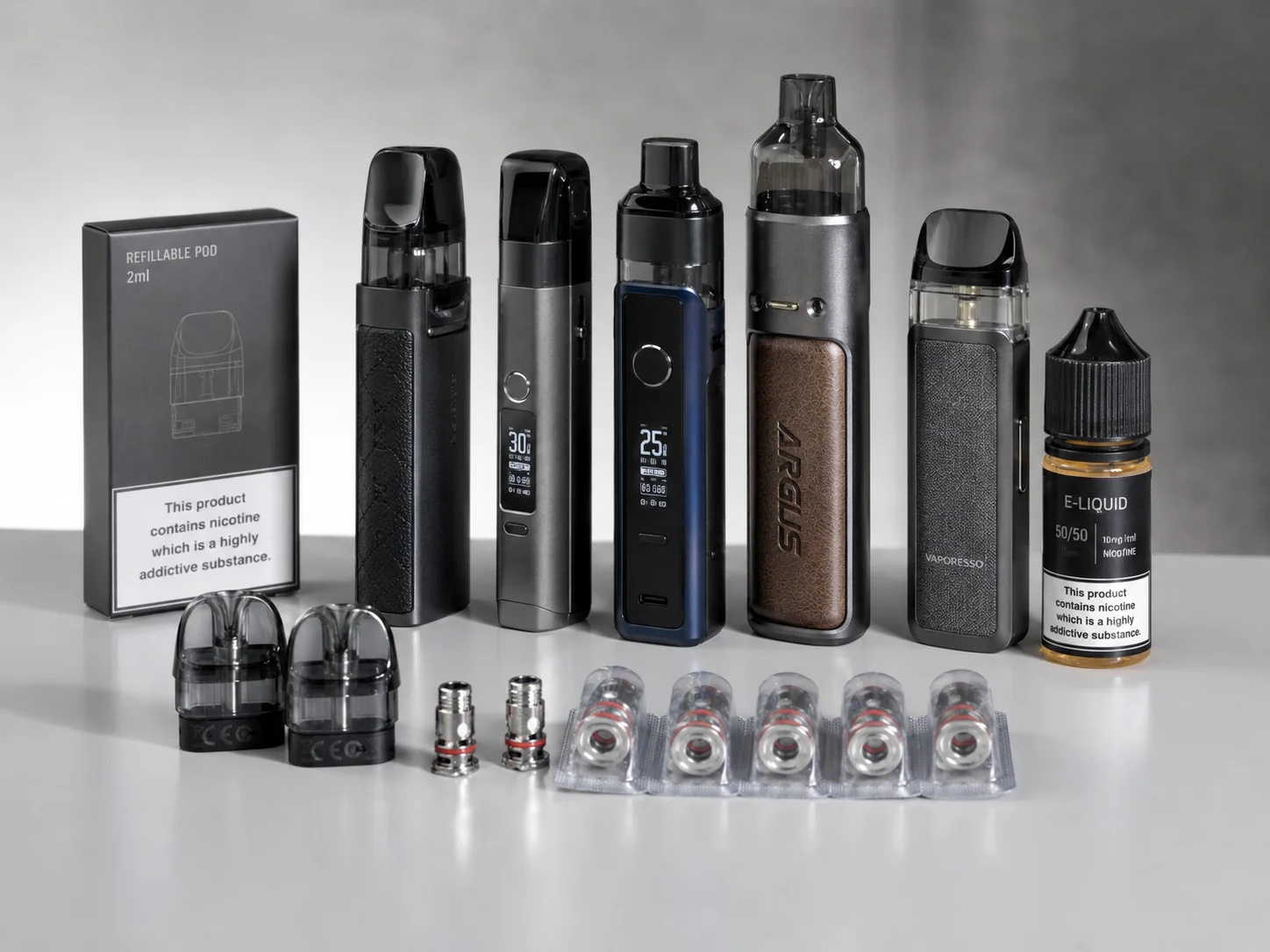
To stay in the UK market, you must remove all single-use vapes from your product mix. This includes rechargeable but non-refillable devices[^2]. You need to replace them with fully reusable systems, like refillable pod kits, and also stock their essential replacement components like pods and coils.
The upcoming UK ban on single-use vapes is a massive shift for international wholesalers like us. I've been getting a lot of questions from partners who are worried about what this means for their business. They see a huge part of their sales disappearing and don't know what to do next. But let me tell you, this isn't the end; it's a big opportunity if you know how to pivot. This change forces us to build a more sustainable and profitable business model[^3]. Let’s break down exactly what you need to do, step by step.
What Does the UK Single-Use Vape Ban Really Mean for You?
You're hearing about a "disposable vape ban," but the details are confusing. You wonder if your specific products are affected, especially if they are non-nicotine or rechargeable. It's a mess.
The ban targets the device's design, not its name or nicotine content. If a vape is not designed to be refilled and reused by the user, it will be banned. This affects manufacturers, exporters, brands, wholesalers, and UK importers across both online and offline channels. All UK-bound inventory must be re-evaluated.

This ban is more comprehensive than many people think. It’s not just about the classic disposable vapes that you use and throw away. It’s about the principle of "single-use." The government's goal is to stop products that are designed to be thrown away after the e-liquid runs out. This affects everyone in the supply chain, from the factory to the UK corner shop.
Here's a simple breakdown of who and what is impacted:
| Impact Area | What You Need to Know |
|---|---|
| Affected Products | Any vape that cannot be refilled by the user. This includes non-nicotine vapes.[^4] |
| Affected Channels | Both online sales (e-commerce) and offline sales (retail stores) are covered by the ban. |
| Product Naming | Calling a device "reusable" doesn't make it compliant. The design must support reuse. |
| Inventory Management | Your stock for the UK must be physically and systemically separated from other markets. |
The key takeaway is that the device's function determines its legality. If you can't refill it, it's considered single-use. This is why even some "rechargeable" devices fall under the ban if they come pre-filled and cannot be refilled. You have to look past the marketing name and check the actual product structure.
Which Vape Products Should You Remove From Your UK Product Mix?
Your warehouse is full of different vape products. With the new ban, you're not sure which SKUs are now a liability. Selling the wrong product could lead to big problems.
You must immediately stop supplying any device that isn't both rechargeable and refillable. This includes traditional disposables, rechargeable but sealed pods, and any product where the user cannot replace the coil or pod themselves. Don't rely on marketing names; judge the product by its physical structure.
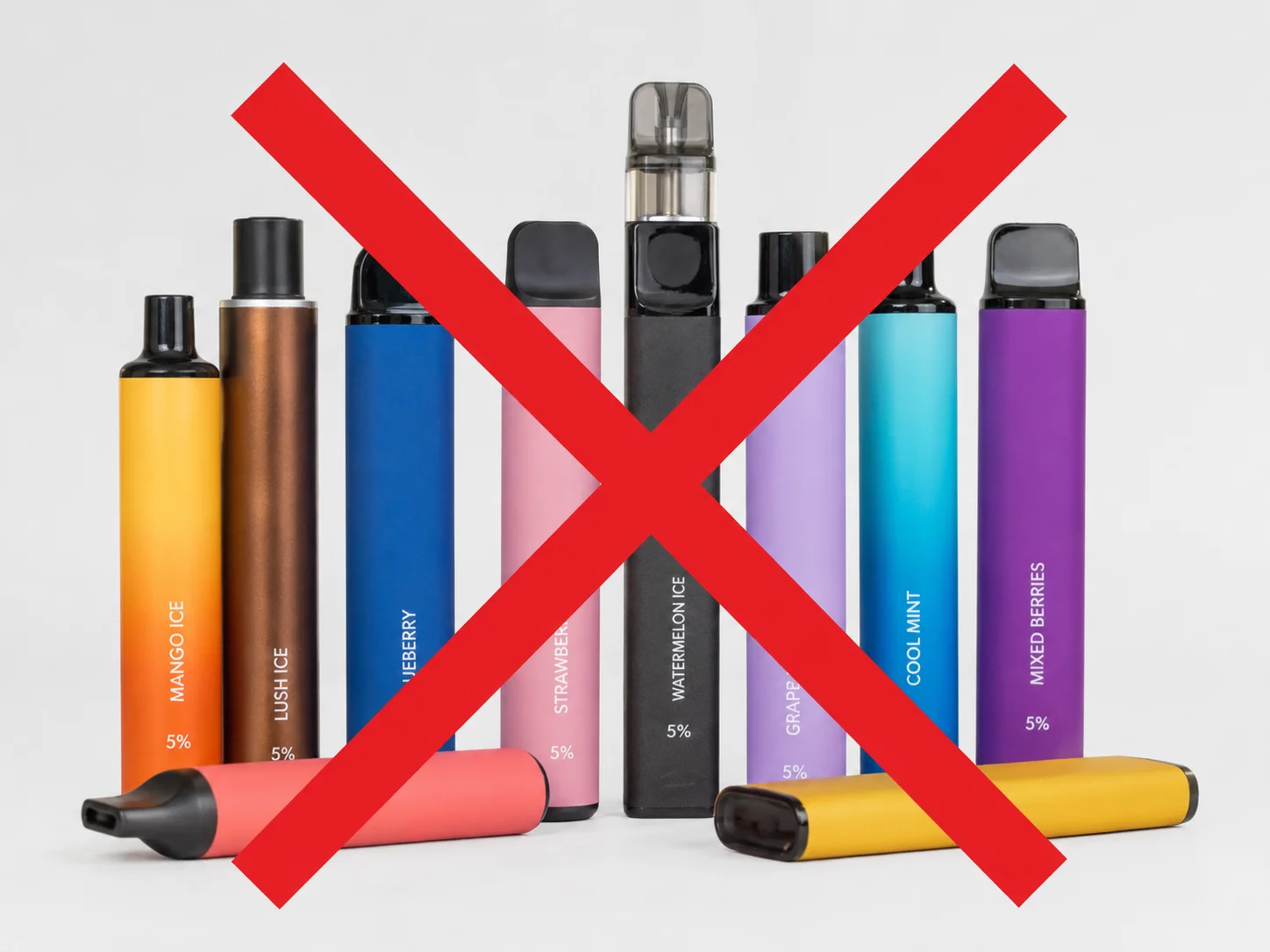
It's time for a serious inventory audit. We've been doing this for all our UK-bound stock, and you should too. The name on the box, like "disposable," "pod," or "rechargeable," can be very misleading. For years, I've seen factories label things in confusing ways. You must look at the physical design of the device.
Here’s a checklist of product types to remove from your UK catalog right now:
- Traditional disposable vapes: These are the most obvious targets. Use and toss.
- Rechargeable but non-refillable devices: These are often called "rechargeable disposables." The user can recharge the battery but cannot refill the sealed pod. These are banned.
- Refillable but non-rechargeable devices: These are rare, but if the battery dies before the pod, it's still single-use.
- Devices with non-replaceable coils[^5]: If the coil burns out and the user can't replace it, the whole device becomes useless. This makes it single-use in practice.
- Closed products without separately available parts: If you sell a "reusable" device but don't sell the replacement pods or coils for it, it's not truly reusable.
- Products made for other markets: Packaging and warnings for other countries may not be compliant in the UK.
Basically, if any core part of the vaping experience (battery, liquid, coil) is finite and cannot be replaced or replenished by the user, the device is at risk.
Which Reusable Vape Categories Can Replace Your Disposable SKUs?
With disposables gone, you have a huge gap in your product offerings. Your customers are asking what's next, and you need profitable, compliant alternatives to offer them immediately.
Focus on open-system vapes. These are devices where users can refill the liquid and replace key parts. Good options include refillable pod systems, starter kits with replaceable coils, and the necessary accessories like charging cables. Your strategy must include both the device and its long-term consumables.
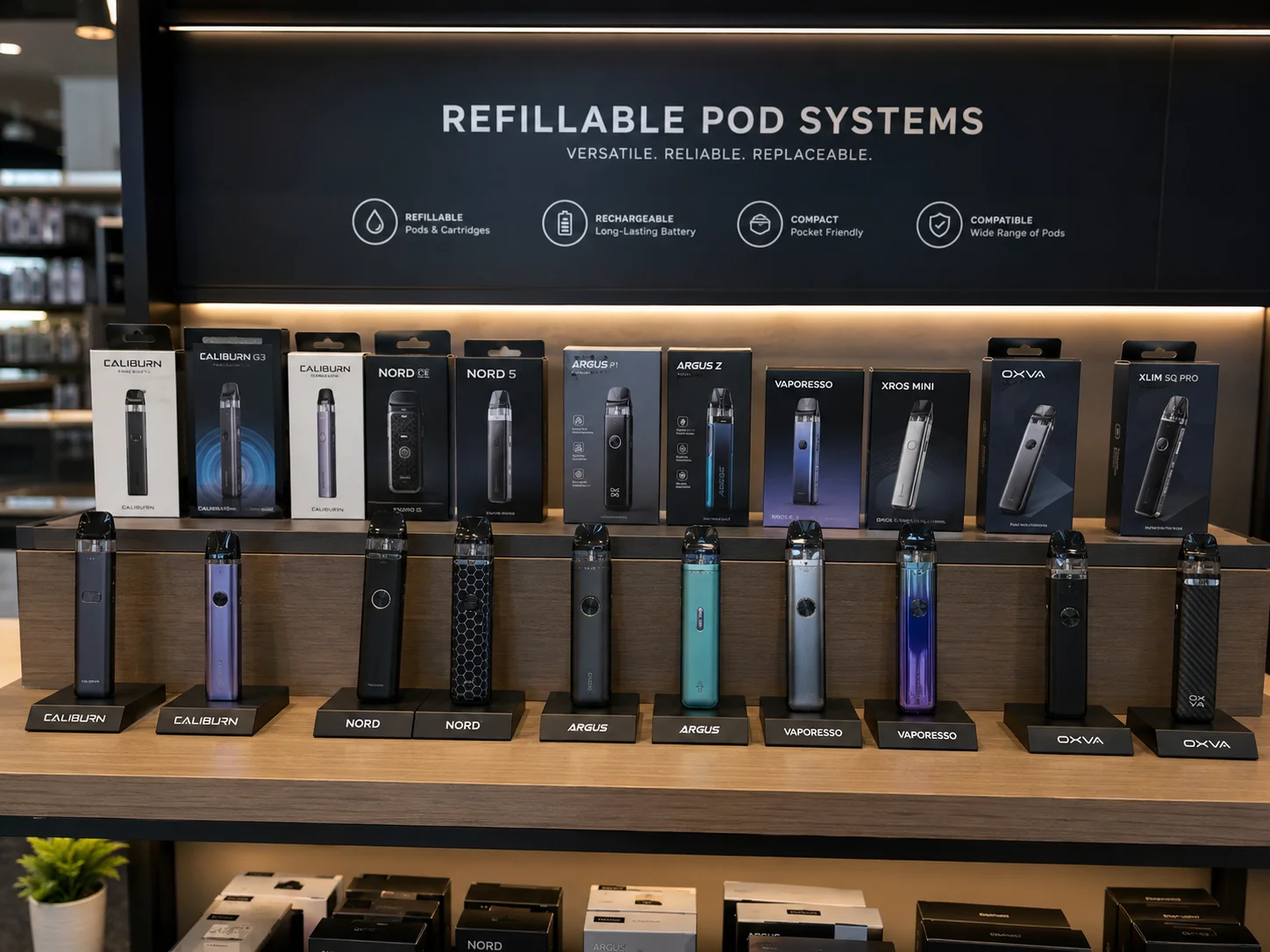
This ban is a huge opportunity to shift your business model from one-time sales to long-term customer relationships[^6]. Instead of selling a customer one disposable vape, you'll sell them a reusable device and then continue to sell them pods, coils, and e-liquids for months or years. This creates a much more stable and predictable revenue stream.
We are shifting our focus to these categories for the UK market:
| Reusable Category | Why It's a Good Choice |
|---|---|
| Refillable Pod Systems | Simple for beginners, easy to refill, and pods are a recurring purchase. |
| Rechargeable Starter Kits | A complete package that gives the user everything they need to start. |
| Devices with Replaceable Coils | More advanced, but offers better performance and lower long-term running costs[^7]. |
| Replacement Parts | Pods, coils, and tanks are the "razor blades" to the "razor." This is where the real long-term profit is. |
| Accessories | Compatible charging cables, cases, and refill containers are great add-on sales. |
The key is to think like a service provider, not just a product seller. Your product mix should offer a complete ecosystem. When you sell a device, make sure you also have the compatible replacement pods and coils in stock. Your customer's ability to keep using their device depends on you. This builds loyalty and makes you an essential partner, not just another supplier.
Why Must Replacement Components Be Part of Your Product Strategy?
You've decided to sell reusable vapes. But if your customers can't find replacement parts, that new "reusable" device is just another piece of trash. This leads to frustrated customers and lost business.
A reusable vape is only as good as the availability of its spare parts.[^8] You must stock and sell replacement pods, coils, and tanks. If customers can't easily buy these components from you, your "reusable" products are effectively single-use, creating customer frustration and compliance risks.
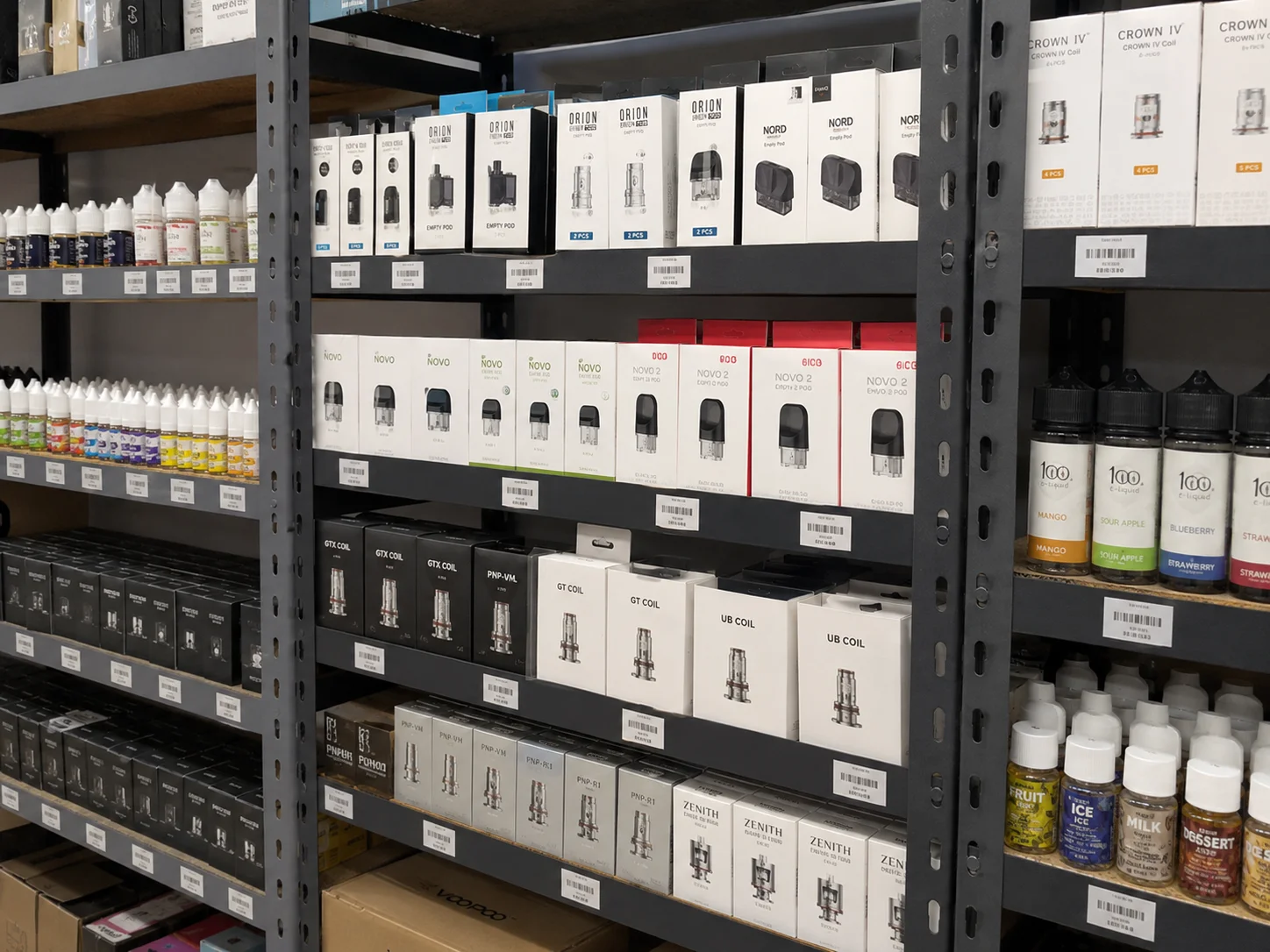
I've seen so many businesses make this mistake. They get excited about selling a new device but forget about the follow-up. A "reusable" vape without available replacement parts is a broken promise. Your customers will buy the device once, and when they can't find a new pod or coil, they won't just be angry—they'll go to a competitor who understands the full picture.
Your strategy must include a solid plan for components. Think about:
- Availability: You need to have replacement pods, tanks, and coils readily available for every reusable device you sell.
- Lead Times: How long does it take to restock these components? You can't have a customer waiting weeks for a new coil.
- Compatibility: Clearly label which components work with which devices. Cross-batch compatibility is crucial. A pod from a new batch must fit a device from an old batch.
- Bundling: Offer bundles that include a device and a few spare pods or coils. This gets the customer into the ecosystem from day one.
In our business, we see replacement parts as the core of the long-term relationship. It's how we ensure our partners and their customers keep coming back. If you treat components as an afterthought, your new product strategy will fail before it even starts.
How Will the Ban Change Your Inventory and SKU Allocation?
Your warehouse mixes stock for the UK and other markets. Now, shipping a banned product to a UK customer by mistake could cause major issues, from returned shipments to legal trouble.
You must completely separate your UK inventory from your inventory for other markets. This means creating UK-specific SKUs, updating warehouse rules to block banned items from UK orders, and using distinct packaging. There is no room for error; one mistake can be very costly.
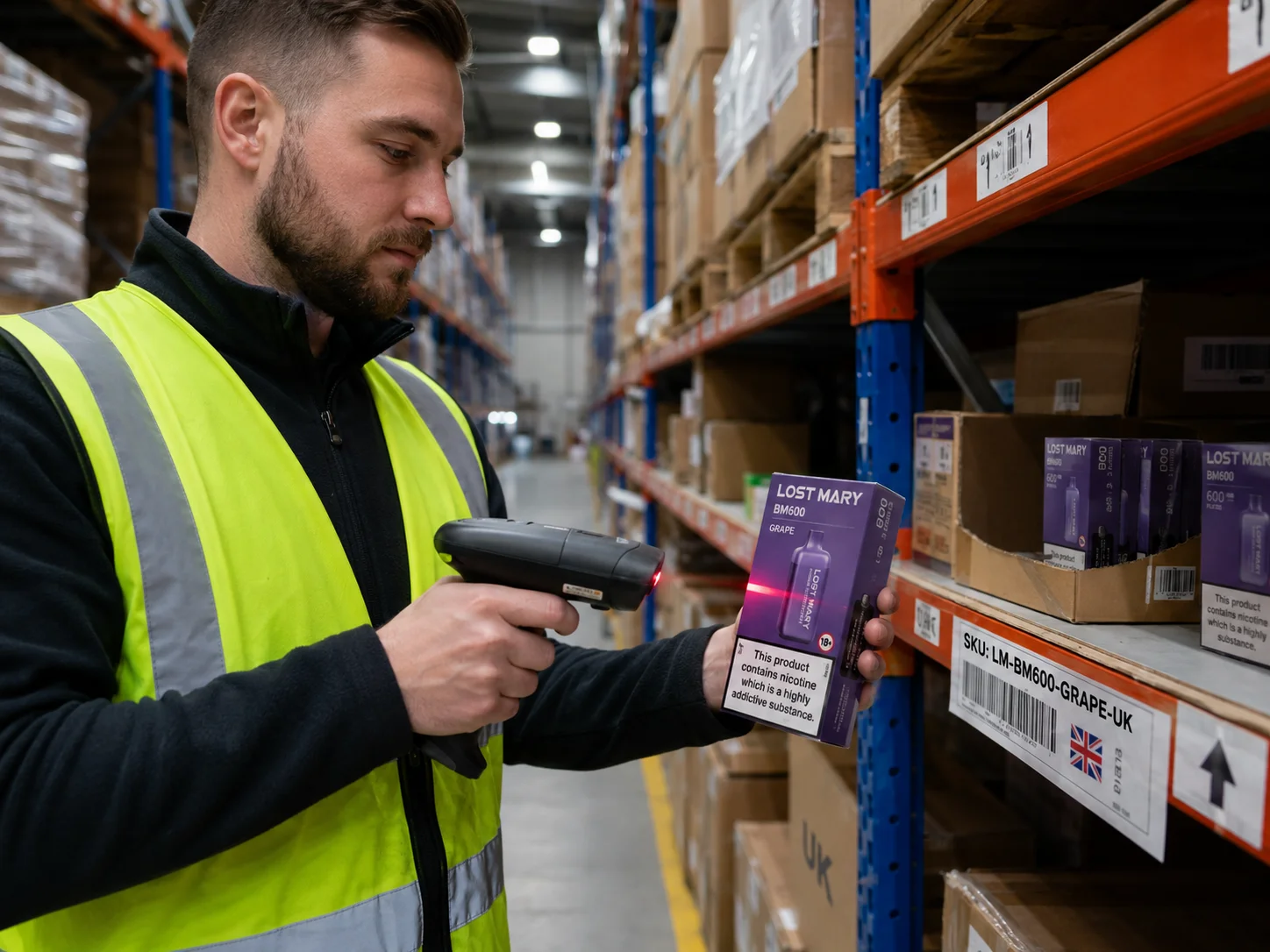
For a company like ours that ships globally, logistical precision is everything. This is not something you can be casual about. We run overseas warehouses in places like Germany and the US, and we've learned that strict inventory management is key to avoiding massive headaches. You need to treat your UK stock as a completely separate entity.
Here are the exact steps we are taking, and you should too:
- Create UK-Specific SKUs: A reusable vape sold in the UK should have a different SKU than the exact same product sold elsewhere. For example,
VAPE-POD-KIT-BK-EUvs.VAPE-POD-KIT-BK-UK. - Update Warehouse Rules: Your system (ERP or WMS) must be programmed to prevent any banned SKU from being allocated to an order shipping to the UK.
- Separate Physical Stock: If possible, store UK-compliant stock in a separate area of your warehouse to prevent picking errors.
- Distinct Packaging: Use stickers or different packaging for UK stock so it's instantly identifiable.
- Adjust Forecasting: Your sales forecasts for disposables in the UK should be zero. Your forecasts for reusable systems and their components need to be built from scratch.
- Track Component Inventory: Pay close attention to stock levels of replacement pods and coils for the UK market.
Every system—from your website product pages and quotes to your ERP and warehouse labels—must be consistent. This discipline prevents costly mistakes and ensures you only ship compliant products to the UK.
How Should Your UK-Facing Product Pages and Catalogs Change?
You want to sell your new reusable vapes to the UK. But your product descriptions are vague and use banned terms. This confuses customers and might attract the attention of regulators.
Your product pages must be crystal clear and honest. Clearly show that the device is rechargeable and refillable. Detail how to replace the coil or pod and link directly to the separately sold components. Avoid misleading marketing terms like "rechargeable disposable" or "UK-ban-proof device." Transparency builds trust.
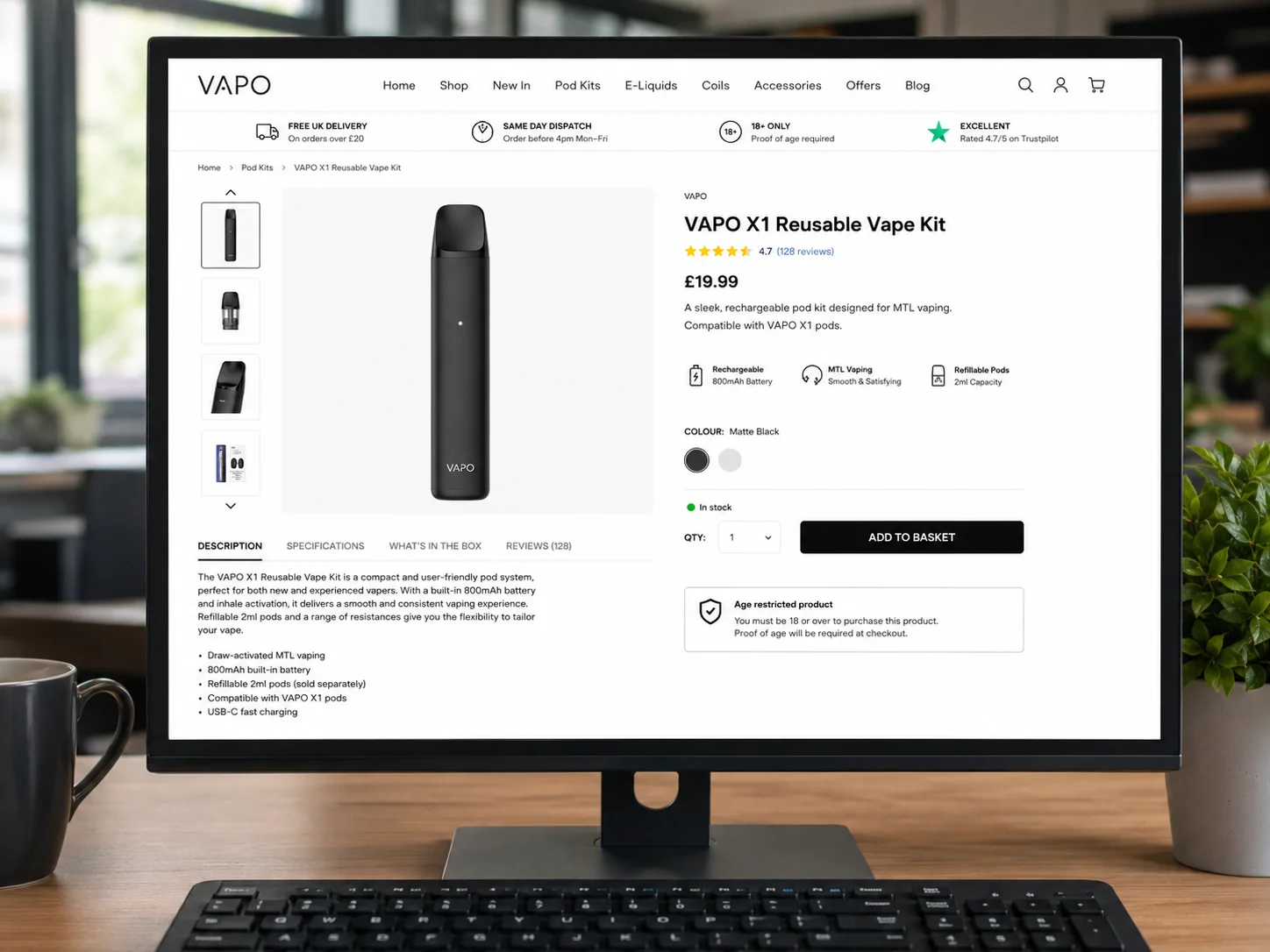
In this new environment, clarity is your best friend. Your customers need to know exactly what they are buying and how to use it legally. Vague or hyped-up marketing language is now a liability. We are instructing our teams to be brutally honest and detailed in all UK-facing materials.
Your product pages should clearly show:
- Rechargeable Battery Info: Specify the battery capacity and charging method.
- Refill Method: Explain or show how to refill the device.
- Replaceable Parts: Detail the structure of the replaceable coil or pod.
- Links to Components: Provide direct links to buy the compatible replacement parts.
- Compatibility: Explicitly state, "This pod is compatible with Device X."
- Intended Market: Clearly mark the product as "For UK Market."
And here's what to avoid at all costs. These terms are misleading and will get you into trouble:
- "Rechargeable disposable"
- "Next-generation disposable"
- "Disposable-style reusable vape"
- "Legal loophole vape"
- "UK-ban-proof device"
- "Fully compliant" (without clear evidence)
Be straightforward. Show the customer how the product works. Prove its reusability through clear information and available parts. Honest marketing will win you the best customers in the long run.
How Does This Affect Your Pricing, MOQ, and Wholesale Margins?
Your old pricing was simple: a low price per disposable unit. With reusable systems, the model is different, with starter kits and cheap components. You're not sure how to price them to stay competitive and profitable.
Shift your focus from single-unit margin to total customer lifetime value. The initial starter kit may have a lower margin, but the profit comes from the repeat sales of replacement pods and coils[^9]. Your pricing model must account for the entire ecosystem, not just the device.
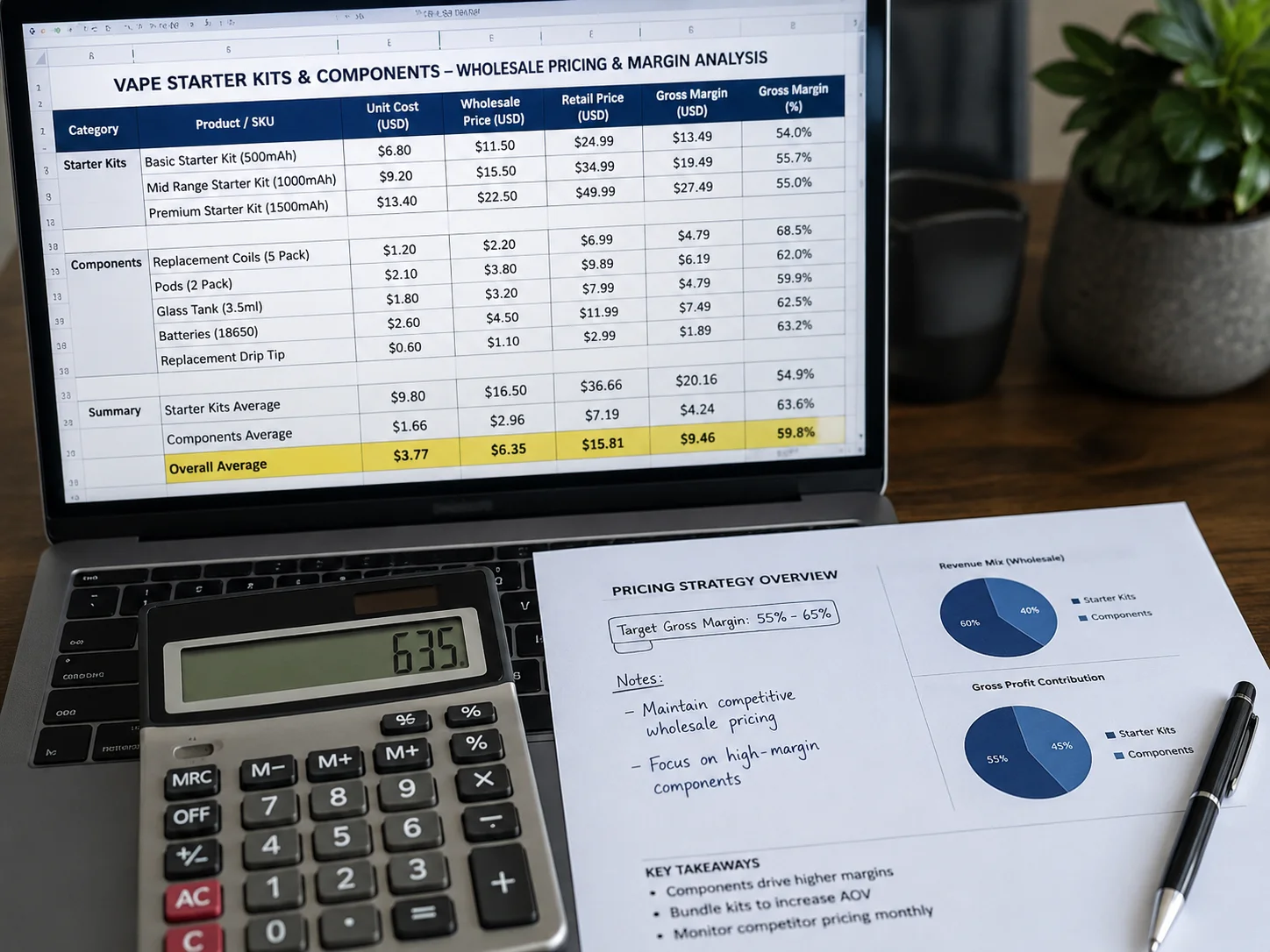
This is where so many people get the business logic wrong. They just compare the price of one reusable device to one disposable and think the margin is too low. I always tell my partners: the real money in business is not in the single sale, it's in the speed of your cash flow[^10].
A disposable vape is a one-time transaction. A reusable system is a long-term annuity. Your pricing strategy needs to reflect this:
| Pricing Consideration | Old Model (Disposables) | New Model (Reusables) |
|---|---|---|
| Primary Sale | The device itself. | A low-cost starter kit. |
| Repeat Sales | None. | High-margin replacement pods, coils, and e-liquids. |
| Customer Value | Low, one-time purchase. | High, long-term relationship with recurring revenue. |
| Inventory Turnover | Fast, but the relationship ends. | Slower for devices, but very fast for consumables. |
| MOQ Strategy | Based on a large quantity of one SKU. | Can be mixed MOQs of devices and their various components. |
Don't get hung up on making a huge profit on the starter kit. Price it competitively to get it into the customer's hands. The real, sustainable profit will come from selling them a box of coils every month. This model rewards wholesalers who build relationships and manage their inventory well. It's a much healthier way to do business.
Is Your Product Mix Ready for the UK? A Final Checklist
The new rules are in place, and an order for the UK just came in. Are you absolutely sure the products you're about to ship are compliant? One mistake can ruin a customer relationship.
Before you quote or ship any vape products to the UK, run through this final checklist. Verify that every SKU is classified, fully reusable with available parts, and described accurately. Make sure your warehouse team can identify and handle restricted stock. This discipline is now mandatory.
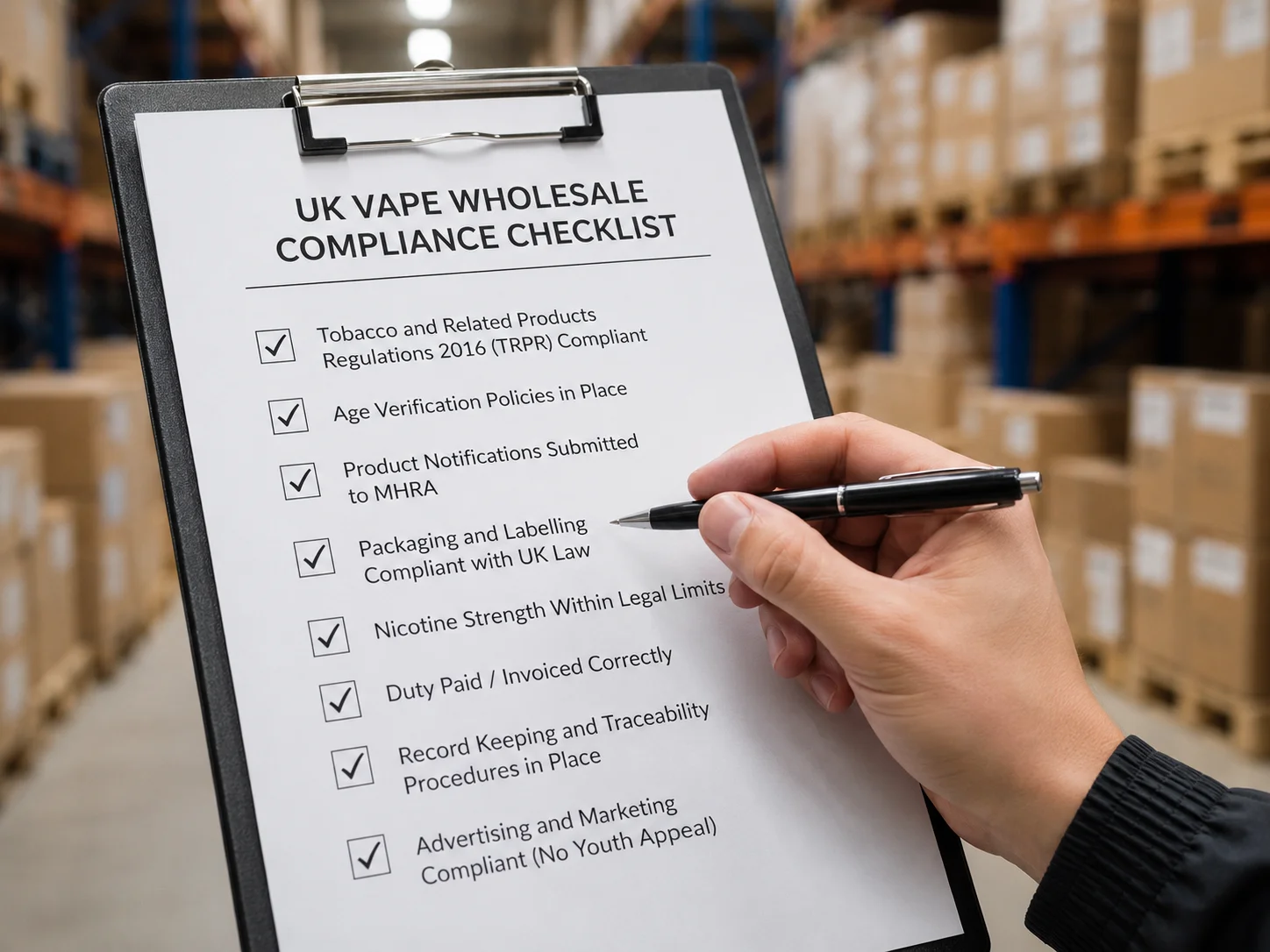
Doing business internationally for over 15 years has taught me one thing: checklists save you from disastrous mistakes[^11]. We have implemented a mandatory check for all UK-bound vape orders. I strongly recommend you do the same. It’s the final safety net before your money and goods are on the line.
Before finalizing any UK order, ask yourself these questions:
- [ ] Has every single UK-facing SKU been classified as compliant or non-compliant?
- [ ] Is the device's battery rechargeable by the user?
- [ ] Can the device's pod or tank be refilled by the user?
- [ ] Can the coil be replaced by the user (or is the entire pod replaceable)?
- [ ] Are the necessary replacement components (pods/coils) actually stocked and sold separately?
- [ ] Is the compatibility between devices and components clearly documented?
- [ ] Do your product photos and descriptions match the supplied version exactly?
- [ ] Are your UK and non-UK SKUs separated in your inventory system?
- [ ] Do your product descriptions avoid misleading terms?
- [ ] Has your warehouse team been trained to identify and stop restricted products for UK orders?
- [ ] Is any remaining single-use inventory completely isolated from UK shipments?
- [ ] Have you updated all your catalogs and price lists for the UK market?
- [ ] Has your UK-based importer reviewed and confirmed the compliance of the products?
- [ ] Is there a review date recorded for your product mix strategy?
If you can't tick every box, stop and fix the issue. Being disciplined now will save you a fortune in lost stock, returned shipments, and damaged reputation later.
Conclusion
The UK vape ban isn't a threat; it’s a filter.[^12] It filters out short-term players and rewards businesses that build sustainable, long-term product strategies and customer relationships. Adapt correctly now.
[^1]: "E-Cigarette Use Among Youth | Smoking and Tobacco Use - CDC", https://www.cdc.gov/tobacco/e-cigarettes/youth.html. Provides the official announcement from the UK government, detailing the plan to introduce legislation to ban the sale and supply of disposable vapes as part of its response to a public consultation. Evidence role: general_support; source type: government. Supports: The UK government has announced plans to ban the sale and supply of single-use vapes.. Scope note: The source may detail the planned legislation, but the final text and implementation date could be subject to the parliamentary process. [^2]: "The smoke-free generation policy: policy analysis - PMC", https://pmc.ncbi.nlm.nih.gov/articles/PMC12078839/. Cites the UK government's consultation response which clarifies that the ban applies to vapes that are not designed to be refilled by the user, a category that includes rechargeable but non-refillable devices. Evidence role: definition; source type: government. Supports: The UK's definition of a disposable vape for the purpose of the ban includes devices that are not refillable, even if they are rechargeable.. [^3]: "A scoping review on e-cigarette environmental impacts - PMC", https://pmc.ncbi.nlm.nih.gov/articles/PMC10542855/. Presents research comparing the environmental impact, particularly plastic and battery waste, of single-use vapes versus reusable systems, finding that reusable systems are substantially less wasteful over their lifecycle. Evidence role: statistic; source type: research. Supports: Reusable vape systems generate significantly less plastic and electronic waste compared to single-use vapes.. Scope note: The source would focus on environmental sustainability, not the 'profitable' aspect of the claim, which is a separate business argument. [^4]: "Exploring the potential consequences of the disposable vape ban in ...", https://pmc.ncbi.nlm.nih.gov/articles/PMC12978755/. References the official government policy or consultation response, which specifies that the ban on disposable vapes applies irrespective of their nicotine content. Evidence role: definition; source type: government. Supports: The UK's ban on single-use vapes applies to the device itself, regardless of whether it contains nicotine.. [^5]: "The UK Disposable Vape Ban: What You Need to Know - INNOKIN", https://www.innokin.com/blog/disposable-vape-ban-uk. Cites the specific criteria for a 'reusable' vape from the UK government's guidance, which defines reusability as the ability to refill the device and replace key functional parts like the coil or the pod containing it. Evidence role: definition; source type: government. Supports: The definition of a reusable vape under UK regulations implies that key components subject to wear, like the coil, must be replaceable for the device to be considered compliant.. Scope note: The government's definition might be based primarily on the ability to refill the e-liquid, with the coil's replaceability being a secondary interpretation rather than an explicit rule. [^6]: "Razor-and-blades model", https://en.wikipedia.org/wiki/Razor-and-blades_model. Explains the 'razor and blades' business model, where a primary product is sold at a low margin to drive recurring sales of high-margin consumable components, thereby increasing overall customer lifetime value and fostering long-term customer relationships. Evidence role: mechanism; source type: education. Supports: The business model described, selling a durable device to profit from recurring sales of consumables, is a well-established strategy for increasing customer lifetime value.. Scope note: The source would provide a general business theory, not specific data on the vape market post-ban. [^7]: "An Economic Analysis of the Pre-Deeming US Market for Nicotine ...", https://pmc.ncbi.nlm.nih.gov/articles/PMC7454013/. Provides a cost-breakdown analysis comparing the long-term expenses of using disposable vapes versus a refillable system with replaceable coils, demonstrating substantial savings with the latter over weeks or months of use. Evidence role: general_support; source type: other. Supports: The long-term cost of using a reusable vape system with replaceable coils is significantly lower than using disposable vapes.. Scope note: The source would likely be a third-party analysis or consumer guide rather than a formal academic paper. [^8]: "Right to repair - Wikipedia", https://en.wikipedia.org/wiki/Right_to_repair. Presents research on product lifecycle management and customer loyalty, showing a strong correlation between the availability of replacement parts and long-term product viability and customer retention. Evidence role: general_support; source type: research. Supports: The availability of spare parts and after-sales support is a critical factor in customer satisfaction and the perceived value of durable goods.. Scope note: The source would discuss this principle generally for consumer electronics or durable goods, not specifically for the vape industry. [^9]: "Subculture wars: The struggle for the vape industry - PMC", https://pmc.ncbi.nlm.nih.gov/articles/PMC10092283/. Cites a market analysis report or business article that examines the revenue models in the vaping industry, confirming that the primary profit driver for open-system vapes is the continuous sale of proprietary pods and coils. Evidence role: case_reference; source type: other. Supports: Market analysis shows that the profitability of reusable vape systems is driven by the recurring purchase of consumables like e-liquids and coils, not the initial device sale.. Scope note: The source would likely be from a market research firm or industry publication, which may have its own biases, rather than a peer-reviewed academic paper. [^10]: "Cash Flow vs. Profit: What's the Difference? | HBS Online", https://online.hbs.edu/blog/post/cash-flow-vs-profit. Provides a definition of the cash conversion cycle and explains its importance in business finance, demonstrating how faster turnover of inventory into cash can be more valuable for a company's liquidity than high margins on slow-moving products. Evidence role: definition; source type: education. Supports: Cash flow, and the speed at which cash is generated (the cash conversion cycle), is a critical indicator of a business's financial health, often considered more important for short-term survival than reported profit.. [^11]: "The effectiveness of checklists and error reporting systems in ... - PMC", https://pmc.ncbi.nlm.nih.gov/articles/PMC11329062/. References research, such as that popularized by Atul Gawande in 'The Checklist Manifesto,' which demonstrates how checklists significantly improve outcomes and reduce critical errors in fields like surgery and aviation by ensuring crucial steps are not overlooked. Evidence role: expert_consensus; source type: research. Supports: The use of simple checklists is a proven and effective method for reducing errors and ensuring consistency in complex, high-stakes procedures across various professional fields.. Scope note: The source provides evidence from other industries, which serves as a powerful analogy for logistics but is not a direct study of vape wholesaling. [^12]: "[PDF] Case Studies on the Regulatory Challenges Raised by Innovation ...", https://www.oecd.org/content/dam/oecd/en/publications/reports/2021/12/case-studies-on-the-regulatory-challenges-raised-by-innovation-and-the-regulatory-responses_82fcd441/8fa190b5-en.pdf. Provides historical case studies from other industries where new product or environmental regulations acted as a market filter, leading to the exit of some firms and the strengthening of others who adapted their business models. Evidence role: historical_context; source type: research. Supports: New, stringent regulations in an industry often lead to market consolidation, where companies unable to adapt are forced out, while those with the resources and foresight to comply gain market share.. Scope note: The source would provide an analogy from other markets, as the long-term effects of this specific vape ban are not yet known.