
Remaining vape inventory can become a serious commercial problem when a distribution agreement ends. I have seen how quickly stock, cash flow, brand relationships, and customer trust can become connected. The pressure to recover money is understandable, but selling first and checking authorization later can create greater losses. A controlled review gives buyers safer options.
Quick Answer
- Pause sales temporarily and review the distribution agreement, termination terms, brand authorization, product batches, labels, and destination-market requirements.
- Classify remaining vape inventory by brand, model, batch, packaging condition, warehouse location, shelf-life considerations, and sales channel.
- Confirm what the brand and local requirements permit before selling, transferring, returning, relabeling, or discounting stock.
- Compare several exit routes, including an approved sale, authorized transfer, negotiated return, buyback discussion, storage, controlled disposal, or limited discounting.
- Measure the total financial exposure, including storage, working capital, transport, customer claims, compliance review, and reputation risk.
When a vape distribution agreement ends, remaining vape inventory should first be placed on hold and reviewed against the contract, brand authorization, batch condition, and destination-market requirements. If continued sale is permitted, the stock may be sold through an approved channel. If sale is not clearly permitted, the buyer should negotiate a return, transfer, buyback, or controlled disposal instead of assuming that clearance is automatically lawful or commercially safe.
The right answer depends on more than the number of units in the warehouse. Product identity, market location, packaging, channel, contract language, and brand cooperation can all change the decision. I use a step-by-step process because it helps buyers reduce avoidable losses without treating compliance as an afterthought.
How Should Remaining Vape Inventory Be Handled When a Distribution Agreement Ends?
A distribution agreement ending creates two separate questions: Can the inventory still be sold, and what is the least damaging way to manage it? I recommend answering the first question before calculating discounts, contacting customers, or moving the stock to another channel.
A buyer should normally pause the affected sales, preserve all records, review the agreement, and request the brand’s written position. The buyer should also verify destination-market requirements with qualified local professionals before taking action.
Start with a temporary stock hold
- New sales orders for the affected products.
- Transfers to related companies or other distributors.
- Relabeling, repackaging, or promotional changes.
- Marketplace listings and online advertising.
- Shipment to another country or sales channel.
- Mixing old stock with later stock that has different authorization.
I would record the hold date, responsible person, product codes, quantities, warehouse locations, and any customer orders already accepted. This record helps the buyer distinguish inventory already sold from inventory still under control.
Review documents in a practical order
- The signed distribution agreement and amendments.
- Termination notice and effective date.
- Purchase orders, invoices, and payment records.
- Brand authorization letters or channel restrictions.
- Product specifications, labels, packaging artwork, and batch records.
- Shipping and customs documents.
- Warehouse counts and photographs.
- Customer complaints, returns, and warranty records.
- Local product registrations or market-entry documents, where relevant.
- Communications that explain what happens to stock after termination.
The buyer should pay attention to terms covering post-termination sales, sell-off periods, returns, territory, minimum purchase commitments, trademarks, confidential information, warranties, recalls, and dispute procedures.[2] I do not treat a general statement such as “the agreement has ended” as enough to determine what happens to physical goods.
Possession is not the same as permission
The buyer may own the physical units and still need to confirm whether the buyer may continue using the brand name, authorized images, product claims, packaging, or distribution channel.[1] The commercial right to possess goods and the permission to market them can involve different issues.
- May I sell units already purchased before the termination date?
- Is there a written sell-off period?
- Does the permission apply to all products or only specific batches?
- May I sell to existing wholesale customers?
- May another approved distributor purchase the stock?
- Will the brand accept a return or buyback discussion?
- What should happen to damaged, obsolete, or nonconforming units?
- May I continue using existing packaging and marketing materials?
What Should Buyers Check Before Selling Remaining Vape Inventory?
The buyer should check each inventory line by commercial identity, physical condition, market suitability, and authorization status. A warehouse total is not enough. Two cartons with the same broad product description may have different batches, labels, destinations, or customer restrictions.
I recommend creating an inventory decision file that connects every quantity to evidence. This process may feel slow, but it is usually faster than discovering later that a discounted shipment cannot be supported by the necessary records.
Build an inventory classification table
| Review field | Questions to answer | Why it matters |
|---|---|---|
| Brand and model | Which brand, model, flavor, variant, and SKU is involved? | Different products may have different permissions and demand |
| Batch or lot | Can the units be traced to a batch or production record? | Traceability supports customer service and investigation[5] |
| Packaging | Is packaging sealed, damaged, outdated, or market-specific? | Packaging can affect saleability and channel acceptance |
| Quantity | How many saleable, returned, damaged, or missing units exist? | A physical count supports financial planning |
| Location | Where is the stock stored? | Requirements and shipping costs can differ by market |
| Customer channel | Is the intended buyer a wholesaler, shop, marketplace, or another distributor? | Channel suitability may be restricted |
| Market status | Is the stock intended for the country where it is held? | Cross-border movement may create new checks |
| Commercial demand | Is the product still moving through the buyer’s normal channel? | Demand affects discounting and storage decisions |
| Service exposure | Are warranty, returns, or complaints still expected? | A low sale price does not remove after-sales obligations |
Review product condition and age
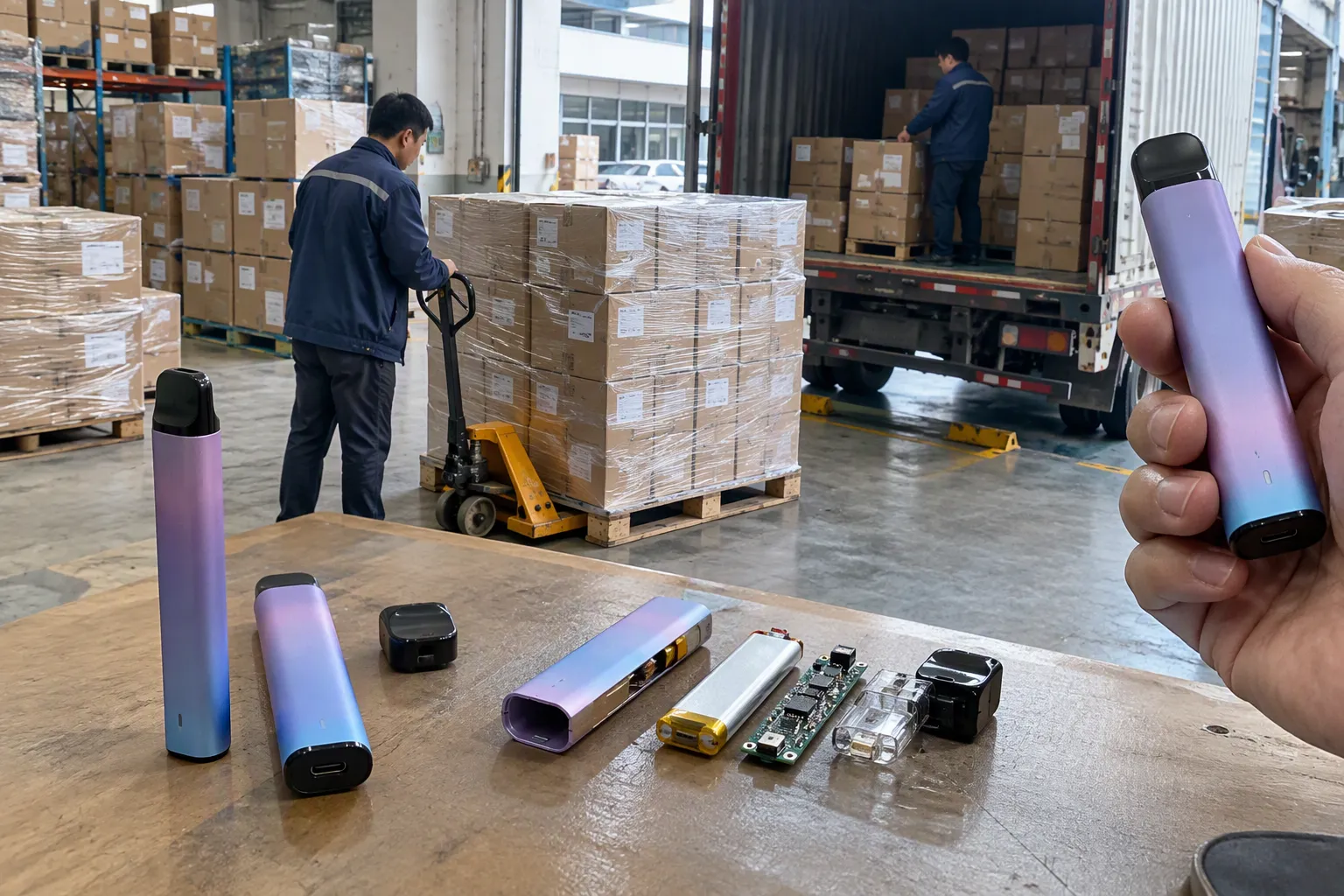
Some vape products contain components that can be affected by storage conditions or time.[3] Batteries, seals, charging ports, liquid-containing products, and printed packaging may require particular attention. I would not make a technical safety determination from appearance alone. If the condition is uncertain, I would seek qualified product, laboratory, or safety evaluation.
- External damage or leakage.
- Swollen, dented, or otherwise questionable batteries.
- Broken seals and opened cartons.
- Missing instructions or warnings.
- Heat, moisture, or unsuitable storage exposure.
- Customer returns that have been placed back into inventory.
- Units with unclear batch identification.
Returned products deserve special care.[4] A unit returned by a customer should not automatically go back into saleable stock. The buyer needs a documented inspection and a clear decision about whether the item can be resold, tested, quarantined, or disposed of.
Separate authorization from commercial attractiveness
A popular product is not automatically an approved product. A buyer may believe that the stock can be sold quickly because customers already recognize the brand. That assumption can increase risk if the agreement, brand owner, packaging, or market conditions have changed.
| Commercial question | Permission and risk question |
|---|---|
| Can my customers sell this product? | May I still market or distribute it? |
| What price will move the stock? | Does the price change any authorization issue? |
| Which channel has demand? | Is that channel allowed for this product? |
| Can I ship it to another country? | Are cross-border requirements satisfied? |
| Can I use the old product images? | Do I still have permission to use brand assets? |
| Can another wholesaler buy it? | Is the transfer approved by the brand and relevant parties? |
Which Exit Routes Are Available for Remaining Vape Inventory?
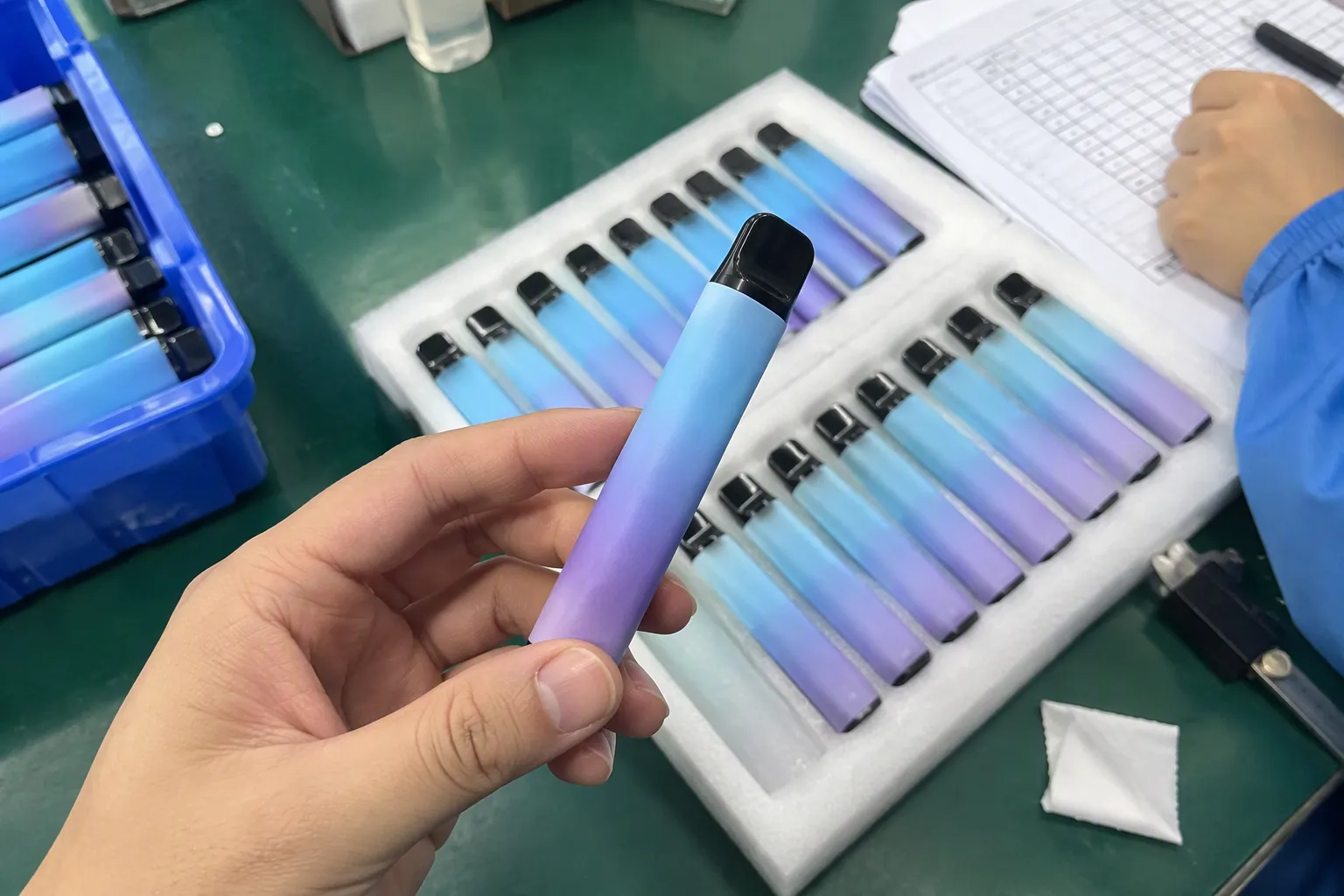
Once the buyer understands the inventory and receives a clearer position from the brand, the buyer can compare exit routes. I do not recommend choosing the fastest route automatically. The best route is the one that reduces total exposure while preserving documentation, customer trust, and future supplier relationships.
The main options are an approved sell-through, authorized transfer, negotiated return, buyback discussion, controlled discounting, continued storage, or controlled disposal. None of these options is guaranteed in every agreement.
Option 1: Approved sell-through
- The start and end dates.
- The covered SKUs and batches.
- The permitted countries and customer types.
- Whether advertising and brand assets may continue.
- Whether ordinary warranty and returns remain available.
- Whether the buyer must provide periodic stock reports.
Option 2: Authorized transfer
A transfer to another approved distributor may preserve more value than a public clearance sale. The buyer may already know another wholesaler with the right territory or channel. However, the buyer should not assume that a private transfer is acceptable merely because both parties are businesses.
- The units and batches being transferred.
- The receiving company.
- The approved territory and channel.
- Responsibility for transport and customs.
- Warranty and returns treatment.
- Payment terms and title transfer.
- Any restrictions on brand communication.
Option 3: Negotiated return or buyback discussion
A return or buyback can reduce storage and working-capital pressure, but I never present it as an automatic right. The brand may have no obligation to accept the goods, or it may impose conditions involving packaging, batch age, freight, credit notes, or inspection.
- A verified stock report.
- Photographs of the goods.
- Purchase dates and invoices.
- Batch and packaging information.
- Proposed transport arrangements.
- Evidence that the stock was stored appropriately.
- A requested timeline for decision-making.
The buyer should calculate the net value of the offer. A credit note that arrives months later may be less useful than a lower-value solution that releases cash sooner. The buyer should also clarify whether the return resolves future warranty or customer claims.
Option 4: Controlled discounting
- Advertising claims that the brand has not approved.
- Selling to a channel that was not previously authorized.
- Hiding the stock condition from customers.
- Mixing different batches without records.
- Using “final sale” language as a substitute for proper product handling.
- Moving the goods across borders only to find a higher price.
A discount can reduce unit margin while preserving some value. It can also damage a brand relationship or create customer complaints if the reason for the discount is not understood. I would use a written pricing and customer-communication plan.
Option 5: Storage or controlled disposal
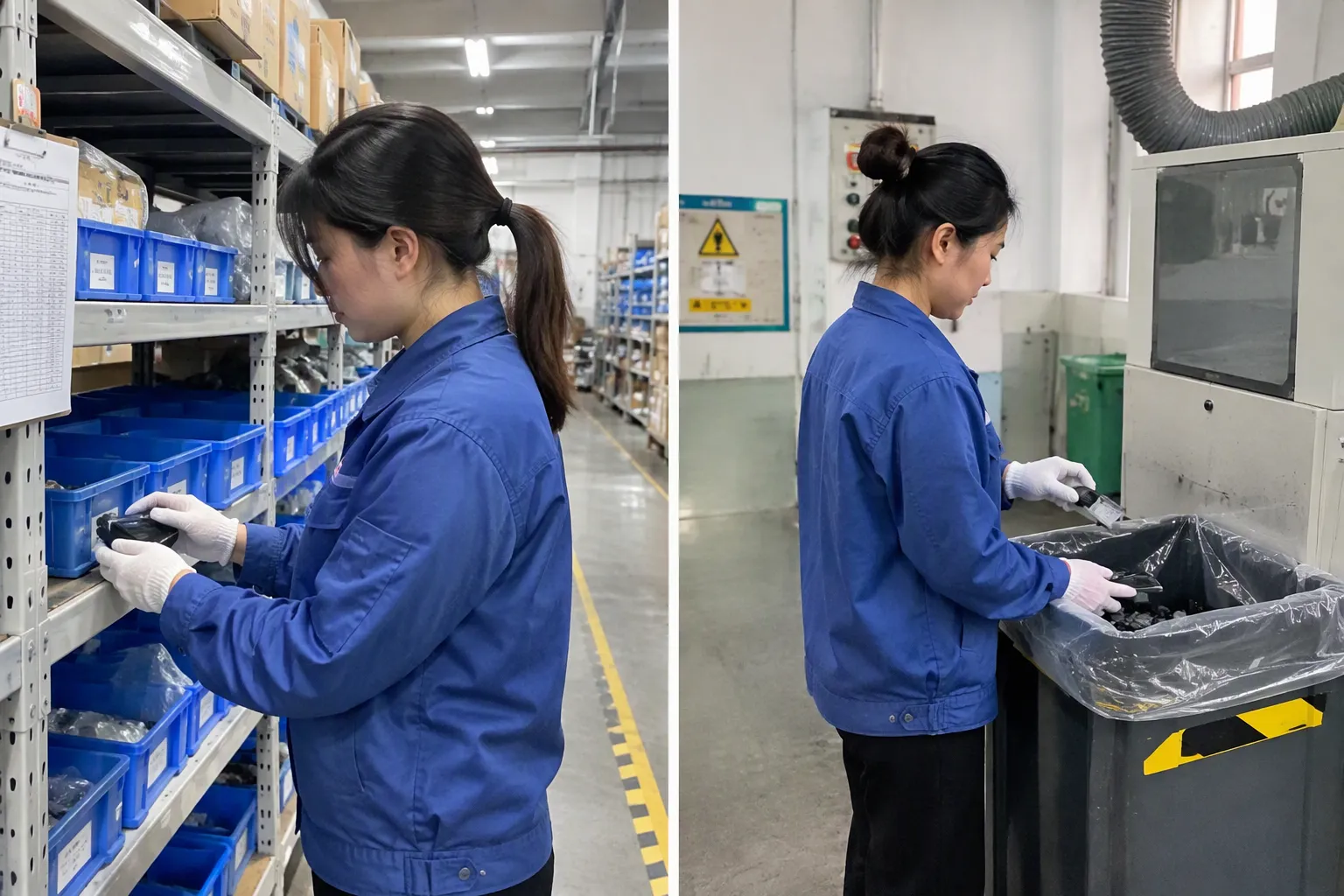
Storage is sometimes the rational decision when the buyer needs time to negotiate or verify market conditions. Storage has a cost, so I would set a review date rather than allowing the inventory to disappear into a warehouse indefinitely.
Controlled disposal may be necessary for unauthorized, damaged, obsolete, or otherwise unsuitable products. Disposal should follow applicable waste, battery, electronic, packaging, and product-handling requirements. I would retain certificates, collection records, photographs, and quantity records where available.
| Exit route | Potential value | Main risk or limitation | Best first question |
|---|---|---|---|
| Approved sell-through | Medium to high | Time and channel limits | What exactly is authorized? |
| Approved transfer | Medium to high | Receiving party and territory approval | Who may legally or contractually receive it? |
| Return or buyback | Potentially high | Brand may refuse or impose conditions | What written commercial proposal can I make? |
| Controlled discount | Medium | Channel, reputation, and customer risks | Can I sell this stock through this channel? |
| Continued storage | Preserves options | Ongoing cost and ageing | What decision date will I use? |
| Controlled disposal | No recovery or limited recovery | Cost and documentation | What qualified disposal route applies? |
How Can Buyers Calculate the Real Loss?
Include costs that are easy to overlook
- Discounted selling price.
- Freight to customers or a new warehouse.
- Inspection and repacking.
- Translation or market-specific documentation review.
- Storage rent and insurance.
- Payment processing and credit risk.
- Customer returns and warranty handling.
- Staff time spent on reconciliation.
- Customs or tax advice.
- Disposal and recycling charges.
- Cash tied up in stock.
- Potential damage to customer relationships.
- Future supplier or brand access.
For example, a slightly higher price may not be better if it requires six months of storage and uncertain customer payments. A lower-value authorized transfer may produce a better commercial result if it releases working capital quickly and avoids additional handling.
Use scenario planning

| Scenario | Expected outcome | Time to resolution | Main uncertainty |
|---|---|---|---|
| Approved sell-through | Existing customers purchase stock | Short to medium | Duration and channel approval |
| Negotiated return or transfer | Stock leaves the warehouse | Medium | Brand or receiving-party agreement |
| Disposal | Inventory is removed with records | Short to medium | Cost and applicable handling process |
The buyer can assign conservative, middle, and optimistic assumptions rather than relying on one best-case estimate. The purpose is not to predict the future perfectly. The purpose is to show how much additional loss the buyer can accept while waiting for a better option.
Protect working capital
Remaining stock often becomes more urgent when the buyer has already paid suppliers, freight companies, customs brokers, warehouse providers, and local sales staff. The buyer should identify which costs are fixed and which costs can still be avoided.
- How much cash is tied up in the inventory today?
- What monthly cost does the stock create?
- What customer orders could be fulfilled if the stock remains authorized?
- What amount would a return or transfer release?
- What is the cost of delaying the decision by 30, 60, or 90 days?
- Can the business fund the review without borrowing at a high cost?
What Should the Buyer Negotiate With the Brand or New Distributor?
The negotiation should focus on a documented solution, not only on the buyer’s frustration. I find that a clear inventory file gives the conversation a better structure. The buyer can explain what is held, where it is held, what condition it is in, and what outcome would reduce loss for both sides.
A buyer may propose several alternatives instead of demanding only one result. The brand may prefer an authorized sell-through, while another distributor may prefer a batch transfer. The parties can assess these options separately.
Prepare before contacting the brand
- Agreement name and termination date.
- Stock quantity by SKU and batch.
- Warehouse location.
- Product and packaging condition.
- Value at original purchase cost.
- Current expected market value.
- Customer orders already accepted.
- Requested decision date.
- Preferred and alternative solutions.
Put key points in writing
- What products are covered.
- Whether sale is authorized.
- Which territory and channels apply.
- The deadline.
- Who pays freight.
- Who handles customer claims.
- How returns are inspected.
- Whether a credit, refund, or replacement is available.
- What happens to marketing materials.
- What happens after the deadline.
I would not rely on informal phrases such as “you should be fine” or “just sell the old stock.” The buyer should ask for a precise written explanation, especially when multiple countries or distributors are involved.
Consider the relationship beyond this inventory
A distribution agreement may end because of a territory change, a direct-sales decision, a merger, performance concerns, or a broader brand strategy. The buyer may still need the brand, manufacturer, or supplier in the future. I recommend negotiating firmly but professionally.
- A structured stock transfer.
- A limited extension for existing customers.
- A replacement product program.
- A credit against another approved product.
- Shared customer communication.
- A staged collection schedule.
- A joint review of damaged or returned units.
How Should Inventory Be Managed Across Europe and North America?
The location of remaining vape inventory matters. A product held in one country is not automatically suitable for sale in another country. Moving it may create new questions about labeling, customs, tax, product notifications, importer responsibility, packaging, age-restricted sales, and local channel rules.[6]
Review the destination market separately
For European operations, buyers should consult the relevant official national authorities and current EU materials. The European Commission provides information on tobacco-control policy, while EUR-Lex provides access to EU legislation, including the Tobacco Products Directive.[7] These sources are useful starting points, but they do not replace local professional advice or a country-specific review.
For North American operations, the United States Food and Drug Administration provides official information about tobacco products and market requirements.[8] Buyers should also check the rules that apply in the specific state, province, territory, or municipality where the products will be sold.
- European Commission tobacco policy information
- EUR-Lex access to EU legislation
- U.S. FDA Center for Tobacco Products
- U.S. Customs and Border Protection
Do not assume a new channel solves the issue
- Brand authorization.
- Product labeling.
- Importer or distributor responsibilities.
- Customer information obligations.
- Age-verification expectations.
- Advertising restrictions.
- Product documentation.
- Tax or customs treatment.
Match the route to the buyer’s scale
A small retailer or regional wholesaler may prioritize quick stock resolution and limited additional investment. A large importer may have more options because it can negotiate transfer volumes, conduct formal inspections, or use established compliance resources.
| Buyer profile | Practical priority | Possible route to evaluate |
|---|---|---|
| Small retailer | Avoid more cash being tied up | Authorized local sell-through or return discussion |
| Regional wholesaler | Preserve customer relationships | Approved discount or transfer within the territory |
| Large importer | Protect margin and supply continuity | Negotiated transfer, buyback, or structured sell-through |
| Multi-country distributor | Control market-by-market risk | Separate review for each warehouse and destination |
| Brand-focused distributor | Protect long-term reputation | Written brand plan and documented customer communication |
What Records Should Be Kept After the Decision?
Good records help buyers defend their commercial decisions, respond to customer questions, and explain inventory movements. They also make it easier to identify affected batches if a complaint, return, or product review occurs later.
Keep a complete inventory trail
- Opening quantity.
- Receipts and purchase documents.
- Warehouse count.
- Quarantined units.
- Customer shipments.
- Returns.
- Transfers.
- Disposal records.
- Closing quantity.
- Photographs and inspection notes.
Record customer communication carefully
- That the company is reviewing the affected stock.
- Whether the order is temporarily paused.
- When the next update will be provided.
- What refund or alternative process is available, if confirmed.
- Which contact person will handle questions.
Create a final decision record
- The decision taken for each SKU or batch.
- The documents reviewed.
- The brand’s written position.
- Any professional advice obtained.
- The financial comparison between options.
- The person who approved the decision.
- The completion date.
- Any follow-up obligations.
Frequently Asked Questions
Can I automatically sell vape inventory after a distribution agreement ends?
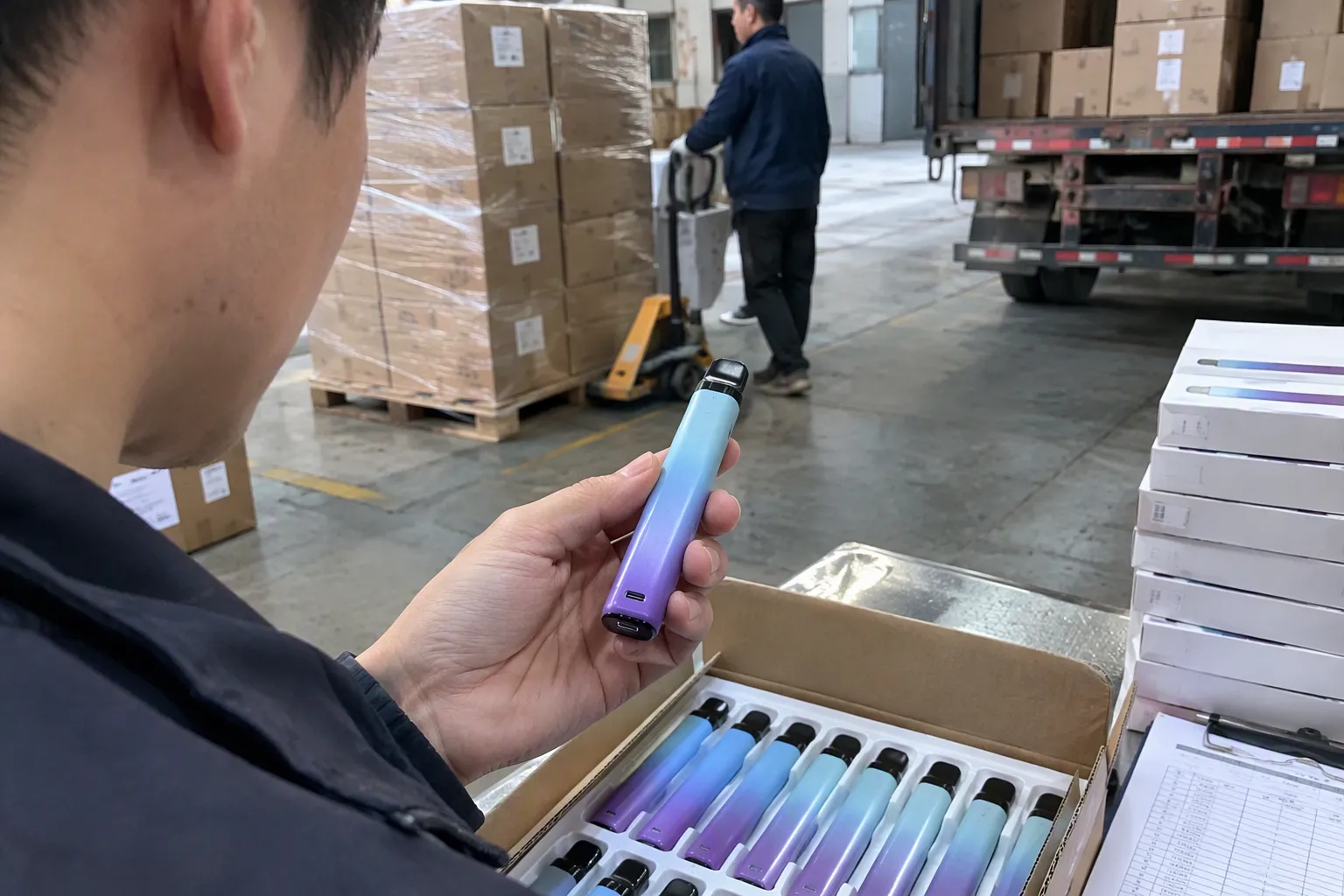
No. The buyer should not assume that physical ownership creates an automatic right to continue marketing or distributing the products. The buyer should review the agreement, termination terms, brand authorization, product batches, and destination-market requirements before selling.
Can the brand be required to buy back my remaining stock?
Not necessarily. A buyback or return may depend on the agreement, purchase terms, product condition, timing, and the brand’s written acceptance. I recommend preparing a documented proposal and treating buyback as a negotiation option rather than a guaranteed remedy.
Can I transfer the remaining vape inventory to another wholesaler?
A transfer may be possible, but the buyer should verify that the brand, territory, channel, and destination requirements permit it. The receiving wholesaler should also check the products independently. A private business-to-business transfer does not automatically remove authorization or compliance concerns.
Is discounting the stock a safe way to recover cash?
Discounting can be commercially useful when the products remain suitable and the sale is permitted. A lower price does not solve problems involving authorization, labeling, market eligibility, damaged goods, or customer claims. The buyer should control the channel, records, marketing, and customer communication.
What should I do with damaged or questionable units?
The buyer should quarantine questionable units and avoid returning them to saleable stock based only on appearance. The buyer should seek qualified product or safety evaluation where necessary and use an appropriate controlled disposal or recycling route for units that cannot be sold.
Conclusion
Remaining vape inventory should be managed through a documented decision process, not an automatic clearance campaign. I recommend pausing sales, reviewing the agreement and brand position, classifying every SKU and batch, checking the destination market, and comparing approved sell-through, transfer, return, discounting, storage, and disposal options. The goal is controlled loss reduction while protecting cash flow, customer trust, and future supplier relationships. If you need help evaluating product categories or sourcing alternatives after a distribution change, you can contact Kingfuji Tech through our company website for an initial commercial discussion.
Sources
- MODULE 12 Trademark Licensing", Institutional guidance on trademark exhaustion and resale supports distinguishing ownership of a physical product from independent rights to use protected marks or comply with contractual distribution restrictions
- Draft Chapter on Termination of Long Term Contracts for ...", Commercial-contract scholarship identifies termination, territory, intellectual property, inventory disposition, warranty, and dispute provisions as recurring subjects in distribution agreements
- Lithium Batteries: Safety, Handling, and Storage", Government battery-safety guidance describes temperature exposure, physical damage, and ageing as factors that can affect lithium-ion battery performance and increase the risk of failure
- Selling Tobacco Products in Retail Stores", Product-safety guidance treats returned electrical goods as requiring documented inspection before resale because use, damage, tampering, or storage history may be uncertain
- Traceability Lot Code", Product-traceability standards and regulator guidance associate batch or lot identification with targeted recall, complaint investigation, and reconstruction of product movements
- Tobacco: E-cigarettes", Regulatory materials from public authorities show that electronic nicotine products may be subject to destination-specific rules concerning notification, labeling, importation, packaging, and age-restricted sale
- Directive - 2014/40 - EN - EUR-Lex", European Union institutional materials identify Directive 2014/40/EU as the Tobacco Products Directive and provide official access to the related legislative and policy framework
- E-Cigarettes, Vapes, and other Electronic Nicotine Delivery ...", U.S. federal materials establish the Food and Drug Administration's authority over tobacco products and its publication of requirements concerning tobacco-product marketing and compliance
Related reading: