
Quick Answer
Fill-port design can shape how quickly a refillable vape product is refilled, how easily users make mistakes, and how often retailers report leakage-related complaints.[1] A weak sourcing decision can create messy refills, returns, and time-consuming after-sales work. I recommend that importers evaluate the full refill system before ordering volume, not only the visible port. **Fill-port design affects refill speed, leakage risk, and customer complaints because the opening, access position, closure method, and bottle compatibility all influence real-world use.
However, a leakage complaint does not automatically prove that the fill port has failed. Importers should inspect samples, ask structured supplier questions, and evaluate sealing, assembly, transport, and refill behavior together before placing a larger order.**
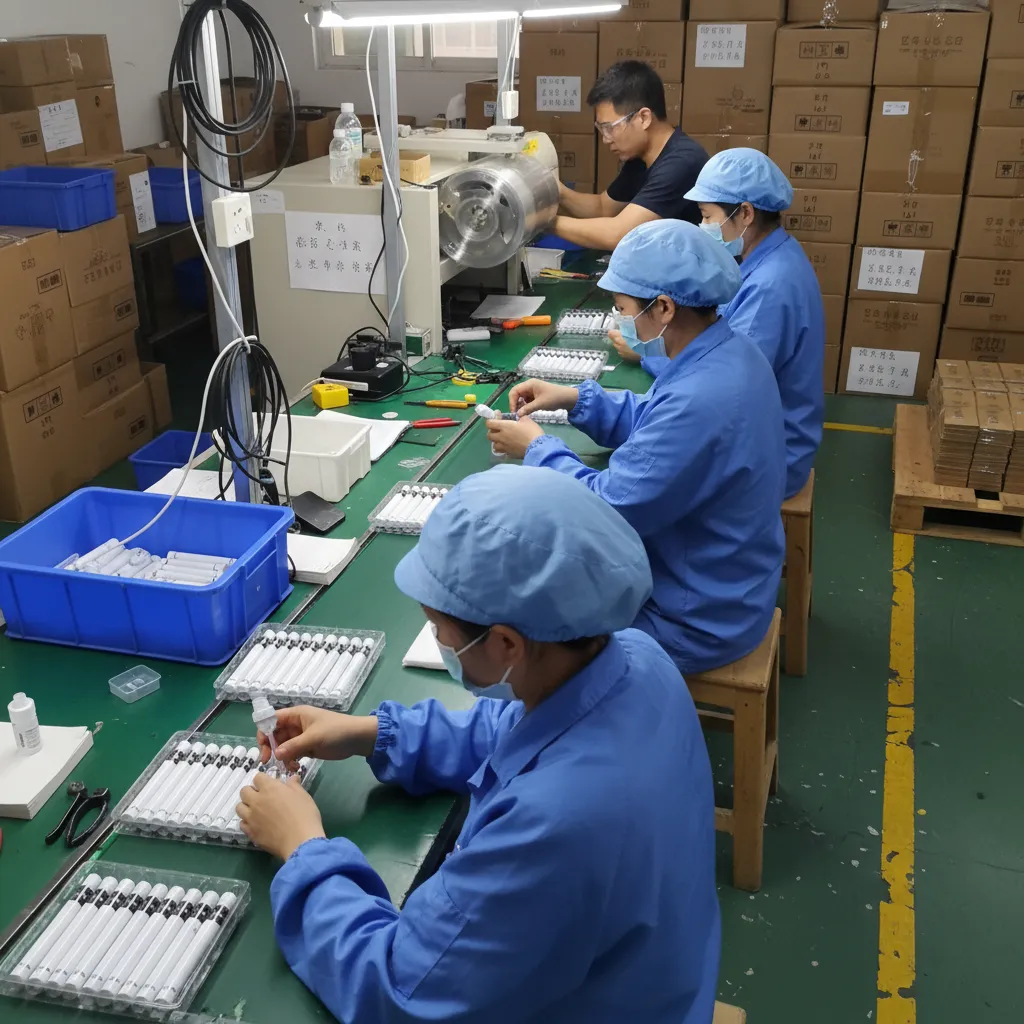
When I speak with vape importers, wholesalers, and shop suppliers, I often hear the same frustration: a product may look good in a catalogue, but customer complaints begin after it reaches retail shelves. A practical review of fill-port design can help buyers reduce avoidable friction before stock reaches their warehouse.
How Does Fill-Port Design Affect Refill Speed, Leakage Risk, and Customer Complaints?
A refillable product can lose value quickly when the filling process feels inconvenient or unreliable. Retailers may blame the product, while end users may blame the shop that sold it. I see this problem become more expensive when buyers treat fill-port design as a small cosmetic detail instead of a sourcing checkpoint.
Fill-port design affects refill performance through four connected factors: opening size, ease of access, closure security, and compatibility with common refill bottles.[2] A practical design may make refilling easier, but buyers should assess it together with sealing consistency, assembly quality, user instructions, and transport conditions. No single design feature can confirm or prevent every leakage complaint.
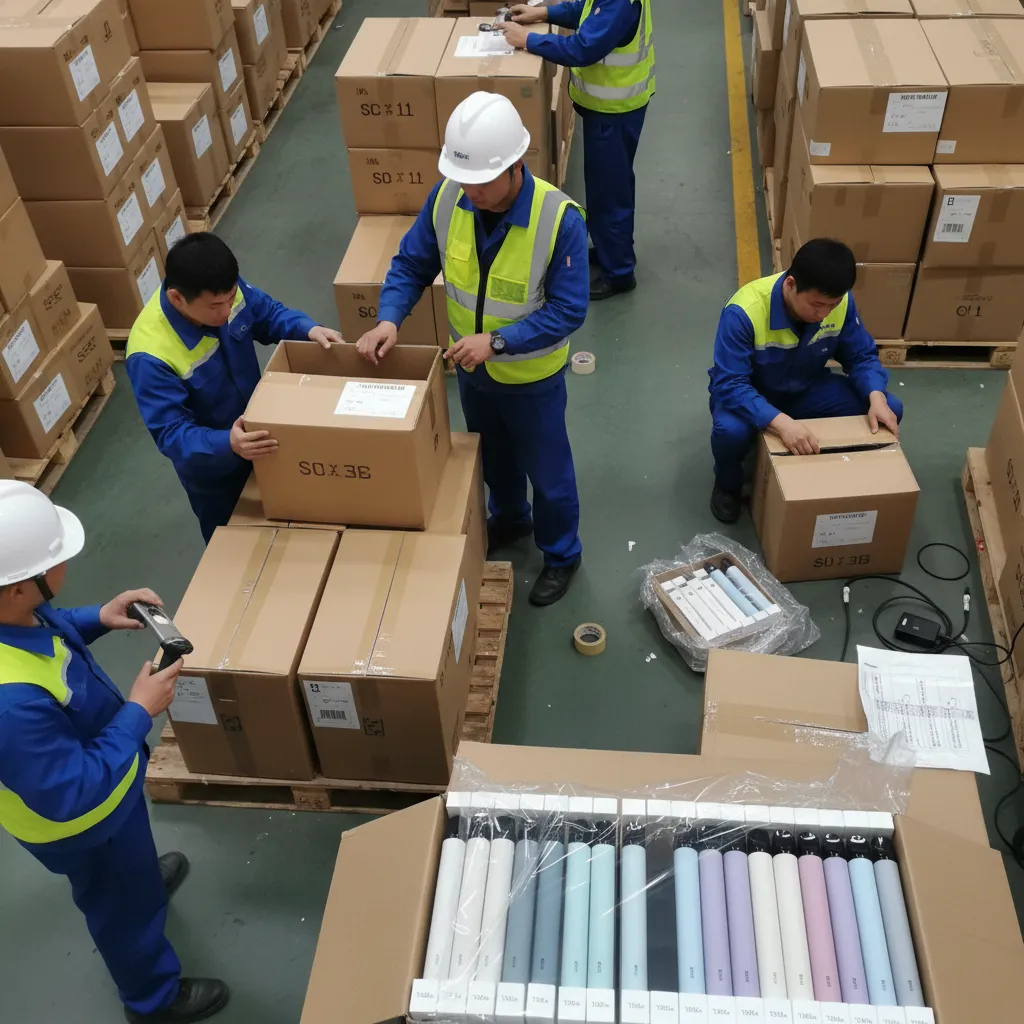
Why Refill Speed Matters to Importers and Retailers
For many wholesalers, refill speed is not only a user-experience issue. It can influence staff training, customer satisfaction, repeat purchases, and after-sales workload.
A refill port that is difficult to reach may create delays at the counter. A port that requires users to remove several parts may increase the chance that they lose a component, close it incorrectly, or refill in a rushed way. On the other hand, an opening that appears very large or easy to access is not automatically the best choice. Buyers still need to consider whether the closure feels secure and whether ordinary refill bottle tips work with the product.
When I review refillable products with customers, I encourage them to look at the refill process as a sequence:
- Can the user identify the fill port clearly?
- Can the user access it without forcing parts or using tools?
- Does the refill bottle tip fit the opening comfortably?
- Is there enough space for controlled filling?
- Can the user close the port correctly after refilling?
- Does the product provide clear instructions for the intended user?
These questions may sound simple, but they help buyers identify where a complaint could begin.
A Larger Opening Is Not Always a Better Fill-Port Design
Some buyers assume that a wider opening always means faster and cleaner refilling. In practice, I would treat that assumption carefully. The actual user experience can depend on the refill bottle tip, the position of the opening, the cap or plug arrangement, the user’s handling, and the overall construction of the device or cartridge.
For example, a narrow bottle tip may work well with one port shape but poorly with another. A user may overfill if the design does not make the filling limit clear. A removable silicone plug may be convenient for one customer group but may also be easier to misplace or fail to reseat properly if users are not careful.[3]
I do not present these points as engineering conclusions. They are practical sourcing questions based on the types of feedback that can appear after products enter the market. Buyers should ask the supplier for verified product documentation where available and should conduct their own sample checks under normal expected handling conditions.
| Fill-port factor | Possible buyer benefit | Possible sourcing concern | Practical question to ask |
|---|---|---|---|
| Opening size | May support easier bottle access | May not suit every bottle tip or user habit | Which bottle-tip styles are intended for this port? |
| Port location | May improve access during refilling | May be awkward if blocked by another component | Can a user access the port without removing unnecessary parts? |
| Closure type | May affect convenience and perceived security | May be incorrectly reseated or lost during use | How is the port designed to close after refilling? |
| Visible fill area | May help users avoid mistakes | May vary by product format | Is there a clear practical way to avoid overfilling? |
| Refill instructions | Can reduce avoidable misuse | May be missing, unclear, or unsuitable for local customers | Are instructions available for our target market and language needs? |
A good fill-port design is therefore not simply “big” or “small.” It should fit the intended product, refill method, target users, and after-sales expectations.
Why “Leaking” Is a Complaint Category, Not a Confirmed Diagnosis
One of the most important lessons for importers is that “it leaks” is usually the beginning of an investigation, not the end of one.
In customer feedback and after-sales conversations, we often see leakage described in very broad terms. A retailer may report liquid around the mouthpiece, base, packaging, or pod connection.[4] An end user may say the device leaked after refilling, after travel, after storage, or after several days of use. These reports matter, but they do not independently confirm the root cause.
The fill-port design may be relevant, especially if the closure does not appear to sit correctly or if the filling process is confusing. However, buyers should also consider other possible factors:
- Variation in assembly or component fitting
- Other sealing points within the cartridge or device
- Damage during transport or handling
- Storage orientation and temperature changes[5]
- Overfilling or incorrect filling technique[6]
- Failure to close a plug, cap, or cover completely
- Incompatible refill bottle tips
- Wear after repeated opening and closing[7]
- Packaging conditions and carton pressure during shipment
I recommend that buyers avoid making broad conclusions from a small number of reports. Instead, they should collect useful details from retailers or customers. This approach helps both the importer and supplier review the issue more fairly.
A practical complaint record can include:
| Information to collect | Why it helps |
|---|---|
| Product model and batch reference | Helps identify whether reports are isolated or recurring |
| Photos or short videos | Helps show where liquid appears |
| When leakage was noticed | Distinguishes refill, transport, storage, and usage situations |
| Refill bottle type | Helps assess compatibility and user handling |
| Whether the fill port was closed | Helps identify possible closure-related issues |
| Number of affected units | Helps measure the scale of the complaint |
| Packaging condition on arrival | Helps separate shipping concerns from in-use complaints |
This is not a laboratory failure analysis. It is a more disciplined way to turn vague complaints into supplier questions that can be investigated.
How Should Buyers Evaluate Fill-Port Design Before a Volume Order?
I believe sample evaluation should happen before a buyer commits to a large container order, an OEM program, or a new refillable product launch. A sample cannot guarantee future performance, but it can reveal obvious usability concerns and help buyers set clearer expectations with suppliers.
For small and medium-sized buyers, this step can be especially important because returns and replacements can consume a large part of the margin. A product that looks attractive but creates repeated after-sales discussions may cost more than a slightly higher-priced option with clearer product handling and more responsive supplier support.
I suggest that importers create a simple pre-order checklist around fill-port design.
Sample-Inspection Questions for Refillable Products
- Is the fill port easy to find and access?
- Does the port open and close in a consistent way across several samples?
- Does the closure appear properly seated after normal handling?
- Which refill bottle tips are compatible with the product?
- Does the supplier provide product instructions or handling guidance?
- Can the user refill without removing parts that may be lost?
- Are there visible signs that help users avoid overfilling?
- Does the product packaging protect the item during shipping?
- Does the supplier have a defined process for investigating leakage claims?
- Can the supplier identify product batches or production references?
For larger importers and wholesalers, I also recommend adding this issue to the purchasing agreement or quality-control discussion. The goal is not to demand an unsupported “zero-leak” promise. No responsible supplier should make that kind of absolute claim without verified evidence. The goal is to define what will happen if complaints occur.
Questions I Recommend Asking a Supplier
A supplier should be able to answer practical questions clearly. If the answers are vague, buyers may face uncertainty later when their retailers need support.
Here are useful questions to include in your sourcing conversation:
-
How is the fill port intended to be opened and closed?
Ask for product photos, videos, or sample demonstrations where possible. -
What refill bottle types are expected to work with this product?
Buyers should not assume every nozzle style is suitable. -
What practical sample checks do you recommend before ordering?
A supplier may have basic handling guidance, but buyers should still perform their own evaluation. -
What information do you need to investigate a leakage claim?
This question helps create a workable after-sales process before the first shipment. -
How do you identify product batches or production records?
Batch traceability can support a more focused discussion if recurring complaints appear.[8] -
Which parts of the product should retailers inspect before sale?
This may include port closure, packaging condition, or visible assembly concerns. -
What is the agreed approach to defective units?
Buyers should clarify replacement, credit, evidence requirements, and response timing before payment.
At Shenzhen Kingfuji Tech. Co., Ltd., I work with importers and wholesalers who want to avoid managing multiple suppliers and multiple after-sales channels. We can help buyers source refillable vape products, related accessories, and OEM/ODM options. However, I always encourage customers to evaluate product samples for their own market, refill method, and customer base before moving to larger orders.
How Can Better Sourcing Reduce Customer Complaints?
The strongest sourcing process does not depend on one feature alone. Fill-port design is important, but the buyer also needs to evaluate the product as a complete commercial item.
That means reviewing:
- Product usability
- Supplier communication
- Sample consistency
- Packaging protection
- Refill instructions
- Complaint-handling procedures
- Delivery route and shipment planning
- Market-specific legal and compliance requirements
For European buyers who need smaller quantities and faster stock movement, overseas warehouse availability can reduce the need for large upfront inventory commitments. Our European warehouse options may suit buyers who need selected products in lower quantities, subject to stock availability and local requirements. Buyers can then test market response before considering larger imports from China.
For medium and large importers, direct sourcing from China may offer stronger pricing, broader product selection, and OEM/ODM possibilities. Our own factory and manufacturing team can support product development discussions where order conditions are suitable. Still, every buyer should verify product documents, conduct appropriate inspections, and seek qualified professional advice for application-specific, legal, regulatory, and quality decisions.
The best result is not merely fewer complaints. It is a better ability to respond when complaints happen. When a retailer says, “This product is leaking,” the importer should already know what information to request, who to contact, and what product details to review.
Frequently Asked Questions
Does a larger fill port always reduce refill time?
No. A larger fill port may feel easier to access, but refill speed can also depend on bottle-tip compatibility, port location, closure design, user handling, and the product’s instructions. Buyers should compare samples with the refill bottles commonly used in their target market.
Does a leakage complaint prove that the fill-port seal failed?
No. A leakage complaint may involve the fill port, but it can also relate to assembly variation, other sealing areas, shipping conditions, storage, overfilling, damage, or user handling. Importers should collect photos, batch details, and refill information before drawing conclusions.
What should wholesalers check in a refillable vape sample?
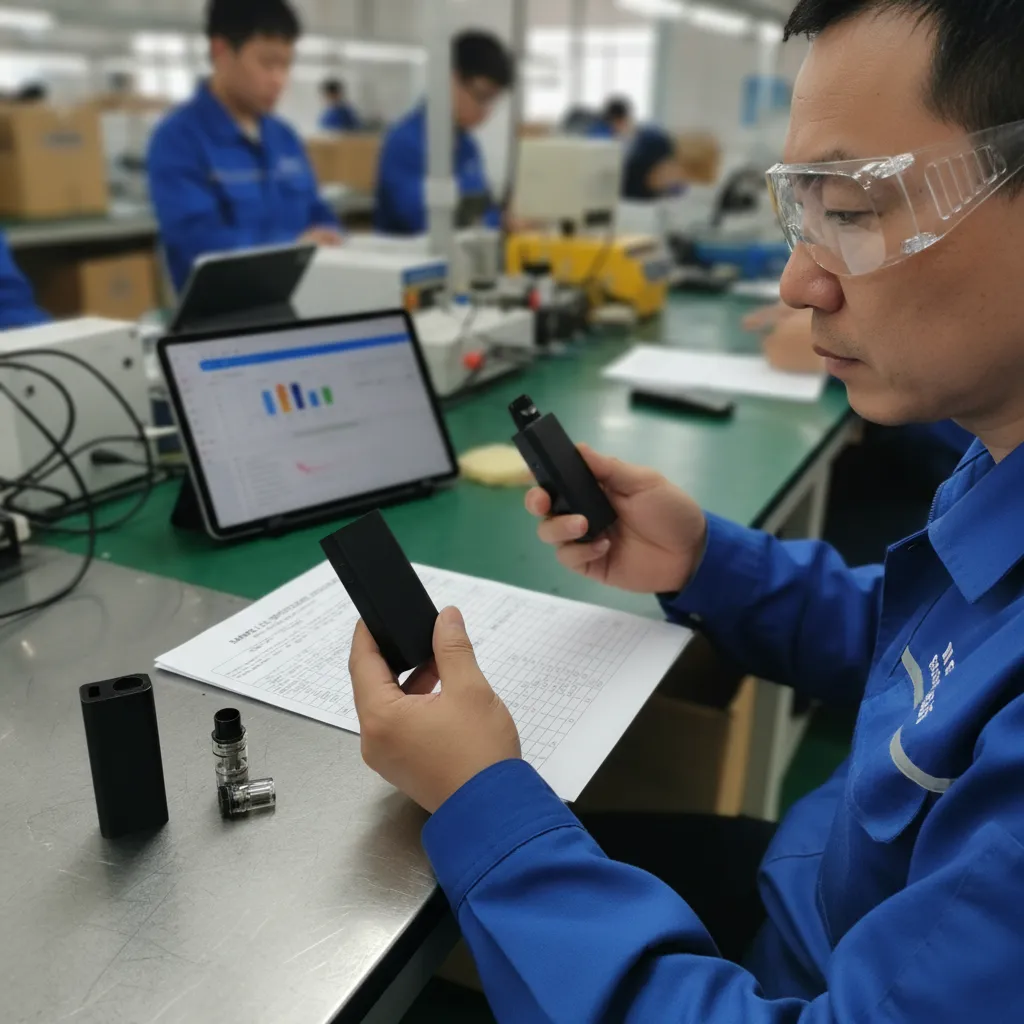
Wholesalers should check whether the fill port is easy to locate, open, refill, and close. They should also review bottle compatibility, visible closure consistency, packaging condition, product instructions, and the supplier’s process for investigating quality or leakage-related complaints.
What should I ask a supplier about fill-port design?

Ask how the port opens and closes, which refill bottles are compatible, what sample checks are practical, how batches are identified, and how leakage claims are handled. These questions help buyers set expectations before they place a larger order.
Can OEM buyers request changes to a refill-port design?

OEM buyers may discuss product-development requirements with a qualified manufacturer, depending on order quantity, tooling needs, product feasibility, and applicable requirements. Buyers should request clear specifications, sample confirmation, and professional evaluation before approving a production project.
Conclusion
Fill-port design can influence refill convenience, leakage-related feedback, and the amount of after-sales work an importer must handle. Still, buyers should not treat every leak as automatic proof of a failed fill-port seal. I recommend reviewing samples, bottle compatibility, closure method, packaging, complaint procedures, and supplier responsiveness as one complete sourcing process. If you are sourcing refillable vape products, accessories, or OEM/ODM solutions, contact Shenzhen Kingfuji Tech. Co., Ltd. to discuss your purchasing needs and sample evaluation plan.
Sources
- Changes in electronic cigarette use and label awareness among ...", Studies of refillable electronic-cigarette systems describe how tank construction, filling procedures, and user handling can affect usability and the occurrence of e-liquid leakage or spills
- E-Cigarette Design Preference and Smoking Cessation - PMC", Technical and human-factors literature indicates that access geometry, closure performance, and compatibility between dispensing tips and receiving openings can influence the controlled transfer of liquids
- Study: Lead and Other Toxic Metals Found in E-Cigarette ...", Usability research on removable closures recognizes that a seal can be compromised when the component is lost, damaged, contaminated, or not fully reseated after opening
- Quantification of 16 Metals in Fluids and Aerosols From ... - PMC", Public-health and product-safety documentation records that e-liquid can escape from electronic-cigarette products or containers and may be encountered during handling, storage, or use
- Effect of Heating on Physicochemical Property of Aerosols ...", Fluid-mechanics and packaging research shows that temperature changes can alter internal pressure and liquid properties, while orientation can change liquid contact with closures and vents, thereby affecting leakage risk
- Electronic Cigarette Harms: Aggregate Evidence Shows ...", Electronic-cigarette handling instructions commonly specify filling limits and closure steps, reflecting that overfilling or incomplete closure can lead to liquid spillage or leakage during use
- Cyclic Compression Testing of Three Elastomer Types—A ...", Research on elastomeric seals shows that repeated mechanical cycling and compression can alter sealing performance through wear, deformation, and compression set
- Assessing the role of organic food supply chain traceability ... - PMC", Quality-management guidance treats product traceability as a means of identifying affected lots and supporting investigation, containment, and corrective action when recurring nonconformities are reported