
A serialized verification log helps vape brands and importers investigate counterfeit claims, source disputes, diversion, and after-sales problems before a small issue becomes a costly argument. A printed serial number alone cannot provide that protection.[1] The real value appears when each number connects to a batch, inspection result, shipment, destination, and follow-up action.
Quick Answer
- Start with the products, batches, and orders that carry the highest commercial or after-sales risk.
- Give each product or package a unique serial number and connect it to batch or production information.
- Record practical checkpoints, including inspection, receiving, dispatch, destination, and verification history.
- Save the verification time, result, exception type, and action taken.
- Keep the first version in a controlled spreadsheet or simple database before investing in complex software.
- Treat the log as an operational traceability tool, not as absolute proof of authenticity or regulatory compliance.
A serial number becomes useful only when a team can answer basic questions about it. Where did the item come from? Which batch included it? Who inspected or received it? Which customer or region received it? Has the same number appeared in an unexpected place? These questions explain why a small, disciplined record can be more valuable than a sophisticated code that nobody maintains.
Building a Serialized Verification Log for High-Risk Vape Brands
Many companies begin with the technology. They ask whether they should print a QR code, use a hidden mark, or purchase a specialized platform. In our experience with customer purchasing, product inspection, order handling, and after-sales communication, the first question should be different: which business risk must the record help us resolve?
A simple serialized verification log should connect an individual product or package with its batch, supply-chain checkpoints, verification history, and exception handling.[2] A spreadsheet or controlled database can be sufficient for an initial program if the fields, access rules, and review process are clear.[3]
Start with the risk, not the code
- A buyer claims that a product is counterfeit.
- A warehouse finds a package with an unexpected serial number.
- A customer reports a defect, but the source batch is unclear.
- A shipment appears in a region that was not intended for it.
- A wholesaler disputes which order contained a damaged unit.
- A product is verified more times than expected or in distant locations within a short period.
Each problem requires different information. A code by itself does not explain a shipment route, inspection result, or customer complaint. The log must be designed around the decisions that the team needs to make.
What the first version should contain
| Record area | Minimum information | Operational purpose |
|---|---|---|
| Product identity | Product name, model, format, and serial number | Identifies the item or package |
| Batch connection | Batch, production reference, or shipment lot | Links the item to related products |
| Order connection | Purchase order, invoice, or internal order number | Connects the item to a commercial transaction |
| Checkpoint | Inspection, receiving, dispatch, or destination | Shows where the item was recorded |
| Verification event | Date, time, person, result, and reason | Creates a usable verification history |
| Exception action | Hold, investigate, replace, notify, or close | Shows what happened after a problem |
| Evidence link | Photo, document, or message reference | Supports later review without storing everything in one place |
Which Vape Products and Orders Need Priority Tracking?
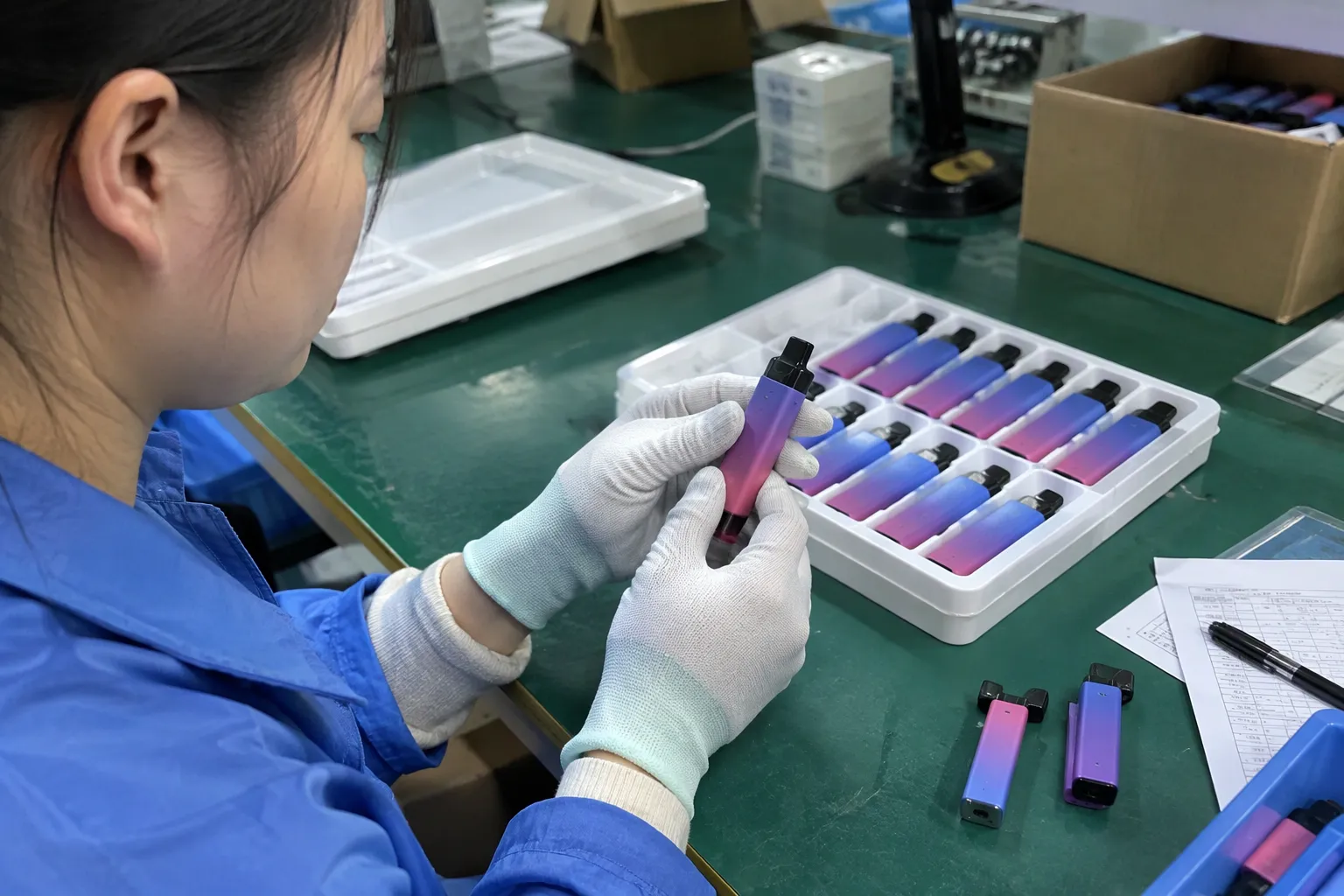
Trying to serialize every item from the first day can create unnecessary work. A better approach is to rank products and orders according to their exposure to counterfeit claims, diversion, source disputes, and after-sales costs.
High-risk does not always mean technically complex. A fast-selling disposable product, a premium branded device, a product with several distribution channels, or an item frequently sold through different warehouses may deserve more attention than a slower-moving product with one controlled customer.
A practical risk assessment
- How many hands will handle the product?
A product moving from manufacturer to importer, regional warehouse, wholesaler, and shop has more checkpoints than a direct shipment.[4]
Suggested priority levels
| Priority | Typical situation | Tracking depth |
|---|---|---|
| Level 1 | New product, premium brand, sensitive launch, or disputed source | Unit or package serial, batch, order, every major checkpoint, exception history |
| Level 2 | Fast-moving product with several customers or warehouses | Package serial, batch, order, receiving, dispatch, and complaint records |
| Level 3 | Stable product with controlled distribution and low dispute history | Batch and order tracking, with serial records where practical |
| Review-only | Low-risk stock or products outside the current program | Retain normal purchasing and shipment documents |
This is a planning framework, not a universal risk score. Each importer, wholesaler, and brand should adjust it to its channels and local obligations. In our own procurement discussions, customers often care less about collecting every possible data point and more about resolving a specific dispute without repeatedly asking several suppliers for the same documents.
Why batch-level records still matter
- Other products from the same production reference.
- The order or shipment in which the item was received.
- The inspection records associated with that shipment.
- Other destinations that received the same batch.
- Whether the reported problem is isolated or repeated.
What Fields Should a Serialized Verification Log Include?
A useful log should be detailed enough to support decisions but simple enough for warehouse and after-sales teams to maintain. If staff skip fields because the form is too complicated, the record will become incomplete at the point where it matters most.
Core identity fields
| Field | Example format | Reason |
|---|---|---|
| Serial number | KV-2026-000184 |
Unique reference for the tracked unit |
| Product name | Internal or commercial product name | Helps staff identify the item |
| Model or SKU | MODEL-510-A |
Avoids confusion between similar products |
| Packaging level | Unit, box, carton, or pallet | Defines what the serial identifies |
| Batch or production reference | Supplier or internal reference | Connects the item to related production |
| Date recorded | ISO date and time | Establishes sequence |
| Status | Available, dispatched, held, returned, closed | Shows current handling state |
The exact format is less important than consistency. We recommend avoiding serial numbers that depend only on a product name or a date if those values may be repeated. The number should be unique within the system that controls it.[6]
Transaction and location fields
- Purchase order number.
- Supplier or source reference.
- Customer order number.
- Warehouse or receiving location.
- Dispatch date.
- Destination country or region.
- Carrier or handover reference where relevant.
- Quantity associated with the batch or shipment.
Verification fields
- Verification date and time.
- Person, team, or account completing the check.
- Reason for the check.
- Verification method.
- Result.
- Related evidence.
- Follow-up action.
- Closure date and responsible person.
The “reason” is important. A check performed during receiving is different from a check performed after a customer complaint. A repeated verification at an unexpected location may require a different response from an unreadable label.[5]
Use controlled values
-
Pass — identity and record are consistent.
-
Review — information is incomplete or needs human checking.
-
Fail — the record conflicts with available information.
-
Not readable — label or code cannot be scanned.
-
Not found — no matching record is available.
-
Release.
-
Hold.
-
Request evidence.
-
Compare with shipment documents.
-
Contact supplier or customer.
-
Replace or credit according to the agreed process.
-
Escalate for qualified technical or compliance review.
-
Close with explanation.
How Should Teams Record Verification Checkpoints?
A traceability record becomes useful when it follows the product through realistic checkpoints. The team does not need to record every hand movement. It should record the moments that can change responsibility, location, or commercial status.
Verification history example
| Time | Checkpoint | Result | Action |
|---|---|---|---|
| 2026-03-04 09:20 | Pre-dispatch inspection | Pass | Released with order |
| 2026-03-11 14:05 | Customer receiving | Review | Requested package photo |
| 2026-03-12 08:40 | After-sales review | Pass | Matched batch and shipment |
| 2026-03-12 16:10 | Case closure | Closed | Replacement handled under agreed terms |
Keep evidence outside the main table when necessary
Photos, invoices, inspection sheets, and customer messages can make a spreadsheet difficult to manage. We recommend storing evidence in a controlled folder or document system and placing a reference link or file name in the log.
The team should apply sensible access controls.[7] A warehouse employee may need to see receiving information but not commercial pricing. An after-sales employee may need order and complaint details but not every supplier document. The exact setup depends on the business, but access should be intentional.
How Can a Small Business Build the Log Without Complex Software?
A simple program can begin with a spreadsheet, provided that the file is controlled. Complex software is not a substitute for defined responsibilities. A poorly maintained platform can create more confusion than a well-managed basic file.
A practical spreadsheet structure
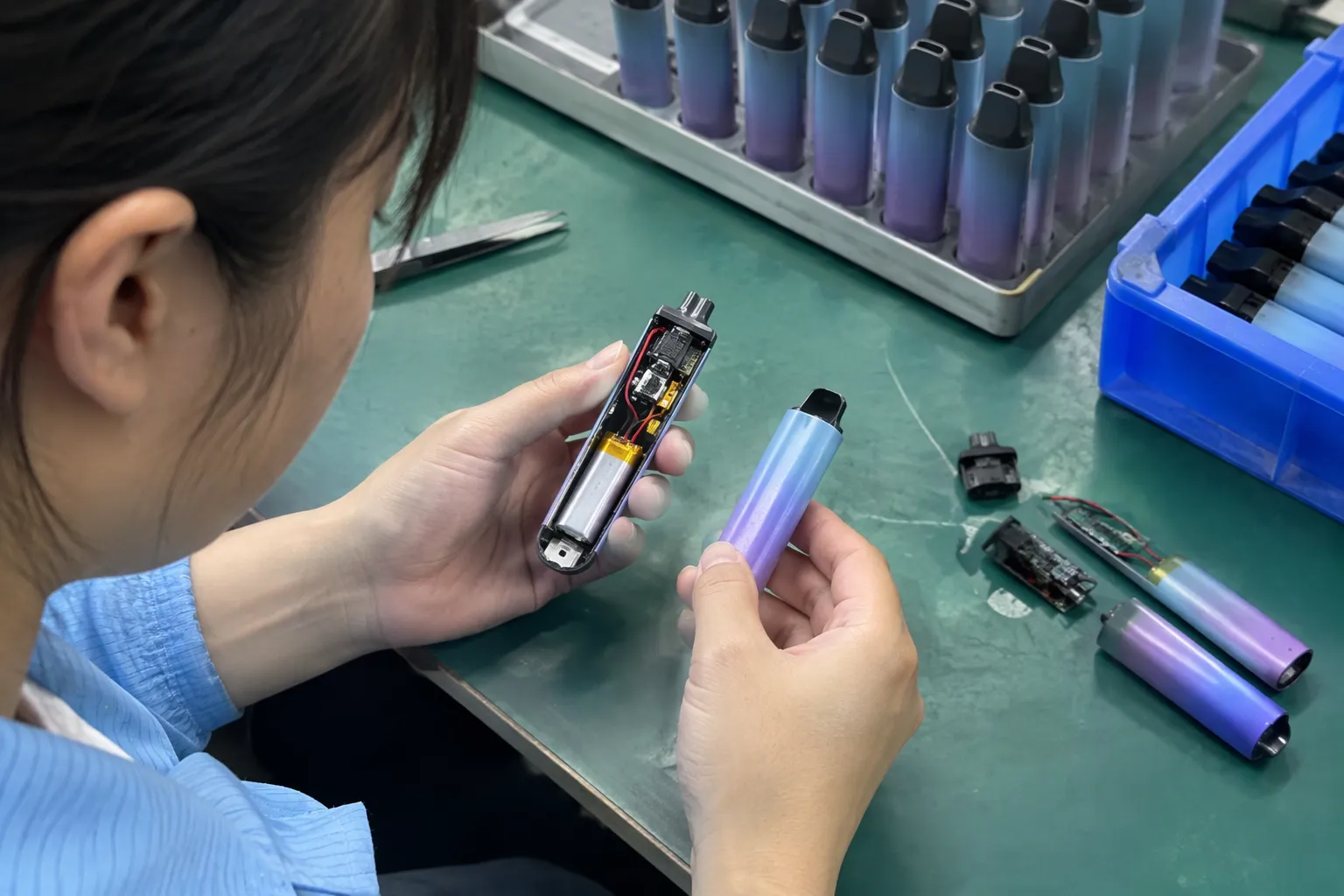
This structure helps prevent a common mistake: overwriting the original record when the product changes status. A verification event should normally be added as a new line, not used to replace the previous event.[8]
Basic controls that improve reliability
- Restricting editing rights to trained users.
- Protecting formula and identifier columns.
- Using a defined date and time format.
- Creating a backup schedule.
- Recording corrections instead of silently deleting old values.
- Maintaining a list of approved result and action values.
- Reviewing duplicate serial numbers.
- Checking missing batch or order references.
- Assigning one person to own the process.
When a spreadsheet is no longer enough
- Large serial volumes that make manual entry unreliable.
- Several warehouses entering records at the same time.
- Frequent customer-facing verification.
- Complex relationships between unit, carton, and pallet serials.
- A need for formal user permissions and audit history.
- Repeated problems caused by duplicate or incomplete records.
How Should a Team Handle Exceptions and Disputed Products?
The value of a serialized verification log appears most clearly when something does not match. A “fail” result without an action plan leaves the warehouse and customer service team in the same difficult position as before.
Common exception types
| Exception | Possible meaning | First practical response |
|---|---|---|
| Serial not found | Entry error, unregistered item, or unauthorized source | Hold the item and compare documents |
| Duplicate serial | Duplicate printing, data error, or possible copying | Check batch, order, photos, and prior events |
| Unexpected destination | Diversion, customer transfer, or incorrect record | Confirm shipment and sales route |
| Batch mismatch | Wrong label, mixed stock, or record problem | Separate stock and review packing records |
| Damaged or unreadable code | Handling damage or poor label condition | Use secondary evidence and inspect packaging |
| Repeated distant checks | Resale, shared code, or copied identifier | Review timing, locations, and transaction history |
| Complaint with matching record | Genuine product or handling issue may still exist | Start technical and after-sales assessment |
None of these results proves counterfeit activity by itself. A team should avoid accusing a supplier, customer, or reseller based on one inconsistent record. The result should trigger a controlled review.
Do not confuse verification with technical diagnosis
A log can show that a unit came from a recorded order or that a serial was previously used. It cannot, by itself, determine every reason for a product defect. Battery, electrical, liquid, packaging, and user-handling questions may require qualified technical evaluation.
Our role at KingVape is centered on customer procurement, product sourcing, manufacturing coordination, inspection communication, order fulfillment, and after-sales handling. We use records to improve commercial decisions and communication. We do not present a basic verification log as a laboratory test, cybersecurity control, or jurisdiction-specific compliance opinion.
How Can Importers, Wholesalers, and Brands Use the Records Together?
Different teams need different views of the same information. A brand may care about distribution and source disputes. An importer may care about receiving and destination. A warehouse may care about location and status. An after-sales team may care about complaints and action history.
For vape brands
- Product and batch release information.
- Authorized order channels.
- Packaging and serial allocation.
- Distributor or regional destination records.
- Questions about unexpected market appearance.
- Customer-facing verification procedures.
The brand should explain what a successful verification means. It may mean that the number exists in the brand’s record. It should not automatically be described as absolute proof that the physical item has never been copied or altered.
For importers and wholesalers
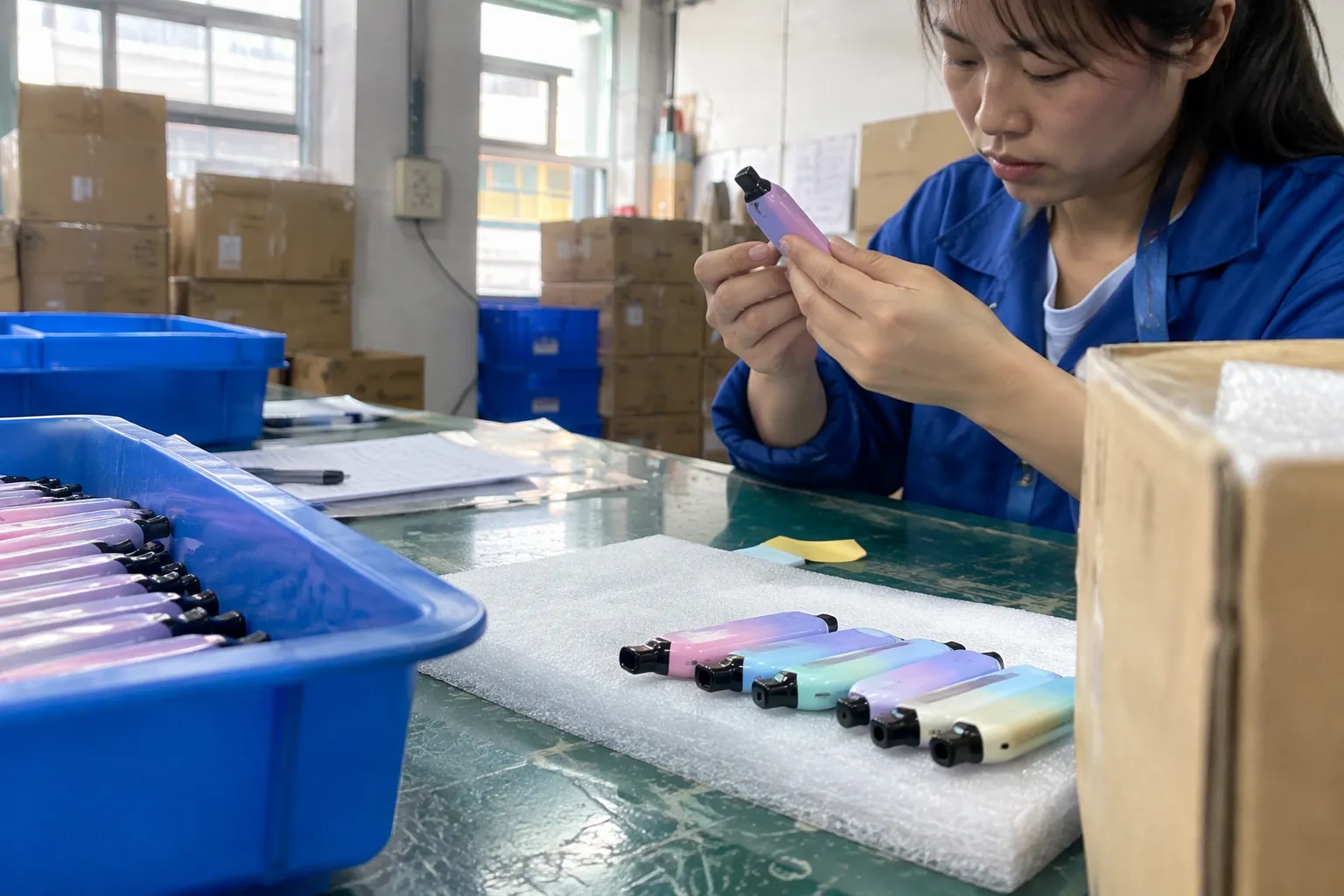
This approach is particularly useful for businesses that purchase products from several sources or combine vape products with related smoke-shop, convenience-store, or general merchandise inventory. It helps teams avoid asking a customer to restart the entire investigation with a different supplier.
For smaller buyers using overseas stock
Smaller wholesale and retail buyers often need speed and lower minimum order quantities. When stock is available through a European overseas warehouse, a buyer may receive smaller quantities more quickly than with a large direct import. In that case, the verification log should still identify the warehouse, order, destination, and relevant product or package record.
At KingVape, we support a one-stop purchasing approach for customers who want to source several categories through one commercial contact. For stock orders, OEM/ODM projects, or product development discussions, buyers can contact us through KingVape’s website, email info@kingvapecig.com, or WhatsApp +86 13928420527. The verification process should support the customer’s purchasing and after-sales needs rather than create an unnecessary barrier to ordering.
For larger importers and OEM/ODM projects
- Product design or private-label reference.
- Approved sample.
- Production or batch reference.
- Pre-shipment inspection.
- Shipment and destination.
- Customer complaints.
- Corrective action.
The log should be agreed before production or dispatch begins. A buyer should clarify which side creates the serial range, which side checks it, and how exceptions are communicated. These points should appear in the purchase agreement or operating instructions where appropriate.
What Should Buyers Ask a Supplier Before Selecting a Verification Process?
Supplier comparison framework
| Evaluation point | Weak arrangement | More useful arrangement |
|---|---|---|
| Identifier | Code printed without clear meaning | Code linked to product, packaging level, and batch |
| Record access | One-time screen result | Verification history and defined response |
| Shipment link | No order or destination reference | Connected order, warehouse, and destination data |
| Exceptions | Informal messages only | Case number, owner, evidence, and closure |
| Customer support | Customer contacts several parties | A defined commercial and after-sales contact |
| Scaling | Manual process with no controls | Documented fields and review responsibilities |
A supplier should not make unsupported claims about “100% anti-counterfeit protection.” Buyers should look for a process that is clear, proportionate, and suitable for the product and distribution model.
What Are the Limits of a Serialized Verification Log?
A good system still has limits. A serial can be copied, a label can be damaged, an entry can be wrong, and a product can be diverted after a legitimate dispatch. A record can improve investigation without removing every risk.
Important limitations
A code may be copied.
If a legitimate serial is photographed or reproduced, a basic lookup may show a valid record. Repeated or geographically inconsistent verification can create a warning, but the team still needs to investigate.
Local requirements differ.
A serialized record does not automatically demonstrate compliance with every import, product safety, packaging, tax, or tobacco-related requirement. Buyers should verify applicable rules with qualified local advisers and official authorities.
Use trustworthy references for system design
For general identification concepts, buyers can review GS1’s standards and identification resources. For broader information about log management and event records, NIST SP 800-92 provides a recognized information-security reference, although a basic product log is not the same as an enterprise security system. For United States tobacco-product regulatory information, buyers should consult the U.S. FDA Center for Tobacco Products and obtain jurisdiction-specific professional advice.
How Can KingVape Help Customers Apply the Process?
A verification log works best when it fits the customer’s actual purchasing model. A small shop supplier, a regional wholesaler, and a private-label importer may need different levels of detail.
KingVape works with importers, wholesalers, vape shops, smoke shops, hookah-related businesses, gas stations, convenience stores, and distributors supplying those channels. Customers may need ready stock, several product categories from one source, help locating a product, or OEM/ODM support for a suitable project.
For smaller and faster-moving orders
- Lower minimum quantities.
- Available stock.
- Clear product identification.
- Quick dispatch.
- One contact for purchasing and after-sales questions.
- A practical receiving and verification record.
European warehouse options may suit some smaller European orders, subject to product availability, destination, and commercial terms. Buyers should confirm current stock, applicable shipping arrangements, and product requirements before ordering.
For larger imports and private-label work
- Batch and shipment records.
- Pre-shipment inspection coordination.
- Product development communication.
- OEM/ODM planning.
- Packaging and serial allocation.
- Defined after-sales procedures.
- A record structure that can be shared internally.
KingVape has manufacturing and product-development experience and integrates production resources through owned, invested, and cooperative factory relationships. We do not treat a supplier relationship as a reason to skip verification. Buyers should review samples, specifications, documents, inspection arrangements, and commercial terms for the specific project.
A sensible first conversation
- Product category and model requirements.
- Target market and destination.
- Estimated order quantity.
- Whether the purchase is stock, wholesale, or OEM/ODM.
- Preferred packaging and identification needs.
- Expected verification or after-sales workflow.
- Delivery and warehouse requirements.
We can then discuss the practical product and supply options. Buyers can reach KingVape at info@kingvapecig.com, WhatsApp +86 13928420527, or www.kingvapecig.com. Any certifications, test reports, or compliance documents should be requested and independently verified for the relevant product and market.
Frequently Asked Questions
Is a serialized verification log the same as an anti-counterfeit system?
No. A serialized verification log records product identity and related events, but a serial number or QR code can be copied or misused. The log becomes more useful when it connects the identifier to batch, order, destination, verification history, and exception handling.
Should every vape product receive an individual serial number?
Not necessarily. High-risk products may justify unit-level tracking, while other products may be managed through package, carton, batch, and order records. The decision should reflect product value, distribution complexity, dispute exposure, and the team’s ability to maintain accurate data.
Can a spreadsheet support serialized product verification?
Yes, a controlled spreadsheet can support an initial program for a small or medium operation. The business should define required fields, restrict editing, record verification events instead of overwriting them, back up the file, and review duplicate or missing serial numbers.
What should we do when a serial number is not found?
Place the item or shipment under review where practical, preserve photos and documents, and compare the serial with the product, batch, order, and shipment records. Do not automatically accuse a supplier or customer. Record the investigation and escalate technical or regulatory questions to qualified professionals.
Does a verification log prove regulatory compliance?
No. The log may support internal traceability and dispute handling, but it does not automatically prove compliance with local product, import, packaging, tobacco, battery, or other requirements. Buyers should verify current rules and documents for each destination market.
Conclusion
A serialized verification log is most useful when it supports real decisions. Start with the products and orders exposed to the greatest counterfeit, diversion, source-dispute, and after-sales risks. Link each identifier to batch, order, checkpoint, destination, verification result, and follow-up action. Keep the first version simple, controlled, and reviewable. KingVape can discuss stock supply, wholesale purchasing, and OEM/ODM projects with importers and distributors that want a more organized product and after-sales process. Contact info@kingvapecig.com or +86 13928420527 to discuss your requirements.
Sources
- Effectiveness of medicines authentication technology to detect ...", GS1 describes identification as one component of traceability and emphasizes the need for associated supply-chain event data; this supports the limitation that a printed identifier alone does not establish an item’s provenance or authenticity
- FSMA Final Rule on Requirements for Additional ...", GS1’s traceability framework links identified objects with relevant supply-chain events and associated data, supporting the article’s proposed connection between product identity, checkpoints, and investigation records
- SP 800-53 Rev. 5, Security and Privacy Controls ...", Government data-management guidance recognizes that spreadsheets can be used for controlled operational records when validation, access, versioning, and review controls are applied; this supports the article’s qualified, initial-use claim
- (PDF) Investigating the value of information sharing in multi ...", Research on multi-echelon supply chains shows that additional actors and transfer points create more information-sharing and coordination requirements, supporting the article’s use of checkpoint count as a practical complexity indicator
- HOW DIGITAL PRINTING AND QR CODES MAKE PRODUCT ...", Research on event-pattern and anomaly detection indicates that repeated or geographically inconsistent identifier activity can provide a basis for investigation, although it is not conclusive evidence of counterfeiting
- Research Data Management: Unique Identifiers", GS1 identification standards treat uniqueness within a defined identification system as a prerequisite for reliably distinguishing trade items and related records, supporting the article’s requirement for controlled serial allocation
- least privilege - Glossary | CSRC", NIST access-control guidance supports assigning permissions according to authorized roles and limiting users to the access necessary for their responsibilities, which is applicable to serialized verification records
- Audit trails", Records-management and audit-trail guidance supports preserving original entries and recording subsequent changes as separate, attributable events, thereby maintaining a reconstructable history rather than silently replacing prior values