
Renewal, exit and termination clauses matter because they decide who carries the commercial risk when a vape distribution relationship changes or ends[1]. They should cover sell-off rights, remaining inventory, accepted orders, deposits, OEM/ODM goods, payment, warranties, defective products, customer support, confidentiality, and regulatory developments. Buyers should also have the agreement reviewed by a qualified lawyer in the relevant jurisdiction.
Quick Answer
- Start with inventory: confirm whether you can sell remaining stock and for how long.
- Define unfinished business: cover accepted orders, deposits, shipments, customized products, and returns.
- Match notice periods to your sales cycle: a short notice period may leave working capital trapped.
- Separate ordinary and immediate termination: serious breaches, non-payment, insolvency, or regulatory problems may require different treatment.
- Record after-sales duties: clarify who handles defects, warranties, customer complaints, and product withdrawals.
- Check local law: contract enforceability and mandatory termination rules vary between countries.
When I review a vape distribution deal from an operational viewpoint, I do not treat the final contract page as an administrative detail. I look at what happens to stock, cash, open orders, customer relationships, and after-sales work if the partnership does not continue. Those practical questions often matter more than a low unit price.
A distributor may negotiate an attractive price and then discover that a termination notice leaves several months of inventory unsold. An importer may have paid a deposit for OEM products that have not yet shipped. A wholesaler may still need support for products already sold to vape shops. A workable agreement addresses these issues before they become urgent.
Why Do Renewal, Exit and Termination Clauses Matter in a Vape Distribution Deal?

A vague exit provision can turn an ordinary commercial change into an inventory and cash-flow problem. The problem becomes more serious when products have long shipping lead times, seasonal demand, changing customer preferences, or market-specific compliance requirements.[3] A clear clause gives both parties a process instead of forcing them to negotiate under pressure.
In my experience with vape product distribution, wholesale, and long-term supply relationships, the most useful question is simple: what unfinished business will still exist on the termination date? The answer usually includes more than future orders.
- Inventory already purchased
- Orders accepted but not delivered
- Deposits and outstanding invoices
- Customized or private-label products
- Sell-off periods
- Product warranties and defects
- Customer complaints and returns
- Confidential information and customer data
- Regulatory changes and product withdrawals
A low price does not remove exit risk
A supplier can offer a favorable unit price, but the distributor still needs to calculate the complete commercial exposure. If the buyer must order in large quantities, a small reduction in unit cost may not compensate for unsold products, storage, relabeling, reverse logistics, or tied-up working capital.
| Commercial factor | Question for the distributor |
|---|---|
| Unit price | Is the price advantage large enough to justify the order quantity? |
| Minimum order quantity | How much cash is committed before demand is proven? |
| Lead time | How much stock may arrive after the relationship changes? |
| Sell-off right | Can the distributor continue selling existing inventory? |
| Returns | Are returns permitted, limited, or excluded? |
| After-sales support | Who handles defects after termination? |
| Custom products | Who owns unfinished goods, packaging, molds, and components? |
| Delivery terms | Which party carries transport, customs, and delivery risk? |
The relevant delivery terms should also be clear. The International Chamber of Commerce explains the Incoterms® rules and the responsibilities they allocate between buyers and sellers for delivery, costs, and risk.[2] Buyers can review the official ICC information at Incoterms® rules. Incoterms do not replace a termination clause, but they help the parties understand the delivery position for open shipments.
Renewal is a planning decision, not an automatic reward
- The initial term
- The renewal term
- The exact notice deadline
- The method for giving notice
- Any sales or purchase target
- Any price review mechanism
- Any exclusivity condition
- Whether renewal changes the sell-off or support rights
A renewal clause should reflect the distributor’s operating cycle. A small retailer supplied from a nearby overseas warehouse may work with short replenishment cycles. A large importer may purchase by container, manage several warehouses, and plan orders months ahead. The same notice period may not suit both businesses.
How Should a Vape Distributor Negotiate Inventory and Sell-Off Rights?

Inventory treatment should be the starting point for renewal, exit and termination clauses. If the agreement ends while products remain in the distributor’s warehouse, the contract should explain whether the distributor may continue selling them, whether the supplier can repurchase them, or whether the distributor carries the entire risk.[4]
A buyer should not assume that termination automatically creates a return or compensation right. Those rights need to be written clearly. A practical clause should identify the stock covered, the selling period, the permitted channels, the pricing rules, and the treatment of defective or obsolete goods.
What should a sell-off period include?
A sell-off period allows the distributor to sell conforming inventory purchased before termination. The period may be based on a fixed number of days, a normal inventory cycle, or a mutually agreed plan. The contract should avoid unclear wording such as “reasonable time” unless the parties also define how reasonableness will be assessed.
- The start date of the sell-off period
- The products and quantities included
- Whether the distributor can sell to existing customers only
- Whether online and offline sales are permitted
- Whether the distributor can use the supplier’s brand and marketing materials
- Whether the supplier can appoint another distributor during the period
- Whether discounts require approval
- What happens to stock remaining at the end
A distributor may need different treatment for standard products and private-label products. Standard products may have a wider market. A customized product bearing the distributor’s brand may be difficult to sell outside the original customer base.
Repurchase, transfer, discount, or distributor risk
| Inventory option | Possible benefit | Risk to verify |
|---|---|---|
| Sell-off only | Simple and often easy to administer | Distributor may be left with slow-moving stock |
| Supplier repurchase | Can reduce trapped working capital | Price, condition, freight, and timing may be disputed |
| Transfer to replacement distributor | May preserve market availability | Customer ownership and pricing may become sensitive |
| Discounted clearance | Can accelerate cash recovery | Brand positioning and margin may suffer |
| Distributor keeps all risk | Clear allocation for the supplier | Buyer may carry substantial downside |
I recommend documenting the condition standard for any return. “Unused” may mean unopened retail packaging, or it may mean saleable stock with intact labels and a valid shelf life. The parties should also decide who pays for inspection, transport, customs, relabeling, and disposal.
Inventory records make the clause usable
- Purchase order number
- Product name and model
- Batch or production information, where applicable
- Quantity received
- Quantity sold
- Quantity held
- Payment status
- Delivery date
- Customer or market restrictions
- Product documentation supplied
Buyers should also check whether product rules in the destination market affect the sell-off period. A product that was commercially acceptable when purchased may face a new restriction, labeling issue, or market requirement later. In the United States, buyers can consult the U.S. Food and Drug Administration tobacco products resources for official regulatory information. In the European Union, buyers can review the relevant legal text through EUR-Lex. These sources do not provide a contract solution, so a local compliance professional should assess the specific product and market.
Which Unfinished Orders Should Renewal, Exit and Termination Clauses Cover?
Termination does not erase business that started before the notice date.[5] Accepted orders, paid deposits, production in progress, goods awaiting inspection, and shipments already arranged may all remain unresolved. Renewal, exit and termination clauses should therefore separate future orders from existing obligations.
A useful agreement states whether termination stops only new orders or also affects orders already accepted. It should set out a process for confirming quantities, delivery dates, payment, inspection, cancellation, and refunds. Without that process, the parties may have different ideas about whether a purchase order is binding.
Accepted orders and deposits
The contract should define when an order becomes accepted. Possible triggers include written confirmation, payment of a deposit, production approval, or the supplier’s failure to reject the order within a stated period. The commercial meaning can differ considerably.
- Whether production has started
- Whether the goods are standard or customized
- Whether a deposit has been paid
- Whether components or packaging have been purchased
- Whether the order can be canceled
- Whether cancellation charges apply
- The expected delivery date
- The inspection and acceptance procedure
- The refund or credit process
- The responsible party for transport and customs
A supplier may already have purchased components for a customized product. A distributor may have already committed the product to downstream customers. The contract should allocate those risks in a way that reflects the actual stage of production.
OEM and ODM products require special treatment
OEM and ODM arrangements can create obligations beyond ordinary resale.[6] A private-label project may involve artwork, molds, packaging, product specifications, compliance documents, and approved samples. The agreement should explain what happens if the relationship ends before the project is complete.
- Ownership of customer-supplied artwork and trademarks
- Ownership and permitted use of molds and tooling
- Payment for unused packaging
- Disposal or storage of branded materials
- Approval of samples and changes
- Confidentiality of specifications
- Delivery of completed goods
- Responsibility for components bought for the project
- Rights to sell remaining private-label stock
The World Intellectual Property Organization provides general information about trademarks and intellectual property through its official IP portal. Buyers should still obtain advice for the relevant trademark, design, and manufacturing arrangement. A contract that says “the buyer owns the brand” may not answer every question about tooling, artwork, or production files.
Open shipments and delivery terms
An order may be finished by the supplier but still in transit. The agreement should clarify whether termination changes the shipment, delivery, payment, or acceptance obligations. It should also identify the applicable delivery rule, named place, insurance responsibility, and customs role.
The buyer should keep written evidence of purchase orders, confirmations, invoices, inspection records, tracking information, and communication about delays. Those records support commercial discussions and help a qualified lawyer assess the legal position if a dispute develops.
How Should After-Sales, Defects and Customer Ownership Be Handled?

After-sales obligations often continue after the last shipment.[7] A distributor may have sold products to vape shops, smoke shops, convenience stores, or other wholesale customers. Those customers may return defective products or request usage guidance after the distribution agreement ends.
The agreement should define who receives complaints, who tests the product, who provides replacement units or credit, and who pays related shipping. The clause should also distinguish between a product defect, transport damage, customer misuse, storage problems, and an issue caused by incorrect instructions.
Create a post-termination support period
A practical support clause can continue for a defined period after termination. It may apply to products sold before termination or to products manufactured under the agreement. The parties should identify the evidence required for a claim and the response time for reviewing it.
- A designated claims email or contact
- A claim form or required evidence
- Batch, lot, or order references
- Photos or videos where relevant
- A testing and inspection method
- Replacement, refund, repair, or credit options
- A deadline for submitting claims
- Responsibility for return freight
- Treatment of disputed claims
- Record retention requirements
Customer ownership and communication
A distribution deal may involve customer lists, sales records, pricing information, and market intelligence. The contract should state what each party may use after termination. The parties should also clarify whether the supplier can contact customers directly and whether the distributor must transfer active warranty cases.
Data protection rules vary by jurisdiction.[8] The European Commission provides general information about EU data protection law. A buyer should obtain local advice before transferring customer information across borders.
Product instructions reduce avoidable disputes
Many after-sales problems arise because the end user does not understand the product, charging method, storage condition, compatibility, or limitations. The contract should identify who supplies product instructions, translations, warnings, and training materials.
- Whether instructions are available in the target language
- Whether retail packaging matches the destination market
- Whether product documentation is current
- Whether the seller has a complaint escalation process
- Whether staff understand basic product handling
- Whether records can connect a complaint to an order or batch
When Should a Distributor Use Ordinary or Immediate Termination?
Ordinary termination and immediate termination serve different purposes. Ordinary termination allows a party to leave without alleging a serious breach, usually after giving contractual notice. Immediate termination may apply to non-payment, material breach, insolvency, fraud, confidentiality violations, or serious regulatory concerns.
A distributor should not accept a single broad termination right without understanding its practical effect. A supplier’s ability to end exclusivity, stop accepting orders, or terminate immediately may affect inventory and customer commitments. The buyer needs to connect each termination trigger to a workable transition process.
Ordinary termination
- Who may terminate
- Whether a reason is required
- The notice period
- The notice delivery method
- The effective termination date
- Treatment of open orders
- Inventory sell-off rights
- After-sales support
- Payment obligations
- Use of trademarks and marketing materials
The notice period should reflect the distributor’s purchase and sales cycle. A business that imports large quantities may need more time than a business replenishing small quantities from a nearby warehouse. The parties can also use different notice periods for standard products, private-label goods, or exclusive territories.
Breach and cure periods
A cure period gives the affected party time to correct a breach. The agreement should identify which breaches can be cured and how long the cure period lasts. It should also explain whether repeated breaches can justify termination even after an individual issue is corrected.
- Late payment
- Repeated delivery delays
- Non-conforming products
- Failure to meet an agreed purchase target
- Unauthorized sales outside a territory
- Misuse of trademarks
- Failure to provide required documents
- Breach of confidentiality
The words “material breach” can have different practical meanings. The parties should provide examples or an objective process where possible. They should also avoid treating every small operational error as an immediate termination event unless that is genuinely intended.
Regulatory and market-change exits
Vape products are sold across markets with different rules. A regulatory change, product restriction, customs issue, or compliance concern may make continued distribution commercially or legally impractical. A contract should explain whether either party may suspend affected products, terminate part of the territory, or exit the affected arrangement.
No contract clause automatically makes a product lawful. Buyers should verify the current requirements in each destination market with qualified professionals and official authorities. A sensible agreement can still establish practical steps:
- Notify the other party
- Identify affected stock and orders
- Suspend new sales if necessary
- Protect customer safety and records
- Decide whether goods can be relabeled, returned, or destroyed
- Allocate documented costs
- Continue permitted after-sales support
- Preserve confidentiality and payment duties
The U.S. Customs and Border Protection importing guidance and official EU resources may help buyers locate general information, but they do not replace market-specific legal, customs, or compliance advice.
How Can Buyers Review Renewal, Exit and Termination Clauses Before Signing?
A contract review should connect every clause to the way the buyer actually purchases and sells products. A small wholesale customer, a regional distributor, and a large importer may all need different protections. The goal is not to demand every possible right. The goal is to identify the risks that the buyer can realistically carry.
| Review area | Questions to answer |
|---|---|
| Territory | Which countries, states, or channels are covered? |
| Exclusivity | What sales or purchase conditions must be met? |
| Forecasting | Are forecasts binding or only planning estimates? |
| Inventory | What is the expected stock level at termination? |
| Lead time | How long does replenishment normally take? |
| MOQ | What cash commitment does each order require? |
| Payment | What happens to deposits, credits, and disputed invoices? |
| Delivery | Which party manages freight, customs, insurance, and final delivery? |
| Quality | How are defects identified, tested, and resolved? |
| OEM/ODM | Who owns tooling, artwork, packaging, and unfinished materials? |
| Exit | What notice, cure period, and sell-off rights apply? |
| Compliance | How are regulatory changes and affected goods handled? |
Compare the contract with your real operating cycle
A buyer should compare the written notice period with actual purchasing data. If the business usually holds three months of stock and receives replenishment after several weeks, a short termination notice may create exposure. If the business buys from an overseas warehouse in smaller quantities, the inventory risk may be lower, but the buyer should still check warranty and customer support obligations.
Each category may require different treatment. A supplier may reasonably refuse to repurchase opened or obsolete products, while a negotiated solution may be possible for unopened standard goods. Customized products require especially careful planning because another customer may not be able to use them.
Use a renewal meeting as a risk review
A renewal discussion should not focus only on a new price list. The parties may need to update the minimum order quantity, lead time, territory, service contact, sell-off process, or product list. If the business has changed, an old exit clause may no longer fit.
Ask a lawyer to check enforceability
I can assess whether a distribution arrangement appears workable from a supplier–distributor operations perspective. I cannot determine whether a clause is enforceable in a particular country, state, or province. Questions about mandatory notice, exclusivity, competition law, insolvency, intellectual property, customs, product rules, and data protection require qualified legal advice.
The buyer should provide the lawyer with the commercial facts, not only the contract. Those facts include the delivery model, inventory level, customer locations, payment structure, product type, and intended sales channels. Legal review is more useful when the lawyer understands what the business must do on the ground.
Frequently Asked Questions
Can a vape distributor sell remaining inventory after termination?
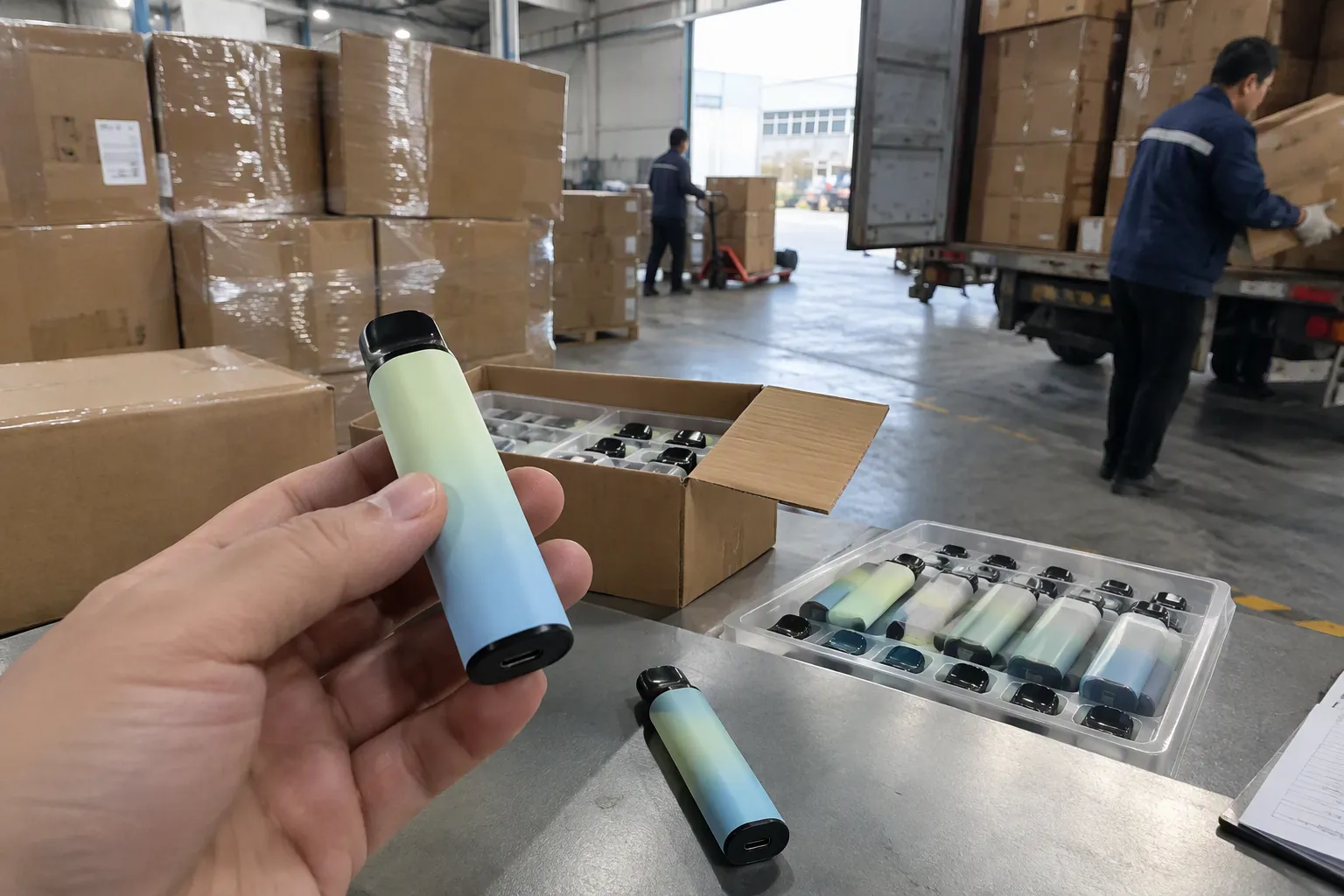
Not automatically. The agreement should state whether a sell-off period applies, which products are covered, how long the period lasts, and whether the distributor may continue using trademarks and marketing materials. The buyer should also confirm that continued sales remain lawful in the destination market.
Should a distribution agreement include a supplier buyback obligation?
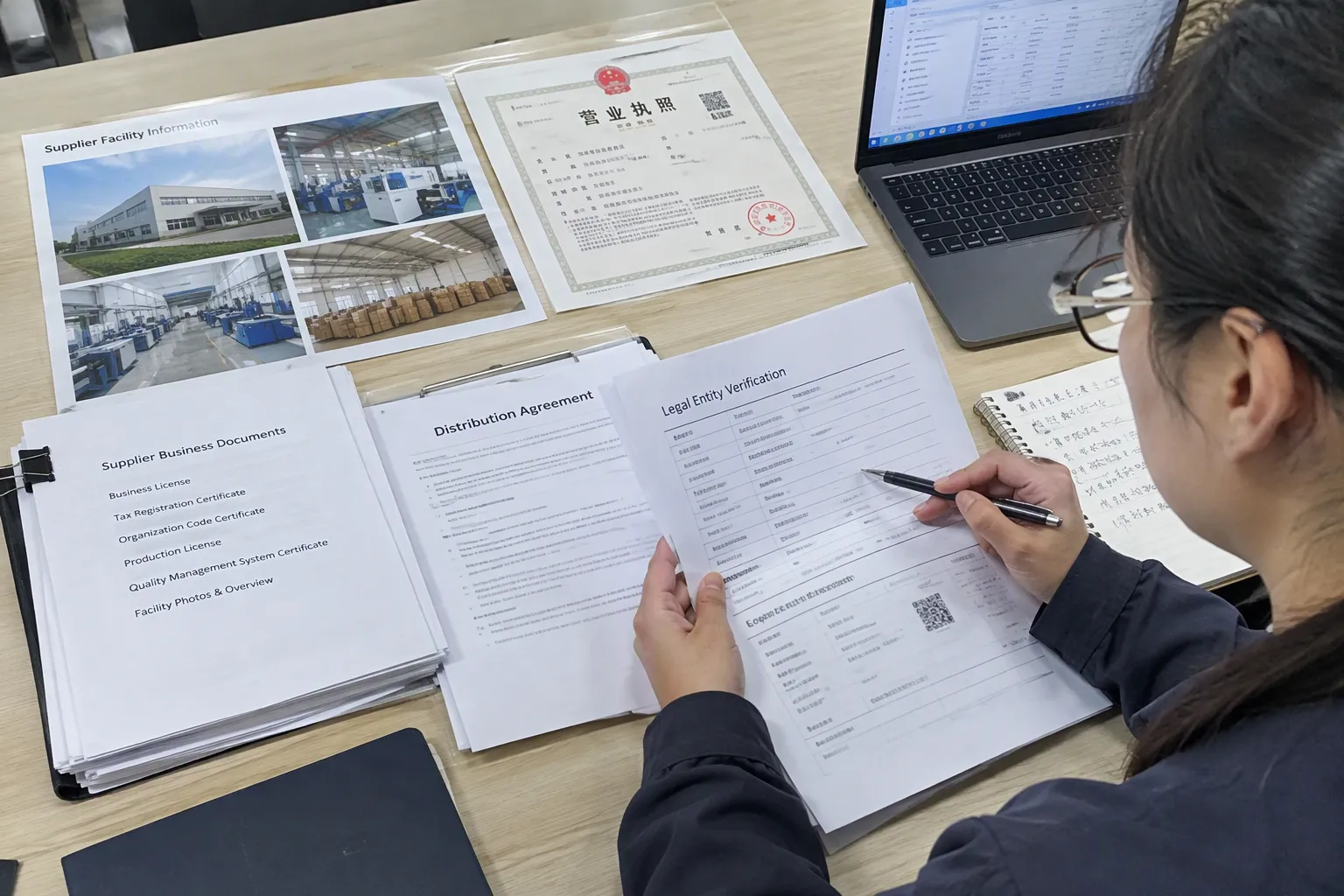
A buyback obligation can reduce inventory risk, but it should never be assumed. The contract should specify eligible products, condition, price calculation, timing, inspection, freight, taxes, and payment. Without those details, the parties may still disagree about the practical value of the buyback right.
What happens to an OEM or ODM order when the agreement ends?
The agreement should address deposits, completed goods, production in progress, customized packaging, tooling, artwork, components, and intellectual property. The parties should decide whether the order must be completed, canceled with documented costs, transferred, or handled through another agreed solution.
How long should a termination notice period be?
There is no universal period. The notice should reflect the buyer’s inventory cycle, lead time, order quantity, customer commitments, and cash-flow exposure. A lawyer should also verify whether local law imposes rules that affect the contractual notice period.
Do termination clauses cover defective products sold before termination?
They should address that issue expressly. A post-termination process can identify the claim deadline, evidence, testing, replacement or credit, return freight, and customer communication. The exact obligation depends on the contract, the product, and applicable law.
Conclusion
Renewal, exit and termination clauses are practical risk-allocation tools in a vape distribution deal. I recommend starting with inventory, then reviewing unfinished orders, deposits, OEM/ODM materials, delivery, after-sales support, customer information, and regulatory changes. A low purchase price may not be the lowest-risk option if the agreement leaves working capital trapped in unsold stock. Before you sign or renew, prepare your commercial facts and ask a qualified lawyer in the relevant jurisdiction to review the contract.
Sources
- How Contract Terms, Performance Obligations, and ...", Contract-law authorities generally describe commercial agreements as instruments for allocating performance obligations, risk, and remedies between the parties, including consequences associated with termination
- Know Your Incoterms", The International Chamber of Commerce states that the Incoterms® rules define selected buyer and seller responsibilities, costs, and risk allocation in the delivery of goods
- Supply chain resilience: A review from the inventory ... - PMC", Supply-chain research links longer lead times and demand uncertainty with greater inventory exposure and more difficult inventory planning, which can complicate commercial exit decisions
- Breaking Good: 7 Issues to Consider and Address When ...", Commercial distribution-agreement guidance commonly treats remaining inventory, sell-off rights, repurchase arrangements, and post-termination risk allocation as matters that should be addressed expressly in the contract
- Part 49 - Termination of Contracts", Contract-law commentary generally distinguishes termination of future performance from the survival of accrued rights, payment duties, and expressly surviving obligations arising before termination
- What is Intellectual Property?", Manufacturing-contract and intellectual-property guidance recognizes that OEM and ODM arrangements commonly require separate treatment of specifications, tooling, branding, production materials, and related intellectual-property rights
- Businessperson's Guide to Federal Warranty Law", Consumer-protection and warranty authorities recognize that obligations concerning defective products or warranty claims can arise from completed sales and may remain relevant after the underlying supply or distribution relationship changes
- Regulation of Transborder Data Flows under ...", Official data-protection authorities describe obligations for processing and transferring personal data that depend on the applicable jurisdiction, legal basis, safeguards, and destination-country rules