Quick Answer
Regulation changes are reshaping the vape category by making market eligibility, documentation, inventory control, shipping, and supplier support as important as product demand and price. I help buyers treat every purchase as a risk-control decision: verify the target market first, then select the right product, order size, warehouse, delivery route, and after-sales process. 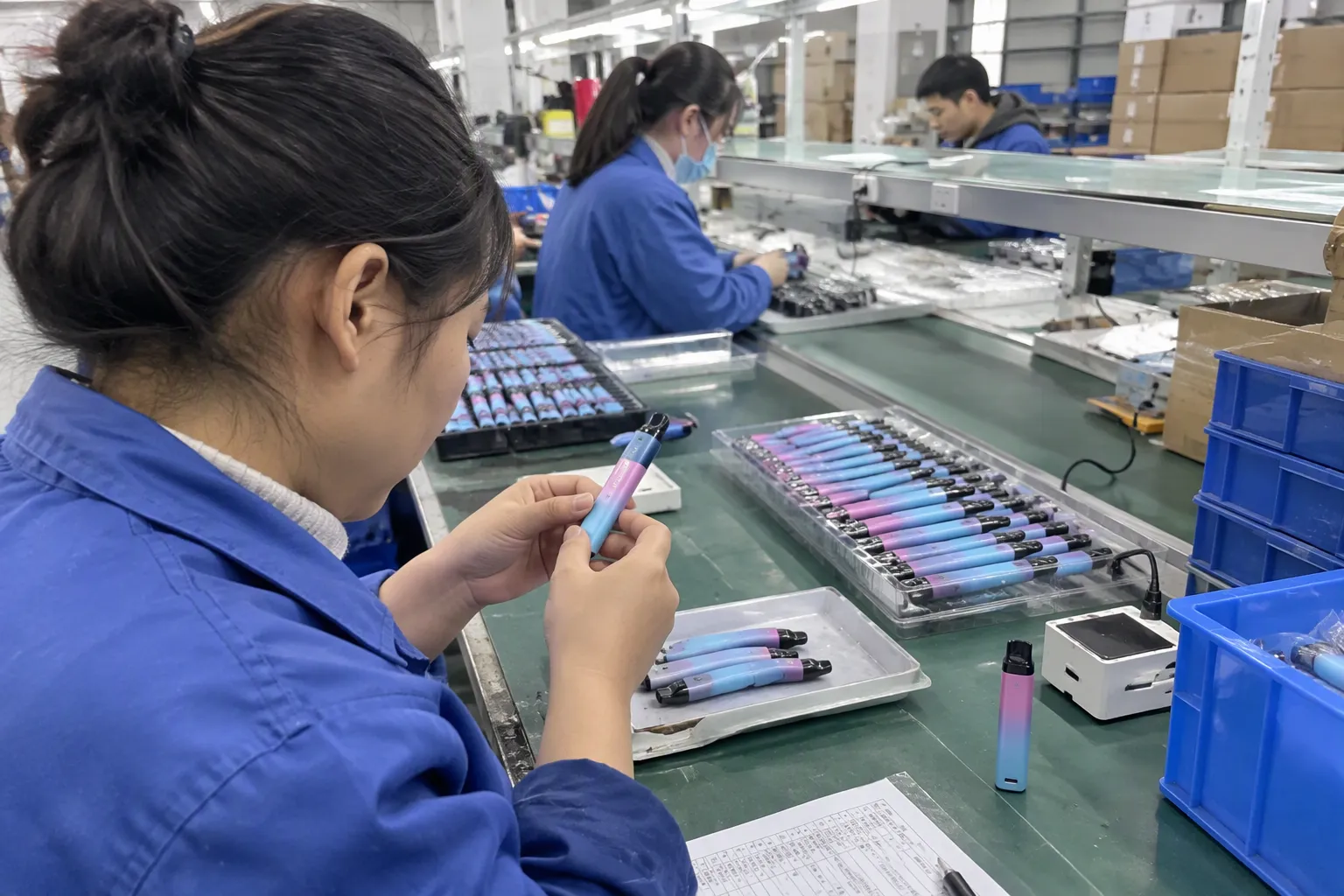
I have seen the same pressure in procurement discussions with European and U.S. wholesalers, vape shops, smoke shops, convenience stores, gas stations, and importers. Buyers still need new products and competitive prices, but they also need to protect cash flow. That means regulation changes now influence nearly every sourcing decision, from the first product sample to the next replenishment order.
How Are Regulation Changes Reshaping the Vape Category?
Regulation changes are reshaping the vape category because buyers can no longer judge a product only by its popularity, specifications, margin, or supplier availability. A product must also be checked against the requirements of its exact country, state, or sales market. Buyers should verify market eligibility before committing inventory and should select a sourcing model that limits avoidable financial and delivery risk.
Many buyers approach me with a simple question: “Which product is selling now?” That question still matters, but it is no longer sufficient. A product can attract attention and still create problems if the buyer has not confirmed whether it can be imported, distributed, advertised, or sold in the intended market.[2]
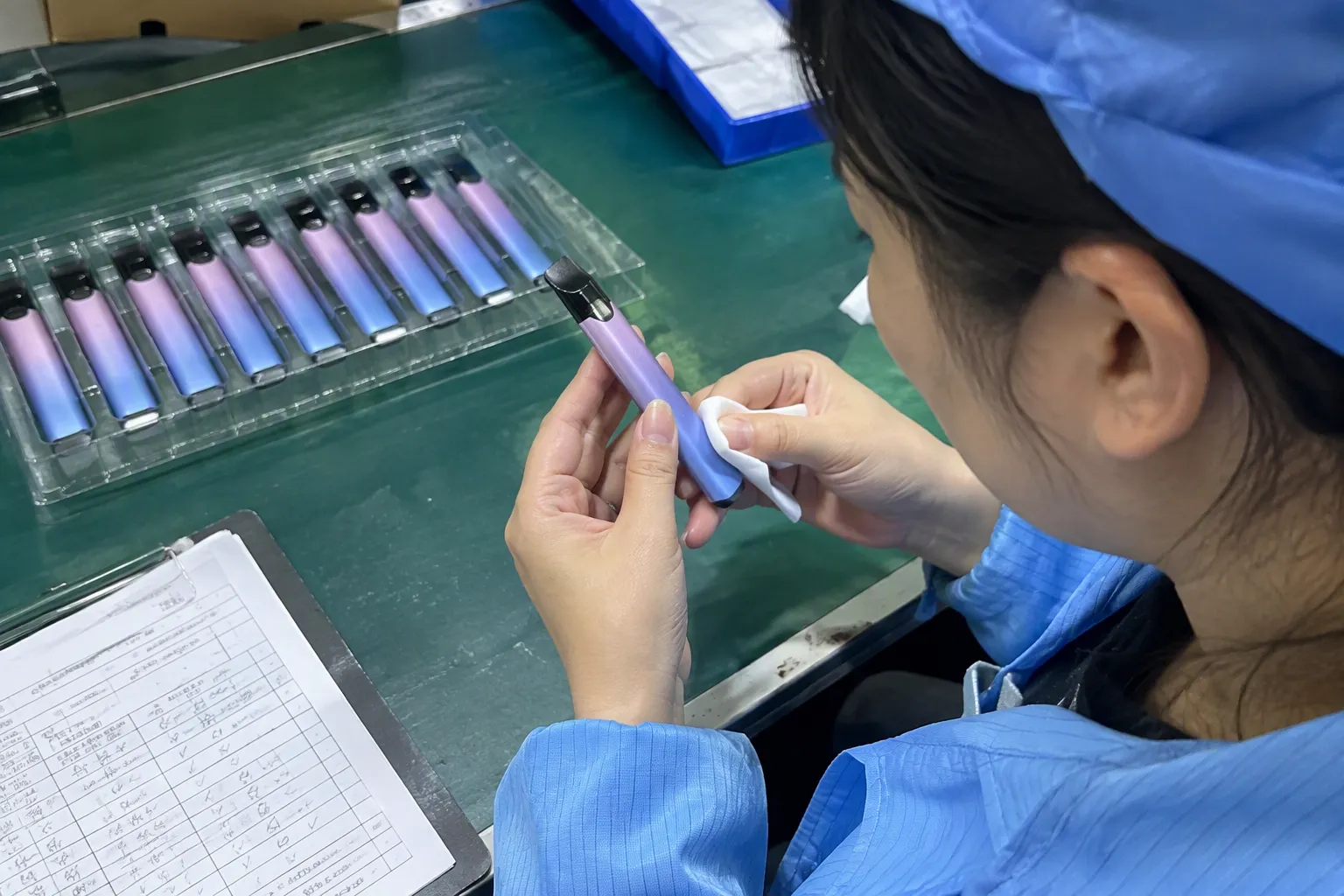
I have worked in Shenzhen’s vape supply chain since Kingfuji Tech. was established in 2011. Shenzhen is a major manufacturing and supply center for electronic cigarettes, vape accessories, atomizers, batteries, vaporizers, and related products[1]. My team works with factory production, brand distribution, product development, inventory, overseas warehousing, delivery, and after-sales coordination. These activities give me a practical view of procurement risk, but they do not make me a legal adviser or prove that any product is compliant in a buyer’s market.
Popularity Does Not Prove Market Eligibility
A product may receive strong attention from end users because of its design, flavor format, battery performance, packaging, or online visibility. Those points can help a buyer understand demand. They cannot prove that the product may legally be sold in a particular location.
I encourage buyers to separate two different questions:
- Will customers want this product?
- Can I lawfully import, distribute, advertise, and sell this product in my target market?
The first question concerns commercial demand. The second question concerns market access and local responsibility. A buyer should answer both questions before placing a large order.
The requirements may vary by:
- Country
- State, province, or local jurisdiction
- Product category
- Nicotine or non-nicotine contents
- Intended user and sales channel
- Packaging and labeling
- Advertising method
- Importer or distributor status
- Applicable product documentation
- Retail and age-control obligations
I do not treat Europe as one single regulatory market[3], and I do not treat the United States as one uniform market. A buyer serving Germany may face different practical requirements from a buyer serving Spain, Poland, Belgium, or another European market. A U.S. buyer also needs to review federal, state, and sometimes local requirements for the intended sales route.[4]
This distinction protects both sides. I can help a buyer organize product information, compare sourcing options, and coordinate documents available from the factory or brand. The buyer still needs to verify the requirements that apply to the buyer’s business and sales territory.
Shipment Capability Is Not Sales Compliance
A product may be available in a Chinese factory, in a supplier’s warehouse, or in a European warehouse. It may also move through customs successfully. None of these facts automatically proves local retail-market compliance.[6]
I explain the supply chain in separate steps because confusion at this point can create expensive mistakes:
| Procurement stage | Main question | What it does not prove |
|---|---|---|
| Manufacturing | Can the product be produced to the agreed specification? | That the product is approved for every sales market |
| Export | Can the supplier arrange export documentation and dispatch? | That the buyer may sell the product locally |
| Customs clearance | Can the shipment pass the relevant border process? | That all retail, advertising, labeling, or market-access duties are complete |
| Import responsibility | Who is responsible for the shipment and local import process? | That the product meets every downstream sales requirement |
| Distribution | Can the buyer supply stores or other businesses? | That the product is lawful in every country or state |
| Retail sale | Can the product be sold through the intended channel? | That another market has the same requirements |
This separation is especially important for buyers who want “delivery to the door.” I can coordinate China export, delivery to a buyer’s nominated freight forwarder, or certain cross-border delivery arrangements. I can also discuss overseas warehouse stock and available delivery routes. However, logistics support does not transfer every local compliance responsibility away from the buyer.
I recommend that buyers identify responsibility before ordering. They should ask:
- Which company is the importer of record?
- Which party checks the product’s local eligibility?
- Which documents must be reviewed before shipment?
- Which party is responsible for labeling and packaging?
- Which market will receive the goods?
- Can the buyer legally sell through the intended channel?
- What happens if local authorities change the requirements?
- What records should the buyer keep for future replenishment?
These questions are not designed to slow down a good order. They help prevent a fast order from becoming slow-moving or unsellable inventory.
Regulation Changes Affect Inventory and Cash Flow
When buyers focus only on unit price, they can miss the larger cost of a regulatory or market-access mistake. A low-cost shipment can still become expensive if it is delayed, held, returned, relabeled, or difficult to sell.[7] The buyer may also lose working capital while waiting for a decision.
This risk is more serious for small and medium-sized businesses.[8] A smaller wholesaler, vape shop, convenience store, or gas station may not want to commit a large amount of money to an untested product. The buyer may prefer a lower MOQ, shorter delivery time, and a replenishment model that follows actual sales.
For some European customers, our overseas warehouse model can support that approach. We have warehouse locations in parts of Europe, including Germany, Austria, Poland, and Belgium. Available stock can be shipped through services such as DHL, DPD, UPS, or FedEx, depending on the order and route. In suitable cases, delivery can take approximately one to five working days, and some products may be available from a starting quantity of around 50 units per model.
I present these details as purchasing options, not as a promise that every product is available in every warehouse or that every market requirement has been satisfied. Buyers should confirm current stock, route, timing, and market obligations before payment.
A smaller order from nearby stock may help a buyer:
- Test demand before making a larger commitment
- Reduce the time that capital remains tied up
- Replenish faster when local inventory is low
- Avoid some China-to-market transit uncertainty
- Reduce exposure to a large shipment that may not sell
- Compare several products before choosing a long-term item
However, the buyer still needs to check whether the product may be sold in the target market. A nearby warehouse changes the delivery route. It does not change the legal requirements of the buyer’s sales territory.
When Does Bulk China Sourcing Make More Sense?
Larger importers, distributors, and wholesalers may prefer direct China sourcing when they have established demand, warehouse capacity, purchasing experience, and a clear plan for import and distribution. Bulk procurement can offer stronger pricing and more choices in product development, branding, packaging, and production scheduling.
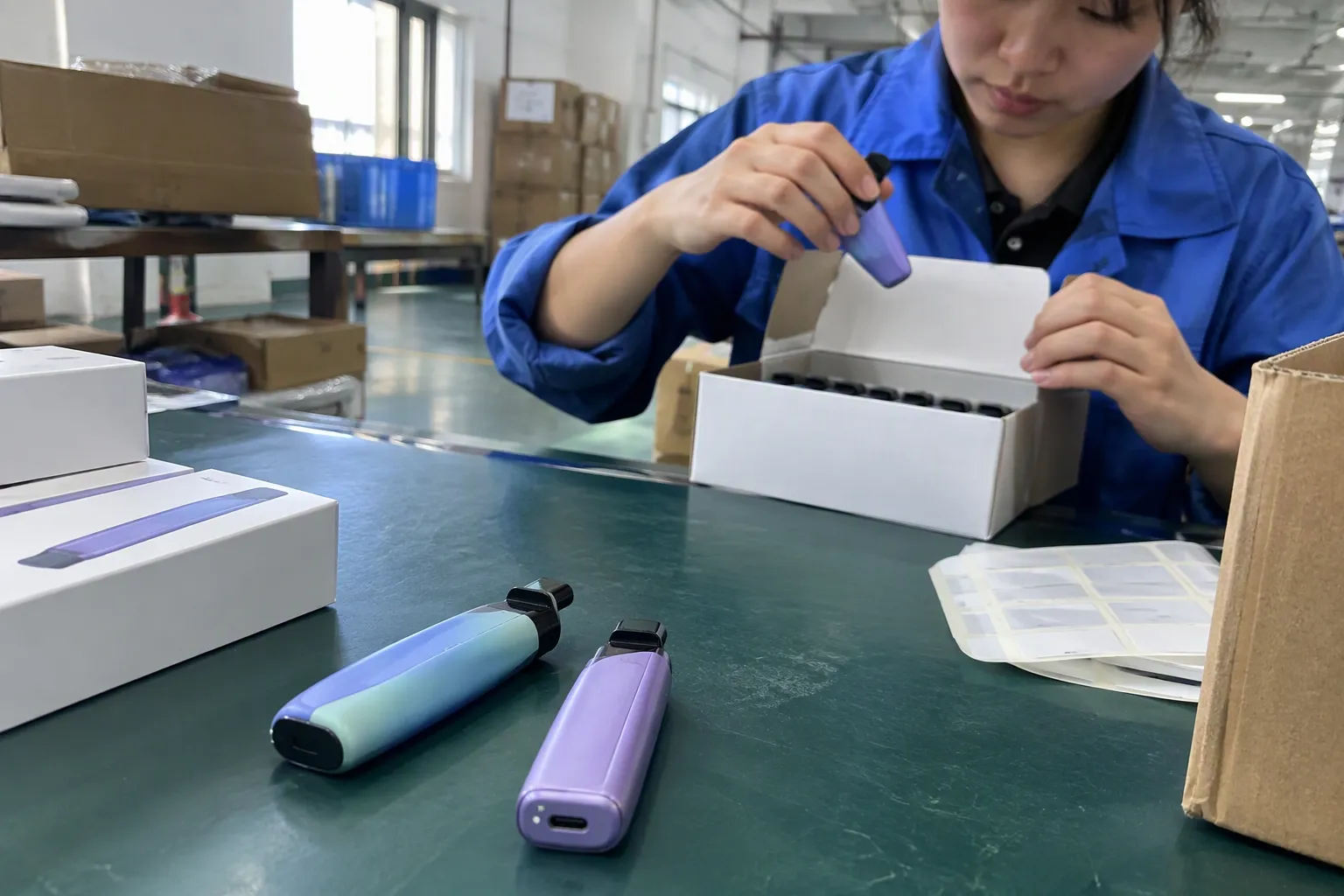
Our factory has approximately 5,000 square meters of production space and a stated maximum capacity of up to 5 million units per month. We also have OEM and ODM experience, a product development team, and a regular program of new product development. We typically maintain a flow of new products, but I do not treat a new product as automatically suitable for every buyer or market.
For a larger customer, the correct process usually includes:
- Defining the target country and sales channel.
- Listing the product category and technical requirements.
- Reviewing market-specific obligations with qualified local professionals.
- Confirming the documentation that the buyer needs.
- Evaluating samples and agreed specifications.
- Checking packaging, labeling, and language requirements.
- Agreeing on quality-control procedures.
- Confirming production lead time and delivery responsibilities.
- Starting with a controlled order when uncertainty remains.
- Planning replenishment only after the first sales and compliance checks are complete.
OEM and ODM can create value when a buyer already understands the market and has a responsible product plan. A private-label project may help a wholesaler build recognition, manage product positioning, or serve a defined customer base. It does not remove the buyer’s responsibility to confirm whether the product, label, claims, and sales method are acceptable in the intended market.
How Should Buyers Evaluate a Supplier During Regulatory Change?
I believe buyers should evaluate a supplier on more than price. The supplier should help the buyer understand what is known, what needs verification, and what remains the buyer’s responsibility.
I suggest reviewing the following areas:
| Evaluation area | Buyer’s practical objective |
|---|---|
| Product information | Understand the model, contents, materials, battery, packaging, and intended use |
| Quality control | Define inspection points, acceptable quality levels, and handling of defects |
| Documentation | Identify which documents exist and whether they are current and relevant |
| Supply route | Compare overseas stock, direct China shipping, and the buyer’s own freight forwarder |
| MOQ | Match order size with demand, capital, and inventory risk |
| Lead time | Prevent production delays from blocking cash flow |
| After-sales | Establish one contact for defects, investigation, replacement, or compensation discussions |
| Product development | Confirm whether OEM/ODM changes affect documentation and market checks |
| Communication | Make sure the supplier gives clear information rather than broad assurances |
Our business model combines several sourcing options. We represent a broad range of vape and smoking-accessory brands and can provide one-stop purchasing for many customers. We also manufacture and develop products through our own factory. If a buyer cannot find a suitable item in the existing catalog, I can help compare available products, search for a better fit, or discuss a new product and tooling project when the requirements are realistic.
The benefit for a buyer is simpler coordination. Instead of contacting several factories for disposable vapes, atomizers, 510 batteries, CBD batteries, grinders, glass pipes, vaporizers, and other related products, the buyer may be able to consolidate part of the purchase through one supplier. Consolidation can reduce repeated quotations, separate after-sales conversations, and fragmented delivery arrangements.
That convenience is valuable, but I do not describe it as a replacement for due diligence. One-stop sourcing should make evaluation easier, not make buyers skip evaluation.
How Can After-Sales Support Reduce Procurement Risk?
After-sales service becomes more important when a buyer supplies many local stores. A product problem can affect more than one shipment. It can create repeated questions from retailers, slow the buyer’s cash cycle, and damage local relationships.
We provide after-sales coordination for products purchased through us. Depending on the confirmed order terms and the specific problem, we can investigate defective goods and discuss replacement or compensation arrangements. Our stated service approach includes support for delivery problems, customs-related incidents under agreed conditions, and product defects. Buyers should always confirm the exact coverage, exclusions, evidence requirements, and claim process in writing before ordering.
I also encourage buyers to keep a simple record for each shipment:
- Purchase order and invoice
- Product model and batch information
- Agreed specification
- Inspection or video-verification records
- Shipping and tracking documents
- Photos or videos of defects
- Quantity affected
- Customer or retailer feedback
- Communication about the resolution
We can provide video verification for certain orders and coordinate with the buyer’s chosen freight forwarder when the buyer already has a long-term logistics partner. This flexibility helps the buyer choose between supplier-arranged delivery and a familiar freight route.
The purpose of these processes is not to suggest that every problem can be eliminated. Manufacturing, transport, customs, and retail operations all contain uncertainty. A clear process helps both parties respond faster and prevents a buyer from having to contact several unrelated factories for the same issue.
What Should Small and Large Buyers Do Differently?
I do not recommend one purchasing model for every business. A Spanish wholesaler supplying tourist-area stores may have different needs from a U.S. regional distributor serving several states. A small vape shop may require a small test order, while an established importer may need a production schedule and OEM packaging.
| Buyer profile | Useful starting model | Main procurement priority |
|---|---|---|
| Small retailer or local wholesaler | Low-MOQ stock from a suitable overseas warehouse | Limit cash exposure and replenish quickly |
| Regional distributor | Mixed products with planned replenishment | Match inventory to local demand and market checks |
| Established importer | Direct China sourcing after verification | Improve pricing and plan reliable supply |
| Brand owner or private-label wholesaler | OEM/ODM with controlled development | Coordinate product, packaging, quality, and market review |
| Multi-category distributor | One-stop sourcing across vape and smoking accessories | Reduce supplier fragmentation and after-sales workload |
For smaller customers, overseas warehouse stock can support a short purchasing cycle. The customer may test products in limited quantities, sell through current inventory, and reorder based on real movement. This approach may reduce the risk of paying for a large shipment before demand is clear.
For larger customers, direct import can provide better scale and broader customization. The buyer may negotiate production quantities, packaging, branding, product combinations, and delivery planning. The buyer also needs stronger internal controls because a larger order creates greater exposure if the product cannot be sold as expected.
In both cases, I recommend the same order of decisions:
Market first, product second, inventory third, logistics fourth.
A buyer should not reverse that order simply because a supplier has immediate stock or because a product is receiving attention online.
Why Does Supplier Transparency Matter More Now?
Regulatory uncertainty increases the value of honest communication. A supplier that says “this product can ship” may be answering a logistics question. A buyer may hear that statement as “this product can be legally sold in my market.” Those are not the same statement.
I try to make the difference clear in procurement conversations. I can explain what I know about the product, factory process, available stock, packaging, delivery options, and previous buyer questions. I can also identify points that require confirmation from the buyer’s compliance adviser, importer, customs broker, or local authority.
I do not want a buyer to rely on vague claims such as:
- “Everyone is selling it.”
- “The product is popular.”
- “It cleared customs before.”
- “The factory has stock.”
- “Another country accepts it.”
- “The price is very low.”
- “The product has attractive specifications.”
These statements may be commercially relevant, but none is a complete market-access review.
I see supplier transparency as a competitive advantage because it helps the buyer make a more realistic decision. If a product needs further verification, I would rather identify that early than encourage an order that creates avoidable inventory risk.
How Can Buyers Build a More Practical Procurement Checklist?
I use a simple staged checklist when discussing a new product with an international buyer. The checklist does not replace professional legal or technical advice. It helps organize the purchasing conversation.
Before requesting a quotation
The buyer should define:
- Target country, state, or sales territory
- Intended sales channels
- Product type and basic specification
- Expected first-order quantity
- Desired delivery time
- Whether the buyer needs branded or standard packaging
- Whether the buyer already has a freight forwarder
- Which documents the buyer expects to review
Before approving a sample
The buyer should compare:
- Physical product against the quotation
- Packaging and label details
- Product dimensions and materials
- Battery or electrical information where relevant
- Included accessories
- User instructions
- Visual quality and finish
- Performance against the agreed specification
- Information needed for local review
Before placing a production order
The buyer should confirm:
- Final specification
- Approved artwork
- Quantity and tolerance
- Inspection method
- Production lead time
- Payment terms
- Shipping responsibility
- Claims procedure
- Replacement or compensation terms
- Market-specific review by a qualified professional
Before replenishment
The buyer should review:
- Actual sell-through
- Retailer feedback
- Defect rate
- Delivery performance
- Repeat-order demand
- Regulatory or policy updates
- Remaining inventory
- Cash-flow impact
This process may appear slower than choosing a product from a trend list. In practice, it can make purchasing faster because the buyer spends less time correcting unclear specifications, delayed shipments, documentation gaps, and after-sales disputes.
What Is My Role as a Shenzhen Manufacturer and Integrated Supplier?

I operate from Shenzhen, China, and I work with buyers who want a practical sourcing partner rather than a disconnected product list. Kingfuji Tech. provides access to manufactured products, brand distribution, product development, OEM/ODM coordination, inventory options, shipping support, and after-sales communication.
Our product range includes electronic cigarettes, disposable vapes, atomizers, 510 batteries, CBD batteries, vaporizers, grinders, glass pipes, and other products related to vaping and traditional smoking accessories. We can also discuss products outside an existing catalog when the buyer has a clear need and the project is technically and commercially realistic.
The value for the buyer is coordination:
- One purchasing contact for multiple product categories
- Access to regular stock where available
- Brand and factory sourcing through one business relationship
- Lower-MOQ options for selected overseas warehouse products
- China factory sourcing for larger orders
- OEM/ODM support for qualified projects
- Delivery to the buyer or the buyer’s nominated forwarder
- Centralized after-sales handling for purchases made through us
- Product comparisons based on the buyer’s market and cash-flow needs
I do not claim that this model removes local compliance responsibility. It does not eliminate customs uncertainty, market changes, product defects, or sales risk. It gives the buyer a more organized way to evaluate and manage those issues.
For me, the central purchasing question has changed. I no longer see the best product as simply the newest or cheapest product. I see the best product as one that fits the buyer’s verified market, sales channel, working capital, replenishment plan, and ability to manage local obligations.
Frequently Asked Questions
Do regulation changes mean buyers should stop importing vape products?
No. Regulation changes mean buyers should make more structured decisions. Buyers can still source products, but they should verify the target market, product requirements, import responsibilities, labeling, documentation, and sales conditions before placing an order. A qualified local compliance professional should review application-specific questions.
Does customs clearance prove that a vape product can be sold locally?
No. Customs clearance concerns the relevant import or border process. It does not automatically prove that the product satisfies every local requirement for distribution, advertising, retail sale, packaging, or labeling. Buyers should separate manufacturing, export, import, and retail-market responsibilities.
Is an overseas warehouse safer for a small vape buyer?
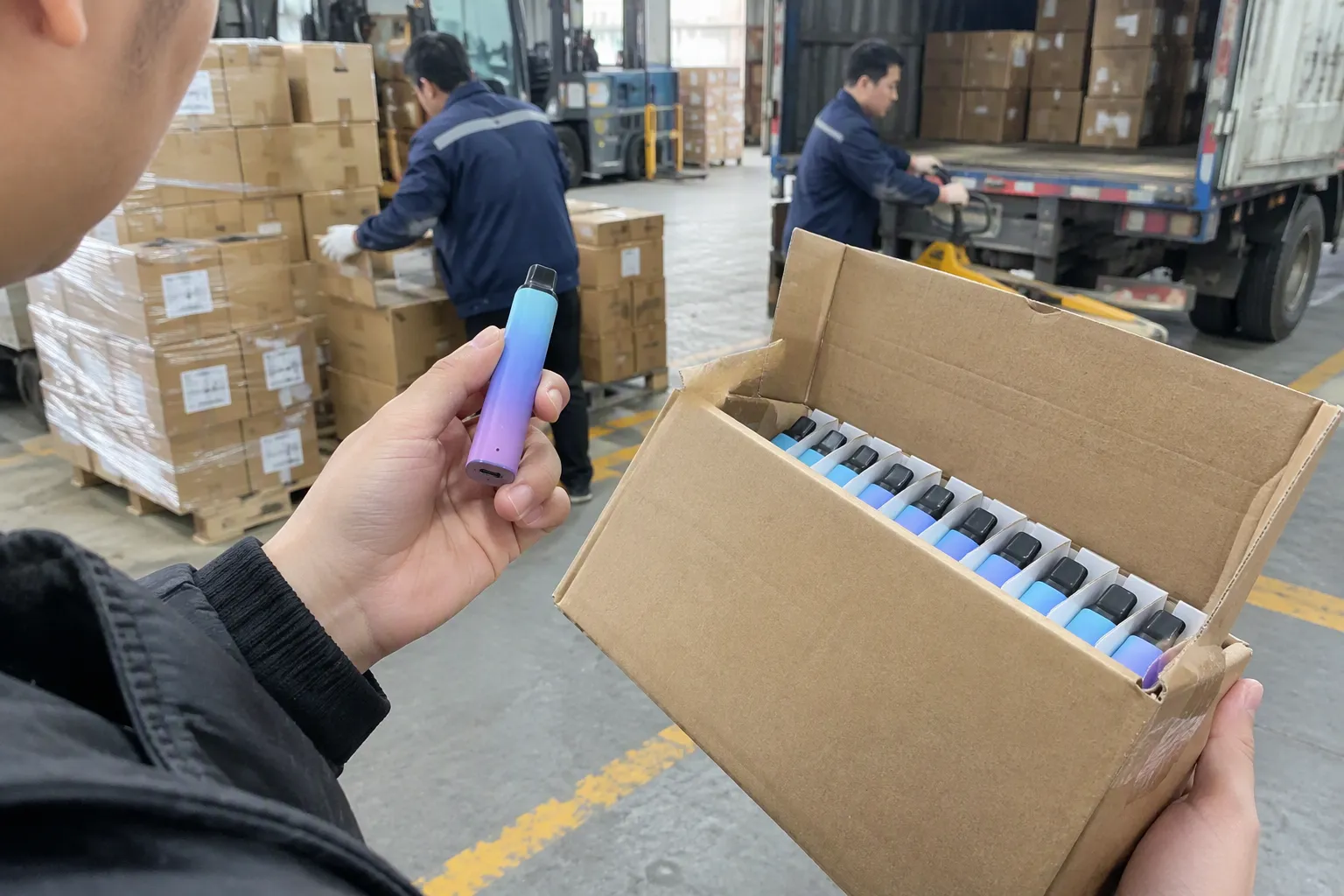
An overseas warehouse may reduce transit time, minimum order exposure, and some cross-border delivery uncertainty. It does not automatically prove that a product is legal to sell in the buyer’s market. The buyer should verify eligibility and confirm current stock, delivery terms, and responsibility before ordering.
Should large wholesalers source directly from China?
Direct China sourcing may suit larger wholesalers with verified demand, warehouse capacity, import experience, and a clear compliance process. It may provide pricing and OEM/ODM advantages. The buyer should confirm the target market and product requirements before committing to bulk production.
Can an OEM or ODM supplier handle the buyer’s compliance responsibility?
No. An OEM or ODM supplier can help coordinate product development, specifications, packaging, and available documentation. The buyer remains responsible for confirming whether the finished product and sales method satisfy the requirements of the intended country, state, or market.
Conclusion
Regulation changes are reshaping the vape category by turning product sourcing into a broader risk-control decision. Demand, price, and product design still matter, but they must be considered alongside market eligibility, documentation, inventory exposure, delivery routes, MOQ, and after-sales support. I help European and U.S. buyers compare overseas warehouse stock, direct China sourcing, brand products, and OEM/ODM options according to their market and cash flow. Contact Kingfuji Tech. at info@kingvapecig.com or +86 13928420527 to discuss a responsible sourcing plan for your target market.
Sources
- A comprehensive content analysis of 104 Chinese ...", The cited study describes Shenzhen as a significant production and supply-chain center for electronic-cigarette manufacturing in China
- Premarket Tobacco Product Marketing Granted Orders", Regulatory guidance distinguishes consumer demand from the authorization, notification, labeling, and marketing conditions required before covered nicotine products may be sold
- Regulation of Electronic Cigarette Use in Public and Private ...", European regulatory materials establish a common framework for nicotine products while recognizing that Member States may apply differing national measures and enforcement arrangements
- E-Cigarettes, Vapes, and other Electronic Nicotine Delivery ...", U.S. government materials describe overlapping federal, state, and local authorities and rules governing different aspects of electronic-cigarette distribution and sale
- Tobacco Product Compliance Webinar: Updates for Importers", Regulatory guidance treats manufacture, importation, distribution, and retail sale as distinct compliance stages rather than as interchangeable evidence of market authorization
- Import Resources", Customs procedures address the admission and documentation of goods at the border, whereas domestic authorities separately assess product safety, labeling, marketing, and retail-sale obligations
- Customs as Doorkeepers: What Are Their Effects on ...", Supply-chain research finds that regulatory disruption and corrective handling can add delay, inventory, logistics, and opportunity costs beyond the original purchase price
- Strengthening SMEs and Entrepreneurship for Productivity ...", Research on small and medium-sized enterprises associates limited financial reserves and compliance capacity with greater vulnerability to operational disruptions and regulatory costs