
Quick Answer
Tourist-area vape shops often see busy shelves but uneven demand. Tourist-area vape shops can lose cash when they buy deeply into every trending SKU, then face slow sales, customer confusion, or delayed replenishment. I recommend matching each product to customer understanding, repeat demand, replenishment speed, MOQ, and the shop’s available working capital.
Tourist-area vape shops should build a broad but controlled assortment, keep limited quantities for untested products, and stock deeply only in products with clear customer fit and repeatable demand. I suggest using fast, lower-MOQ regional stock for uncertain or urgent demand, while larger importers can use China-based bulk purchasing and OEM/ODM after demand is proven.
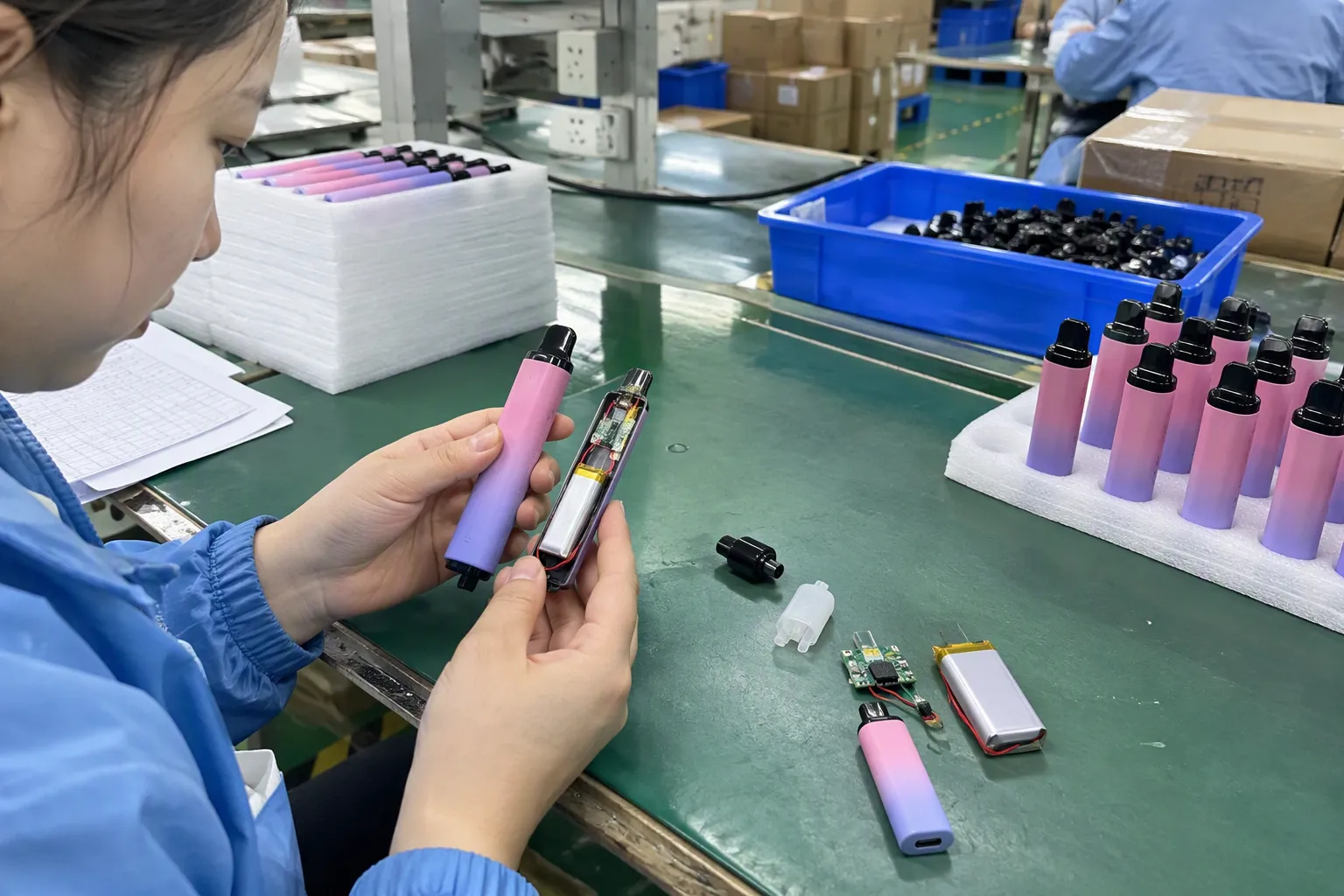
High visitor traffic can make a shop owner feel that every popular product deserves a large order. My experience with European and American importers, wholesalers, vape shops, and smoke shops has shown me that traffic alone does not determine profitable inventory[1]. The more useful question is: which products can this particular customer understand, buy, use, and replace without unnecessary friction?
How Should Tourist-Area Vape Shops Adjust Assortment and Stock Depth?
A tourist location can attract many customer types in one day, but that variety can make purchasing decisions more difficult. A product that sells well to a regular local customer may need too much explanation for a visitor making a quick purchase. I find that shops reduce risk when they separate product testing from deep stocking.
Tourist-area vape shops should test a wider range of suitable products with limited quantities, then increase stock depth only after observing customer fit, product comprehension, repeat demand, and dependable replenishment. Retailers should also compare regional low-MOQ supply with bulk China imports according to cash flow, order size, and purchasing certainty.
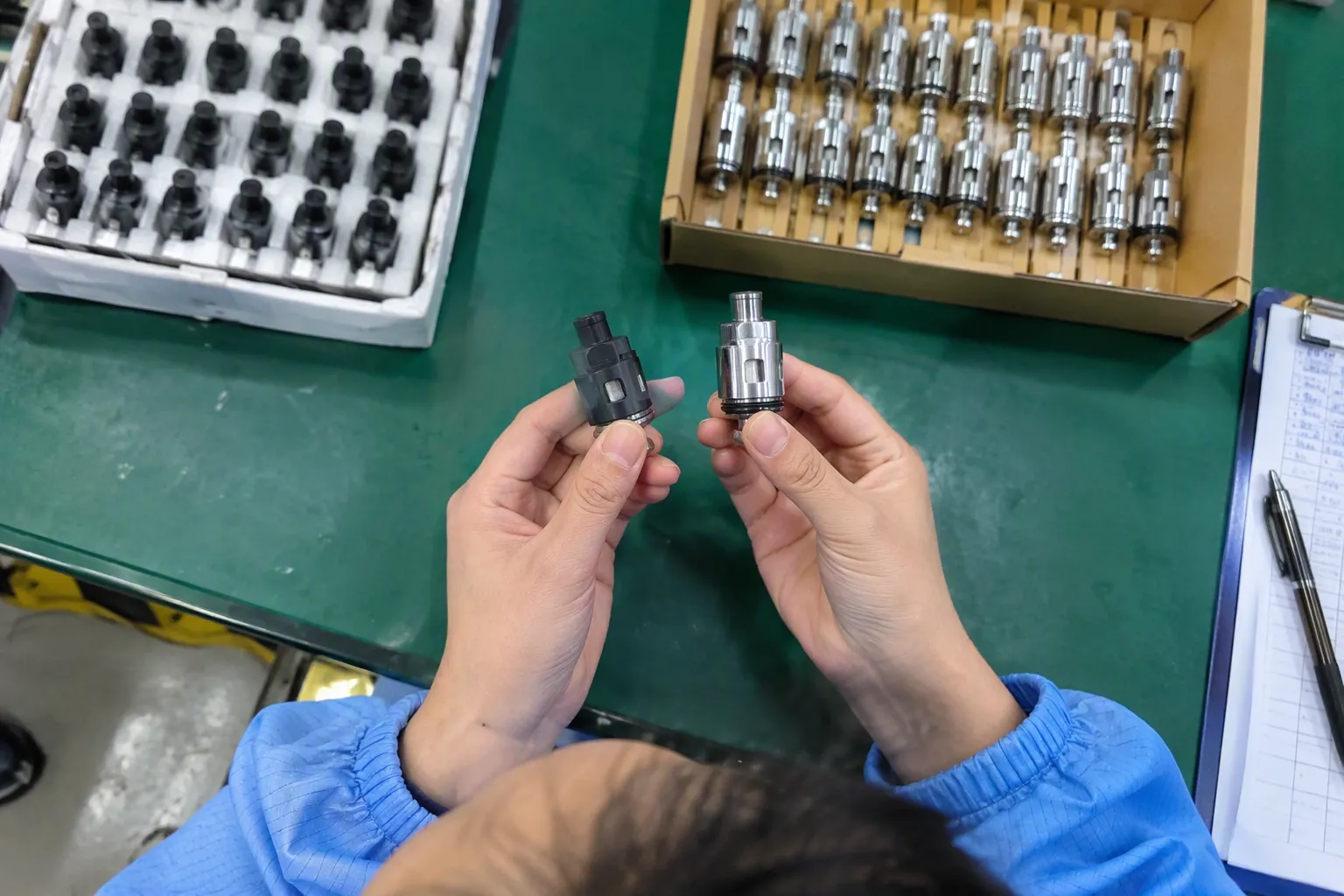
I have worked with buyers who wanted to know only which product was “hot.” I understand the pressure. Tourists move quickly, competitors refresh their shelves, and a missed trend can feel expensive. However, I have also seen how a rushed purchase can create a different cost: money tied up in slow stock, customers asking questions staff cannot answer, delayed replacements, or after-sales discussions caused by unsuitable use.
Start with the customer’s buying situation
A tourist may have limited time, limited product knowledge, and no intention of returning to the same store.[2] A local customer may already understand a preferred format and return for a replacement. A wholesaler supplying several stores may see yet another demand pattern.
Before I recommend any SKU, I would ask:
- Is the product easy for the intended customer to understand?
- Can staff explain the main operating points clearly?
- Does the product fit the legal requirements of the selling market?[5]
- Is the product likely to be replaced locally?
- Can the supplier provide consistent replenishment?
- What happens if the item arrives late or has a quality issue?
- Does the order size create uncomfortable cash-flow exposure?
These questions do not predict sales with certainty. They create a more disciplined purchasing conversation.
Breadth and depth are different decisions
Assortment breadth means how many different product types, formats, brands, or models the shop carries. Stock depth means how many units the shop holds for each SKU. A retailer can increase breadth without buying deeply into every item.
For example, a shop may test several appropriate disposable vape formats, atomizers, batteries, vaporizers, or related smoke accessories while keeping a controlled quantity of each. After the shop observes customer response and staff feedback, it can place deeper orders for the products that demonstrate a clearer fit.
| Inventory question | More cautious response | Deeper-stock response |
|---|---|---|
| Is the product new to the shop? | Test a limited quantity | Wait for evidence before scaling |
| Is customer demand repeatable? | Keep moderate stock | Consider deeper stock |
| Does the product need detailed explanation? | Train staff and limit exposure | Stock deeply only if staff can support it |
| Is replenishment fast and dependable? | Use smaller, more frequent orders | Larger orders may be practical |
| Is the MOQ high? | Check cash-flow risk carefully | Import in bulk only with stable demand |
| Is the product market-sensitive? | Verify current rules and documents | Review compliance before expansion |
I do not treat a broad supplier catalog as a recommendation to buy everything. A catalog is a sourcing resource. The retailer still needs to build a local assortment that reflects customer needs, legal conditions, staff capability, and available cash.
Product comprehension can affect practical profitability
When a customer does not understand a product, the shop may spend more time explaining it. That is not automatically a problem. Education can support a good sale when staff have the right information. The problem appears when the product requires explanations that the shop cannot deliver consistently.
Customer misunderstanding can lead to[3]:
- Incorrect operation or charging[4]
- Wrong accessory selection
- Returns or complaints
- Poor reviews
- Extra staff time
- Difficulty identifying whether an issue is product-related or use-related
I do not claim that a simpler product is always better. I suggest that buyers match product complexity with the shop’s sales process. If a product needs technical guidance, the retailer should obtain clear instructions and train staff before placing a deep order. Application-specific and safety-related questions should also be assessed by qualified professionals, especially where local rules apply.
Use a simple SKU review system
I encourage buyers to review each SKU using a small number of practical categories:
- Customer fit: Who is most likely to buy it?
- Explanation requirement: Can staff describe it accurately and quickly?
- Quality control: Are specifications, batch information, and inspection records available?
- Replenishment: How quickly can the supplier replace stock?
- MOQ: Can the shop reorder without overcommitting?
- Cash exposure: How much capital will remain tied up if demand changes?
- After-sales process: Who handles a verified quality issue?
- Compliance file: Are the required market documents available for buyer verification?
I use this type of review because it keeps the decision connected to business operations. A product can have an attractive purchase price and still be a weak inventory choice if the shop cannot sell it clearly or replenish it safely.
When should a shop increase stock depth?
I would consider deeper stock only when several conditions align:
- The customer group is clear.
- Staff can explain the product.
- The product has shown repeatable local demand.
- Quality and packaging checks are satisfactory.
- The supplier can support consistent delivery.
- The order does not put unreasonable pressure on working capital.
- The buyer has reviewed applicable market requirements.
- The shop has a plan for slow-moving units.
A buyer does not need perfect certainty. No retailer has it. The goal is to avoid turning an uncertain product into a large financial commitment before the shop has learned enough.
I often tell buyers that fast stock rotation is more useful than impressive stock depth[6]. A smaller order that sells and can be replenished may support the business better than a large order with a higher theoretical margin.
Replenishment should influence the first order
Many buyers consider replenishment only after a product sells. I believe they should consider it before the first purchase. If the product becomes popular, can the supplier provide the same model, packaging, flavor or specification, and quantity?[7] If the answer is unclear, the retailer should be careful about promoting the item as a core product.
For smaller European retailers, our available European warehouse options can help reduce the distance between testing and replenishment. The business context includes warehouses in Germany, Austria, Poland, Belgium, and other European locations, with shipping options such as DHL, DPD, UPS, and FedEx. The stated delivery target is commonly one to five working days within the EU, subject to stock, destination, carrier conditions, and applicable requirements. Buyers should confirm current stock and delivery terms for every order.
The stated MOQ for some European warehouse products can be as low as 50 units per model. That may suit a smaller shop testing assortment breadth without making a large advance investment. It does not mean every product or every destination has the same MOQ. I recommend confirming the exact SKU, quantity, warehouse, documentation, shipping cost, and return or after-sales terms before payment.
When does China-based bulk importing make sense?
Larger importers, wholesalers, and distributors may have stable demand across multiple stores. They may also have warehouses, local sales teams, and enough working capital to plan larger purchases. In that situation, China-based bulk importing can offer stronger unit pricing[8] and more options for OEM/ODM development.
Shenzhen Kingfuji Tech. Co., Ltd. was established in 2011 in Shenzhen, Guangdong, which is a major electronics and vape manufacturing and supply-chain center. The supplied business information states that the company operates its own 5,000-square-meter factory, maintains monthly production capacity of up to 5 million units, and has OEM/ODM experience. The company also states that it introduces approximately five to ten new products each month. Buyers should evaluate the specific product, production plan, quality records, and documents rather than relying only on general capacity statements.
China bulk importing may be appropriate when:
- Demand is already visible across the buyer’s customer base.
- The buyer can meet the factory or supplier MOQ.
- The buyer can plan lead time and freight.
- The buyer wants private-label or custom development.
- The buyer has a suitable compliance and import process.
- The buyer can absorb slower replenishment than regional stock.
- The expected pricing advantage justifies the additional inventory exposure.
OEM/ODM should not be treated as a shortcut to demand. A custom product can require product definition, sample approval, packaging review, testing, documentation, production scheduling, and after-sales planning. I recommend that buyers define acceptance criteria in writing before production starts.
A practical sourcing comparison
| Option | Best fit | Main advantage | Main risk to review |
|---|---|---|---|
| European warehouse stock | Small and medium retailers, urgent replenishment, product testing | Lower MOQ and faster regional delivery | Available models, stock continuity, and total landed cost |
| China bulk import | Larger importers, wholesalers, and stable multi-store demand | Potential unit-price advantage and wider customization | Lead time, MOQ, customs, compliance, and working capital |
| OEM/ODM project | Buyers with an established channel or brand plan | Differentiation and private-label potential | Development time, quality approval, documentation, and minimum order |
| Mixed model | Buyers with both uncertain and proven SKUs | Balances speed with purchasing efficiency | Requires disciplined stock segmentation |
I do not present one option as universally superior. A tourist-area shop with uncertain demand may value flexibility more than the lowest unit cost. A regional wholesaler with established accounts may value price and customization more than immediate low-volume delivery.
Include quality control in assortment decisions

The buying team should ask what quality controls support the product, not only what the product costs. I can provide product information, inspection coordination, video verification, and after-sales support through the business model described by Kingfuji. However, buyers should request and verify relevant documents for the destination market and specific product.
A sensible purchasing file may include:
- Approved product specification
- Packaging and labeling requirements
- Sample approval record
- Batch or production information
- Inspection arrangement
- Defect classification
- Warranty or after-sales terms
- Shipping and delivery responsibilities
- Market-specific compliance documents
Certifications and test reports are documents for buyers to verify. They should confirm the issuing body, product scope, dates, model numbers, and whether the document applies to the intended market. I am a supply-chain and assortment adviser in this context, not a laboratory researcher or regulatory authority. A qualified compliance professional should review application-specific requirements.
Protect the shop from avoidable after-sales friction
I know that quality complaints affect more than the cost of one unit. They can consume staff time and weaken the retailer’s relationship with its local wholesale customers. For this reason, I recommend that buyers agree on the after-sales process before ordering.
The buyer should clarify:
- What counts as a verified defect?
- What evidence must the customer provide?
- Who pays for replacement shipping?
- How will replacement units or refunds be handled?
- What is the response time?
- Does the process apply to warehouse stock and China-imported orders?
- Are any compensation promises written into the order terms?
Kingfuji’s stated service model includes unified after-sales handling for products purchased through the company. The business also describes video verification, door-to-door delivery support, and compensation arrangements for certain customs or defective-goods situations. These terms should be confirmed in writing for the individual order, destination, product category, and shipping method. Buyers should not assume that a general service description replaces a detailed commercial agreement.
Review stock by customer segment, not only by location
“Tourist area” is not a complete customer profile. A coastal resort, an airport district, a nightlife zone, and a city center can have different customer patterns. I would ask the shop owner to describe the actual customer groups:
- Local repeat customers
- Short-term international visitors
- Domestic tourists
- Price-sensitive buyers
- Customers looking for familiar brands
- Customers seeking new formats
- Customers buying accessories with another product
- Wholesale customers supplying nearby stores
The shop can then assign products to roles:
| SKU role | Purchasing approach |
|---|---|
| Core replenishment item | Maintain dependable stock depth |
| Tourist convenience item | Keep accessible stock and clear information |
| Trial or trend item | Test with limited units |
| Premium or technical item | Stock selectively with staff guidance |
| Seasonal or event-related item | Use a short review cycle |
| Custom brand item | Consider only after channel and demand planning |
This approach helps prevent one busy weekend from defining the entire purchasing strategy.
Use a review cycle instead of a one-time decision
Demand changes. A product that attracts attention today may not remain suitable next month. I suggest a regular review using available business records rather than unsupported market assumptions.
The review can examine:
- Units ordered and units remaining
- Time since the last sale
- Customer questions and objections
- Defect or return reports
- Replenishment time
- Gross margin after delivery costs
- Cash committed to the SKU
- Whether staff still recommend the product
- Whether the product remains permitted and properly documented
I do not recommend inventing a turnover benchmark when the shop has no reliable local data. Each business should set its own review period based on product category, season, delivery method, and cash position.
Why a one-stop supplier can reduce purchasing workload
A tourist-area retailer may buy electronic cigarettes, disposable vapes, atomizers, 510 batteries, CBD batteries, vaporizers, grinders, glass pipes, and other related products from different sources. Multiple suppliers can create separate quotations, payments, shipments, warranty contacts, and delivery schedules.
Our business model is designed to combine several purchasing needs. Kingfuji represents a wide range of vape and smoking-accessory brands and states that many regular items are held in stock. The company also supplies its own manufacturing and OEM/ODM capability when a required product is not in the existing catalog. If a product does not yet exist in the market, the company can discuss mold development when the buyer’s conditions are suitable.
From the buyer’s viewpoint, the value is not simply having a large catalog. The value is reducing coordination work:
- One purchasing discussion for several categories
- Consolidated quotation review
- One main after-sales contact
- Possible shipment to the buyer’s own freight forwarder
- Door-to-door delivery support when required
- Regional warehouse options for smaller replenishment orders
- China production for larger planned orders
I still advise buyers to compare product-level specifications, pricing, documents, and service terms. One-stop purchasing works best when the supplier is transparent about what is stocked, what is manufactured, what is sourced from partner factories, and what can be supported after delivery.
Build a simple decision rule
I would use this rule when reviewing a new product:
Test broadly, stock selectively, replenish according to evidence, and import deeply only when demand and operations can support the commitment.
The rule protects the retailer from two common mistakes. The first mistake is buying only a narrow group of familiar items and missing suitable opportunities. The second mistake is buying deeply across too many “hot” products without checking customer comprehension, legal requirements, or cash flow.
A balanced plan may look like this:
- Select products that fit the customer profile and market requirements.
- Test a controlled range with limited units.
- Record staff feedback and customer questions.
- Review quality and after-sales experience.
- Identify products with repeatable demand.
- Use low-MOQ regional stock for flexible replenishment where available.
- Use China bulk purchasing for proven demand and suitable order scale.
- Consider OEM/ODM only when the sales channel and product brief are clear.
- Review the assortment regularly.
This process does not remove risk. It makes risk visible before the buyer commits too much money.
Frequently Asked Questions
Should tourist-area vape shops stock more products because visitor traffic is high?
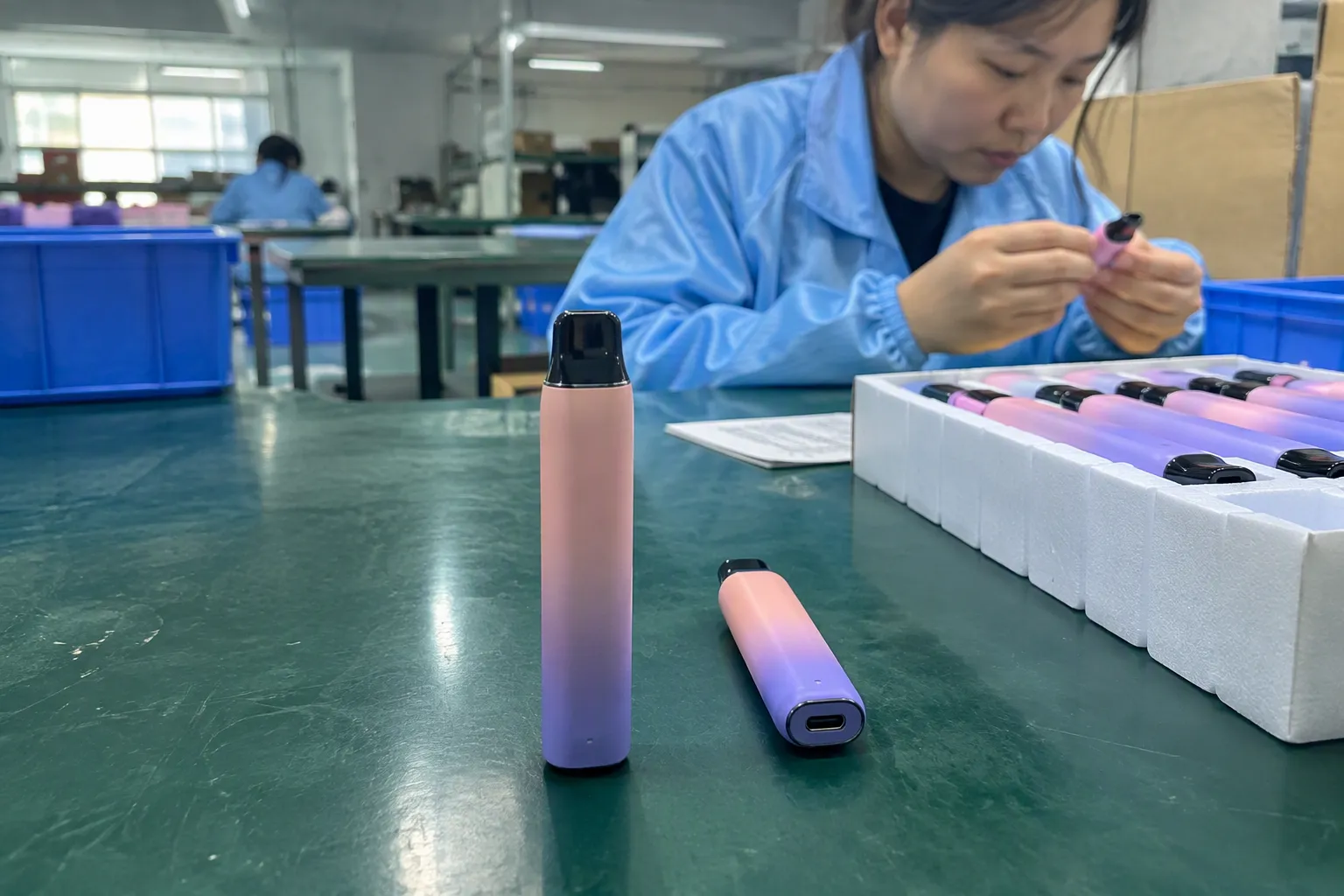
Not automatically. High traffic can include many different customer types, and traffic does not prove that every SKU will sell. I recommend separating assortment breadth from stock depth. A shop can test suitable products in limited quantities and increase depth only after customer fit, staff understanding, replenishment, and cash-flow effects become clearer.
What is the difference between assortment breadth and stock depth?
Assortment breadth is the number of different products or SKUs a shop offers. Stock depth is the quantity held for each SKU. A retailer may carry a broad assortment with shallow quantities for testing, while keeping deeper stock only for products with stable demand and dependable replenishment.
When should a retailer use European warehouse stock?
European warehouse stock may suit small and medium retailers that need faster replenishment, lower MOQs, and less capital tied up in advance. Buyers should confirm the exact warehouse, available quantity, delivery time, shipping cost, product documents, and after-sales terms. Regional stock is a tool for flexibility, not a guarantee of demand.
When is importing from China more suitable?
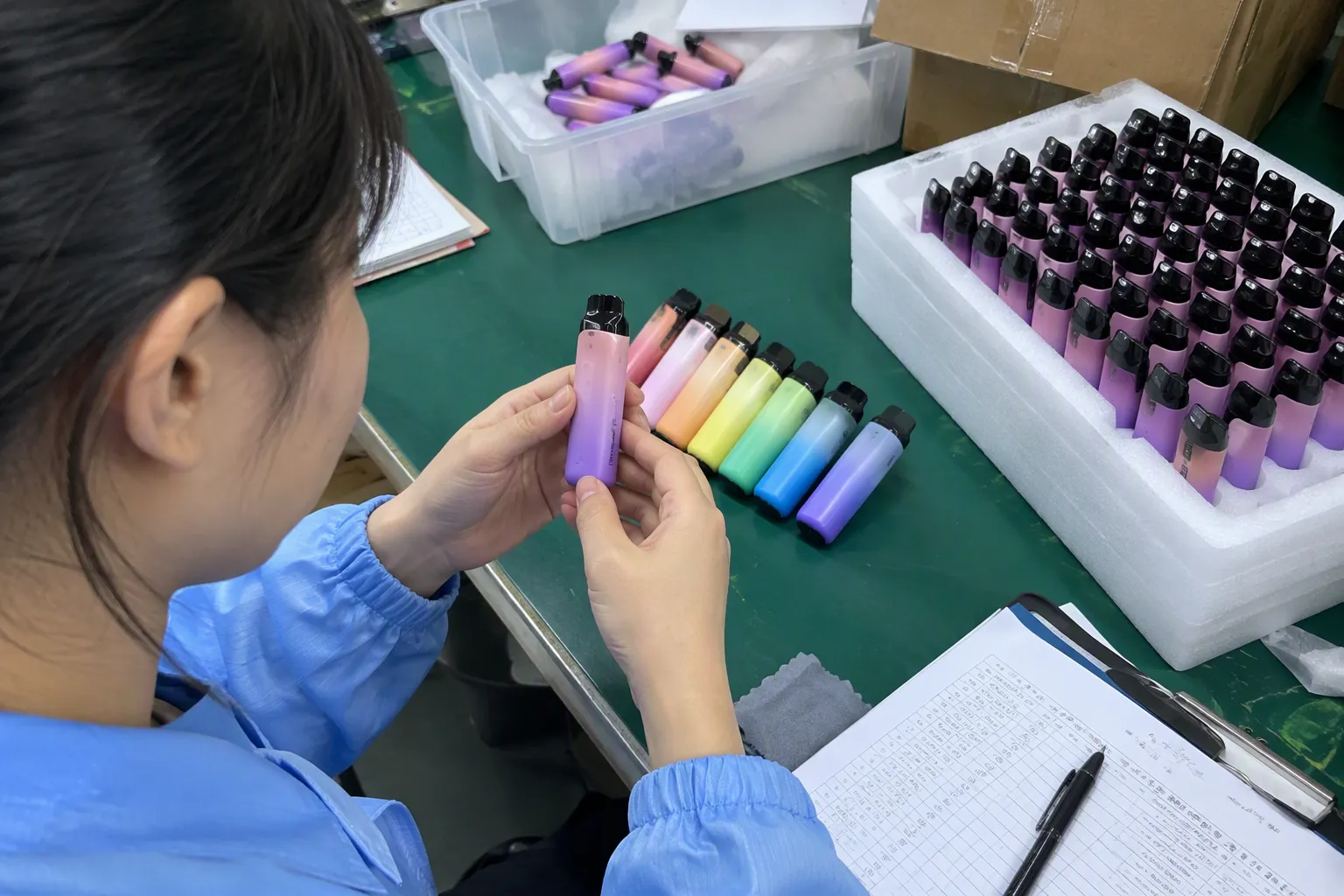
China-based bulk importing may suit larger importers, wholesalers, and distributors with stable demand, sufficient working capital, and the ability to manage lead times and import requirements. It can provide potential pricing advantages and OEM/ODM options. I would not recommend a large import only because a product is described as trending.
How can a shop reduce product-related after-sales problems?
The shop can reduce avoidable problems by selecting products that staff can explain, reviewing instructions, checking samples, agreeing on quality criteria, and keeping an organized after-sales process. Buyers should also verify the relevant documents and market requirements. Application-specific safety and compliance questions should be reviewed by qualified professionals.
Conclusion
Tourist-area vape shops can improve purchasing decisions by separating customer traffic from proven product demand. I recommend building assortment breadth carefully, keeping limited stock for uncertain products, and reserving deeper inventory for products that customers understand, buy repeatedly, and can be replenished reliably. European warehouse stock may support flexible, lower-MOQ orders, while China bulk imports and OEM/ODM may suit larger buyers with established demand. At Kingfuji, I help importers, wholesalers, and retailers compare these options across products, quality control, delivery, and after-sales support. Contact King at info@kingvapecig.com or +86 13928420527 to discuss your assortment and sourcing plan.
Sources
- Sales forecasting for retail stores using hybrid neural networks ...", A retail-demand study may support distinguishing visitor traffic from conversion, repeat purchasing, and inventory profitability rather than treating traffic as a direct measure of demand
- Consumers' variety‐seeking behaviors under time pressure", Tourism-consumer research can provide contextual support for treating visitors as a distinct customer segment whose time constraints, product familiarity, and likelihood of returning may differ from those of local customers
- The impact of online reviews in the presence of customer returns", Research on product information and post-purchase behavior indicates that insufficient consumer understanding can increase misuse, dissatisfaction, returns, and requests for assistance
- Tips to Help Avoid Vape Battery Fires or Explosions", Official safety guidance identifies improper charging, storage, or handling of lithium-ion-powered vaping devices as conditions that can contribute to overheating, fire, or injury hazards
- Barriers and facilitators to enforcing E-cigarette regulations for ...", Regulatory authorities state that electronic cigarettes and related nicotine products are subject to market-specific requirements, making compliance review necessary before sale or importation
- Plan your business - Small Business Administration", Inventory research generally links higher effective turnover with lower holding costs and less capital tied up in stock, although the value of turnover depends on service-level and stockout requirements
- Supply chain resilience: A review from the inventory ... - PMC", Supply-chain studies show that lead-time variability and supplier unreliability affect replenishment decisions, service levels, and the risk of stockouts when demand increases
- China - Market Overview", International-sourcing literature indicates that larger order volumes can reduce unit procurement costs through economies of scale, but the relevant comparison is landed cost rather than factory price alone