
Quick Answer
Vape MOD specifications can look impressive on a product box, but maximum wattage alone rarely tells a wholesaler whether a model will fit the real market[1]. If you buy based only on the biggest number, you may create mismatched bundles, slower-moving stock, and more post-sale questions. I recommend starting with the end user, the intended atomizer and coil, and the sales environment before comparing stated power limits. **Maximum wattage is only a manufacturer-stated operating limit.
When reviewing vape MOD specifications, wholesalers and importers should assess the MOD together with the compatible atomizer, coil range, battery configuration, user skill level, and local sales channel[2]. The better purchasing question is not “Which MOD has the highest wattage?” but “Which complete setup will my customers understand, use, and repurchase with the least friction?”**
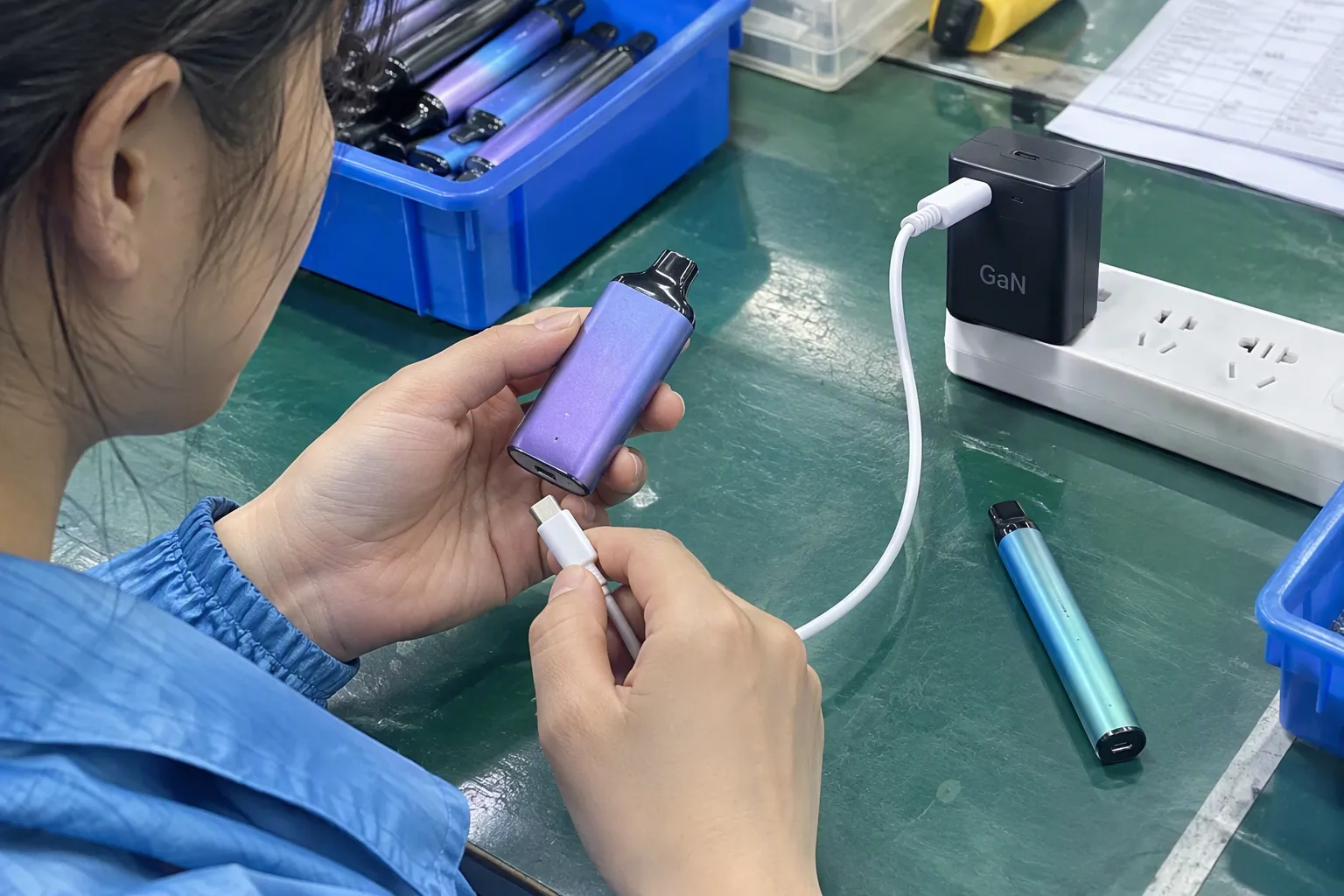
I have seen this question come up often in pre-sales conversations with vape wholesalers, smoke-shop buyers, and importers. Buyers sometimes compare two models and immediately focus on the larger wattage figure. However, that number only becomes meaningful when it matches the rest of the setup and the people who will eventually buy it.
Why Are Vape MOD Specifications More Important Than Maximum Wattage Alone?
A high wattage number can make a vape MOD appear more powerful or more advanced, yet that number may not help a buyer choose the right inventory. The problem starts when a purchasing team compares boxes instead of comparing complete retail setups. This can lead to products that require too much explanation, do not match available coils, or simply do not fit the store’s customer base.
Vape MOD specifications should be reviewed as a complete purchasing system, not as a single maximum-power figure. Buyers should compare the stated wattage range with atomizer compatibility, coil recommendations, battery requirements, user experience level, product positioning, and expected resale channel. This approach helps reduce mismatch risk and supports clearer product selection for wholesalers, importers, and vape shops.
Maximum wattage is only a stated operating limit
The first point is simple: maximum wattage is not automatically a buying reason.
When a manufacturer lists a MOD as 100W, 150W, or 200W, that figure normally describes the stated maximum output capability under certain conditions. It does not tell a buyer whether most end users will need that range. It also does not confirm that the MOD is the best match for every tank, rebuildable atomizer, coil, or retail customer.
I always encourage buyers to read the stated maximum power as one line in a larger specification sheet. It is useful, but it should not dominate the decision.
A buyer may stock a high-output MOD, but the real commercial result depends on questions such as:
- Which atomizer will be sold with the MOD?
- What coil options are available for that atomizer?
- What operating range does the coil manufacturer state?
- Does the customer base understand adjustable wattage devices?
- Will staff need to spend significant time explaining setup and use?
- Are replacement coils consistently available?
- Does the product fit the buyer’s price range and sales model?
- Is the model intended for experienced users, general vape-shop customers, or a more specialized segment?
For example, a vape shop that mainly serves customers looking for straightforward replacement purchases may evaluate a MOD differently from a specialist store that already sells advanced atomizers and multiple coil types. Neither customer is “wrong.” They simply need different inventory logic.
In my sourcing experience, the most useful vape MOD specifications are the ones that help a buyer make a practical resale decision. A large number on the box can attract attention, but buyers should not confuse attention with suitability.
Start with the end user, not the specification sheet
Before reviewing the technical details, I suggest defining the intended customer segment. This is one of the fastest ways to make a clearer purchasing decision.
For B2B buyers, the end user is not an abstract concept. The end user determines how much explanation the store team must provide, what accessories should be stocked, how likely customers are to return for compatible items, and how much mismatch risk the buyer accepts.
A practical buyer profile may include:
| End-user factor | Questions for the purchasing team | Why it matters |
|---|---|---|
| Experience level | Is the customer familiar with adjustable MODs? | Some customers may need more explanation about settings and compatible components. |
| Purchase purpose | Is the customer replacing an existing setup or trying a new category? | Replacement buyers often value familiar compatibility and easy access to consumables. |
| Store environment | Is the product sold in a specialist vape shop, smoke shop, or general retail channel? | Sales staff knowledge and time available for product explanation can differ greatly[7]. |
| Preferred setup | Does the customer already use tanks, rebuildable atomizers, or specific coil families? | The MOD should be reviewed with the intended atomizer and coil ecosystem. |
| Price sensitivity | Is the customer focused on entry price, perceived features, or a complete bundle? | Product positioning should support the buyer’s local retail strategy. |
A high stated output may be relevant for a certain group of experienced users, but that does not make it relevant for every buyer. If a store serves a broad customer base, the purchasing team may place more value on a setup that is easy to explain, easy to bundle, and supported by accessible replacement parts.
This does not mean I suggest ignoring higher-power models. I simply suggest placing them in the correct category. A buyer can stock different MOD types for different customer needs, as long as the selection is intentional.
I see the strongest purchasing decisions when buyers first define who will buy the setup, then check whether the stated vape MOD specifications support that customer’s actual use case.
Review the MOD, atomizer, and coil as one product system
A MOD should not be evaluated as a separate item[3]. The practical retail product is usually the complete setup: MOD, atomizer, coil, compatible battery configuration where applicable, replacement parts, and the customer’s ability to understand the combination.
When buyers review vape MOD specifications in isolation, they can accidentally create a bundle that is difficult to sell. A MOD may have a broad stated wattage range, while the selected atomizer or coil is designed around a much narrower stated range[4]. In that situation, the larger maximum number may have little relevance to the actual retail package.
For this reason, I recommend that buyers request and compare the available documentation for every component in the setup. Manufacturer-stated compatibility information should be checked before an order is placed.
A basic matching checklist can include:
-
MOD power range
Review the manufacturer-stated minimum and maximum output range. -
Atomizer connection and compatibility
Confirm the connection type, physical fit, and any manufacturer-stated restrictions. -
Coil resistance and recommended operating range
Check the stated coil information from the relevant manufacturer. Do not assume that one coil family performs the same as another. -
Battery configuration
Review whether the MOD uses built-in batteries or removable batteries, and verify the manufacturer’s stated battery requirements[5]. Buyers should use qualified technical advice for battery-related decisions and local compliance needs. -
Replacement coil availability
Consider whether the selected coil family can be reordered reliably. A MOD may be easy to sell initially, but the customer experience can become difficult if compatible consumables are unavailable[6]. -
Retail explanation requirements
Ask whether shop staff can clearly explain the intended setup without giving unsupported performance promises.
The table below shows how a purchasing team can turn product details into a more commercial review.
| Specification area | What buyers may see | Better B2B question |
|---|---|---|
| Maximum wattage | “Up to 200W” | Will the intended atomizer and coil setup make this range relevant? |
| Wattage adjustment | Variable output controls | Can the target customer understand the adjustment options? |
| Coil range | Manufacturer-stated recommended range | Is this coil range suitable for the planned product bundle? |
| Battery type | Internal or external battery configuration | Can the buyer support responsible product selection and clear retail communication? |
| Display and controls | Screen, buttons, menu system | Will the interface create convenience or extra explanation work? |
| Atomizer fit | Connection and diameter information | Does the selected atomizer physically and functionally match the MOD? |
| Replacement parts | Coils, glass, seals, accessories | Can the buyer maintain ongoing inventory after the first MOD sale? |
The goal is not to find the most complicated setup. The goal is to create a logical one.
Translate technical details into a resale decision
Wholesalers and importers do not purchase vape MOD specifications for their own sake. They purchase products that must move through a sales channel. That is why every specification should connect to a commercial question.
A purchasing manager can use a simple process:
1. Identify the sales channel
The same MOD can have different commercial value depending on where it is sold.
A specialist vape shop may have staff who are comfortable discussing tanks, coils, and adjustable settings. A smoke shop, convenience-oriented retailer, or mixed-product wholesaler may prefer stock that needs less detailed explanation. A regional distributor may need a broader product range because its customers operate different kinds of stores.
I do not believe there is one correct inventory mix for every market. However, I believe each buyer should match the product complexity to the channel’s ability to sell and support it.
2. Define the product bundle before ordering
A buyer should avoid ordering a MOD first and trying to find a matching atomizer later. It is better to define the proposed bundle in advance.
For each planned SKU, document:
- MOD model
- Intended atomizer model
- Compatible coil options
- Manufacturer-stated coil operating range
- Replacement coil SKU
- Any spare glass or accessory SKU
- Suggested internal product category
- Intended customer segment
- Staff training notes
- Product documentation to verify
This process can reduce confusion when goods arrive at a warehouse. It can also help sales teams communicate more consistently with retailers.
3. Consider the cost of post-sale explanation
A low purchase price is not the only cost in a B2B order. Buyers should also consider time spent on product questions, returns handling, stock corrections, and customer dissatisfaction caused by mismatched expectations.
For example, if sales staff repeatedly need to explain why a coil and MOD must be reviewed together, the buyer may have chosen a setup that is too complex for that sales environment. This is not necessarily a product fault. It may be a selection issue.
I often tell buyers that a product is easier to sell when the team can explain it in a few clear sentences:
- Who is this setup for?
- Which atomizer and coils go with it?
- What manufacturer-stated range applies to those coils?
- Which replacement items should the customer buy at the same time?
- What should the customer verify before use?
If the answer becomes confusing, the purchasing team should reassess the bundle.
Do not let a large number create false product positioning
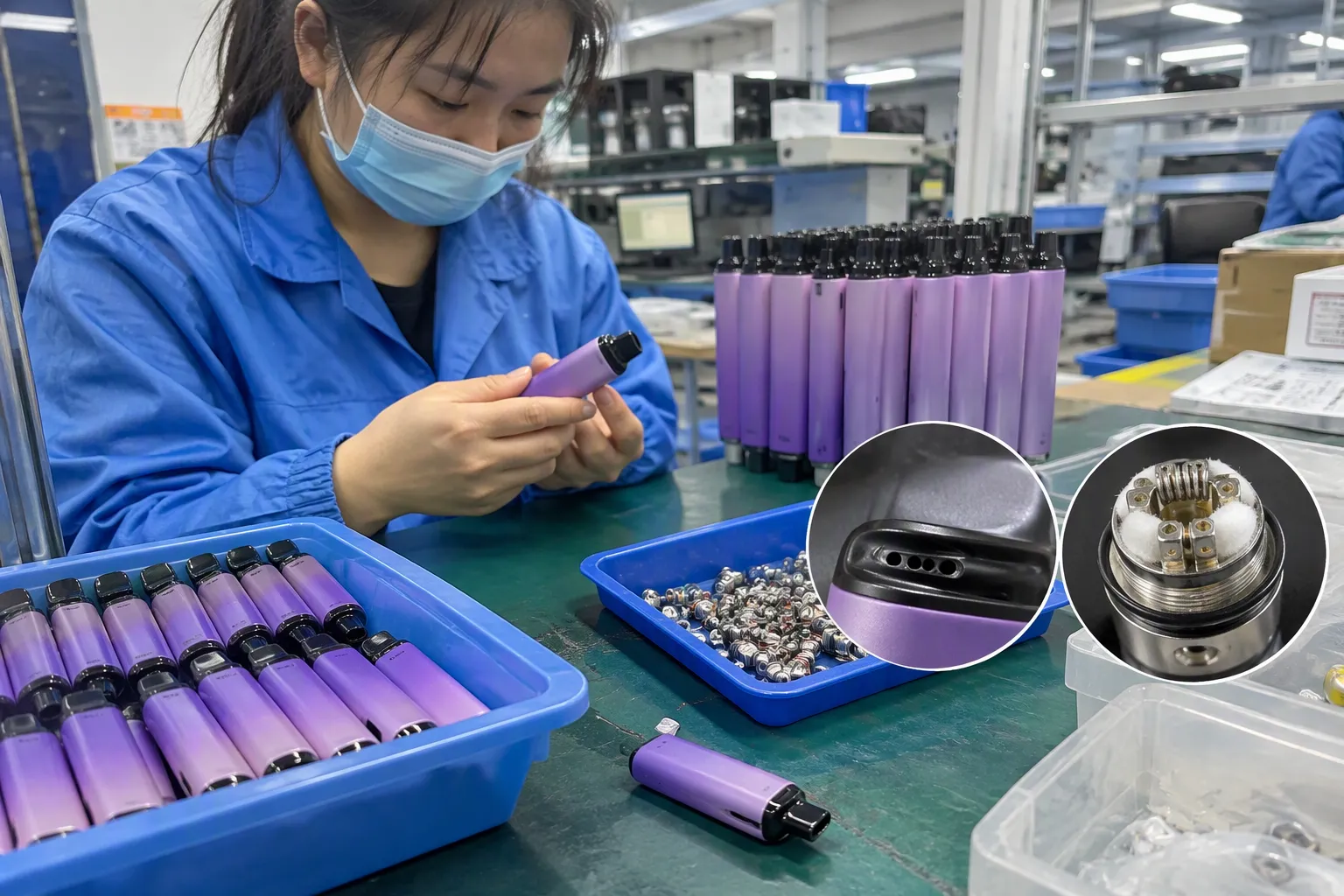
Product packaging can influence buyers. A large wattage figure is easy to notice and easy to compare. Yet a comparison based only on wattage can create false positioning.
For example, buyers may assume that a higher maximum number means the MOD should automatically be priced higher, promoted more strongly, or positioned as more desirable. I would be careful with that assumption.
A manufacturer-stated maximum output does not by itself prove[8]:
- Better build quality
- Better suitability for a particular user
- Better retail sell-through
- Better compatibility with a buyer’s preferred atomizer
- Better customer satisfaction
- Higher margin
- Lower after-sales workload
- Faster inventory turnover
These outcomes depend on many factors. They include product selection, supplier consistency, available replacement parts, target market, local competition, staff knowledge, and customer expectations.
This is why I recommend comparing products in layers. Start with basic compatibility. Then examine the intended sales channel. Then assess commercial practicality.
A useful internal scorecard may look like this:
| Review point | Low concern | Medium concern | High concern |
|---|---|---|---|
| MOD and atomizer match | Compatibility is clearly documented | Some details need supplier confirmation | Compatibility is unclear |
| Coil supply | Replacement stock is planned | Supply is available but not confirmed | No reliable replenishment plan |
| Customer suitability | Clear target segment | Mixed customer fit | Product is difficult to position |
| Staff explanation | Basic explanation is sufficient | Some training is needed | Product requires frequent technical support |
| Documentation | Manufacturer information is available | Some documents need verification | Specifications are incomplete |
| Inventory risk | Order size matches demand | Demand is uncertain | Product is purchased mainly for a headline specification |
This type of evaluation is more useful than simply ranking products from 80W to 200W.
Ask suppliers the questions that protect your inventory
A supplier should help a buyer collect information, but buyers should still verify key manufacturer-stated specifications and documents before purchasing. I do not present supplier information as independent laboratory validation. Product specifications, compatibility claims, compliance documents, and certifications should be checked with the relevant manufacturer and qualified professionals where appropriate.
When reviewing vape MOD specifications with a supplier, I recommend asking practical questions that directly support the purchasing decision.
Questions about the intended setup
- Which atomizers are commonly paired with this MOD?
- Which coil options are available for the selected atomizer?
- What operating range does the coil manufacturer state?
- Are the MOD and atomizer physically compatible based on the available product information?
- What replacement parts should be included in the first order?
Questions about inventory planning
- Are replacement coils available now?
- What is the regular lead time for replenishment?
- Can the buyer order mixed models or colors?
- Is there a minimum order quantity for each SKU?
- Can the supplier help create a complete MOD, atomizer, and coil list for the order?
Questions about product documentation
- Can the supplier provide the manufacturer’s specification sheet?
- Can the supplier provide available manuals and packaging information?
- Which certifications or compliance documents are available for review?
- Which details should the buyer verify for the destination market?
- Who is responsible for confirming local import, labeling, and sales requirements?
These questions are especially important for importers who sell to multiple stores or countries. A product setup may appear simple at the purchasing stage, but documentation gaps can create delays later.
At Shenzhen Kingfuji Tech. Co., Ltd., I work with buyers who need different purchasing models. Some small and medium buyers may prefer available stock and lower starting quantities through European warehouse options where suitable. Larger importers, wholesalers, and distributors may prefer larger China-based orders, broader product selection, and OEM/ODM discussions where the project conditions fit.
In both cases, I believe the buyer should start with the product system, not just the maximum wattage number.
Build a better MOD purchasing process
A repeatable process can help purchasing teams avoid impulsive decisions. This is useful for buyers who frequently chase new products, manage mixed inventories, or supply many different retail customers.
Here is a practical review sequence I would use.
Step 1: Write the target customer in one sentence
For example:
“This setup is intended for experienced adjustable-MOD users who already buy compatible tanks and replacement coils.”
Or:
“This setup is intended for vape-shop customers who want a clear MOD-and-tank package with easy access to replacement consumables.”
The sentence does not need to be perfect. It simply gives the team a decision filter.
Step 2: Create the complete bundle list
Do not write only the MOD model. List all components that customers will need.
| Bundle component | Purchasing action |
|---|---|
| MOD | Review manufacturer-stated operating range and core features |
| Atomizer | Confirm intended pairing and physical compatibility |
| Coils | Check stated operating range and order replenishment stock |
| Spare parts | Consider glass, seals, or other available replacement items |
| Battery-related items | Review manufacturer guidance and seek qualified advice where required |
| Packaging and manuals | Request available materials for review |
| After-sales process | Clarify what the supplier can support and what the buyer will handle locally |
Step 3: Check whether the power range is relevant
This step is where maximum wattage belongs. It is not ignored. It is simply put in context.
Ask:
- Is the stated maximum relevant to the selected coil options?
- Is it relevant to the target customer?
- Is it relevant to the store’s sales environment?
- Will the sales team be able to explain the setup clearly?
- Does the range create a real commercial advantage for this particular SKU?
If the answer is unclear, the buyer may need a different bundle or a different product category.
Step 4: Order according to proven demand, not headline numbers
For newer products, a buyer may choose to test a measured quantity before committing to a large order. This can be especially useful when the local customer response is unknown.
For established wholesalers and importers with proven demand, larger China-based procurement may provide more pricing flexibility and broader OEM/ODM options. However, order size should still match the buyer’s warehouse capacity, sales cycle, and replacement-part plan.
The best purchasing approach is usually the one that protects cash flow while keeping the right products available for customers.
Frequently Asked Questions
Is higher maximum wattage better when choosing a vape MOD?
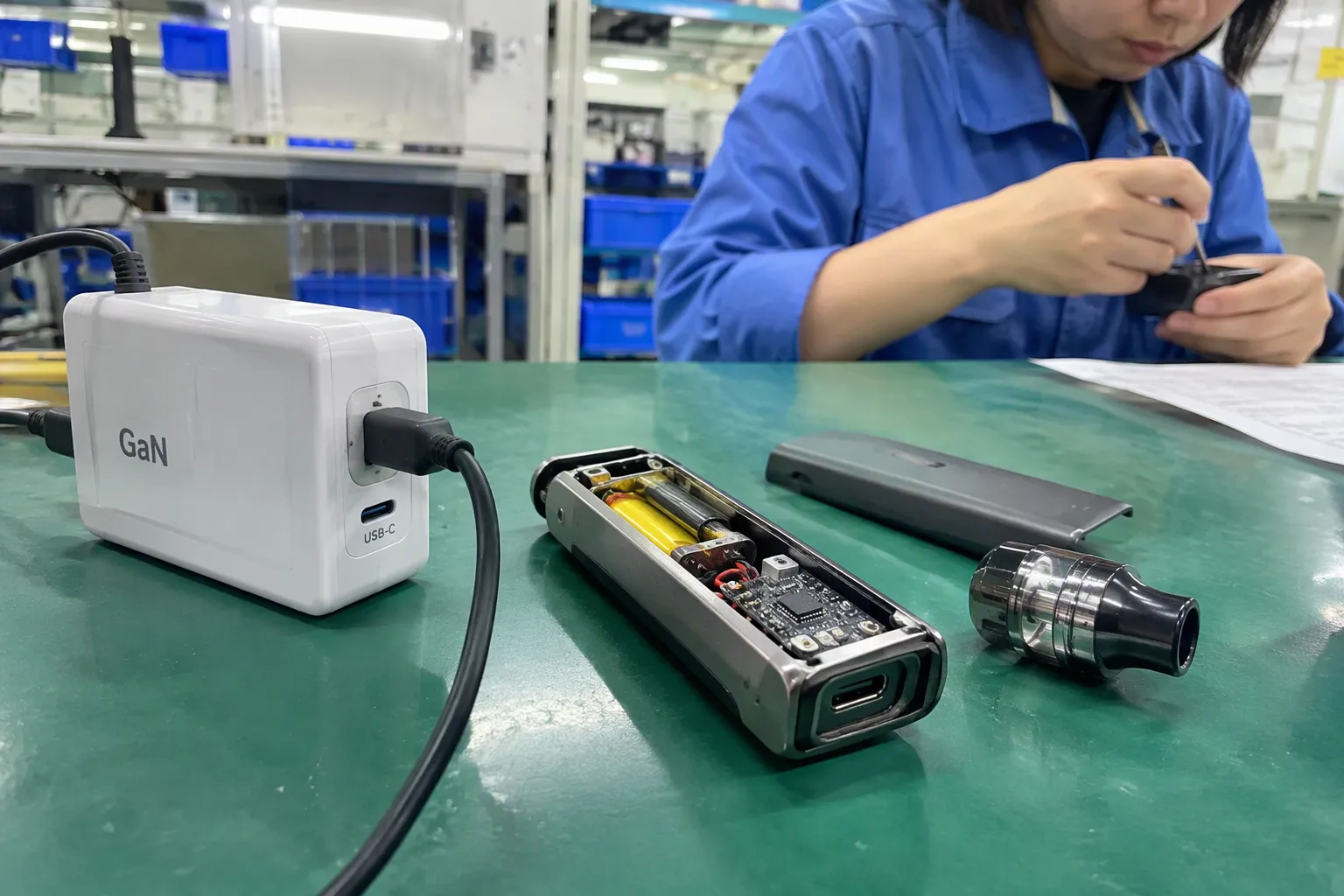
Not necessarily. Higher maximum wattage is a manufacturer-stated operating limit, not a universal indicator of suitability. Buyers should review the intended atomizer, coil range, customer segment, and sales environment before deciding whether that stated range is relevant to their inventory.
Should I buy a vape MOD and atomizer separately?
You can purchase them separately, but you should evaluate them together before ordering. Confirm the available compatibility information, intended coil options, physical fit, and manufacturer-stated operating ranges. A complete bundle plan can reduce customer confusion and help you order the right replacement parts.
What vape MOD specifications should wholesalers check first?
Wholesalers should first check the target customer, intended atomizer, available coil options, manufacturer-stated operating range, battery configuration, replacement-part availability, and product documentation. Maximum wattage should be considered after these practical matching points, not before them.
How can I reduce slow-moving MOD inventory?
You can reduce slow-moving inventory by selecting MODs for a defined customer segment, ordering matching coils and accessories, verifying supplier information, and avoiding purchases based only on a headline specification. A smaller test order may also be useful when local demand is uncertain.
Can Shenzhen Kingfuji help source complete MOD setups?
Yes. I can help buyers source vape MODs, atomizers, coils, and related vape hardware as part of a broader purchasing discussion. Buyers should still verify manufacturer specifications, compatibility information, local requirements, and application-specific technical details before placing an order.
Conclusion
When I review vape MOD specifications, I do not start with the maximum wattage figure. I start with the customer, the intended atomizer and coil, and the real sales channel. Maximum power can be a relevant specification, but it is only one part of a complete purchasing decision. A well-matched MOD setup can help wholesalers reduce avoidable confusion, plan consumables more effectively, and choose inventory that fits their market. If you are sourcing MODs, atomizers, coils, or complete vape hardware ranges, contact me at info@kingvapecig.com to discuss your purchasing requirements.
Sources
- Tobacco: E-cigarettes", Studies of e-cigarette use indicate that device selection and user experience are shaped by multiple design and use characteristics, not solely by a device's maximum power rating
- Views of experienced electronic cigarette users", Public-safety guidance on electronic cigarettes identifies device components, batteries, and user handling as relevant considerations, supporting assessment of a MOD as part of a complete device configuration
- Method for Quantifying Variation in the Resistance of ... - PMC", E-cigarette aerosol-generation research describes the battery or power-control unit, heating coil, and atomizer as interacting parts of a system whose operating conditions affect device performance and emissions
- Method for Quantifying Variation in the Resistance of ... - PMC", Experimental studies of e-cigarette devices show that applied power and coil characteristics are interrelated operating variables, providing a technical basis for reviewing coil-specific operating information alongside a MOD's broader output range
- Tips to Help Avoid Vape Battery Fires or Explosions", Government battery-safety guidance advises users and sellers of electronic-cigarette products to follow manufacturer instructions and to recognize the fire and injury risks associated with lithium-ion batteries
- A Decade of e-Cigarettes: Limited Research & Unresolved ...", Research describing open-system electronic-cigarette devices notes that continued use commonly depends on replaceable components such as coils and tanks, making component availability relevant to the practical use of a device setup
- Evaluating trends in recruitment challenges in vape shop ...", Studies of vape-shop retail environments report that employees often provide customers with product information and usage advice, indicating that staff knowledge can be relevant to the sale of technically configurable devices
- Does quality stimulate customer satisfaction where perceived ...", Retail and operations research treats customer satisfaction and inventory turnover as outcomes influenced by multiple factors, including assortment, demand, service, pricing, and supply conditions; a single technical specification is therefore not sufficient evidence of those outcomes