
Quick Answer
A UK reusable vape verification checklist helps me prevent one purchasing decision from becoming several store-level problems. When staff rely on verbal compliance claims, incomplete packaging information, or inconsistent supplier records, retailers can approve unsuitable stock across multiple locations. I use a shared, evidence-based process to make supplier checks more consistent before wider rollout.
A UK reusable vape verification checklist does not prove that a product is legally compliant by itself.[1] It gives headquarters and store teams a repeatable way to collect and review product details, packaging, labeling, batch information, supplier documents, and operational evidence. Retailers should compare those records with current UK official guidance and obtain qualified compliance advice where necessary before approving a product.
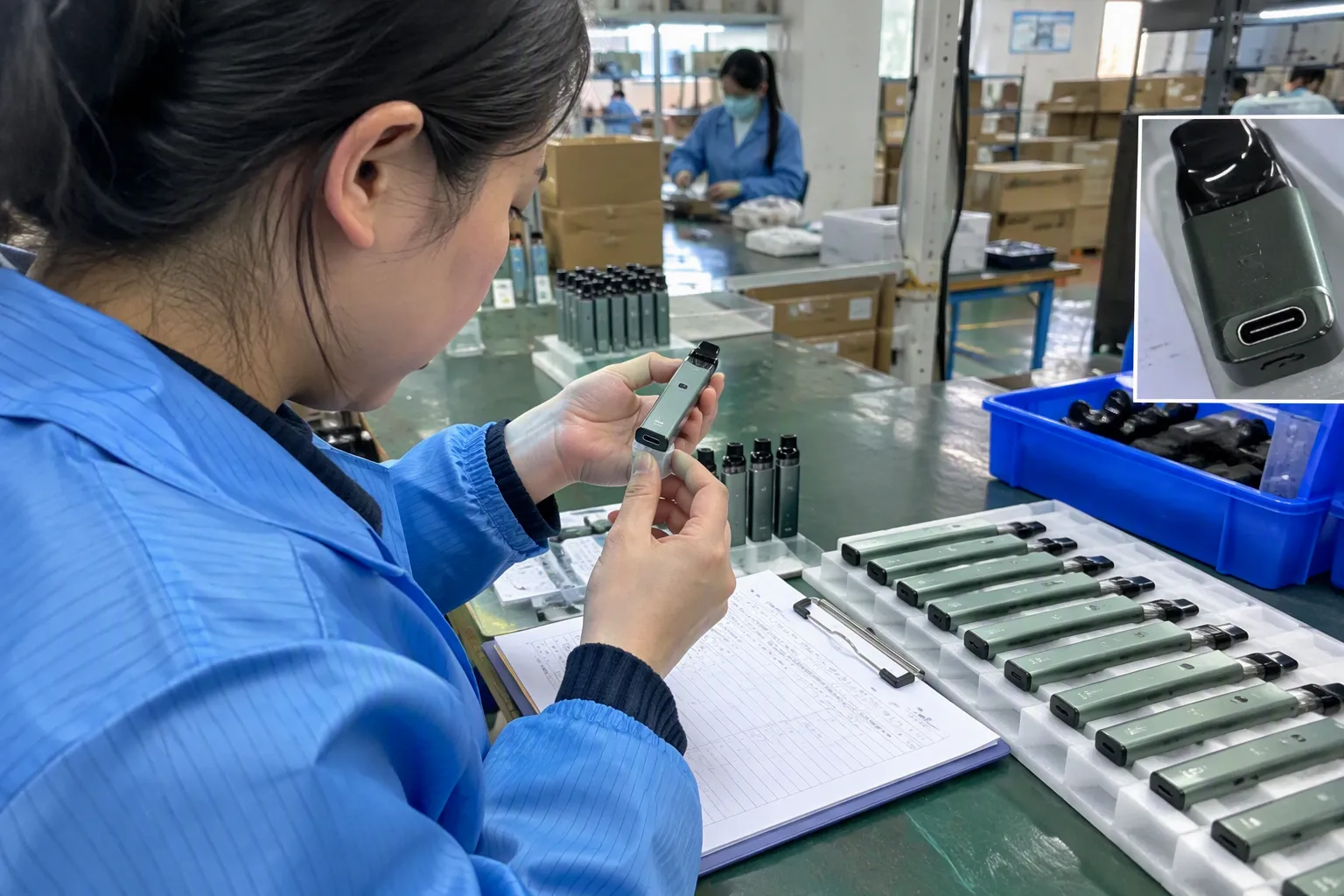
A reusable vape may work correctly in a sample test and still require further review before a multi-store launch. I have seen how vague supplier statements, missing product information, and unclear document ownership can slow purchasing decisions. The sections below show how I would turn one checklist into a practical approval system for UK retail operations.
How Can a Multi-Store Retailer Build a UK Reusable Vape Verification Checklist?
Many retailers perform checks during supplier conversations, but those checks often remain in emails, messages, or personal notes. That approach becomes difficult when several buyers and store managers are involved. I recommend one central checklist that records what was requested, what was received, what remains unverified, and who approved the next step.
A UK reusable vape verification checklist should cover more than device performance. It should help me review the identity of the product, packaging and labeling consistency, batch traceability, available technical information, supplier support, and the difference between a supplier claim and independently verifiable evidence.
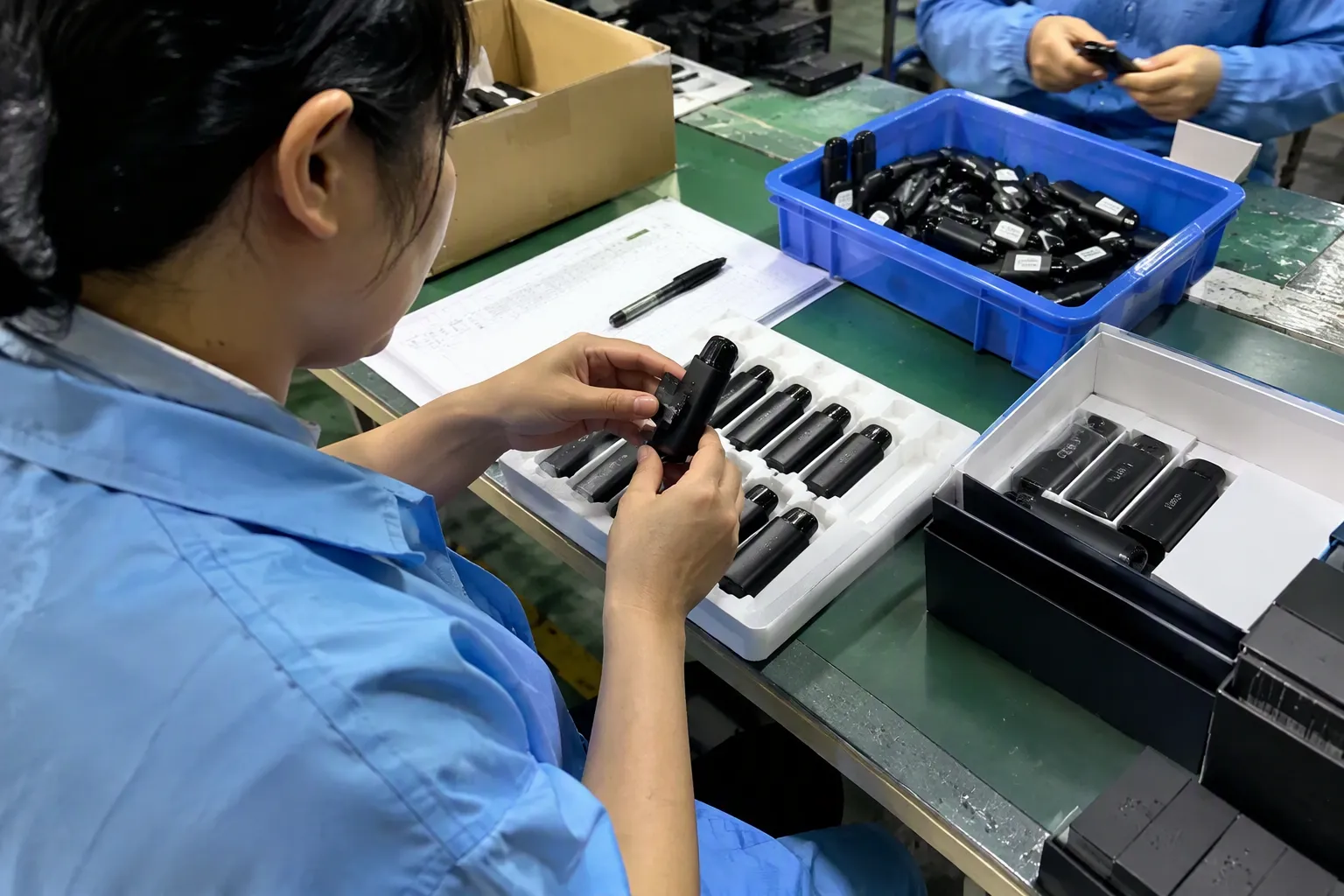
Why Should Retailers Standardize the Process?
A product approved by one buyer may be rejected by another buyer because each person asks different questions. A store team may also receive a later shipment with different packaging or batch information and assume that the earlier approval still applies.
I use a shared checklist to reduce this variation. The checklist does not replace professional legal or technical review. It creates a consistent procurement record that helps the retailer identify questions before stock reaches every location.
A central process can help a retailer:
- Use the same basic questions for every supplier.
- Record the exact product name, model, version, and batch.
- Separate received documents from documents still requested.
- Compare samples with production packaging.
- Escalate uncertain claims before committing a large order.
- Give store teams clear information about the approved product.
- Review later shipments against the original approval record.
The retailer should decide which checks headquarters controls and which checks store teams perform. Headquarters may review supplier documents and approve products. Store teams may check packaging condition, product identity, and basic usability when stock arrives. This division reduces duplicated work while preserving local receiving controls.
What Information Should the Checklist Capture?
I would begin with a simple product identity section. The retailer should know exactly which item the supplier is discussing. General descriptions such as “reusable vape” or “popular UK model” are not precise enough for procurement approval.
| Checklist area | Information to record | Reason for review |
|---|---|---|
| Product identity | Brand, model, product type, version, SKU, and barcode | Prevents approval of a different item or revised version |
| Physical product | Device appearance, components, charging method, and included accessories | Helps compare samples with delivered stock |
| Packaging | Carton design, warnings, instructions, markings, and language | Supports packaging and labeling consistency checks |
| Batch control | Batch or lot reference, production date if provided, and shipment link | Helps connect documents and inventory to actual stock |
| Supplier file | Company details, contact person, quotation, and order records | Creates an auditable procurement trail |
| Technical evidence | Applicable reports, specifications, declarations, or other documents supplied | Shows what evidence exists and what still needs confirmation |
| Quality process | Inspection method, defect handling, and replacement or refund terms | Clarifies how the retailer can manage product problems |
| Approval status | Approved, conditionally approved, rejected, or awaiting evidence | Stops informal approval from being misunderstood |
I would also record the date of every review. A document may relate to an earlier product version, while a supplier may later change a component, package, factory, or production process. The checklist should therefore connect evidence to the specific item and batch rather than treating a document as permanent proof for every future shipment.
How Should Retailers Handle “UK Compliant” Claims?
I treat “UK compliant” as a statement that requires supporting evidence. It is not a complete answer. I ask the supplier to identify what the statement means, which product it covers, which market requirements were considered, and which documents support the claim.
The retailer should not accept a certificate or report only because it looks official.[3] The buyer should check:
- Whether the document names the same brand, model, and version.
- Whether the document identifies the relevant product or component.
- Whether the issuing organization and scope can be verified.
- Whether the dates and product descriptions are consistent.
- Whether the document covers the question the retailer is asking.
- Whether the evidence relates to the current batch or production version.
- Whether a qualified person should interpret the document.
I do not present a checklist as legal advice, a laboratory assessment, or proof of market access. UK requirements can change[2], and application-specific questions may need current official-source confirmation or qualified compliance advice. A responsible supplier should help the buyer collect information, but the retailer remains responsible for deciding whether its evidence is sufficient for the intended sale and distribution model.
Which Checks Should Happen Before the First Order?
I recommend starting verification during supplier onboarding rather than after inventory has been distributed. The first conversation should establish whether the supplier can provide clear information about the actual product.
Before placing a multi-store order, I would ask for:
- The precise product name, model, and version.
- Clear photographs of the device and every side of the retail packaging.
- A sample or pre-production unit for evaluation.
- Available product specifications and user instructions.
- Relevant declarations, reports, or supporting documents.
- Batch identification and shipment traceability information.
- The supplier’s process for handling defects and customer complaints.
- Confirmation of whether the same product will be supplied in future orders.
- The contact responsible for documentation and after-sales questions.
I would then compare the sample, quotation, documents, and planned production item. If the supplier cannot explain a difference, I would mark the item as pending rather than allowing a sales deadline to force approval.
This approach matters because a large order multiplies a small uncertainty. If one unsuitable product reaches one store, the issue may be manageable. If the same product is sent to twenty stores, the retailer may need to identify stock, pause sales, answer staff questions, and coordinate returns across the network.[8]
How Can a Retailer Test Product Usability Without Treating It as Compliance Proof?
A functional test answers a limited question: does the sample operate as expected under the test conditions?[4] It does not answer every market suitability or legal question.[5]
I would create a controlled sample review covering points such as:
- Whether the device activates and operates as described.
- Whether the charging method matches the instructions.
- Whether the physical construction appears consistent across samples.
- Whether packaging components match the approved sample.
- Whether instructions are understandable for the intended users.
- Whether the product has obvious damage, leakage, loose components, or inconsistent assembly.
- Whether the product identification matches the purchase record.
I would record the test conditions and avoid turning a small sample into a broad quality claim. A supplier can use factory inspection and batch controls to support consistency, but the retailer should still decide what incoming checks are appropriate for its risk level.
At Kingfuji, I communicate with European customers about product information, purchasing questions, and pre-sales explanations. I have learned that a buyer often needs a clear explanation of what a document does and does not establish. I would rather mark one question as unresolved than describe a basic operating test as proof of regulatory suitability.
How Should Packaging, Labeling, and Batch Records Be Checked?
Packaging is one of the most visible parts of a retail product, and it is also one of the easiest areas to compare against an approved sample.[6] I would keep photographs and records for the exact version approved by headquarters.
The checklist should ask the receiving team to compare:
- Brand and model name.
- Product description.
- Warnings and instructions.
- Required markings and other information identified by the retailer’s compliance review.
- Language and print quality.
- Barcode or SKU.
- Batch, lot, or production reference.
- Packaging seals and physical condition.
- Included components.
- Any changes from the approved sample.
The team should not guess whether a missing or changed label is acceptable. The team should photograph the difference and escalate it. A packaging change may be harmless, or it may indicate a new product version that requires a fresh review.
Batch traceability also supports after-sales handling.[7] If a retailer receives complaints, the buyer should be able to identify which shipment and product batch the complaint concerns. I would connect the batch reference to the purchase order, delivery record, inspection result, and supplier communication.
How Can One Checklist Work Across Different Store Locations?
A shared checklist needs a clear owner. I recommend that headquarters maintain the master version and control changes. Store teams should receive a short operational version that focuses on receiving and escalation.
A practical workflow could look like this:
- Procurement identifies a candidate product.
- The supplier provides product information and supporting documents.
- A designated reviewer compares the evidence with the current UK requirements identified by the retailer.
- The retailer evaluates a sample and records the result.
- Headquarters assigns an approval status.
- The purchasing team places an order only within the approved scope.
- Each store checks incoming stock against the approved product record.
- Differences or complaints return to the central owner for review.
- The retailer reviews the product again when the version, packaging, supplier, or relevant guidance changes.
I would use four simple statuses:
- Approved for defined rollout: Evidence and sample checks are complete for the recorded product scope.
- Conditionally approved: The retailer has identified limits or open actions and has defined who must resolve them.
- Pending verification: The retailer is waiting for documents, clarification, or professional review.
- Rejected: The product or supplier did not meet the retailer’s internal approval standard.
These statuses prevent a common problem: a buyer says “we can probably use it,” and another team interprets that as “fully approved for every store.”
What Supplier Questions Reveal Procurement Risk?
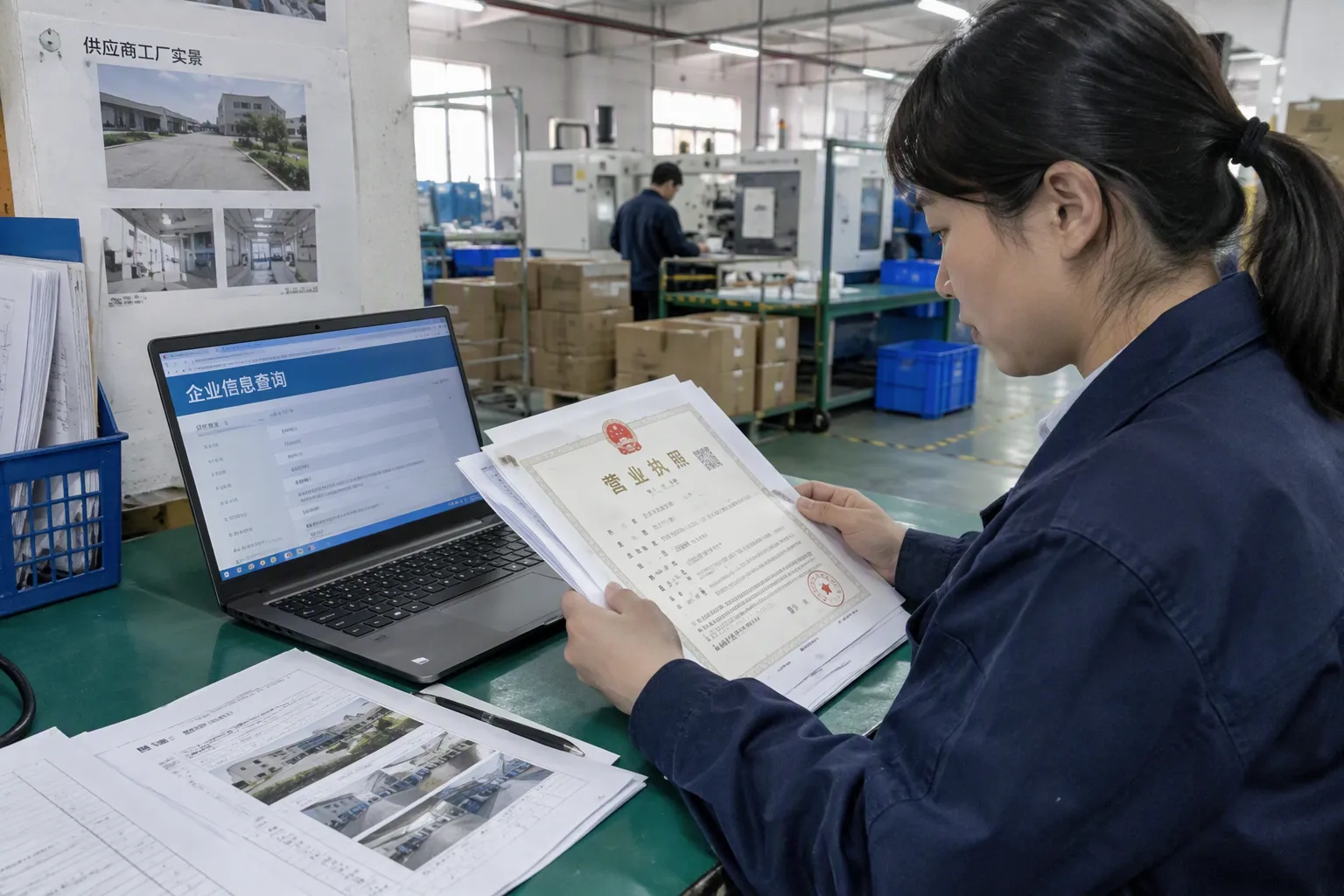
I do not judge a supplier only by how quickly it answers. I also review whether the answer is specific, consistent, and connected to evidence.
I would ask:
- Can the supplier identify the exact factory or production source for the item?
- Can the supplier explain which product version the documents cover?
- Can the supplier provide batch or lot information for each shipment?
- Can the supplier explain how it handles defects and complaints?
- Can the supplier confirm what changes require buyer notification?
- Can the supplier support sample evaluation before a larger order?
- Can the supplier explain delivery options and documentation for the intended market?
- Can the supplier provide one responsible contact after the order ships?
A vague answer does not automatically mean that the supplier is unsuitable. It does mean that the retailer should record the uncertainty and decide whether more evidence is necessary.
My own company combines trading and manufacturing activity in Shenzhen. We supply electronic cigarettes, disposable vapes, atomizers, 510 batteries, CBD batteries, vaporizers, grinders, glass pipes, and related products. We also support OEM and ODM discussions through our own factory and product development team. However, I still believe that each buyer should verify the evidence for the particular product rather than rely on a general supplier profile.
For smaller European buyers, I can discuss lower-quantity purchasing through overseas warehouse inventory where available. For larger importers, distributors, and wholesalers, I can discuss direct China purchasing, OEM or ODM development, and production planning. Those are supply options, not automatic evidence that a product is suitable for a particular UK rollout.
How Should Retailers Manage Documents and Supplier Changes?
I would keep a document register rather than storing files in separate email accounts. The register can include:
| Field | Example entry |
|---|---|
| Document name | Product instruction file |
| Product covered | Brand, model, version, and SKU |
| Supplier source | Company and contact |
| Date received | Day, month, and year |
| Review status | Received, under review, accepted for record, or needs clarification |
| Reviewer | Named internal person or external adviser |
| Related batch | Batch or lot reference if available |
| Next action | Confirm current version, request translation, or obtain professional review |
The retailer should also define triggers for a new review. I would consider reopening the file when:
- The product model or internal component changes.
- The packaging or instructions change.
- The supplier changes the production location.
- A new batch produces unusual complaints.
- Relevant UK guidance changes.
- The retailer changes its sales channels or target locations.
- A document expires, is withdrawn, or no longer matches the product.
The buyer should keep supplier communications that explain what was supplied and when. This record helps the retailer understand the decision later. It also helps the supplier answer after-sales questions without forcing the buyer to repeat the full history.
How Can the Checklist Support Store Staff and After-Sales Service?
A procurement checklist should not remain locked in the purchasing department. Store teams need practical information about the product that was actually approved. I would provide a short product sheet containing the approved name, basic operating information, receiving checks, and escalation contact.
The sheet should not make unsupported legal claims. It should tell staff:
- Which product version the store should receive.
- What packaging should look like.
- Which batch or SKU details staff should record.
- Where staff should send customer complaints.
- What information should accompany a defect report.
- Which questions staff should not answer without escalation.
For a complaint, I would ask the store to record the purchase date, product identifier, batch or lot reference, issue description, photographs where appropriate, and whether the product was used according to the instructions. This information helps the retailer and supplier identify patterns.
At Kingfuji, I support a centralized after-sales approach for products purchased through us, rather than making the buyer contact several brands or factories separately. That arrangement can reduce administrative work for an importer or retailer. It still does not remove the retailer’s responsibility to follow its own customer-care, product-safety, and reporting procedures.
What Should Smaller and Larger Retailers Do Differently?
A multi-store retailer does not always need the same purchasing route for every order. I would separate supply decisions by volume, cash-flow needs, and the level of control the buyer wants.
| Buyer situation | Practical supply route to consider | Main verification focus |
|---|---|---|
| Smaller retailer or short-cycle buyer | Available European warehouse stock with lower minimum quantities where offered | Exact stock identity, batch records, packaging, delivery records, and after-sales support |
| Medium-sized regional retailer | Planned replenishment through a distributor or direct supplier | Repeat-batch consistency, lead time, document control, and complaint handling |
| Large importer or wholesaler | Direct China import and larger production orders | Factory capability, production controls, OEM/ODM scope, shipment records, and professional compliance review |
| Retailer developing a private label | OEM or ODM project with defined specifications | Product ownership, approved samples, packaging, document scope, change control, and batch traceability |
I work with European customers who may value quick delivery and smaller order quantities, as well as larger importers who may value direct pricing and private-label development. Our European warehouse network can support selected available products, with locations including Germany, Austria, Poland, and Belgium. Delivery times and stock availability must be confirmed for each order rather than assumed.
For a larger project, our Shenzhen factory has a stated production capacity of up to 5 million units per month and maintains regular new-product development. I present that information as a manufacturing and sourcing capability. I do not present it as proof that every product meets a retailer’s legal or technical requirements.
What Does a Good Final Approval Record Look Like?
I would expect the final record to answer five questions clearly:
- What exact product did the retailer review?
- What evidence did the retailer receive?
- Which checks did the retailer complete?
- Which limitations or open questions remain?
- Who approved the product, for what scope, and on what date?
The record may include unresolved items. A transparent “pending professional review” entry is more useful than an undocumented assumption. If the retailer approves only one product version and one packaging format, that limitation should appear in the approval record.
I would also add a review date. The retailer can then decide whether the product should be checked again at the next scheduled review or earlier if a change occurs.
The checklist becomes valuable when people use it consistently. A long form that nobody completes will not protect a purchasing team. I prefer a clear form with required evidence fields, short instructions, and an escalation route. The retailer can add more technical or regulatory fields when a qualified adviser identifies a specific need.
Frequently Asked Questions
Does a UK reusable vape verification checklist prove legal compliance?

No. A checklist organizes the evidence and questions that a retailer should review, but it does not create legal compliance. The retailer should compare product information with current UK official guidance and obtain qualified compliance advice for application-specific or uncertain matters.
Who should complete the checklist?
I recommend shared responsibility. Procurement can collect supplier information, a designated compliance or quality reviewer can assess the evidence, and store teams can perform basic receiving checks. Headquarters should control the master checklist and approval status.
Should every shipment be checked again?
The retailer should decide the inspection level based on its risk assessment, supplier history, and internal procedures. At minimum, the retailer should compare incoming stock with the approved product, packaging, SKU, and batch records. A change in version, packaging, supplier, or guidance should trigger further review.
Can a functional sample test replace supplier documents?
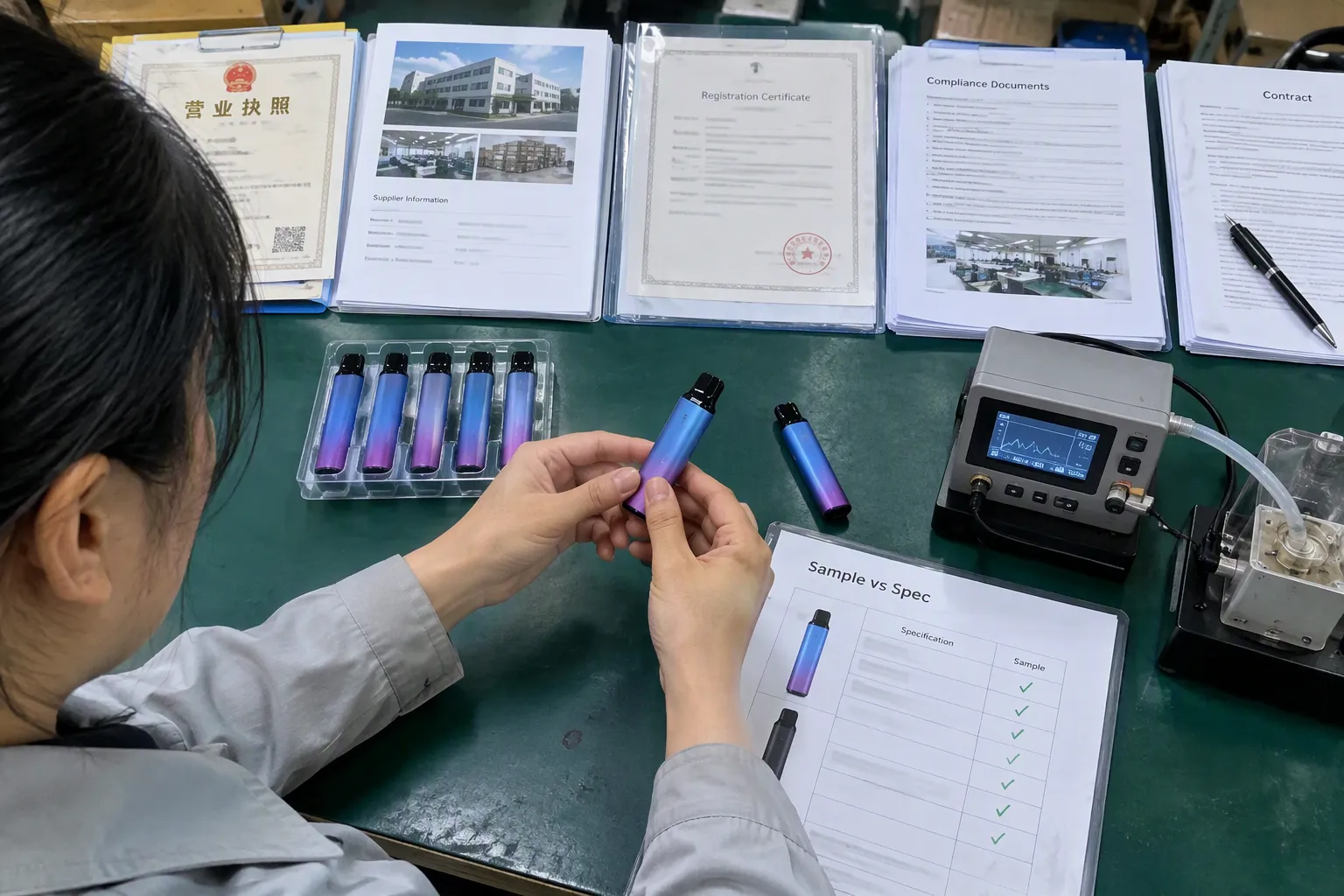
No. A sample test can show whether the product operates under defined conditions, but it does not establish every market, labeling, documentation, or regulatory requirement. The retailer should treat usability testing and document review as separate parts of the approval process.
Can smaller retailers use overseas warehouse stock?
They may be able to use available overseas warehouse stock where the supplier offers it, but they should still verify the exact product, packaging, batch information, delivery terms, and after-sales process. Lower minimum quantities and faster delivery do not remove the need for product and supplier verification.
Conclusion
A UK reusable vape verification checklist gives multi-store retailers one consistent procurement framework instead of several informal store-level processes. I use it to separate supplier statements from verifiable evidence, connect documents to exact products and batches, review packaging and usability, and define clear approval statuses. The checklist does not replace current official guidance or qualified professional evaluation. If you are a UK retailer, importer, distributor, or private-label buyer, contact Kingfuji to discuss product information, sample review, European warehouse availability, direct China supply, or OEM/ODM requirements before you commit to a wider rollout.
Sources
- Placing UKCA or CE marked products on the market in Great Britain", UK government product-compliance guidance distinguishes between maintaining conformity evidence and establishing that a product satisfies all applicable legal requirements; an internal checklist therefore documents review activity but is not, by itself, proof of compliance
- E-cigarettes: regulations for consumer products - GOV.UK", UK regulatory records show that the rules and guidance governing vaping products have been amended or updated over time, supporting the need to verify the requirements in force at the time of approval
- [PDF] GEN 1 General Principles of Assessment by UKAS", Accreditation guidance states that the evidential value of a certificate depends on the issuer's competence and scope, as well as the certificate's identification of the relevant product and assessment activity, rather than on its visual form alone
- Metrological Traceability: Frequently Asked Questions and NIST Policy", Measurement and conformity-assessment literature treats a functional test as evidence about specified characteristics under specified conditions, not as a complete determination of product safety, labeling, or legal conformity
- Placing UKCA or CE marked products on the market in Great Britain", Official product-compliance guidance treats testing as one element of conformity evidence and separately addresses matters such as technical documentation, labeling, packaging, and applicable market requirements; operating performance alone therefore cannot answer every legal question
- [PDF] Status of Standards for Microelectronics Assurance and Traceability", Product-authentication and supply-chain research identifies packaging features, labels, and identifiers as practical observable controls for comparing received goods with an approved product record
- [PDF] DECLASSIFIED - IRIS", Product-safety traceability guidance explains that batch and lot records connect products to suppliers, shipments, and corrective actions, thereby supporting investigation of complaints and targeted recalls
- - CONSUMER PRODUCT SAFETY AND THE RECALL ...", Product-recall guidance describes distributed-product incidents as requiring stock identification, sales suspension or withdrawal, stakeholder communication, and coordinated corrective action across the supply chain