
Quick Answer
vape shipment held for additional review** can quickly create concern for importers, wholesalers, and retail suppliers. Inventory may be committed to vape shops or convenience stores, cash may already be tied up[6], and customers may ask for delivery dates. The practical response is to verify facts, assign responsibilities, and communicate carefully.
A **U.S.
When a U.S. vape shipment is held for additional review, do not assume it has been seized, released, or given a delivery date. First, collect the confirmed shipment records, review any carrier or official notice, and involve the importer of record, carrier, customs broker, and qualified U.S. compliance professionals as appropriate. A supplier can help organize order and dispatch documents, but cannot guarantee a release decision or timeline.
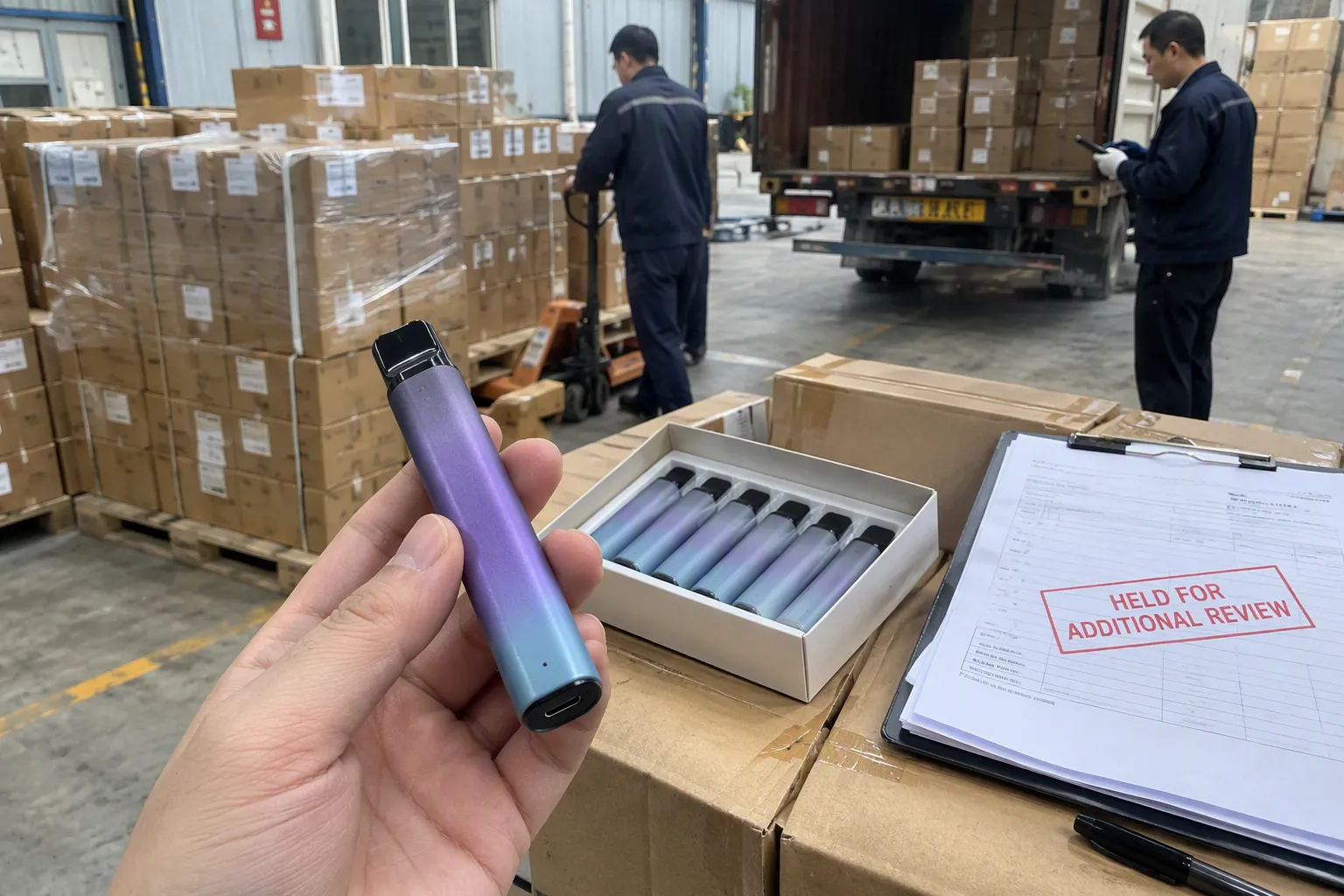
For buyers, the status is more than a tracking update. It can affect stock planning, customer commitments, and working capital. I have found that the most useful first step is not speculation. It is creating one reliable fact file that everyone involved can review from the same information.
Is a U.S. vape shipment marked “held for additional review” a status requiring disciplined fact-checking?
A vague shipment status can make a normal business problem feel like an emergency. Buyers may fear a loss, while sales teams may feel pressure to promise a fast delivery. Those reactions can create further problems if the shipment status has not been confirmed. A disciplined review protects your inventory plan and customer trust.
Yes. A U.S. vape shipment marked “held for additional review” should be treated as an unresolved status, not a final outcome[1]. The importer should confirm the responsible party, review the relevant notice, and reconcile shipment documents before making decisions. Suppliers can support document checks, while U.S.-side parties handle matters within their own authority.
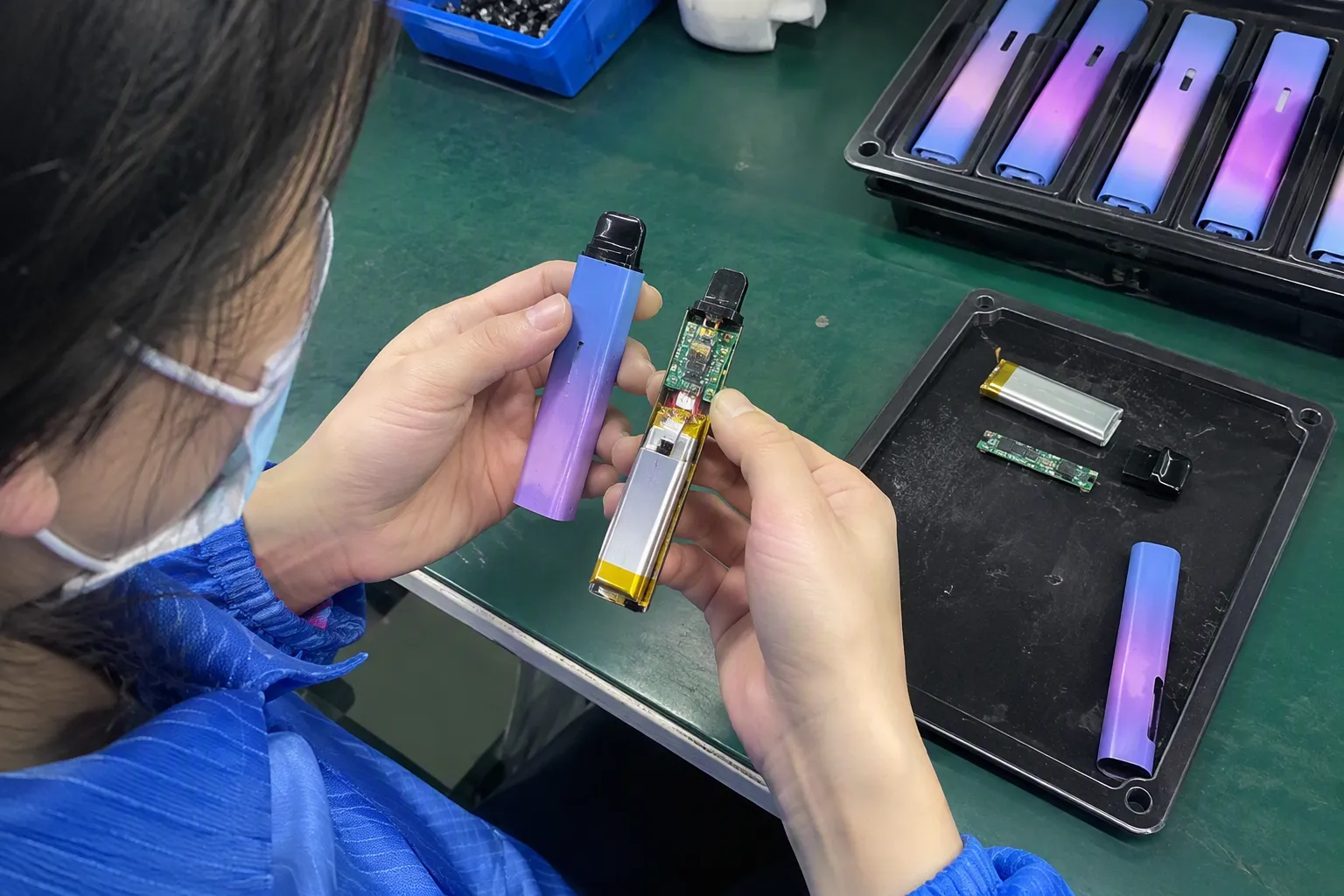
Start by separating the status from the outcome
The words “held for additional review” do not, by themselves, tell a buyer everything that will happen next. A tracking message may indicate that a shipment is under review, that more information is needed, or that a responsible party needs to respond. The precise meaning depends on the notice, the carrier’s records, the importer’s entry process, and the facts of the individual shipment.
I recommend that buyers avoid three statements until they have confirmed information:
- “The goods have definitely been seized.”
- “The goods will definitely be released.”
- “The goods will arrive on a certain date.”
Each statement can damage a different part of the business. A premature loss announcement may cause unnecessary replacement orders or customer panic. An unsupported release promise can lead to missed shelf dates and strained wholesale relationships. A fixed delivery promise can create refund requests, chargebacks, or loss of confidence from vape shops, smoke shops, gas stations, and convenience-store buyers[7].
For a small wholesaler, a delayed shipment may mean that popular disposable vape or device inventory is unavailable when stores are ready to reorder. For a larger importer, it may affect warehouse allocations, regional distributors, and cash-flow forecasts. In both cases, the correct response is to work from confirmed facts.
A review status is a signal to investigate. It is not proof of the final result.
Some shipments may experience extended delays and later receive an outcome. However, I do not treat any individual delay as having a standard duration or a predictable release probability. The relevant authority and responsible U.S.-side parties determine the process and outcome.
Build a shipment fact file before escalating
When a U.S. vape shipment held for additional review is reported, I suggest creating one shared, dated fact file. This process reduces confusion between the purchaser, warehouse team, sales team, supplier, freight forwarder, carrier, customs broker, and importer of record.
At Shenzhen Kingfuji Tech. Co., Ltd., I can help customers verify the records that are on the shipment side of the transaction. This usually includes the order details, packing information, commercial invoice, dispatch milestones, and carrier updates available to us. That support helps the buyer present a consistent record to the parties who have authority over the U.S. import process.
A useful fact file can include the following:
| Record | What to verify | Why it matters |
|---|---|---|
| Purchase order | Buyer name, product list, quantities, agreed terms | Confirms what was ordered and expected |
| Commercial invoice | Seller, buyer, item descriptions, quantities, values, dates | Provides a core transaction record |
| Packing list | Carton count, gross/net weight, package details | Helps reconcile physical shipment information |
| Dispatch record | Date of release to carrier or forwarder, tracking reference | Establishes the shipment timeline |
| Carrier tracking | Exact status wording, date and location of updates | Prevents reliance on incomplete screenshots |
| Notice or request | Sender, reference number, requested action, deadline | Identifies what response may be required |
| Internal inventory record | Units allocated, backorders, expected sales exposure | Supports practical contingency planning |
The goal is not to create paperwork for its own sake. The goal is to make sure the parties are looking at the same shipment, the same order, and the same timeline.
I have seen buyers lose valuable time because one person is using a tracking number while another is discussing a separate order number. This is especially common when a customer has several shipments in transit, mixed-product orders, or repeat purchases of similar devices and accessories. A clean record avoids that kind of basic but costly confusion.
Confirm who has responsibility for each action
A shipment delay often becomes harder because everyone assumes someone else is handling it. The supplier may have dispatch records. The carrier may control tracking updates. The customs broker may have entry-related information.[3] The importer of record may need to make decisions or provide instructions.[2] A qualified U.S. professional may be needed for application-specific customs, regulatory, or legal questions.
I encourage buyers to clarify roles early rather than sending the same question to every party.
| Party | Typical role in a review-related delay | Practical action |
|---|---|---|
| Importer of record | Holds core import responsibility | Review notices and direct the appropriate response |
| Carrier | Provides transport and status updates | Confirm tracking status and request process information |
| Customs broker | Assists with customs-entry matters within engagement scope | Review relevant documentation and advise the importer |
| Qualified U.S. professional | Provides application-specific professional guidance | Assess issues requiring legal, customs, or compliance expertise |
| Supplier | Supports shipment-side document verification | Provide available order, invoice, packing, and dispatch records |
| Freight forwarder | Coordinates transport services within its scope | Confirm handoffs, milestones, and available carrier communication |
This table is not a legal or customs procedure guide. Each shipment can involve different contractual arrangements and different parties. Still, a role-based approach prevents a common mistake: asking a supplier to guarantee a decision that only the relevant U.S. authority or responsible U.S.-side party can make.
I can help organize accurate shipment-side records. I can help check whether an invoice, packing list, or dispatch detail matches the order in our system. I can help confirm the dates and information available from our side. I cannot promise that a review will end by a certain date, that a shipment will be released, or that a particular authority will make a particular decision.
That boundary is important for honest supplier relationships. Buyers need support, but they also need realistic expectations.
Read the actual notice, not only the tracking line
Carrier tracking is useful, but it is often brief. A phrase such as “additional review” may not include the context that the importer, broker, or carrier contact needs to assess the next step. If an official notice, carrier email, or broker communication exists, the importer should review that document carefully.
The buyer should confirm:
-
Who issued the message?
A carrier update, broker communication, and official notice may serve different purposes. -
Which shipment does it identify?
Match the tracking number, invoice number, order number, package count, and consignee information. -
Does it request action?
Check whether it asks for records, clarification, a response, or contact with a named party. -
Is there a stated deadline?
Do not assume a deadline exists, but do not overlook one if it is stated. -
Who is authorized to respond?
The importer of record, customs broker, or other qualified U.S. representative may be the appropriate party. -
What facts are confirmed, and what facts are assumptions?
Keep these separate in every internal update.
A buyer should not alter product names, declarations, invoices, or shipping information to attempt to bypass a review or regulatory control.[4] Inaccurate records can create larger problems than the original delay. If there is a question about how documentation should be handled, the importer should seek guidance from the responsible carrier, customs broker, or qualified U.S. professional.
Protect inventory availability while the outcome is uncertain
The operational impact of a U.S. vape shipment held for additional review can be significant even before a final result is known. A buyer may have planned promotions, store replenishment, new-product launches, or wholesale deliveries around the shipment. The right response is to manage the uncertainty without creating unnecessary commitments.
I suggest dividing inventory into three groups:
- Available inventory: Goods already physically received and ready for sale or distribution.
- Committed inventory: Goods allocated to customer orders but not yet delivered.
- Uncertain inventory: Goods associated with the delayed shipment and not safe to promise.
This approach gives the sales team a simple rule: do not sell uncertain inventory as though it is available[5]. Instead, they can offer confirmed in-stock alternatives, partial deliveries where appropriate, or a realistic backorder status.
For example, a wholesaler supplying local vape shops may have one fast-moving item delayed while related accessories remain in stock. The wholesaler can communicate that the delayed item has an uncertain arrival status, while still serving the customer with available products. This may be less exciting than a confident delivery promise, but it protects the account relationship.
For medium-sized and larger importers, the review should also include:
- Warehouse stock coverage by SKU
- Customer orders that depend on the affected stock
- Sales forecasts for the next replenishment period
- Alternative stock that is already confirmed and available
- Cash tied up in the affected shipment
- Supplier payment status and any separate replacement-order decision
- Internal approval limits for new purchasing commitments
A replacement order is a commercial decision, not an automatic response. The buyer should consider current stock, customer demand, available funds, lead times, and the uncertainty surrounding the original shipment. No supplier should pressure a customer to place a replacement order based on an unsupported claim that the original goods are permanently lost.
Communicate with customers using confirmed language
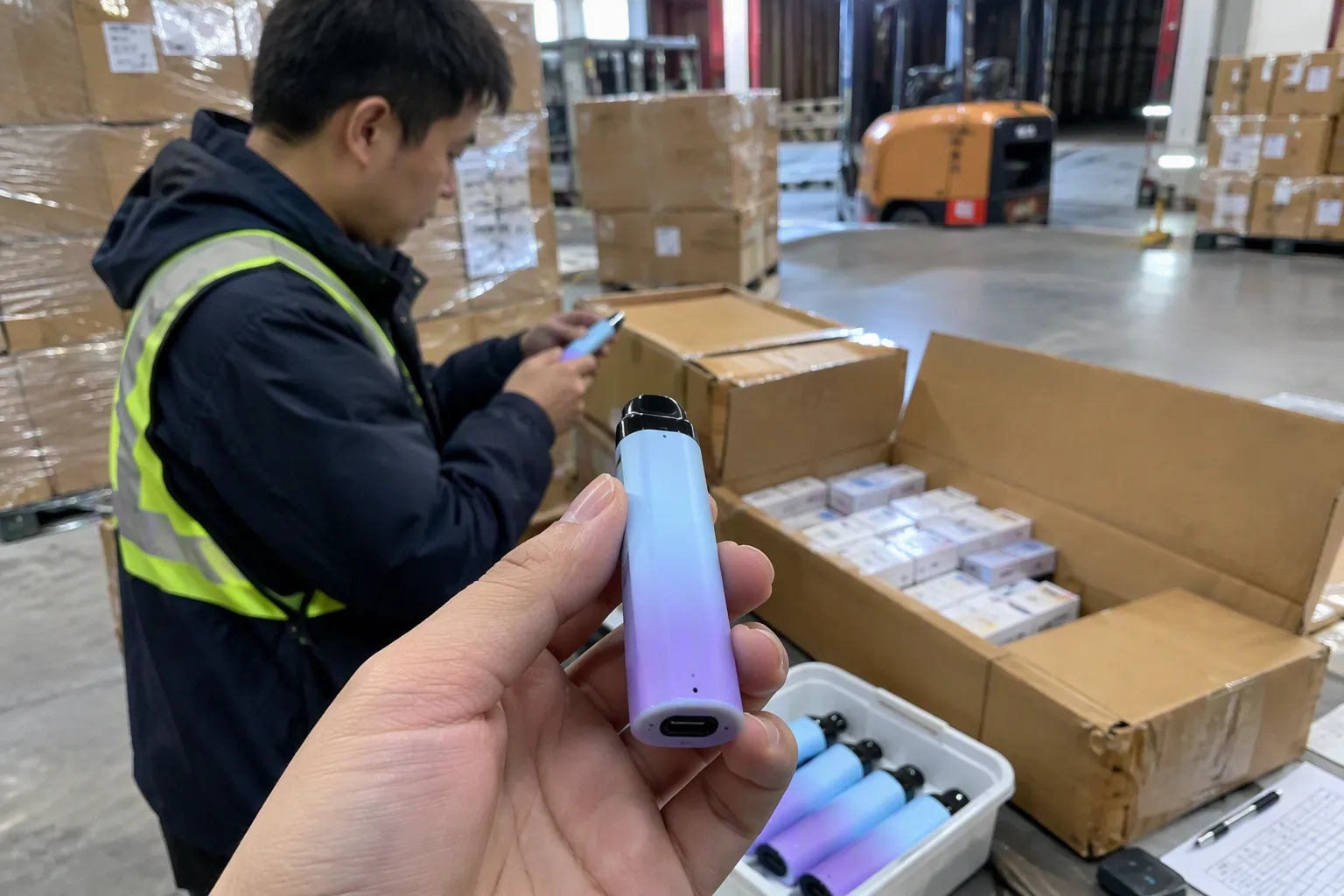
Customer communication is where many importers either protect or weaken their reputation. A buyer does not need to share every operational detail with every downstream customer. However, the buyer should avoid vague reassurance that cannot be supported.
A clear update can be short:
“This item is currently subject to a shipping review, and we do not yet have a confirmed delivery date. We are checking the status with the responsible parties. We can offer available alternatives or update you once we receive confirmed information.”
That message is more credible than saying the goods will arrive “soon.” It gives the customer a usable decision: wait, choose an alternative, or adjust their own purchasing plan.
For store-facing wholesalers, this matters because vape shops, smoke shops, convenience stores, and gas stations often buy based on shelf availability and local demand. Their own customers may not wait for a delayed product. If the wholesaler gives inaccurate dates repeatedly, the retailer may shift future purchases to another distributor.
I prefer a simple communication rhythm:
| Stage | What to communicate |
|---|---|
| Initial status | State that the shipment is under review and the outcome is unconfirmed |
| Document check | Confirm that the responsible parties are reviewing the relevant information |
| No new information | Say that no confirmed update is available rather than repeating assumptions |
| Confirmed outcome | Share only the outcome and timing that the responsible party has confirmed |
| Inventory alternative | Offer currently available products without tying them to an uncertain arrival date |
This process protects trust. It also helps sales teams stop making different promises to different customers.
Use the event to improve future purchasing controls
A shipment review can expose weak points in purchasing and inventory planning. That does not mean every delay is preventable. It does mean buyers can improve how they prepare for uncertainty.
Small and mid-sized buyers may have different options from high-volume importers. Some European customers use our overseas warehouse inventory for small orders because they want lower starting quantities and faster regional delivery. U.S. buyers should assess their own stock model, lead-time exposure, and applicable requirements with the right professionals. A warehouse option, a domestic supplier, or a direct import model each has different commercial and compliance considerations.
For buyers importing from China in larger volumes, the focus is often on purchase planning, documentation consistency, supplier capability, quality control, and realistic stock buffers. For buyers testing a new product category or serving short-cycle retail demand, the focus may be on reducing inventory exposure and avoiding large commitments before demand is proven.
A practical procurement review can include these questions:
- Do we have enough confirmed stock to cover core customer accounts?
- Are we relying on one inbound shipment for too many promised orders?
- Do purchase orders, invoices, packing lists, and dispatch records reconcile cleanly?
- Do we know who the importer of record is for every shipment?
- Do we know who will receive and act on carrier or broker notices?
- Have we assigned one person to provide customer-facing updates?
- Are we evaluating suppliers on record quality and response discipline, not only unit price?
- Have we obtained qualified advice for product-specific U.S. requirements where needed?
At our Shenzhen operation, I focus on helping buyers obtain clear order and shipment-side records. Our business serves importers and wholesalers looking for electronic cigarettes, disposable vapes, atomizers, batteries, vaporizers, and related smoking accessories[8] through one supply relationship. We can also discuss OEM or ODM projects for customers whose requirements and order conditions are suitable.
However, supply convenience should never be confused with regulatory control. Buyers should evaluate products, documentation, and suppliers carefully. They should also verify any certifications or test documents that may be relevant to their application, rather than treating a document as a blanket approval for every market or use case.
Create a practical escalation checklist
When time is limited, a checklist keeps the team focused. The following sequence is designed for commercial coordination. It is not legal, customs, or product-compliance advice.
-
Capture the exact status.
Save the tracking message, date, time, and shipment reference. -
Identify the importer of record.
Confirm who is responsible for receiving and directing import-related communication. -
Request the relevant notice or communication.
Do not rely only on a shortened tracking description if more detailed information is available. -
Assemble the fact file.
Reconcile order details, invoice, packing list, shipping label or tracking number, and dispatch timeline. -
Contact the responsible U.S.-side party.
The importer, carrier, broker, or qualified professional should determine the appropriate next step. -
Ask the supplier for shipment-side verification.
Request documents and factual confirmation, not guarantees about outcome or release timing. -
Freeze unsupported customer promises.
Mark affected inventory as uncertain until reliable information is received. -
Review stock and cash exposure.
Determine which customer orders, purchase plans, and working-capital decisions are affected. -
Keep a dated communication log.
Record who said what, when they said it, and which documents were provided. -
Update plans when facts change.
Do not continue using an old assumption after a new notice or carrier update arrives.
A disciplined process does not remove uncertainty. It gives the business a better way to operate during uncertainty. That difference is important when customer relationships and cash flow depend on accurate information.
Frequently Asked Questions
Does “held for additional review” mean my vape shipment was seized?
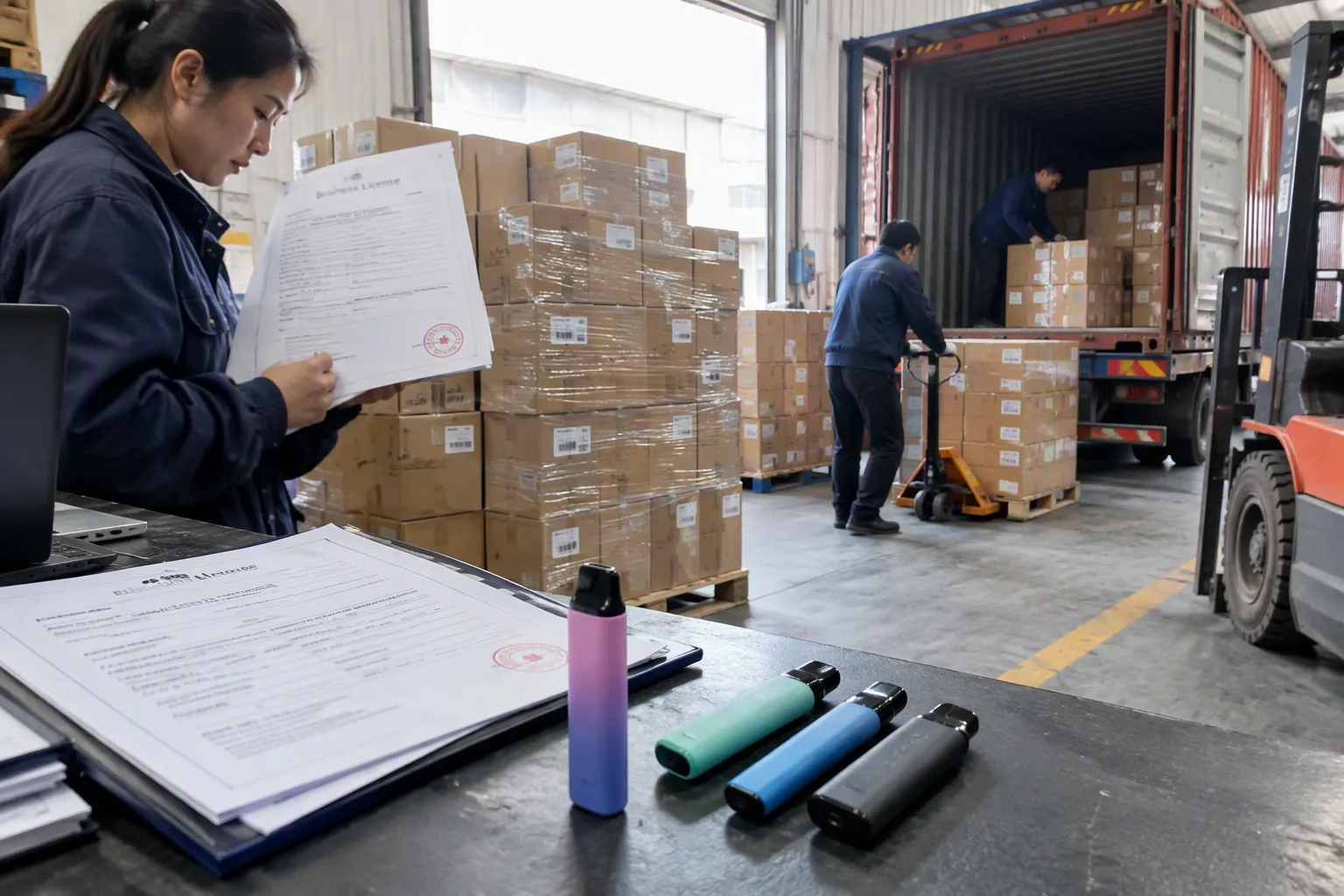
No. A U.S. vape shipment held for additional review is not, by itself, confirmation of seizure, release, or final disposition. The importer should review the relevant notice and confirm the status with the carrier, customs broker, or other responsible party before communicating a final conclusion.
Can a vape supplier guarantee that a held shipment will be released?
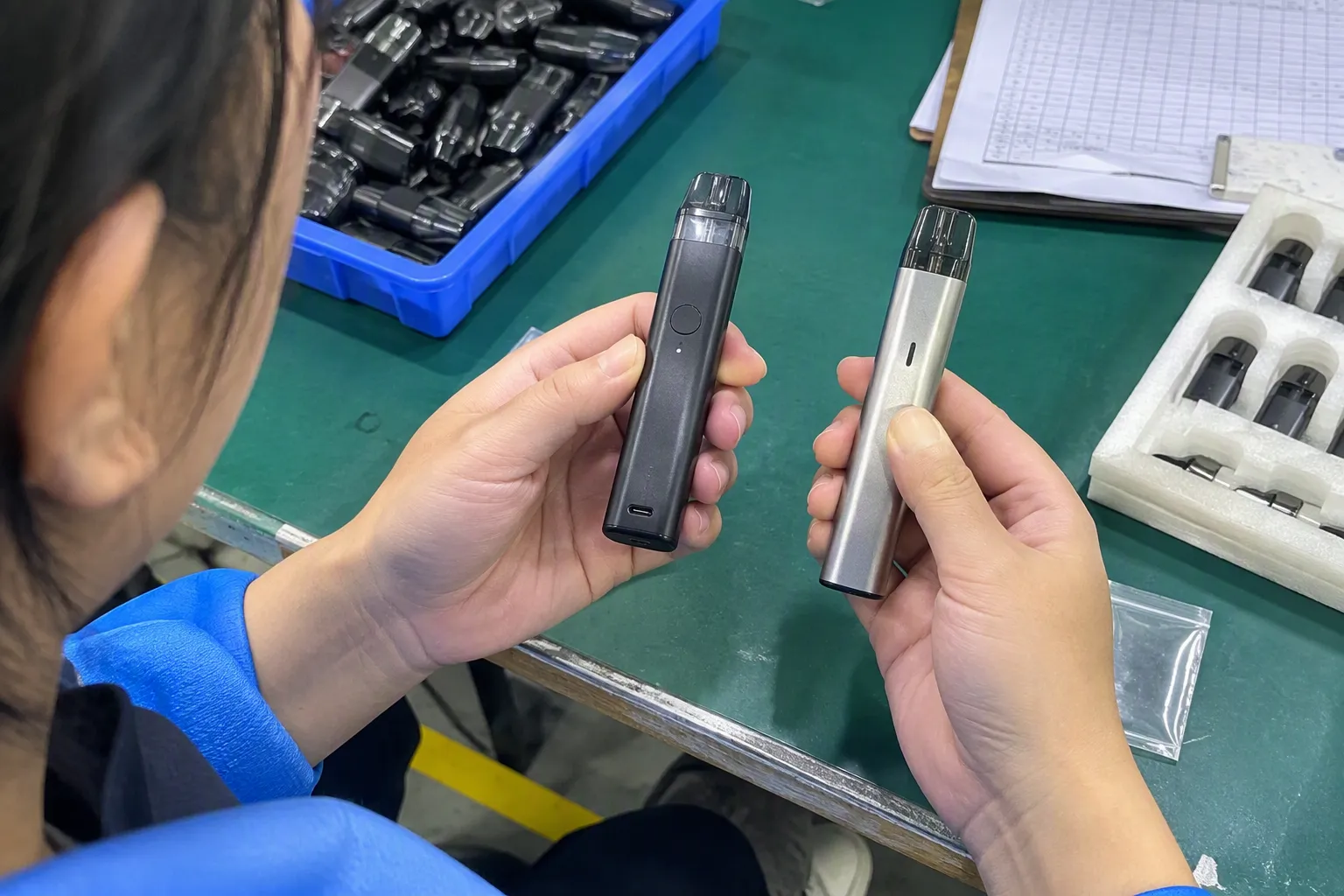
No responsible supplier should guarantee release, timing, or an outcome from a U.S. review process. I can help verify shipment-side records such as invoices, packing details, orders, and dispatch information. The importer and appropriate U.S.-side parties must handle matters within their authority.
What documents should I collect when a shipment is under review?
Start with the purchase order, commercial invoice, packing list, tracking number, dispatch timeline, carrier messages, and any official or broker notice. The importer should also review internal inventory allocations so the sales team does not promise stock that remains uncertain.
Should I place a replacement order immediately?
Not automatically. You should first assess confirmed stock, customer commitments, cash flow, product demand, and the uncertainty around the original shipment. A replacement purchase is a commercial decision that should be based on your current operating risk, not an assumed outcome.
How should I update vape shop and smoke shop customers?
Use simple, confirmed language. Explain that the item is under shipment review and that no confirmed delivery date is available yet. Offer available alternatives where appropriate. Avoid saying that the shipment is lost, released, or arriving soon unless the responsible party has confirmed that information.
Conclusion
A U.S. vape shipment held for additional review requires calm, accurate coordination rather than guesswork. I recommend separating the review status from a final outcome, building a complete fact file, clarifying each party’s responsibility, and protecting customer relationships with realistic communication. Suppliers can support document verification, but importers should rely on official notices and qualified U.S. professionals for application-specific decisions. If you need help checking order, invoice, packing, or dispatch records for a shipment from our supply chain, contact me at Shenzhen Kingfuji Tech. Co., Ltd. so we can review the available facts together.
Sources
- FAQs: Uyghur Forced Labor Prevention Act (UFLPA) Enforcement", U.S. Customs and Border Protection regulations distinguish detention of merchandise from subsequent release, exclusion, or seizure determinations; a detention-related status alone does not establish the final disposition
- Tips for New Importers and Exporters", CBP guidance explains that the importer of record is responsible for exercising reasonable care and for entry-related obligations associated with imported merchandise
- Tips for New Importers and Exporters", CBP defines customs brokers as licensed persons authorized to transact customs business on behalf of others, including activities connected with customs entry and documentation
- [PDF] Mitigation Guidelines: Fines, Penalties, Forfeitures and Liquidated ...", U.S. customs law prohibits material false statements, acts, omissions, and documents in connection with the importation of merchandise and authorizes civil penalties for violations
- Advertising FAQ's: A Guide for Small Business", Federal Trade Commission guidance on advertising requires material representations to be truthful and not misleading, including representations that can affect consumers' purchasing decisions such as product availability
- How much are supply chain disruptions costing your organization?", Supply-chain finance research recognizes that inventory held in transit or delayed in the supply chain can lengthen cash-conversion cycles and increase working-capital pressure on firms
- Where Do E-cigarette Users Buy Their E-cigarette Products? Results ...", U.S. public-health research and surveillance materials identify vape shops, convenience stores, and other retail outlets as channels through which e-cigarette products are sold
- [PDF] Premarket Tobacco Product Applications for Electronic Nicotine ...", FDA's tobacco-product framework covers electronic nicotine delivery systems, including e-cigarettes and certain components or parts, subject to the definitions and exclusions in applicable law and regulations