Quick Answer
Sourcing vaporizers can look simple when several suppliers offer similar photos, specifications, and prices. The risk appears later, when stock is unavailable, delivery is delayed, a product has problems, or nobody accepts responsibility. I believe wholesalers can reduce these costly surprises by verifying the supplier before sending payment.
Before sourcing vaporizers, wholesalers should verify who controls the product source, whether stock is genuinely available for their order, how fulfillment will be handled, and who remains responsible after delivery. A low unit price matters, but it does not protect margin, cash flow, or customer trust if replenishment fails or after-sales support disappears.[1]
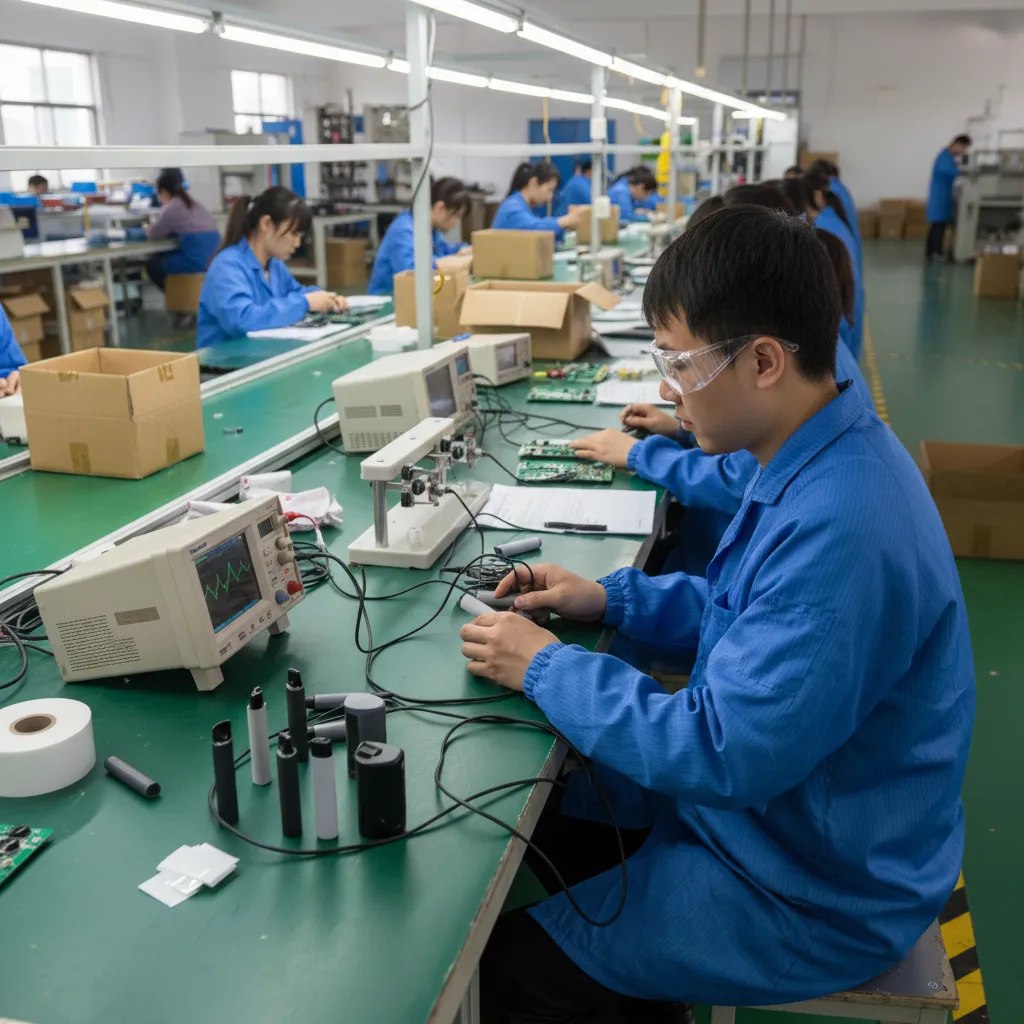
I work in Shenzhen, where many vaporizer, electronic cigarette, battery, atomizer, and smoking-accessory supply chains are concentrated. In my daily sourcing coordination, I see that the most useful buyer questions are not only about price. They are about source, stock, delivery control, and responsibility when something goes wrong.
Before Sourcing Vaporizers, Should Wholesalers Verify Whether a Supplier Can Prove Its Product Source
A supplier may offer an attractive quotation, but wholesalers can lose more money through unreliable supply than through a slightly higher purchase price. If the supplier cannot explain where the product comes from or who controls fulfillment, the buyer may face delays, inconsistent products, and difficult after-sales communication.[2]
Yes. Before sourcing vaporizers, wholesalers should verify the supplier’s product source with practical evidence, confirm usable inventory for the required model and quantity, and identify the party responsible for delivery and after-sales support. These checks help protect downstream customer relationships, reduce cash-flow pressure, and make replenishment more predictable.
Why Product Source Is More Important Than a Sales Claim
When I speak with wholesalers, I often hear a familiar request: “I need the best price for this model.” Price is important. Every importer, distributor, vape shop supplier, smoke shop wholesaler, and convenience-store supplier needs room for margin.
However, a quotation alone does not explain the full procurement cost.
A supplier may quote a low price because they have limited stock, no direct source relationship, unclear after-sales responsibility, or no ability to replenish quickly. In that situation, the buyer may save a small amount on the first order but lose money later through delayed sales, emergency purchases, higher replacement costs, or damaged customer confidence.
For this reason, I encourage buyers to ask a more complete question:
“Who controls this product source, and what can you show me before I place an order?”
A supplier does not always need to be the original factory to provide useful value. Many wholesalers need a multi-brand supplier because they want to buy vaporizers, disposable vapes, atomizers, 510 batteries, CBD batteries, grinders, glass pipes, and other related products in one shipment.
The important point is transparency. The supplier should clearly explain whether it is:
- The manufacturer of the product
- The owner of its own brand
- An authorized brand agent or distributor
- A trading company with established factory relationships
- A sourcing coordinator buying from several sources
- A mixed business that manufactures some items and distributes other brands
Each model can work. The problem begins when the sales promise does not match the actual supply arrangement.
What Evidence Can Support a Product-Source Claim?
I do not recommend that wholesalers accept vague statements such as “direct factory,” “official stock,” or “best source” without asking follow-up questions. Those phrases may be true, but a buyer still needs evidence that relates to the exact product being purchased.
For sourcing vaporizers, practical source verification may include:
-
A clear supplier explanation
The supplier should explain whether the item comes from its own factory, a brand partner, or a third-party factory. -
Product photos or videos from the actual inventory
A video can help a buyer see packaging, model names, colors, quantities, and available stock. It should relate to the buyer’s requested version, not only a generic sample. -
Brand authorization or distribution documents when relevant[3]
If a seller claims to represent a brand, the buyer can request supporting documents. The buyer should verify these documents independently where possible. -
Purchase history or traceable sourcing records
A supplier may be able to show invoices, packing information, or other commercial records. Sensitive information can be redacted, but the documents should still support the stated supply relationship. -
Factory information for OEM or ODM products
For a custom vaporizer project, buyers should ask which factory will manufacture the product, who manages tooling, who approves samples, and who controls production changes. -
A consistent answer from sales, operations, and after-sales teams
A supplier’s internal consistency matters. If the sales representative says “we control everything,” but the operations team cannot confirm stock or delivery timing, the buyer should investigate further.
I have seen buyers focus heavily on product photos and price lists while leaving source verification until after payment. That order creates unnecessary risk. Once a payment is made, the buyer has less flexibility if the supplier later says that the item is unavailable, the price changed, or the factory cannot provide the same version.
A Low Quotation Is Not Always the Lowest Procurement Cost
A wholesaler’s real cost is broader than the invoice amount. I think this is especially important for buyers who supply local vape shops, smoke shops, gas stations, convenience stores, and regional distributors. Their customers may not care how low the importer’s original purchase price was. They care whether the products arrive, work as expected, and can be replenished.
A low-price offer can become expensive when it creates any of the following problems:
| Procurement issue | Possible effect on the wholesaler | Buyer verification question |
|---|---|---|
| Stock is not actually available | Sales are delayed and buyers lose momentum | “Is this exact model available now for my quantity?” |
| Product source changes after ordering | Packaging, quality, or specifications may vary | “Will the production source remain the same for repeat orders?” |
| Slow replenishment | Popular items run out before the next delivery | “What is the normal replenishment lead time?” |
| Fragmented suppliers | More communication and more after-sales work | “Who handles issues across all items in this order?” |
| Unclear defect process | The buyer carries the replacement cost | “What evidence do you require, and what is the resolution process?” |
| Shipping uncertainty | Cash is tied up for longer than planned | “What is the shipping route, timeline, and responsibility split?” |
The lowest quoted price may still be a good deal.[4] I do not suggest that wholesalers avoid low prices. I suggest that they compare prices only after comparing the conditions behind them.
For example, a buyer may receive two offers for a vaporizer model. Supplier A is cheaper, but cannot confirm stock, cannot explain replenishment, and says after-sales will depend on “the factory.” Supplier B is slightly higher, but can show the current inventory, explain the source, confirm who handles replacement claims, and give a realistic lead-time range.
The buyer should calculate the value of certainty. If the product sells quickly in local stores, a delayed restock can cost more than the difference between the two unit prices.
Verify Usable Inventory, Not Generic “In Stock” Language
“In stock” is one of the most common phrases in international wholesale. It is also one of the least useful phrases unless the buyer defines it carefully.
For a wholesaler, usable inventory means stock that matches the required:
- Product model
- Version or configuration
- Color or flavor selection, where applicable
- Packaging version
- Quantity
- Destination-market requirements
- Delivery window
- Order status, meaning it is not already reserved for another buyer
A supplier may honestly say that it has stock while still being unable to fulfill a specific order. For example, the supplier may have a small quantity, a different version, incomplete color options, or stock that has already been allocated to another customer.
Before sourcing vaporizers, I recommend asking the supplier to confirm the order in writing. The confirmation should identify the exact product and quantity, not simply say “available.”
A useful stock-verification message can be simple:
“Please confirm whether you can reserve 1,000 units of this exact model, packaging version, and color mix for my order. Please also confirm where the goods are located, when they can be dispatched, and whether the stock is already allocated to another customer.”
This request is not difficult, but it changes the discussion from general sales language to operational accountability.
Questions to Ask About Replenishment Capacity
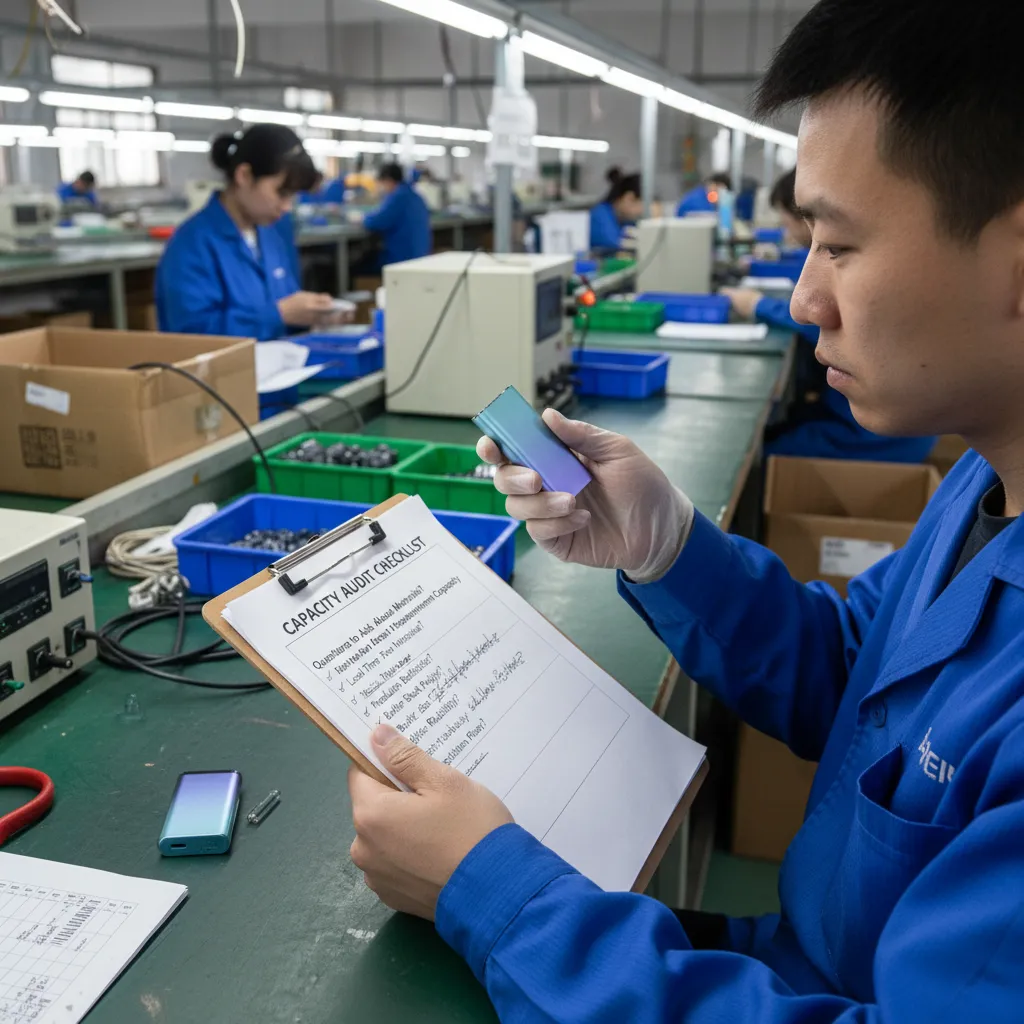
A first order is only one part of the relationship. Many wholesalers make their real profit from repeat orders after they identify products that sell well.[5] Therefore, replenishment planning should begin before the first purchase.
I suggest that buyers ask:
-
What quantity is ready now?
Ask for the available quantity by model and version. -
What is the minimum order quantity for repeat orders?
MOQ may differ between ready stock, custom packaging, and factory production. -
What is the estimated lead time if stock runs out?
The supplier should explain whether replenishment depends on factory production, brand allocation, imported components, or another factor. -
Can the supplier reserve a quantity?
A reservation policy can help a wholesaler plan promotions and downstream commitments. -
What happens if demand rises suddenly?
The supplier should state whether it can increase production, source from alternative inventory, or offer a substitute. -
Will the repeat-order product match the first order?
Buyers should ask how product changes, packaging updates, or component changes are communicated.
I do not believe any supplier can guarantee that every popular vaporizer will remain available at all times. Supply conditions can change. The useful supplier is the one that communicates early, provides realistic options, and does not hide a problem until the buyer has already promised stock to customers.
Match the Sourcing Route to Your Business Size and Cash Flow

Not every wholesaler should buy through the same route. In my experience, sourcing vaporizers works best when the purchasing method matches the buyer’s sales volume, storage capacity, and tolerance for inventory risk.
A small or medium buyer may need to test several products without tying up too much money. A larger importer may need a container-scale or high-volume order to improve unit economics and secure a stable supply plan.
| Buyer situation | Practical sourcing approach | What to verify |
|---|---|---|
| Small wholesaler testing local demand | Small ready-stock orders | MOQ, actual stock, dispatch timing, item selection |
| Retail chain supplier adding new products | Controlled trial order with repeat-order plan | Inventory visibility, replacement process, reorder terms |
| Established importer with warehouse capacity | Larger domestic import order | Production capacity, payment terms, lead time, inspection process |
| Brand owner building a private-label line | OEM or ODM development | Factory identity, samples, tooling ownership, specifications, change control |
| EU buyer needing quick replenishment | Regional warehouse stock, if available | Exact warehouse location, available quantity, delivery terms, local tax and compliance responsibilities |
My company operates from Shenzhen and works with both multi-brand sourcing and our own manufacturing activities. For buyers who need small, fast-moving orders in Europe, I can discuss available European warehouse options where applicable. For larger importers, I can also discuss direct China supply, OEM, ODM, and custom product development.
However, I always encourage buyers to verify the route itself. A European warehouse can reduce transit time for some orders[6], but a buyer should still confirm the actual item availability, delivery coverage, commercial terms, and destination-market obligations. A direct shipment from China may offer different price advantages for larger orders[7], but it can require more planning around lead time, logistics, and customs procedures.
No shipping route is risk-free. A responsible purchasing plan includes realistic timing, documentation review, and contingency stock where the buyer’s business depends on fast replenishment.
Clarify Who Is Responsible for Fulfillment
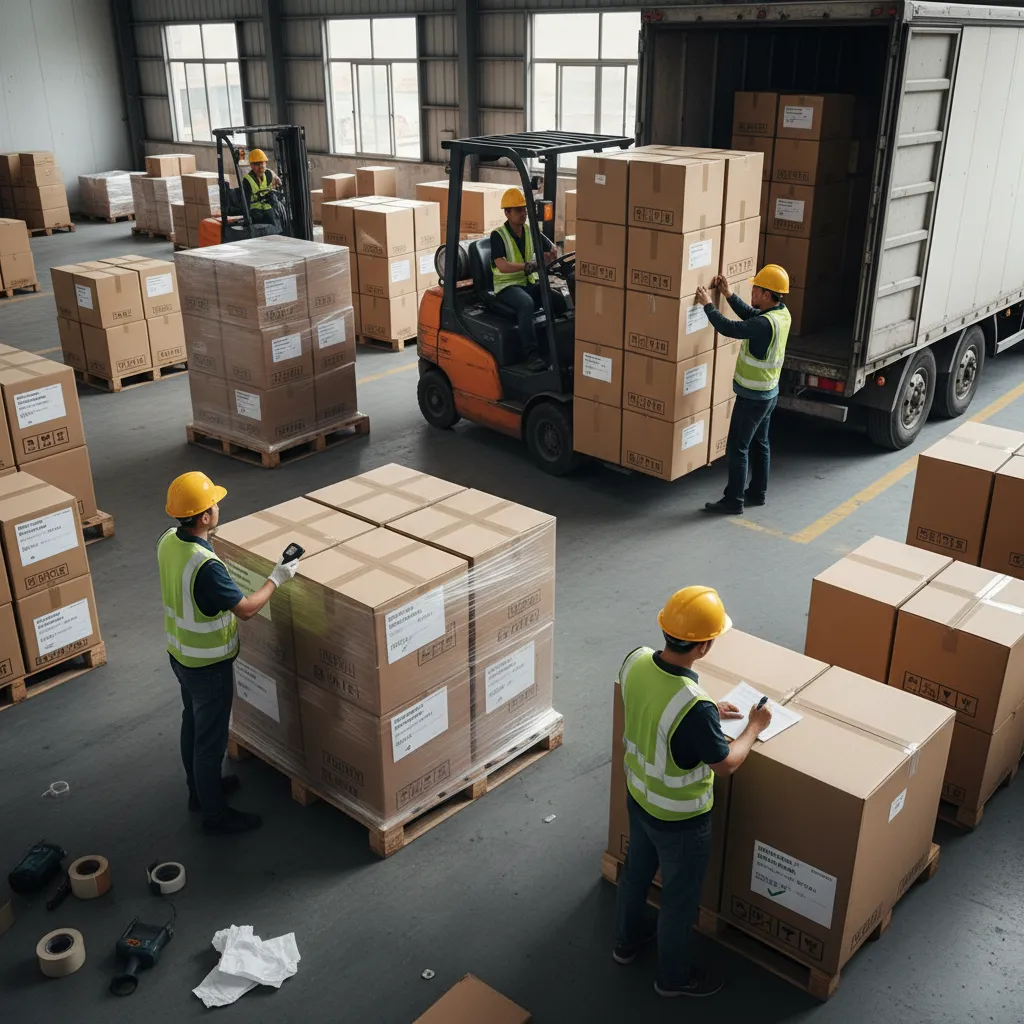
A supplier can sell a product without controlling every part of fulfillment. That is normal in global trade. The concern is not whether other parties are involved. The concern is whether the buyer knows who is responsible for each part of the order[8].
Before sourcing vaporizers, I recommend asking the supplier to explain the fulfillment chain in plain language:
- Who confirms the order quantity?
- Who checks the goods before dispatch?
- Who packs the shipment?
- Who books the carrier or freight forwarder?
- Who provides shipping documents?
- Who communicates if the shipment is delayed?
- Who supports the buyer if products arrive with a problem?
- Who makes the final decision on replacements, credits, or other after-sales solutions?
This is particularly important when a buyer is purchasing multiple brands and product categories in one order. A one-stop supplier can save time because the buyer has one commercial contact. Yet the buyer should still ask whether that supplier has the authority to coordinate the brands, factories, warehouses, and logistics partners involved.
I often see the operational difference between a supplier that only forwards messages and a supplier that actively coordinates the order. The first supplier may say, “I need to ask the factory,” whenever a problem occurs. The second supplier may still need factory input, but it takes ownership of communication and gives the buyer a clear answer.
That difference can be very important when a wholesaler’s own customer is waiting for a delivery.
Ask About After-Sales Before the First Payment
Wholesalers should not wait for a product problem before asking how after-sales works. By that point, every party may have a different understanding of what was promised.
A practical after-sales policy should answer several questions:
- What counts as a defect?
- What evidence does the supplier require?
- Does the buyer need photos, videos, lot information, or a quantity count?
- What is the time limit for reporting an issue?
- Will the supplier provide replacements, credit, repair parts, or another solution?
- Who pays for replacement shipping, if replacement shipping is appropriate?
- Does the policy apply to all products, or only to selected items?
- Who is the final responsible party when the product is sourced from another brand or factory?
In our sourcing and customer-support experience, product issues become harder to resolve when the buyer has purchased from several disconnected suppliers. The buyer may need to speak separately with a factory, a trading company, a freight agent, and a brand representative. That process takes time, and time affects the buyer’s relationship with local customers.
A coordinated supplier can reduce the communication burden, but wholesalers should ask for the process before they place an order. I recommend putting the agreed approach in writing on the proforma invoice, purchase order, email, or another document that both parties can reference later.
Use a Scenario Test Before You Commit
One practical way to evaluate a supplier is to ask how it would handle realistic problems. I do not mean that buyers should assume every order will fail. I mean that buyers should see whether the supplier has a clear operational process.
For example, a buyer can ask:
“If 5% of the units show a confirmed issue after delivery, what information will you need from me, who will review the case, and what solution options are normally available?”
The answer should be specific. “No problem, we will handle it” sounds positive, but it does not explain what happens next.
Another useful scenario is a demand increase:
“If my local customers reorder this model faster than expected, can you provide another 2,000 units within the next few weeks? If not, what alternatives can you offer?”
This question helps the buyer understand whether the supplier has real inventory visibility and replenishment planning.
A third scenario concerns shipment timing:
“If the carrier delays the shipment, who updates me, what documents can you provide, and what support can I expect from your side?”
No supplier can control every logistics event, customs review, or carrier delay. Buyers should be careful with anyone who promises that international shipping has no risk. Still, a professional supplier should explain its communication process and should not disappear when a shipment needs attention.
Build a Supplier Verification File
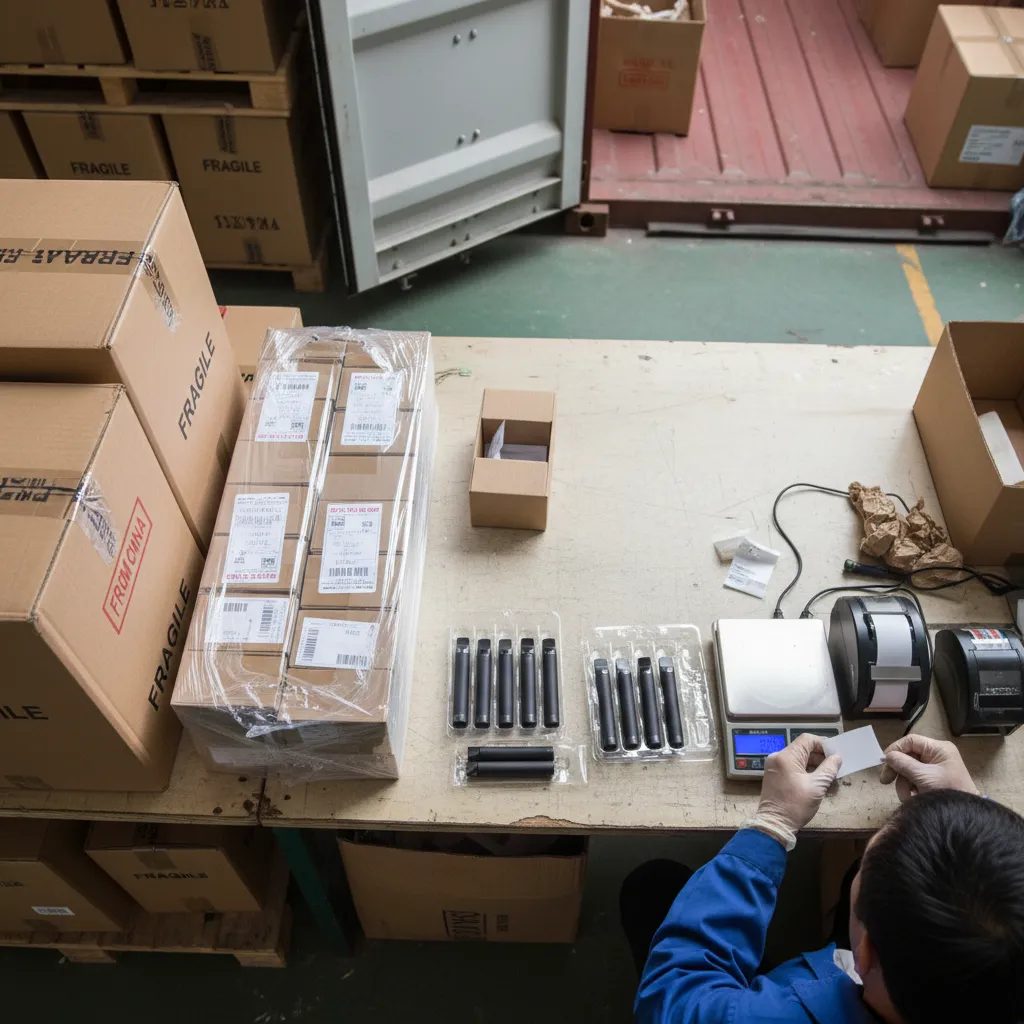
I recommend that wholesalers maintain a simple supplier-verification file for every important vendor. This is useful for first orders, repeat orders, staff handovers, and future negotiations.
The file does not need to be complicated. It can include:
- Supplier legal name and business contact details
- Main sales and operations contacts
- Product-source explanation
- Product photos or inventory videos
- Relevant authorization or distribution documents
- Quotation and product specifications
- MOQ and lead-time information
- Stock confirmation date
- Sample approval records, if applicable
- Payment terms
- Shipping terms and logistics contacts
- After-sales process
- Notes from previous orders
- Any destination-market documents the buyer must independently verify
For larger orders, buyers may also consider qualified third-party inspection, product testing, legal advice, customs advice, or compliance consultation appropriate to their destination market and product category. I am not a legal, customs, or regulatory authority, so I always recommend that buyers obtain professional advice for application-specific requirements.
A supplier can provide documents, but the importer remains responsible for understanding what is required in the market where the products will be sold. This is especially important for vaporizers and related products because requirements may vary by product type, destination, packaging, ingredients, batteries, labeling, and sales channel.
Frequently Asked Questions
What is the first thing to verify before sourcing vaporizers?
I recommend that wholesalers first verify the actual product source and the supplier’s authority to fulfill the order. Ask who controls the goods, where the inventory is located, and who is responsible if stock, delivery, or after-sales issues arise after payment.
How can a wholesaler verify that vaporizers are really in stock?
A wholesaler can request a written stock confirmation for the exact model, version, color mix, packaging, and quantity. I also suggest requesting current photos or a video of the available inventory and confirming whether the goods can be reserved for the order.
Is a lower vaporizer price always better for wholesalers?
No. A lower price may be useful, but wholesalers should compare the total procurement cost. Delayed replenishment, inconsistent supply, product issues, fragmented communication, and slow after-sales support can remove the savings from a cheaper initial quotation.
Should small wholesalers source from a European warehouse or import from China?
The right choice depends on order size, cash flow, urgency, and storage capacity. A regional warehouse may suit smaller, faster-moving orders if stock is available. Direct China imports may suit larger orders. I recommend verifying actual inventory, delivery terms, and total landed cost for either route.
What should wholesalers ask about vaporizer after-sales support?
Wholesalers should ask what counts as a defect, what proof is required, how quickly claims must be reported, who reviews the claim, and what solutions may be available. I recommend confirming the process in writing before the first payment is made.
Conclusion
Sourcing vaporizers should begin with supplier verification, not only price comparison. I encourage wholesalers to confirm product source, usable stock, replenishment capacity, fulfillment responsibility, and after-sales procedures before they commit funds or promise products to local customers. These checks can help protect margin, improve cash-flow planning, and support stronger downstream relationships. If you are evaluating vaporizer supply options from Shenzhen, I invite you to contact me to discuss your required products, order size, sourcing route, and verification questions.
Sources
- Proactive supplier communication is critical in this pandemic", Supply-chain disruption research indicates that stockouts and unreliable replenishment can impair sales and service performance while increasing working-capital pressure, so purchase price alone is not a complete measure of procurement value
- [PDF] Draft – Supply Chain Traceability Recommenda ons - NIST", Supply-chain due-diligence guidance describes traceability and clear supplier relationships as mechanisms for identifying and managing risks that can otherwise affect product consistency, delivery, and remedy processes
- Anti-Counterfeiting Video Contest - USPTO", Intellectual-property enforcement guidance recognizes authorized distribution records and verification with the rights holder as relevant checks when assessing whether goods are supplied through legitimate channels
- Analyzing Costs Using Total Cost of Ownership", Public-procurement guidance defines total cost of ownership as including costs beyond the initial price, such as logistics, operation, maintenance, and risk-related costs, supporting comparison of offers on more than unit price
- Exploring customer retention dynamics: A comparative ... - PMC", Research on customer retention and lifetime value finds that repeat purchasing can materially contribute to business profitability because acquisition, service, and relationship costs are spread across recurring transactions
- Logistics Network Design with Differentiated Delivery Lead-Time", Distribution-network research explains that positioning inventory closer to end markets can shorten outbound transport lead times and improve responsiveness compared with serving those markets from more distant locations
- [PDF] Fathoming Shipping Costs - Open Knowledge Repository", Transport-economics literature identifies economies of scale in freight movement, under which larger consolidated shipments can lower transport cost per unit relative to smaller shipments
- Know Your Incoterms", ICC Incoterms® rules allocate specified delivery, transport, cost, risk, and documentation obligations between sellers and buyers, illustrating why parties should define responsibilities in cross-border orders