
Quick Answer
Nicotine pouch regulation and tax classification can create serious problems for importers in 2026. Many buyers first ask for a tax rate, but that question comes too late if the product identity, ingredients, labels, or destination-country rules remain unclear. I help buyers review the supply-chain side before ordering, so they can reduce customs exposure, unexpected costs, and stranded inventory.
In 2026, importers should not assume that nicotine pouches are automatically e-cigarettes, tobacco products, food, or ordinary consumer goods. The correct treatment depends on the product’s nicotine content, ingredients, format, intended use, packaging, claims, destination country, customs classification, and current national rules.[1] Importers should verify import eligibility, sales requirements, customs duties, and excise taxes separately with official EU, member-state, and UK sources before placing an order.

The most useful approach is to treat compliance as a pre-order decision process rather than a document check at the end. I normally encourage buyers to separate three questions: Can the product enter the country? Can it legally be sold there? What duties and taxes will apply? The answers may come from different authorities and may not be identical across Europe.
How Should Importers Understand Nicotine Pouch Regulation Classification in 2026?
Unclear classification creates risk because one product can be viewed differently by commercial teams, customs brokers, tax authorities, and market regulators. I have seen buyers focus on the product’s familiar appearance or industry label, while authorities may examine its actual ingredients, nicotine delivery method, packaging, and claims.
Importers should classify nicotine pouches from the complete product identity, not from appearance or industry habit.[2] Before ordering, I recommend documenting the ingredients, nicotine specification, pouch format, intended use, packaging, marketing claims, customs code proposal, destination country, and tax treatment. A customs broker and qualified local adviser should confirm the final position.

Why Does Product Identity Matter More Than the Product Name?
A product name such as “nicotine pouch” gives a buyer a useful starting point, but it does not automatically settle the legal classification. I ask customers to look beyond the name and describe exactly what they plan to import and sell.
A useful product identity file should include:
- Whether the pouch contains nicotine.
- The nicotine amount per pouch and, where relevant, the total amount per package.
- The form and source of the nicotine.
- The other ingredients and materials.
- Whether the pouch contains tobacco or tobacco-derived material.
- Whether the pouch is placed in the mouth, inhaled, heated, or used in another way.
- The intended consumer use.
- The packaging size and construction.
- The language and warnings shown on the packaging.
- The claims used on the product, website, catalogue, and advertising.
- The planned sales channel and destination market.
I do not treat these points as minor technical details. They can influence whether the product falls under a tobacco-related framework, a nicotine-product rule, a consumer-product requirement, or another national category.[3] They can also affect whether an authority considers a particular customs heading appropriate.
The same commercial phrase can create different expectations. A buyer may call a pouch “tobacco-free,” while a regulator may still require a specific nicotine-product assessment. Another buyer may describe it as a “smoking alternative,” while marketing claims could trigger additional restrictions. I therefore recommend keeping product descriptions factual and consistent across the invoice, packing list, technical file, label, website, and customs declaration.
Why Should Buyers Avoid Automatic Comparisons?
I advise importers not to copy the treatment of cigarettes, e-cigarettes, nicotine liquid, food, supplements, or ordinary consumer goods. A nicotine pouch may share a commercial audience with those products without sharing their legal classification.[4]
This distinction matters in at least four ways:
| Buyer assumption | Why the assumption can fail | Safer pre-order action |
|---|---|---|
| “It contains nicotine, so it is an e-cigarette.” | A pouch does not necessarily use an inhalation or vaporisation system. | Describe the delivery format and intended use separately. |
| “It is tobacco-free, so it is an ordinary consumer good.” | National rules may regulate nicotine itself or oral nicotine products.[5] | Check the destination country’s nicotine-product rules. |
| “It looks like a tobacco product, so the tobacco tax must apply.” | Excise treatment depends on the applicable national framework and product definition.[6] | Request a current tax assessment from the relevant authority or adviser. |
| “A broker cleared a similar product before.” | The earlier product, shipment, country, or ruling may differ. | Verify the exact SKU and current destination requirements. |
| “EU rules cover the whole region.” | Member states can have different taxes, notifications, labels, restrictions, and enforcement.[7] | Review each intended EU destination separately. |
I use this comparison table with customers because it changes the conversation from “Which code did someone else use?” to “What evidence supports the classification of this exact product?”
What Is the Difference Between Customs Classification and Tax Classification?
Customs classification usually concerns how the goods are identified for import purposes. It can affect the customs tariff code, customs duty, import declarations, and statistical treatment. Tax classification may concern VAT, excise duty, national nicotine taxes, or other domestic charges.
These decisions can interact, but they are not always the same decision. A tariff code does not automatically prove that the goods can be sold. A customs declaration does not automatically establish the final excise position. A successful delivery does not mean that a retailer has satisfied all consumer-facing requirements.
I recommend that buyers keep a written record of:
- The proposed customs classification.
- The reasoning and product evidence supporting it.
- The name of the customs broker or authority consulted.
- The date of the advice.
- The destination country and import route.
- Any conditions or limitations attached to the advice.
- The proposed VAT and excise treatment.
- The documents required for future shipments.
I am a supply-chain and sourcing adviser, not a customs authority, lawyer, tax adviser, laboratory, or official regulator. My role is to help a buyer collect the right information, ask better questions, compare supplier documents, and estimate the commercial impact before money is committed.
Why Are the EU and UK Separate Compliance Environments?
I treat the EU and UK as separate markets. Even when a buyer sells similar products to customers in both regions, the buyer should not assume that a decision made for one market automatically applies to the other.
For the EU, the buyer may need to check the relevant EU-level framework and then review the national rules of every member state where the product will be imported, stored, advertised, or sold. National treatment can affect:
- Product notification or registration.
- Nicotine limits or product restrictions.
- Packaging and language.
- Health warnings.
- Advertising and online sales.
- Retail display.
- Excise or other national taxes.
- Importer and distributor responsibilities.
- Enforcement practice.
The UK requires its own review of legislation, customs procedures, product requirements, tax treatment, and market obligations.[8] A product that has moved through an EU supply chain may still require different documentation and decisions for the UK.
I also remind buyers that the sales destination matters. A shipment into one country may later move across borders, enter a marketplace, or be sold through a distributor in another country. The original importer should understand who carries responsibility at each stage.
What Should a Product Dossier Contain?
I prefer a product dossier that allows a customs broker, compliance adviser, or authority to understand the goods without relying on a catalogue photograph. The dossier should match the actual SKU and production batch as closely as possible.
It may include:
- Product name and SKU.
- Manufacturer and factory information.
- Full ingredient list.
- Nicotine specification and testing information.
- Product dimensions and net weight.
- Packaging photographs and artwork.
- Label translations.
- Intended-use statement.
- Marketing and sales claims.
- Safety data where relevant.
- Batch and shelf-life information where applicable.
- Commercial invoice description.
- Packing list description.
- Proposed customs classification.
- Transport and storage information.
- Existing compliance documents.
- Destination-country review notes.
I ask buyers to check whether the documents describe the same product. A label that says one nicotine strength, a specification sheet that says another, and an invoice using a vague description can create questions during customs review. A supplier should correct inconsistencies before shipment instead of asking the importer to explain them later.
Certifications and test reports also require careful review. I do not treat a document simply because it carries a logo or stamp as proof that the product satisfies every requirement in every market. Buyers should verify the issuing laboratory, test scope, product sample, date, standard, and destination-country relevance.
How Does Classification Affect Landed Cost and Cash Flow?
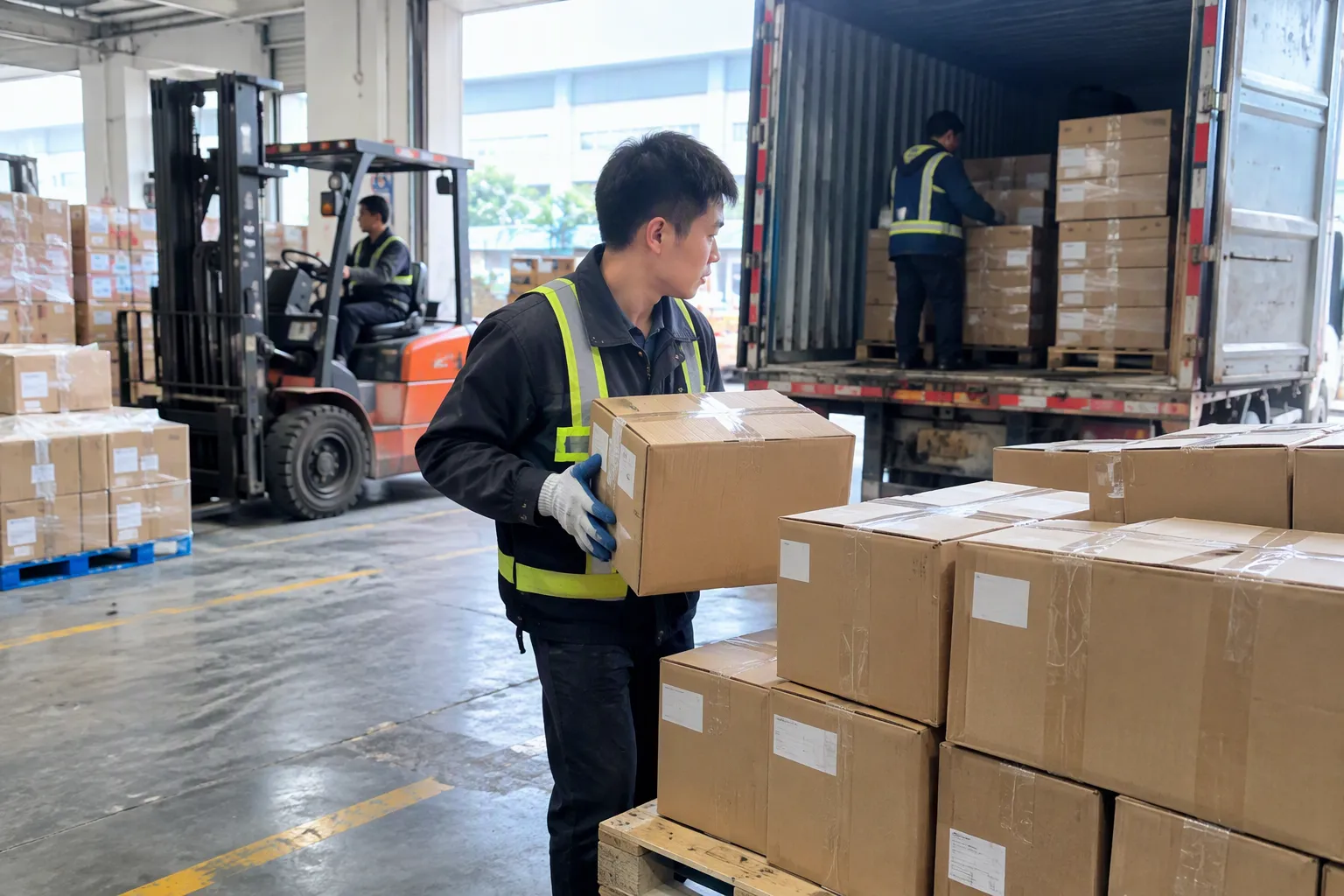
I encourage buyers to calculate landed cost before they negotiate a large order. A low factory price does not guarantee a low commercial cost if import duties, excise, VAT, brokerage, storage, relabelling, testing, or delayed clearance later appear.
A basic landed-cost model can include:
| Cost element | Question for the importer |
|---|---|
| Product price | Does the price cover the exact nicotine strength, packaging, and SKU? |
| Freight and insurance | Which route and Incoterm will apply? |
| Customs duty | What duty rate follows from the confirmed classification and origin? |
| Excise or national nicotine tax | Does the destination apply a product-specific charge? |
| Import VAT | When is VAT paid, and can the business recover it? |
| Customs broker fees | What will the broker charge for entry and additional review? |
| Testing or documentation | Will local testing, translation, notification, or relabelling be required? |
| Storage and delay | What happens if customs or a regulator holds the goods? |
| Domestic delivery | What is the cost to the buyer’s warehouse or retail network? |
| Returns and after-sales | Who pays if a batch has a defect or cannot be sold? |
I also ask customers to model three scenarios:
- Expected case: the classification and documents are accepted without unusual delay.
- Conservative case: the buyer pays additional review, storage, testing, or tax.
- Blocked-stock case: the shipment cannot be sold until it is relabelled, re-exported, destroyed, or otherwise resolved.
This model is especially important for small and medium-sized wholesalers. A large importer may spread compliance costs over a container or several product lines. A smaller buyer may lose most of the expected margin if one shipment is delayed or requires unexpected local work.
How Can Importers Use Supplier Support Without Outsourcing Legal Responsibility?

I provide supplier-side support by helping customers collect product information, compare packaging, prepare commercial documents, and coordinate with logistics partners. My company, Shenzhen Kingfuji Tech. CO., Ltd., operates from Shenzhen and combines sourcing, manufacturing, OEM/ODM coordination, and export support for electronic cigarettes, vapes, atomizers, batteries, vaporizers, grinders, glass pipes, and related smoking accessories.
That experience helps me understand practical purchasing problems. Buyers often want fast-moving products, low minimum order quantities, reliable after-sales support, and a predictable delivery route. However, supplier support does not replace the importer’s legal responsibility in the destination market.
I recommend a clear division of responsibilities:
The supplier should provide:
- Accurate product specifications.
- Consistent ingredient and nicotine information.
- Packaging files and product photographs.
- Available test documents and factory information.
- Correct commercial and packing descriptions.
- Batch and production information where applicable.
- Cooperation with reasonable document checks.
The importer should confirm:
- Whether the product may enter the destination country.
- Whether the product may legally be sold.
- Which entity must register, notify, label, or pay tax.
- The final customs and tax position.
- Whether the buyer’s sales channels are permitted.
- Whether the buyer can meet storage, record-keeping, and after-sales obligations.
My team can also support different purchasing models. Smaller European customers may consider stock held in our European warehouses, where selected products can be shipped in lower quantities and through carriers such as DHL, DPD, UPS, or FedEx. Larger importers, distributors, and wholesalers may prefer direct China supply, price advantages, and OEM/ODM development. In both cases, the buyer must complete the same destination-specific compliance review.
What Should a Buyer Verify Before Placing an Order?
I use the following pre-order checklist with customers who are testing a market or adding nicotine pouches to an existing wholesale catalogue.
Product verification
- Does the product contain nicotine?
- What is the exact nicotine amount per pouch and package?
- Does it contain tobacco or tobacco-derived material?
- What are all ingredients and materials?
- What is the intended use?
- What claims will appear on the package and online listings?
Regulatory verification
- Can the product legally enter the destination?
- Can the product legally be sold to the intended customers?
- Are there age, advertising, retail, online-sales, or display restrictions?
- Does the destination require notification, registration, or approval?
- Are local-language labels or warnings required?
- Does the importer need a specific licence or record system?
Customs and tax verification
- What customs code is proposed for the exact product?
- Has a qualified broker or authority reviewed the proposal?
- What customs duty applies?
- Does VAT apply, and when is it payable?
- Does excise duty or a national nicotine tax apply?
- Who is responsible for filing and paying each charge?
- Could a different product description change the assessment?
Commercial verification
- What is the complete landed cost?
- What is the minimum order quantity?
- How much cash will be tied up before resale?
- What happens if the goods are delayed?
- Who pays for relabelling, testing, or re-export?
- What after-sales remedy applies to defective products?
- Can the supplier provide consistent documents for repeat orders?
I recommend that buyers save the answers in a product-specific compliance folder. That folder should be updated when the formula, nicotine strength, packaging, supplier, destination, or tax rules change.
What Should an Importer Do When the Rule Is Unclear?
I do not recommend guessing when the classification is unclear. I recommend pausing the purchase and obtaining written guidance from the relevant authority, a qualified customs broker, or a local tax and regulatory adviser.
The buyer can prepare a short inquiry containing:
- A factual product description.
- Ingredient and nicotine information.
- Photographs of the complete package.
- Intended use and sales channel.
- Country of origin.
- Proposed customs code.
- Planned import quantity.
- Questions about entry, sale, duty, excise, VAT, and labelling.
The buyer should avoid asking only, “What tax rate applies?” A better inquiry asks:
“How should this exact product be treated for customs, import VAT, excise or national nicotine tax, product notification, labelling, and domestic sale in this destination?”
That wording encourages a complete answer. It also helps reveal when different departments control different parts of the decision.
I also recommend asking whether the response is general information, a formal ruling, or an adviser’s opinion. The buyer should record any conditions, effective dates, and product limitations. A written answer for one SKU may not cover another SKU with a different strength, flavour, pouch size, or package.
Frequently Asked Questions
Are nicotine pouches automatically classified as tobacco products?
No. I do not recommend automatic classification based only on the product’s appearance or commercial category. The authority may consider nicotine content, ingredients, tobacco content, intended use, packaging, claims, and national law. I advise importers to obtain destination-specific customs and regulatory guidance for the exact SKU.
Can a product clear customs but still be illegal to sell?
Yes. Customs clearance and market access are separate decisions. A shipment may enter a country while the importer still has outstanding obligations involving labels, notifications, age restrictions, advertising, tax, or retail sales. I always advise buyers to verify saleability before they place an order.
Do EU nicotine pouch rules apply equally in every member state?
No. I treat each EU destination separately. Member states may apply different national rules, taxes, product restrictions, notifications, labels, and enforcement practices. A buyer should verify the country of import, the country of storage, and every country where the goods will be sold or distributed.
Does the UK use the same classification and tax treatment as the EU?

Importers should not assume that it does. The UK has its own customs, tax, and product-compliance environment. I recommend checking current UK official sources and obtaining professional advice for the exact product, route, importer, and sales channel.
Can a supplier guarantee customs clearance or a fixed tax burden?
A responsible supplier should not guarantee an official customs result or a fixed tax burden without current, country-specific confirmation. I can help provide product documents, coordinate shipping, and support the buyer’s review, but the importer should rely on current official sources and qualified local professionals for the final decision.
Conclusion
Nicotine pouch regulation and tax classification require more than choosing a tariff code or copying another importer’s shipment. I recommend verifying the complete product identity, separating import permission from sale permission, reviewing EU member states individually, and treating the UK as a separate market. Buyers should calculate duties, taxes, compliance costs, delay risk, and cash-flow impact before ordering. I can support product documentation, sourcing, OEM/ODM coordination, warehouse options, and delivery planning, while qualified local advisers confirm the final legal position. Contact Kingfuji at info@kingvapecig.com or +86 13928420527 to discuss your product and destination review.
Sources
- Nicotine Pouch Products Authorized by the FDA", Official regulatory guidance indicates that the classification and obligations applicable to nicotine products may depend on their composition, presentation, intended use, and the law of the destination jurisdiction
- Tariff classification of goods - Taxation and Customs Union", Customs classification guidance generally bases tariff treatment on the objective characteristics of the imported goods and the applicable interpretive rules, rather than on commercial names alone
- WHO warns nicotine pouch brands targeting youth as sales surge", Comparative regulatory research reports that oral nicotine pouches are treated under different legal frameworks across jurisdictions, including tobacco-related, nicotine-specific, and general product regimes
- Lessons Learned From E-Cigarettes Should Affect FDA ... - PMC", Regulatory definitions commonly distinguish electronic cigarettes and other inhaled products by their mode of use, so a product’s shared market audience does not by itself determine its legal category
- Enforcement Priorities for Unauthorized ENDS & Nicotine ...", National regulatory materials demonstrate that the absence of tobacco does not necessarily exempt an oral nicotine product from controls applicable to nicotine, consumer safety, sale, or labelling
- Revision of the Tobacco Taxation Directive (proposal)", Excise liability is determined by the relevant statutory product definitions and national excise provisions; it cannot be inferred solely from a product’s nicotine content or commercial description
- Exposing marketing tactics and strategies driving the global growth ...", EU and comparative regulatory materials indicate that national measures can differ among member states in areas such as product notification, labelling, taxation, marketing, and enforcement
- Import tobacco products into the UK - GOV.UK", UK and EU official guidance establishes separate customs and regulatory procedures, requiring importers to assess UK obligations independently from those applicable within the EU