Quick Answer
Exclusive vape SKUs should not be the first step for a distributor that wants to stand out. I often see buyers invest in custom colors, packaging, or flavors before they know what their local customers will reorder. That can turn a good idea into slow-moving stock, tied-up cash, and unnecessary pressure on the sales team. **A distributor should request exclusive vape SKUs, colors, flavors, or packaging only after proving repeat demand through its own sales channels.
I recommend using exclusivity to protect a product that already sells consistently, not to gamble on creating demand. The right scope depends on reorder volume, customer preferences, MOQ, cash flow, lead time, and market-specific compliance requirements.**
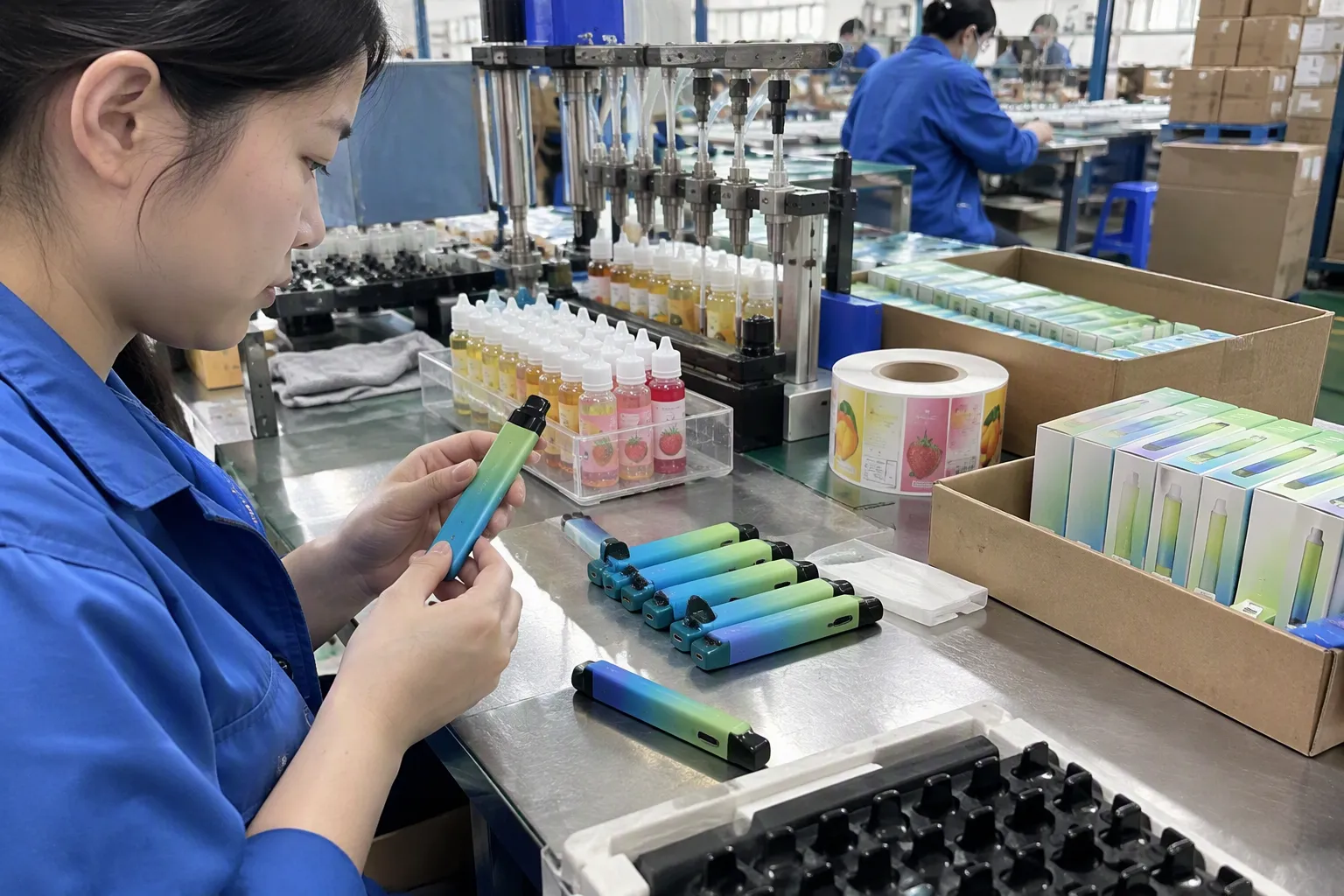
I work with importers, wholesalers, vape shops, smoke shop suppliers, and private-label buyers who want stronger local differentiation. Some buyers need fast-moving ready stock first. Others have enough stable demand to consider OEM or private-label development. The key is knowing which stage your business is in before committing capital.
When Should a Distributor Request Exclusive Vape SKUs, Colors, Flavors, or Packaging?
A distributor may feel pressure when competitors carry similar disposable vapes, atomizers, batteries, or smoking accessories. I understand that concern. However, requesting exclusive vape SKUs too early can create a larger problem: stock that looks unique but does not move quickly enough to justify the investment.
I believe a distributor should request exclusive vape SKUs only when it has stable reorder data, clear buyer preferences, and a channel that can sell through the required volume. A color, package, flavor, or fully exclusive model should match a proven commercial opportunity. The distributor should first confirm demand, evaluate total inventory exposure, and verify local compliance requirements.
I Start With Repeat Demand, Not the Desire to Look Different
In my experience, differentiation works best when it follows sales proof. A distributor may want a unique vape because local retailers ask for something that competitors do not have. That can be a valid reason. But I would still ask a practical question first:
“Can this distributor sell the minimum order quantity within a realistic stock-turn period?”
A distributor with regular orders from vape shops, smoke shops, convenience stores, gas stations, and local wholesalers usually has better visibility than a buyer relying only on a new trend. The buyer can review what already sells, which price points move, and which product formats customers ask for repeatedly.
Before I recommend an exclusive vape SKU project, I would normally look for commercial proof such as:
- Repeated orders of the same product category
- Reliable feedback from retail customers
- Known preferences for device style, battery capacity, packaging format, or flavor profile
- A stable local customer base rather than one-off buyers
- A sales team or retail network that can explain the product properly
- Enough working capital to carry the MOQ without damaging cash flow
- A realistic plan for handling slow-moving stock, defects, returns, and after-sales support
For example, a distributor may already sell a standard disposable vape model in several colors. If one or two colors are consistently reordered by local stores, that distributor may have a reasonable basis to ask for a color exclusivity arrangement. The buyer is not guessing. The buyer is building on a product that already has demand.
By comparison, a distributor that has never sold a particular device format may face more risk if it immediately orders a full private-label project. The product may be technically acceptable, but the market may not respond as expected. Product differentiation cannot replace channel execution.
I Treat Colors, Packaging, Flavors, and Full SKUs as Different Decisions
Not all exclusive vape SKUs carry the same level of commitment. This point matters because some distributors think “exclusive” means only one thing. In reality, a unique color may require a much smaller commitment than a custom mold, a new device structure, or a full OEM product line.
I encourage buyers to separate the decision into levels.
| Exclusivity Type | Typical Commercial Purpose | Relative Development Commitment | Main Buyer Risk |
|---|---|---|---|
| Exclusive color | Create shelf distinction with a proven device | Lower | Color inventory may move slower than standard options |
| Exclusive packaging | Build local brand recognition | Low to medium | Packaging may become obsolete if product demand changes[7] |
| Flavor selection or naming | Match known local preferences | Medium | Flavor acceptance and local rules require careful checks |
| Exclusive bundle or kit | Improve average order value or target a channel | Medium | Too many components can complicate inventory |
| Exclusive vape SKU | Protect a specific device configuration | Medium to high | MOQ, lead time, and sell-through risk increase |
| Full OEM/ODM development | Build a longer-term branded product line | High | Capital, development time, market acceptance, and compliance exposure |
A custom color can be a sensible first step for a distributor that already sells the same product successfully. The distributor can keep the product structure familiar while creating a more recognizable appearance.
Custom packaging can also be a useful first step. It may allow a distributor to build a local brand identity without changing the device itself. However, I still recommend that the buyer confirm packaging rules, warning requirements, language requirements, labeling expectations, and other market-access conditions[8] in the intended country before production. These requirements vary by market, and I do not treat them as assumptions.
Flavors require more caution. A distributor may have strong retailer feedback about preferred flavor categories, but flavor regulations and product restrictions can differ significantly across countries, states, and regions[1]. I recommend that the buyer obtain qualified local compliance advice before placing an order based on a flavor concept.
A fully exclusive vape SKU is the largest commercial step. It can involve device configuration, material choices, color combinations, branding, packaging, and production planning. This approach can be appropriate for an established importer or wholesaler with repeat demand, but it should be supported by a clear forecast rather than optimism alone.
I Ask Buyers to Calculate the Full Cost of Exclusivity
The purchase price is only one part of an exclusive vape SKU project. I often remind distributors that their true cost includes the money and time committed before the first unit reaches a retail shelf.
A buyer should evaluate the full commercial picture:
-
MOQ commitment
Custom production often requires a higher MOQ than ready stock.[2] The buyer should confirm whether the quantity is realistic for its current sales rate. -
Development coordination
Packaging artwork, logo positioning, color confirmation, sample approvals, and revisions all require time. Delays can happen if decisions are not made quickly. -
Production scheduling
A custom order may need to fit into a factory production schedule. The lead time may differ from available stock. -
Cash tied up in inventory[3]
Exclusive vape SKUs can create a larger upfront payment requirement. The buyer needs to consider whether that stock will reduce the ability to purchase proven fast-moving products. -
Slower stock rotation risk[4]
A custom product cannot always be resold as easily to another buyer if the original distributor changes direction. -
Opportunity cost
Every dollar used for a custom project is a dollar not used for ready-stock products with known demand.[5] -
After-sales and quality control planning
The buyer should agree on quality expectations, inspection steps, defective-unit handling, packaging checks, and communication procedures before shipment.
I recommend using a simple inventory-turn calculation. For example, if a distributor sells 2,000 units of a product per month and a custom order requires 10,000 units, the buyer needs roughly five months of sell-through at the current rate[6]. That estimate should include a safety margin because local demand can change.
If the same distributor could use the money to buy several ready-stock products that turn in 30 to 60 days, the exclusive project may not be the best immediate use of capital. The correct decision depends on the buyer’s margin, reorder frequency, storage capacity, and customer base.
I Prefer Limited Differentiation Before Broad Exclusivity
For many established distributors, the best first project is not a completely new vape. I often see stronger results when buyers choose limited differentiation around a product that already performs in their channels.
A controlled first step may include:
- A proven device in an exclusive local color
- A distributor’s logo on standard packaging
- A custom outer box while keeping the internal product unchanged
- A selected bundle for local vape shops or smoke shops
- A limited run of a proven flavor selection, subject to local checks
- A retailer-exclusive presentation for one chain or territory
- A private-label version of an already validated product format
This approach reduces uncertainty. The distributor can test whether its brand, packaging, and color choices improve retailer interest without immediately committing to a fully unique device.
In OEM and private-label projects that we have supported, distributors tended to benefit when they first had a stable sales base. They were able to give more useful feedback because they understood their customers. They could also make clearer decisions about packaging, positioning, and order size.
I would not present this as a universal rule. Every market has different competition, pricing pressure, consumer preferences, and legal requirements. Still, I have found that distributors with repeat business usually make stronger custom-product decisions than distributors trying to use exclusivity as their first sales strategy.
I Recommend a Simple Readiness Test Before Ordering Exclusive Vape SKUs
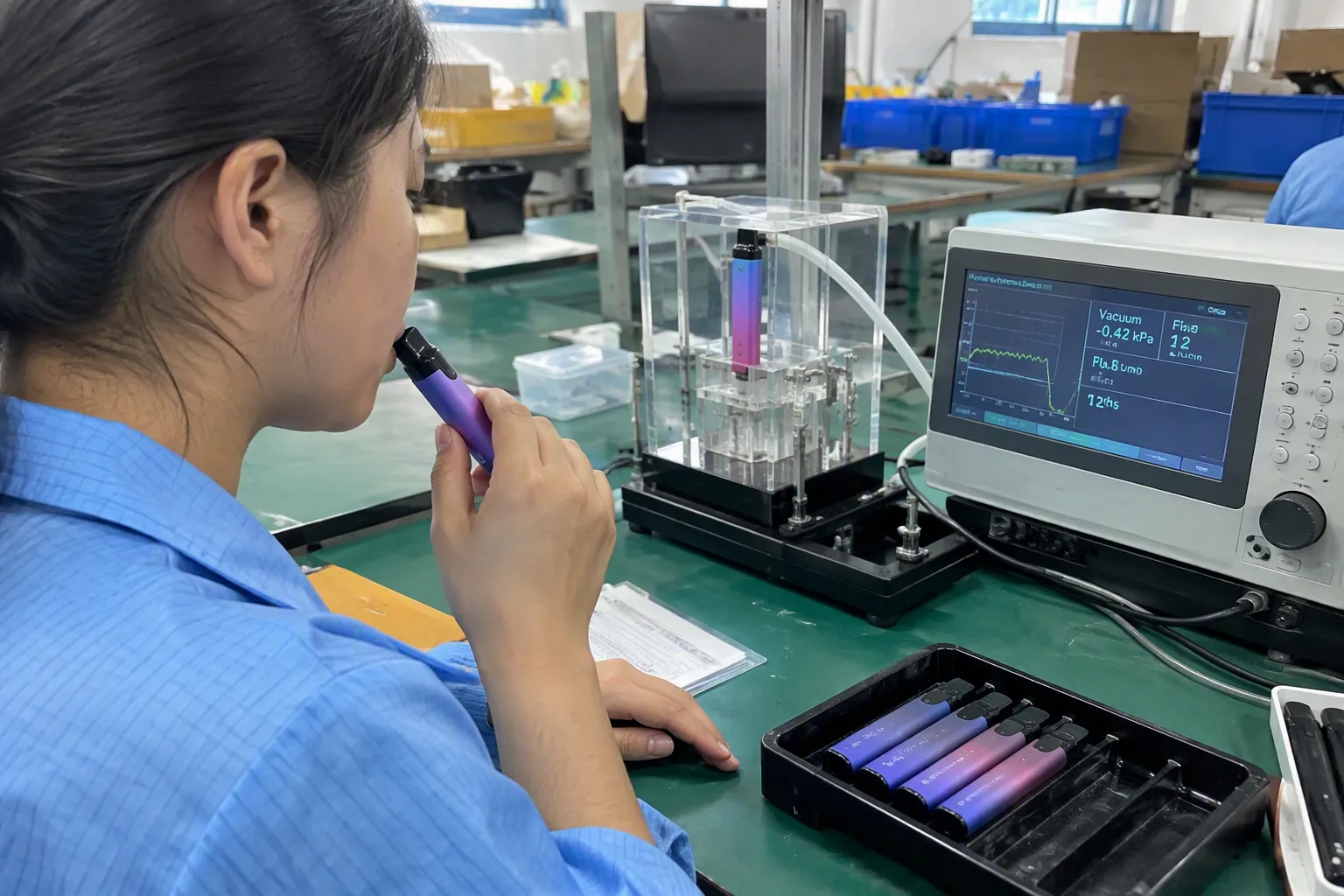
I suggest that a distributor answer the following questions before requesting exclusive vape SKUs.
| Readiness Question | Why I Ask It |
|---|---|
| Do you have repeat sales for a similar product? | Repeat orders provide evidence of actual demand. |
| Can you identify your fastest-moving price range? | A custom product should fit a known commercial position. |
| Do your retail customers request specific features? | Retail feedback helps reduce assumptions. |
| Can you sell the MOQ within a planned period? | This helps control inventory and cash-flow pressure. |
| Do you have approved artwork and brand assets? | Clear files reduce packaging revisions and delays. |
| Have you checked local compliance requirements? | Product, flavor, labeling, and packaging rules can be market-specific. |
| Do you have a quality-control plan? | Pre-shipment checks and clear standards help reduce avoidable disputes. |
| Do you have ready-stock products to support cash flow? | Proven stock can protect the business while a custom line develops. |
A distributor that answers “yes” to most of these questions may be ready for a focused private-label or exclusive project. A distributor that answers “no” to several questions may be better served by starting with available stock, lower-MOQ options, or an overseas warehouse program where available.
For smaller and medium-sized buyers in Europe, a lower-MOQ ready-stock model can help reduce the risk of a large upfront import. Our European warehouse options can be useful for buyers who need to test demand, replenish quickly, and avoid placing a large custom order before the market is proven. Availability, product selection, shipping coverage, and delivery timing should always be confirmed for the specific order.
For larger importers, wholesalers, and distributors with stable volume, direct procurement from China can offer broader OEM/ODM options and stronger pricing potential at larger quantities. I recommend that these buyers plan early, confirm specifications in writing, approve samples carefully, and align production timing with their real sales forecast.
I Separate Supplier Promises From Supplier Evaluation
A distributor should not select a supplier for exclusive vape SKUs based only on a low quotation or a promise of exclusivity. The buyer should assess the supplier’s ability to execute the project consistently.
I recommend that buyers evaluate suppliers in the following areas:
- Product consistency: Ask how the supplier handles production checks and defective-product processes.
- Sample approval: Confirm the approved sample, artwork, color reference, and packaging details before mass production.
- MOQ transparency: Ask whether MOQs differ by device, color, packaging, or customization level.
- Lead-time communication: Request a realistic production timeline rather than relying on a vague estimate.
- After-sales process: Confirm who handles product issues and what evidence is needed for claims.
- Shipping options: Clarify whether the supplier can ship door to door, deliver to the buyer’s freight forwarder, or support overseas warehouse fulfillment where available.
- Exclusivity terms: Define territory, product scope, order volume, duration, renewal conditions, and what happens if the required volume is not met.
- Documentation: Buyers should independently verify any compliance documents, test reports, certifications, or market-access documentation relevant to their destination market.
At Shenzhen Kingfuji Tech. Co., Ltd., I work with buyers who need one supplier relationship for a broad range of vape and smoking-accessory products, including electronic cigarettes, disposable vapes, atomizers, 510 batteries, CBD batteries, vaporizers, grinders, and glass pipes. I also support buyers who need sourcing help for products outside a current catalog, as well as qualified OEM/ODM discussions for suitable projects.
My goal is not to push every buyer into custom development. I want the buyer to choose a procurement model that matches the buyer’s actual sales stage. Some customers need ready stock and fast replenishment. Others need a differentiated local brand with larger-volume production. Both paths can make sense when the buyer controls risk properly.
FAQs About Exclusive Vape SKUs
Should I request exclusive vape SKUs before testing a product?
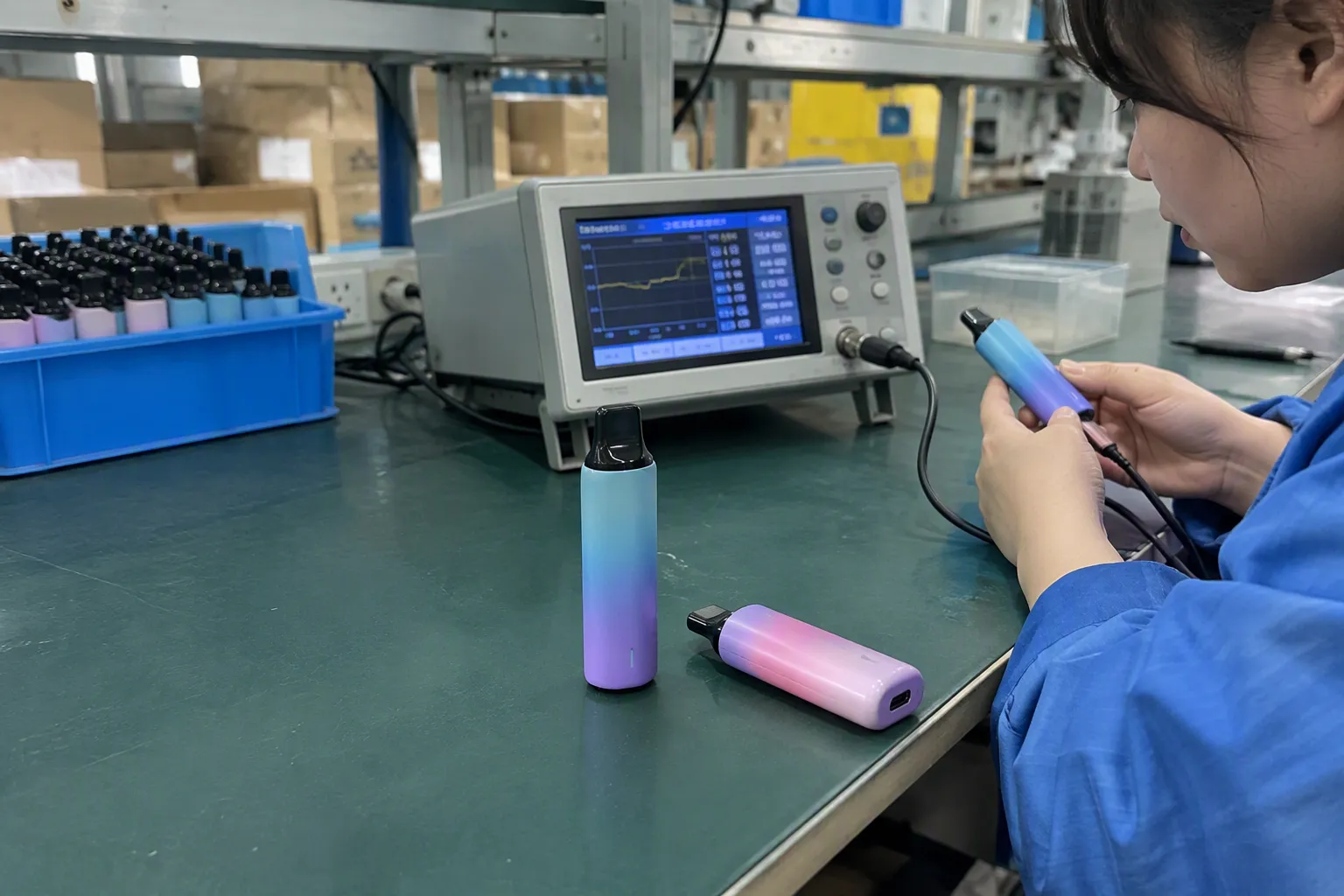
I generally would not recommend that approach. I suggest testing a product through your existing retail or wholesale channels first. Once you see repeat orders, reliable customer feedback, and stable sell-through, you can consider a limited exclusive version with lower commercial risk.
Is custom packaging safer than developing a fully exclusive vape SKU?
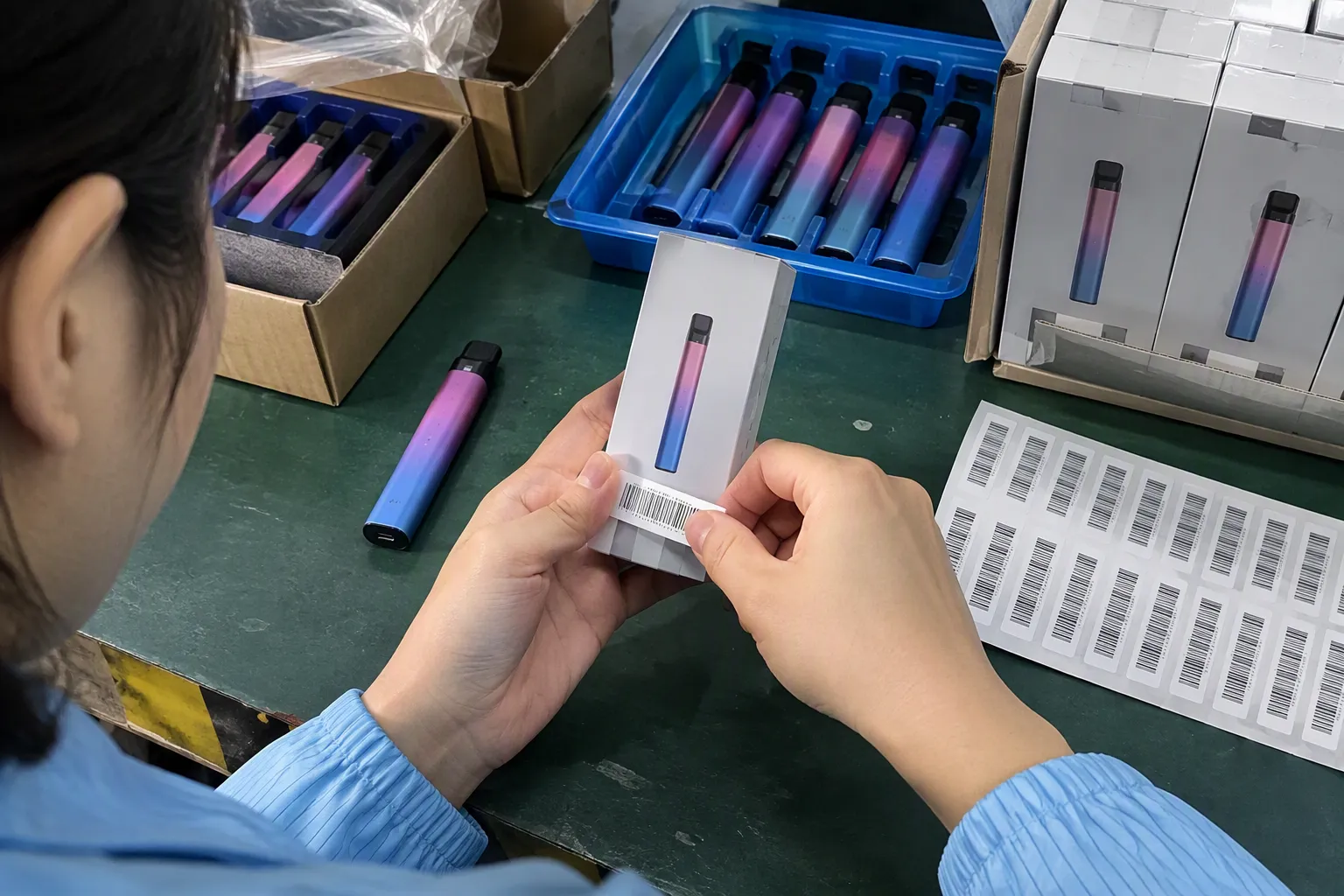
Custom packaging can be a lower-risk starting point because it may not require changes to the device itself. However, packaging still involves MOQ, artwork approval, inventory exposure, and market-specific labeling checks. I recommend confirming these details before production.
Can a small distributor order custom vape colors or packaging?
A small distributor may be able to do so, but feasibility depends on the product, MOQ, production schedule, and supplier requirements. I usually recommend that smaller buyers first compare the custom-order commitment with ready-stock options and their realistic monthly sales volume.
How do I protect an exclusive vape SKU agreement?
I recommend putting the scope in writing. The agreement should define the territory, product model, colors, packaging, order volume, exclusivity period, and renewal conditions. A distributor should also clarify whether exclusivity depends on meeting minimum purchase commitments.
Do exclusive flavors guarantee better sales?
No. A flavor concept does not guarantee sales. Retail demand, local regulations, product positioning, price, and the distributor’s channel execution all matter. I recommend using real customer feedback and qualified compliance checks before committing to a flavor-specific project.
Conclusion: Choosing Exclusive Vape SKUs With Less Risk
I believe exclusive vape SKUs work best when they protect demand that already exists. A distributor should first validate repeat orders, understand local buyer preferences, calculate MOQ and cash-flow exposure, and verify market-specific compliance requirements. A unique color or package may be a practical first step, while a full OEM or ODM line may suit larger distributors with proven volume. If you are evaluating ready stock, private label, or exclusive vape SKUs, contact me at info@kingvapecig.com to discuss a sourcing approach that fits your sales channels and purchasing plan.
Sources
- E-Cigarettes, Vapes, and other Electronic Nicotine Delivery ...", International and public-health regulatory reviews document that electronic-cigarette rules, including restrictions affecting flavors and product characteristics, differ across jurisdictions
- Raw Material Minimum Order Quantity Optimization", Supply-chain research explains that minimum-order quantities are commonly used to recover ordering and setup costs; customization or dedicated production runs can therefore require larger commitments than standard replenishment
- Working Capital Management, Corporate Performance ... - PMC", Working-capital guidance identifies inventory as cash invested in operations, meaning that higher inventory holdings can reduce liquidity available for other purchases and obligations
- An inventory model for slow moving items subject to ...", Inventory-management research treats slow-moving stock as a source of carrying-cost and obsolescence exposure, particularly where demand changes before inventory is sold
- Opportunity Costs - Health Economics Resource Center (HERC)", Economic theory defines opportunity cost as the value of the next-best alternative forgone when limited resources, such as purchasing capital, are committed to a particular use
- Months of Inventory - Texas Real Estate Research Center", Inventory-coverage measures estimate the period of supply by dividing units on hand by the expected sales or consumption rate; under the stated assumptions, 10,000 units divided by 2,000 units per month equals five months
- A deep dive into addressing obsolescence in product design", Supply-chain literature recognizes packaging-specific inventory as vulnerable to obsolescence when product demand, product configurations, or labeling specifications change
- Cigarette Labeling and Health Warning Requirements", Electronic-cigarette regulatory frameworks can require specified packaging and labeling information, including health warnings and product details, before products are placed on the market